Tandoor
On Kingsbury Road in north-west London, Tandoor sits within a stretch of the city where South Asian cooking is a daily reality rather than an occasional outing. The tandoor oven itself, the clay-walled cylinder that gives the restaurant its name, represents one of the oldest continuous cooking technologies in the subcontinent, and its presence here anchors the kitchen in a tradition that long predates London's curry-house era.
 Discover on Pearl
Pearl is the En Primeur Club membership app — saves, bookings, and concierge access live there. Same editors, same standards.
- Address
- 232 Kingsbury Rd, London NW9 0BH, United Kingdom
- Phone
- +44 20 8205 3112
- Website
- carltonlounge.co.uk
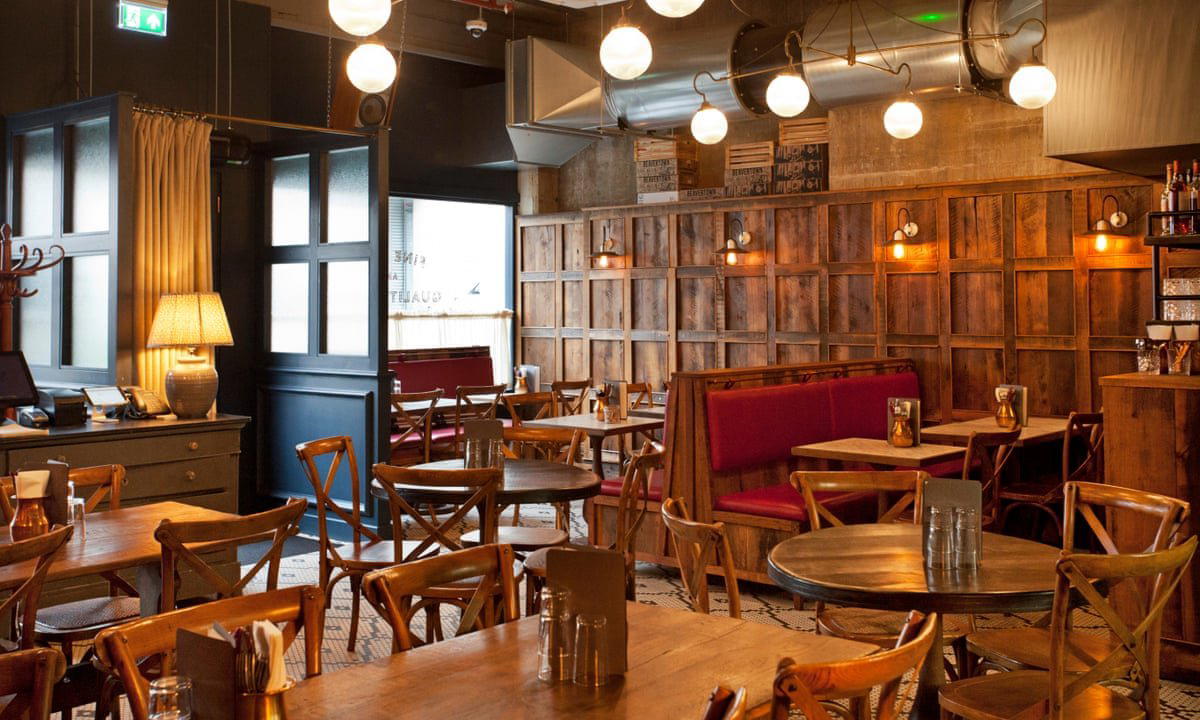
North-West London's Subcontinental Cooking Belt
Tandoor is a restaurant in London serving Tandoori Grill cooking, with a price point around $75 per person. The NW9 corridor around Kingsbury has developed a dense concentration of subcontinental cooking that serves a largely South Asian residential community, which means the standard is set by regulars who know the food, not by visitors sampling it once. Tandoor, at 232 Kingsbury Road, operates inside that context. The name itself is a declaration of method: the tandoor oven, a clay cylinder heated by charcoal or wood to temperatures that can exceed 480°C, produces a char and smoke character that no flat-leading or conventional oven replicates. That technical specificity matters when understanding what distinguishes serious tandoor-led kitchens from the broader curry-house category.
The Oven That Defined a Cuisine
The tandoor's roots trace to the Indus Valley, and its spread across North India, Pakistan, and Afghanistan maps the movement of Mughal court cooking outward into everyday life. In the Punjab specifically, the region most associated with tandoor cooking as a restaurant format, breads like naan and roti, and proteins marinated in yoghurt and spice before high-heat roasting, developed a set of flavour signatures that became the template for much of what London now serves under the broad heading of Indian cuisine. The clay walls absorb moisture and radiate dry, intense heat; the result on a marinated chicken leg or a hand-stretched naan pressed against the inner wall is a surface that blisters and chars within minutes while the interior stays moist. That combination, exterior crust, interior tenderness, is the technical benchmark against which any tandoor kitchen should be measured.
London's South Asian restaurant tier splits roughly into three groups: the heritage community restaurants serving residential catchments (of which the Kingsbury strip is a strong example), the modernised mid-market operators who have updated presentation while keeping broadly traditional flavour profiles, and the tasting-menu format that has emerged in recent years at the premium end of the market. The latter category sits alongside venues like CORE by Clare Smyth and The Ledbury in London's formal dining conversation, but the Kingsbury model occupies a different and arguably more culturally grounded position: it exists because the community around it demands it, not because a broader dining market has decided South Asian food is fashionable this season.
What the Tandoor Format Signals
A kitchen that names itself after the oven is making a statement about priorities. The tandoor requires sustained attention, coals must be maintained at consistent temperature, proteins must be timed precisely, and bread production runs continuously during service. Restaurants that operate tandoors as peripheral equipment, producing one or two token dishes alongside a longer menu of curry-house staples, tend to produce noticeably different results from kitchens where the oven is the centrepiece. The former use it as a finishing tool; the latter build the menu around its rhythms. The distinction shows up immediately in the bread, which in a properly run tandoor kitchen arrives at the table with char marks and a slight interior chew that cools quickly, meaning the bread-to-table timing matters as much as the baking itself.
For context on London's wider food scene, which spans three-Michelin-star kitchens like Restaurant Gordon Ramsay and Sketch, The Lecture Room and Library through to neighbourhood specialists like those in Kingsbury, the community-facing South Asian category remains one of the city's most technically rigorous. The same is broadly true of comparable specialist clusters in other UK cities; L'Enclume in Cartmel and Moor Hall in Aughton represent a different axis of British culinary ambition, but the cultural specificity and technical depth of a Kingsbury tandoor kitchen represents something those venues cannot replicate.
Placing Tandoor in Its Neighbourhood
Kingsbury Road runs through a part of London where South Asian grocery shops, sweet shops, and restaurants form a continuous commercial ecosystem. The infrastructure around the restaurant, the availability of fresh spices, specialist dairy like paneer and ghee, and the proximity of a community that keeps irregular but high-frequency dining patterns, supports a kitchen rhythm different from destination-dining neighbourhoods. Bookings, walk-ins, and family groups coexist in these spaces in ways that more formal venues discourage. That accessibility is part of the point: tandoor cooking in its Punjabi community context was never a special-occasion format; it was and remains an everyday one, and the leading community restaurants in this part of London reflect that.
For visitors building a broader London itinerary, the contrast between the NW9 dining strip and central London's formal restaurant tier, Dinner by Heston Blumenthal at the Mandarin Oriental, or the country-house ambition of Le Manoir aux Quat' Saisons outside Oxford, is itself instructive about what London's food culture contains. Comparable tandoor-led cooking contexts exist in cities with large South Asian diaspora populations; internationally, the technical rigour found in a good Punjabi tandoor kitchen has more in common with the precision-driven formats of Atomix in New York than the surface similarity might suggest, both disciplines reward close attention to temperature, timing, and ingredient provenance.
Know Before You Go
- Address: 232 Kingsbury Rd, London NW9 0BH, United Kingdom
- Area: Kingsbury, north-west London (NW9)
- Getting there: Kingsbury is served by the Jubilee Line; Kingsbury station is within walking distance of the restaurant
- Booking: Reservations are recommended.
- Hours: Mon to Thu and Sun 12 p.m. to 12:45 a.m.; Fri and Sat 12 p.m. to 1:45 a.m.
- Price range: About $75 per person.
- Crispy Lamb Chops
- Hot Honey Chicken
- Seekh Kebab Roll
- Black Dahl
- Masala Ribeye
- Nutella Naan
Peers in This Market
Comparable venues nearby, for context on price, style, and recognition.
| Venue | Cuisine | Price | Notes |
|---|---|---|---|
| TandoorThis venue — the venue you are viewing | Tandoori Grill | $$$ | |
| Gaylord | Traditional Mughlai Indian | $$$ | Cubitt Town |
| Raaz | Modern Indian Fine Dining | $$$ | Putney |
| Chourangi | Calcutta Indian Cuisine | $$$ | Marble Arch |
| Black Salt | Modern Indian | $$$ | Mortlake |
| Bombay Brasserie | Modern Indian Brasserie | $$$ | Earl's Court |
Continue exploring
More in London
Restaurants in London
Browse all →
Bars in London
Browse all →
Hotels in London
Browse all →
Wineries in London
Browse all →
At a Glance
- Rustic
- Lively
- Elegant
- Group Dining
- Date Night
- Celebration
- Open Kitchen
- Beer Program
Rustic restaurant with open kitchen allowing diners to watch chefs work; busy and convivial atmosphere with close-together booth seating; warm and welcoming service.
- Crispy Lamb Chops
- Hot Honey Chicken
- Seekh Kebab Roll
- Black Dahl
- Masala Ribeye
- Nutella Naan