Tamashi Ramen Sushi- Silber Spring Branch
Our verdict
On Silber Road in Houston's Spring Branch corridor, Tamashi Ramen Sushi occupies a strip-mall slot that belies the seriousness of its dual-format menu. The restaurant addresses a common Houston dilemma: where to eat both ramen and sushi under one roof without compromising either. It draws a steady neighborhood crowd in a part of town better known for Vietnamese and Tex-Mex than Japanese dining.

Pearl is the En Primeur Club membership app, where members save venues, book tables and use the concierge.

The menu
What to order
- Tamashi Menn
- Tonkotsu
- Curry Tsukemen
- Shaggy Dog Roll
Spring Branch and the Strip-Mall Japanese Question
Houston's Spring Branch district has never positioned itself as a fine-dining destination. The stretch of Silber Road where Tamashi Ramen Sushi occupies a ground-floor retail unit sits inside a neighborhood whose dining identity is shaped more by Vietnamese pho houses and Mexican taquerias than by Japanese kitchens. That context matters, because it explains both the audience this restaurant serves and the format it has settled into: approachable, dual-concept, priced for regulars rather than occasion dining.
The dual ramen-sushi format is itself a telling signal about where this restaurant sits in Houston's broader Japanese dining spectrum. At the high end, venues like March and Musaafer operate as single-concept, high-ceremony experiences where the format itself is the proposition. Tamashi does something different: it presents two distinct Japanese culinary traditions side by side, betting that the neighborhood wants versatility over specialization. Houston supports that bet more readily than most American cities, given the sheer density and diversity of its dining population.
The Ritual of Ordering Across Two Menus
There is a particular dining ritual that emerges when a restaurant straddles two distinct culinary formats. The table conversation shifts from "what should I get" to "which direction are we going tonight", and that negotiation is part of what defines the Tamashi experience. Ramen and sushi sit at genuinely different points on the pacing spectrum: ramen is a solo, forward-leaning bowl experience, eaten quickly and attentively before the broth temperature drops; sushi service, even in an informal setting, moves in courses or rounds, with pauses built in.
Whether the kitchen can sustain both disciplines simultaneously at consistent quality is the central question any dual-concept Japanese restaurant must answer. In Houston, the comparison set is instructive. The city has a developed sushi tier, anchored by counter-format venues like Hidden Omakase, where single-concept discipline allows for a more controlled experience. Tamashi operates in a different register, one that prioritizes access and range over ceremony. The trade-off is explicit in the format, and guests who arrive understanding that tend to have a more productive experience than those expecting omakase-level focus.
Nationally, the gap between single-concept precision and dual-format accessibility is visible at the highest tier: Le Bernardin in New York City and The French Laundry in Napa achieve their reputations partly by refusing to dilute their formats. At the neighborhood level, that kind of rigidity is neither practical nor desirable, and Tamashi's multi-concept approach reflects the pragmatic realities of feeding a diverse, price-conscious Spring Branch clientele rather than a downtown expense-account crowd.
Houston's Japanese Dining Tiers and Where This Fits
Houston's Japanese restaurant market has stratified considerably over the past decade. At the leading, omakase counters and high-commitment sushi bars command prices that place them in the same conversation as Atomix in New York City or Providence in Los Angeles for sheer investment-per-seat. Below that sits a mid-tier of izakaya-style and ramen specialists with defined culinary identities. Then there is the neighborhood tier, where Tamashi operates: casual, multi-item menus, strip-mall real estate, and pricing calibrated to repeat visits rather than special occasions.
That neighborhood tier is not the consolation tier. Some of Houston's most consistent eating happens in exactly these settings, particularly across the Spring Branch and Bellaire corridors where immigrant-community kitchens operate without the overhead costs that push downtown restaurants toward minimum spends and performance pricing. The Spring Branch location also places Tamashi in a corridor that Houston food writers have increasingly documented as a zone of underappreciated dining density, comparable in spirit to what neighborhoods like Sunset Park in New York represent for Chinese food, or the San Gabriel Valley represents for regional Chinese and Vietnamese cooking.
For broader Houston context, the EP Club Houston restaurants guide maps the full range of what the city offers, from the refined Spanish-influenced cooking at BCN Taste & Tradition to the masa-focused precision of Tatemó and the French-trained techniques at Le Jardinier Houston. Tamashi occupies a different part of that map entirely, closer to daily-use dining than to destination dining.
Pacing and Format: What to Expect at the Table
The practical experience of eating at a dual ramen-sushi venue involves decisions that single-concept restaurants make for you. At a ramen counter, the kitchen controls the sequence: broth arrives hot, the ritual is immediate. At a sushi bar, the pacing is collaborative, with rounds arriving as the meal progresses. When both options appear on the same menu, the diner carries more of that structural responsibility. Ordering ramen and sushi simultaneously produces a pacing conflict that most experienced diners learn to resolve by treating them sequentially or dividing the table across formats rather than combining them on a single order.
This kind of format negotiation is part of what makes neighborhood Japanese restaurants interesting study objects. The customs that govern a high-end omakase, documented in venues as studied as Smyth in Chicago or Blue Hill at Stone Barns, trickle down into even the most casual settings in modified form. At Tamashi, the etiquette is low-stakes, but the underlying logic of sequential eating, broth temperature awareness, and sushi-piece-by-piece consumption still applies if the guest wants to eat well.
Know Before You Go
Frequently asked questions
Is Tamashi Ramen Sushi on Silber Road child-friendly?
The Spring Branch location on Silber Road operates in a strip-mall setting, which typically means an informal dining room with no rigid atmosphere expectations. Ramen and sushi are formats that translate well across age groups, and the dual-menu format gives families flexibility to order across preferences. Contacting the restaurant directly before visiting with young children is the safest way to confirm seating arrangements.
Where do I go for Tamashi Ramen Sushi- Silber Spring Branch?
Tamashi Ramen Sushi- Silber Spring Branch is located at 1106 Silber Rd d1, Houston, TX 77055, Houston.
What's the overall feel of Tamashi Ramen Sushi on Silber Road?
The address at 1106 Silber Rd in Houston's Spring Branch district places this squarely in the neighbourhood's working strip-mall dining corridor rather than a dedicated restaurant row. Expect a casual, counter-service-adjacent atmosphere where the focus is on the food rather than the room. Spring Branch has built a reputation for no-frills spots that prioritise output over presentation, and Tamashi fits that pattern.
What's the must-try dish at Tamashi Ramen Sushi on Silber Road?
The menu spans both ramen and sushi, which makes a single recommendation difficult without current dish-level data. At a dual-format Japanese restaurant, the safest approach is to ask staff which side of the menu sees the most consistent demand on the day you visit. Split-format regulars tend to order one bowl and one sushi selection to gauge the kitchen's range across both disciplines.
Peers You’d Cross-Shop
Comparable venues nearby, for context on price, style, and recognition.
| Venue | Cuisine | Price | Notes |
|---|---|---|---|
| Tamashi Ramen Sushi- Silber Spring BranchThis venue (the venue you are viewing) | Japanese Ramen & Sushi Fusion | $10–20 | Not listed |
| Sushi by the Heights | Contemporary Japanese Sushi & Robata | $30–50 | Greater Heights |
| Teppay | Authentic Traditional Japanese Sushi | $30–50 | Briarmeadow |
| KA Sushi | Modern Japanese Sushi | $30–50 | Greater Heights |
| Handies Douzo | Hand Roll Sushi Bar | $30–50 | Hennessey |
| Sushi Masa Westheimer | Japanese Sushi Fusion | $20–30 | Woodlake |
Continue exploring
More in Houston
Restaurants in Houston
All restaurants in Houston →

Bars in Houston
All bars in Houston →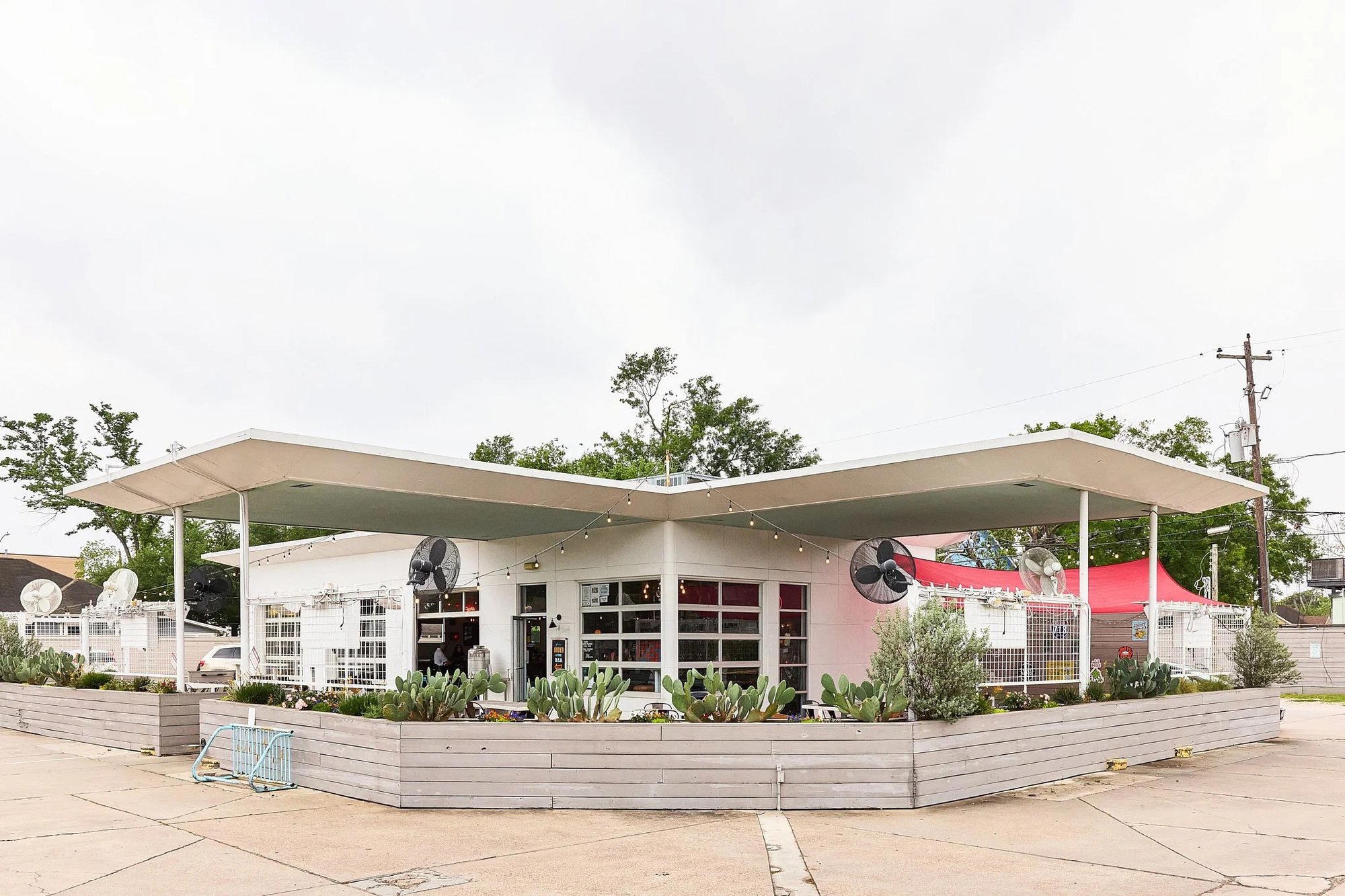


Details
- Modern
- Casual
- Casual Hangout
- Group Dining
- Open Kitchen
- Standalone
- Beer Program
- A La Carte
- Counter Dining
- Matcha
- Iced Tea
- Vegetarian Friendly
Current opening hours
- Monday
- 11 AM–9:30 PM
- Tuesday
- 11 AM–9:30 PM
- Wednesday
- 11 AM–9:30 PM
- Thursday
- 11 AM–9:30 PM
- Friday
- 11 AM–10 PM
- Saturday
- 12–10 PM
- Sunday
- 12–9 PM
Hours can change for holidays and private events. Hours as of .
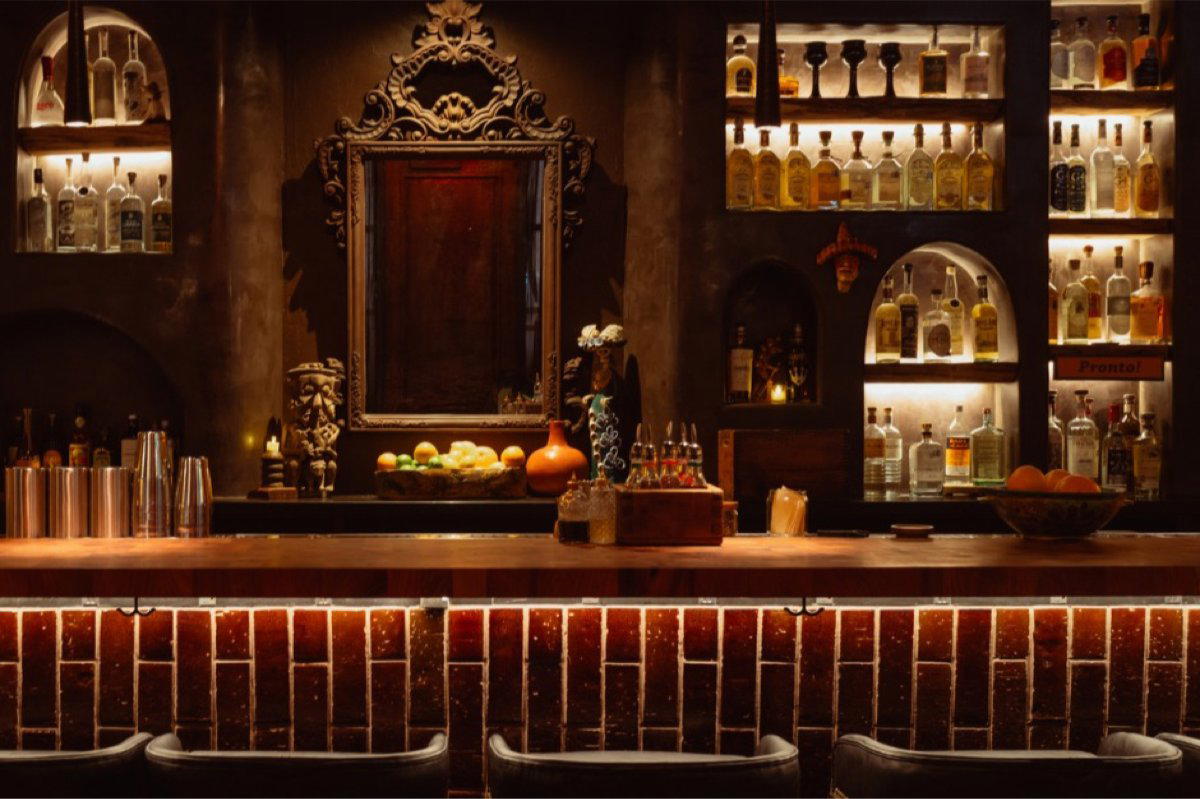
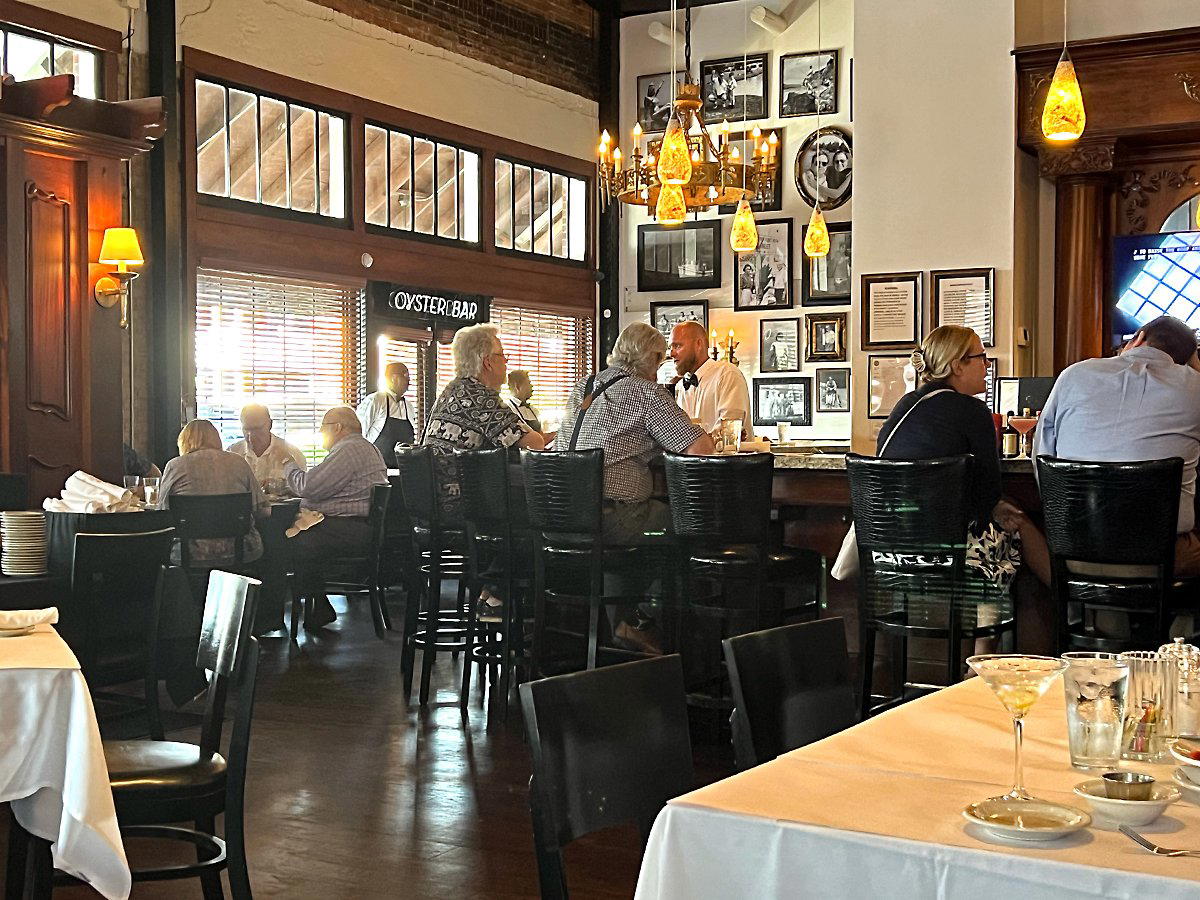
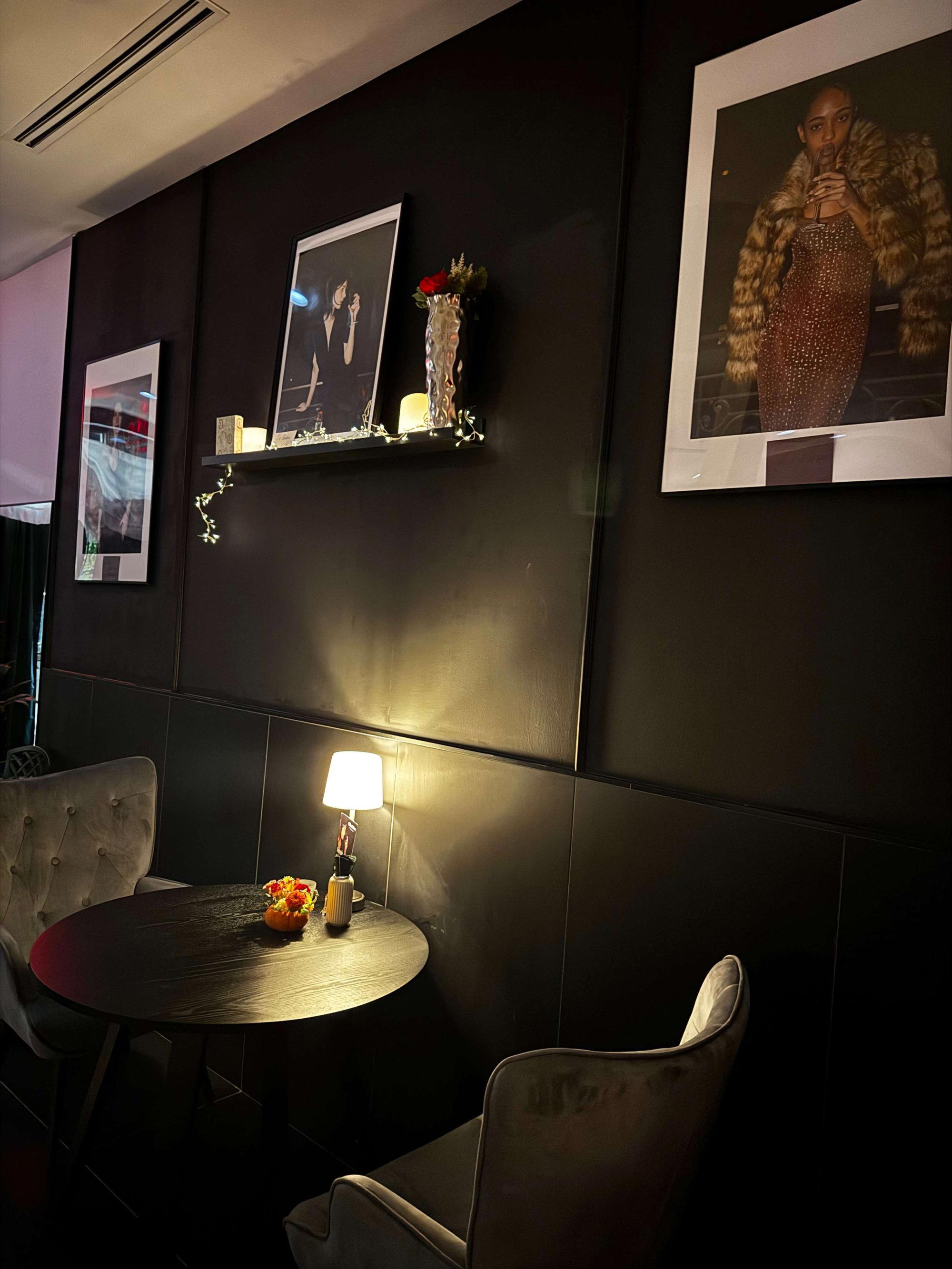
Welcoming atmosphere capturing the essence of Japanese hospitality with a modern casual setting.