
Tabelog 100 #27
Our verdict
Shuan Tanaka sits in Akita’s izakaya register, where regional cooking, soba, and a serious sake habit matter more than spectacle. Its Tabelog 100 Izakaya EAST selections in 2022, 2024, and 2025 place it among the eastern Japan taverns worth reading as part of a broader northern food culture, not merely as a local night out.

Pearl is the En Primeur Club membership app, where members save venues, book tables and use the concierge.
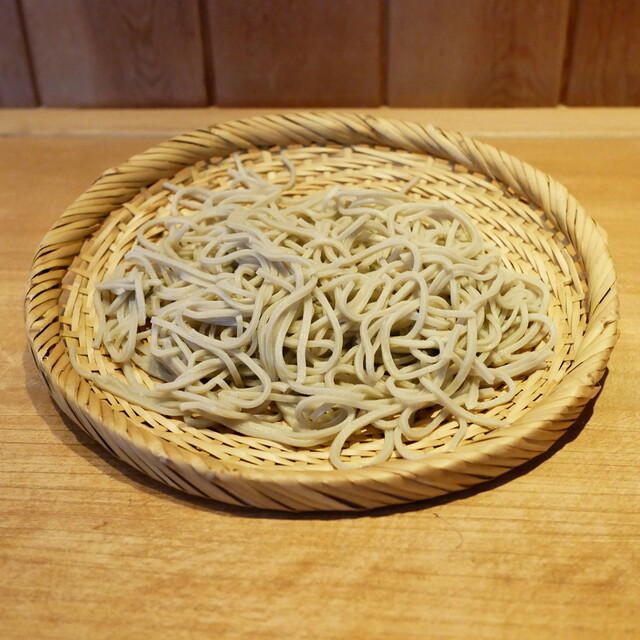
Approach the Akita izakaya tradition through the room before the plate: a tavern setting creates the kind of domestic scale that suits northern Japan’s drinking food. This is not the Tokyo model of compressed counter theatre, and it is not the formal quiet of kaiseki. The appeal lies in a smaller rhythm: regional dishes and soba in a Japanese-style tavern format that lets Akita’s local cooking feel direct rather than staged.
Shuan Tanaka belongs to the category of izakaya that rewards attention to place. Akita’s food identity is often associated with cold-climate preservation, rice country, seasonal ingredients, and the long companionship between local cooking and tavern drinking. In that context, a listing that places regional cuisine and soba inside an izakaya reads as part of a wider northern pattern: food that is structured for drinking, but anchored in ingredients and formats that predate the modern small-plates trend.
Akita izakaya cooking with soba and regional gravity
The useful way to read this address is through regional food culture rather than menu novelty. Akita is one of Japan’s great rice prefectures, and that agricultural identity shapes the table broadly. An izakaya sits naturally inside that ecosystem. Soba adds another regional thread, because buckwheat has long belonged to colder inland areas where wheat and rice did not tell the whole agricultural story. Regional cuisine, in this setting, is not a vague label. It signals a table built around the prefecture’s climate and pantry.
The Tabelog Hyakumeiten recognition in 2025 gives the place a clear external marker, alongside a listed Tabelog score of 3.78. That matters because izakaya recognition is harder to parse than fine-dining recognition: the format is broad, prices vary sharply, and many serious kitchens are built for regulars rather than destination dining. A place appearing in that context suggests consistency within the tavern category, where service format, drink depth, and local loyalty often count as much as plated ambition.
Within Akita, the comparison is less about ranking than choosing the right register. Other Akita dining rooms point toward more ingredient-led, formal, or specialized meals, while unnamed local taverns may speak more directly to everyday food culture. Against those routes, Shuan Tanaka is the izakaya choice: less ceremonial, more porous, and better suited to understanding how Akita eats through regional cooking and soba.
A tavern scale, not a grand dining room
The format is part of the argument. Shuan Tanaka is best understood closer to local tavern than banquet hall, with the flexibility expected of a Japanese izakaya rather than the single-focus structure of a grand dining room. That range is typical of izakaya culture at its stronger end: solo drinkers, small groups, families, and longer gatherings can coexist without the room becoming a single-purpose stage.
For travellers, the practical advantage is that the category is legible without being overly formal. The restaurant sits in Akita’s everyday dining landscape rather than the hushed adult-only model often associated with high-end counters. Its tavern identity points to meals that can stretch beyond the quick drink-and-snack pattern, another clue that this is a social izakaya as much as a food destination.
The drinks context is equally telling, even without reducing the restaurant to a pairing program. In Akita, tavern drinking is part of the region’s broader food culture rather than an accessory bolted onto the meal. For travellers more familiar with metropolitan cocktail bars or tasting-menu pairings, this is a different kind of expertise, one that links regional cooking and tavern rhythm without turning the meal into a lecture.
How to place it within an Akita trip
Akita rewards travellers who resist treating the city as a single-dish destination. Regional cooking, soba, tavern culture, and more formal dining all occupy different lanes. For a broader read before choosing meals, use Our full Akita restaurants guide; for the rest of the trip structure, keep Our full Akita hotels guide, Our full Akita bars guide, Our full Akita wineries guide, and Our full Akita experiences guide in view. The city is compact enough to make dining decisions feel casual, but the better meals come from matching format to mood.
For readers mapping Japanese regional dining beyond Akita, the useful contrast is format. More formal restaurants, specialist counters, cafe-driven rooms, and casual rice-centered shops all show how quickly category changes the meaning of a meal in Japan. Outside Japan, Japanese food abroad can sometimes isolate individual themes; in Akita, those elements sit inside the daily grammar of the table.
The critical case for Shuan Tanaka is restraint of category. It does not need the formality of kaiseki or the expense of a sushi counter to make sense of Akita’s ingredients. Its value is in a tavern format that keeps regional cooking and soba in the same conversation, supported by Tabelog Hyakumeiten 2025 recognition. For travellers building one Akita evening around local food culture rather than spectacle, that is the reason to pay attention.
Frequently asked questions
Is Shuan Tanaka child-friendly?
Shuan Tanaka is an izakaya in Akita, with dinner listed at JPY 5,000 - JPY 5,999 and lunch listed at JPY 1,000 - JPY 1,999.
What kind of setting is Shuan Tanaka?
Shuan Tanaka is a Japanese-style tavern in Akita, categorized for izakaya, regional cuisine, and soba. Its appeal is intimate and local rather than formal, with Tabelog Hyakumeiten 2025 recognition.
Is Shuan Tanaka more mid-range or high-end?
Pricing at Shuan Tanaka is listed as Dinner: JPY 5,000 - JPY 5,999; Lunch: JPY 1,000 - JPY 1,999.
When is Shuan Tanaka open?
Current opening hours are not provided here; check directly with Shuan Tanaka before visiting.
Side-by-Side Snapshot
Comparable venues by cuisine and price in the same metro.
| Venue | Cuisine | Price | Awards | Notes |
|---|---|---|---|---|
| Shuan TanakaThis venue (the venue you are viewing) | Traditional Japanese Izakaya | Not listed | Tabelog 100 #27 | Not listed |
| Sumibi Yakiniku Nama Horumon Dokoro Shouchan | Yakiniku & Horumon (Japanese BBQ) | $20–30 | Tabelog 100 #11 | Akita |
| Teuchi Soba Katou | Japanese Soba & Udon | Not listed | Tabelog 100 #59 | Akita |
| Eiraku Shokudo | Japanese Izakaya | $20–30 | Tabelog 100 #93 | Akita |
| Tobu | Traditional Japanese chicken hot pot (mizutaki) | $20–30 | Tabelog 100 #86 | Not listed |
| Sake Tomi | Japanese Izakaya | $30–50 | Tabelog 100 #63 | Akita |
Recognition history
Dated appearances from independent guides and award organizations, with the underlying list record or original source where available.
Tabelog 100 #27 · No. 27
Tabelog · Tabelog 100 - Izakaya - EAST - 2025
Continue exploring
More in Akita
Restaurants in Akita
All restaurants in Akita →

Hotels in Akita
Browse all →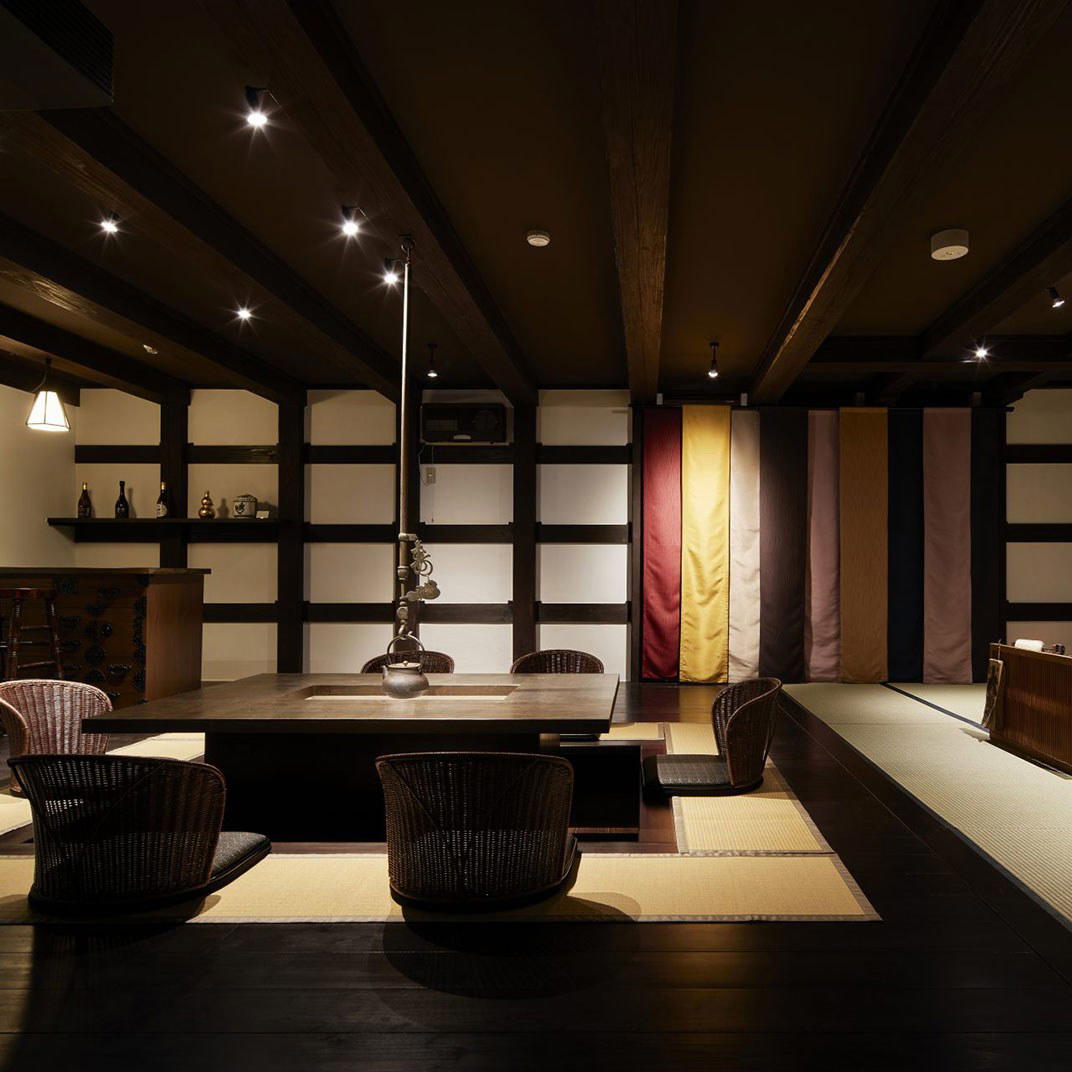
Details
- Cozy
- Casual Hangout
- After Work
- Group Dining
- Late Night
- Standalone
- Sake Program
- Beer Program
- A La Carte
- Small Plates
- Sake
- Beer
Current opening hours
- Monday
- 11 AM–1:30 PM, 5–10 PM
- Tuesday
- 11 AM–1:30 PM, 5–10 PM
- Wednesday
- 11 AM–1:30 PM, 5–10 PM
- Thursday
- 11 AM–1:30 PM, 5–10 PM
- Friday
- 11 AM–1:30 PM, 5–10 PM
- Saturday
- 11 AM–1:30 PM, 5–10 PM
- Sunday
- 11 AM–1:30 PM, 5–10 PM
Hours can change for holidays and private events. Hours as of .
A small, casual neighborhood izakaya with a warm, lively atmosphere typical of Japanese style taverns, focused more on food and conversation than on design frills.