


Star Wine List · Falstaff Restaurant - 90 Falstaff Points · White Guide Sweden Restaurants - Very Fine Level
Our verdict
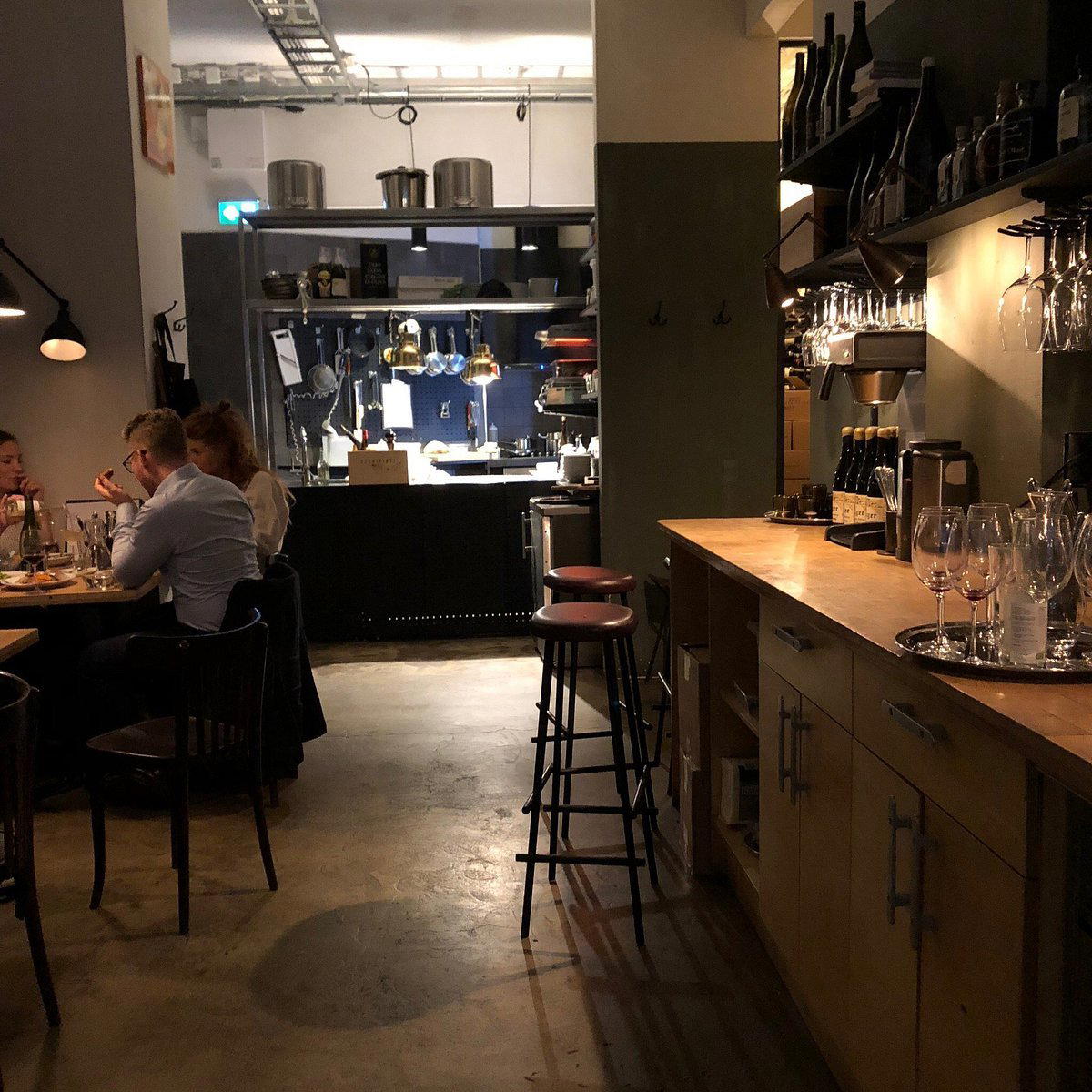
On a quiet stretch of Tulegatan in Stockholm's Vasastan district, Svartengrens builds its identity around a straightforward commitment: meat sourced from small-scale farmers in Stockholm's archipelago, cocktails taken seriously, and a wine list that rewards curiosity. The result is a neighbourhood restaurant operating at a higher ethical sourcing standard than its relaxed atmosphere might initially suggest.

Pearl is the En Primeur Club membership app — saves, bookings, and concierge access live there. Same editors, same standards.
- Address
- Tulegatan 24, 113 53 Stockholm, Sweden
- Phone
- +46 8 612 65 50
- Hours
- Mon ClosedTue–Thu 5 PM–12 AMFri–Sat 5 PM–1 AMSun 5 PM–12 AM
- Website
- svartengrens.se
- Directions
- Get directions
- Booking
- Book on the venue's website
The menu
What to order
- Rib-eye sausage
- Beef tartare
- Sirloin steak
- Entrecote
Vasastan's Approach to Ethical Sourcing
Stockholm's restaurant culture has split visibly across two registers over the past decade. At one end sit the tasting-menu institutions — Frantzén, AIRA, and Aloë — where provenance is articulated in formal programmes and price points that reflect long supply chains built over years. At the other end sit casual spots where sourcing claims are gestural at leading. Svartengrens occupies a third position: a neighbourhood restaurant on Tulegatan 24 in Vasastan that treats ethical sourcing as operational fact rather than marketing language.
The restaurant's stated identity, meat, cocktails, and love, is deliberately low on ceremony, but the supply chain behind it is not. All meat comes from small-scale farmers working within Stockholm's archipelago, a sourcing radius that keeps the carbon footprint tight and the accountability high. When a restaurant sources from small producers rather than commodity suppliers, the traceability tends to be tighter by default: fewer animals per farm, fewer hands between field and plate, less opportunity for the provenance chain to blur. That structural reality matters more than any sustainability marketing copy.
This kind of hyperlocal procurement is less common in the informal dining segment than in the tasting-menu tier, where it has become near-standard among Sweden's most-discussed kitchens. Restaurants like Adam / Albin and Operakällaren operate with sourcing philosophies built into multi-course formats where provenance can be explained course by course. Svartengrens delivers a comparable ethical position in a format that asks nothing of the diner beyond showing up and ordering.
The Archipelago Supply Chain
Stockholm's archipelago, the 30,000-island scatter of land east of the city across the Baltic, has historically supplied the city with fish, game, and small-scale livestock. The farming culture in the archipelago tends toward low-volume, high-welfare operations by necessity: the geography does not support industrial-scale production. That geographic constraint becomes a sourcing advantage for a restaurant that has built its menu around meat.
The same pattern of small-farm sourcing appears across Sweden's most serious regional kitchens. VYN in Simrishamn, ÄNG in Tvååker, and Knystaforsen in Rydöbruk all demonstrate how tight producer relationships outside urban centres can shape a kitchen's identity. Svartengrens brings a version of that rural supply logic into an urban Vasastan address, which is the more demanding operating context: city rents, city volume expectations, city competition.
For the diner, the practical implication is that the cuts and preparations on offer at any given time reflect what the farms are producing, not what a central procurement system has standardised. That kind of supply dependency creates menu variation that seasonal, large-scale restaurants rarely match. It also means the kitchen is working with animals raised to a standard that small producers in the archipelago region tend to maintain partly out of economic necessity, a small farm's reputation lives or dies on the quality of individual animals.
Cocktails and the Wine List
Meat-focused restaurants that take their drinks programme seriously enough to list it alongside the food as a core identity pillar are less common than the category might suggest. Most operate with functional wine lists and a short cocktail menu treated as a revenue afterthought. Svartengrens positions cocktails as a co-equal part of the offering, which shifts the hospitality dynamic: the bar becomes a genuine destination within the restaurant rather than a waiting area.
The wine list has been described as one that rewards curiosity rather than defaulting to the obvious producers. In a Stockholm market where the higher-end tables at places like AIRA tend to anchor their lists on prestige regions, a neighbourhood restaurant with a genuinely considered wine programme represents a different kind of ambition. Pairing an archipelago-sourced meat programme with wines selected for character rather than label recognition creates a drinks-led coherence that some formal tasting menus struggle to match.
Stockholm's bar scene has developed considerable technical sophistication in recent years, and Vasastan restaurants have benefited from a general rise in cocktail literacy among the city's drinkers. For a full picture of where to drink in the city, EP Club's Stockholm bars guide covers the range from classic hotel programmes to independent neighbourhood operators.
Where Svartengrens Sits in Stockholm's Dining Map
Vasastan is not the tourist belt. The neighbourhood runs north of the old town clusters and draws a local clientele that treats its restaurants as regulars rather than as destinations. That context shapes what a restaurant on Tulegatan needs to deliver: consistency over spectacle, genuine sourcing over performed sustainability, a drinks programme that improves on repeat visits rather than one built for a single impressive occasion.
Across Sweden's broader restaurant scene, the commitment to small-farm sourcing at Svartengrens's informal price tier is notable. Comparable ethical rigour at the higher end appears at places like Signum in Mölnlycke, Vollmers in Malmö, and PM & Vänner in Växjö, where formal tasting formats provide the structure to communicate provenance in detail. Svartengrens makes the same sourcing commitment without the formal structure, which is arguably the harder operating model to maintain. For a comprehensive overview of where Svartengrens sits within Stockholm's full dining range, EP Club's Stockholm restaurants guide maps the city's options by neighbourhood and format.
Visitors building a Stockholm itinerary around more than dining will find EP Club's Stockholm hotels guide, Stockholm wineries guide, and Stockholm experiences guide useful for completing the picture. On the international comparisons worth making: restaurants like Le Bernardin in New York City and Emeril's in New Orleans illustrate how producer relationships, when built into a restaurant's founding identity, tend to outlast trend cycles, a pattern Svartengrens mirrors at its own scale.
Planning Your Visit
Svartengrens is located at Tulegatan 24 in Vasastan, reachable on foot from Odenplan or by a short journey from Stockholm's central stations. As a neighbourhood restaurant with a loyal local following, tables during peak evening hours fill quickly. Advance booking is advisable, particularly on weekends, when demand from regulars alone tends to account for a significant share of covers. Arriving without a reservation is possible at the bar, which given the cocktail programme's standing in the restaurant's identity, may be the appropriate first-visit strategy for a new diner. The sourcing model and the relatively focused menu format mean the kitchen operates with ingredient availability rather than a fixed annual menu, checking current offerings before visiting is worth doing.
Frequently asked questions
What do regulars order at Svartengrens?
The restaurant's sourcing focus is built around meat from small archipelago farmers, so returning guests tend to orient their orders around the meat programme. The cocktail list draws repeat visits independently of the food, and the wine list's character-led selection gives regulars reason to explore beyond a single bottle. See also: the broader approach at Aloë and Adam / Albin for how Stockholm's kitchen culture treats sourcing at the higher formal tiers.
Do I need a reservation for Svartengrens?
In Stockholm's current dining climate, neighbourhood restaurants with strong local followings fill their tables faster than their informal register might suggest. A reservation for evening dining, particularly Thursday through Saturday, is the practical approach. The bar offers an alternative for walk-ins, and given the cocktail programme's position as a core identity pillar at Svartengrens, that is not a second-tier option. For context on how Stockholm's better neighbourhood operators handle demand, EP Club's Stockholm restaurants guide includes booking guidance across the range.
What's the signature at Svartengrens?
The restaurant identifies itself through three pillars: meat, cocktails, and wine. The signature is less a single dish and more a sourcing-led approach: meat from small producers in the Stockholm archipelago, a cocktail programme positioned as co-equal to the food, and a wine list selected for character. That combination, delivered in a low-ceremony neighbourhood format, is the operating identity. For comparison, the formal expression of similar sourcing values in tasting-menu contexts appears at kitchens like AIRA and Operakällaren.
Is Svartengrens allergy-friendly?
Contact the restaurant directly before visiting if you are managing specific dietary requirements or allergies. A meat-focused kitchen with a small-farm supply chain operates with a relatively fixed ingredient logic, and the kitchen's ability to adapt will depend on the specific allergy and the night's available menu. Stockholm restaurants are generally well-practised at handling dietary requirements across all formats. For venue contact details and current information, visiting Svartengrens directly via their Tulegatan 24 address or through Stockholm's standard reservation channels is the appropriate first step.
Reputation Context
Comparable venues nearby, for context on price, style, and recognition.
| Venue | Cuisine | Price | Awards | Notes |
|---|---|---|---|---|
| SvartengrensThis venue — the venue you are viewing | Swedish Steakhouse | $50–100 | Star Wine List · Falstaff Restaurant - 90 Falstaff Points | Not listed |
| Spesso | Modern Northern Italian | Not listed | Star Wine List · White Guide Sweden Restaurants - Fine Level | Norrmalm |
| At Six | Modern Nordic Brasserie | $50–100 | Not listed | Norrmalm |
| Griffins Steakhouse Extraordinaire | Steakhouse Extraordinaire | Not listed | Star Wine List | Riddarholmen |
| Esperanto | New Nordic with Japanese Fusion | Not listed | Not listed | Östermalm |
| Smak | Nordic Flavor-Based Tasting Menu | $50–100 | Not listed | Norrmalm |
Recognition history
Dated appearances from independent guides and award organizations, with the underlying list record or original source where available.
Star Wine List
Star Wine List
Falstaff Restaurant - 90 Falstaff Points
Falstaff
White Guide Sweden Restaurants - Very Fine Level
White Guide
Continue exploring
More in Stockholm
Restaurants in Stockholm
Browse all →
Bars in Stockholm
Browse all →



Details
- Lively
- Elegant
- Sophisticated
- Cozy
- Date Night
- Celebration
- Group Dining
- Special Occasion
- Standalone
- Historic Building
- Craft Cocktails
- Natural Wine
- Local Sourcing
- Farm To Table
- Sustainable
- A La Carte
- Family Style
- Craft Cocktails
- Wine
- Gluten Free Options
Current opening hours
- Monday
- Closed
- Tuesday
- 5 PM–12 AM
- Wednesday
- 5 PM–12 AM
- Thursday
- 5 PM–12 AM
- Friday
- 5 PM–1 AM
- Saturday
- 5 PM–1 AM
- Sunday
- 5 PM–12 AM
Hours can change for holidays and private events. Last verified .
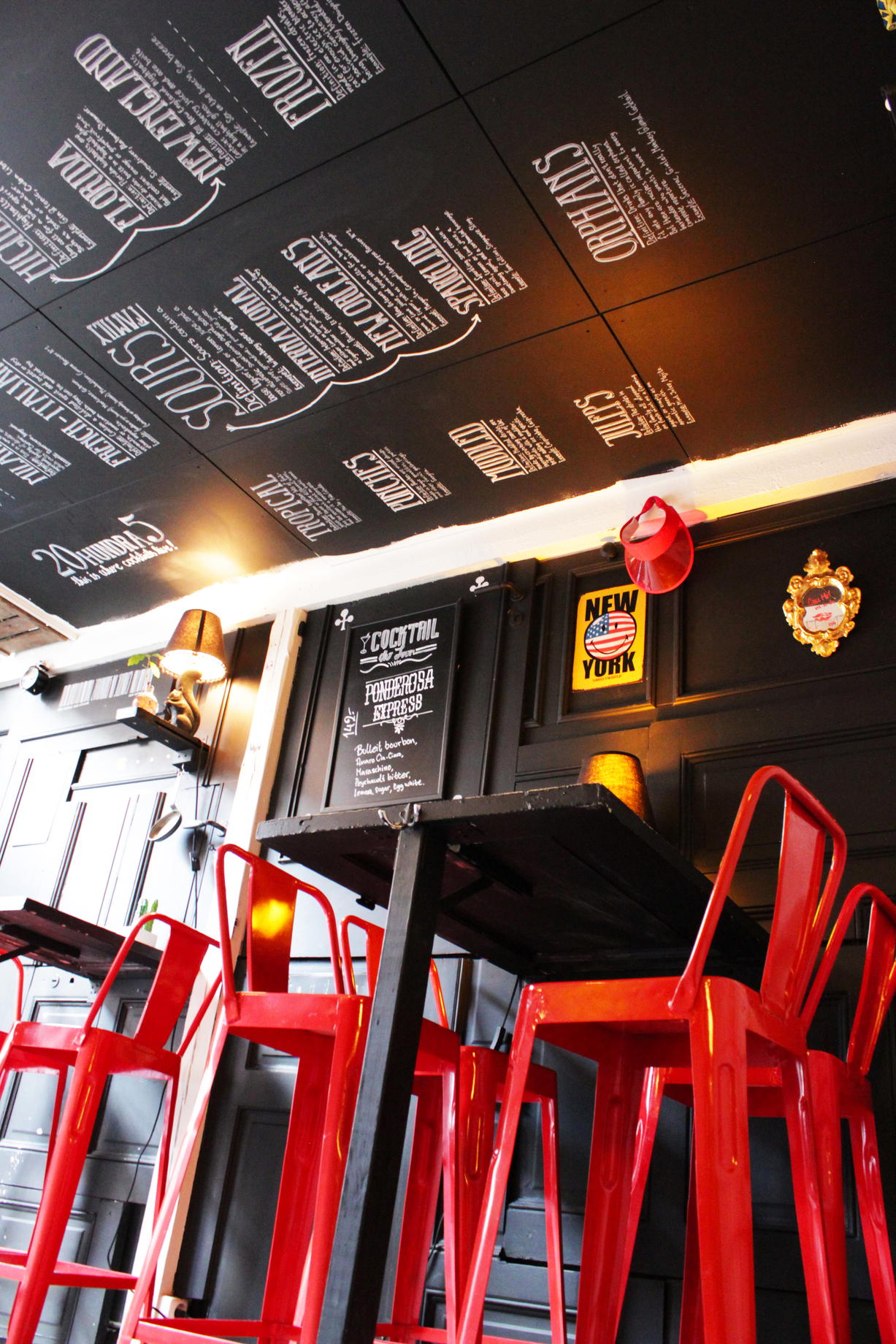
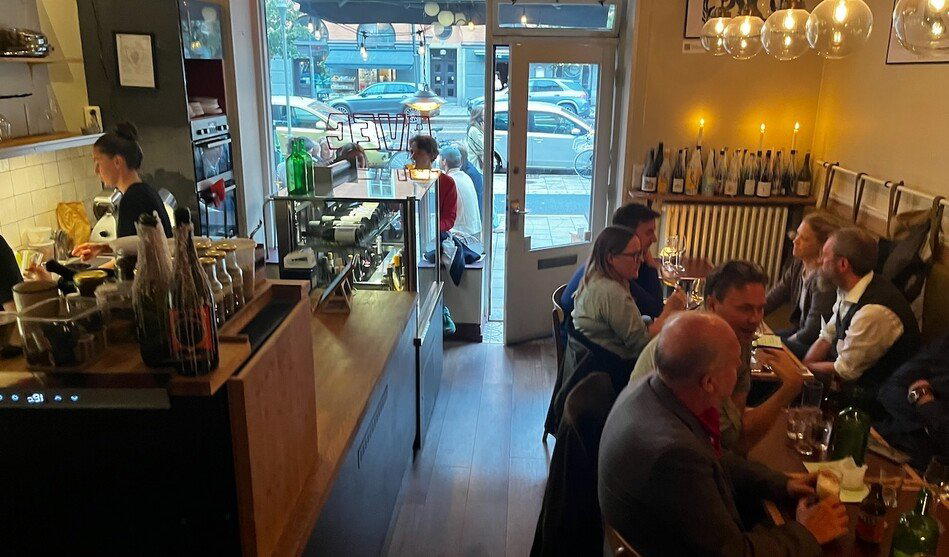
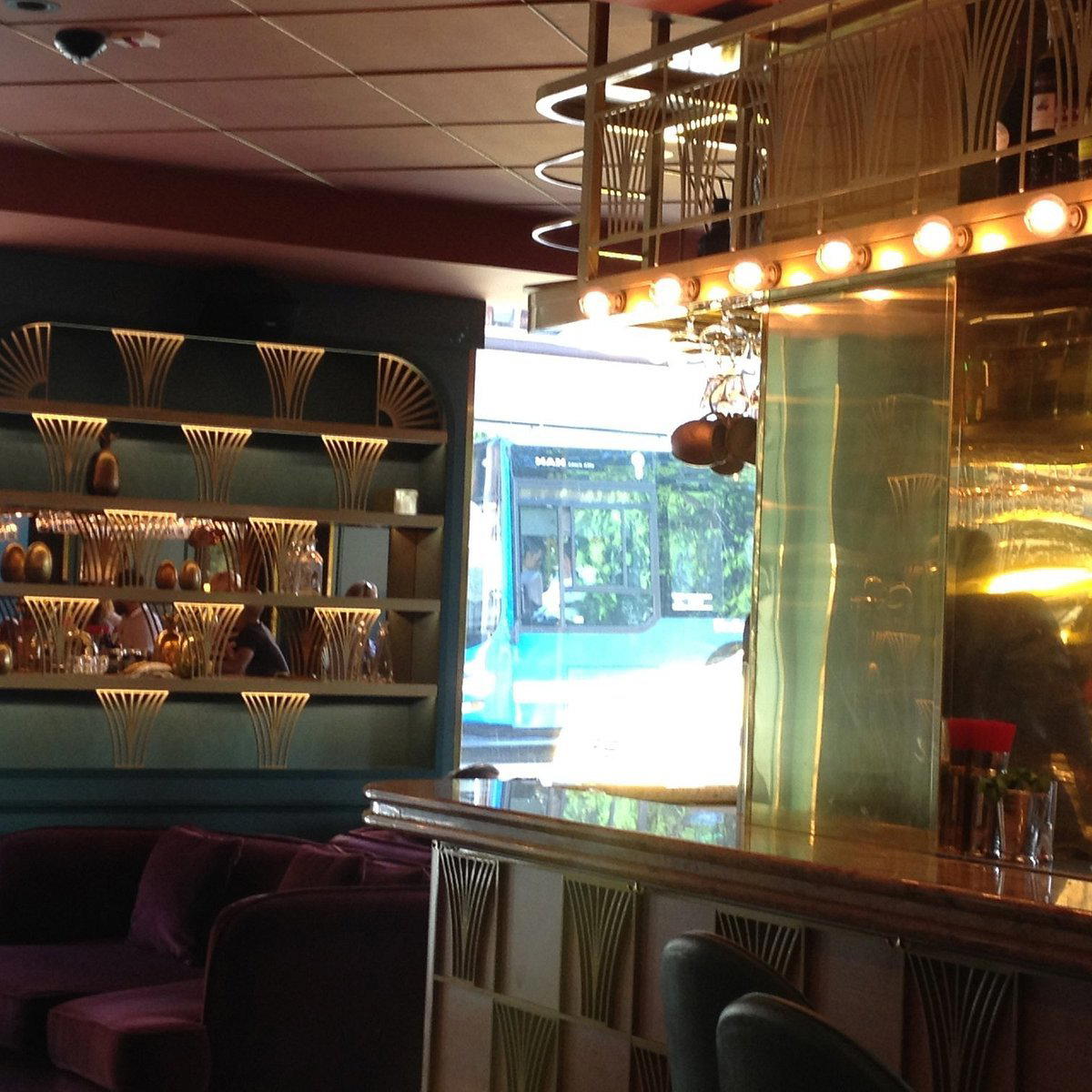
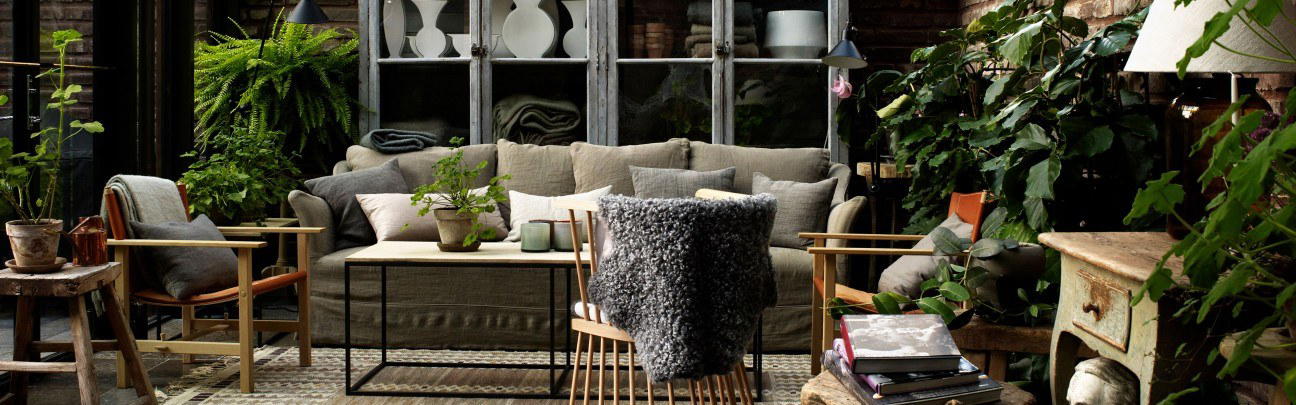
Warm and inviting with rustic decor, bustling Saturday nights with lively music and high energy; intimate enough for conversation in quieter corners.