Skip to Main Content
Traditional Japanese Sushi
← Collection
Price≈$35
Dress CodeCasual
ServiceUpscale Casual
NoiseQuiet
CapacitySmall

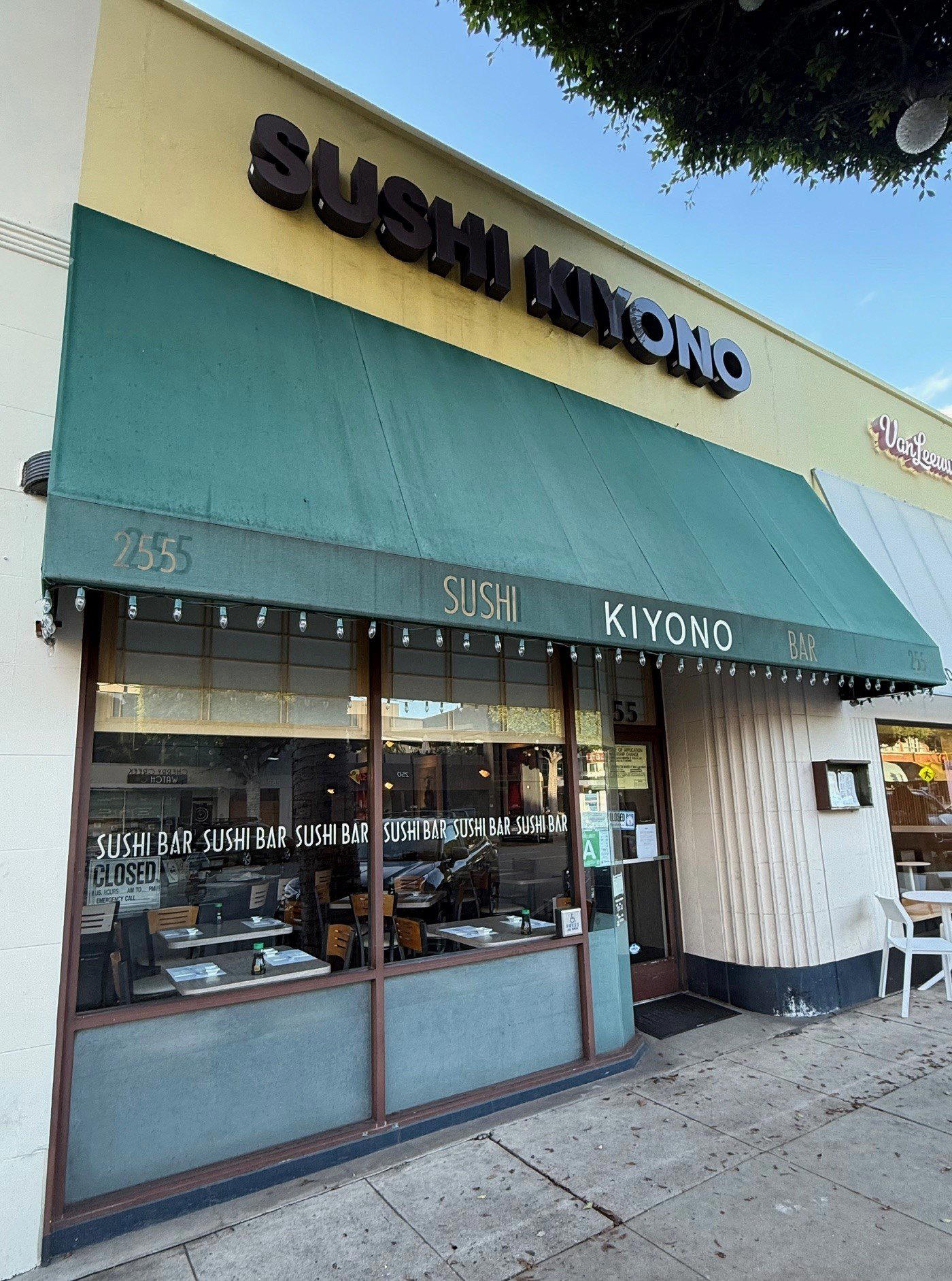
On South Beverly Drive, Sushi Kiyono occupies the quieter, counter-focused end of Beverly Hills dining, where the format prioritizes the fish and the pace over spectacle. The address places it within walking distance of the neighborhood's broader restaurant corridor, from Italian stalwarts like Baldi to American standards like Beverly Hills Grill. For sushi specifically, it represents the more intimate, counter-led tradition that has taken hold across Los Angeles.

Pearl is the En Primeur Club membership app — saves, bookings, and concierge access live there. Same editors, same standards.

Plan your visit on PearlPlan Your Visit
Address
255 S Beverly Dr, Beverly Hills, CA 90212
Phone
+13102053741
Sushi Kiyono restaurant in Beverly Hills, United States
About

The Counter as Architecture

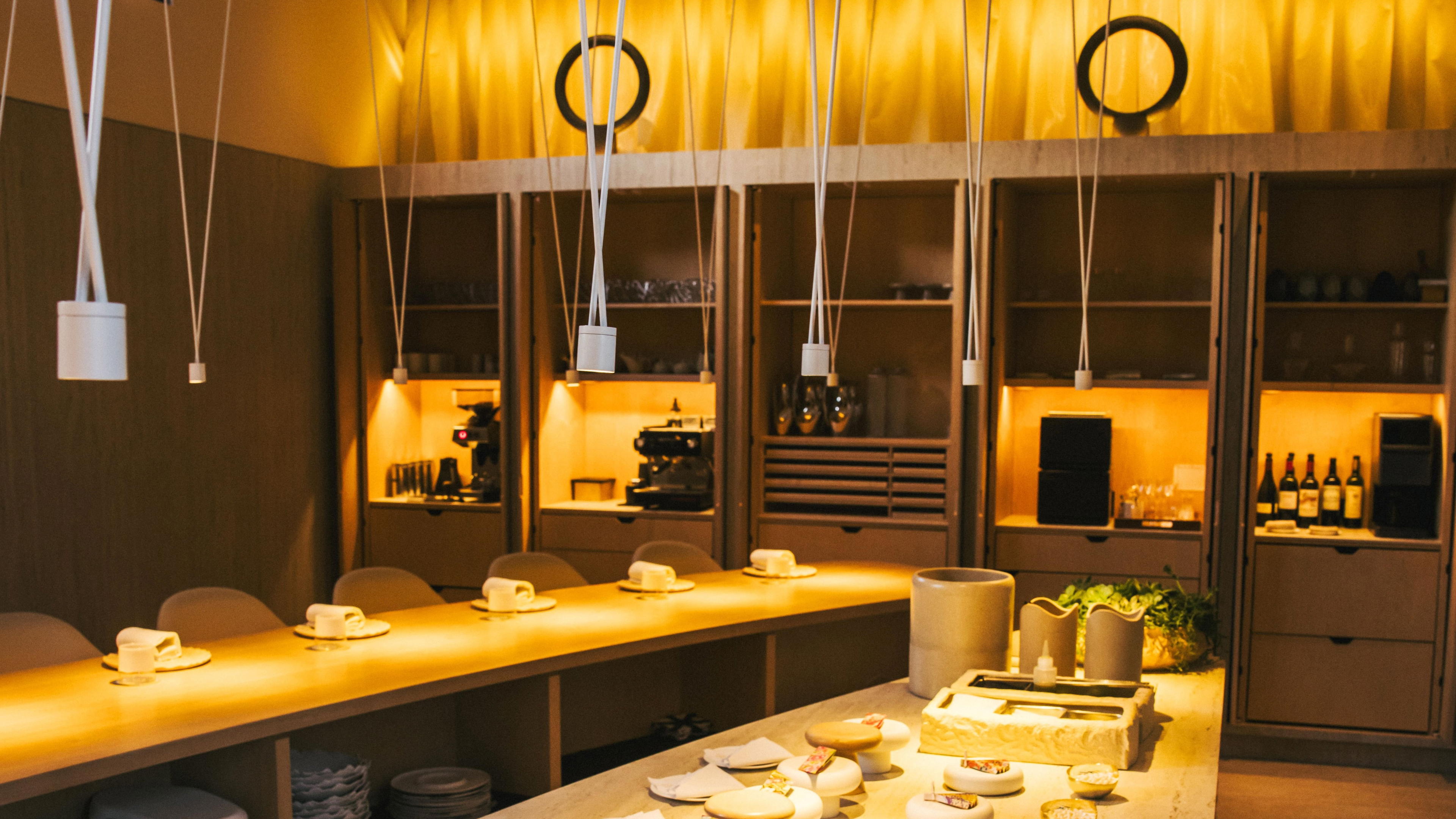
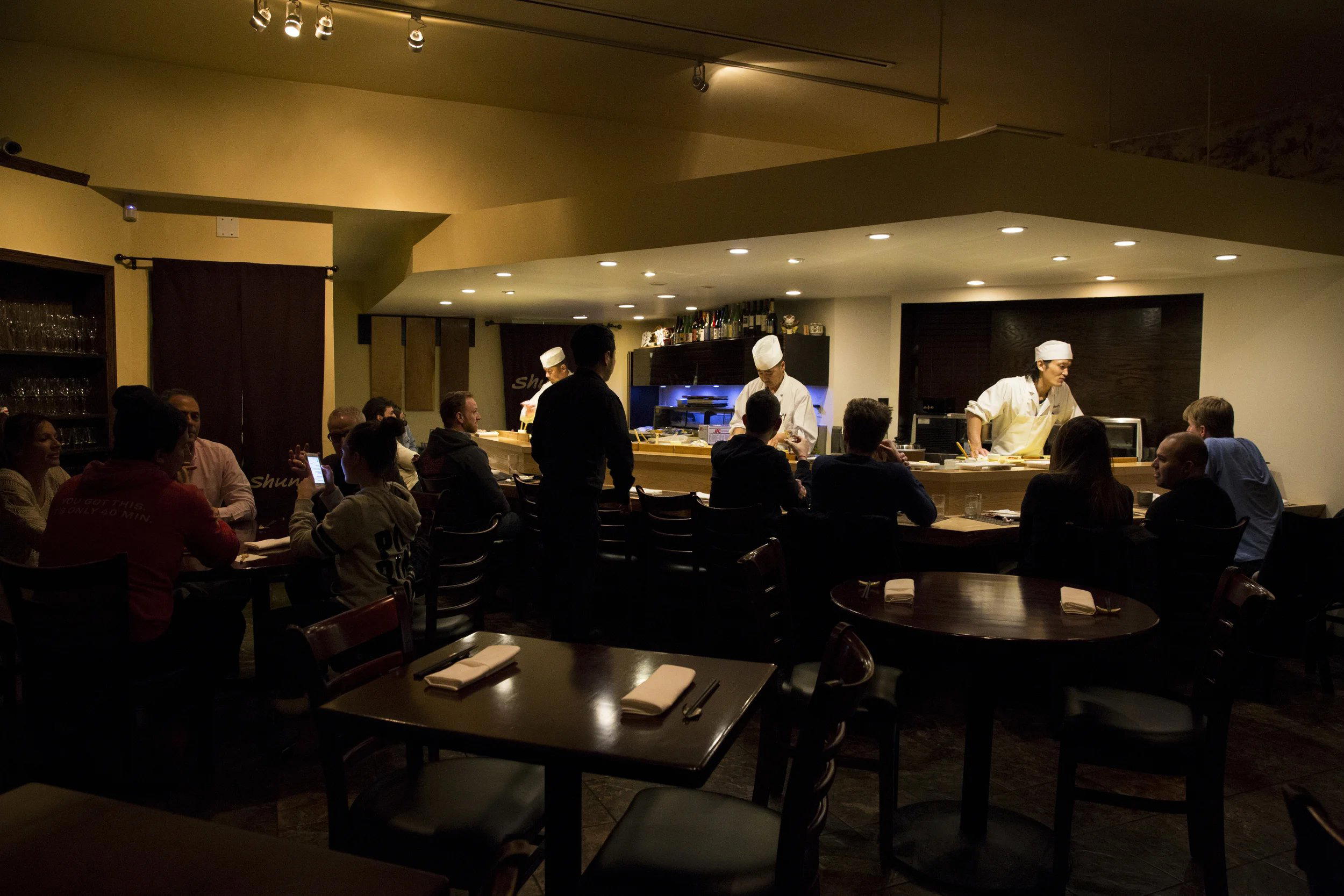
Sushi Kiyono is a restaurant at 255 S Beverly Dr in Beverly Hills, CA, with a price tier around $35 per person. South Beverly Drive runs a quieter course than Wilshire or Little Santa Monica, and the buildings along it tend toward the discreet. That restraint carries through to Sushi Kiyono at 255 S Beverly Dr, where the design logic, common to the better omakase and counter-sushi rooms across Los Angeles, treats the counter itself as the primary architectural element. In the sushi tradition that has shaped the city's higher-end Japanese dining over the past two decades, the counter is not furniture; it is the room's organizing principle, determining sightlines, pacing, and the distance between chef and guest that defines the experience. Beverly Hills has developed a parallel restaurant culture: street-level spaces where the transaction is less theatrical than in Malibu or West Hollywood, and where the format does most of the communicating.

The neighborhood sits within a denser cluster of serious dining than its reputation for old-money steakhouses sometimes suggests. 208 Rodeo, Cafe Amici, and Cameo each occupy a different register of the local dining spectrum, from Californian to Italian to contemporary American. CUT and Spago Beverly Hills anchor the high-visibility end. Sushi Kiyono occupies a different stratum: the counter-led, low-profile format that asks the guest to arrive focused rather than to be impressed on arrival.

How Beverly Hills Sushi Fits into the Los Angeles Counter Scene

Los Angeles has become one of the more consequential cities in North America for Japanese counter dining, and Beverly Hills has absorbed a portion of that shift. The county-wide concentration of Japanese-trained chefs, combined with a local clientele accustomed to spending at the higher end of the dining market, has created conditions in which small-format sushi rooms can operate with the same pricing discipline as their counterparts in New York or San Francisco. The comparison set for a Beverly Hills sushi counter extends well beyond the immediate neighborhood: Providence in Los Angeles sets the benchmark for fine seafood dining in the city, while nationally, counters and tasting-format restaurants like Le Bernardin in New York City, Alinea in Chicago, and The French Laundry in Napa define what disciplined, format-driven dining looks like at the upper end of the American market.

Within that broader context, Beverly Hills sushi rooms operate in the middle tier, more accessible than the appointment-only rooms in downtown Los Angeles or the Michelin-tracked counters of the San Gabriel Valley, but pitched well above casual neighborhood sushi. The address on South Beverly Drive places Sushi Kiyono in walking proximity to the commercial core of Beverly Hills.

The Space Logic of Sushi Rooms

The design conventions of a serious sushi room explain decisions that can otherwise seem arbitrary. Low ambient light focuses attention on the counter surface and the work being done there. Spare material palettes, pale wood, brushed stone, minimal wall treatment, are not aesthetic minimalism for its own sake; they reduce visual competition with the food. Seat counts are kept small because the chef-to-guest ratio is the constraint that governs quality. In Tokyo's leading omakase rooms, eight to twelve seats is the working standard. In Los Angeles, rooms sometimes run slightly larger to cover the cost structure of the local market, but the principle holds: the counter format only works when the chef can control the pace for every seat simultaneously.

For the guest, arriving on time matters in a way it does not at a à la carte restaurant. A counter dinner is a sequenced event, and a late arrival disrupts not just your own experience but the timing for every other seat. The same applies to the general behavioral register: counter dining rewards attention and discourages extended phone use during service, not as a formal rule but as a condition of the format. Guests who have eaten at Atomix in New York City, Single Thread Farm in Healdsburg, or Lazy Bear in San Francisco will recognize the shared logic.

Beverly Hills in the Wider California Dining Picture

California's fine dining geography has consolidated around a handful of poles: Napa and Sonoma for agricultural-tasting formats, San Francisco for technique-led tasting menus, Los Angeles for diversity of cuisine and counter formats, and San Diego for an emerging fine dining scene exemplified by Addison in San Diego. Beverly Hills sits inside the Los Angeles pole, drawing from the same supply chains, Japanese fish importers, California produce networks, and a labor market of trained sushi chefs, that supply the city's better Japanese restaurants. The neighborhood's particular contribution is a client base that dines frequently and often internationally, which sustains a market for precision-format restaurants that might not survive in less affluent ZIP codes.

Internationally, the parallel is less to New York's omakase corridor than to cities like Hong Kong, where counter-format fine dining operates in close geographic proximity to luxury retail and hotel corridors. 8 1/2 Otto e Mezzo Bombana in Hong Kong represents the western-fine-dining version of that model; Beverly Hills sushi rooms represent the Japanese-counter equivalent. For context on what ambitious counter and tasting-format dining looks like across the country, the full Beverly Hills restaurants guide situates Sushi Kiyono within its immediate comparable set, and comparisons to Blue Hill at Stone Barns in Tarrytown, Emeril's in New Orleans, and The Inn at Little Washington illustrate how different cities have solved the same problem of sustaining a precision dining room in a competitive local market.

Planning Your Visit

255 S Beverly Dr sits in the heart of the South Beverly Drive commercial strip, reachable from most Westside neighborhoods in fifteen to twenty-five minutes by car. Advance reservations are recommended. Specific booking channels, current hours, and pricing are best confirmed directly with the venue, as counter-format rooms in this tier routinely update their formats and deposit policies.

Signature Dishes
Lobster Hand RollSpicy Tuna RollA & J Special (seared tuna sashimi with garlic ponzu)Nigiri sushi sampler
Frequently asked questions

Cuisine-First Comparison

Comparable venues nearby, for context on price, style, and recognition.

At a Glance
Vibe
  • Quiet
  • Classic
  • Hidden Gem
  • Intimate
Best For
  • Casual Hangout
  • Solo
  • Business Dinner
  • Group Dining
Experience
  • Chefs Counter
  • Open Kitchen
  • Standalone
Drink Program
  • Sake Program
  • Beer Program
Sourcing
  • Sustainable Seafood
Dress CodeCasual
Noise LevelQuiet
CapacitySmall
Service StyleUpscale Casual
Meal PacingStandard

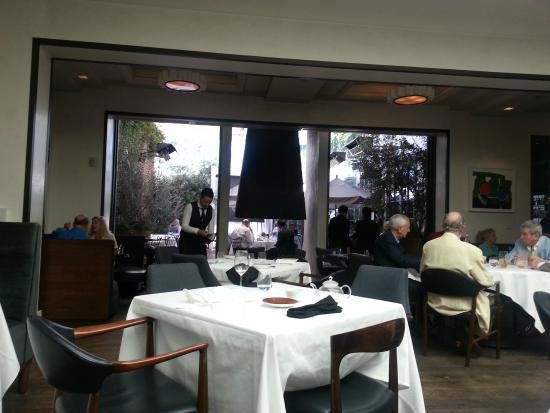
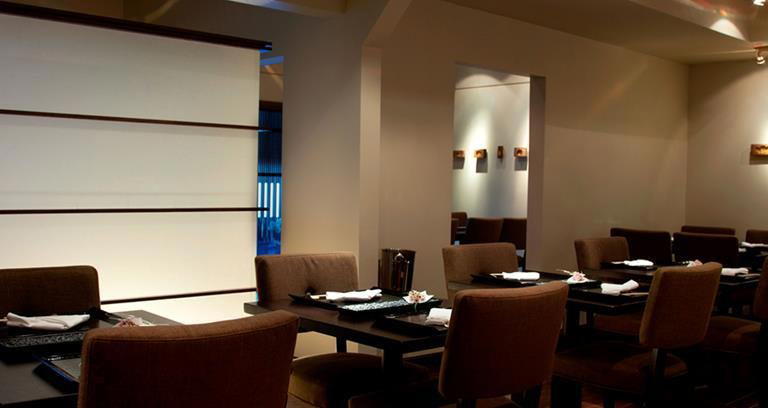
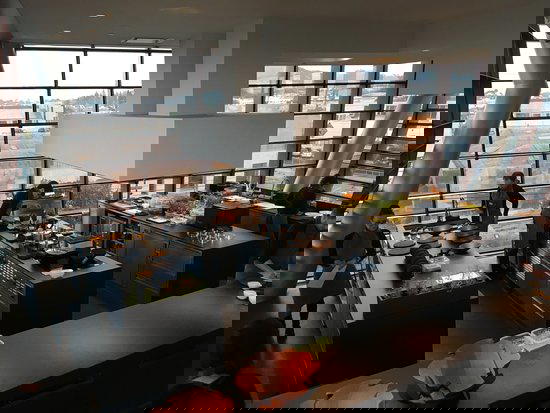
Simple, casual, and unpretentious with polished granite bar counter; warm and welcoming without excessive decoration; sushi chefs are friendly and chatty without being intrusive.

Signature Dishes
Lobster Hand RollSpicy Tuna RollA & J Special (seared tuna sashimi with garlic ponzu)Nigiri sushi sampler