
Tabelog 100 #95
Our verdict
Sushi Enami places Sendai sushi in the serious counter-dining tier: eight seats, a fish-led format, and selection for Tabelog Sushi EAST 100 in 2021, 2022, and 2025. The appeal is not Tokyo mimicry, but a compact Aoba-ku room that reads regional seafood through the discipline of Edomae technique.

Pearl is the En Primeur Club membership app, where members save venues, book tables and use the concierge.
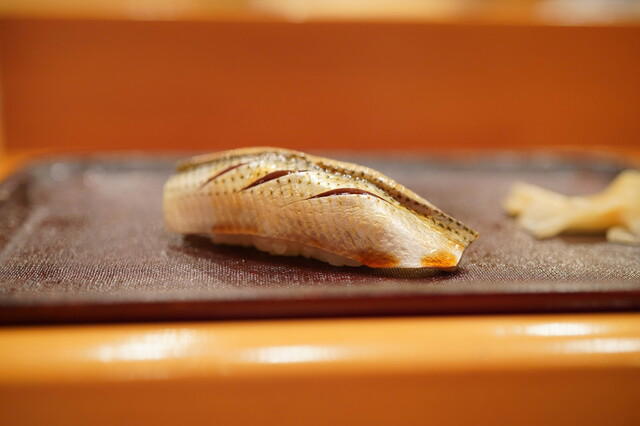
The appeal is built around focus: a small-scale sushi dinner, close attention, and the quiet pressure that comes with a meal planned around craft. In Sendai, that format carries different weight than it does in Tokyo. The city sits close to a coastline that has long shaped Tohoku’s seafood culture, yet its serious sushi restaurants often operate with less international noise than Tokyo’s reservation economy. Sushi Enami belongs to that smaller, more localised tier, where the experience is not theatre for scale but a disciplined frame for fish, rice, pacing, and the rhythm of dinner.
Sendai’s dining identity is often reduced from the outside to gyutan, but the city’s stronger restaurant map is broader: local drinking rooms, restaurants drawing from Miyagi produce, and sushi places that benefit from access to regional seafood. The point here is cultural as much as practical. Tohoku sushi is not a provincial version of Tokyo sushi; it is a regional reading of the same craft, shaped by colder waters, a different tempo, and a clientele that tends to value restraint over spectacle.
A Tohoku sushi room in the Tabelog Hyakumeiten conversation
Tabelog’s Hyakumeiten recognition matters because it pulls attention away from the usual capital-city bias and gives serious regional restaurants a clearer signal. Recognition in 2025 gives Sushi Enami a concrete marker in a category where reputation can otherwise be opaque to visitors. Its Tabelog score of 3.57 is not the story on its own; the more useful reading is that the restaurant sits inside a recognised sushi field rather than the broad restaurant mass.
The price tier also clarifies the comparison. Within Sendai, Shirayuki and Yoi Tei Yocchan can be considered alongside other local dining choices, while Daikoshou and Japanese Ryori e. sit elsewhere on the city’s special-occasion map. Sushi Enami’s listed dinner budget of JPY 20,000 - JPY 29,999 places it firmly in planned-dinner territory. That difference matters for travellers choosing between a casual night out and a sushi dinner planned as the anchor of an evening.
The sushi category sharpens that distinction. The meal is best approached through sequence and attention rather than menu breadth. In this format, small changes in rice temperature, cut, and timing can carry more consequence than they would in a more casual room. The available category is sushi, which places the restaurant in Japan’s contemporary sushi pattern: focused, craft-led, and best understood through the progression of the meal rather than a sprawling list of options.
Sendai sushi is about access to region, not imitation of Tokyo
For visitors, the more interesting question is not whether Sendai can “match” Tokyo. That frame misses the point. Tokyo’s highest-profile sushi restaurants operate in a global reservation market; Sendai’s strongest dining rooms tend to reflect a regional culture where proximity to producers, local regulars, and a less performative atmosphere can matter as much as fame. The result is a different kind of luxury: lower-key, tightly focused, and more dependent on trust in the restaurant than on a long public mythology.
That makes this address particularly useful for travellers building a Sendai itinerary around food rather than sightseeing alone. Sendai’s evening restaurant culture is compact enough to make dinner part of a larger night out without turning the meal into a logistical project. For a wider read on the city’s food map, Our full Sendai restaurants guide gives the broader frame, while other Sendai dining rooms show how varied the city’s serious dining field has become.
The cultural value of a sushi restaurant in a regional city is its compression of place. Sendai is not a coastal village, but it is close enough to Miyagi’s maritime economy for seafood to remain part of the city’s everyday imagination. A place such as this does not need elaborate storytelling to make that point. The sushi focus itself tells the reader where the restaurant places its emphasis.
How to plan the evening around the restaurant
This is a dinner to plan around, not a flexible drop-in between other stops. The listed dinner budget puts Sushi Enami in a bracket that rewards advance planning, especially for travellers fitting it into a broader Sendai itinerary. The appeal is a focused sushi experience rather than a broad hospitality setup for mixed purposes. For travellers staying centrally, the city also works well with post-dinner drinking; Our full Sendai bars guide is the natural next layer, while Our full Sendai hotels guide helps with neighbourhood choice.
The broader itinerary can stretch beyond restaurants without losing the food focus. Our full Sendai experiences guide is useful for cultural planning, and Our full Sendai wineries guide covers the wine side of the trip. For readers comparing Japanese dining formats across cities, the contrast is instructive: other regional dining rooms can lean into beef, grilled seafood, cafe culture, or local comfort-food registers, while Sushi Enami stays closer to the compact discipline of a Sendai sushi dinner.
Outside Japan, the comparison becomes about format translation rather than cuisine. Japanese food culture can shift when the organizing idea is a bar, curry shop, onigiri counter, or diaspora setting. Sushi Enami is narrower and more demanding: a Sendai sushi restaurant where the meal’s success depends on attention to the sushi sequence, not on a sprawling menu or decorative drama.
Frequently asked questions
How do I find Sushi Enami?
Sushi Enami is located in Sendai.
What's the price range at Sushi Enami?
Pricing at Sushi Enami is listed as JPY 20,000 - JPY 29,999 View spending breakdown.
Do they take walk-ins at Sushi Enami?
For timing and availability, check directly with the restaurant in Sendai using the listed phone number, +81-22-215-2844.
What's Sushi Enami best at?
Sushi Enami is strongest as a focused sushi restaurant in Sendai with Tabelog Hyakumeiten recognition in 2025. The Tabelog listing also places dinner in the JPY 20,000–JPY 29,999 range, which fits a planned sushi dinner rather than a casual drop-in meal.
Can Sushi Enami adjust for dietary needs?
The listing does not spell out specific dietary accommodations, so advance discussion matters here. Any request is easiest to raise directly with the restaurant before visiting Sushi Enami in Sendai.
Price Lens
Nearby venues at a similar price tier for orientation.
| Venue | Cuisine | Price | Awards | Notes |
|---|---|---|---|---|
| Sushi EnamiThis venue (the venue you are viewing) | High-end Omakase Sushi Counter | $150–200 | Tabelog 100 #95 | Not listed |
| Sendai Gyuu to Wafuu Private rooms Suteiki Kojiro | A5 Sendai Beef Teppanyaki in Private Rooms | $100–150 | Tabelog 100 #59 | Kokubuncho / Bansui-dori area, Aoba Ward, A5 Sendai Beef Teppanyaki in Private Rooms |
| sou | Yakitori Omakase with Japanese Wine Pairing | $100–150 | Tabelog 100 #19 | Aoba-ku, Yakitori Omakase with Japanese Wine Pairing |
| Hiro-zushi | Traditional Edomae Sushi | $100–150 | Not listed | Atago Bashi / Nagamachi area, Traditional Edomae Sushi |
| 松石 | Modern Chinese with Miyagi Ingredients | $50–100 | Tabelog Bronze #263 | Sendai, Traditional Japanese Kaiseki |
| Yonezawa Gyuu Yakiniku Kotora Sendai ekimae ten | Premium Yonezawa Wagyu Yakiniku | $50–100 | Tabelog 100 #21 | Aoba-ku Chuo (Sendai Station area), Premium Yonezawa Wagyu Yakiniku |
Recognition history
Dated appearances from independent guides and award organizations, with the underlying list record or original source where available.
Tabelog 100 #95 · No. 95
Tabelog · Tabelog 100 - Sushi - EAST - 2025
Continue exploring
More in Sendai
Restaurants in Sendai
All restaurants in Sendai →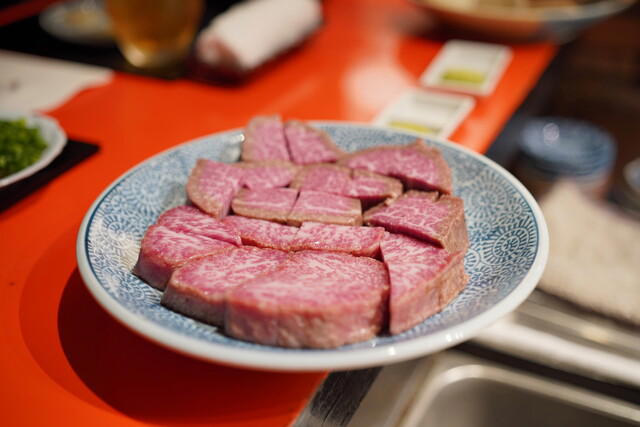
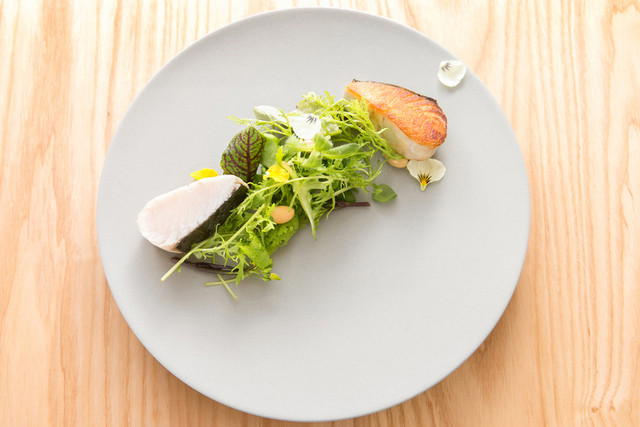
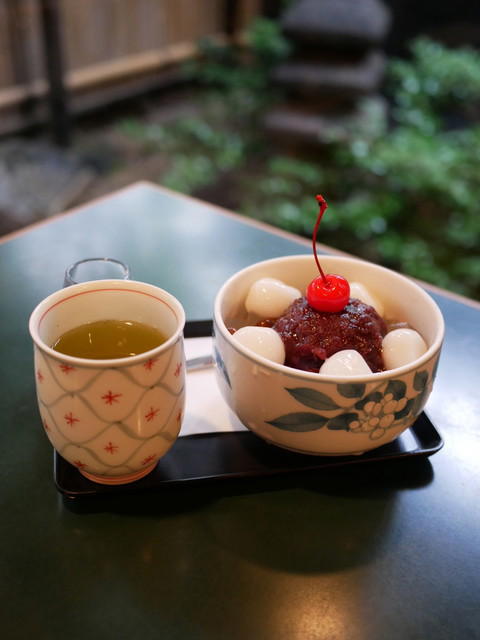
Hotels in Sendai
Browse all →

Wineries in Sendai
All wineries in Sendai →
Details
- Intimate
- Sophisticated
- Cozy
- Date Night
- Special Occasion
- Business Dinner
- Solo
- Chefs Counter
- Standalone
- Sake Program
- Local Sourcing
- Sustainable Seafood
- Omakase
- Counter Dining
- Tasting Menu
- Sake
- Shochu
- Wine
- Pescatarian Friendly
Small, hideaway-style L-shaped counter with a relaxed, quietly elegant atmosphere where guests can focus on meticulously prepared sushi in a non-smoking, adult-oriented setting.