
Tabelog 100 #99
Our verdict
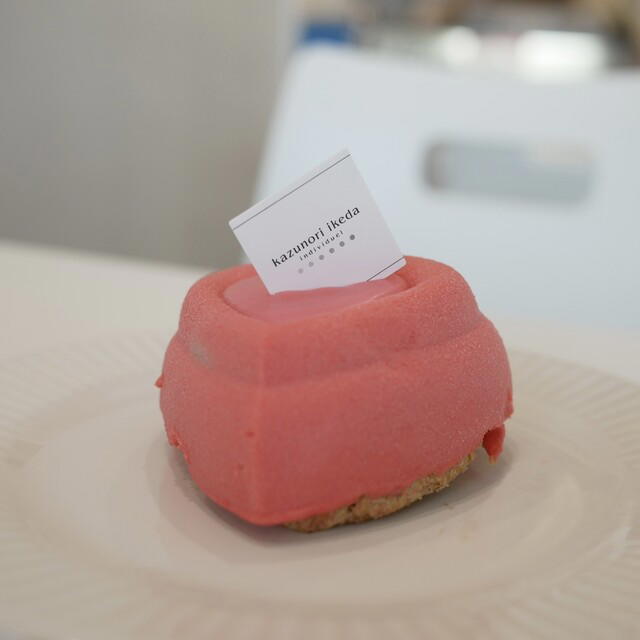
Sendai Station’s dessert scene is unusually practical: serious patisserie can sit inside a transit complex rather than behind a destination-only dining room. kazunori ikeda individuel Esuparu sendai ten brings cakes, macarons and chocolate into that commuter-and-gift economy, with Tabelog 100 Sweets EAST 2023 recognition placing it above the usual station-sweets tier.

Pearl is the En Primeur Club membership app, where members save venues, book tables and use the concierge.
The menu
What to order
- Cakes
- Macarons
- Chocolate bonbons
- Gateaux secs (baked sweets)
- Entremets
Approaching kazunori ikeda individuel Esuparu sendai ten in Sendai, the rhythm is not that of a hushed dining room. It is urban Japan: shopping bags, schedules, families moving between errands and everyday stops. That setting matters. In Sendai, sweets are not only an after-dinner flourish; they are part of the city’s gift culture, its shopping habits and its preference for polished formats that can survive the trip home.
kazunori ikeda individuel Esuparu sendai ten belongs to that category, but with a sharper signal than the average sweets counter. Its Tabelog Hyakumeiten recognition in 2023 places it in a regional sweets conversation rather than a generic dessert bracket. The score attached to the listing, 3.70, is not the point by itself; the more useful reading is that cakes, macaroons and chocolate can command specialist attention even when the format is fast, public and built around easy purchase.
Sweets inside Sendai's retail economy
Japan’s urban sweets culture has long absorbed specialist technique without treating it as museum work. The serious shops tend to care about portion, finish, temperature control and gifting as much as table service. In a quick-purchase setting, that discipline becomes visible in another way: sweets need to be legible at a glance, packaged cleanly and suited to customers who may be buying for an office visit, a family table or the journey home.
The categories here are direct: cake, macaroon and chocolate. That trio tells experienced travelers plenty. Cake anchors the refrigerated showcase and immediate-consumption decision; macaroons work as boxed gifts and color-coded variety; chocolate sits closer to the premium souvenir economy. The ingredient story, in this format, is less about naming farms or producers and more about how perishable dairy, fruit, nuts, cacao and sugar are handled under everyday service pressure. A sweets shop in a busy city has little room for drift. The craft has to survive turnover, packaging and timing.
That makes the venue a useful Sendai stop for readers who want a local sweets benchmark without committing to a long meal. The comparison set in Sendai is broad: sushi counters such as Shiogama Sushi Tetsu S-PAL sendai ten and Senrei Zushi JR sendai eki 3 kai ten sit in a different seafood lane. Korean Kateiryori Puyo and Sumibi Yakiniku Gura Sendai asaichi ekimae ten point to the city’s casual meal traffic. Against those savory options, this sweets specialist operates in a different cadence: shorter dwell time, direct purchase, and more relevance for travelers carrying something onward.
Why sourcing matters when the format is portable
Ingredient sourcing in sweets is unforgiving because there are fewer places to hide. Cream, butter, chocolate, fruit preparations and nut pastes show their quality quickly, and poor handling becomes obvious before the box reaches its destination. In Japan, where gift sweets are judged on appearance and condition as much as flavor, the sourcing question is inseparable from logistics. The product must look composed under bright service light, travel cleanly and hold its structure through the customer’s next move.
This is where a sweets shop differs from a dessert course at a tasting-menu restaurant. A plated dessert can be fragile and momentary; a boxed cake or macaroon has to negotiate time. The format rewards precision over drama. It also suits Sendai, a city that can combine meals, shopping, souvenirs and errands in a compact day. For visitors, the advantage is editorial rather than romantic: serious sweets can be folded into an arrival, a pause between meals or a post-lunch errand without turning the afternoon around.
Within EP Club’s Sendai map, the useful pairing is not only with other restaurants. A traveler building a compact city plan can place this stop near broader research in Our full Sendai restaurants guide, then balance the day with Our full Sendai hotels guide, Our full Sendai bars guide, Our full Sendai wineries guide or Our full Sendai experiences guide. For another Sendai sweets comparison, ankoya Ekimae ten is the cleaner local counterpoint: different tradition, similar city practicality.
How to read it against the wider Japan map
Japan’s dining culture rewards specialists, but the forms vary sharply by city. Sendai can compress lunch, shopping, souvenirs and everyday movement into a compact urban plan. That differs from destination restaurants where the meal itself controls the schedule. Here, the editorial value is the opposite: a recognized sweets address that can fit into the margins of a day and still say something about local taste.
Travelers comparing across the country should read the place by category rather than by ceremony. Other Japanese dining rooms answer different urban needs, from quick specialist lunches to compact cafes and evening drinking rooms. Sendai’s contribution here is the high-function sweets counter: technically minded, gift-ready and placed where travelers can fit it naturally into the day.
For additional Japanese regional contrasts, unnamed specialists across the country show how tightly focused formats can define a trip without needing a grand dining-room narrative. The same logic extends beyond Japan in a different register, where Japanese food culture can be translated through bar, snack and takeaway formats. Other useful contrasts can come from regional cooking, casual counters and compact city restaurants that make a narrow format feel complete.
The critical read is simple: kazunori ikeda individuel Esuparu sendai ten is not trying to turn dessert into theatre. Its case is built on format discipline, category focus and third-party sweets recognition. For Sendai, that is enough to make it a smart city marker, particularly for travelers who understand that a city’s food culture often shows itself in the things people carry away.
Frequently asked questions
What's the address for kazunori ikeda individuel Esuparu sendai ten?
Sendai.
Is kazunori ikeda individuel Esuparu sendai ten more mid-range or high-end?
Pricing at kazunori ikeda individuel Esuparu sendai ten is listed as - JPY 999 JPY 1,000 - JPY 1,999 View spending breakdown.
Can I walk in to kazunori ikeda individuel Esuparu sendai ten?
Public details identify kazunori ikeda individuel Esuparu sendai ten as a Sendai sweets venue with cakes, macaroons and chocolate. For current availability, opening details and purchase options, check the venue directly before you go.
What makes kazunori ikeda individuel Esuparu sendai ten worth seeking out?
It had Tabelog Hyakumeiten recognition in 2023, which is a concrete marker of standing in Japan’s sweets scene. The appeal is also practical: it is in Sendai and focuses on cakes, macaroons, and chocolate.
Can kazunori ikeda individuel Esuparu sendai ten handle vegetarian requests?
There is no vegetarian service note in the public record, so the menu needs checking item by item. With cakes, macaroons, and chocolate on offer, some items may suit vegetarian diets, but dairy or gelatin can still appear in sweets; the Sendai venue can be reached at +81-22-781-5170. Check the venue's official channels for the latest details.
Quick Comparison
Comparable venues by cuisine and price in the same metro.
| Venue | Cuisine | Price | Awards | Notes |
|---|---|---|---|---|
| kazunori ikeda individuel Esuparu sendai tenThis venue (the venue you are viewing) | Modern French-style patisserie and chocolate shop | $10–20 | Tabelog 100 #99 | Not listed |
| kazunori ikeda individuel Minamimachidoori ten | Modern French Patisserie & Cafe | $10–20 | Tabelog 100 #83 | Aoba-ku |
| Murakamiya Mochi Ten | Dining | Not listed | Tabelog 100 #46 | Sendai |
| Salamanger Hiro | Yoshoku hamburger steak specialist | $10–20 | Tabelog 100 #60 | Not listed |
| achaar | South Indian-style curry house | $10–20 | Tabelog 100 #86 | Izumi-ku |
| Sumibi Yakiniku Gura Sendai asaichi ekimae ten | Japanese Yakiniku BBQ | $30–50 | Tabelog 100 #12 | Aoba-ku |
Recognition history
Dated appearances from independent guides and award organizations, with the underlying list record or original source where available.
Tabelog 100 #99 · No. 99
Tabelog · Tabelog 100 - Sweets - EAST - 2023
Continue exploring
More in Sendai
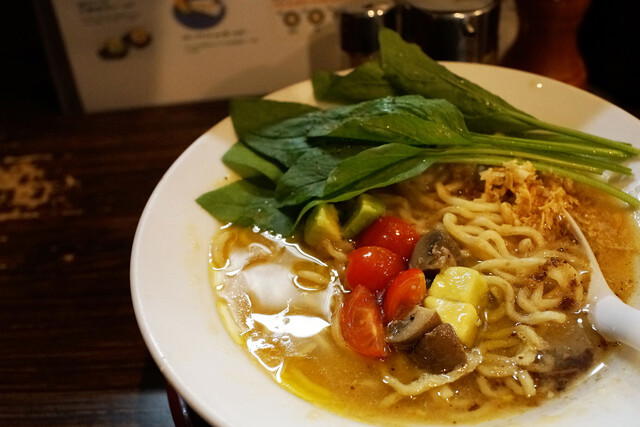
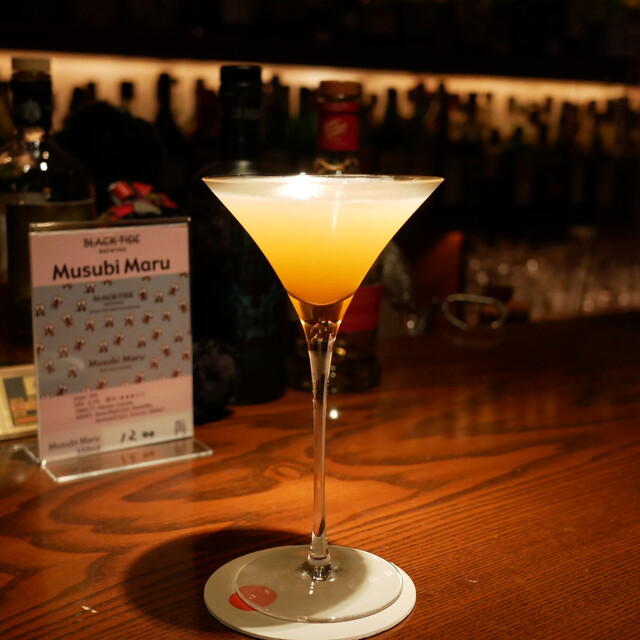
Restaurants in Sendai
All restaurants in Sendai →
Hotels in Sendai
Browse all →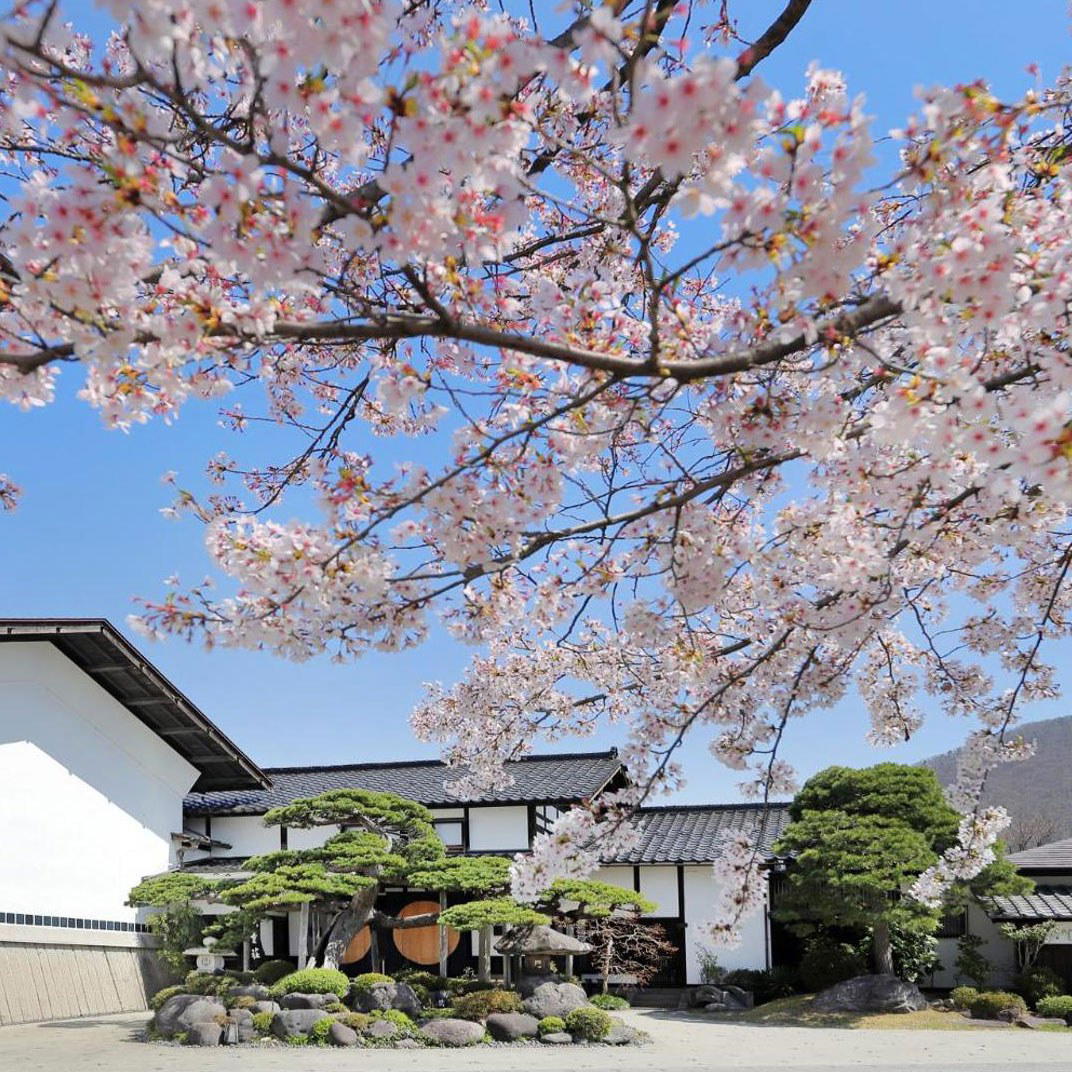

Wineries in Sendai
All wineries in Sendai →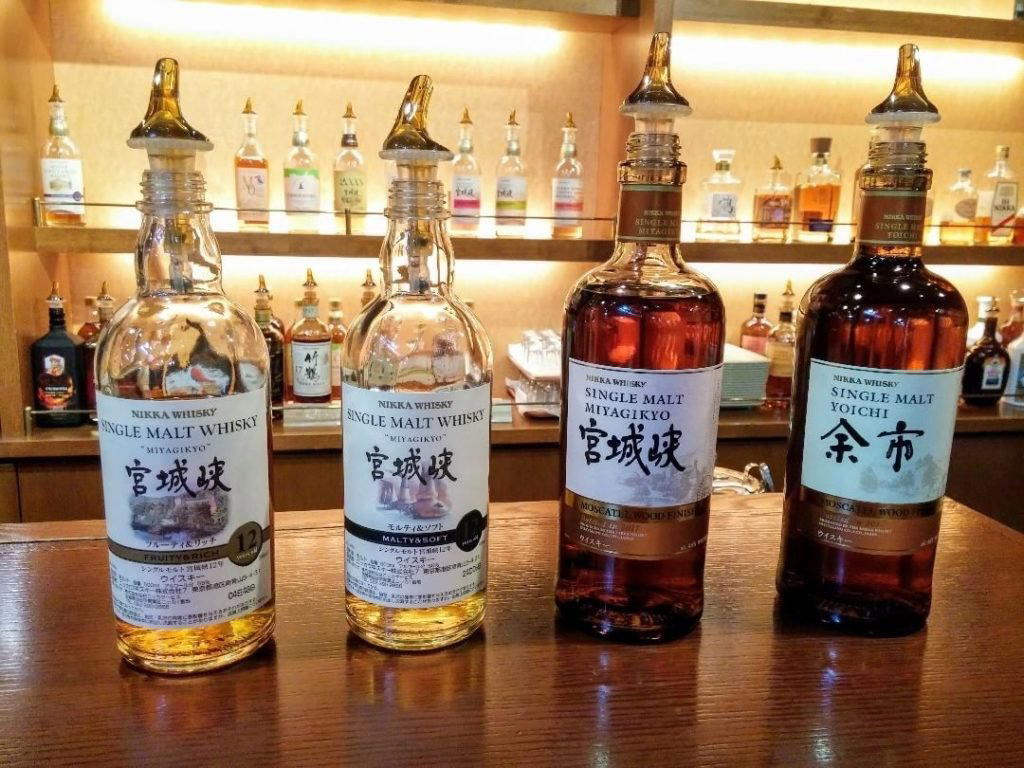
Details
- Modern
- Elegant
- Cozy
- Casual Hangout
- Solo
- After Work
- Celebration
- Family
- Design Destination
- Standalone
- Local Sourcing
- A La Carte
- Counter Dining
Current opening hours
- Monday
- 10 am–8 pm
- Tuesday
- 10 am–8 pm
- Wednesday
- 10 am–8 pm
- Thursday
- 10 am–8 pm
- Friday
- 10 am–9 pm
- Saturday
- 10 am–9 pm
- Sunday
- 10 am–8 pm
Hours can change for holidays and private events. Last verified .
A stylish, modern patisserie space inside a station mall with a clean, elegant design and a relaxed café-like atmosphere suitable for casual visits and take-out treats.