
Tabelog 100 #48
Our verdict
Sumibi Yaki Sanku gives Nichinan a serious place in Japan’s chicken-cuisine conversation, with charcoal grilling, Miyazaki poultry culture, and a course-led format doing the work rather than urban polish. Its selection for Tabelog’s 2025 Chicken Cuisine 100 places it in a national frame, while the rural Miyazaki setting keeps the experience tied to production territory rather than trend-chasing dining.

Pearl is the En Primeur Club membership app, where members save venues, book tables and use the concierge.
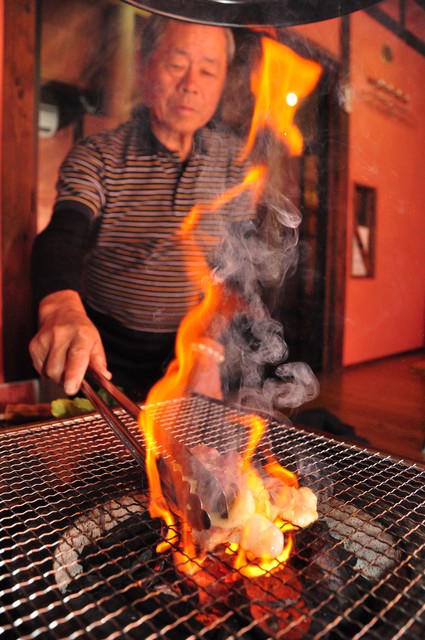
The menu
What to order
- Charcoal-grilled Miyazaki Jitokko thigh (momo)
- Charcoal-grilled Miyazaki Jitokko teba (wing)
- Charcoal-grilled Miyazaki Jitokko seseri (neck meat)
- Assorted Miyazaki Jitokko offal set
Approach matters in Nichinan. The city’s dining is shaped less by station-front turnover than by local routines, family groups, and travelers who plan meals into the day rather than treating them as interchangeable stops. Here, charcoal-grill cooking is not just a snack format but a regional argument about heat, smoke, and the meal as the main event.
Sumibi Yaki Sanku belongs to that argument. Its public category grouping covers chicken dishes, meat dishes, and yakitori, but the sharper reading is narrower: a charcoal-grill address recognized in Tabelog’s 2025 Hyakumeiten context. That category-specific recognition places it in a national conversation around focused cooking, not casual Japanese dining broadly.
Charcoal chicken in Nichinan is ingredient sourcing, not nostalgia
Nichinan’s dining culture gives restaurants here an obligation to feel locally grounded. The ingredient is not a decorative local reference; it is the meal’s point. In this setting, chicken and grill cooking can be handled with direct heat, firm seasoning, and formats that let diners read differences between cuts. Charcoal grilling makes sourcing feel visible because the cooking leaves little room for disguise.
That makes Sumibi Yaki Sanku more interesting than its modest price tier suggests. The restaurant’s listed categories point to chicken dishes, meat dishes, and yakitori, which place the meal in a focused chicken-and-grill context where texture and fat carry as much authority as sauce or garnish.
Urban yakitori counters often foreground chef lineage, wine pairing, and microscopic service choreography. Nichinan shifts emphasis back to origin and heat. The cooking language is direct, not simple. Charcoal rewards timing, distance, and restraint; it punishes over-management. When the ingredient is the headline, the grill tests whether the kitchen trusts the bird enough to let it lead.
Within Japan’s wider dining map, this sits apart from other regional specializations and city dining rooms. The comparison is specialization, not hierarchy: some restaurants build drama through marbling, service ritual, or setting, while focused chicken restaurants earn attention through cut selection, charcoal control, and regional identity.
A rural course format with national-category credibility
The Tabelog 2025 recognition is the page’s clearest trust signal. For travelers used to Michelin stars or hotel-restaurant rankings, Tabelog’s category lists work differently: they reward depth inside a defined Japanese genre. A Hyakumeiten listing does not claim hotel-dining luxury; it says the restaurant belongs in the conversation for its category, the relevant credential here.
The format also points away from generic casualness. A focused grill meal turns charcoal dining from a simple checklist of skewers into a more deliberate progression. That suits ingredient-focused cooking, especially when the kitchen moves between chicken, meat dishes, and grill preparations without turning the table into a menu negotiation. The appeal is not only for solo counter diners chasing a narrow food itinerary, but also for travelers who want a locally legible dinner.
Nichinan’s position matters. It is not a transit-heavy restaurant district. Dining here is intentional. Travelers building a southern route should treat the meal as part of the day’s structure, not an add-on after sightseeing. The city gives the restaurant its context; the same food would read differently in a shopping complex or nightlife quarter.
Comparable local dining clarifies the value proposition. Out-of-metro chicken and meat addresses in Japan range from everyday restaurants to higher-ticket specialist rooms. Tori no Sato, Yushin, and Ooyodo Kahan Miyachiku sit in nearby dining conversations, while Sumibi Yaki Sanku occupies its own middle lane, with a listed dinner budget of JPY 5,000–5,999: serious enough for national category recognition, but not priced like a luxury counter in a major city.
That middle lane is often regional Japan at its most persuasive. The restaurant does not need big-city ceremony or hotel polish to justify attention. Its case rests on a specific category, local food context, and cooking method legible to diners who care about provenance. For broader planning, Our full Nichinan restaurants guide gives the necessary local frame.
How to place it in a Nichinan itinerary
Use the restaurant as the anchor of an evening in Nichinan, especially if regional food matters more than urban convenience. Nichinan rewards a slower itinerary: local sightseeing, unhurried movement, and meals that do not feel interchangeable with larger-city dining. A charcoal chicken dinner here explains more about the area than another generic Japanese set meal would.
It also shows that Japan’s regional dining network is not confined to obvious culinary capitals. Specialist meals appear nationwide in focused formats, from charcoal-driven cooking to contemporary small-format dining and casual precision. The through-line is focus, not city size.
For a larger Japan food route, the contrast helps. Other dining rooms across Japan sit in different registers, from casual counters to destination meals and quieter regional stops. Sanku’s register is narrower and more regional: a Nichinan chicken meal built around charcoal rather than breadth.
Internationally, Japanese food culture is often flattened into sushi, ramen, and sake-bar shorthand. That makes regional chicken worth protecting. Overseas Japanese-inspired venues may translate parts of the culture abroad, but Nichinan offers the source-side counterpoint: local ingredient logic, local heat, local occasion.
Round out the trip with the city, not dinner as an isolated pin. Our full Nichinan hotels guide helps with overnight planning; Our full Nichinan bars guide, Our full Nichinan wineries guide, and Our full Nichinan experiences guide place the meal inside the city’s wider rhythm. The verdict is clear: for travelers who care where Japanese ingredients come from, Sumibi Yaki Sanku is a sharper Nichinan choice than a generalist dinner.
Frequently asked questions
Is Sumibi Yaki Sanku child-friendly?
Sumibi Yaki Sanku is in Nichinan. For child-friendliness, seating, and reservation details, confirm directly with the restaurant before planning a family meal.
Is Sumibi Yaki Sanku formal or casual?
It reads as a focused charcoal-grill restaurant rather than a formal luxury room. Its Tabelog recognition and listed dinner budget of JPY 5,000–5,999 suggest a purposeful dinner in Nichinan rather than a generic drop-in meal.
Is Sumibi Yaki Sanku expensive?
Pricing at Sumibi Yaki Sanku is listed as JPY 5,000 - JPY 5,999 View spending breakdown.
What is Sumibi Yaki Sanku known for?
Sumibi Yaki Sanku is known for chicken dishes, meat dishes, and yakitori in Nichinan, with 2025 recognition from Tabelog Hyakumeiten.
Comparable Spots, Quickly
Comparable venues by cuisine and price in the same metro.
| Venue | Cuisine | Price | Awards | Notes |
|---|---|---|---|---|
| Sumibi Yaki SankuThis venue (the venue you are viewing) | Charcoal-grilled Miyazaki chicken izakaya | Not listed | Tabelog 100 #48 | Not listed |
| tonkatsu.jp表参道 | Premium Tonkatsu Specialist | $20–30 | Tabelog 100 #86 | Omotesando |
| Nagomi (和海) | Specialty Ramen | $10–20 | Tabelog 100 #26 | Mukogawa |
| Hana Goori Kakigori | Japanese Kakigori (Shaved Ice) | $20–30 | Not listed | Roppongi |
| Fukutaro (福太郎) | Osaka Okonomiyaki & Negiyaki | $10–20 | Tabelog 100 #90 | Sennichimae |
| Kaneko Hannosuke (金子半之助) | Edo-style Tempura Rice Bowls (Tendon) | $10–20 | Not listed | Nihonbashi |
Recognition history
Dated appearances from independent guides and award organizations, with the underlying list record or original source where available.
Tabelog 100 #48 · No. 48
Tabelog · Tabelog 100 - Chicken cuisine - 2025
Continue exploring
More in Nichinan
Details
- Cozy
- Rustic
- Casual Hangout
- After Work
- Group Dining
- Late Night
- Standalone
- Beer Program
- Sake Program
- Local Sourcing
- A La Carte
- Small Plates
- Beer
- Sake
Current opening hours
- Monday
- 6–10 PM
- Tuesday
- 6–10 PM
- Wednesday
- 6–10 PM
- Thursday
- 6–10 PM
- Friday
- 6–10 PM
- Saturday
- 6–10 PM
- Sunday
- Closed
Hours can change for holidays and private events. Hours as of .
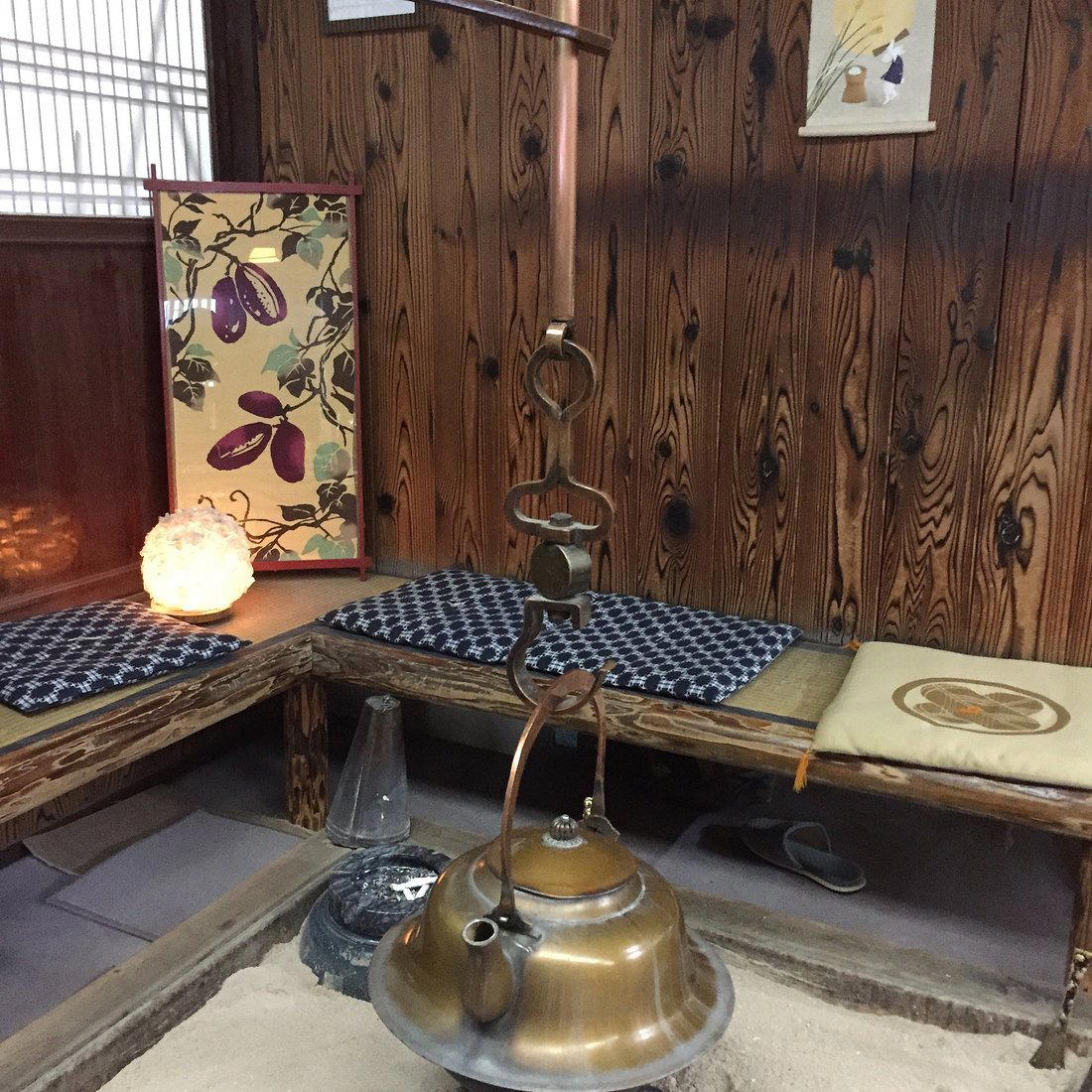
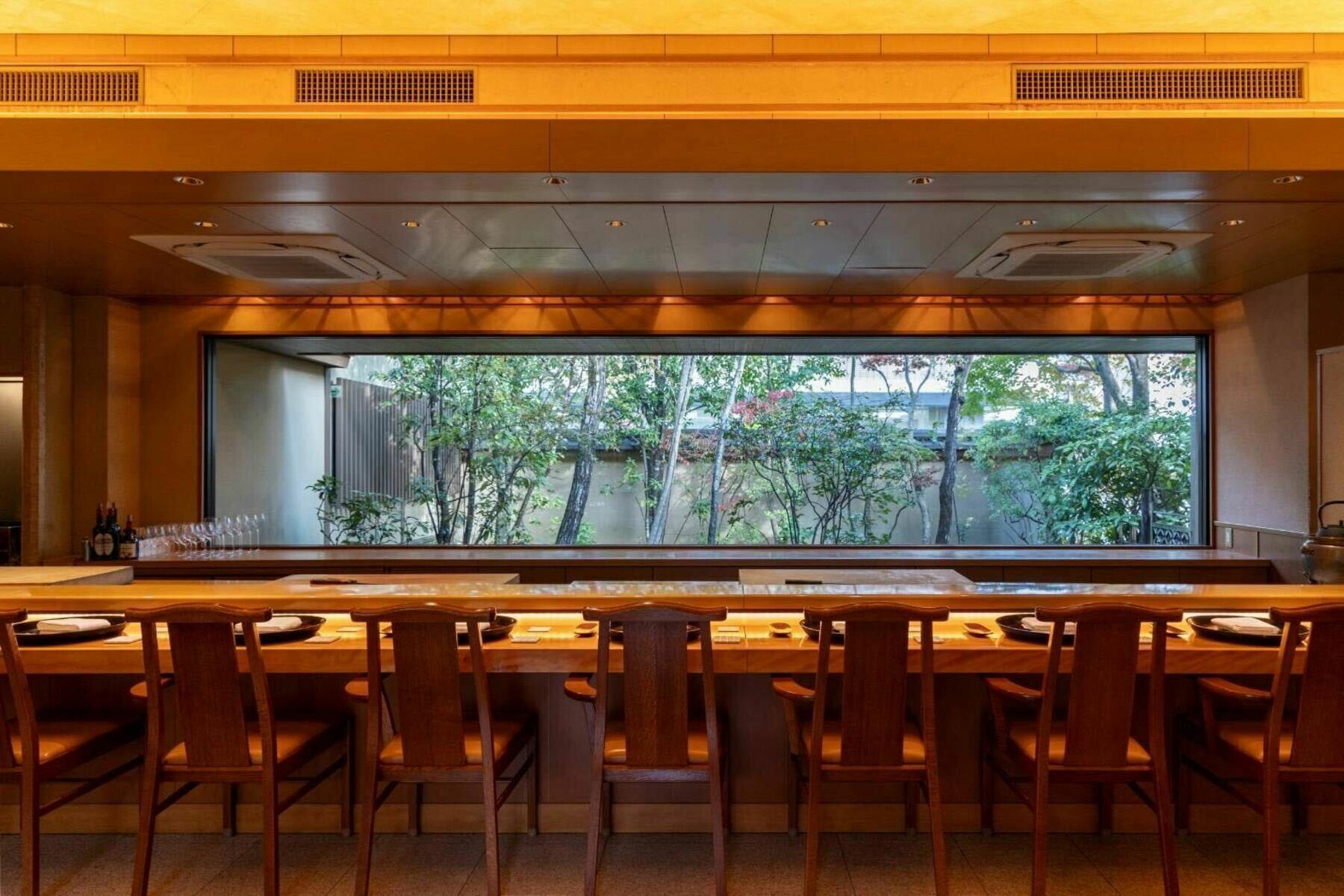
A warm, smoky charcoal-grill izakaya with an intimate, rustic feel, focused on the theatrical aroma and flavor of chicken cooked over glowing bamboo charcoal.