
Tabelog 100 #34
Our verdict
Kamaage Udon Odamaki Honten puts Miyazaki’s late-evening noodle culture into a compact, low-friction format: udon, counter seating, tatami space, and a Tabelog 100 Udon WEST 2024 selection. Its appeal sits in the gap between drinking-district utility and specialist noodle craft, where local wheat-noodle tradition matters more than ceremony.

Pearl is the En Primeur Club membership app — saves, bookings, and concierge access live there. Same editors, same standards.
- Address
- Japan, 〒880-0002 Miyazaki, Chuodori, 2−23 コアビル 1階
- Phone
- +81 985-27-9984
- Hours
- Mon 12–1 AM, 7 PM–1 AMTue–Fri 7 PM–1 AMSat 7 PM–12 AMSun Closed
- Website
- facebook.com
- Directions
- Get directions
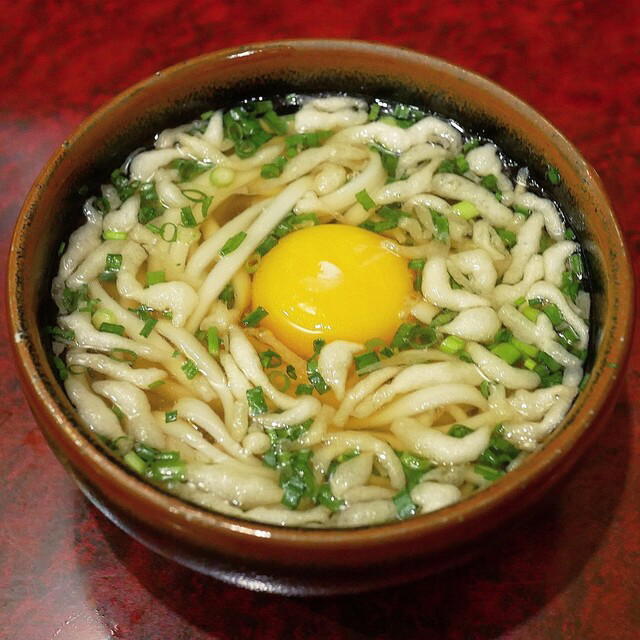
Miyazaki is the kind of city where dinner can bend into a second stop, then a final bowl. Kamaage Udon Odamaki Honten keeps that rhythm plain: a local noodle shop rather than a polished destination dining room. In a city with many casual eating habits, it is a reminder that wheat noodles have their own place in after-dark food culture.
The focus is udon, a category built less on garnish than on the relationship between noodles, broth, and timing. In a simple noodle format, texture and heat become part of the experience. Ingredient handling matters in general: flour character, water, kneading, resting, and the dashi base carry more weight when presentation is stripped back. The dish is not competing with Miyazaki’s grilled-meat counters or izakaya plates; it works as a focused stop with its own grammar.
Hot noodles, local rhythm, and the discipline of kamaage udon
Japan’s udon map is often discussed through famous regional styles, but Kyushu’s noodle culture is broader than one headline dish. Miyazaki sits within a casual dining ecology shaped by straightforward counters and restaurants serving workers, locals, and visitors with equal directness. Udon fits that ecology because it can be filling without feeling heavy, modest without feeling disposable, and technical in ways easy to miss.
The Tabelog 100 Udon WEST 2024 selection gives this small format a useful signal, placing the shop inside a wider western Japan udon conversation rather than only a Miyazaki one. That matters because udon recognition tends to favor consistency and craft over spectacle. A Tabelog score of 3.67 suggests a durable local reputation rather than a flashy one-off impression. For travelers using Our full Miyazaki restaurants guide, the value is not that this is a grand meal; it is that the city’s noodle culture has a credible specialist address within the same orbit as more widely discussed local staples.
Ingredient sourcing is not presented here through a chef’s manifesto or farm list, and that restraint is part of the point. Udon tests base materials and repetition: wheat noodle structure, broth balance, and service speed. In a broader Japanese context, the category sits closer to everyday noodle counters than to formal dining. The craft is embedded in the bowl rather than explained at the table.
Where it sits among Miyazaki's casual dining options
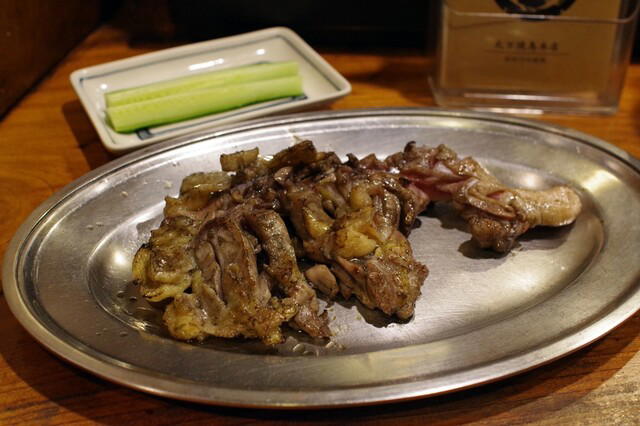
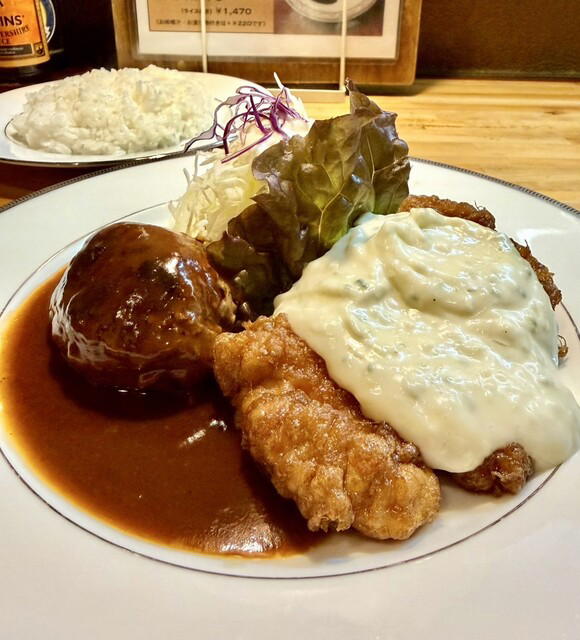
Miyazaki has several casual lanes. Yakitori houses such as Maruman Yakitori Honten sit in the drinking-food bracket, while places such as GRILL Ranman and Oak occupy broader everyday dining space. Tenichi and 幸魚 point to other sides of the local register. Against that group, Kamaage Udon Odamaki Honten reads as narrower and more specialized, with appeal from doing one category well enough to pull attention beyond a purely local routine.
That narrowness helps when planning a Miyazaki eating day. Other Miyazaki dining rooms show how local meals can swing between old-school comfort and more considered cooking, while unnamed casual stops fill other parts of the city’s map. The udon shop’s role is different: a compact specialist stop for when an itinerary needs a focused bowl rather than a long meal.
For visitors building a wider Kyushu or Japan route, it helps to separate local usefulness from destination hype. A compact udon shop in Miyazaki should not be judged by the same criteria as a formal tasting menu, a specialty meat restaurant, or an overseas sake bar. The comparison is category-specific: how much character and consistency can a small noodle shop deliver within a modest format? On that question, the 2024 Tabelog 100 Udon WEST recognition is the strongest trust signal.
How to read the room before you go
The setup tells experienced Japan travelers much of what they need to know. This is not a format built around ceremony. It is built around direct ordering, practical pacing, and the comfort of a hot noodle bowl when elaborate dining starts to feel like work.
Payment and access details belong in the practical rail, but the editorial read is simple: treat this as a small local specialist rather than a concierge-managed restaurant. The mood is informal and category-focused. It works especially well for diners who value regional food habits: how a city eats around casual stops, how a simple dish absorbs local routine, and how a noodle shop becomes part of the night without announcing itself as an event.
Readers comparing Miyazaki across categories can use the broader EP Club city pages for context: Our full Miyazaki hotels guide, Our full Miyazaki bars guide, Our full Miyazaki wineries guide, and Our full Miyazaki experiences guide. For a broader Japan-and-beyond restaurant scan, the contrast becomes clearer beside other dining rooms in Japan and overseas. The lesson is not that every meal needs scale. Sometimes the sharper read of a city comes from a modest bowl with enough discipline to earn recognition.
Frequently asked questions
Does Kamaage Udon Odamaki Honten work for a family meal?
Yes. It is best understood as a casual udon specialist in Miyazaki, making it a practical choice for a simple meal.
What's the overall feel of Kamaage Udon Odamaki Honten?
It reads as a compact udon house rather than a formal dining room. The tone is casual and efficient, and its Tabelog 100 Udon WEST 2024 selection gives it clear credibility in Miyazaki.
What's the pricing like at Kamaage Udon Odamaki Honten?
Pricing at Kamaage Udon Odamaki Honten is listed as - JPY 999.
What is Kamaage Udon Odamaki Honten known for?
Kamaage Udon Odamaki Honten is known for udon in Miyazaki, with Tabelog 100 Udon WEST 2024 recognition.
Snapshot
Comparable venues by cuisine and price in the same metro.
| Venue | Cuisine | Price | Awards | Notes |
|---|---|---|---|---|
| Kamaage Udon Odamaki HontenThis venue — the venue you are viewing | Japanese Udon | $1–10 | Tabelog 100 #34 | Not listed |
| Ramen Man | Miyazaki-style Ramen Shop | $1–10 | Tabelog 100 #87 | Miyazaki |
| Soba ya Tesshin | Japanese Soba | $20–30 | Tabelog 100 #40 | Tachibanadori Higashi |
| ä¸å¿é®¨ å æ´ | Traditional Japanese Sushi Omakase | $200–300 | Tabelog Bronze #139 | Miyazaki |
| Soba Tokoro Shimizu | Traditional Soba Restaurant | $20–30 | Tabelog 100 #19 | Tachibanadori Higashi |
| Hiroshima-fu Okonomiyaki Kacchan | Hiroshima-style okonomiyaki | $10–20 | Tabelog 100 #19 | Kiyotake |
Recognition history
Dated appearances from independent guides and award organizations, with the underlying list record or original source where available.
Tabelog 100 #34 · No. 34
Tabelog · Tabelog 100 - Udon - WEST - 2024
Continue exploring
More in Miyazaki
Details
- Classic
- Cozy
- Solo
- Family
- Casual Hangout
- Standalone
- Beer Program
- A La Carte
- Beer
Current opening hours
- Monday
- 12–1 AM, 7 PM–1 AM
- Tuesday
- 7 PM–1 AM
- Wednesday
- 7 PM–1 AM
- Thursday
- 7 PM–1 AM
- Friday
- 7 PM–1 AM
- Saturday
- 7 PM–12 AM
- Sunday
- Closed
Hours can change for holidays and private events. Last verified .
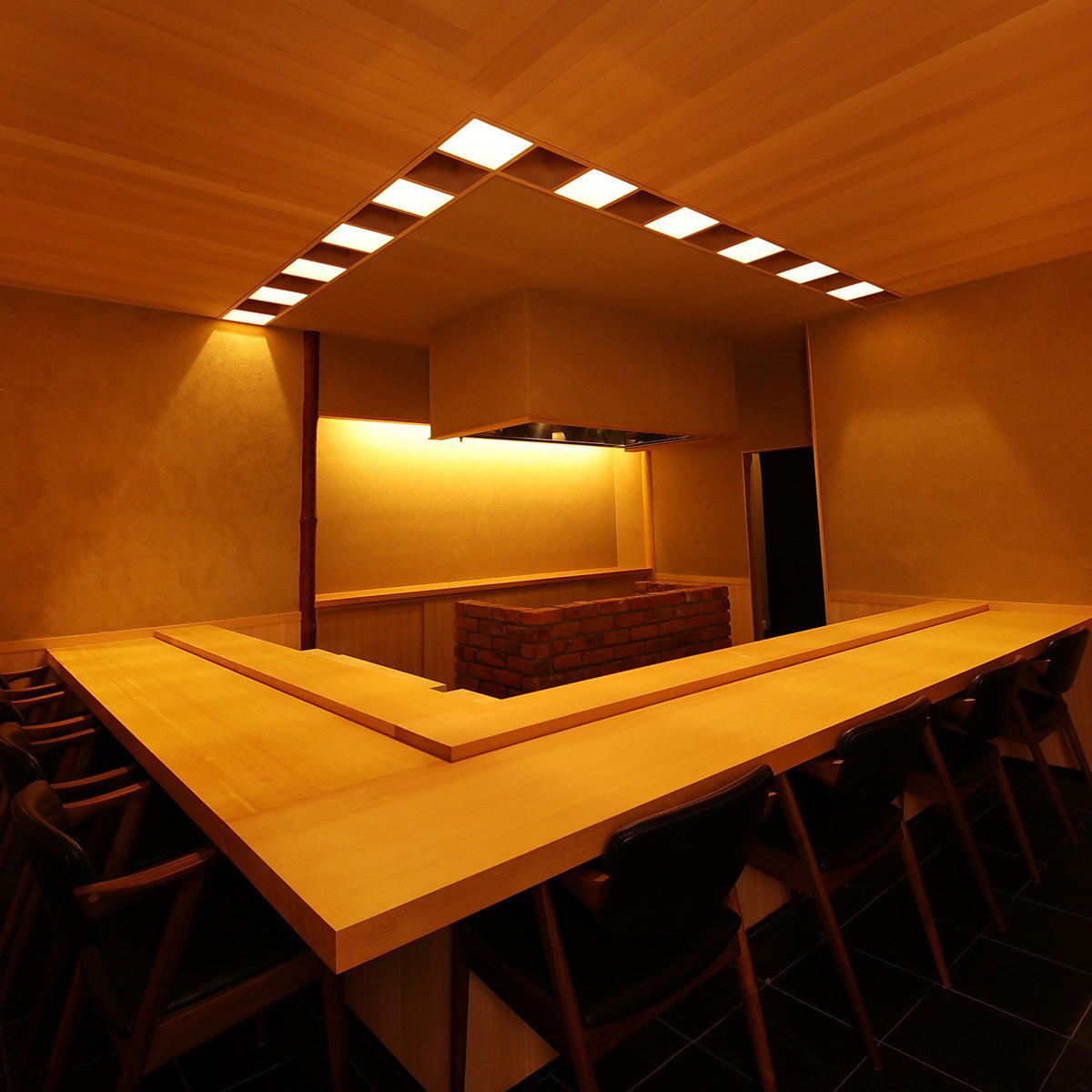
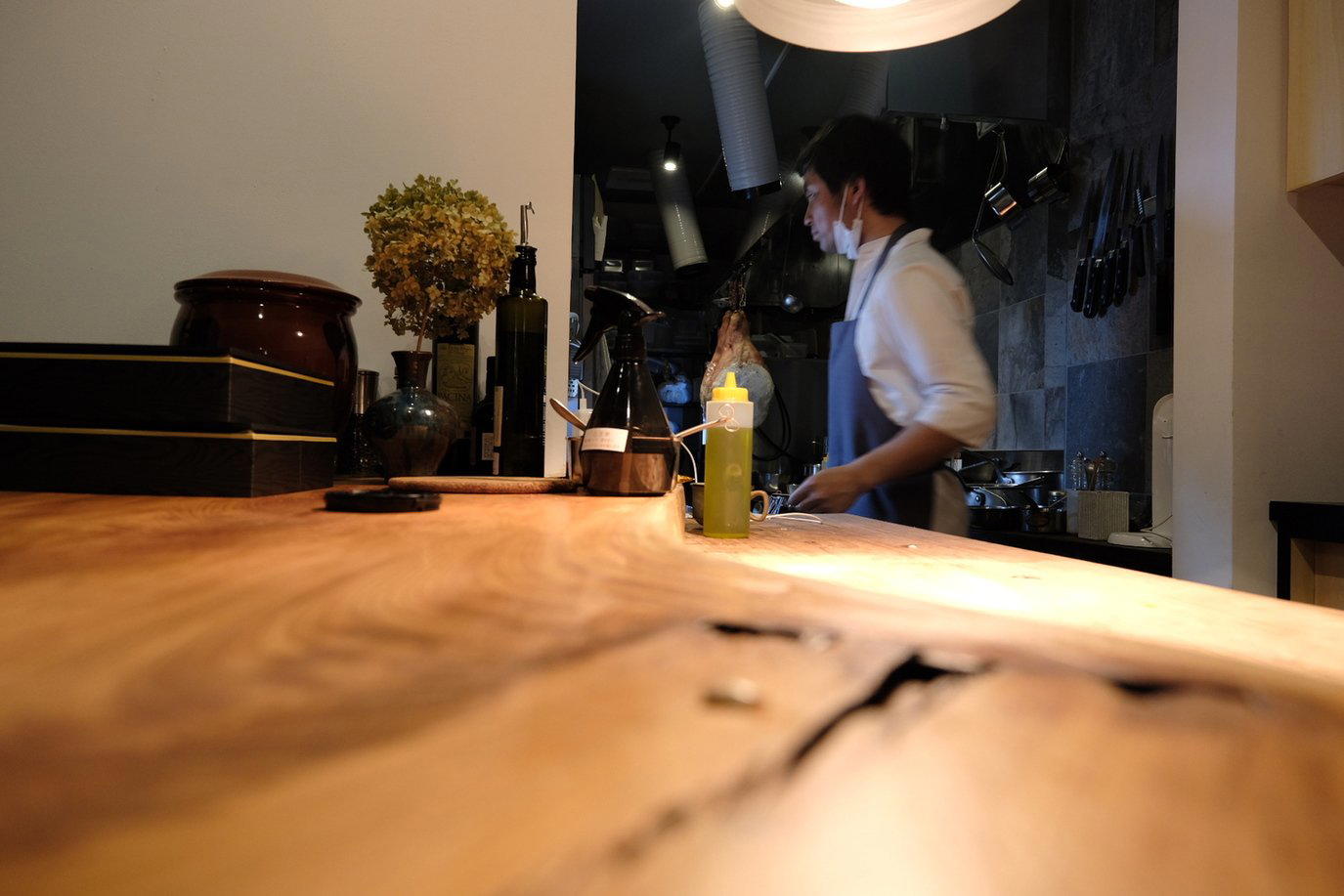
Simple, no-frills noodle-shop atmosphere with a compact seating layout and a traditional, casual feel.