
Tabelog 100 #99
Our verdict
Ooyodo Kahan Miyachiku is a Miyazaki hotel teppanyaki, steak and yakiniku restaurant selected for Tabelog 100 Steak / Teppanyaki WEST 2025, with a 90-seat format that includes counter seating and private rooms. Expect a polished regional beef setting with lunch and dinner budgets listed in the JPY 4,000 to JPY 7,999 range, plus wine, shochu and sommelier service.

Pearl is the En Primeur Club membership app — saves, bookings, and concierge access live there. Same editors, same standards.
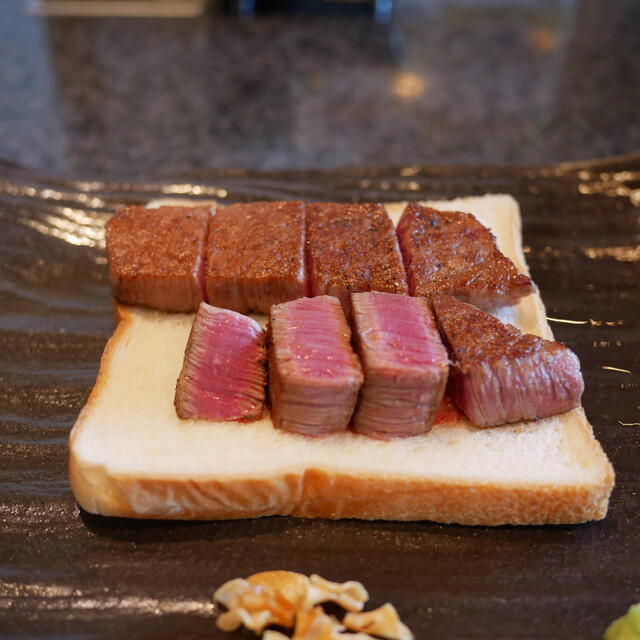
The menu
What to order
- Miyazaki sirloin steak teppanyaki
- Miyazaki wagyu steak courses
- Yakiniku-style Miyazaki beef platters
The first signal is the format: a dining room built around the appeal of grilled beef, with teppanyaki, steak and yakiniku sitting side by side in the listing. In regional Japan, teppanyaki often sits at the intersection of craft, hospitality and local pride. It is less about spectacle than control: heat, timing, portioning, and the quiet theatre of beef being cooked in front of the guest.
Ooyodo Kahan Miyachiku belongs to that tradition rather than the metropolitan tasting-menu race. Its categories, teppanyaki, steak and yakiniku, place it in a broad meat-focused bracket, but the Tabelog 100 Steak / Teppanyaki WEST 2025 selection narrows the frame. This is a Matsuyama address being judged within western Japan’s steak and teppanyaki field, not simply a dining room trading on convenience. The Tabelog score of 3.75 adds another useful signal in a category where reader expectations often depend on grill technique, pacing and service cadence more than chef mythology.
Regional beef culture, interpreted through the teppanyaki format
Japan’s steak culture has several lanes. Larger cities pull global attention, yakiniku is built for convivial smoke and sharing, while teppanyaki turns beef into a seated performance governed by sequence and restraint. In western Japan, the format can carry an additional regional dimension: local tastes, celebratory dining habits and restaurant rooms that serve special occasions without requiring the formality of a high-end counter.
That mix matters here. A restaurant working across teppanyaki, steak and yakiniku is operating in a way that differs from the tiny counter model common in prestige sushi or kappo dining. The experience is less rarefied, more social, and more flexible. The teppanyaki side keeps the grill central, while the yakiniku component makes the room broader than a single-format steakhouse.
The drinks side should be read in the same practical way. Steak often invites wine, while Japanese beef restaurants can also sit comfortably with local drinking habits and group dining. The useful point is not a claim about a particular cellar or specialist service, but the audience: domestic guests who understand beef through familiar regional habits, and visitors who may arrive expecting the wine-and-steak grammar of a polished restaurant.
Where it sits in the wider Matsuyama dining conversation
Matsuyama searches often pull together several Japans at once: hospitality-led dining, regional seafood, noodles, casual local institutions and more formal restaurant meals. That is why the broader map matters. A stay built around the city’s traditional side might lead to other Matsuyama dining rooms, where the appeal is tied more closely to Japanese hospitality and composed seasonal cooking. A noodle-led day points in a different direction, while local, lower-formality eating has its own rhythm at unnamed everyday places across the city.
Against that spread, Ooyodo Kahan Miyachiku reads as the polished meat dinner: structured, celebration-minded and grounded in the steak and teppanyaki tradition. It is not chasing the same mood as soba, ramen or izakaya-adjacent dining. The useful comparison is with other regional Japanese dining rooms, where price bands and format say as much as awards. Tori no Sato, Torimasa and Zakuro help frame a different set of regional choices, while Soba Tokoro Shimizu belongs to another culinary lane entirely. Those contrasts clarify the appeal: this is a mid-to-upper regional steak and teppanyaki choice with recognition and a clear occasion-dining role.
For travellers building a larger itinerary, the restaurant makes better sense as part of a category-led plan than as an isolated trophy booking. Start with the broader Matsuyama restaurant landscape to separate beef, noodles and casual local meals. Then use Matsuyama lodging context, late-evening drinking options, wine planning and local experiences to frame the trip around the city.
The reader decision: beef, ceremony and a room built for flexible occasions
The strongest reason to place this restaurant on an itinerary is not scarcity. It is fit. Teppanyaki rewards diners who want a meal with visible technique and a set pace, while yakiniku suits groups that prefer a more participatory table. A restaurant carrying both formats serves a wider set of occasions than a narrow chef’s-counter restaurant. The trade-off is equally clear: diners looking for a tiny, personality-driven room may find the broader format less intimate, while those arranging a beef-focused dinner or celebration may value that same range.
Japan’s restaurant culture is full of these distinctions, and they matter more than generic praise. A beef dinner in a teppanyaki or yakiniku setting carries a different social code from a late-night ramen stop, a sake bar, a curry specialist or a small regional Japanese room. For further comparison across Japanese dining formats, it is more useful to think generically about grilled beef restaurants, noodle counters, sake-led bars, curry specialists and casual Japanese rooms than to treat every category as interchangeable. The useful takeaway is simple: choose this address when the night calls for beef, service structure and a dining room suited to both ceremony and flexible dining formats.
Frequently asked questions
What part of town is Ooyodo Kahan Miyachiku in?
Ooyodo Kahan Miyachiku is in Matsuyama.
How much does it cost to eat at Ooyodo Kahan Miyachiku?
Pricing at Ooyodo Kahan Miyachiku is listed as dinner JPY 6,000 - JPY 7,999 and lunch JPY 4,000 - JPY 4,999.
Should I book Ooyodo Kahan Miyachiku in advance?
Planning ahead is sensible for a restaurant with Tabelog 100 Steak / Teppanyaki WEST 2025 recognition. Use the listed phone number, +81-50-1722-3929, to confirm current availability before going.
What do critics highlight about Ooyodo Kahan Miyachiku?
The strongest signals are the Tabelog 100 Steak / Teppanyaki WEST 2025 selection, the Tabelog score of 3.75, and its categories: teppanyaki, steak and yakiniku. Those place it clearly within Matsuyama beef dining.
Is Ooyodo Kahan Miyachiku allergy-friendly?
Diners with allergies should use the reservation line, +81-50-1722-3929, before booking.
Price and Positioning
Nearby venues at a similar price tier for orientation.
| Venue | Cuisine | Price | Awards | Notes |
|---|---|---|---|---|
| Ooyodo Kahan MiyachikuThis venue (the venue you are viewing) | Miyazaki wagyu teppanyaki & grill | $50–100 | Tabelog 100 #99 | Not listed |
| Bettei Oborozukiyo | Traditional Japanese Kaiseki Ryokan Dining | Not listed | Not listed | Dogo Onsen, Traditional Japanese Kaiseki |
| 上海点心 豫園 | Casual Dim Sum & Chinese Comfort Food | $20–30 | Tabelog 100 #29 | 朝生田町, 上海点心専門店 |
| Oborozukiyo (別邸 朧月夜) | Traditional Japanese Kaiseki Ryokan Dining | Not listed | Not listed | Dogo, Seasonal Kaiseki |
| Teuchi Soba Maro | Not listed | Not listed | Not listed | Okaido, Handmade soba (buckwheat noodles) |
| Sakana Kobo Maruman | Gioncho, Seafood Izakaya | Not listed | Not listed | Not listed |
Recognition history
Dated appearances from independent guides and award organizations, with the underlying list record or original source where available.
Tabelog 100 #99 · No. 99
Tabelog · Tabelog 100 - Steak / Teppanyaki - WEST - 2025
Continue exploring
More in Miyazaki
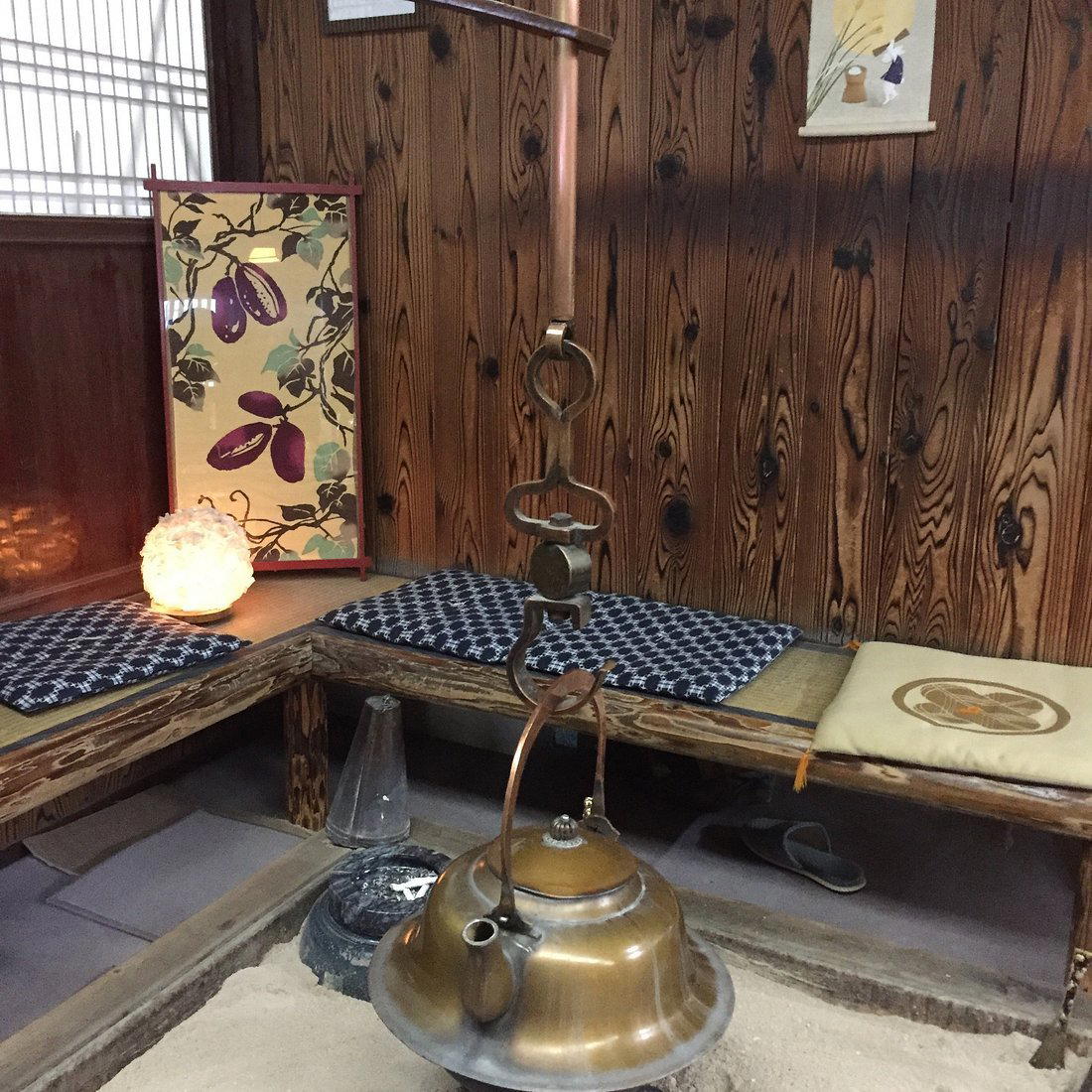
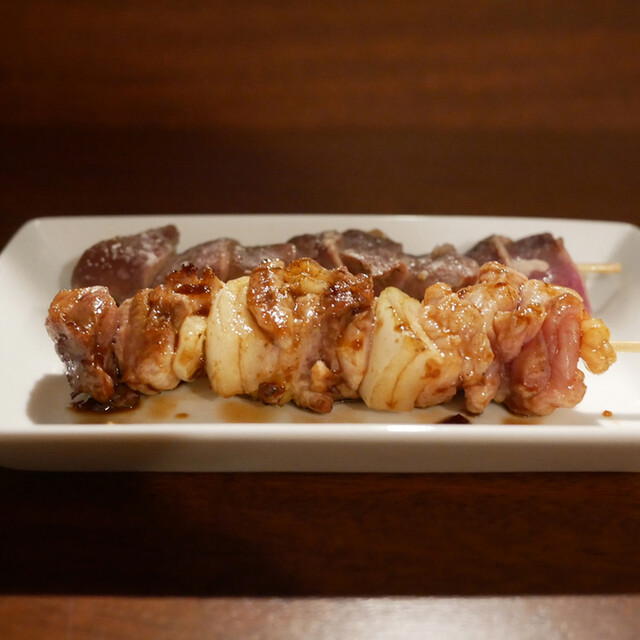
Details
- Elegant
- Scenic
- Classic
- Date Night
- Business Dinner
- Group Dining
- Family
- Celebration
- Special Occasion
- Waterfront
- Panoramic View
- Hotel Restaurant
- Private Dining
- Extensive Wine List
- Beer Program
- Local Sourcing
- Waterfront
- A La Carte
- Tasting Menu
- Counter Dining
- Set Menu
- Wine
- Beer
- Spirits
- Pescatarian Friendly
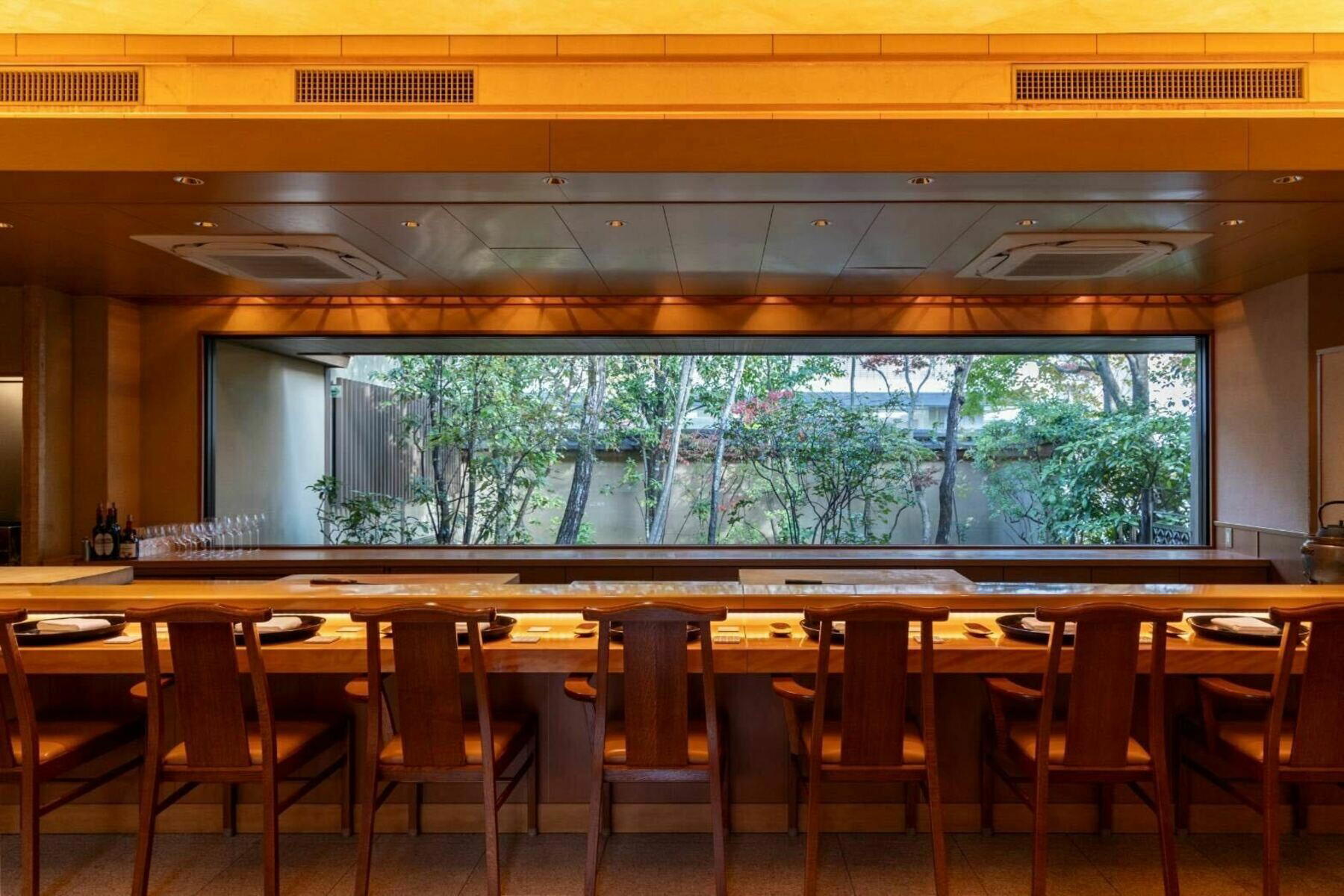
Refined hotel-restaurant atmosphere with calm, classic decor, counter-side teppanyaki cooking, and a splendid night view of the Oyodo River that makes dinners feel special yet relaxed.