
Tabelog 100 #72
Our verdict
Pochiron places French technique in conversation with Miyazaki produce, fish, wine and the Japanese yōshoku tradition rather than chasing big-city tasting-menu theatre. Its Tabelog French WEST 100 selections in 2023 and 2025, plus a 3.71 rating, put it in a serious regional dining bracket without stripping away the scale and informality that define smaller-city French cooking in Japan.

Pearl is the En Primeur Club membership app, where members save venues, book tables and use the concierge.
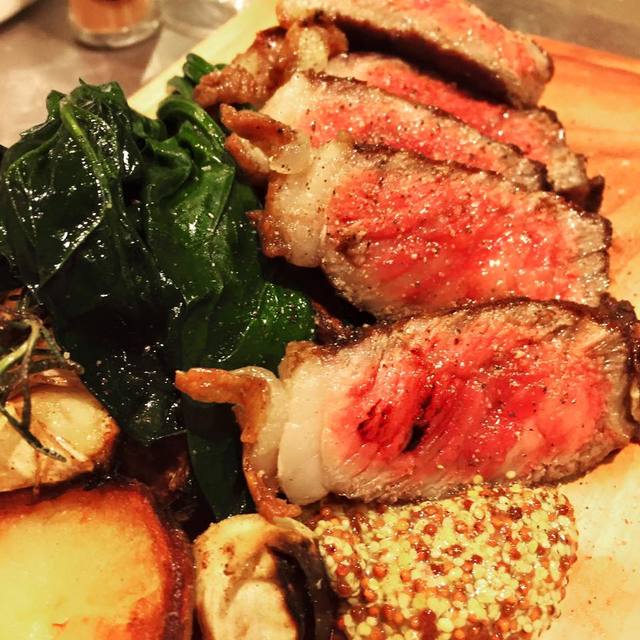
The room’s appeal is best read through the information available for the restaurant rather than through borrowed luxury cues. In regional Japan, Western-influenced cooking often succeeds when it translates familiar dining habits through technique instead of imitating larger-city formulas. Pochiron belongs to that category: French by listed genre, yōshoku-adjacent by classification, and also listed for pasta, making it a Hiroshima restaurant whose identity sits between formal technique and the practical pleasures of western-style cooking in Japan.
French technique, Hiroshima dining and the yōshoku bridge
Japan’s regional French restaurants often occupy a different lane from metropolitan grand dining. The appeal tends to be less about ceremony and more about how Western technique can frame a meal in a way that feels local and approachable. That matters in Hiroshima, where dining identity is not a decorative talking point. Pochiron’s listed categories, French, yōshoku and pasta, already suggest a restaurant that sits between formal technique and approachable regional appetite.
The useful comparison is not with palace-hotel French rooms, but with smaller regional restaurants where the category lines blur. French, yōshoku and pasta can coexist in Japan without feeling confused; the shared logic is Western technique adapted to Japanese pacing, portioning and seasonality. That mix can be less rigid than a dégustation-only format, and often more revealing of how a city actually eats. Pochiron’s recognition in the 2025 Tabelog Hyakumeiten listings gives that local approach a measurable signal: this is not merely a generic neighborhood option, but a restaurant noticed within a competitive dining category.
The category mix is the other structural clue for reading this kind of restaurant. Regional French dining in Japan often becomes most interesting when the meal is not forced into a single imported template. For a restaurant that moves among French, yōshoku and pasta, the best expectation is not a grand narrative but a format that can move across Western technique, Japanese dining habits and the more familiar pleasures of pasta and yōshoku.
A small-room format with regional seriousness
The format tells a sharper story than any grand claim could. Pochiron is best understood in the serious regional tier, where the meal’s rhythm is defined less by spectacle than by how the restaurant expresses its categories. That matters in Japanese French rooms because the experience can feel more direct than a formal luxury production. It also gives the place more than one mode: it can be read as a Hiroshima restaurant for diners interested in category, craft and local context rather than only in status.
The Tabelog score of 3.71 places it in a competitive bracket for a regional restaurant, especially outside the larger dining markets where review volume can distort visibility. Awards and scores should not be mistaken for taste, but they do help identify restaurants operating above casual Western dining. In this case, the signals point to a restaurant with enough consistency to be selected for the 2025 Tabelog Hyakumeiten, while retaining the price and format profile of a serious local address rather than a destination dining machine.
That distinction is useful for travelers building a Hiroshima itinerary. A meal here is not the same proposition as a night built around formal luxury dining in Tokyo, Osaka or Kyoto. It is more interesting as a regional read: how French structure can sit alongside yōshoku and pasta without turning every plate into a thesis. For readers comparing the broader Hiroshima dining field, other dining rooms in the city show how varied the region’s Western-influenced and local registers can be.
How to read the meal before committing an evening
The smart way to approach Pochiron is to read it as a regional French-and-yōshoku restaurant first, and a luxury restaurant second. That framing prevents the wrong expectation. Diners seeking white-tablecloth formality, named luxury ingredients and heavy ceremony may misread the appeal. Diners interested in how pasta and yōshoku-adjacent cooking sit inside a French framework will understand why the restaurant has drawn category recognition.
The practical signals are equally clear without needing to overcomplicate them. The listed budget is Dinner: JPY 10,000 - JPY 14,999; Lunch: JPY 3,000 - JPY 3,999, which puts Pochiron above an everyday casual meal but below the most expensive fine-dining tier. That pricing is part of the appeal: it frames the restaurant as a serious local choice rather than a trophy booking built only around rarity, ceremony or an international reputation.
For a wider trip plan, use Pochiron as one spoke in a Hiroshima itinerary rather than an isolated trophy reservation. EP Club’s city guides can help place it alongside broader dining, hotel and drinks decisions: Our full Hiroshima restaurants guide, Our full Hiroshima hotels guide, Our full Hiroshima bars guide, Our full Hiroshima wineries guide and Our full Hiroshima experiences guide. Readers tracking Japanese regional dining more broadly can also compare how category, price and format shift across other unnamed dining rooms in Hiroshima and beyond.
Frequently asked questions
Where do I go for Pochiron?
Hiroshima.
Is Pochiron more mid-range or high-end?
Pricing at Pochiron is listed as Dinner: JPY 10,000 - JPY 14,999; Lunch: JPY 3,000 - JPY 3,999.
How hard is it to get a table at Pochiron?
Pochiron is a recognized Hiroshima restaurant with a Tabelog score of 3.71, so planning ahead is sensible, especially for dinner at JPY 10,000 - JPY 14,999.
What is Pochiron known for?
Pochiron is known as a Hiroshima restaurant listed for French, yōshoku and pasta, with 2025 Tabelog Hyakumeiten recognition.
Side-by-Side Snapshot
Comparable venues by cuisine and price in the same metro.
| Venue | Cuisine | Price | Awards | Notes |
|---|---|---|---|---|
| PochironThis venue (the venue you are viewing) | Seasonal French | $50–100 | Tabelog 100 #72 | Not listed |
| ル・トリスケル | Classic French Fine Dining | $50–100 | Not listed | Naka |
| Zakuro | Traditional Japanese Shabu-shabu Hotpot | $50–100 | Tabelog 100 #16 | Hiroshima |
| Chisou Sottakuito (馳走啐啄一十) | Modern Japanese Omakase | $200–300 | Tabelog Silver #15 | Fujimicho, Naka Ward |
| ミル | 古民家フレンチ | $50–100 | Not listed | Naka |
| Ichigo Ichie | Hiroshima okonomiyaki & teppanyaki | $30–50 | Tabelog 100 #73 | Naka |
Recognition history
Dated appearances from independent guides and award organizations, with the underlying list record or original source where available.
Tabelog 100 #72 · No. 72
Tabelog · Tabelog 100 - French - WEST - 2025
Continue exploring
More in Hiroshima
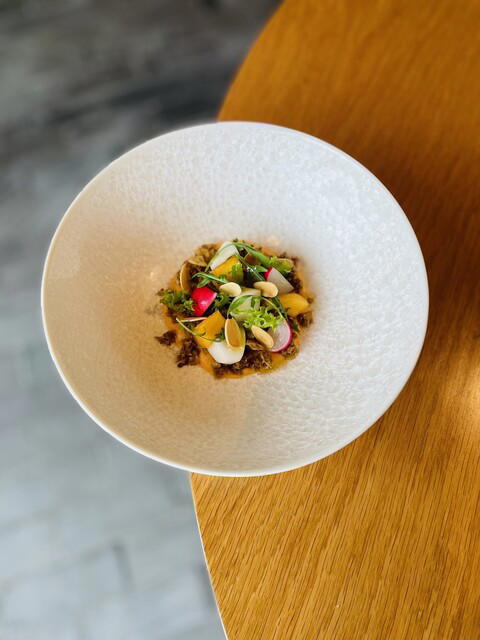
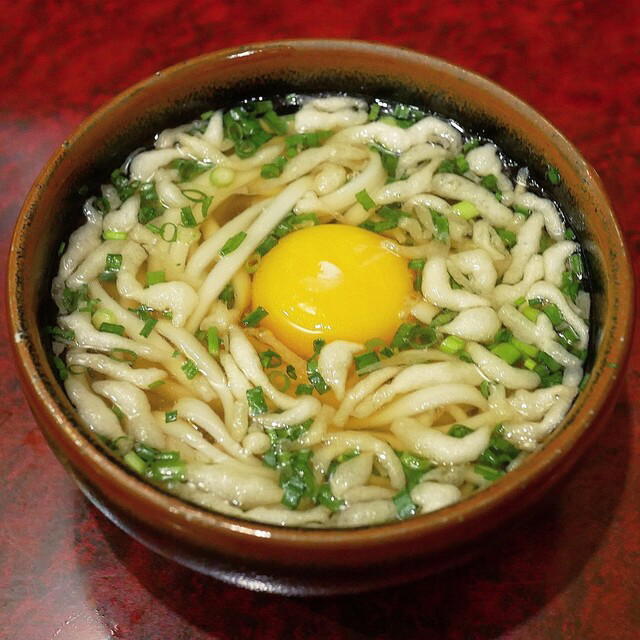
Pochiron
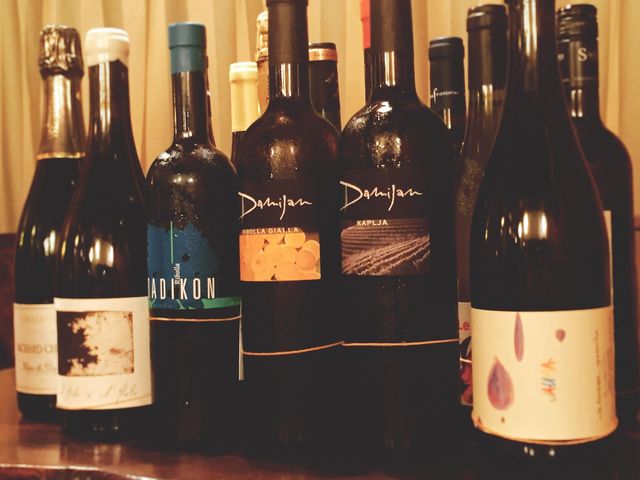
The wine
- Wine program
- Deep wine list
- Extensive wine list
- Sommelier-led
- Natural wine
Details
- Cozy
- Intimate
- Sophisticated
- Classic
- Date Night
- Celebration
- Group Dining
- Solo
- Casual Hangout
- Special Occasion
- Chefs Counter
- Standalone
- Extensive Wine List
- Natural Wine
- Sommelier Led
- Local Sourcing
- Natural Wine
- Set Menu
- A La Carte
- Counter Dining
- Wine
- Natural Wine
- Vegetarian Friendly
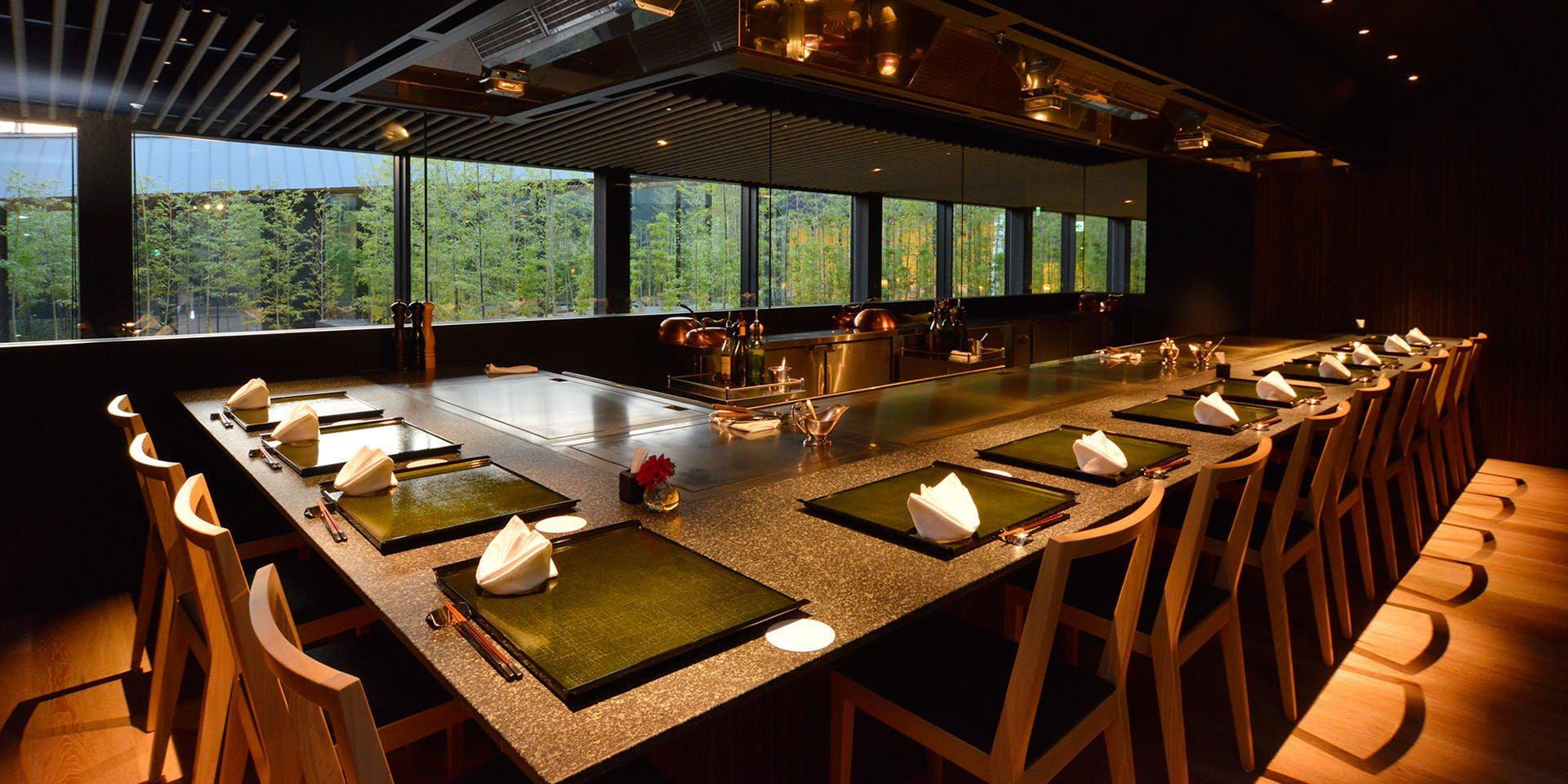
Warm and inviting, with a casual counter on the first floor and a more relaxed, airy second floor with high ceilings; the overall feel is authentic but approachable.