Sumac Cafe
Sumac Cafe sits on Bengal Blvd in Cottonwood Heights, Utah, bringing Middle Eastern and Eastern Mediterranean flavors to a suburban Salt Lake corridor that rarely sees this kind of culinary specificity. The cafe takes its name from the tangy, brick-red spice central to Levantine cooking, a signal of where its menu priorities lie. For the area, that focus alone sets it apart from the chain-heavy dining that dominates the surrounding zip codes.
Pearl is the En Primeur Club membership app — saves, bookings, and concierge access live there. Same editors, same standards.
- Address
- 2578 Bengal Blvd, Cottonwood Heights, UT 84121
- Phone
- +18017334444
- Website
- sumaccafeslc.com
 Saves & bookings on Pearl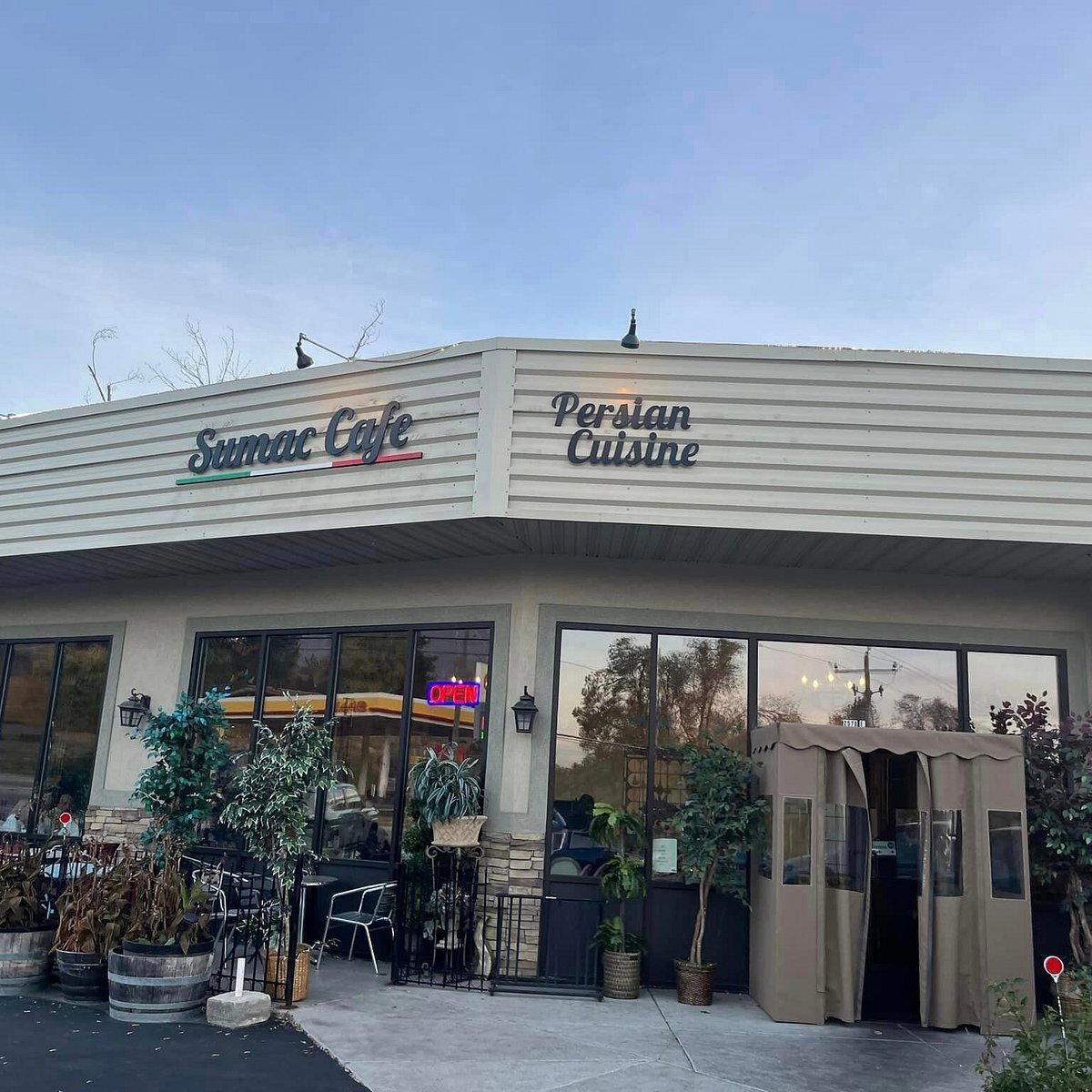
Sumac and the Spice Route: What the Name Signals
In Levantine cooking, sumac is not a garnish. Ground from dried drupes of the Rhus coriaria shrub, the deep crimson powder delivers a sharp, citrus-adjacent acidity that has been used across the Eastern Mediterranean and Middle East for centuries, long before lemon became the default souring agent in Western kitchens. That a cafe in Cottonwood Heights, a suburban community southeast of Salt Lake City, would take that spice as its name is a deliberate act of cultural positioning. It tells you, before you read a menu, that the cooking here is oriented toward a specific culinary geography.
Middle Eastern food in the American interior has historically been flattened into a narrow band of hummus, falafel, and shawarma, a truncated greatest-hits version of cuisines that span from the Levant through the Persian Gulf and into North Africa. The better cafes in this category resist that reduction. They anchor their menus in the fermented, spiced, and herb-forward cooking traditions of a specific region rather than presenting a generalized pan-Middle Eastern spread.
Bengal Blvd and the Cottonwood Heights Dining Context
Cottonwood Heights occupies the foothills southeast of Salt Lake City, hemmed in by the Wasatch Front and defined largely by its proximity to the ski resorts of Big and Little Cottonwood Canyons. The dining corridor along Bengal Blvd and its surrounding streets is suburban in character: anchored by convenience, practical in format, and oriented toward households rather than destination visitors. That context matters when thinking about what a cafe focused on Eastern Mediterranean traditions is doing here.
Suburban dining corridors in American mountain towns tend to lag the urban core by several years in terms of culinary diversity. Salt Lake City proper has seen meaningful growth in its independent restaurant scene over the past decade, but that energy takes time to migrate to the surrounding municipalities. Against that backdrop, a venue organized around a specific and historically grounded spice tradition occupies a different position than it would in a denser urban neighborhood. For residents of Cottonwood Heights, it may represent genuine access to a culinary register that otherwise requires a drive into the city. Nearby, Eight Settlers Distillery and Lone Star Taqueria round out the area's more independent-minded dining options; see our full Cottonwood Heights restaurants guide for broader context.
The Cultural Weight of Levantine Ingredients
The Eastern Mediterranean culinary tradition is one of the oldest documented food cultures in the world. Sumac itself appears in texts from ancient Rome and has been traded across the spice routes that connected the Levant with Europe and Central Asia for millennia. Its role in contemporary cooking is more nuanced than its ancient lineage suggests: mixed with za'atar, it coats flatbreads before baking; stirred into fattoush dressings, it provides the backbone acidity; scattered over grilled meats, it cuts through fat in a way no vinegar quite replicates.
The broader Levantine pantry, which includes pomegranate molasses, dried limes, preserved lemons, tahini in multiple forms, and an array of dried herbs and spice blends, has attracted serious culinary attention across North American cities over the past decade. This is not a trend driven by novelty. It reflects a slow recognition that these flavor systems are technically sophisticated and historically deep, closer in complexity to the French canon than the simplified versions that dominated casual dining for years. Restaurants like Atomix in New York City have demonstrated that cuisines outside the European fine-dining mainstream can anchor serious, award-recognized operations; the same argument applies at every price tier.
At the cafe end of the format spectrum, the challenge is different: translating that depth into accessible, repeatable dishes that work for a lunch crowd or a quick dinner without losing the specificity that makes the cuisine worth seeking out. The cafes that manage this tend to be those with clear sourcing priorities and a focused menu rather than an exhaustive one.
Where Sumac Cafe Fits in the American Middle Eastern Dining Scene
American dining has developed a small but serious tier of Middle Eastern and Levantine restaurants that operate well above the casual falafel-and-pita baseline. In larger cities, that tier includes venues with sustained critical attention and, in some cases, formal recognition. The broader fine-dining conversation, anchored by operations like Le Bernardin in New York City, Lazy Bear in San Francisco, or Alinea in Chicago, is far removed from what a neighborhood cafe operates; but it establishes the broader American dining culture in which any serious restaurant, regardless of price point, now competes for attention. Closer in format and ambition to Sumac Cafe's likely tier are the kind of regionally specific, ingredient-focused operations that have proliferated in cities like Denver, where Brutø has built a following on similar principles of culinary specificity, or Washington D.C. where Causa has shown that cuisine-specific restaurants in mid-tier formats can earn serious critical standing.
Sumac Cafe operates in a suburban context that removes some of that competitive pressure but also reduces the density of informed diners that typically sustains ambitious cooking. That trade-off is common to any independent restaurant that chooses a residential neighborhood over a high-foot-traffic urban corridor.
Planning Your Visit
The restaurant is located at 2578 Bengal Blvd, Cottonwood Heights, UT 84121, in a part of the Salt Lake Valley that is most easily reached by car. Current hours are Tue through Sat 11 AM to 9 PM, Sun 11 AM to 7 PM, and the cafe is closed Monday. Reservations are recommended, and pricing is about $25 per person. Given the cafe format and suburban location, walk-in availability is likely higher than at destination-dining operations, but calling ahead is advisable for groups.
Budget Reality Check
Comparable venues nearby, for context on price, style, and recognition.
| Venue | Cuisine | Price | Notes |
|---|---|---|---|
| Sumac CafeThis venue — the venue you are viewing | Cottonwood Heights, Authentic Persian | $$ | Not listed |
| Lone Star Taqueria | Not listed | $ | Cottonwood Heights, Authentic Mexican Taquería |
| Eight Settlers Distillery | Not listed | $$ | Cottonwood Heights, Modern American Gastropub |
| Goodwood Barbecue Company | Draper, Texas-Style Barbecue | $$ | Not listed |
| Copper Canyon Grill House & Tavern | Downtown, American Grill House | $$ | Not listed |
Continue exploring
More in Cottonwood Heights
Restaurants in Cottonwood Heights
Browse all →
Bars in Cottonwood Heights
Browse all →
Hotels in Cottonwood Heights
Browse all →

Wineries in Cottonwood Heights
Browse all →
At a Glance
- Cozy
- Rustic
- Family
- Casual Hangout
- Standalone
- Beer Program
Current opening hours
- Monday
- Closed
- Tuesday
- 11 AM–9 PM
- Wednesday
- 11 AM–9 PM
- Thursday
- 11 AM–9 PM
- Friday
- 11 AM–9 PM
- Saturday
- 11 AM–9 PM
- Sunday
- 11 AM–7 PM
Hours can change for holidays and private events. Last verified .
Clean restaurant with nice decor, warm and friendly family service, cozy neighborhood atmosphere.