Sukaldean Aitor Santamaria



Michelin Plate · Guía Repsol 1 Sol · Macarfi 7.6 Food Rating
Our verdict
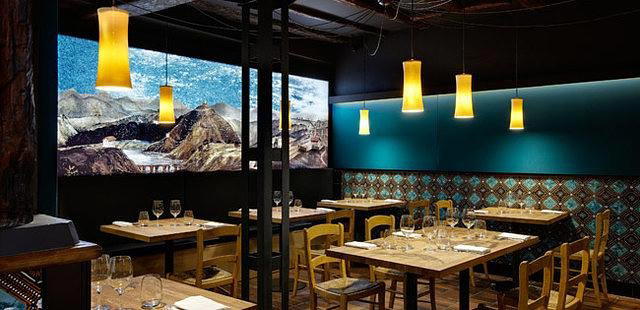
Set within the Hotel Zenit Convento de San Martín, Sukaldean Aitor Santamaria holds a Michelin Plate (2025) for its multi-format dining room that runs a sushi bar, a dedicated cheese counter, and three tasting menus alongside a contemporary à la carte. The menu fuses Basque ingredients with Asian technique under the banner of 'Euskal Sushi', placing it in a distinct tier between San Sebastián's casual pintxos culture and its €€€€ fine-dining circuit.

Pearl is the En Primeur Club membership app, where members save venues, book tables and use the concierge.

The menu
What to order
- Crab_maki_tempura
- Grilled_turbot
A Converted Convent, Three Menus, and One Distinctly Hybrid Proposition
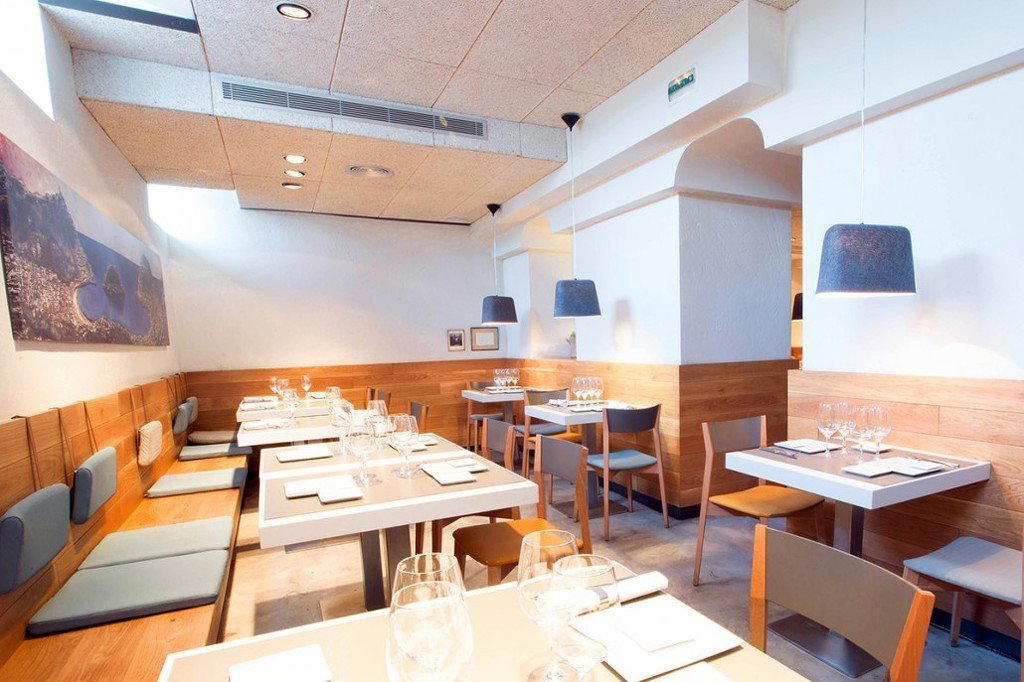
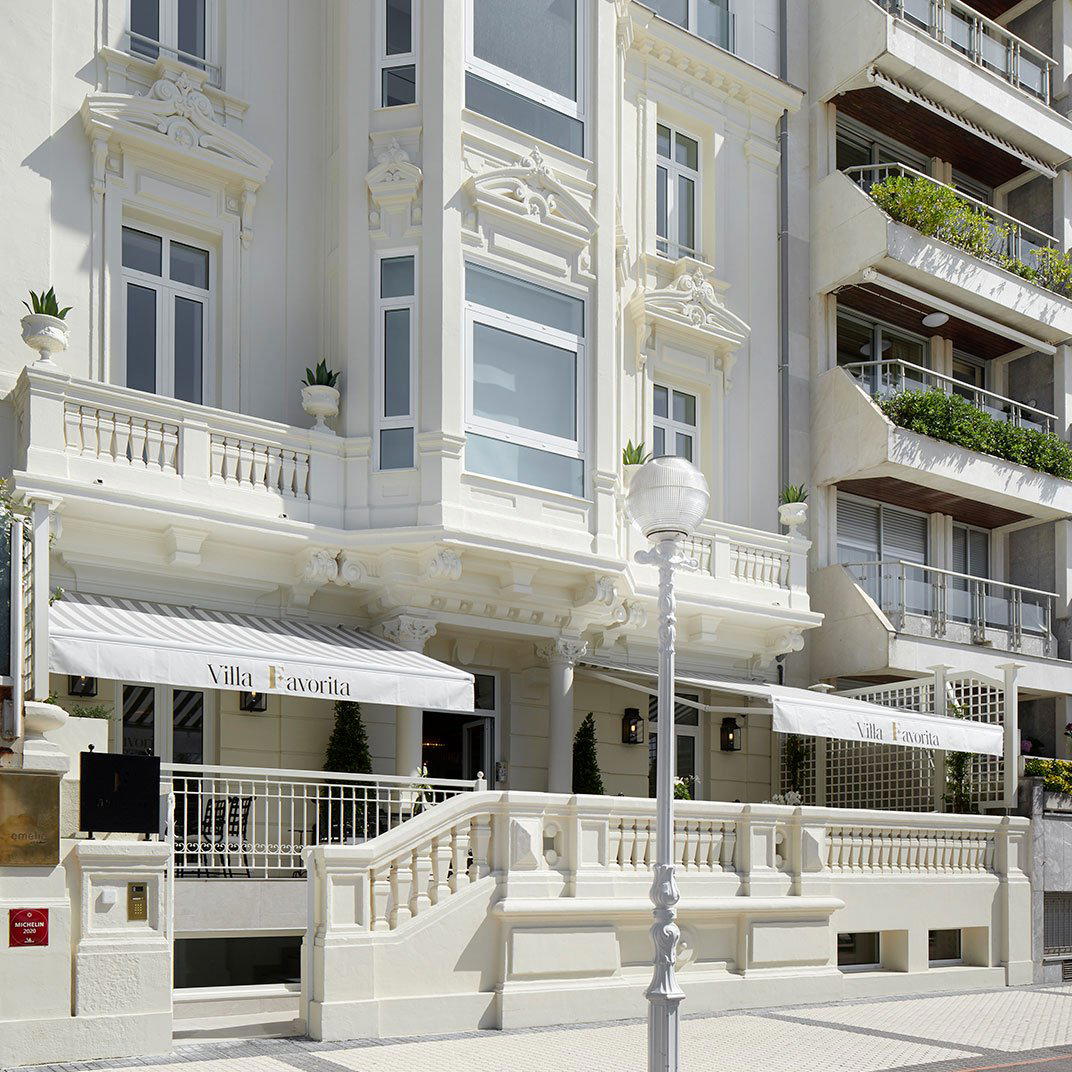
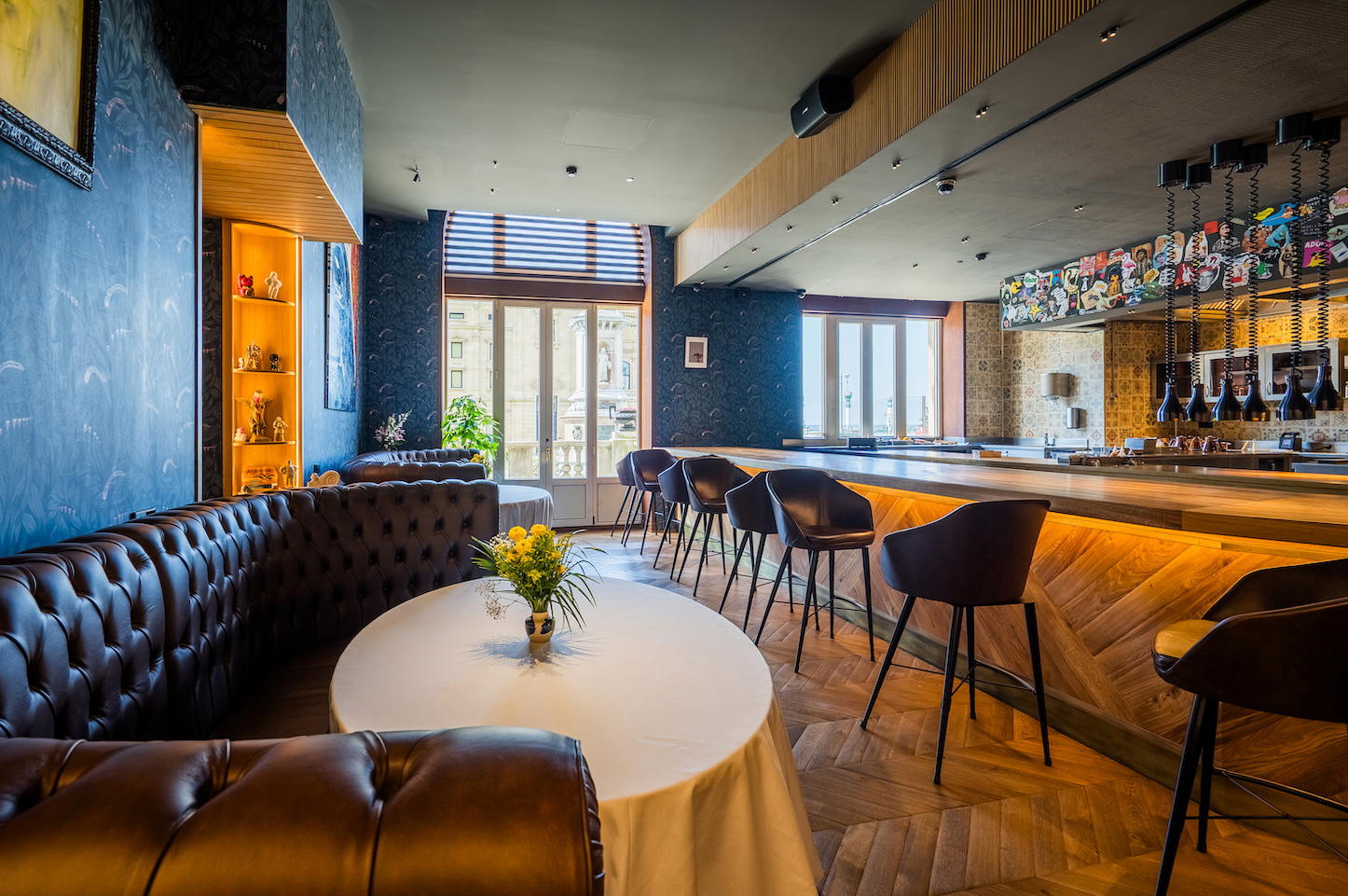
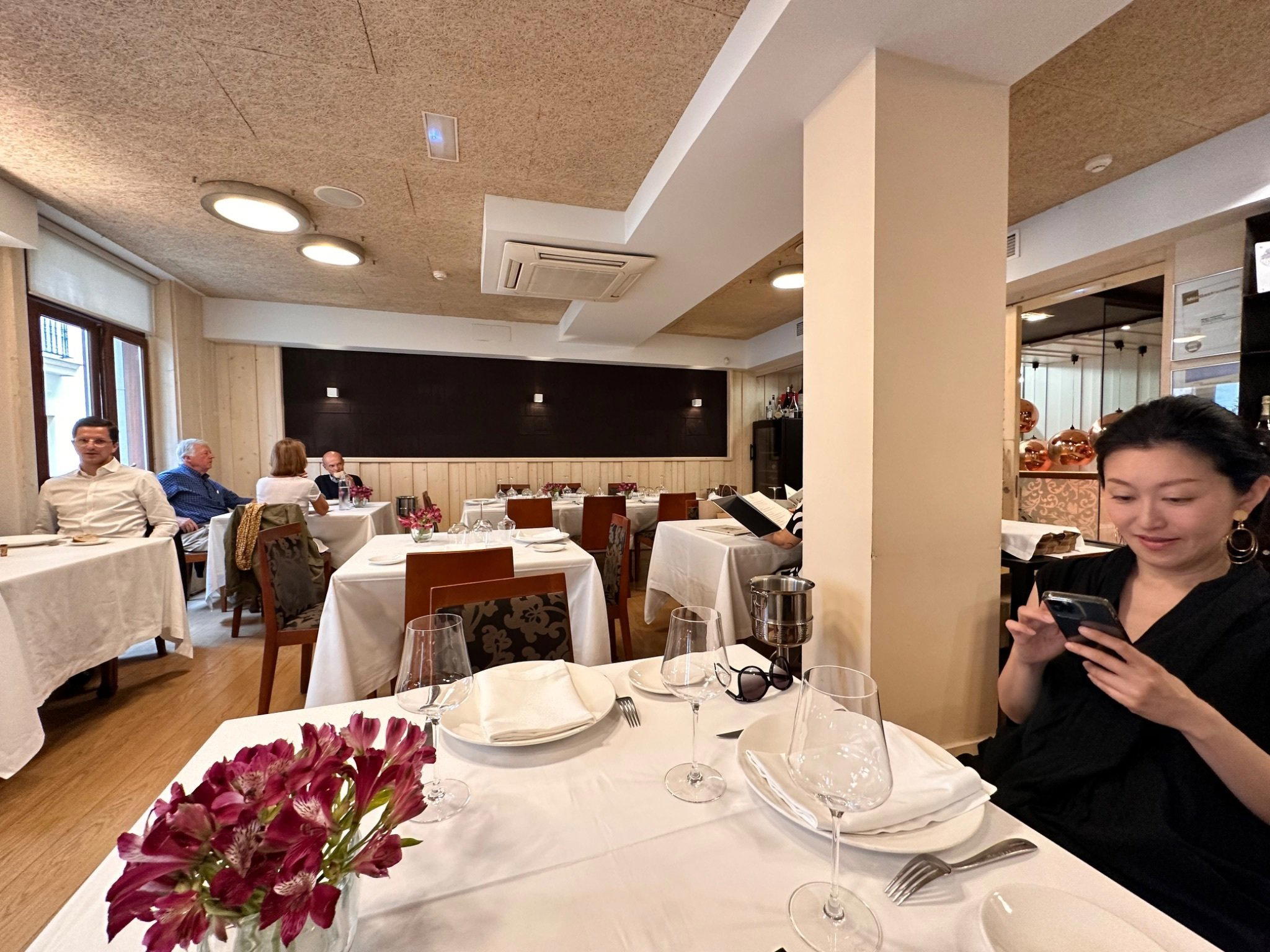
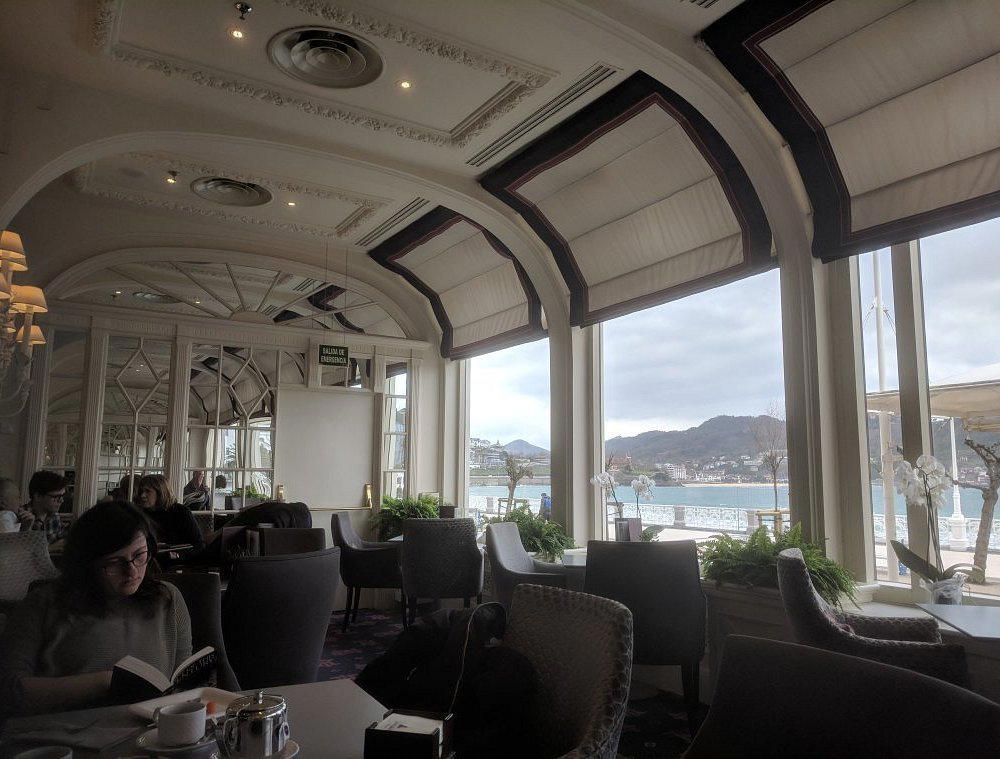
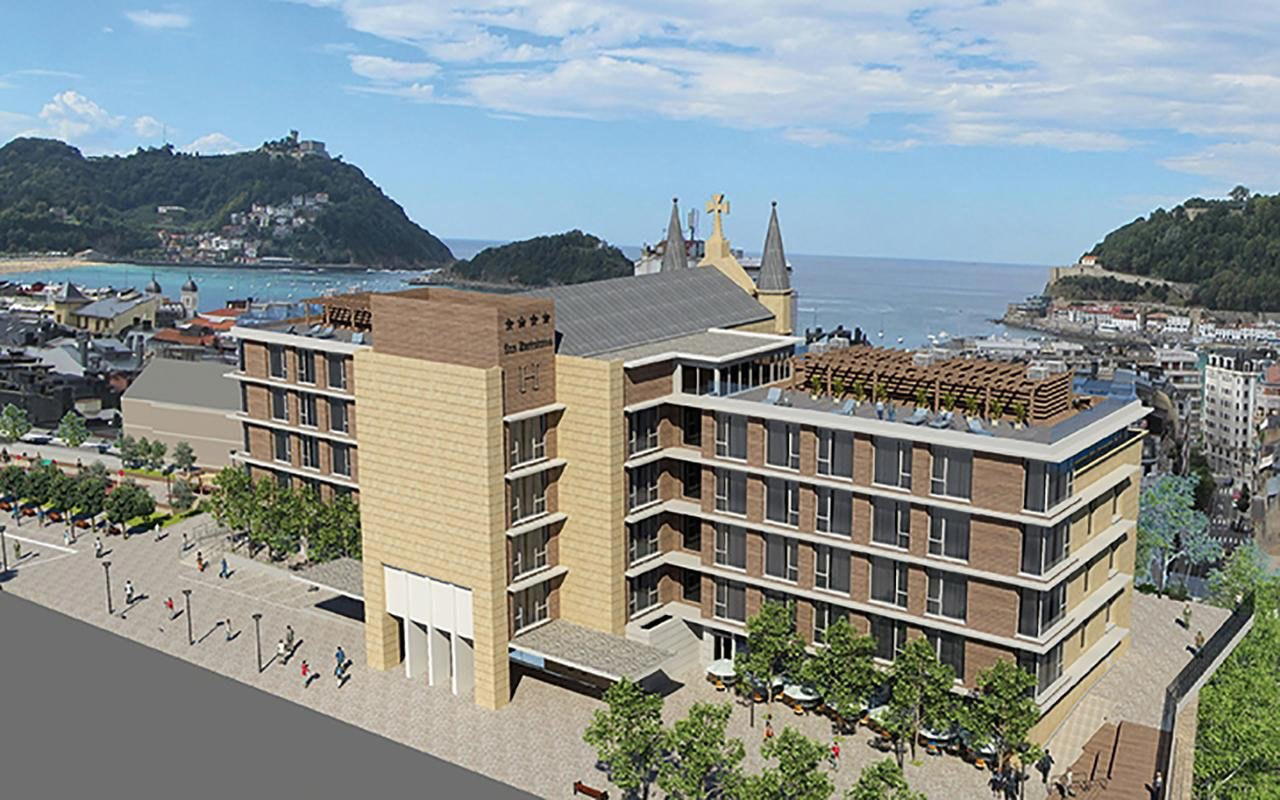
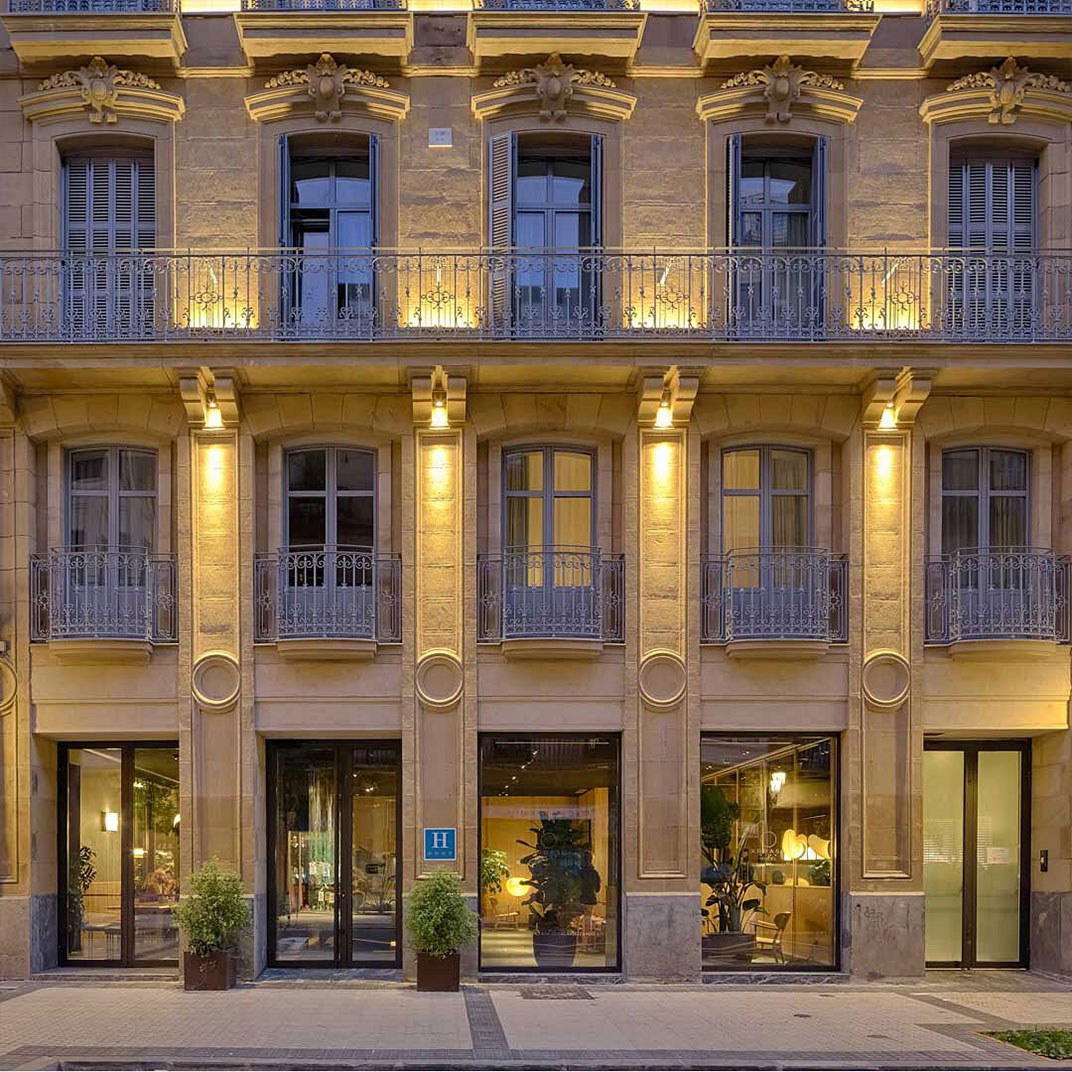
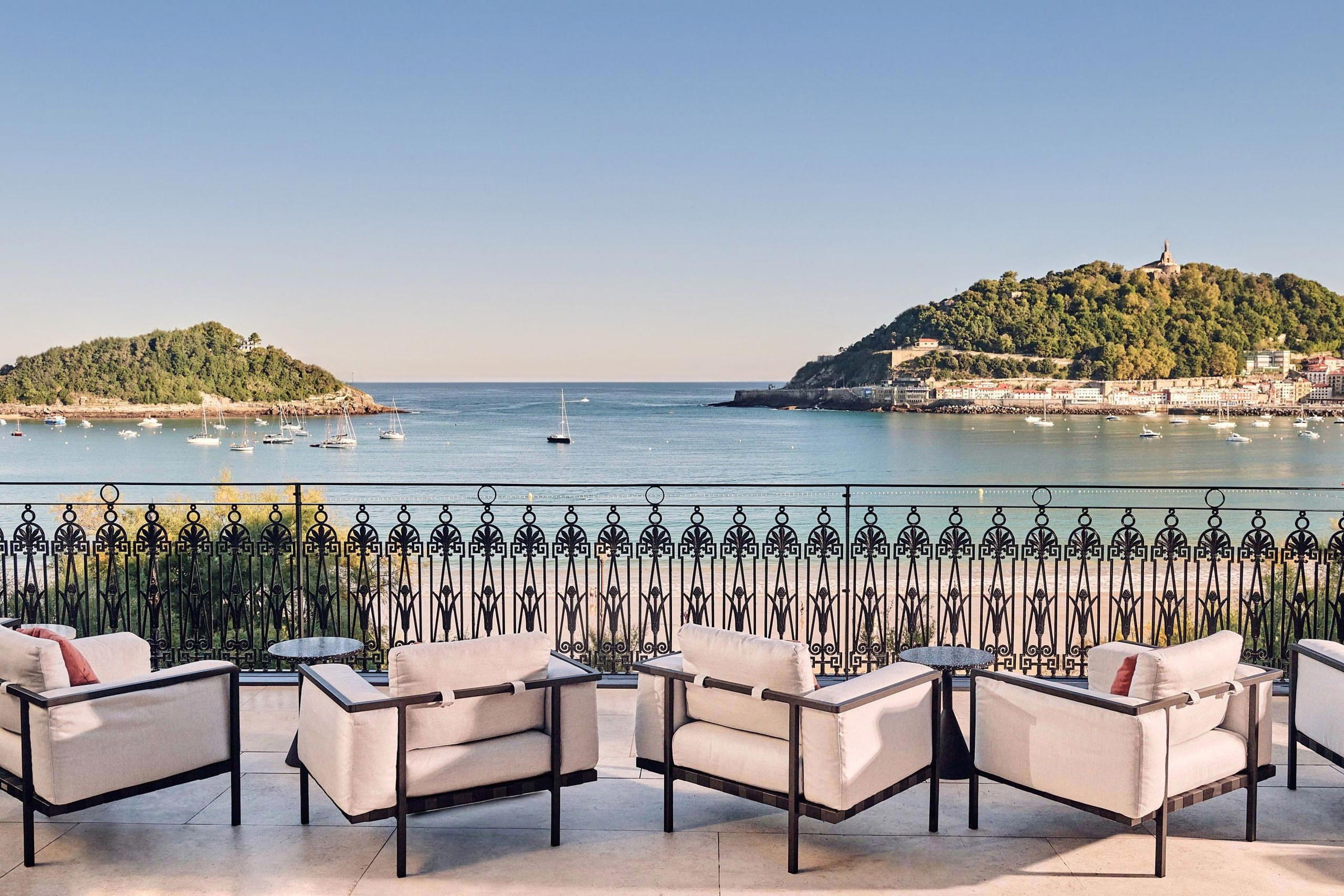
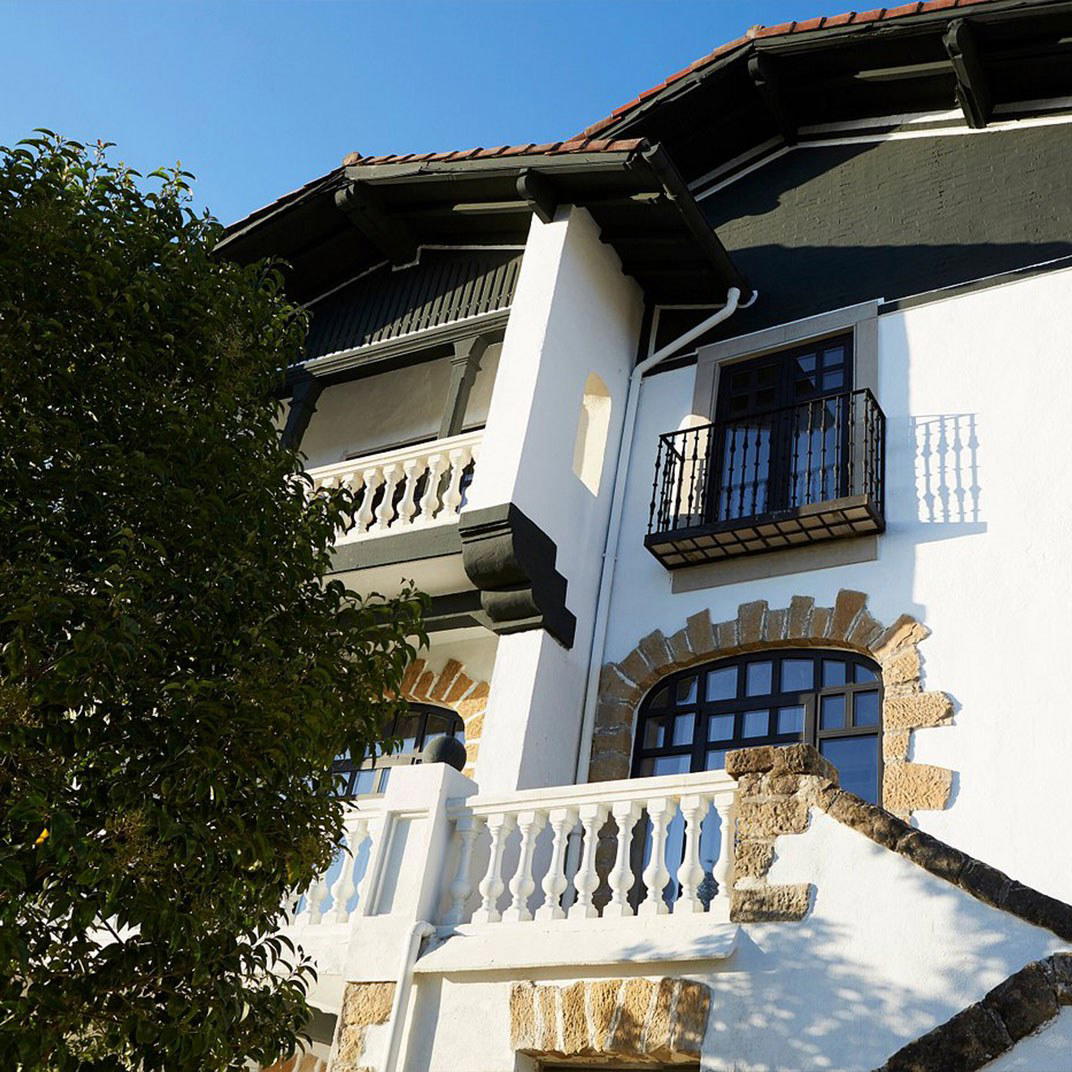
The building at San Martin Kalea 45 carries its history in the stonework. The Hotel Zenit Convento de San Martín occupies a former convent in central San Sebastián, and the dining room that sits within it, Sukaldean Aitor Santamaria, takes on that architectural register with some seriousness. The space does not present itself as a single-concept restaurant. Instead, it organises several distinct gastronomic zones within one address: a sushi bar, a cheese-focused counter, and a broader dining area serving contemporary à la carte and tasting menus. In a city where most restaurants at this price tier commit to a single format, that structural plurality is worth noting before anything else.
Where Sukaldean Sits in San Sebastián's Dining Tier
San Sebastián's restaurant hierarchy is unusually compressed. At one end, the pintxos bars of the Parte Vieja operate on volume, informality, and regional pride. At the other, a cluster of multi-Michelin-starred rooms Arzak (Modern Basque, Creative), Akelaŕe (Basque Fine Dining), and Amelia by Paulo Airaudo (Creative), operate at €€€€ and require months of planning. Sukaldean sits in the €€€ tier between those poles, holding a Michelin Plate in both 2024 and 2025, which signals consistent kitchen quality without the full star apparatus. That positioning makes it a substantively different proposition from iBAi by Paulo Airaudo (Basque) or the multi-starred rooms: it is a hotel restaurant with a serious culinary program, accessible at a price point that the starred circuit does not offer.
For travellers moving through Spain's broader fine-dining map, the comparison set extends well beyond the city. Operations like Azurmendi in Larrabetzu, El Celler de Can Roca in Girona, and Disfrutar in Barcelona each occupy the top tier of Spanish contemporary cooking. Sukaldean is not in that conversation by format or price, but it serves a different function: a hotel-anchored room that delivers a credentialled kitchen to guests who want access to Basque culinary tradition without the full commitment of a tasting-menu-only counter.
The Euskal Sushi Argument
The most editorially interesting element of the menu is what the kitchen calls Euskal Sushi, or Basque Sushi. Cross-cultural fusion at this level of the market is a well-worn approach globally. In New York, César, Contemporary and in Seoul, Jungsik, Contemporary both occupy positions where local culinary identity meets outside technique. The question with any Basque-Japanese hybrid is whether the logic is genuine or cosmetic. Here, the premise has a certain geographical coherence: the Basque coast has one of Europe's strongest relationships with fresh fish and seafood, and Japanese technique built on precision and product-forward preparation is not an arbitrary pairing. Traditional sushi construction applied to Cantabrian sea ingredients, alongside local sausages and grilled dishes elsewhere on the carte, suggests a kitchen working with genuine dual fluency rather than novelty positioning.
The contemporary à la carte combines Basque recipes with Asian preparations, placing grilled regional produce alongside sushi formats, which gives the menu a lateral range unusual for the €€€ tier. The three tasting menus, Clásico, Akelena, and Historias del Queso, provide more structured pathways through the kitchen's range. The Historias del Queso menu is, as the name implies, dedicated to cheese, which aligns with the separate cheese-focused counter in the room. This is a format seen at certain European specialist addresses, where cheese moves from the end of a meal to the organising principle of an entire sequence.
On the Question of Drinks and the Wine Context
San Sebastián's wine culture sits at an interesting intersection. The Basque Country produces Txakoli, the local white with its characteristic slight effervescence and high acidity, which functions as the default pairing for pintxos and lighter coastal dishes. Any serious hotel restaurant in the city faces a structural question about how broadly it programmes beyond the local: whether to lean into the Txakoli identity, extend into Rioja Alavesa (geographically close and stylistically diverse), or build a fuller list that reflects the hybrid culinary range of a kitchen working across Basque and Asian registers.
The sushi bar format creates specific pairing demands that Txakoli does not always resolve cleanly. Japanese-inflected dishes tend to suit lighter, lower-tannin red options or aromatic whites, while the grilled Basque meat preparations call for something with more structural weight. A cellar built to serve this menu coherently would need to span those registers. Spain's fine-dining rooms have demonstrated that domestic breadth is sufficient for that task: Ribera del Duero, Priorat, and white programs from Galicia's Rías Baixas all sit within reach. How Sukaldean programmes its list against the kitchen's dual identity is the practical question for any drinks-focused visitor. Given the Michelin Plate recognition across consecutive years and the hotel context, the expectation is a curated rather than encyclopaedic list, calibrated to the menu's range rather than building for its own sake. It is worth asking the room directly about pairings across the tasting menus, particularly for the Historias del Queso sequence, where the cheese-wine relationship becomes the central editorial question of the meal itself.
Planning a Visit
The address is San Martin Kalea 45, in central San Sebastián, within the Hotel Zenit Convento de San Martín. The €€€ price range places it below the starred circuit, comparable to Sa Taula in terms of format accessibility, and the hotel context means it operates across standard dining hours rather than the more restrictive service windows of standalone tasting-menu rooms. Bookings for multi-Michelin-starred addresses in the city regularly require lead times of two to three months; Sukaldean operates in a more accessible tier, though reservations for the tasting menus, particularly Historias del Queso, are worth arranging ahead, especially during the summer and autumn high seasons when the city draws significant gastronomy-focused traffic.
For a fuller orientation to the city's dining options across all tiers, see our full San Sebastián restaurants guide. Hotel and accommodation context is covered in our full San Sebastián hotels guide, and the bar scene, still built around the pintxos ritual, is documented in our full San Sebastián bars guide. For wine-focused visitors, our full San Sebastián wineries guide and our full San Sebastián experiences guide cover the Txakoli producers and broader wine-region access within striking distance of the city. Spain's wider fine-dining circuit, from Aponiente in El Puerto de Santa María to DiverXO in Madrid and Quique Dacosta in Dénia, provides useful context for where Sukaldean sits relative to the national tier.
What to Order at Sukaldean Aitor Santamaria
The menu's three structural pillars, the sushi bar, the Michelin Plate-recognised à la carte, and the tasting menus, each serve a different kind of visit. For a first visit, the Clásico tasting menu gives the widest cross-section of the kitchen's range, covering Basque grilled preparations and the Asian-inflected dishes in sequence. The Historias del Queso menu is the most distinctive format in the room and the one most worth pre-planning if cheese is a serious interest. At the à la carte, the Euskal Sushi preparations are the clearest expression of the kitchen's culinary identity and the most direct argument for why this address exists as something other than a conventional hotel restaurant. For drinks, ask specifically about pairings designed for the Asian preparations, where the default Txakoli pairing may benefit from supplementing with selections from further afield on the list.
Frequently asked questions
What's the cuisine at Sukaldean Aitor Santamaria?
Is Sukaldean Aitor Santamaria award-winning?
Sukaldean Aitor Santamaria has received recognition including: In this highly original setting in the Hotel Zenit Convento de San Martín, several different gastronomic options are available in a single space, including a sushi bar and an area dedicated exclusively to cheese-lovers! The contemporary à l….
What should I order at Sukaldean Aitor Santamaria?
The menu is structured around three distinct pillars, and your choice depends on your priorities. The Euskal Sushi concept, Basque ingredients applied to a sushi format, is the kitchen's most distinctive proposition and the logical starting point for first-time visitors. If you want more breadth, the three tasting menus (Clásico, Akelena, and Historias del Queso) each take a different angle, with Historias del Queso being the most singular: an entire menu organised around cheese, which is rare at this level anywhere in Spain. The Michelin Plate-recognised à la carte covers local sausages and grilled dishes for those who prefer to order freely.
What's the price range at Sukaldean Aitor Santamaria?
Pricing at Sukaldean Aitor Santamaria is listed as €€€.
What's the address for Sukaldean Aitor Santamaria?
Sukaldean Aitor Santamaria is located at San Martin Kalea, 45, 20007 Donostia / San Sebastián, Gipuzkoa, Spain, San Sebastián.
The Minimal Set
Comparable options at a glance, pulled from our tracked venues.
| Venue | Cuisine | Price | Awards | Notes |
|---|---|---|---|---|
| Sukaldean Aitor SantamariaThis venue (the venue you are viewing) | Japanese-Basque Fusion | Not listed | Michelin Plate · Guía Repsol 1 Sol | Not listed |
| Arzak | Contemporary Basque Fine Dining | $300–500 | 3 Michelin Stars · World's 50 Best #31 | Modern Basque, Creative |
| Akelaŕe | Three-Michelin-star Modern Basque fine dining | $300–500 | Falstaff Restaurant - 98 Falstaff Points | Basque Fine Dining |
| Amelia by Paulo Airaudo | Modern Basque Fusion Fine Dining | $300–500 | 2 Michelin Stars · La Liste Top Restaurants | Creative |
| iBAi by Paulo Airaudo | Traditional Basque Seafood | $150–200 | 1 Michelin Star · Star Wine List | Basque |
| Kokotxa | Modern Basque Seafood | $100–150 | 1 Michelin Star · Macarfi 8.3 Food Rating | Basque, Modern Cuisine |
Recognition history
Dated appearances from independent guides and award organizations, with the underlying list record or original source where available.
Michelin Plate
Michelin
Guía Repsol 1 Sol
Guía Repsol
Macarfi 7.6 Food Rating
Macarfi
Full recognition history (5 entries)
Michelin Plate
Michelin
Michelin Plate
Michelin