Stonewater Cove
Our verdict
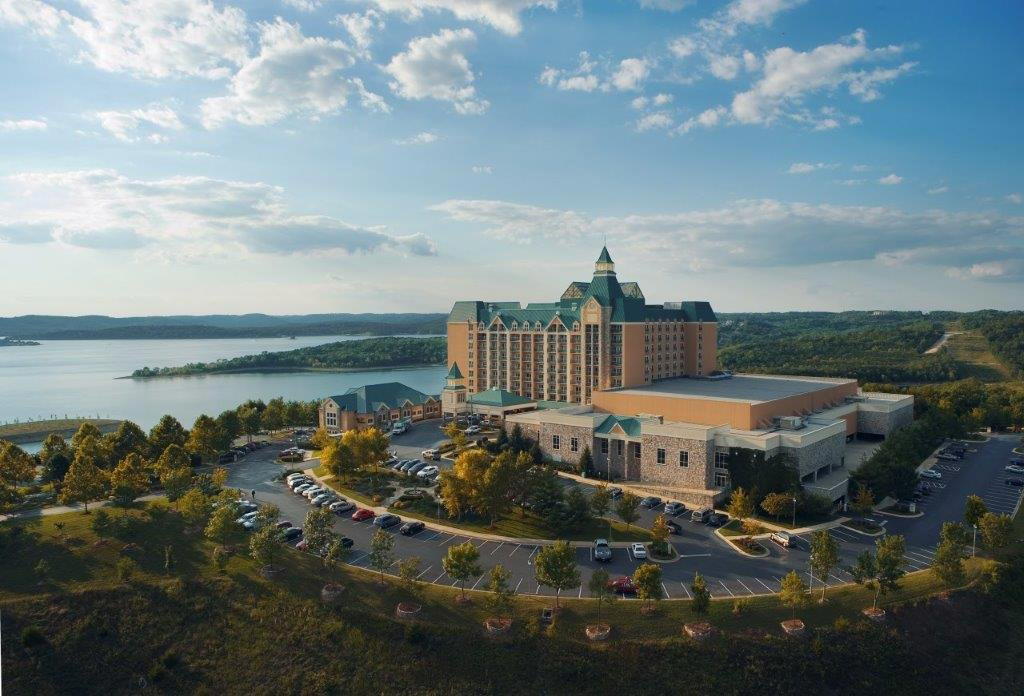
Stonewater Cove sits along the Ozark shore of Table Rock Lake in Shell Knob, Missouri, where the surrounding land and water shape what ends up on the table. The setting pulls from a regional tradition of lake-country dining where sourcing proximity and seasonal rhythm matter more than culinary trend-chasing. For travelers passing through the Ozarks, it represents a specific kind of place that the broader dining circuit rarely covers.

Pearl is the En Primeur Club membership app — saves, bookings, and concierge access live there. Same editors, same standards.
- Address
- 1257 Sunset Timbers Trl, Shell Knob, MO 65747
- Phone
- (417) 387-8111
- Website
- direct-book.com
- Directions
- Get directions
- Booking
- Book on OpenTable
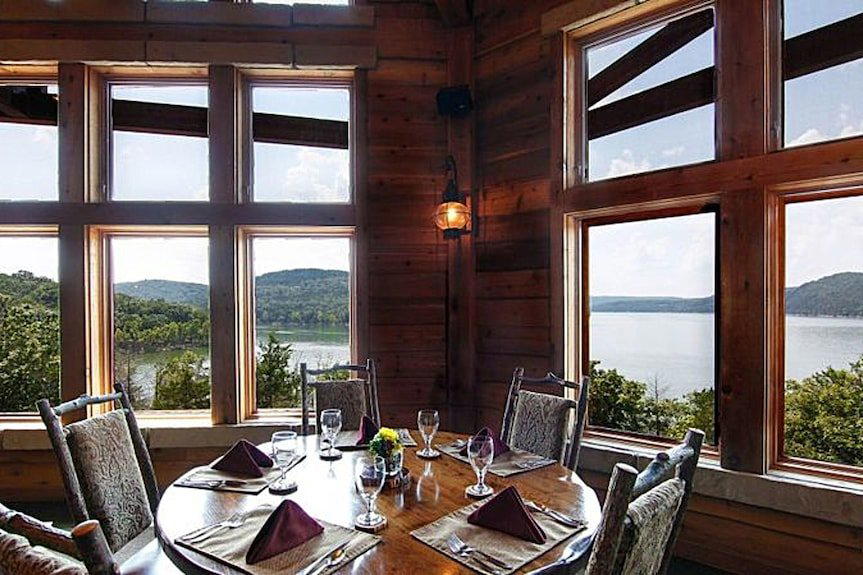
Where Table Rock Lake Meets the Table
The Ozark plateau in southwestern Missouri does not register on the national fine-dining circuit the way coastal cities do. That gap is partly logistical and partly cultural: the region's dining identity has always been tied more directly to what the land and water produce than to what any particular culinary movement dictates from the coasts. Shell Knob, a small community on the southern shore of Table Rock Lake, sits at the center of that tradition. The lake itself, a reservoir created by the Army Corps of Engineers in the late 1950s, spans roughly 43,000 acres and sits within the Mark Twain National Forest, a geography that shapes what local kitchens have access to across every season.
Stonewater Cove, addressed at 1257 Sunset Timbers Trail, occupies that setting with a directness that lake-country dining in the Ozarks tends to favor. The approach from Sunset Timbers Trail moves through a corridor of second-growth hardwood before the water opens up. That transition, from canopy to shoreline, is part of what makes destinations in this part of Missouri read differently from urban dining rooms. The environment is not decorative backdrop; it is the primary context for what the kitchen can reasonably do well. See our full Shell Knob restaurants guide for broader coverage of the area.
The Sourcing Logic of Ozark Lake Country
Ingredient sourcing in lake-country dining follows a different logic than farm-to-table programs in agricultural corridors like California's Sonoma County, where Single Thread Farm in Healdsburg maintains its own working farm as a direct supply chain, or upstate New York, where Blue Hill at Stone Barns in Tarrytown built its entire model around a surrounding agricultural estate. In the Ozarks, the sourcing radius is shaped less by arable farmland and more by what the forest, the lake, and the small-scale producers of the Missouri-Arkansas border region can supply across changing seasons.
Table Rock Lake supports a population of largemouth and smallmouth bass, crappie, catfish, and walleye, species that have fed the communities along its shores since the reservoir was impounded. The surrounding Mark Twain National Forest provides seasonal wild ingredients that kitchens in this region have drawn from for decades: ramps in early spring, morel mushrooms in April and May, pawpaws in late summer, and persimmons in autumn. This is not artisanal foraging as a marketing position; it is the inherited supply logic of a region where the growing season and the lake define what is available and when.
That sourcing proximity has a direct effect on how menus in Shell Knob behave across the calendar year. Spring service windows lean toward freshwater fish and foraged alliums. Summer brings the full weight of Ozark produce: tomatoes, sweet corn, and stone fruits from small operations in Barry and Stone counties. Autumn shifts toward game, root vegetables, and preserved preparations that reflect the region's older traditions of putting food by. Kitchens operating honestly within that cycle do not need to reach toward trend-driven ingredients; the seasonal rhythm provides its own editorial discipline.
Positioning Inside the Lake-Country Dining Tier
American dining has produced a well-documented tier of destination restaurants that make geography central to their proposition: The French Laundry in Napa draws on Yountville's agricultural density; Lazy Bear in San Francisco works through a communal, lodge-adjacent format that borrows the register of mountain cooking. Below that nationally recognized tier sits a broader category of regional destination dining, places that do serious work within a local sourcing geography without seeking or receiving the kind of awards recognition that Alinea in Chicago or Le Bernardin in New York City accumulate.
Shell Knob operates within that second category. The town's population sits below 1,500 permanent residents, and the visitor economy is driven primarily by boaters, anglers, and seasonal cabin renters rather than by the organized dining tourism that flows through cities like Denver, where Brutø operates, or Boulder, where Frasca Food and Wine draws a sustained regional following. That visitor profile shapes what a restaurant in this location needs to do well: it needs to read as a serious destination for people already in the Ozarks, not as a reason to fly in from elsewhere.
Comparisons to coastal or urban programs, such as Providence in Los Angeles or Addison in San Diego, are less useful here than comparisons to other mid-South regional operations like Bacchanalia in Atlanta, which built a long-running reputation on sourcing discipline without needing Michelin geography to do so. The standard that matters in lake country is internal: is the kitchen working with what the region produces, and is it doing that with enough skill and consistency to justify a dedicated trip from Branson, Springfield, or across the Arkansas line?
Planning a Visit to Shell Knob
Shell Knob is located in Stone County, Missouri, roughly 50 miles south of Springfield along US-160 and MO-39. The nearest commercial airport is Springfield-Branson National Airport, which serves direct routes from several Midwest and Southern hubs. Branson, about 30 miles to the northeast, provides a denser accommodation base and functions as the practical staging point for visitors arriving from outside the region. The lake's busy season runs from late May through Labor Day, when boat traffic peaks and restaurant demand along the shoreline increases accordingly. Shoulder seasons, particularly late September through October when the hardwood canopy turns, draw a smaller but more deliberate visitor profile.
Travelers planning around specific menu interests, particularly anything tied to the lake or the surrounding forest, are better served by visiting during mid-spring or early autumn when the regional supply is most varied and the kitchen has the most to work with.
Frequently asked questions
Can I bring kids to Stonewater Cove?
Shell Knob is a family-oriented lake destination, and Stonewater Cove sits within that broader context at 1257 Sunset Timbers Trl. Whether the dining format is suited to younger guests depends on the current service style, so contacting the venue directly before booking with children is advisable. The surrounding Table Rock Lake area offers plenty of complementary activities if the dinner format skews adult.
How would you describe the vibe at Stonewater Cove?
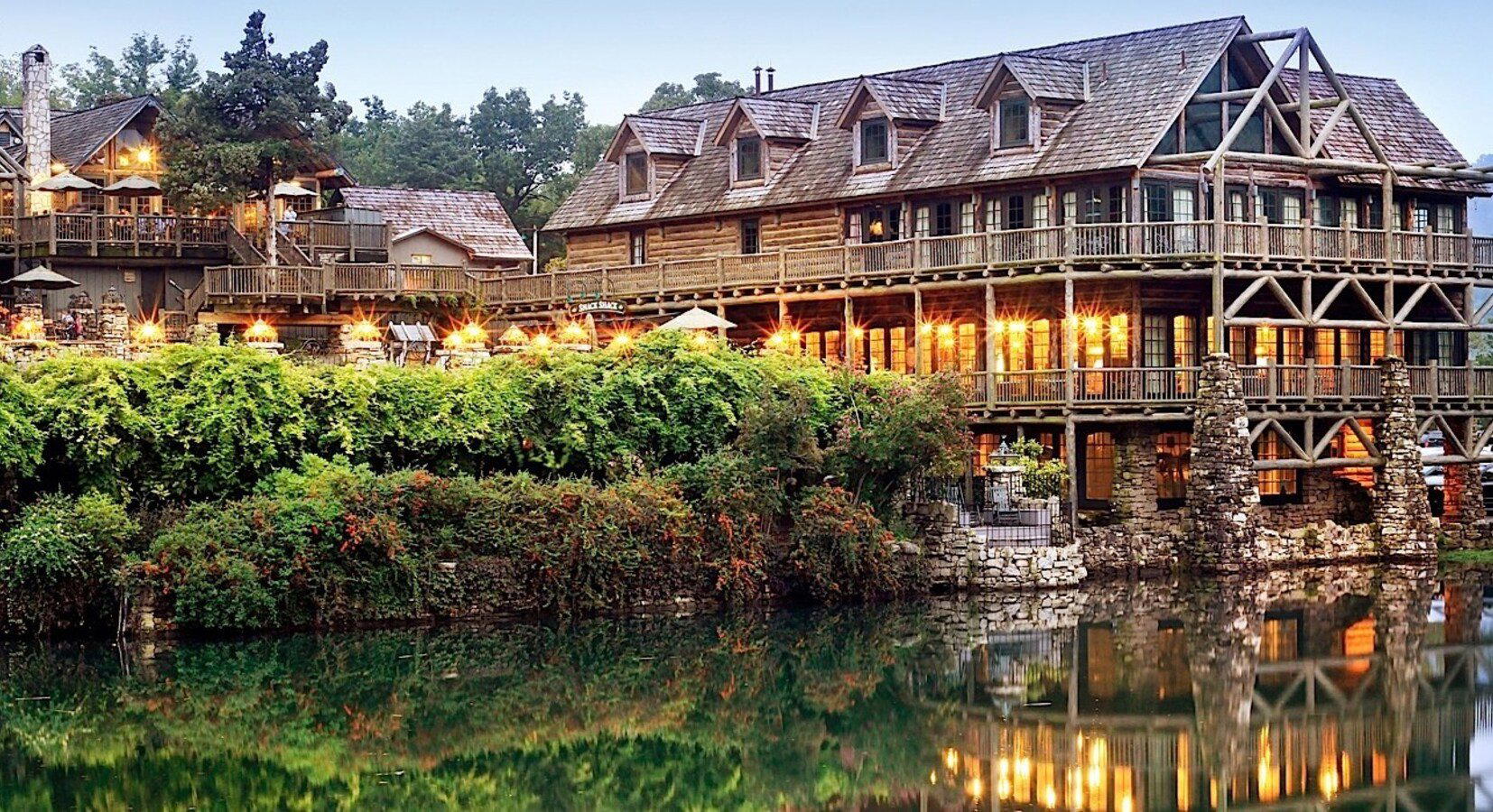
The setting along the Table Rock Lake corridor in Stone County, Missouri shapes the atmosphere more than any interior design decision could. Expect the unhurried pace that defines Ozark lake-country dining — removed from urban noise, oriented toward the water and the plateau it sits on. It reads less as a special-occasion formality and more as a deliberate retreat tied to place.
Is Stonewater Cove worth the drive from Springfield for a lakeside dinner?
Shell Knob sits roughly 50 miles south of Springfield via US-160 and MO-39, making it a deliberate trip rather than a casual detour. Stonewater Cove at 1257 Sunset Timbers Trl is positioned in Ozark lake country where the geography itself is the draw — the drive down through Stone County is part of the proposition. For diners coming out of Springfield, the combination of Table Rock Lake access and a kitchen rooted in regional sourcing logic makes the distance purposeful rather than incidental.
What's the signature dish at Stonewater Cove?
What is clear from the Shell Knob context is that lake-country kitchens in this part of Missouri tend to anchor menus to local freshwater catches and Ozark-region producers rather than imported supply chains. For current menu information, reaching out to the venue directly is the most reliable route.
Comparable Spots, Quickly
| Venue | Cuisine | Price | Awards | Notes |
|---|---|---|---|---|
| Stonewater CoveThis venue — the venue you are viewing | Contemporary American | $30–50 | Not listed | Not listed |
| Le Bernardin | French Seafood Fine Dining | $300–500 | 3 Michelin Stars · World's 50 Best #13 | French, Seafood |
| Atomix | Modern Korean Tasting Menu | $300–500 | 2 Michelin Stars · World's 50 Best #7 | Modern Korean, Korean |
| Lazy Bear | Modern American Tasting Menu | Not listed | 2 Michelin Stars · World's 50 Best #25 | Progressive American, Contemporary |
| Alinea | Avant-Garde Molecular Gastronomy | $300–500 | 2 Michelin Stars · World's 50 Best #37 | Progressive American, Creative |
| Atelier Crenn | Contemporary French Fine Dining | $300–500 | 3 Michelin Stars · World's 50 Best #44 | Modern French, Contemporary |
Continue exploring
More in Shell Knob
Restaurants in Shell Knob
Browse all →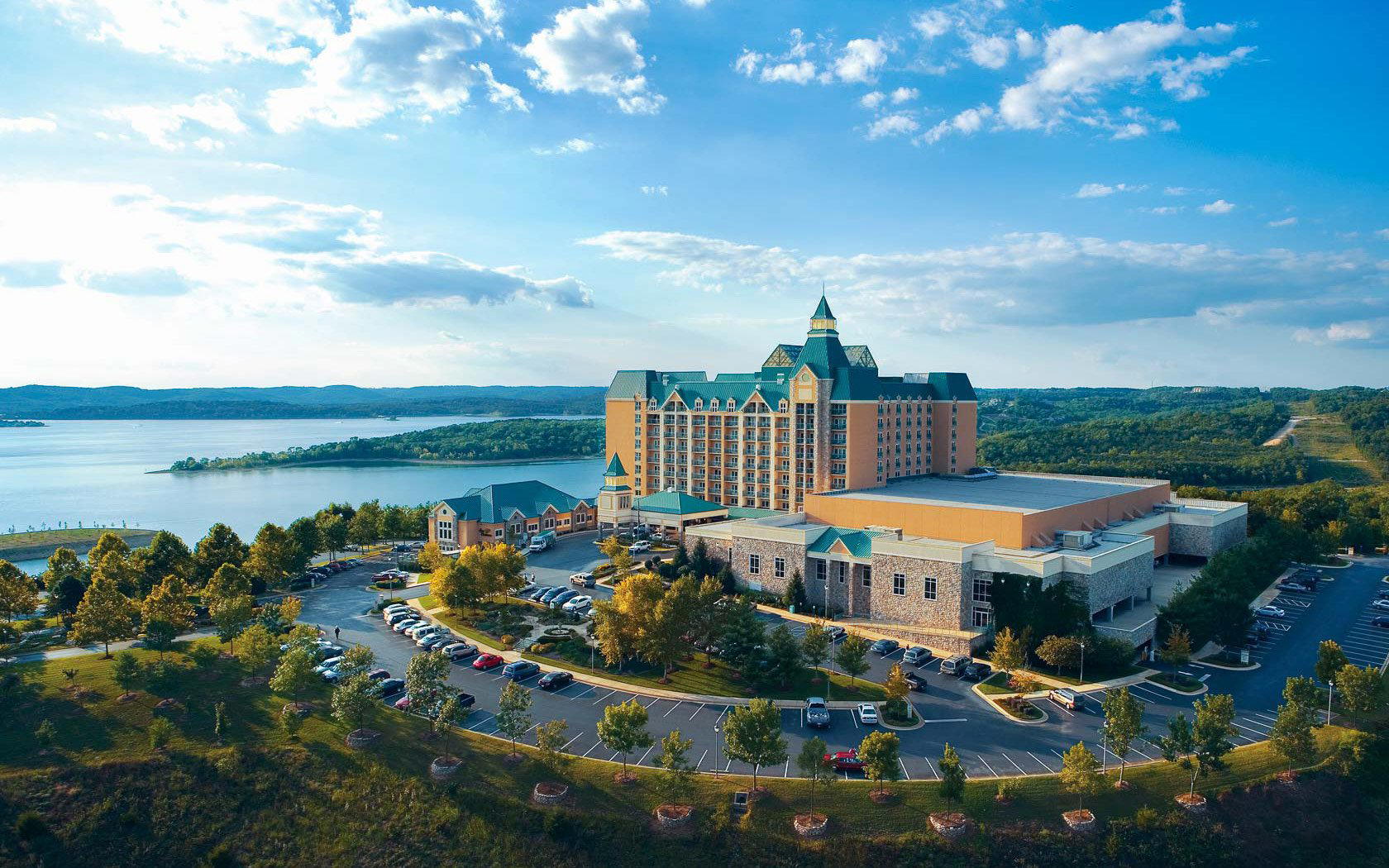
Bars in Shell Knob
Browse all →
Details
- Scenic
- Cozy
- Special Occasion
- Casual Hangout
- Group Dining
- Waterfront
- Hotel Restaurant
- Local Sourcing
- Waterfront
- A La Carte
Charming and scenic, with a relaxed lake-resort atmosphere.