Big Cedar Lodge
Big Cedar Lodge in Ridgedale, Missouri sits at the intersection of Ozark wilderness and resort-scale architecture, where cedar, stone, and water shape every sightline on the property. The Lodge operates in a tier of American nature resorts where design and landscape are inseparable, placing it alongside destination properties built for extended stays rather than passing nights.

Pearl is the En Primeur Club membership app — saves, bookings, and concierge access live there. Same editors, same standards.
- Address
- 190 Top of the Rock Rd, Ridgedale, MO 65739
- Phone
- (417) 335-2777
- Website
- bigcedar.com
- Directions
- Get directions
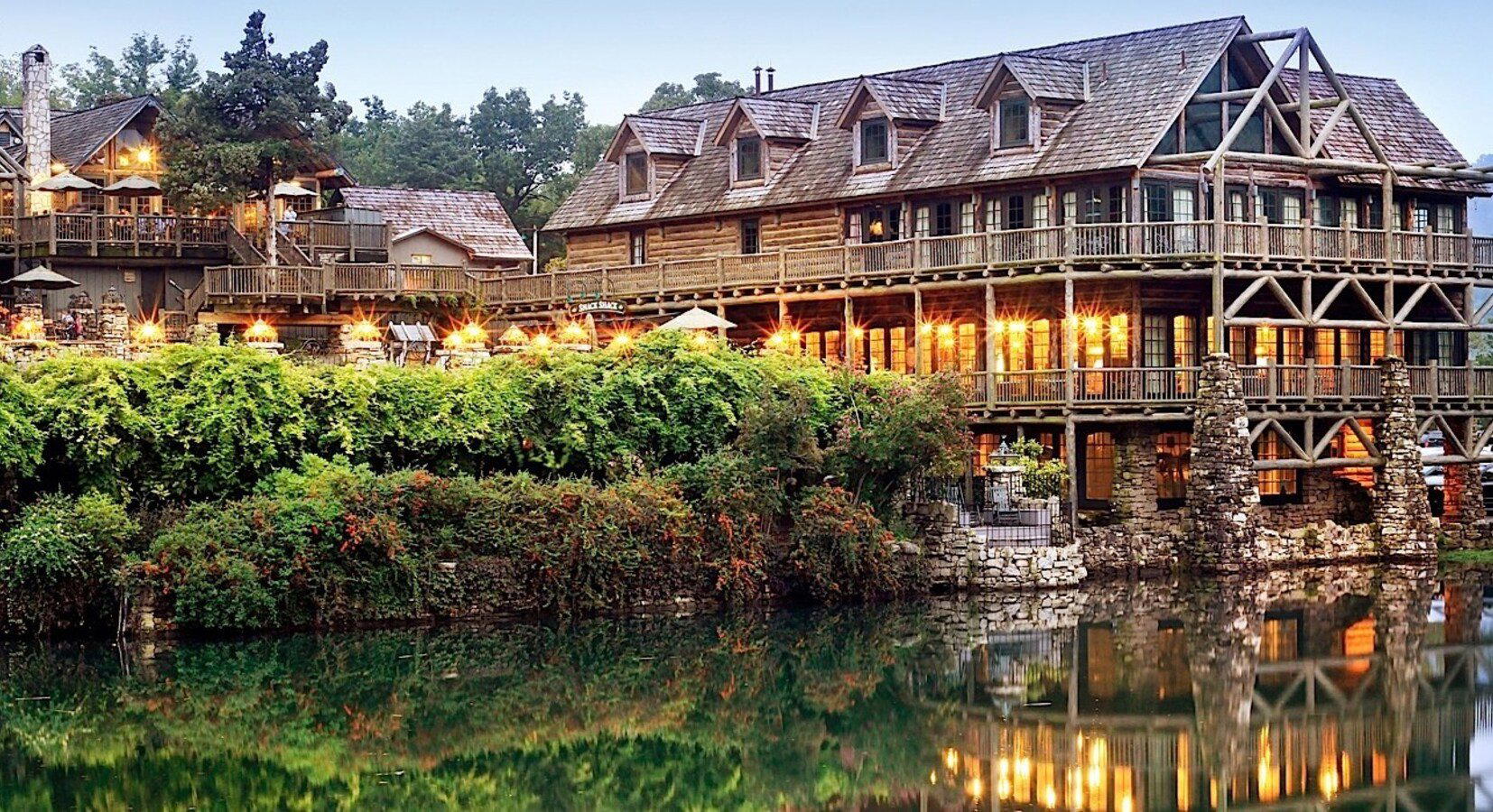
Stone, Cedar, and the Ozark Shore
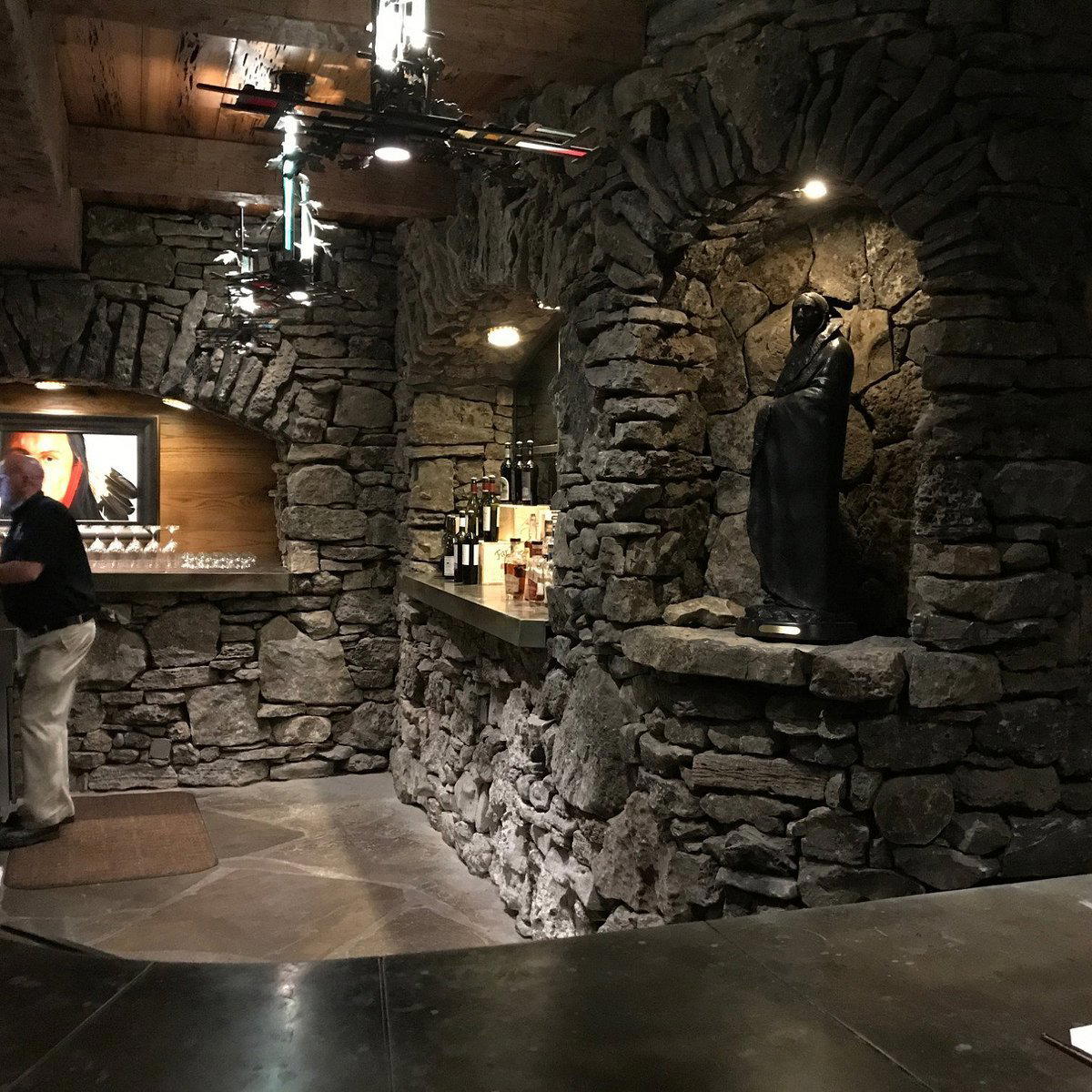
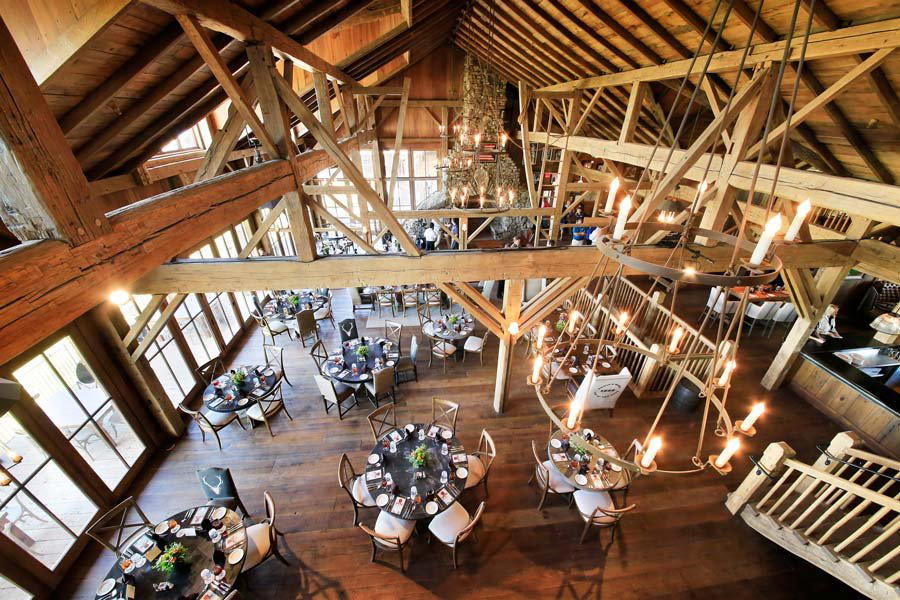
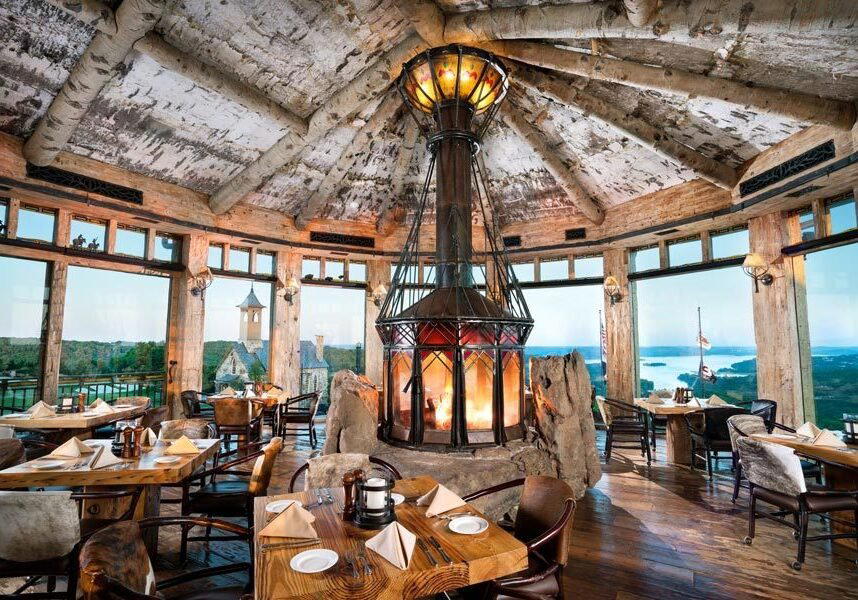
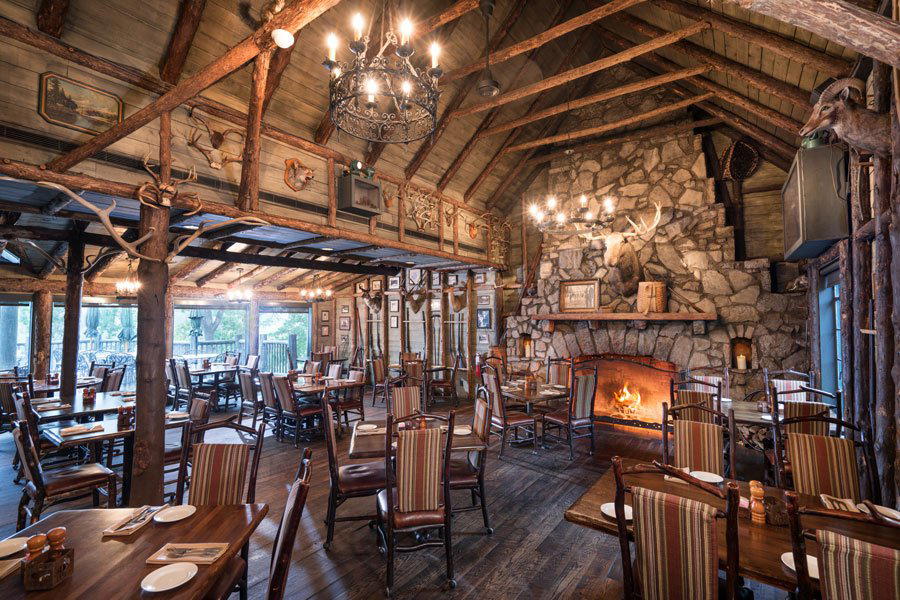
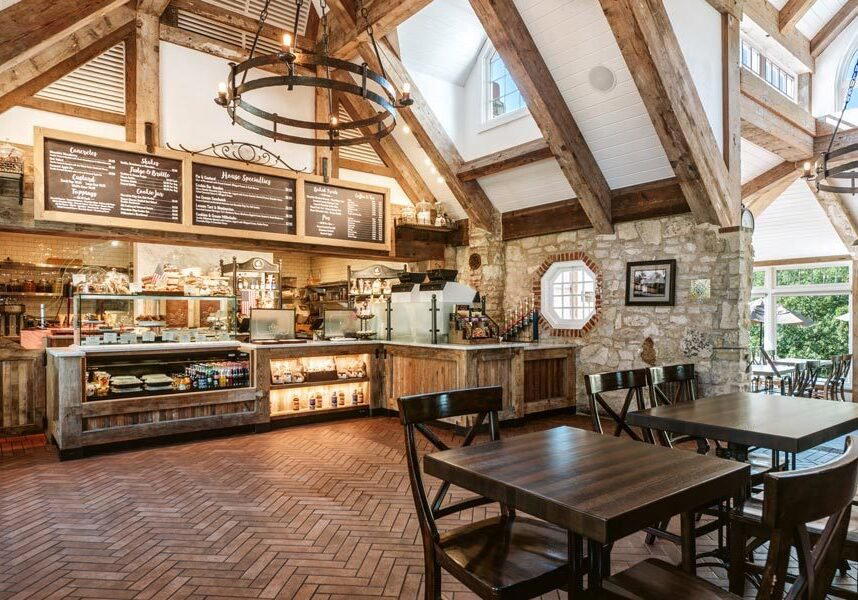
A particular category of American resort has always understood that the building is the experience. Not the amenity list, not the restaurant count, but the specific weight of materials and the way a structure meets its terrain. Big Cedar Lodge, set above Table Rock Lake in the Missouri Ozarks at 190 Best of the Rock Rd, Ridgedale, belongs to that tradition. Where properties like Amangiri in Canyon Point use poured concrete to mirror desert geology, or where Post Ranch Inn in Big Sur tucks structures into cliff edges, Big Cedar deploys rough-hewn cedar, native limestone, and hand-forged iron to construct an environment that reads as continuous with the Ozark landscape rather than imposed upon it.
The design language across the property is deliberate and consistent. Logs are oversized. Stone fireplaces anchor communal spaces in a way that signals permanence rather than seasonal charm. The architecture draws on a lineage of American rustic resort design that runs from the great lodges of the National Park era through to contemporary wilderness properties, though Big Cedar's scale tilts it toward the full-service destination category rather than the spare, limited-key intimacy of properties like Sage Lodge in Pray or Alpine Falls Ranch in Superior.
The Architecture of Place
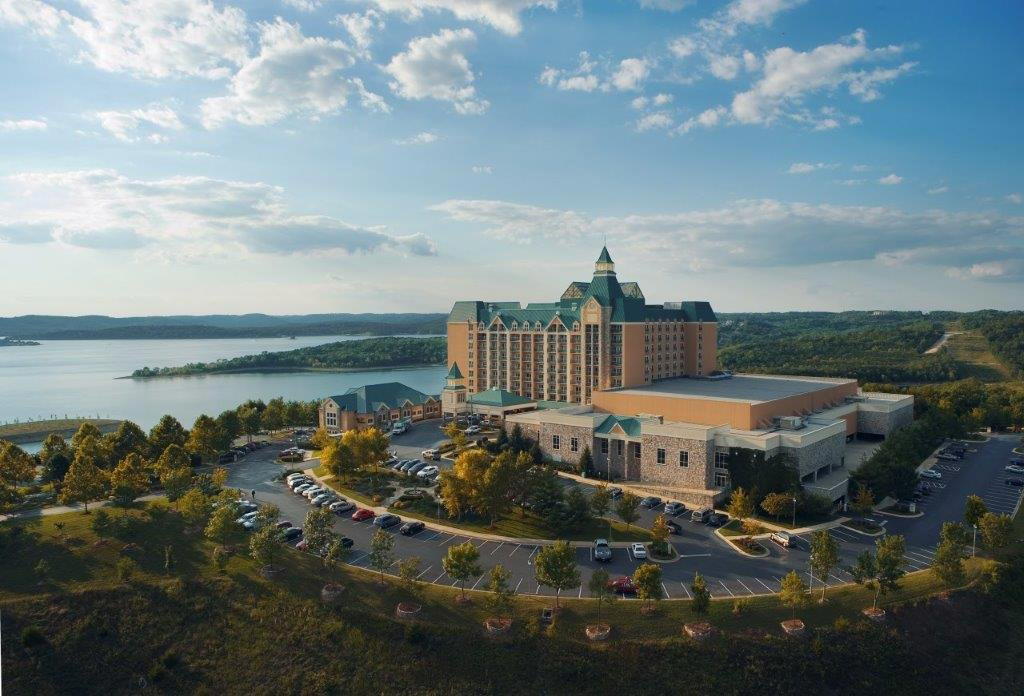
What distinguishes this corner of the Midwest resort market is the relationship between built environment and water. Table Rock Lake provides the visual anchor for much of the property's siting, and the topography of the Ozark hills creates natural elevation changes that the Lodge's structures use to generate layered views. This is not a flat resort campus where buildings are positioned by convenience. The arrangement follows the land, which means that movement through the property involves genuine changes in perspective.
That approach puts Big Cedar in conversation with a broader American tradition of nature-integrated resort architecture, a tradition represented at different scales and price points by properties like Ambiente, A Landscape Hotel in Sedona, where structures are oriented to canyon sightlines, or Amangani in Jackson Hole, where the building's geometry mirrors the mountain ridgeline behind it. The instinct is the same: architecture should direct attention toward the natural setting, not compete with it.
Within this category, the choice of cedar and limestone as primary materials carries specific implications. Both weather and age in ways that read as patina rather than deterioration, meaning the property accumulates visual character over time. This contrasts with resort properties that favor polished surfaces and controlled finishes, where upkeep is visible as maintenance rather than as the natural life of materials. For guests whose preference runs toward properties that feel rooted rather than manicured, the material choices at Big Cedar are directly relevant to the experience of being there.
Where Big Cedar Sits in the American Resort Conversation
The American luxury resort market has been bifurcating for some years between large-footprint properties with diversified amenity programs and smaller, design-led operations with limited keys and a specific point of view. Big Cedar occupies a middle position in this split: it operates at resort scale, with multiple accommodation types, dining, and outdoor programming, but the design coherence across the property gives it a unified identity that larger, less considered properties often lack.
That middle position is worth understanding in comparison. Properties like Blackberry Farm in Walland or Troutbeck in Amenia represent the tighter, more curated end of nature-integrated American hospitality, where the property's editorial identity is closely controlled and the guest count is deliberately small. On the other end, large branded resort operations prioritize breadth of offering over coherence of atmosphere. Big Cedar, with its Ozark-materials design program and lake-oriented siting, operates in the space between: enough scale for a full resort experience, enough design discipline for the architecture to mean something.
For guests who have stayed at properties like Bernardus Lodge and Spa in Carmel Valley or Auberge du Soleil in Napa, the frame of reference for Big Cedar is different in one important respect: those California properties are embedded in working agricultural landscapes, where the visual context is human cultivation. Big Cedar's Ozark setting is wilder in character, with the lake and the forested hills providing a less domesticated backdrop. The comparison clarifies what kind of nature-resort experience this is.
Planning a Stay
The Lodge sits in Ridgedale, Missouri, in the Table Rock Lake region of the Ozarks, roughly equidistant from Springfield and Branson, both of which have regional airports. The surrounding area is oriented toward outdoor activity, and the property's programming reflects that, with water access as a central feature of the warmer months. Guests approaching from further afield, including those routing through cities represented elsewhere in the EP Club network such as Chicago or Boston, will generally fly into a regional hub and drive the final stretch, which itself passes through Ozark hill country and provides early orientation to the landscape context.
Accommodation across the property spans multiple formats, from lodge rooms to cabin-style structures, and the variation in room category is meaningfully tied to the architectural experience. Cabin accommodations tend to increase the sense of integration with the terrain, while lodge rooms offer a more conventional resort hotel relationship to the property. The choice between them is partly a question of how directly a guest wants to engage with the landscape design premise of the place.
Those planning visits may also find useful reference in the broader EP Club coverage of American destination resorts and wilderness-adjacent properties. Little Palm Island Resort and Spa in Little Torch Key, Canyon Ranch Tucson, and Kona Village, A Rosewood Resort in Kailua Kona each represent distinct approaches to the destination-nature resort format, and understanding how they differ from one another sharpens the question of what kind of property Big Cedar actually is. The Ozark setting, the materials, the lake orientation: these are not generic resort features. They are specific commitments that define a particular type of stay.
For a wider view of the dining and hospitality context in the region, see our full Oliver restaurants guide.
Fast Comparison
| Venue | Price | Awards |
|---|---|---|
| Big Cedar LodgeThis venue — the venue you are viewing | Not listed | Not listed |
| Aman New York | Not listed | 3 Michelin Keys · World's 50 Best #87 |
| Amangiri | $1,000–1,500 | 3 Michelin Keys · World's 50 Best #45 |
| Hotel Bel-Air | $750–1,000 | 3 Michelin Keys · World's 50 Best #57 |
| The Beverly Hills Hotel | Not listed | 3 Michelin Keys · World's 50 Best #65 |
| The Carlyle, A Rosewood Hotel | $1,500–2,500 | 2 Michelin Keys · World's 50 Best #64 |
Continue exploring
More in Oliver
Details
- Rustic
- Scenic
- Cozy
- Family Vacation
- Romantic Getaway
- Weekend Escape
- Golf Course
- Waterfront
- Infinity Pool
- Pool
- Spa
- Golf Course
- Wi Fi
- Kids Club
- Mountain
- Wheelchair Accessible
Rustic luxury with natural surroundings, cozy log cabin-style accommodations, and serene lakeside views amid the Ozarks.