Stiefels Hopfenkranz

Michelin Plate
Our verdict
Stiefels Hopfenkranz occupies the mid-to-upper tier of Lucerne's modern cuisine scene, holding a Michelin Plate (2024). Located on Zürichstrasse in the city's eastern residential reaches, it sits in the same price bracket as Maihöfli by UniQuisine and Des Balances, distinguishing itself through a kitchen approach that has earned consistent critical recognition without the full-star fanfare of its neighbours.

Pearl is the En Primeur Club membership app, where members save venues, book tables and use the concierge.
The menu
What to order
- Rösti with Wild Mushrooms
- Braised Lamb Shank
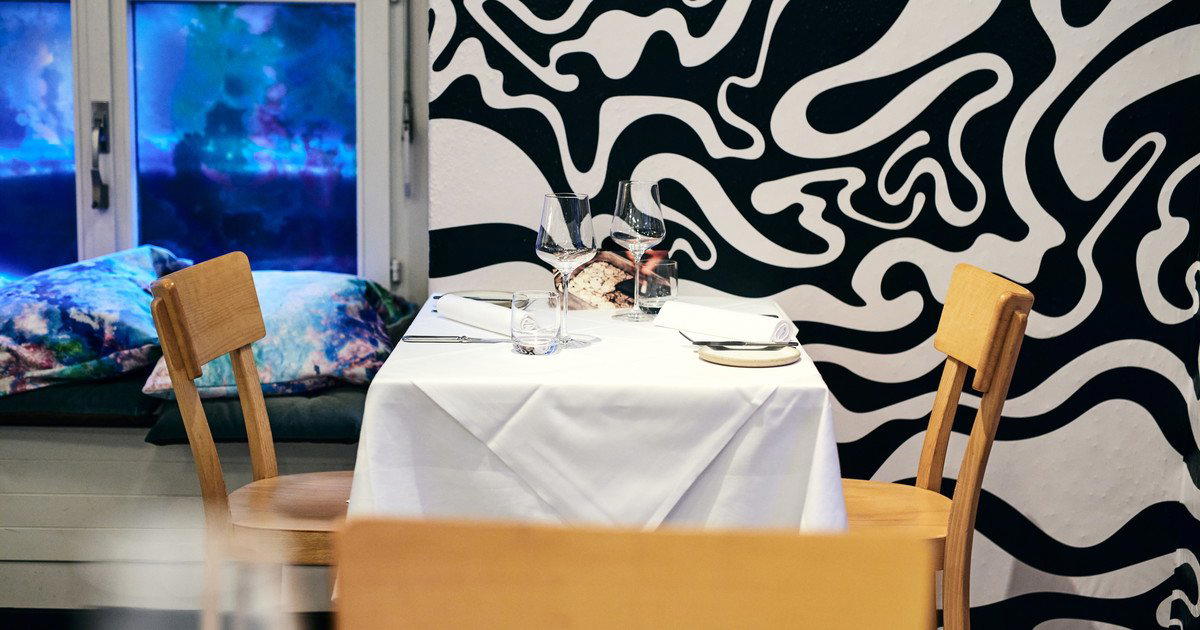
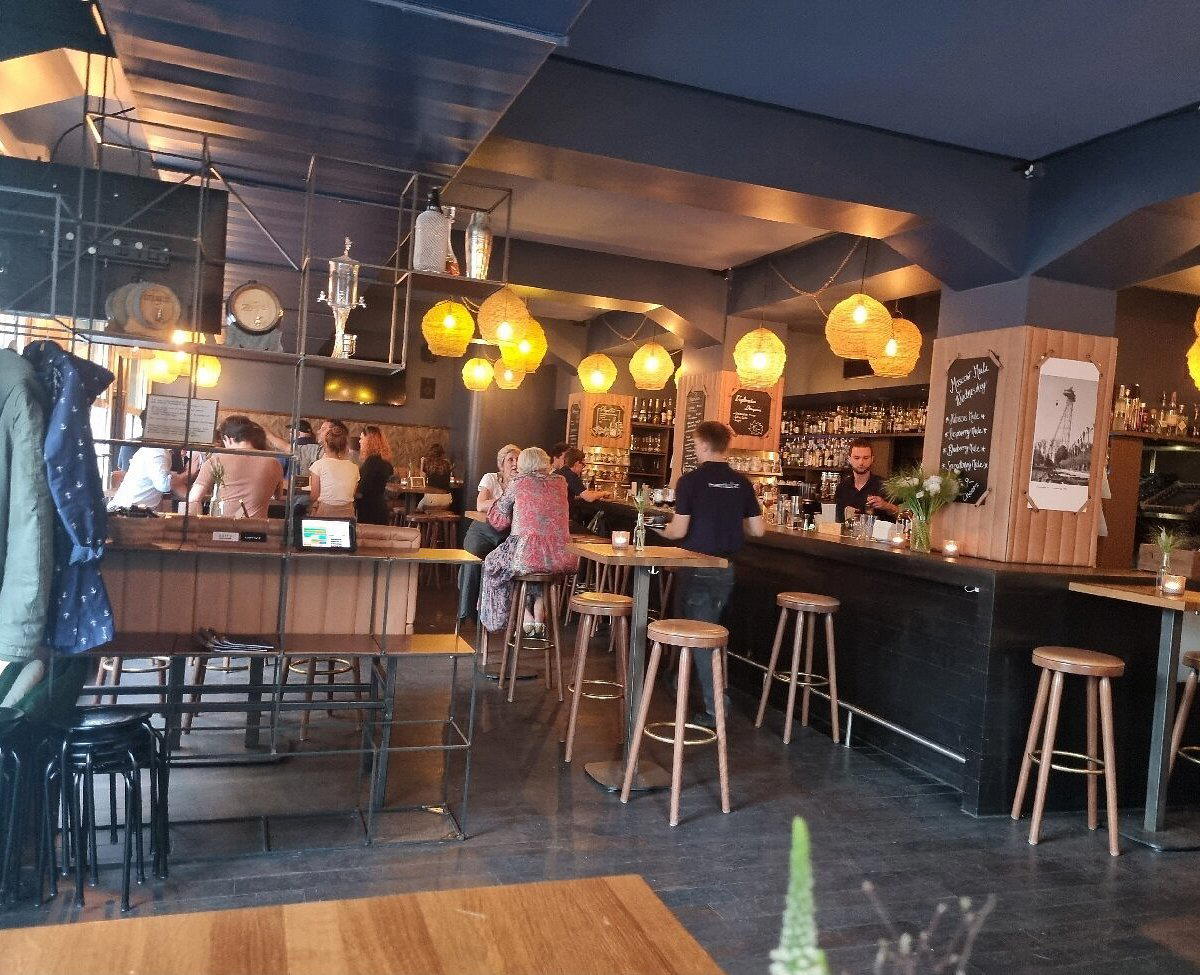
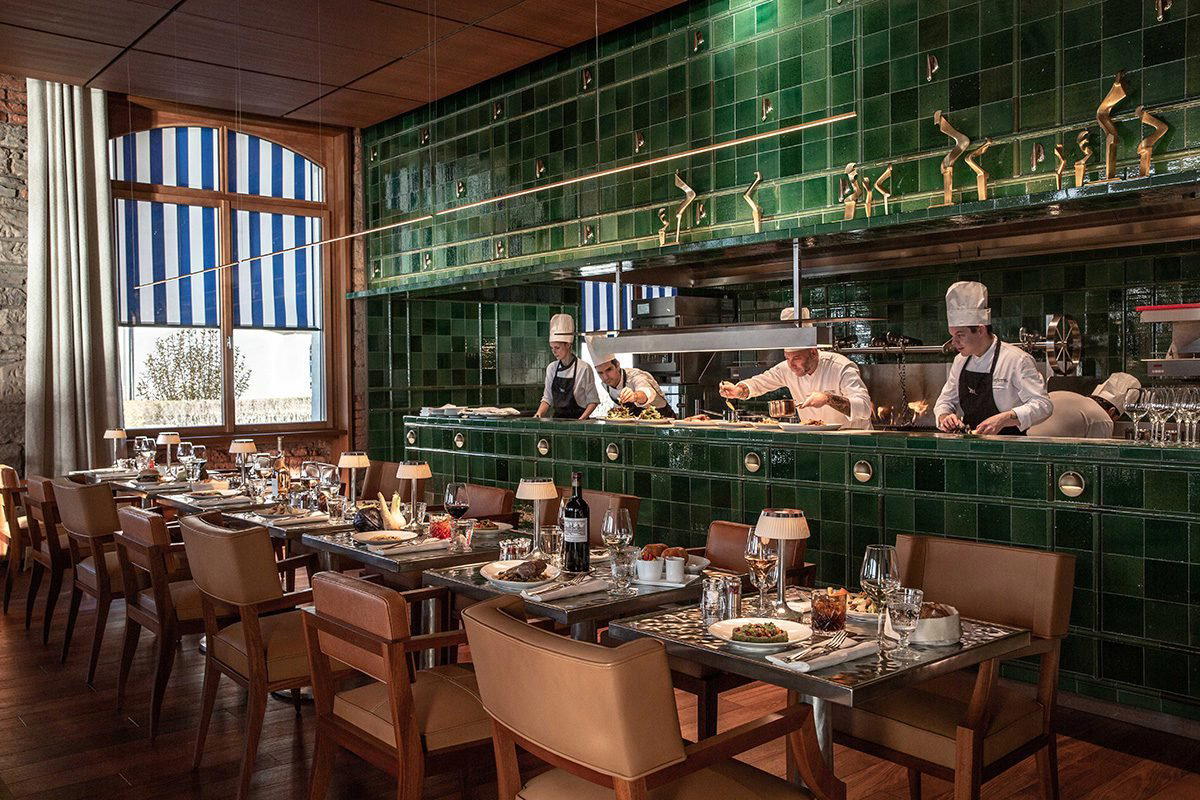
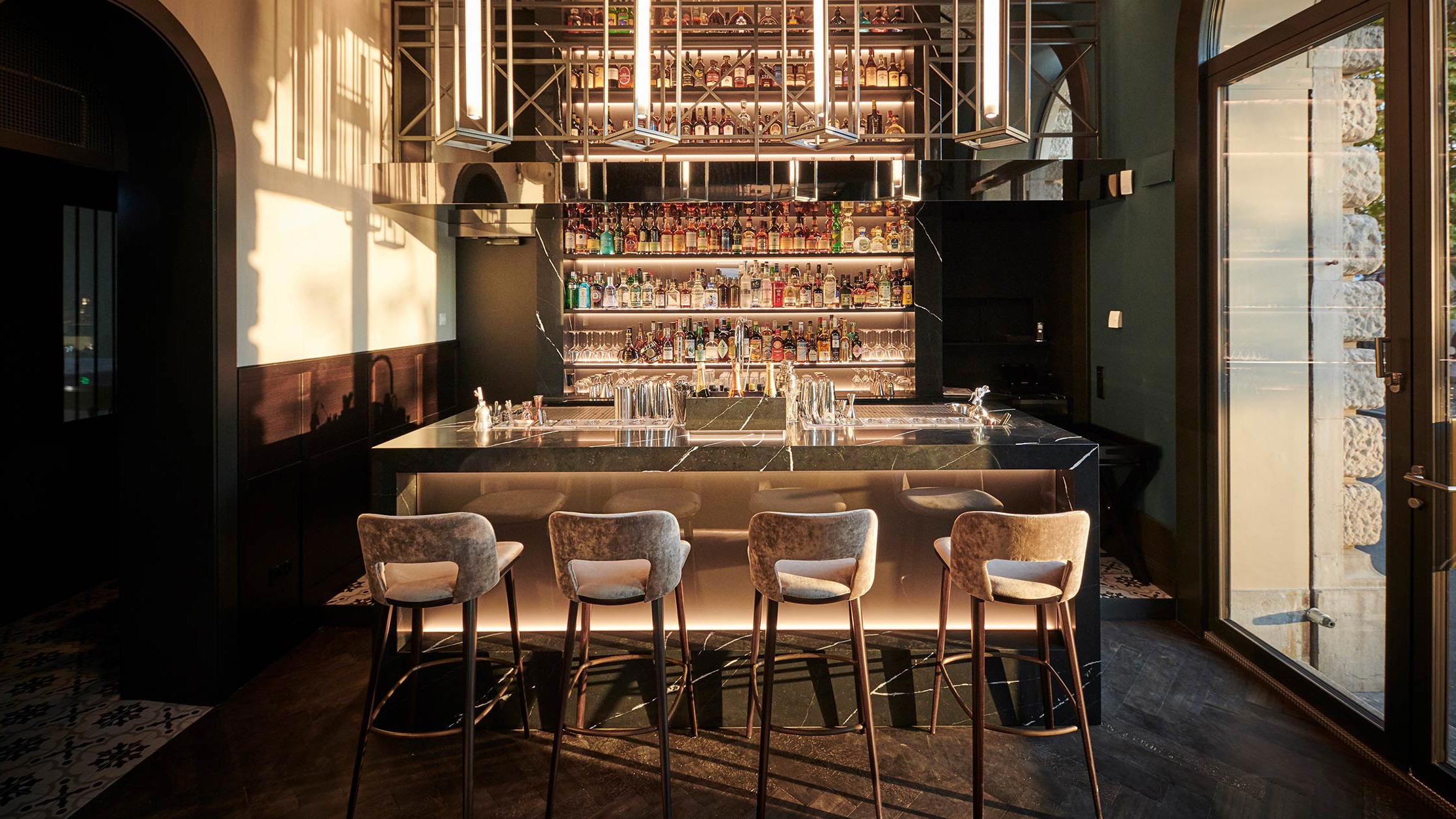
A Room That Sets the Terms
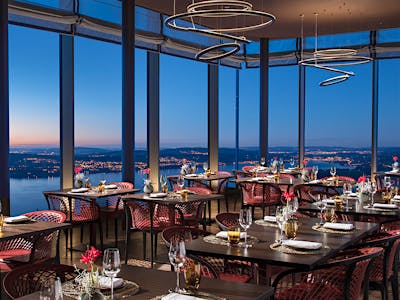
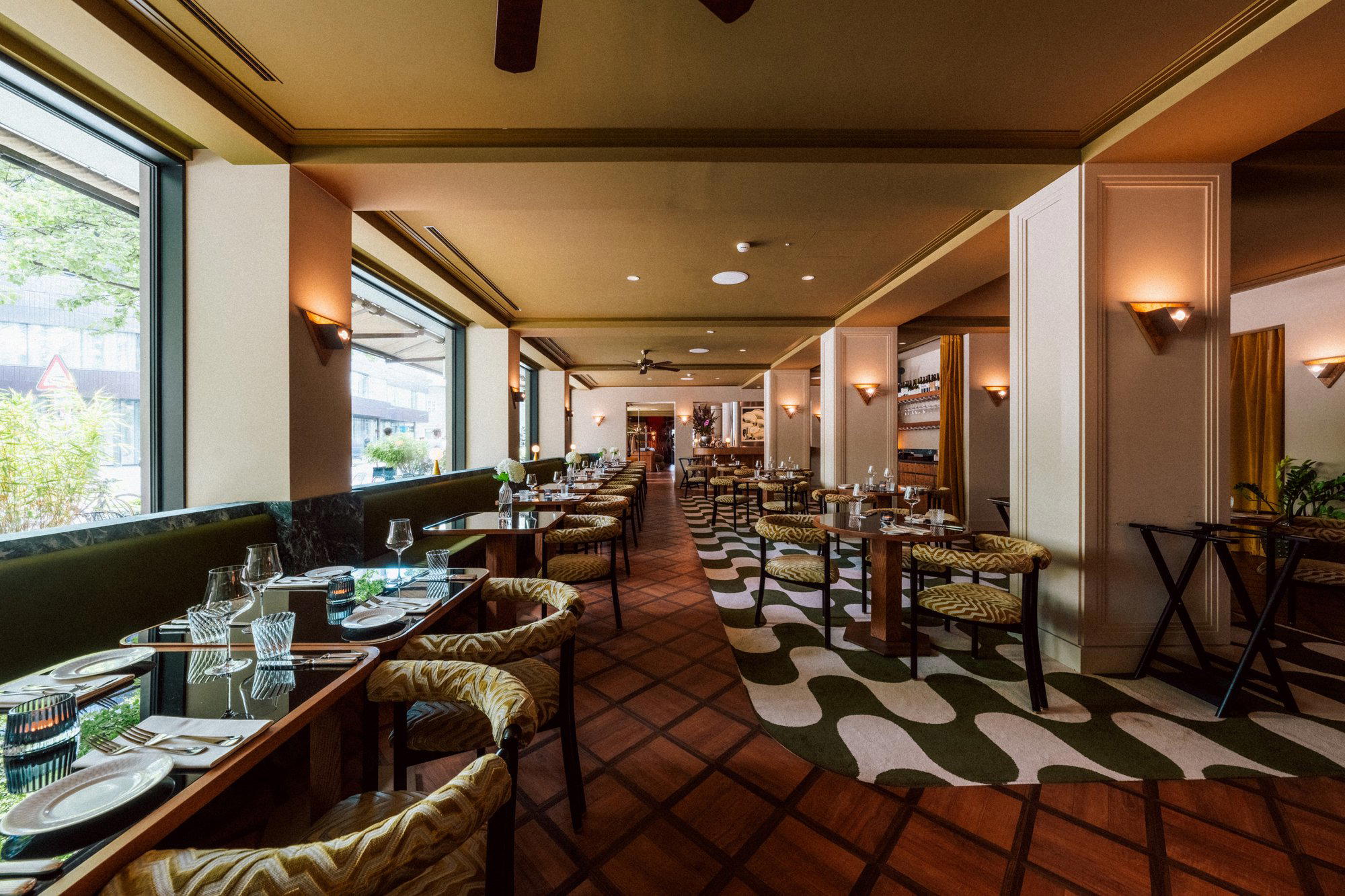
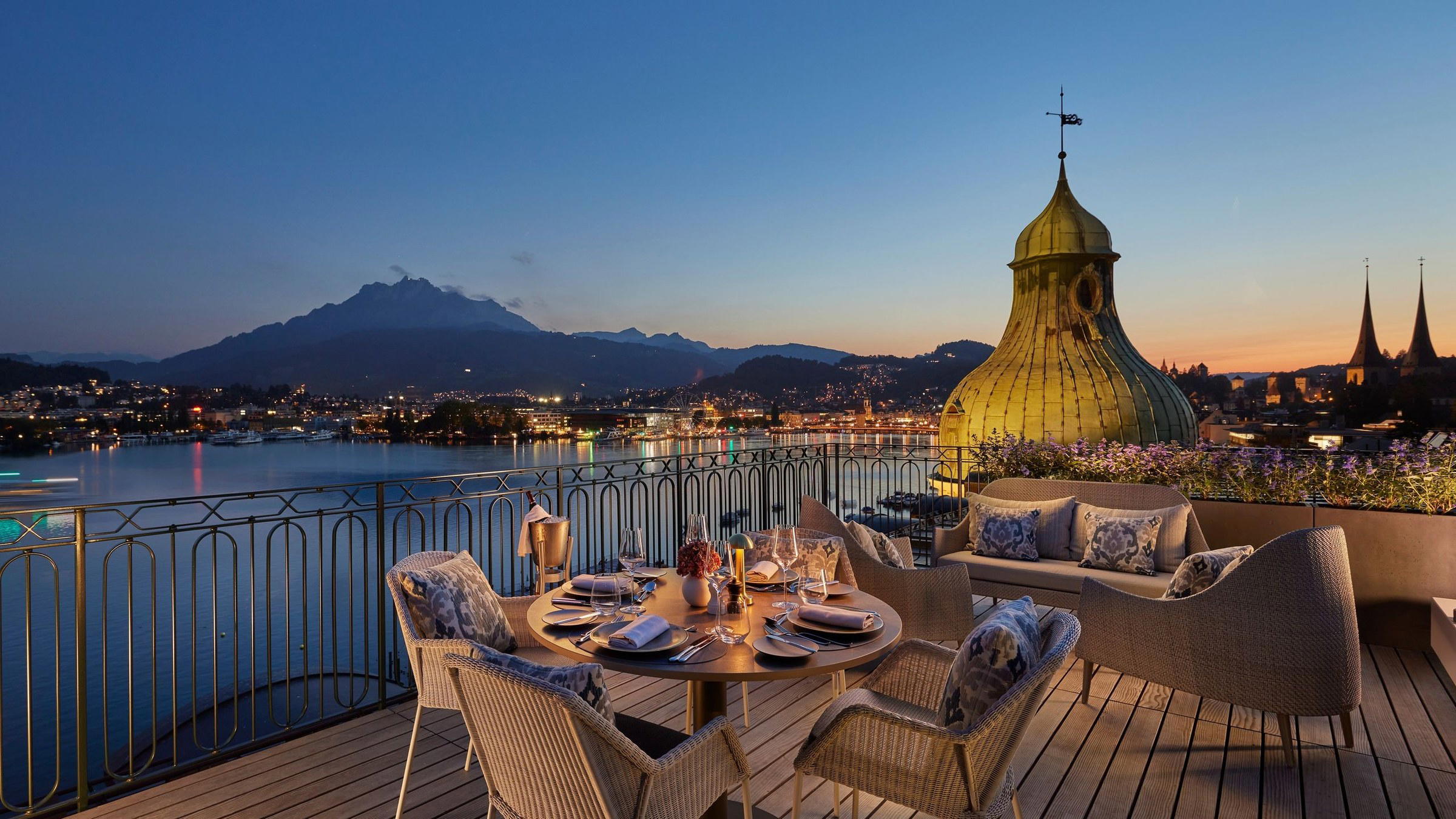
On Zürichstrasse, east of Lucerne's compressed historic core, a different register of dining takes hold. The streets here are quieter, the buildings broader, and restaurants operate without the scenic pressure of the waterfront. Stiefels Hopfenkranz sits inside that context, and the address signals something important before you've read a menu: this is a room built for the food, not the view. In a Swiss city where a handful of dining rooms lean heavily on lake and mountain backdrops to do atmospheric work, a restaurant that competes on its interior terms alone is making a deliberate argument.
The physical container at Zürichstrasse 34 follows a design logic common to the sharper end of Central European modern cuisine: considered without being cold, substantial without the stuffiness of classical hotel dining. Switzerland's mid-tier fine dining rooms have spent the better part of two decades shedding the brocade and brass of an earlier era, and what has emerged in its place is an aesthetic of quality materials held at a lower register, spaces where the architecture creates attention rather than demanding it. Stiefels Hopfenkranz fits that evolution, occupying a bracket where the room itself is a form of editorial curation rather than decoration.
Where It Sits in Lucerne's Modern Cuisine Tier
Lucerne's restaurant scene has stratified clearly over the past decade. Below that, at the €€€ tier, the competition is more nuanced. Maihöfli by UniQuisine runs a creative format in the same bracket, and Des Balances holds the classic cuisine position. Stiefels Hopfenkranz occupies the modern cuisine slot at €€€, which means it is pricing against accessibility without abandoning the kitchen ambition that earns critical recognition.
That recognition arrived in the 2024 Michelin Guide in the form of a Michelin Plate, the Guide's signal that a restaurant is producing cooking worth seeking out, short of the full star designation. In the Swiss context, the Plate sits in meaningful company: Switzerland's three-star tier, which includes Hotel de Ville Crissier in Crissier and Schloss Schauenstein in Fürstenau, represents a European benchmark, and even a Plate placement in Michelin Switzerland carries the weight of that surrounding context. The inspectors are not generous by default.
The Logic of the €€€ Modern Cuisine Format
Modern cuisine at the €€€ price point in Switzerland occupies a specific tension. The ingredient costs that Swiss kitchens face are among the highest in Europe, and the compression between input cost and accessible ticket price leaves less room for error than the same format would in, say, Lyon or Vienna. Kitchens that hold the Michelin Plate at this level are, by definition, solving that equation efficiently, which typically means precise sourcing decisions, controlled portion architecture, and menus that work with seasonal availability rather than against it.
Autumn and winter tend to sharpen this format: the Swiss larder in those months runs to game, root vegetables, aged cheeses, and the kind of produce that rewards careful heat and timing rather than raw freshness. Spring shifts the palette toward the sharper, greener end, with asparagus and wild herbs marking the change. For a restaurant at this tier, the season is not a marketing note but an operational constraint that shapes the kitchen's vocabulary from week to week. Visiting with that calendar in mind, rather than against it, will consistently return a more coherent experience.
Peer Sets Beyond Lucerne
For readers mapping Stiefels Hopfenkranz against Switzerland's wider modern cuisine spread, the relevant comparisons extend across cantons. Cheval Blanc by Peter Knogl in Basel and Memories in Bad Ragaz operate at a higher price and award tier, while 7132 Silver in Vals and Da Vittorio in St. Moritz represent destination-resort formats where the setting does substantial work alongside the kitchen. Stiefels Hopfenkranz sits in a different position: a city-embedded room where the case rests entirely on what the kitchen produces.
The modern cuisine designation, in European Michelin usage, is a broad tent covering kitchens that draw on classical French training while incorporating contemporary technique, local ingredient logic, and a lighter hand than the old guard. At the international reference end, Frantzén in Stockholm and its Dubai extension FZN by Björn Frantzén define the format's ceiling in terms of ambition and price. Lucerne's modern cuisine rooms operate well below that altitude but within the same disciplinary tradition, where technique and seasonal discipline are the primary currencies.
Planning a Visit
Zürichstrasse 34 is accessible from Lucerne's centre, a direct connection on foot or by tram from the main station toward the eastern residential districts. The €€€ price positioning makes this a more accessible entry point than the city's starred rooms, though the Michelin Plate means booking ahead is advisable, particularly for weekend evenings and during peak tourist season between June and September, when the city's visitor density increases substantially. For the broader Lucerne picture, the EP Club guides to restaurants, hotels, bars, wineries, and experiences map the full range of options across price tiers and formats.
Frequently asked questions
What's Stiefels Hopfenkranz known for in terms of accolades?
Stiefels Hopfenkranz has received recognition including: Michelin Plate (2024).
What's the must-try dish at Stiefels Hopfenkranz?
What the 2024 Michelin Plate does confirm is that the kitchen is executing modern cuisine at a level the guide considers worth flagging in Switzerland's highly competitive €€€ tier. The most reliable approach is to ask the restaurant directly at time of booking which preparations are driving the menu that season.
What's the price range at Stiefels Hopfenkranz?
Pricing at Stiefels Hopfenkranz is listed as €€€.
Comparable Options
Comparable venues nearby, for context on price, style, and recognition.
| Venue | Cuisine | Price | Awards | Notes |
|---|---|---|---|---|
| Stiefels HopfenkranzThis venue (the venue you are viewing) | Modern Swiss Fine Dining | $100–150 | Michelin Plate | Not listed |
| Franz | Authentic Austrian Viennese | Not listed | Michelin Plate | Lucerne Stadt |
| Lumières | Swiss-Mediterranean Fine Dining | $100–150 | Michelin Plate | Luzern-Stadt |
| Tassnim Orient | Lebanese | $30–50 | Not listed | Not listed |
| Barbatti | Traditional Italian | Not listed | Falstaff Restaurant - 90 Falstaff Points | old town |
| Glou Glou Lucerne | Natural Wine Bar with Local Swiss Delicacies | Not listed | Star Wine List · Falstaff Wine Bar - 92 Falstaff Points | City Center |
Recognition history
Dated appearances from independent guides and award organizations, with the underlying list record or original source where available.
Michelin Plate
Michelin
Continue exploring
More in Lucerne
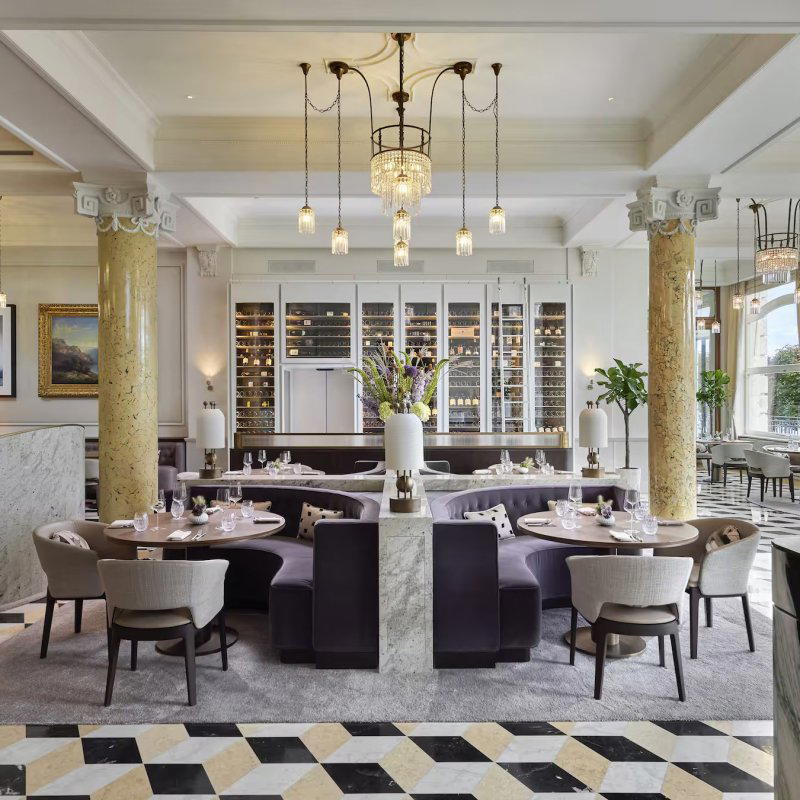
Restaurants in Lucerne
All restaurants in Lucerne →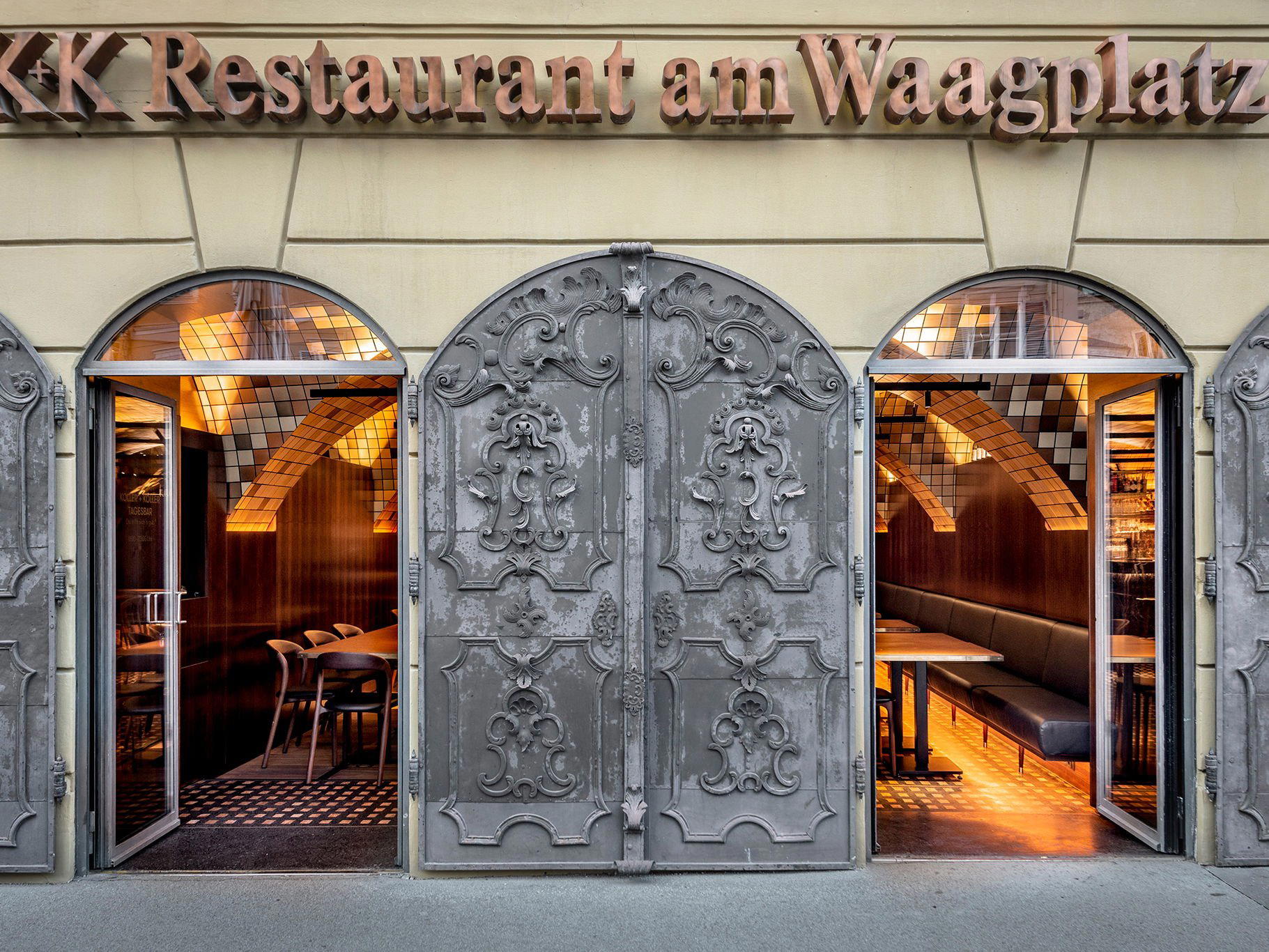
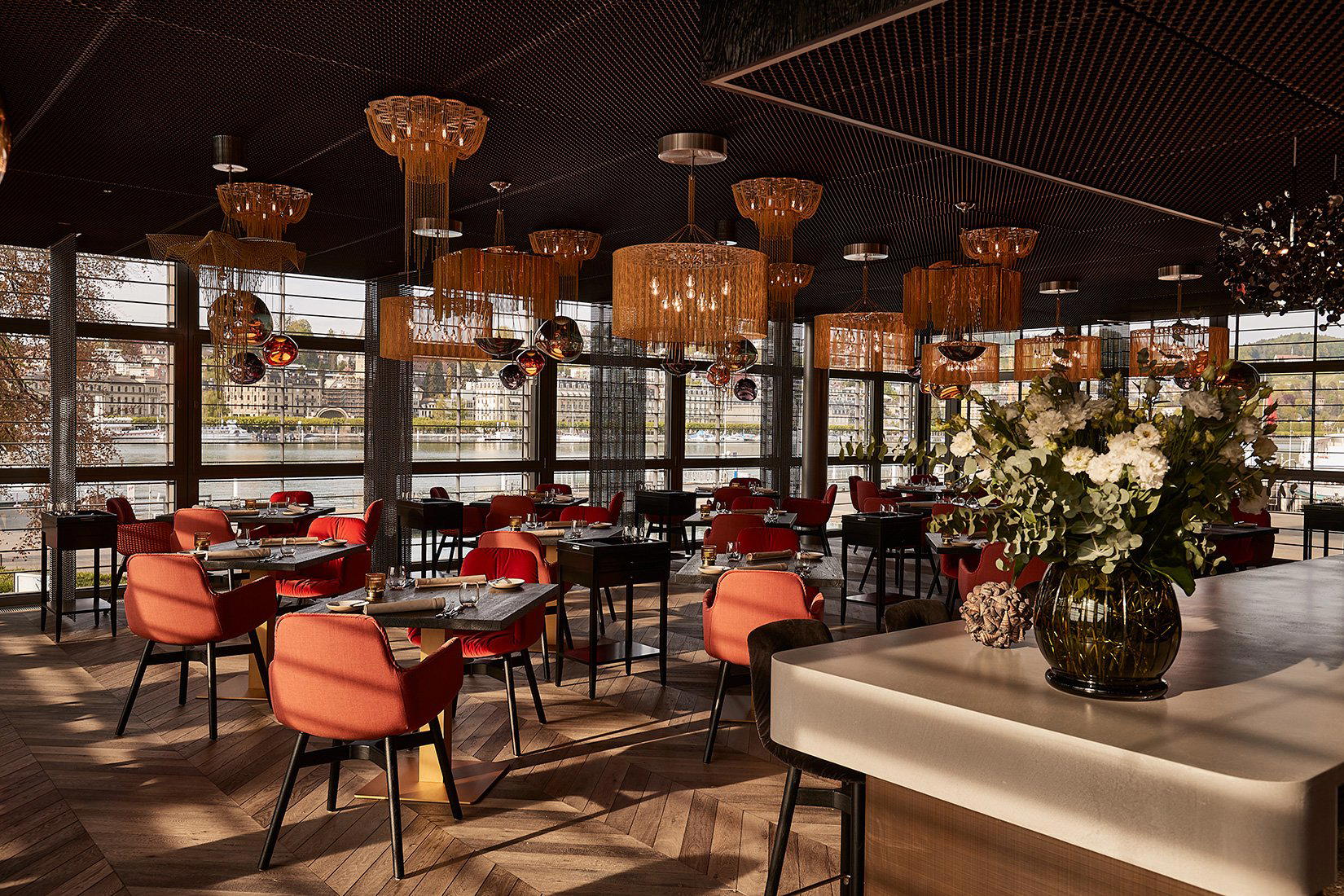
Bars in Lucerne
All bars in Lucerne →


Details
- Cozy
- Rustic
- Intimate
- Classic
- Date Night
- Special Occasion
- Celebration
- Historic Building
- Extensive Wine List
- Local Sourcing
- Tasting Menu
- A La Carte
- Local Wines
Intimate and cozy with warm lighting and rustic decor reflecting regional charm.