Steakhouse Schmitte
Our verdict
Steakhouse Schmitte sits on Badenerstrasse in Birmenstorf, a village in canton Aargau where meat-forward dining has long been part of the agricultural rhythm. The address positions it within a Swiss regional dining tradition that prizes direct sourcing and unfussy preparation over culinary theatrics. For travellers moving between Zurich and Baden, it represents a grounded alternative to the canton's more formal tables.

Pearl is the En Primeur Club membership app, where members save venues, book tables and use the concierge.

Meat, Provenance, and the Aargau Appetite
Switzerland's interior cantons have always maintained a quieter relationship with quality than the country's Michelin-decorated cities. In Aargau, that relationship runs through agriculture: the canton's river valleys and pastures have supplied beef, pork, and dairy to regional tables long before farm-to-table became a marketing phrase. Birmenstorf, a compact village on the Badenerstrasse corridor between Zurich and Baden, sits inside that tradition. Steakhouse Schmitte, at number 29 on that road, occupies the kind of address where the building itself signals function over spectacle, a format Swiss diners in this tier tend to read as a promise of substance.
The steakhouse format in Switzerland occupies a specific cultural position. Unlike the grand brasserie tradition of Geneva or the tasting-menu circuit represented by Schloss Schauenstein in Fürstenau or Memories in Bad Ragaz, a regional steakhouse in canton Aargau answers a different question entirely: where does good beef come from, and how close can a kitchen get to it? That proximity to source is the operative value here, and it shapes everything from menu structure to atmosphere.
Approaching Birmenstorf: Reading the Room Before You Sit Down
Birmenstorf is not a dining destination in the way that Baden or Zurich are. It is a working village, and arriving on Badenerstrasse makes that clear. The strip carries commercial and light industrial traffic, and Schmitte sits within that practical streetscape rather than apart from it. This is relevant context for calibrating expectations: the dining room is not designed to impress on arrival. What it offers instead is the kind of directness that characterises Aargau's food culture at its most honest, a space where the quality of what arrives on the plate is expected to do the persuading.
Regional steakhouses in this part of Switzerland tend to draw a mixed crowd: local regulars, tradespeople at lunch, and the occasional traveller who has moved off the Zurich-Basel motorway axis in search of something less produced. The atmosphere tracks accordingly, convivial without being loud, familiar without being exclusive. For visitors accustomed to the controlled quiet of fine-dining rooms like focus ATELIER in Vitznau or the formal polish of Cheval Blanc by Peter Knogl in Basel, the register here is deliberately different.
Where the Beef Comes From: The Sourcing Question
In Switzerland's premium beef segment, provenance conversations tend to cluster around Swiss Angus, Simmental, and Limousin crosses raised in the Alpine foothills. Aargau's agricultural output leans heavily into these categories, and the leading regional steakhouses in the canton maintain supplier relationships that reflect this geography. The sourcing chain from pasture to plate in this corridor is shorter than in urban centres, a structural advantage that regional operators who understand it tend to make central to their identity.
This matters because Swiss beef pricing is among the highest in Europe, driven by feed standards, animal welfare regulations, and the currency effect on imported alternatives. A steakhouse in canton Aargau that sources domestically is not simply making a local-food gesture; it is navigating a cost structure that makes regional supply chains economically rational as well as qualitatively defensible. The result, at its finest, is beef that has travelled a short distance and has not been cold-stored long, a straightforwardly better starting point for any kitchen working with high-heat methods.
Contrast this with the sourcing reality at Switzerland's highest-end tables: Hotel de Ville Crissier in Crissier and IGNIV Zürich by Andreas Caminada in Zurich operate within tasting-menu structures where sourcing is part of a curated narrative. At a regional steakhouse, the sourcing is the narrative, less mediated, more direct.
Birmenstorf in the Wider Swiss Dining Map
Canton Aargau sits between Switzerland's two main fine-dining corridors: the Zurich metropolitan cluster and the Basel axis. Neither corridor reaches into Birmenstorf with much frequency. The village's dining options are few, which makes each address on the strip carry more local weight than it might in a denser urban setting. Pfändler's Gasthof zum Bären, a traditional Gasthof on the same strip, represents the other main anchor in Birmenstorf's dining offer, a different format, traditional Swiss cuisine, and a longer-established presence in the village's social life.
For travellers building a broader Swiss itinerary, Birmenstorf works as a purposeful stop rather than a destination in its own right. The A1 motorway corridor connects the village efficiently to Zurich (roughly 25 kilometres west) and to Baden within minutes. Those extending further into Switzerland might track the country's decorated tables: Einstein Gourmet in Sankt Gallen, Magdalena in Schwyz, Colonnade in Lucerne, or further south into the Ticino and Graubünden with La Brezza in Ascona and Da Vittorio in St. Moritz. Internationally-minded diners who use Switzerland as a base while rotating between European dining destinations might also reference Le Bernardin in New York City or Atomix in New York City as benchmark reference points for format and sourcing discipline in their respective categories. The contrast is instructive: Schmitte operates at the opposite end of the formality spectrum, with regional rather than international ambitions, but the underlying commitment to ingredient quality as the primary value is a shared logic. For the full picture of dining in the area, see our full Birmenstorf restaurants guide.
Visitors looking for Aargau's decorated end of the dining spectrum will not find it at this address. What they will find is a format that Swiss regional dining does with confidence: a focused menu built around protein, a room that prioritises comfort over design statement, and a price point calibrated to the local market rather than the international tourist tier represented by La Table du Lausanne Palace or 7132 Silver in Vals or L'Atelier Robuchon in Geneva.
Planning Your Visit
Steakhouse Schmitte is located at Badenerstrasse 29, 5413 Birmenstorf. The village is accessible by road from the A1 corridor and by regional rail via Baden, which sits a short distance away. Dress code and booking requirements follow the informal conventions of Swiss regional dining at this category, no advance notice of formal attire is typically expected, but phoning ahead for dinner remains good practice in a room of this scale.
Frequently asked questions
Is Steakhouse Schmitte good for families?
Birmenstorf is a working village rather than a tourist destination, and Steakhouse Schmitte fits that local character. A meat-focused format on Badenerstrasse 29 tends to suit straightforward family meals rather than formal or tasting-menu occasions.
What's the vibe at Steakhouse Schmitte?
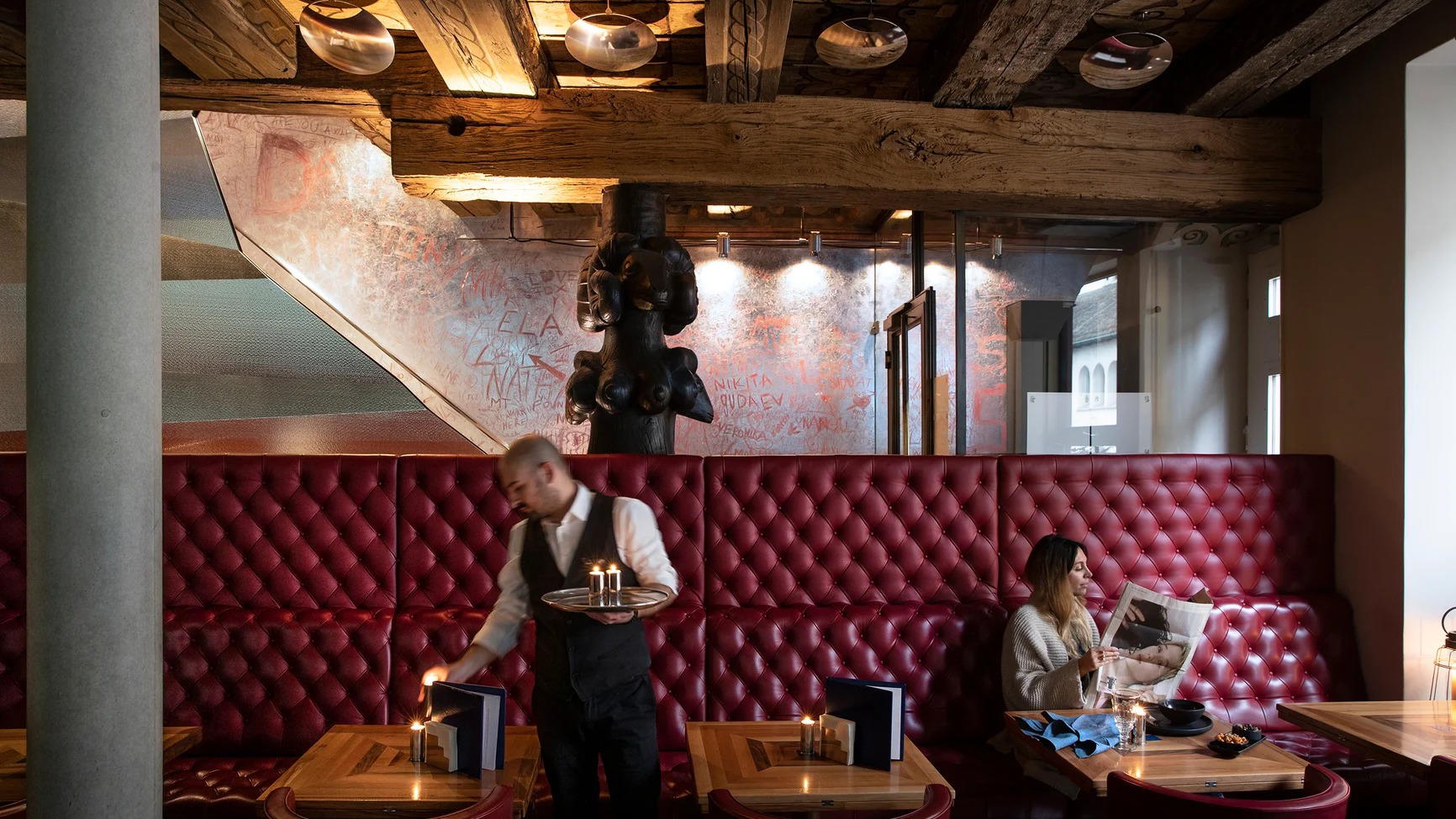
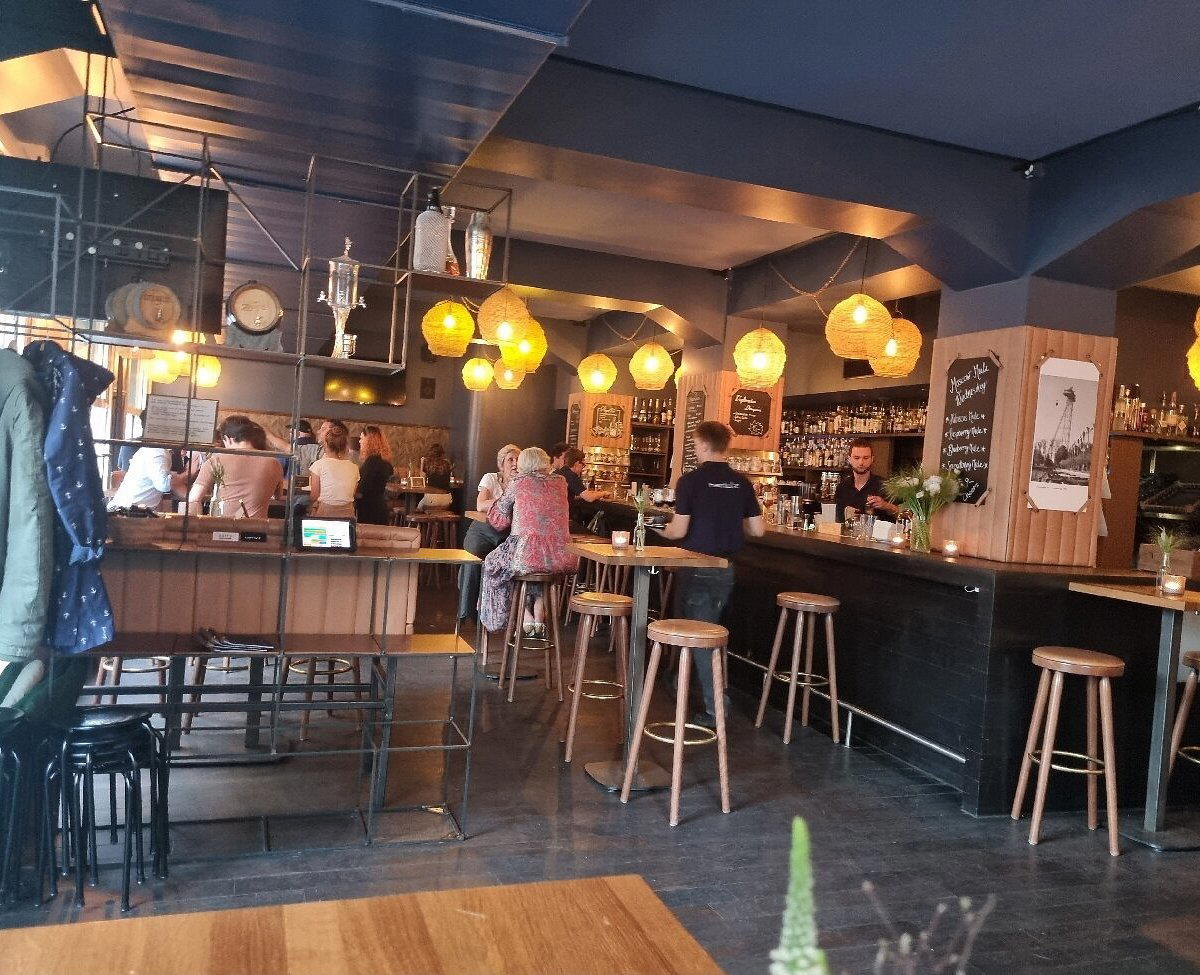
Arriving on Badenerstrasse in Birmenstorf sets the tone immediately: this is a village restaurant, not a destination address chasing Zurich or Basel credentials. The format is a steakhouse, which in the Aargau context means a grounded, produce-first approach rather than theatrical presentation. Expect a room that reflects its community rather than performs for visitors.
How far is Steakhouse Schmitte from Baden, and is it worth the detour from Zurich?
Birmenstorf sits in Canton Aargau, close enough to Baden to be a realistic dinner option for anyone already in the area, and roughly 30 kilometres from Zurich's centre. Canton Aargau occupies the gap between Switzerland's two main fine-dining corridors, the Zurich metropolitan cluster and the Basel axis, which means Schmitte operates largely outside the reviewed circuit. For a meat-focused meal away from city pricing and crowds, that positioning is the point.
What's the signature dish at Steakhouse Schmitte?
The menu centres on beef, consistent with the steakhouse format and Aargau's regional appetite for quality meat. Switzerland's premium beef segment draws on Swiss Angus, Simmental, and Limousin crosses, and Schmitte operates within that sourcing tradition.
What part of town is Steakhouse Schmitte in?
Steakhouse Schmitte is located at Badenerstrasse 29, 5413 Birmenstorf, Switzerland, Birmenstorf.
Is Steakhouse Schmitte reservation-only?
Given the village setting and a format that draws both local regulars and visitors from the Baden–Zurich corridor, booking ahead is the practical approach, particularly on weekends.
Comparable Venues
Comparable venues nearby, for context on price, style, and recognition.
| Venue | Cuisine | Price | Awards | Notes |
|---|---|---|---|---|
| Steakhouse SchmitteThis venue (the venue you are viewing) | Classic Swiss Steakhouse | Not listed | Not listed | Not listed |
| Pfändler's Gasthof zum Bären | Traditional Swiss Country Cooking | $30–50 | Michelin Plate | Birmenstorf |
| Meating | Modern Swiss Steakhouse & Grill | $30–50 | Not listed | center |
| Ristorante Gusto Mediterraneo | Authentic Italian Mediterranean | $50–100 | Not listed | Niederglatt |
| Da Angela | Traditional Italian-Mediterranean | $50–100 | Gambero Rosso 1 Forchetta | Industriequartier |
| d'Aurora | Italian Mediterranean | $50–100 | Not listed | Aussersihl |
Continue exploring
More in Birmenstorf
Restaurants in Birmenstorf
All restaurants in Birmenstorf →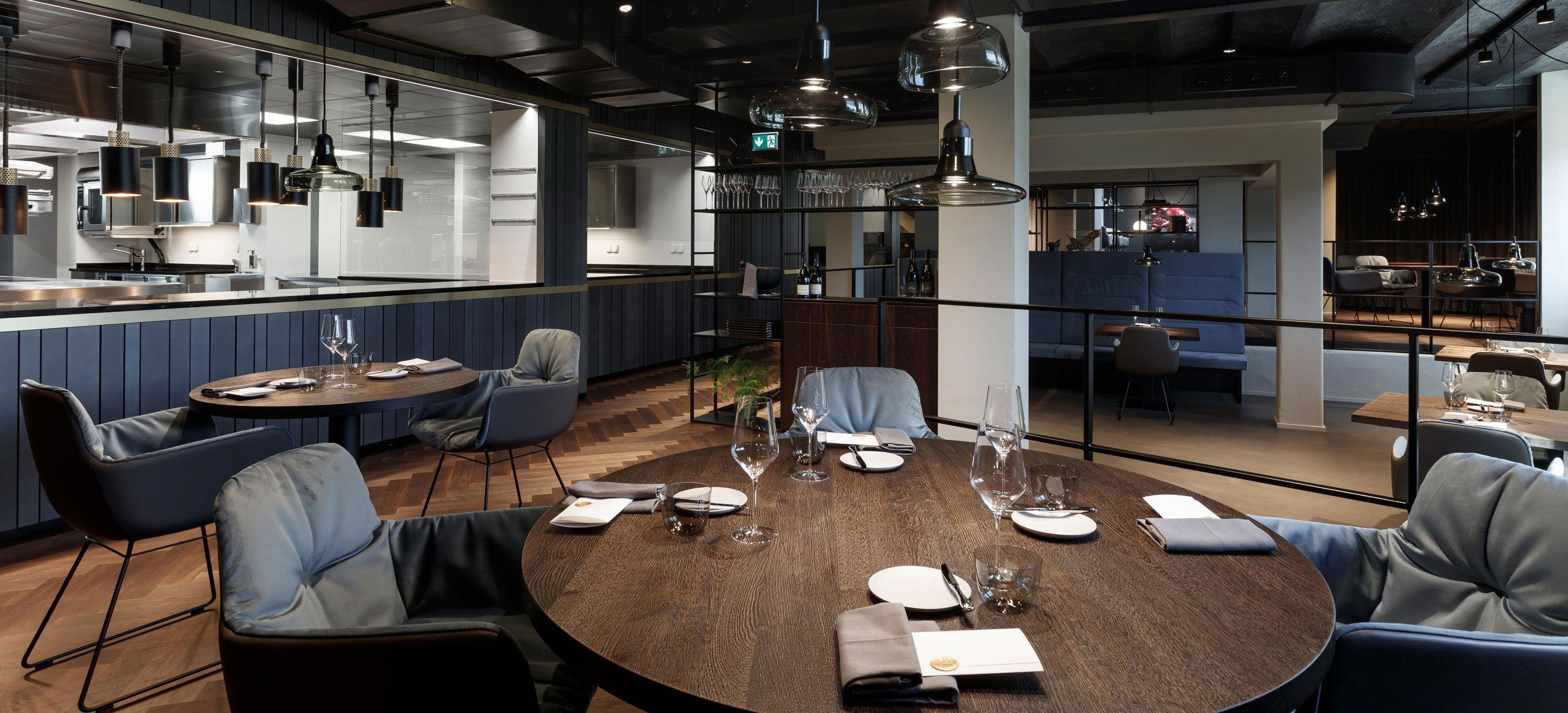
Bars in Birmenstorf
Browse all →

Details
- Rustic
- Cozy
- Elegant
- Classic
- Date Night
- Business Dinner
- Special Occasion
- Group Dining
- Open Kitchen
- Wine Cellar
- Extensive Wine List
- A La Carte
Current opening hours
- Monday
- Closed
- Tuesday
- 11:30 AM–2 PM, 6–11:30 PM
- Wednesday
- 11:30 AM–2 PM, 6–11:30 PM
- Thursday
- 11:30 AM–2 PM, 6–11:30 PM
- Friday
- 11:30 AM–2 PM, 6–11:30 PM
- Saturday
- 6–11:30 PM
- Sunday
- Closed
Hours can change for holidays and private events. Hours as of .
Rustic industrial charm with welcoming cozy atmosphere and impressive wine cellar.