Star Provisions
Our verdict
Star Provisions occupies a converted warehouse space on Howell Mill Road in Atlanta's Westside, functioning simultaneously as a retail market and restaurant destination. The format sits at the intersection of European provisions culture and American sourcing instincts, drawing from Georgia's larder while applying technique shaped by classical training. It is a practical and editorial landmark in Atlanta's food conversation.

Pearl is the En Primeur Club membership app, where members save venues, book tables and use the concierge.
The Westside Provisions District and What It Produces
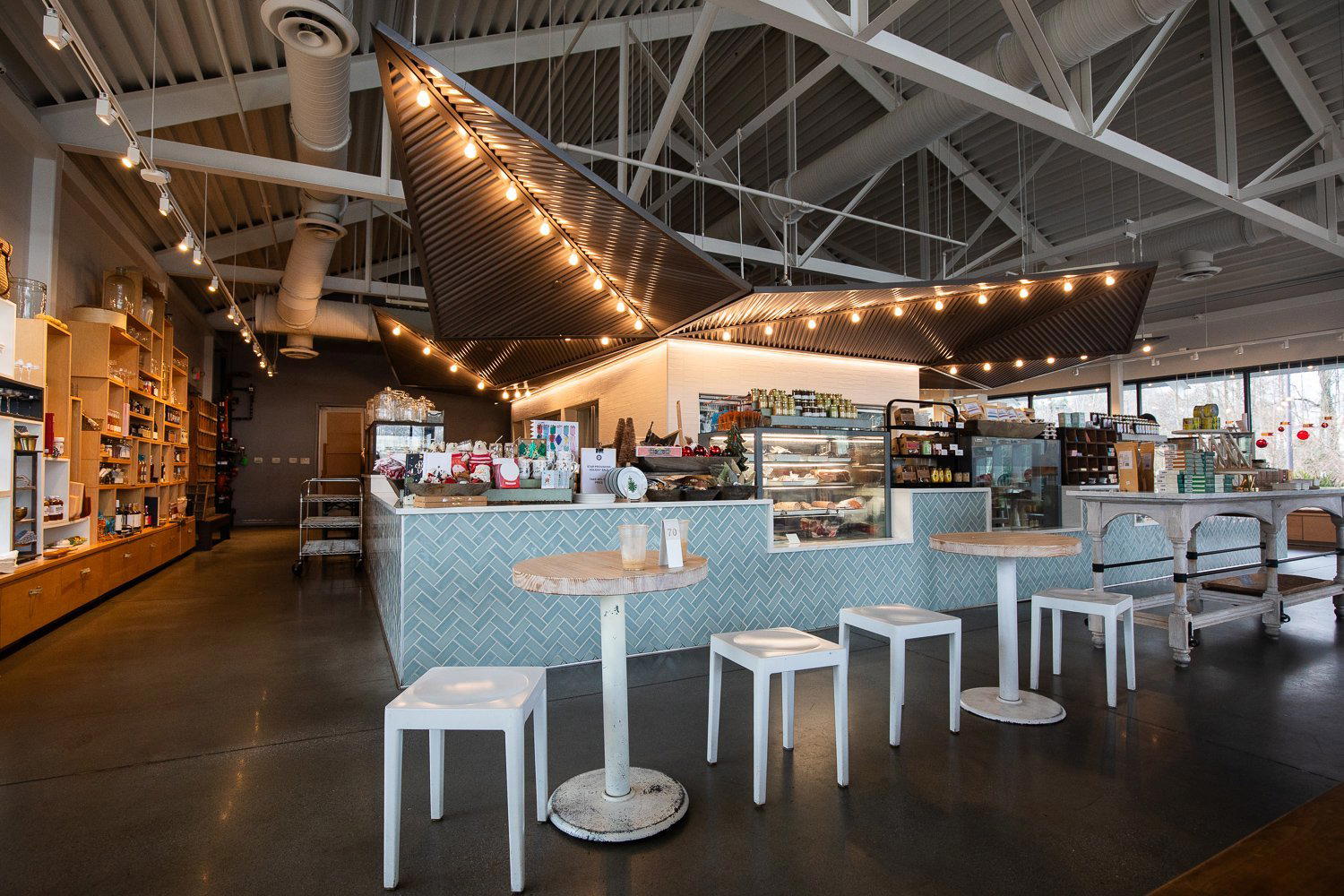
Atlanta's Westside has spent the past two decades converting industrial stock into the city's most concentrated stretch of serious eating and drinking. Howell Mill Road, once a corridor of light manufacturing, now reads as a working map of how Southern cities have absorbed European food retail culture and turned it into something genuinely local. Star Provisions at 1198 Howell Mill Road sits inside that shift, occupying a format that blurs the line between market, cheese counter, bakery, and restaurant in ways that feel less like a concept and more like a natural consequence of the neighbourhood's evolution.
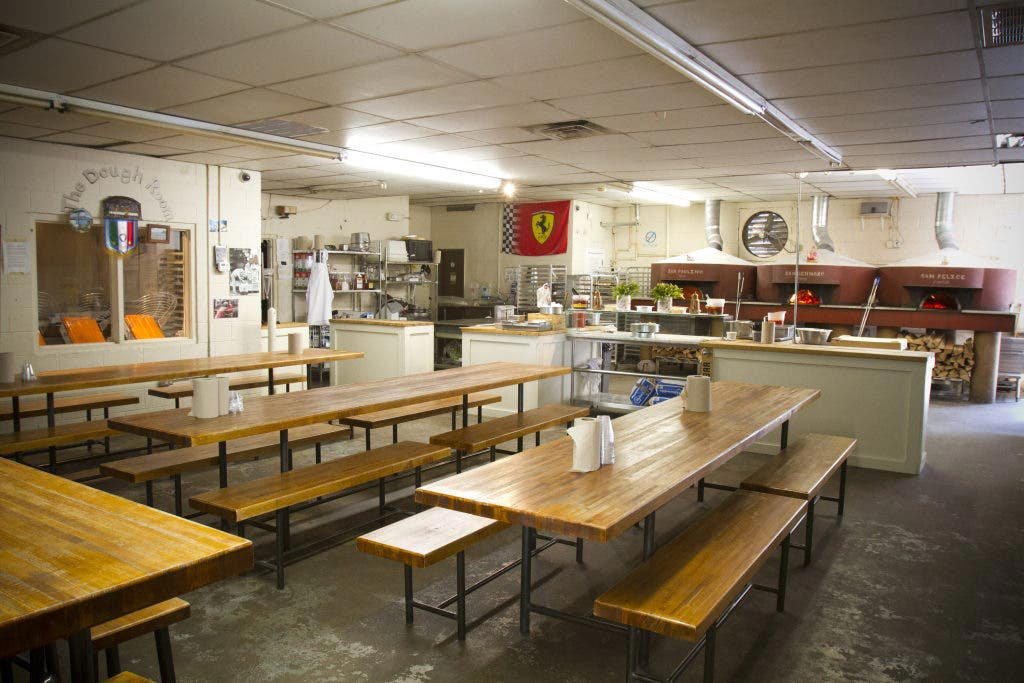
The physical approach matters here. The building's warehouse bones are visible rather than disguised, and the layout asks you to pass through the retail floor before reaching the table. That sequence is deliberate: the market stalls, the imported pantry goods, the butcher case, the bread on the counter all function as an argument about what food should be, before a single plate arrives. Few American restaurant formats make that argument so legibly.
Where Local Sourcing Meets Imported Method
The broader pattern in American fine dining over the past fifteen years has been a negotiation between European classical technique and regionally specific product. Programmes like Blue Hill at Stone Barns in Tarrytown and Single Thread Farm in Healdsburg have built their identities almost entirely around that tension, with the farm or the region as the first language and the cooking method as the translation layer. Star Provisions works from a similar premise but applies it through a provisions-store logic: the ingredients are the display, and the technique sits behind the counter rather than at the centre of the pitch.
Georgia's agricultural calendar offers considerable material. The state's piedmont and coastal plain produce stone fruit, pecans, muscadine grapes, sea island red peas, and a year-round supply of pork products that have sustained Southern cooking for generations. The Westside location puts Star Provisions within reach of the farmer networks that supply Atlanta's better kitchens, and the retail side of the operation gives the restaurant an unusual feedback mechanism: what sells at the counter tells you what the market wants, and what the kitchen does with the surplus tells you what the cooks believe.
This is a different logic from the tasting-menu format, where the kitchen controls the entire conversation. Compared to the closed-door precision of Lazy Betty or the formal European grammar of Atlas, Star Provisions operates with the retail floor as a kind of editorial front page, making its sourcing commitments visible before the cooking begins. That transparency is itself a statement about technique: the confidence to let the product speak before the preparation does.
Atlanta's Fine-Dining Tier and Where This Fits
Atlanta's upper dining tier is smaller than its civic ambition suggests. The city has a handful of kitchens operating at the level that draws national attention: Bacchanalia anchors the New American fine-dining conversation; Hayakawa and Mujō have pushed the Japanese counter format into serious critical territory. Star Provisions occupies a different position in that tier, one that is less about formal sequence and more about access: the market component means that a customer can engage at the level of a loaf of bread, a wedge of aged cheese, or a full meal. That sliding scale of commitment is rare at this quality level.
The comparison to national peers is useful for calibration. Formats that combine serious retail with serious cooking, along the lines of what Smyth in Chicago does with its larder programme or what Emeril's in New Orleans represented in an earlier era of Southern-anchored technique, tend to draw a customer who is engaged with food as a practice rather than an occasion. Star Provisions reads that way: less a destination for celebration and more a destination for people who cook, buy, and think about ingredients as a continuous activity.
At the national level, the conversation about local-ingredient-driven kitchens has moved well beyond novelty. The French Laundry in Napa, Le Bernardin in New York City, and Providence in Los Angeles all source with precision, but the sourcing is subordinate to the technique narrative. Addison in San Diego and The Inn at Little Washington lean harder into the estate and garden-to-table story. Star Provisions sits closer to the provisions-culture end of that spectrum, where the market identity and the cooking identity are genuinely co-equal rather than one serving the other.
Seasonal Logic and When to Go
The strongest argument for visiting Star Provisions in the spring and early autumn comes from Georgia's produce calendar. Late spring brings Vidalia onions, Georgia peaches start arriving in June, and the summer-to-autumn window covers tomatoes, field peas, and the peppers that define the regional pantry. The retail floor reflects this rotation more visibly than most restaurant menus do, which makes the market side of the visit particularly rewarding during peak growing months. Winter visits trade fresh produce depth for the charcuterie, cheese, and preserved goods that a European-inflected provisions store handles well regardless of season.
For the broader Atlanta picture, including where Star Provisions sits relative to the city's other serious kitchens, our full Atlanta restaurants guide maps the dining tiers with the same editorial standard applied here. It covers the Westside corridor alongside Inman Park and Buckhead options that complete the city's competitive set.
Planning Your Visit
The Howell Mill Road address is accessible by car with parking in the surrounding district, and the Westside Provisions complex is walkable once you arrive. The dual retail-and-restaurant format means arrival time matters: coming early gives you the full market experience before the lunch crowd, while evening visits focus the experience more tightly on the restaurant side. Given the format and the quality of the provisions offering, it is worth allowing more time than a typical restaurant visit would require. Check the current schedule directly before visiting, as market and restaurant hours may differ.
Frequently asked questions
What part of town is Star Provisions in?
Star Provisions is located at 1198 Howell Mill Rd NW, Atlanta, GA 30318, Atlanta.
Does Star Provisions operate as both a market and a restaurant simultaneously, and how does that affect the experience?
Yes, the dual format is the defining structural feature of the Star Provisions address at 1198 Howell Mill Rd NW in Atlanta. Arriving with that in mind allows you to move between the cheese and charcuterie counters and the restaurant seating rather than treating them as separate errands. The arrangement is unusual enough in American fine dining that understanding it before you arrive meaningfully changes what you get from the visit.
What do people recommend at Star Provisions?
The cheese counter, bread programme, and charcuterie selection draw as much attention as the restaurant itself, and regulars treat the retail market as a destination in its own right. Produce sourced from Georgia's agricultural network anchors the market's seasonal rotation. Visiting the Howell Mill Road address and spending time across both the market and restaurant sides gives the fullest picture of what Star Provisions actually is.
Should I book Star Provisions in advance?
For the restaurant component, booking ahead is advisable, particularly on weekends and during Atlanta's spring events calendar and autumn season when demand increases across the Westside Provisions District. The market side operates on a walk-in basis, but if your visit centres on a sit-down meal, reserving in advance avoids the risk of a wait. Check the venue's current availability directly before arriving at 1198 Howell Mill Rd NW.
What's the standout thing about Star Provisions?
The market-restaurant hybrid format at this quality level is genuinely uncommon in American dining. Most fine-dining operations separate the retail and cooking functions entirely; Star Provisions runs both under one roof on Howell Mill Road, which means the sourcing logic visible in the market case directly connects to what ends up on the restaurant plate. That structural coherence is what distinguishes it from Atlanta's broader upper dining tier.
Is Star Provisions good for vegetarians?
A serious provisions market with strong produce sourcing from Georgia's agricultural network is structurally well-suited to vegetable-forward eating. The cheese counter, bread programme, and seasonal Georgia produce are all central to the Star Provisions offering, giving vegetarians more substantive options than a conventional fine-dining format typically provides. Specific menu details shift seasonally, so confirming current options with the venue directly is the reliable approach.
Is Star Provisions worth the price?
The value question depends on what you are benchmarking against. Compared to a pure fine-dining format at an equivalent price point, Star Provisions adds the market dimension, meaning the cost of a visit can extend to provisions you take home rather than a single meal. Within Atlanta's Westside dining corridor, the combination of restaurant and retail at this quality level is not easily replicated at a lower price point. The Howell Mill Road location also sits within a walkable district, making it a practical anchor for a longer afternoon or evening.
Peers Worth Knowing
Comparable venues nearby, for context on price, style, and recognition.
| Venue | Cuisine | Price | Notes |
|---|---|---|---|
| Star ProvisionsThis venue (the venue you are viewing) | American Market & Cafe | $20–30 | Not listed |
| OK Cafe | Southern Diner | $20–30 | Buckhead |
| Local Three | Contemporary American Farm-to-Table | $30–50 | Buckhead |
| 9 Mile Station | American Grill | $30–50 | Old Fourth Ward |
| Hartley | Contemporary American with Southern influences | $30–50 | Midtown |
| Local Motives | Contemporary American Farm-to-Table | $30–50 | Downtown |
Continue exploring
More in Atlanta
Restaurants in Atlanta
All restaurants in Atlanta →

Bars in Atlanta
All bars in Atlanta →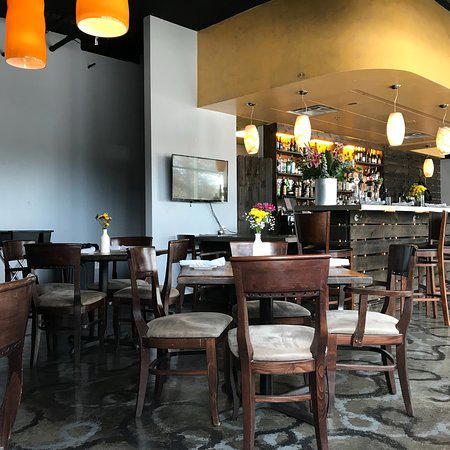


Details
- Rustic
- Industrial
- Cozy
- Casual Hangout
- Brunch
- Open Kitchen
- Local Sourcing
- Organic
- A La Carte
Current opening hours
- Monday
- Closed
- Tuesday
- 8 AM–4 PM
- Wednesday
- 8 AM–4 PM
- Thursday
- 8 AM–4 PM
- Friday
- 8 AM–4 PM
- Saturday
- 8 AM–4 PM
- Sunday
- 9 AM–3 PM
Hours can change for holidays and private events. Last verified .
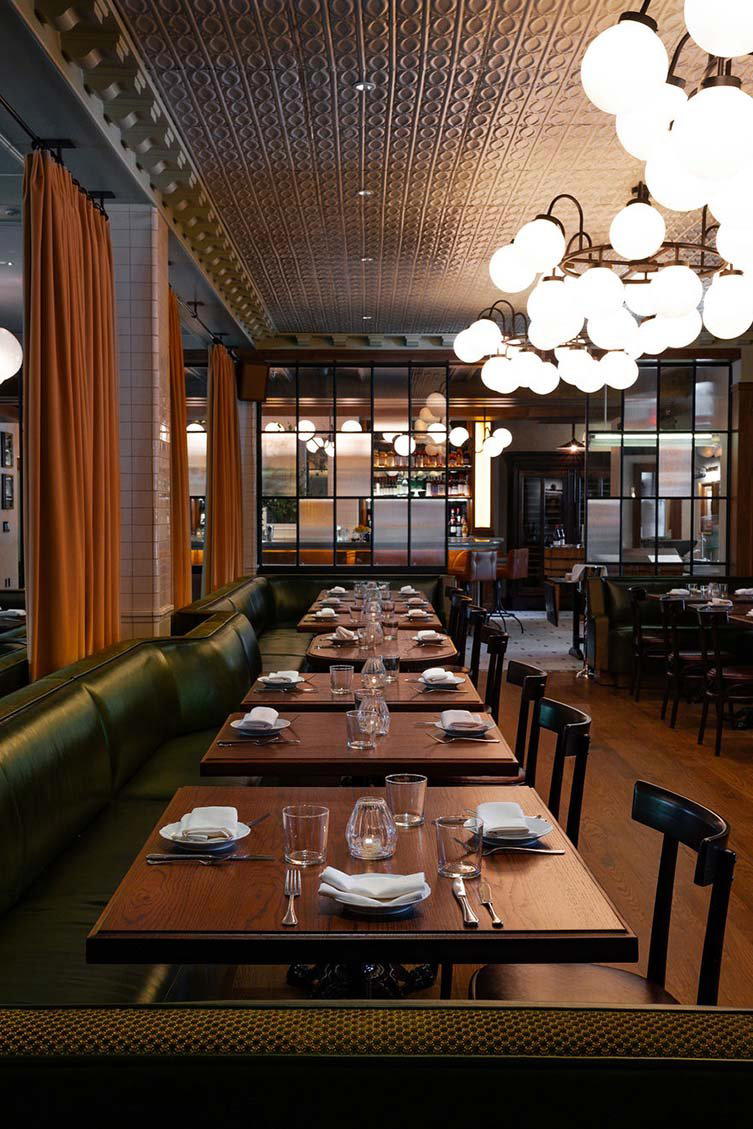
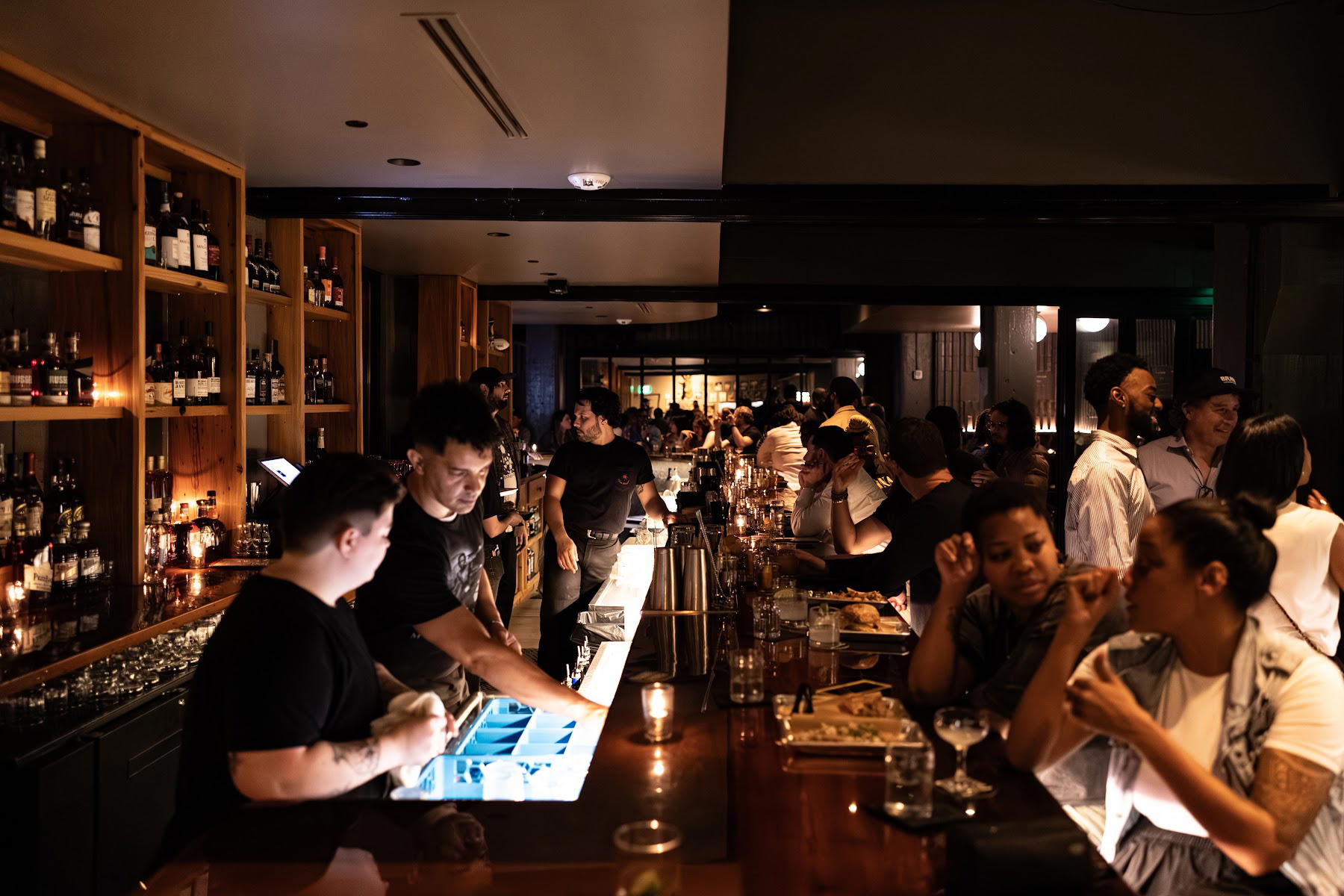
Bustling market and cafe atmosphere with access to high-quality fresh provisions like a restaurant pantry.