Spuntino
Spuntino on Rupert Street occupies a specific corner of London's casual-dining scene where American-Italian bar food meets Soho's late-night energy. The format is counter seating, no reservations, and a menu built around small plates that owe as much to New York diner culture as to Rome. It sits in a different tier from the city's Michelin-decorated rooms but competes on atmosphere, access, and the kind of food that doesn't require ceremony.
- Address
- 61 Rupert Street, London, England, W1D 7PW, United Kingdom
- Website
- spuntino.co.uk
- Directions
- Get directions
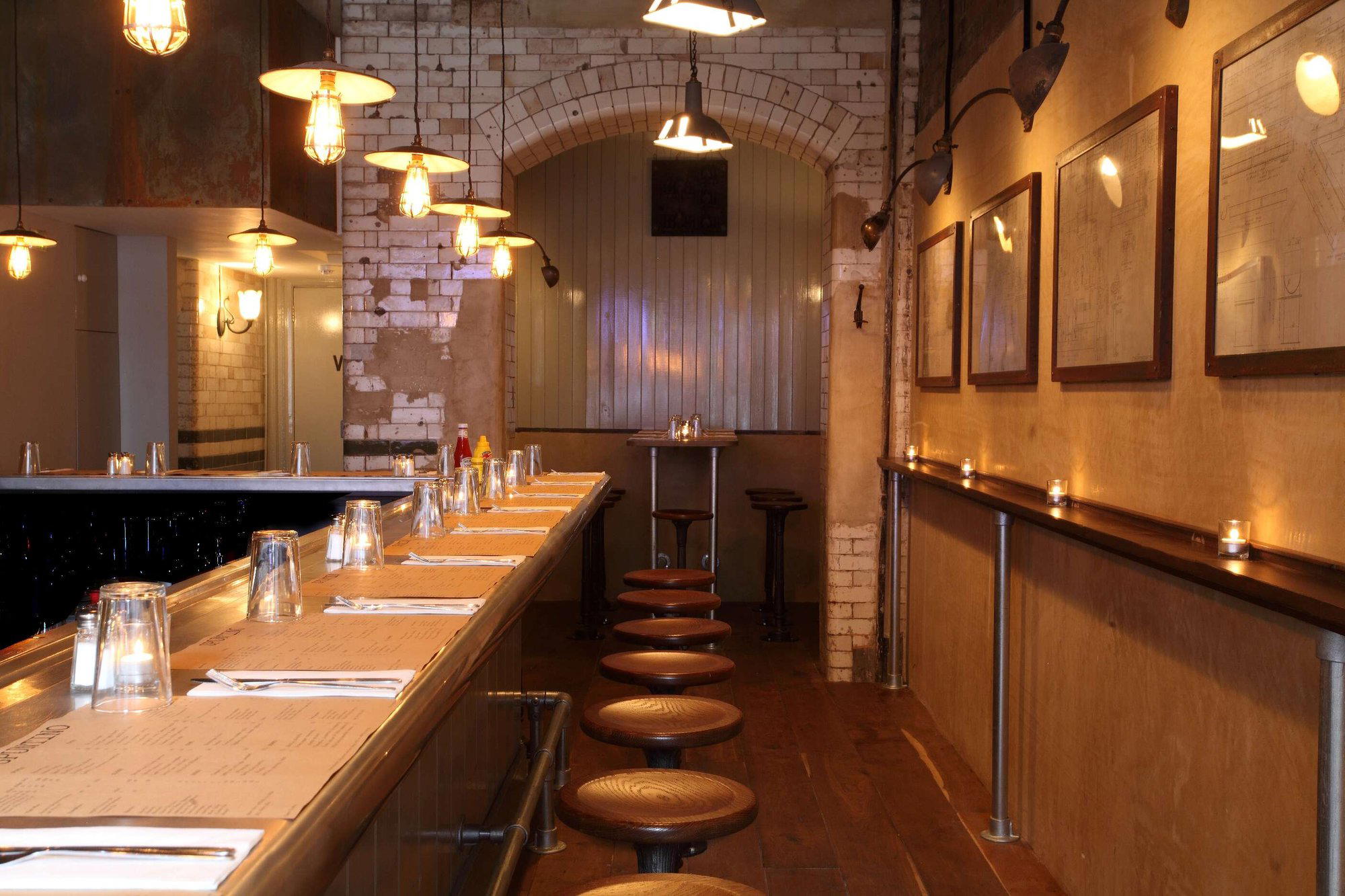
Soho's Counter-Dining Tradition and Where Spuntino Sits in It
If you eat one casual meal in Soho, make it at a counter with a drink in hand rather than a white-tablecloth room with a tasting menu. Spuntino is a permanently closed restaurant at 61 Rupert Street in London, and it was known for casual American Brooklyn Diner fare at about $30 per person. That distinction matters more in this neighbourhood than almost anywhere else in London. Soho has historically housed two parallel dining cultures: the formal Continental restaurants that once lined these streets in the post-war decades, and the looser, more international eating that replaced them as rents shifted and the neighbourhood's character evolved. Spuntino, at 61 Rupert Street, belongs firmly to the second tradition.
The broader shift in London's casual-dining scene over the past fifteen years has moved away from the bistro format toward counter seating, shared plates, and menus that resist easy national categorisation. Spuntino reflects that shift clearly. Its format borrows from New York's downtown bar-restaurant culture, the kind of place where the food is taken seriously but the room doesn't ask you to dress for it. In a city where the high end is represented by rooms like CORE by Clare Smyth, Sketch, The Lecture Room and Library, and Restaurant Gordon Ramsay, there is an argument for a place that operates without ceremony at the other end of the format spectrum.
The American-Italian Tradition Behind the Menu
The cuisine at Spuntino draws on a specific cultural lineage: the Italian-American cooking that developed in New York from the late nineteenth century onward, distinct from both its Italian source material and from the red-sauce trattoria format that became a London cliché. This is food shaped by immigration, adaptation, and the particular demands of a city that needed to eat quickly and affordably without sacrificing flavour. Dishes in this tradition tend toward the generous and the direct: cured meats, fried things, eggs used in ways that would surprise purists on either side of the Atlantic, and combinations that prioritise satisfaction over refinement.
That cultural context places Spuntino in an interesting position on London's dining map. The city's Italian restaurant scene has long been split between formal, often expensive rooms serving regional Italian cooking and cheaper, less considered pasta-and-pizza operations. The American-Italian register that Spuntino occupies sits outside both of those categories, which is part of why it found an audience when it opened. It was addressing an appetite that the existing offer wasn't meeting.
For context on how seriously London takes its higher-end cooking traditions, the broader UK restaurant scene includes destinations like The Fat Duck in Bray, L'Enclume in Cartmel, and Moor Hall in Aughton. Spuntino operates in a different register entirely, which is precisely the point.
The Room and the Experience
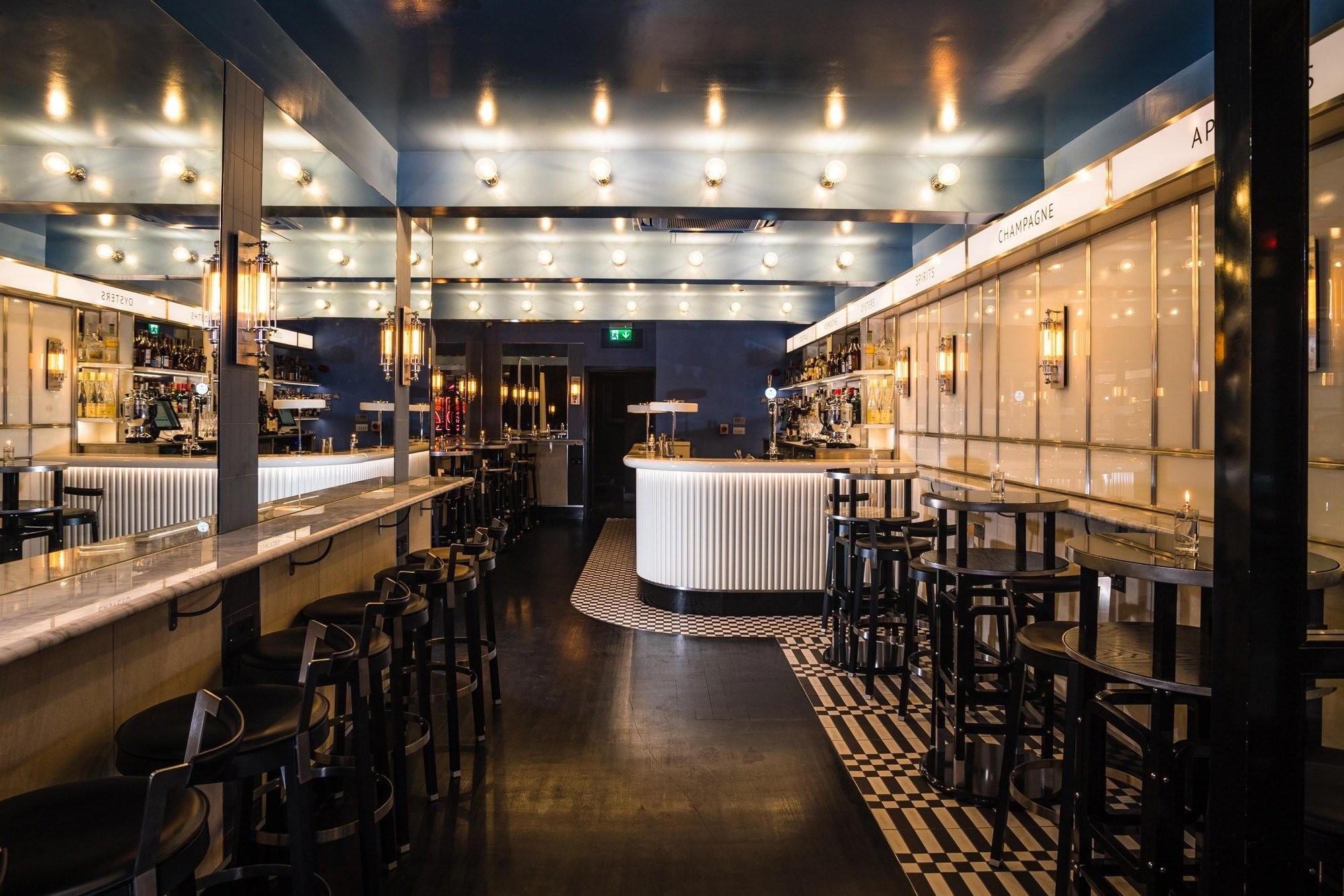
Counter seating defines the experience here in a way that goes beyond the physical arrangement. Eating at a counter collapses the distance between the kitchen and the guest, changes the pacing of service, and removes the social scaffolding of a table-for-two or a group booking. London has a number of venues that use counter formats to signal seriousness, including omakase rooms and tasting-menu bars. Spuntino uses the same format to signal the opposite: informality, accessibility, and the kind of meal that fits into an evening rather than defining it.
Rupert Street puts the restaurant in the heart of Soho proper, close enough to the theatre district to catch pre- and post-show traffic, and embedded in a neighbourhood that has a higher tolerance for queuing and shared spaces than most of London. The no-reservations policy is a deliberate position, not a logistical oversight. It keeps the room in a state of perpetual availability for walk-ins and prevents the kind of booking calculus that turns dinner into an administrative task. The trade-off is that peak hours require patience, and the room has a capacity limit that makes this a harder proposition for larger groups.
The broader London dining scene rewards forward planning for its high-demand rooms. The Ledbury and Dinner by Heston Blumenthal both require booking well in advance. Spuntino's no-reservation stance makes it one of the more spontaneous options in Soho at the mid-casual end of the market.
Where Spuntino Fits in London's Wider Scene
London's restaurant offer has expanded considerably over the past decade, and the casual end of the market has become more competitive, not less. Small-plates formats, natural wine lists, and counter seating are no longer differentiated propositions in the way they were when Spuntino opened. The question for any venue in this position is whether its food quality and atmosphere hold up as the novelty of the format fades. Spuntino's presence on Rupert Street suggests it maintained relevance through the cooking rather than the concept.
Compared to the formal dining options available across London, including countryside destinations like Gidleigh Park in Chagford, Hand and Flowers in Marlow, and Le Manoir aux Quat' Saisons, Spuntino represents the opposite end of the occasion spectrum. It was not a destination in the sense that those rooms are destinations. It was a local, a place you returned to rather than planned around, which in a city with as many options as London was a specific and defensible achievement. Spuntino is now permanently closed.
London restaurants, London hotels, London bars, London wineries, and London experiences cover the full range. For comparison with how casual counter formats have developed in other cities, the counter-seated tasting format at Atomix in New York City and the seafood institution Le Bernardin illustrate how differently the same city that influenced Spuntino's aesthetic has developed its own formal end.
Know Before You Go
Address: 61 Rupert Street, London W1D 7PW
Reservations: No reservations taken; walk-in only
Format: Counter seating, small plates, bar-restaurant
Neighbourhood: Soho, central London
Leading approach: Arrive early in the evening or late to avoid the longest waits at peak hours
Dress code: No formal requirement; the room is casual by design
Suitable for: Solo diners, pairs, small groups comfortable with counter seating; not well-suited to large parties
Price and Positioning
Comparable venues nearby, for context on price, style, and recognition.
| Venue | Cuisine | Price |
|---|---|---|
| SpuntinoThis venue — the venue you are viewing | Soho, American Brooklyn Diner | $$ |
| Big Easy | Chelsea, American BBQ & Lobster Shack | $$ |
| Bleecker St | Spitalfields, American Burgers | $ |
| Black Bear Burger | Clerkenwell, Modern American Burgers | $$ |
| Meat Liquor | Marylebone, American Burger Bar | $$ |
| Dirty Burger Vauxhall | Vauxhall, American Burgers | $ |



At a Glance
- Trendy
- Casual
- Industrial
- Whimsical
- Casual Hangout
- After Work
- Late Night
- Group Dining
- Open Kitchen
- Standalone
- Craft Cocktails
- Beer Program
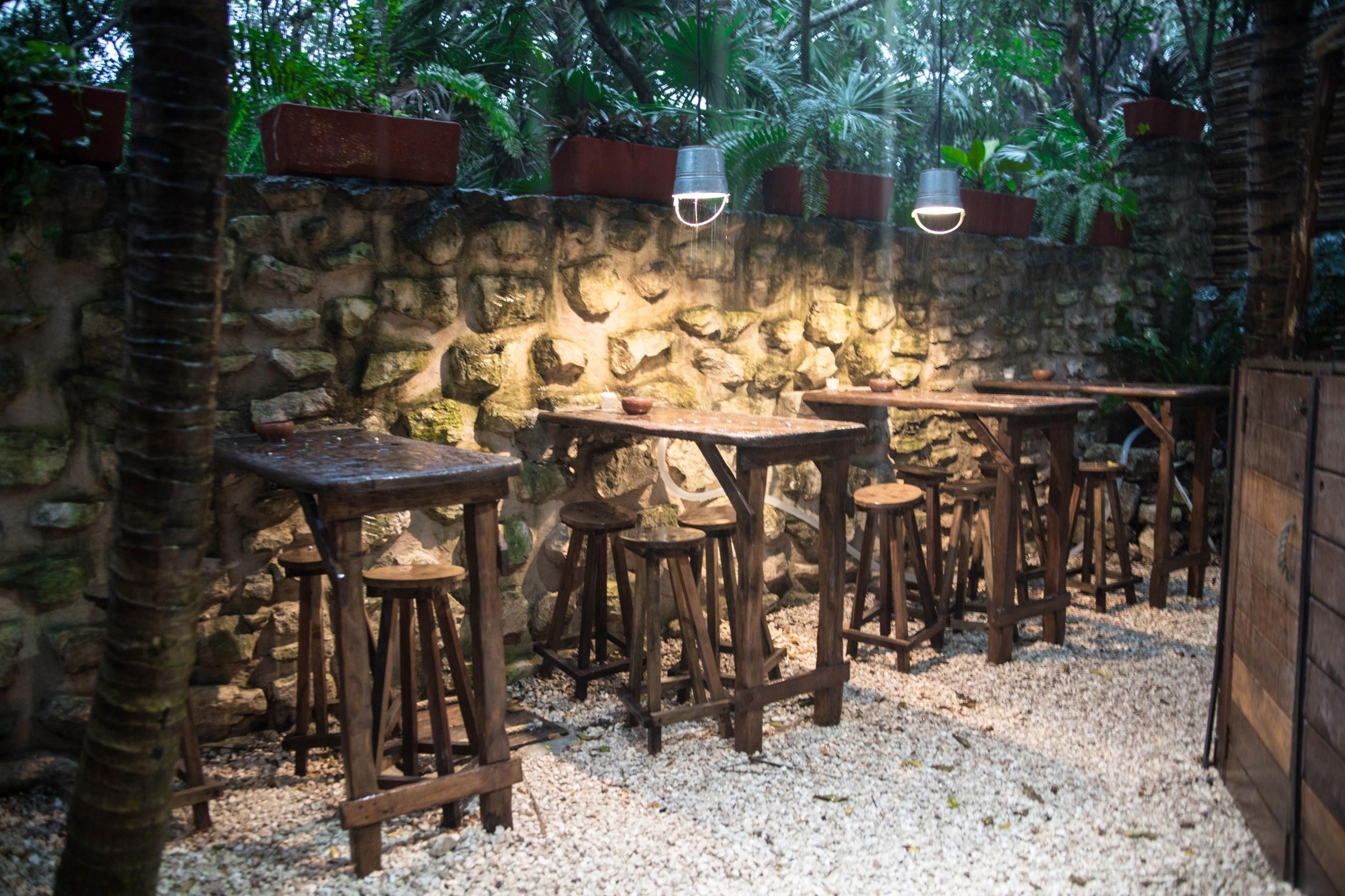
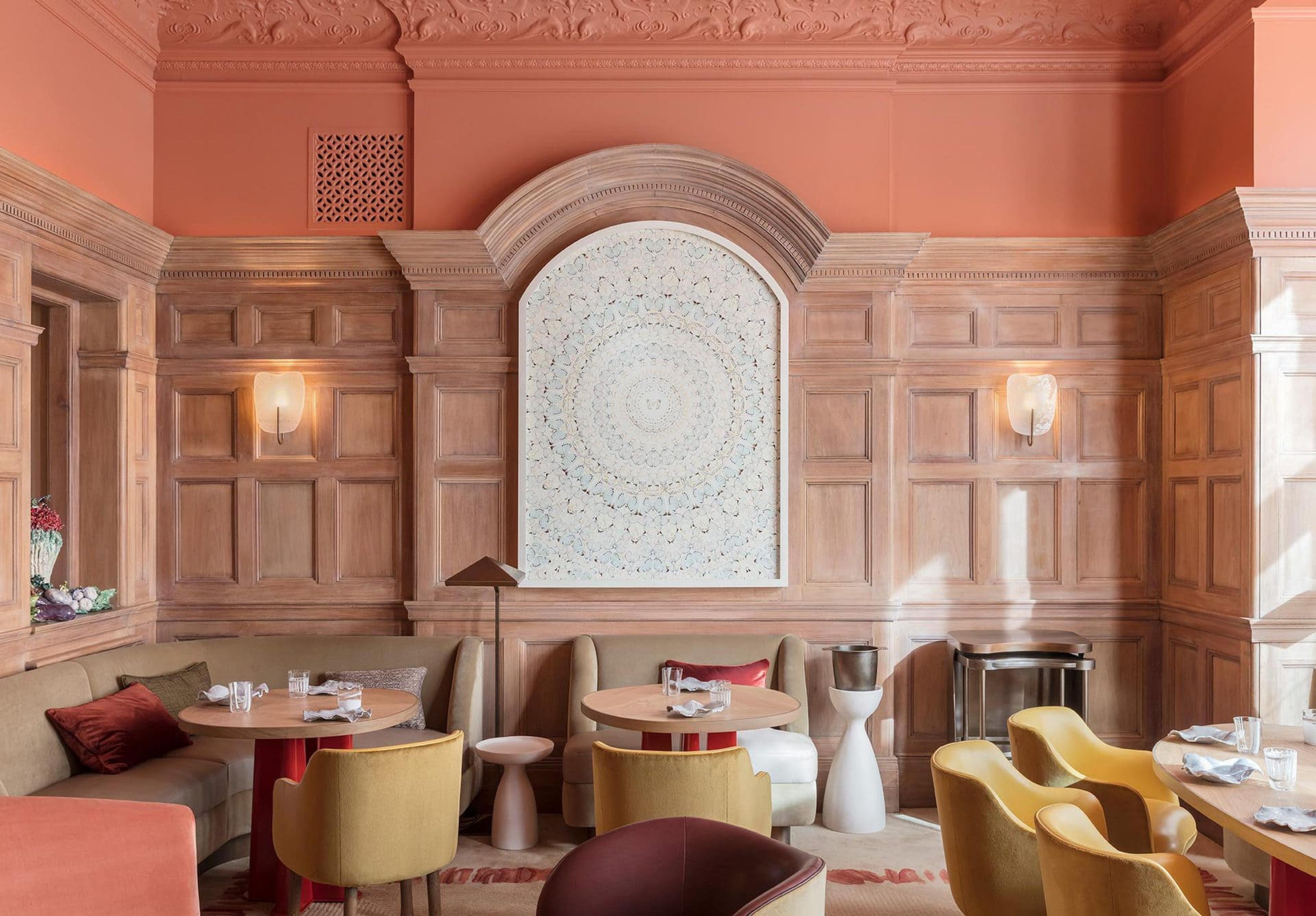
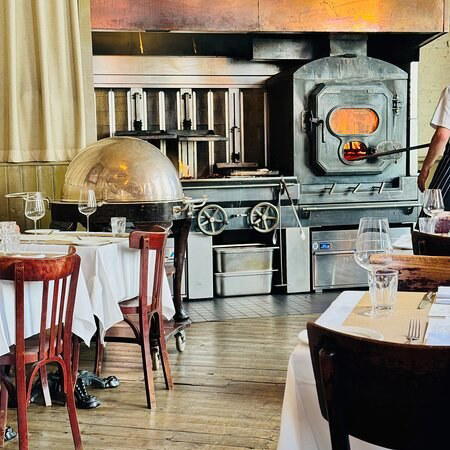
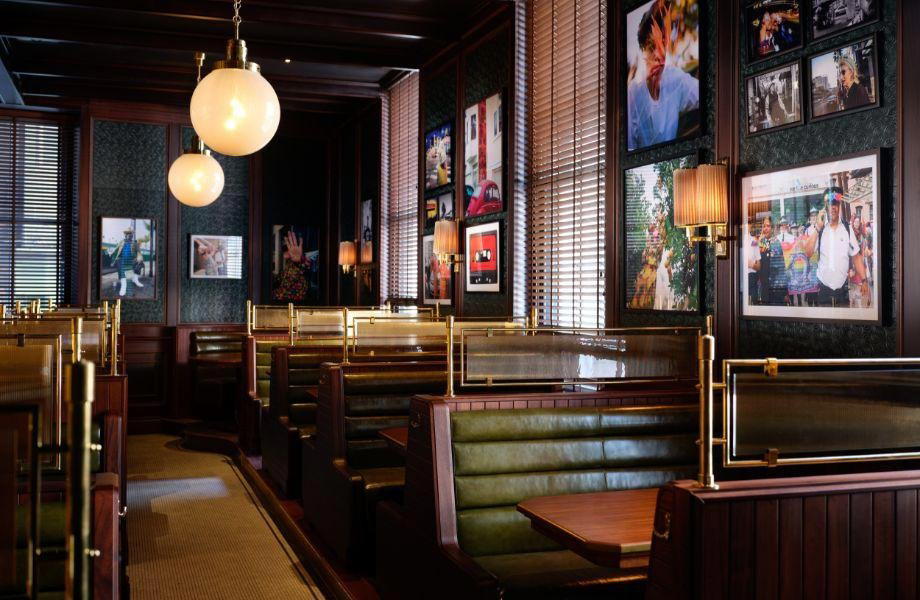
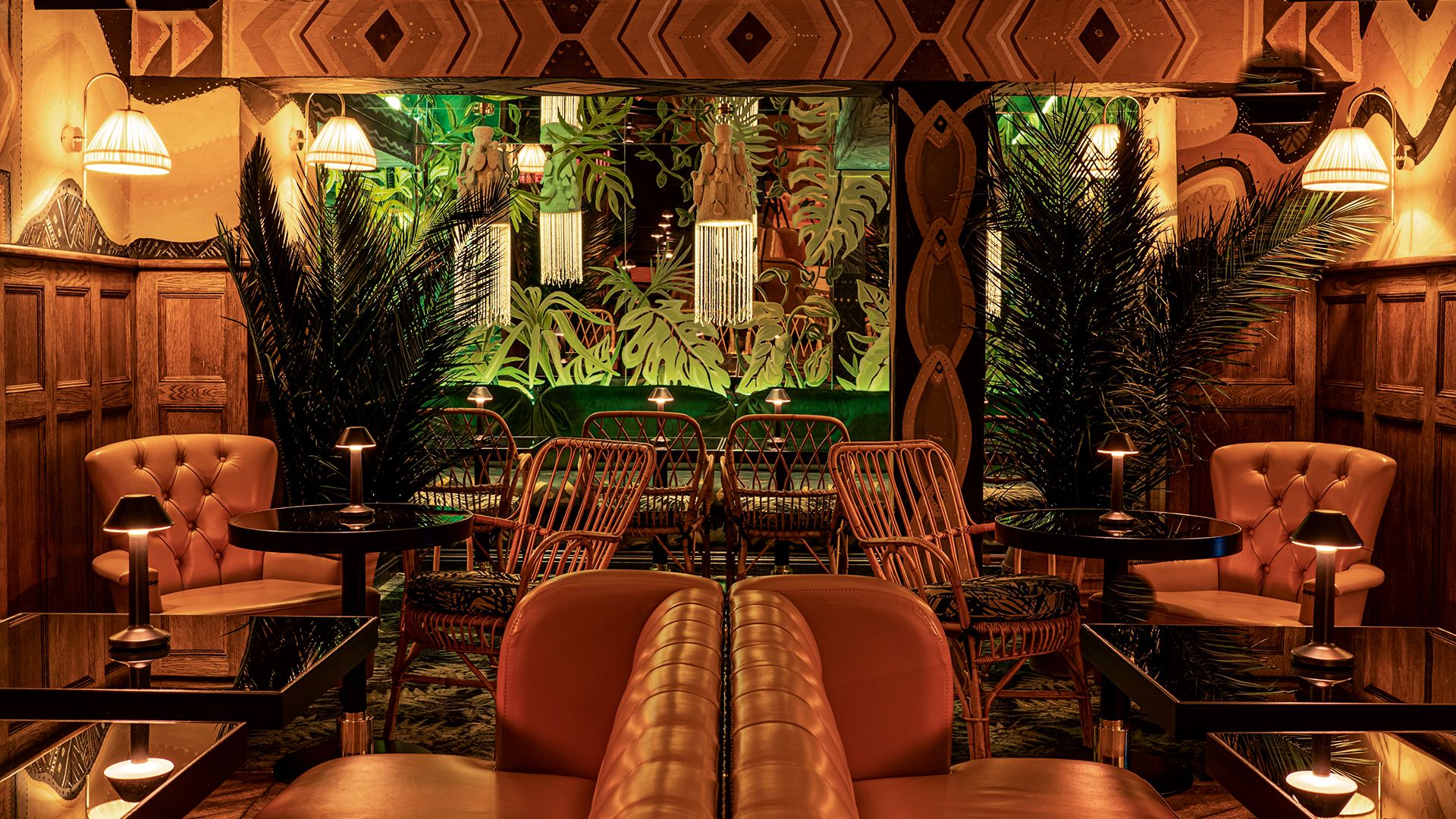
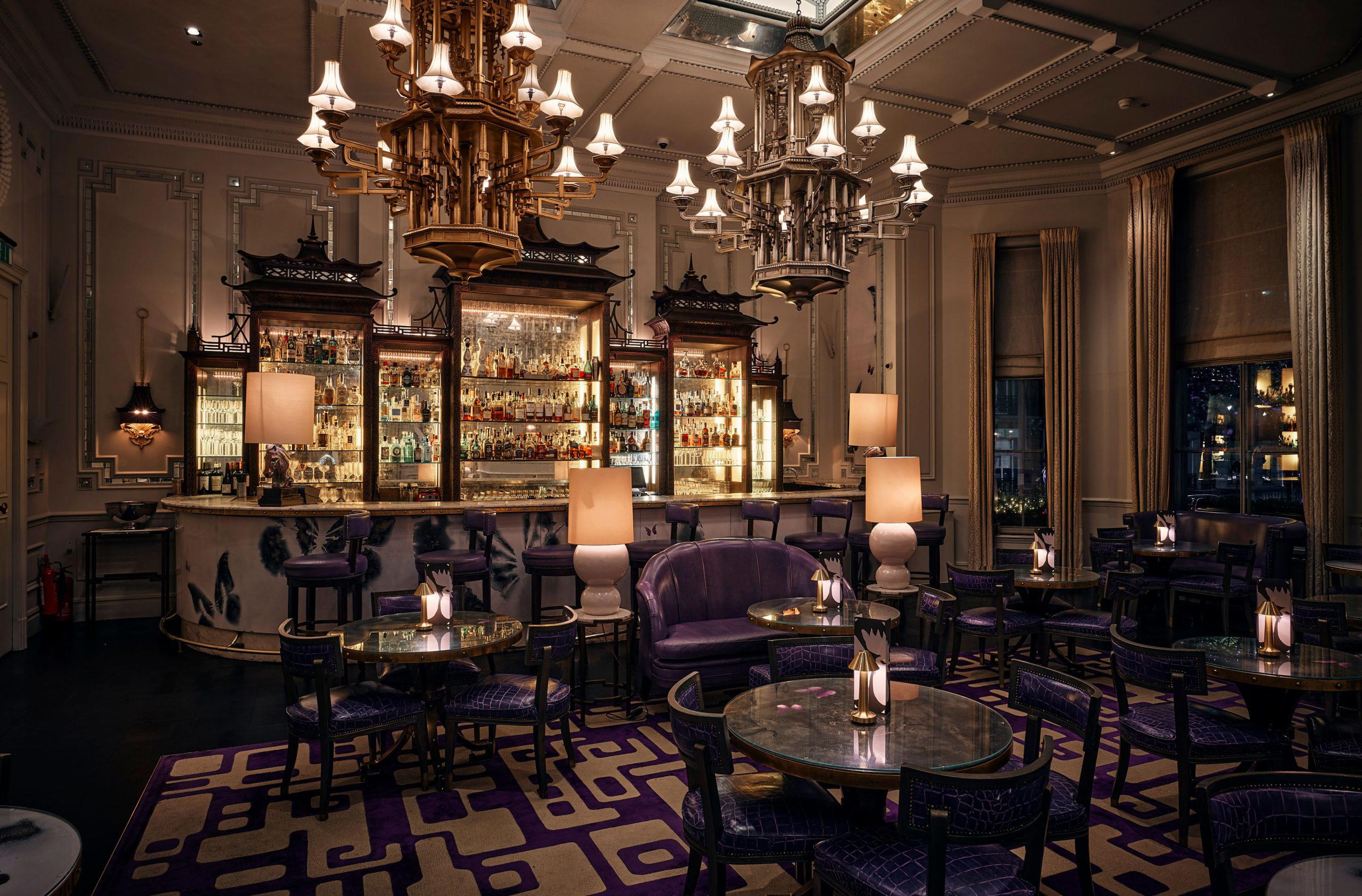
Low lighting with bare bricks, distressed tiles, pendant lighting, and a New York downtown aesthetic; eardrum-popping rock music and tattooed staff create an energetic, informal bar atmosphere.