
Michelin Bib Gourmand
Our verdict
On The Coombe in Dublin 8, Spitalfields occupies a historic pub building and earns its Michelin Bib Gourmand recognition, awarded in both 2024 and 2025, through cooking that is direct, seasonal, and priced within reach of a regular Tuesday dinner. Chef Naz Hassan steers a kitchen where dishes like oxtail and bone marrow Parker House rolls signal serious sourcing instincts inside a room that feels genuinely local rather than curated for visitors.

Pearl is the En Primeur Club membership app, where members save venues, book tables and use the concierge.
The menu
What to order
- Beef Cheek & Ox Tail Parker House Roll
- Iberico Pork Schnitzel
The Coombe and What It Tells You About Dublin 8
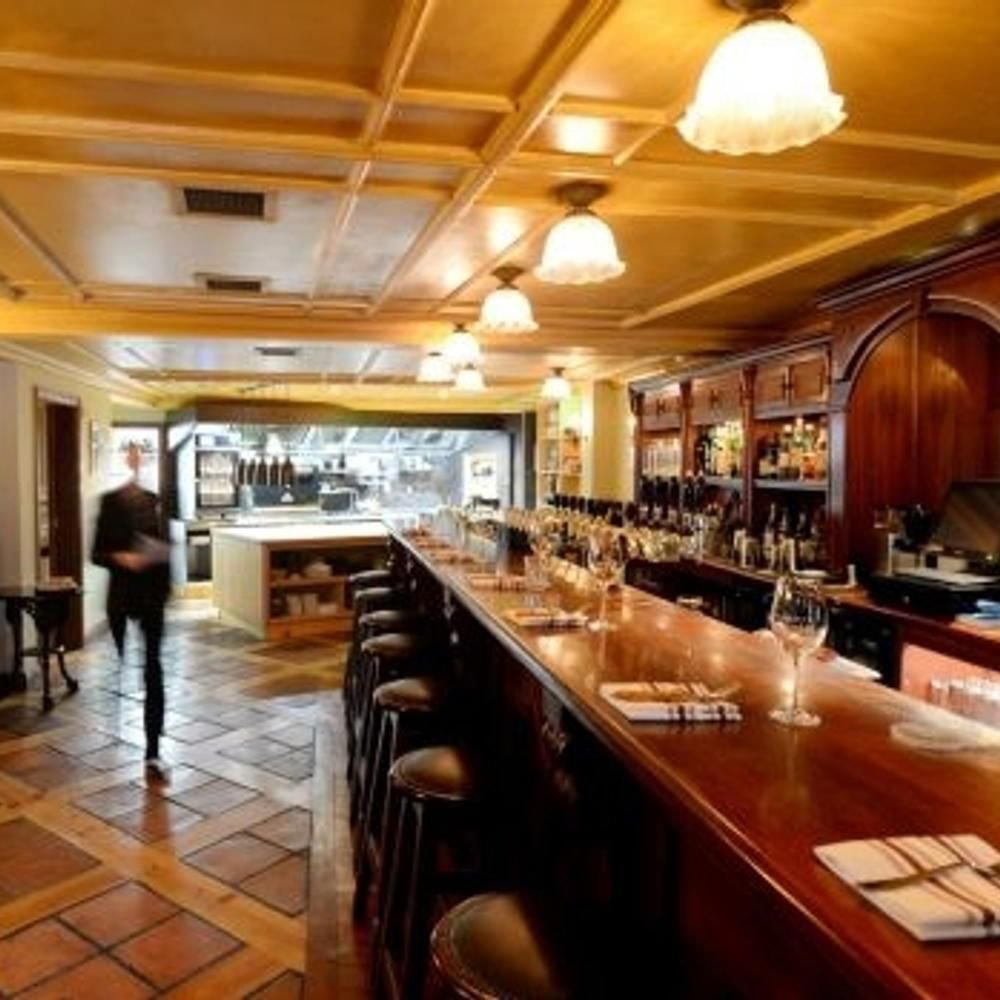
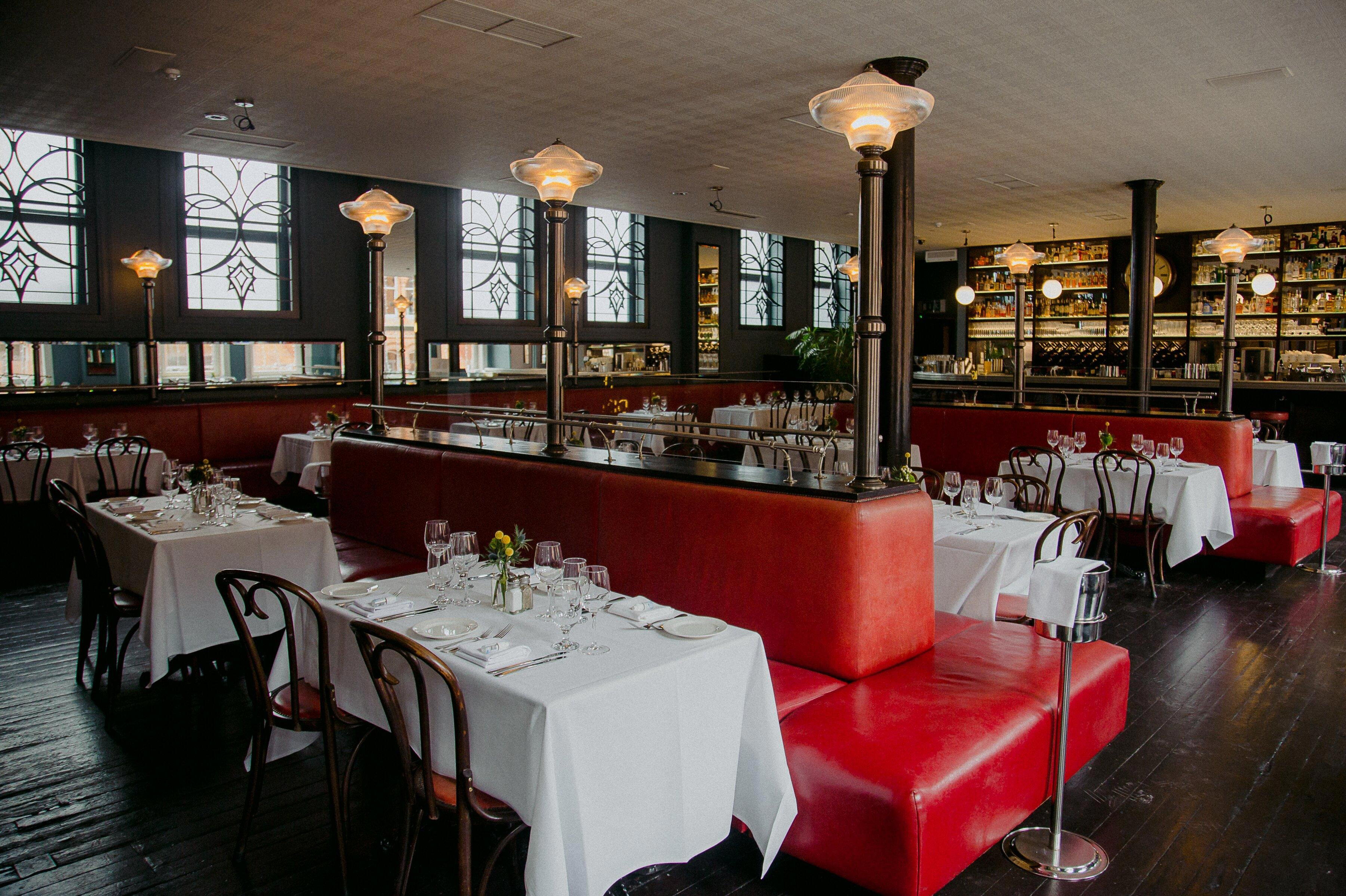
The stretch of road known as The Coombe sits at the southern edge of the Liberties, one of Dublin's oldest working districts, where the medieval city gave way to tanneries, wool weavers, and later the kind of dense neighbourhood life that the north Georgian squares never quite had. Pubs here were not destination venues, they were infrastructure. That history shapes how a room like Spitalfields reads the moment you step inside: the building carries genuine age rather than the reconstructed warmth you find in the tourist belt around Temple Bar. The bar is present and functional, the lighting runs toward amber, and the crowd on most evenings is local enough that the staff know several tables by name.
That atmosphere matters to the food question, because Irish pub cooking has split in recent years into two distinct camps. One is the gastropub register: imported charcuterie boards, thin-crust flatbreads, a predictable wine list. The other is something older and more specific, kitchens that treat the pub format as a reason to cook accessibly and without ceremony, using good Irish ingredients at a price point that does not require a special occasion. Spitalfields sits firmly in the second camp, and the Michelin Bib Gourmand recognition it received in both 2024 and 2025 reflects exactly that positioning: the designation goes to places offering quality cooking at moderate prices, not to those chasing tasting-menu ambition.
Ingredient Sourcing as the Kitchen's Actual Logic
The dish that appears most often in discussion of Spitalfields, oxtail and bone marrow Parker House rolls, is worth pausing on, because it encodes a sourcing philosophy more clearly than any mission statement could. Oxtail is a secondary cut, long-braised, collagen-rich, and deeply dependent on the quality of the animal it comes from. Bone marrow is similarly dependent on provenance: poor-quality marrow renders greasy and flavourless; good marrow from well-raised Irish beef is a different substance entirely. The Parker House roll format, a soft enriched bread that holds fat without disintegrating, asks the kitchen to execute a classic American bakery standard from scratch. The combination signals a kitchen that buys carefully, wastes deliberately little, and puts the unglamorous work in.
This approach to secondary cuts and whole-animal thinking is a through-line in the Irish food tradition that has recently found renewed expression across the country. Restaurants like Bastible in Dublin 8 and Aniar in Galway have built serious reputations around similar sourcing commitments, though both operate at higher price points and with more formal ambitions. What Spitalfields offers is the same underlying logic, source well, cook the whole animal, let Irish produce carry the dish, delivered at a €€ price range that positions it as an accessible weeknight choice rather than a considered occasion.
Chef Naz Hassan leads the kitchen here. In the context of a scene where provenance and producer relationships have become central to credibility, the fact that the menu's most-discussed dish depends on secondary beef cuts suggests a kitchen with direct relationships with butchers and suppliers rather than reliance on the standardised commodity supply chain that feeds most pub food in the city.
Where Spitalfields Sits in Dublin's Eating Hierarchy
Dublin's restaurant structure in 2025 runs from two-Michelin-starred rooms like Patrick Guilbaud and Chapter One by Mickael Viljanen at the apex down through a mid-tier of serious modern-Irish kitchens, Glovers Alley, D'Olier Street, and then into the broader accessible market. The Bib Gourmand tier, which Spitalfields occupies alongside a small cohort of Dublin addresses, is the category where Michelin essentially tells readers: this is where you eat well without the ceremony or the bill of a starred room. The recognition is harder to earn than it might appear; inspectors return multiple times before awarding it, and the consistency expectation is the same as for starred venues.
Across Ireland, the tradition of accessible cooking built on serious sourcing has strong regional representation. dede in Baltimore and Bastion in Kinsale work the same register in West Cork, while Campagne in Kilkenny and Liath in Blackrock push toward more formal territory from a similar values base. Terre in Castlemartyr extends that conversation into a hotel-restaurant format. The common thread across this cohort is a commitment to Irish produce that has moved from a marketing point to an actual kitchen discipline over the past decade.
Internationally, the Bib Gourmand format at a pub address has close relatives in places like Auberge Grand'Maison in Mûr-de-Bretagne and Auga in Gijón, both of which use traditional building types and accessible pricing to anchor cooking that is more considered than the format implies.
The Room, the Crowd, and the Practical Realities
Drinkers are welcome at the bar, but the Michelin notes are unambiguous: most people arrive for food.
The address, 25 The Coombe, Dublin 8, places it a walkable distance south of Christ Church Cathedral, within easy reach of the wider Liberties neighbourhood and the South Circular Road. For visitors staying in the city centre, this is a short taxi or a direct walk across the medieval city. For those planning a wider Dublin evening, the area around The Coombe connects naturally to the Liberties pub circuit and to the broader Dublin 8 dining scene, which has developed considerably over the past five years. If you are planning a trip and want to map out the full picture, our full Dublin restaurants guide covers the city's main neighbourhoods and price tiers, while our Dublin hotels guide, bars guide, wineries guide, and experiences guide cover the rest.
Booking in advance is advisable. The Michelin Bib Gourmand listing in consecutive years has increased awareness beyond the immediate neighbourhood, and the room, given the historic pub footprint, is not large. The €€ pricing means there is no psychological barrier to repeat visits, which in turn means regulars fill tables early in the week when destination-driven visitors stay away.
What People Recommend at Spitalfields
The oxtail and bone marrow Parker House rolls draw the most consistent recommendation across reviews and the Michelin notes, and they function as a reasonable proxy for the kitchen's overall register: secondary cuts, serious sourcing, confident technique applied to formats that are designed to eat rather than to photograph. The Michelin Bib Gourmand assessors note dishes that are fresh and full of flavour at good value, which in practice means a kitchen buying in season and cooking without unnecessary complexity. Chef Naz Hassan's menu reads as traditional Irish in foundation, rooted in the produce and preparations that have defined this country's food culture, executed with enough skill to earn two consecutive years of Michelin recognition. For visitors comparing options across Dublin's accessible mid-market, that consecutive recognition is the clearest available signal that the kitchen performs consistently rather than occasionally.
Comparable Options
A short peer table to compare basics side-by-side.
| Venue | Cuisine | Price | Awards | Notes |
|---|---|---|---|---|
| SpitalfieldsThis venue (the venue you are viewing) | Modern Irish Gastropub | $50–100 | Michelin Bib Gourmand | Not listed |
| Patrick Guilbaud | Modern French Fine Dining | $150–200 | 2 Michelin Stars · La Liste Top Restaurants | Irish - French, Modern French |
| Bastible | Modern Irish | $100–150 | 1 Michelin Star · The Sunday Times Ireland’s 100 Best Restaurants | Modern Cuisine |
| Host | Modern Italian | $50–100 | Michelin Plate | Nordic, Modern Cuisine |
| mae | Modern Irish Fine Dining | $50–100 | Michelin Plate · The Sunday Times Ireland’s 100 Best Restaurants | Southern, Modern Cuisine |
| Matsukawa | Authentic Edomae Omakase | $100–150 | Michelin Plate · La Liste Top Restaurants | Kaiseki, Japanese |
Recognition history
Dated appearances from independent guides and award organizations, with the underlying list record or original source where available.
Michelin Bib Gourmand
Michelin
Full recognition history (3 entries)
Michelin Bib Gourmand
Michelin
Michelin Bib Gourmand
Michelin
Continue exploring
More in Dublin
Restaurants in Dublin
All restaurants in Dublin →
Bars in Dublin
All bars in Dublin →

Details
- Cozy
- Lively
- Intimate
- Rustic
- Casual Hangout
- Date Night
- Group Dining
- Open Kitchen
- Historic Building
- Craft Cocktails
- Beer Program
- Local Sourcing
- A La Carte
- Small Plates
- Whiskey
- Craft Beer
- Vegetarian Friendly
- Vegan Options
Current opening hours
- Monday
- Closed
- Tuesday
- 5–9 PM
- Wednesday
- 5–9 PM
- Thursday
- 5–9 PM
- Friday
- 5–9 PM
- Saturday
- 5–9 PM
- Sunday
- Closed
Hours can change for holidays and private events. Hours as of .
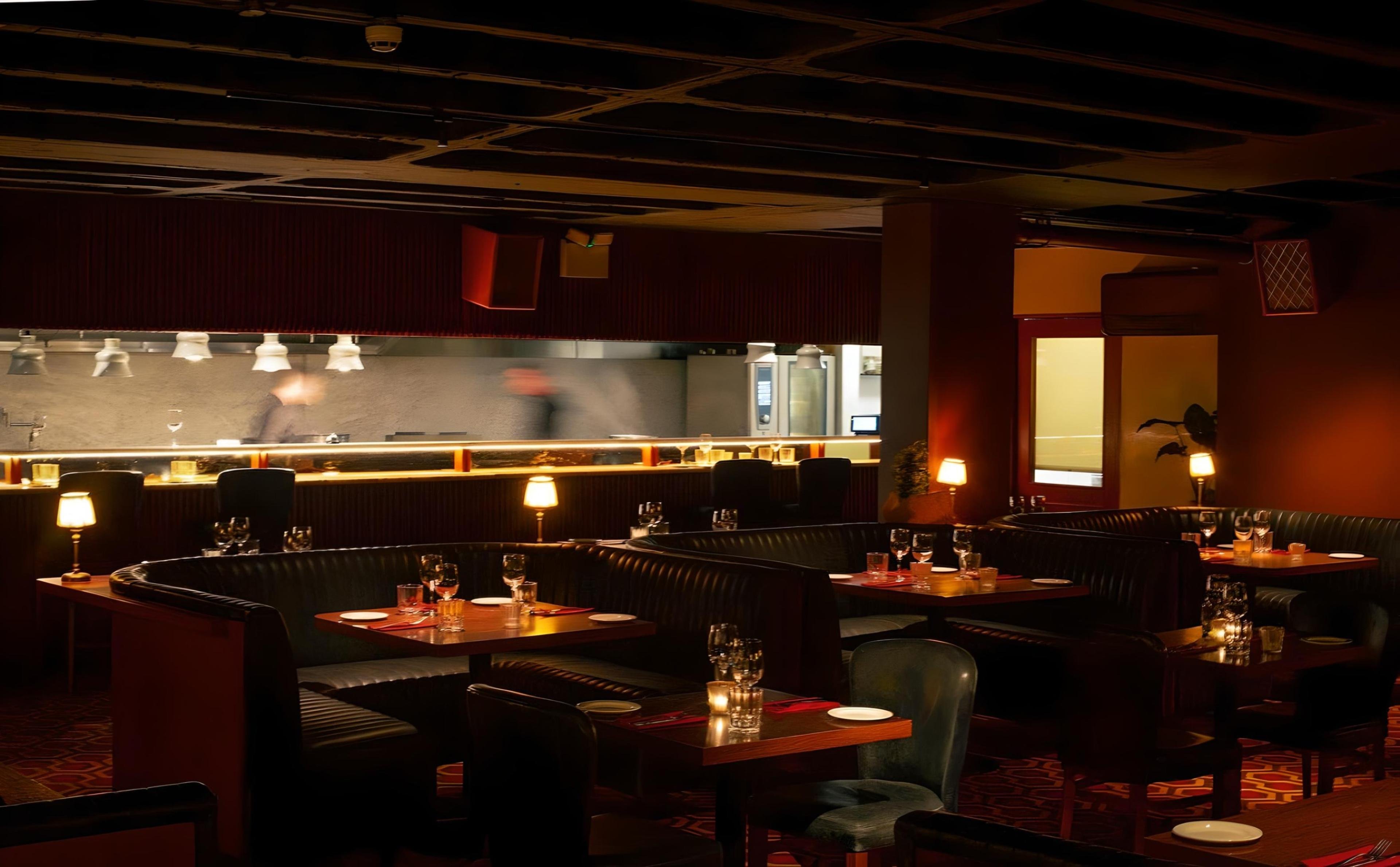
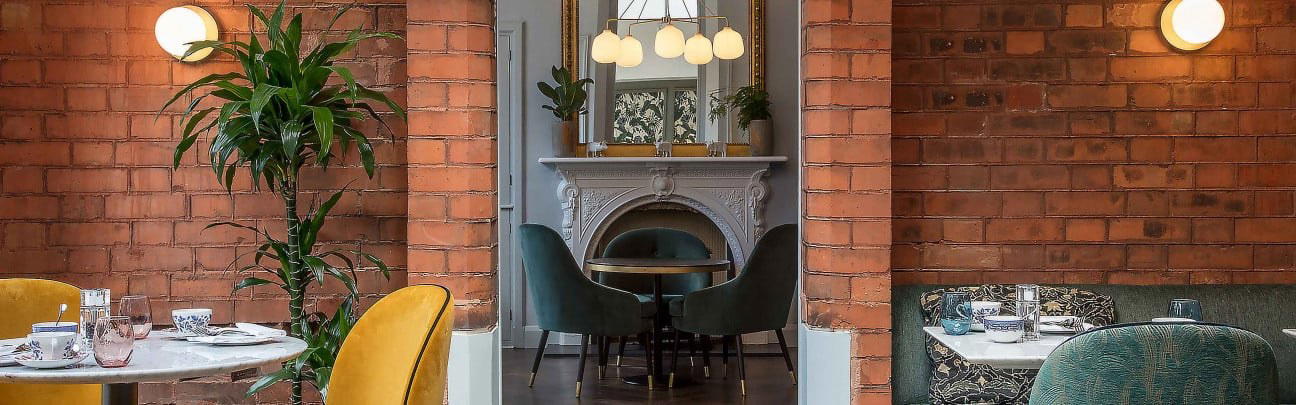
Low lighting, wooden tables, lived-in pub feel with open kitchen and welcoming warmth.