Sépia

Sépia holds a Michelin Plate (2025), making it one of the more credentialed modern cuisine addresses in Valras-Plage. The mid-range price point (€€) positions it as a serious kitchen without the formality of a destination restaurant, well-suited to the relaxed coastal register of this Languedoc resort town.
Pearl is the En Primeur Club membership app — saves, bookings, and concierge access live there. Same editors, same standards.
- Address
- RESTO VALRAS Le Sépia, 28 Rue Frédéric Mistral, 34350 Valras-Plage, France
- Phone
- +33 7 64 36 81 11
- Website
- restaurant-sepia-valras.fr
- Directions
- Get directions
 Saves & bookings on Pearl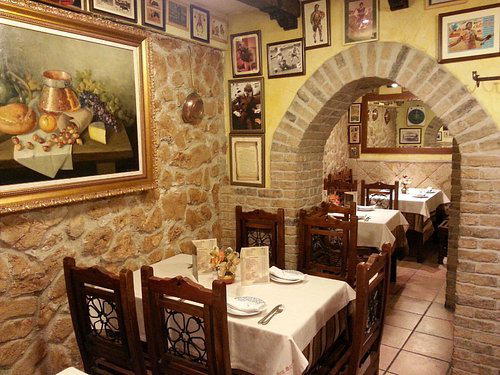
Modern Cuisine on the Languedoc Coast
The Hérault coastline has never competed with the Riviera for culinary prestige, and Valras-Plage has historically been content as a low-key summer resort at the mouth of the Orb river, drawing French families rather than food tourists. That makes Michelin Plate recognition at Sépia, a restaurant on Rue Frédéric Mistral, worth paying attention to. The Plate, awarded in the 2025 guide, signals cooking that takes its ambitions seriously. In a town where most dining options lean toward seafood terraces and brasserie classics, a kitchen earning guide recognition changes the calibre of options available.
The Setting: Coastal Town, Considered Room
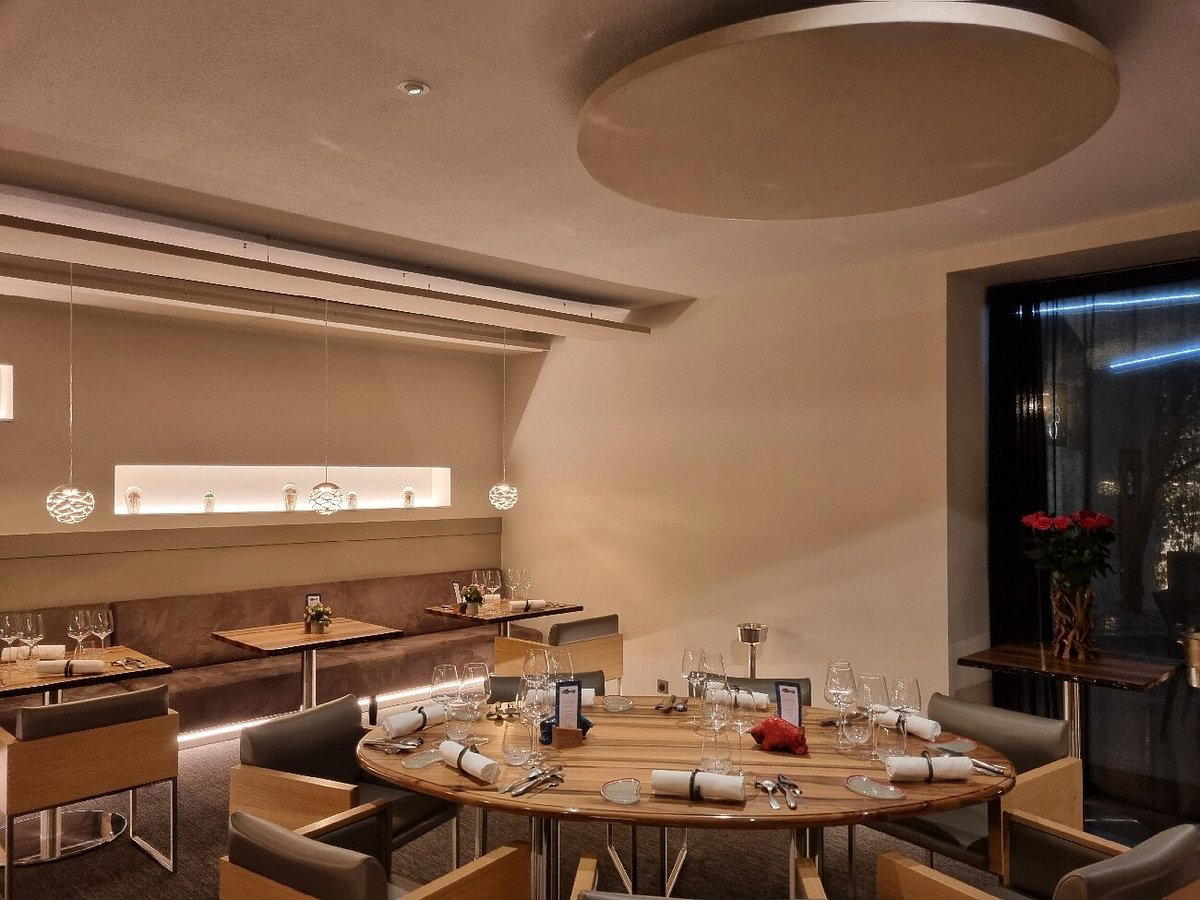
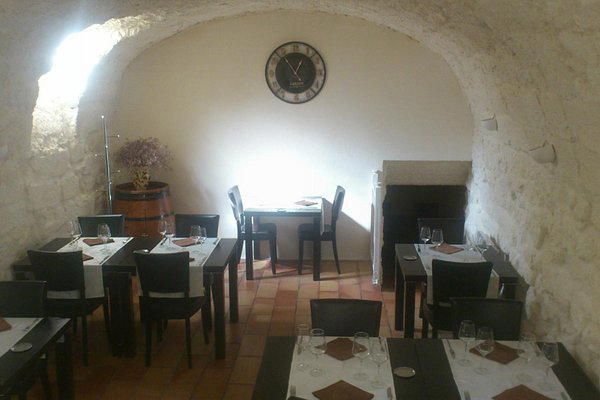
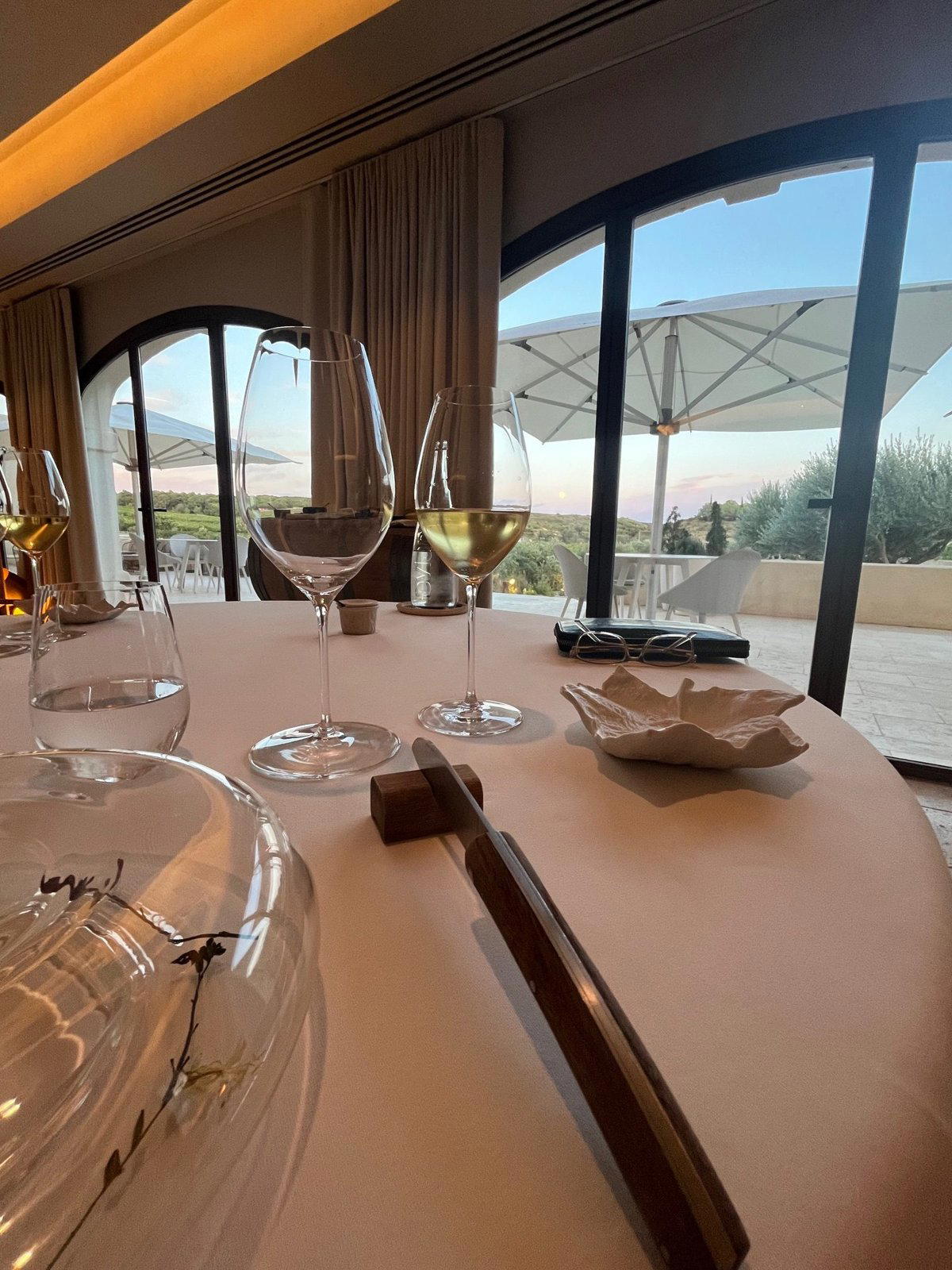
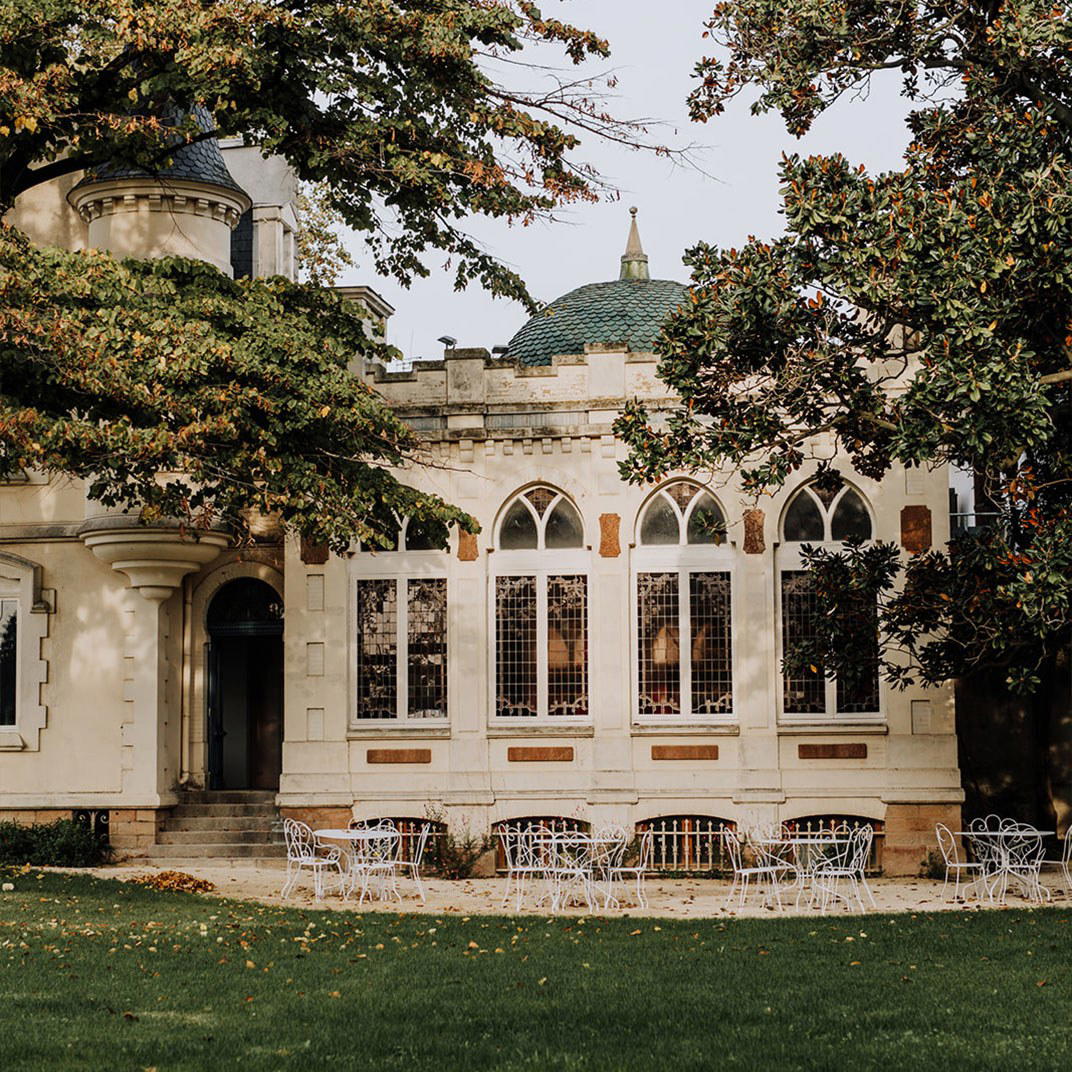
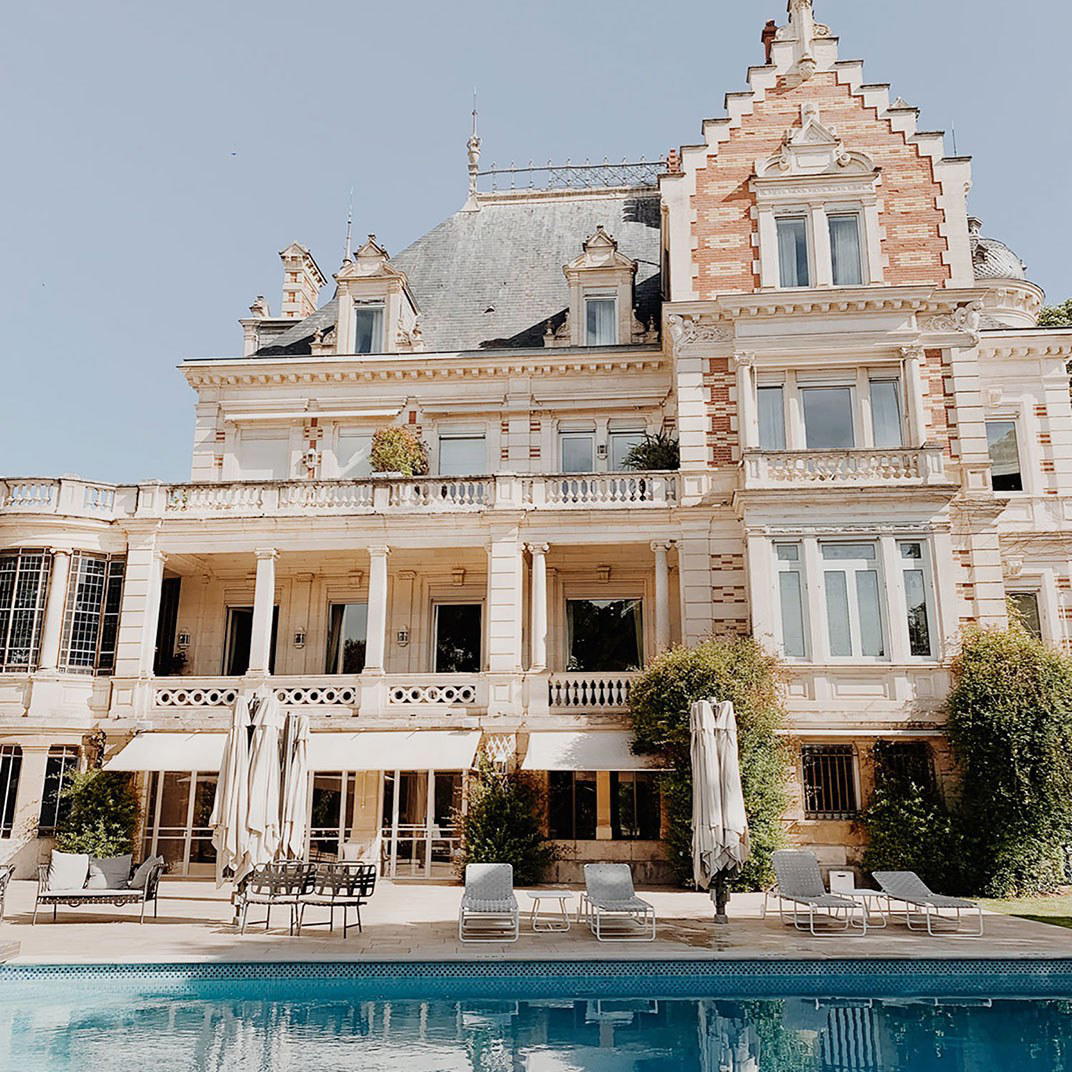
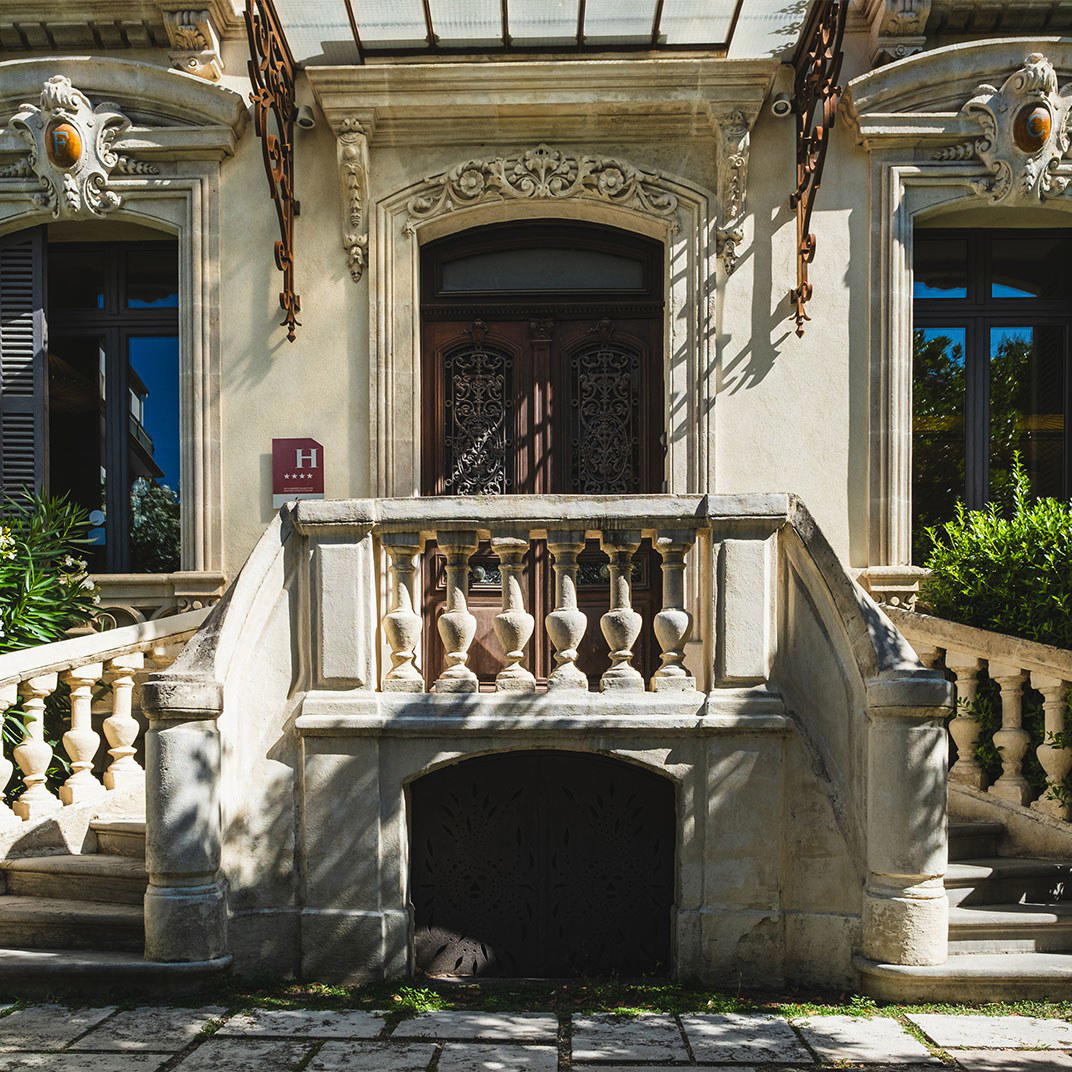
Valras-Plage is a place where the architecture tends toward functional rather than picturesque, the streets oriented to summer traffic and beach access. On Rue Frédéric Mistral, Sépia occupies a position slightly removed from the waterfront noise, which gives the dining room a degree of calm that beachside addresses in the area typically lack. The Mediterranean is close enough to frame the broader context of the meal, the maritime air, the proximity to fishing activity, the rhythm of a town that operates seasonally, without the restaurant itself performing nautical theatrics. For the Languedoc coast, that restraint is notable. The €€ price range makes it a mid-market choice, where a full dinner for two with wine is still within reach.
What the Michelin Plate Signals About the Kitchen
France's Michelin guide uses the Plate designation to mark restaurants where the food quality is worth noting but where the full star framework does not yet apply. It is less a consolation award than an early-stage credential, and in the 2025 guide its presence at Sépia places the kitchen in a different competitive bracket than the surrounding coastal options. For context, the regional tradition of serious modern cuisine in southern France runs from addresses like AM par Alexandre Mazzia in Marseille through to the Languedoc interior, where Auberge du Vieux Puits in Fontjoncouse has held three stars. Sépia is not in that tier, but its Plate signals a kitchen operating above the level of most coastal resort restaurants in the department.
Ingredient Sourcing and the Languedoc Context
The editorial angle that matters most for modern cuisine in this part of France is where the food comes from. The Hérault sits at a confluence of serious food-producing territory: the Mediterranean supplies bream, sea bass, octopus, and shellfish through local landing points including the nearby port at Valras itself. The Languedoc interior, within an hour's drive, produces lamb from the Lozère garrigue, market vegetables from the Gard plain, and wild mushrooms from the Cévennes slopes in season. A kitchen holding Michelin recognition in this location has access to ingredient networks that a comparable restaurant in a less biodiverse region would not. The question that a Michelin Plate prompts, and that any serious diner should ask, is how deliberately that sourcing is used. Modern cuisine as a category in France increasingly signals a kitchen that is making choices about where its proteins, produce, and dairy originate, not simply ordering from a national wholesale catalogue. In 2025, that distinction separates the guide-listed from the merely competent.
For comparison, the approach taken at high-end modern French houses like Mirazur in Menton or Flocons de Sel in Megève shows how deeply embedded sourcing can become a defining feature of a restaurant's identity. Those are three-star properties operating at a different scale and price point, but they illustrate a trajectory for modern cuisine kitchens that take ingredient provenance seriously. At the €€ level, the same underlying philosophy can operate without the prestige pricing: it simply means the kitchen is selective about suppliers, attentive to seasonality, and willing to build its menu around what the region is actually producing at a given time of year rather than what a fixed menu requires year-round.
Valras-Plage in the Broader French Dining Map
The Languedoc coast sits outside the standard French fine dining circuit. The Loire, Burgundy, Alsace, and the Riviera all draw more international dining attention; the Languedoc has tended to be valued for its wine rather than its restaurant culture. That is changing, gradually, as kitchens in Montpellier and the surrounding departments accumulate guide recognition and as the region's ingredient quality gains wider acknowledgment. Sépia is part of that pattern: a smaller, coastal expression of modern cuisine earning guide recognition in a location that has not historically been on the radar of travelling food writers. The broader French tradition represented in our coverage, from Alléno Paris au Pavillon Ledoyen to Bras in Laguiole and Auberge de l'Ill in Illhaeusern, maps a country where serious cooking appears in unexpected postcodes, not only in the established prestige corridors. Troisgros in Ouches, Paul Bocuse in Collonges-au-Mont-d'Or, and Assiette Champenoise in Reims all demonstrate that the geography of French culinary ambition has never been confined to Paris. Valras-Plage is, by that measure, a legitimate entry on a map that is more distributed than the standard narrative suggests.
Planning Your Visit
Sépia is located at 28 Rue Frédéric Mistral, 34350 Valras-Plage. The €€ pricing makes it accessible for a midweek dinner or a post-beach evening meal without requiring the advance planning of a destination reservation, though summer weekends in a seasonal resort town will move availability quickly. Reservations are recommended, and the restaurant's hours are Mon: Closed; Tue: 12-10 PM; Wed: Closed; Thu: 12-10 PM; Fri: 12-10 PM; Sat: 12-10 PM; Sun: 12-2 PM. Valras-Plage itself is a compact town, and the restaurant sits within easy reach of the main accommodation options; see Valras-Plage hotels guide for where to base yourself. For the broader picture of what to do in the area, experiences guide, bars guide, and wineries guide cover the surrounding options.
At-a-Glance Comparison
Comparable venues nearby, for context on price, style, and recognition.
| Venue | Cuisine | Price | Awards | Notes |
|---|---|---|---|---|
| SépiaThis venue — the venue you are viewing | Modern French Seafood | $$$ | Michelin Plate | Not listed |
| Aliro | Modern French Mediterranean Fine Dining | $$$ | Michelin Plate | Préfecture |
| ME. | Modern French Bistro | $$$ | Michelin Plate | Limoux |
| Relais Chantovent | Traditional French Languedoc Cuisine | $$$ | Michelin Plate | Minerve village center |
| Auberge de l'Abbaye | French Regional Bistro | $$$$ | Michelin Plate | Villemagne-l'Argentière |
| Chardon | Modern French Chef-in-Residence Bistro | $$$ | Michelin Plate | Centre Historique |
Recognition history
Dated appearances from independent guides and award organizations, with the underlying list record or original source where available.
Michelin Plate
Michelin
Michelin Plate
Michelin
Continue exploring
More in Valras-Plage
Restaurants in Valras-Plage
Browse all →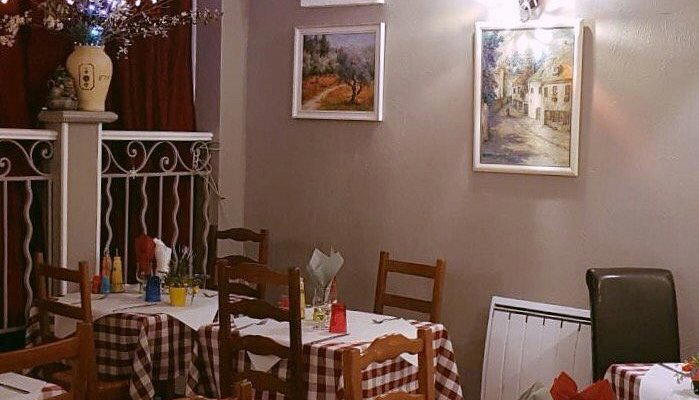
At a Glance
- Cozy
- Elegant
- Modern
- Date Night
- Family
- Special Occasion
- Terrace
- Extensive Wine List
- Local Sourcing
Current opening hours
- Monday
- Closed
- Tuesday
- 12–10 PM
- Wednesday
- Closed
- Thursday
- 12–10 PM
- Friday
- 12–10 PM
- Saturday
- 12–10 PM
- Sunday
- 12–2 PM
Hours can change for holidays and private events. Last verified .
Simple marine-themed decor with a functional yet cozy atmosphere, warm welcome, and terrace seating.