Auberge de l'Abbaye

Michelin Plate
Our verdict
Auberge de l'Abbaye holds a 2025 Michelin Plate in Villemagne-l'Argentière, a medieval village in the Hérault that sees a fraction of the tourist traffic its Languedoc neighbours attract. The kitchen works in the French traditional register at a €€ price point, making it one of the more accessible entry points into Michelin-recognised cooking in the Occitanie region.

Pearl is the En Primeur Club membership app, where members save venues, book tables and use the concierge.
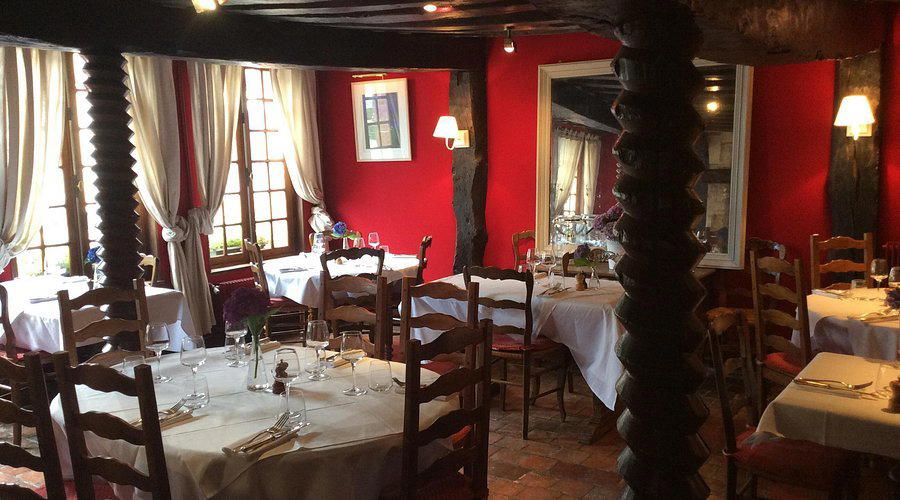
A Medieval Setting and What It Demands of the Kitchen
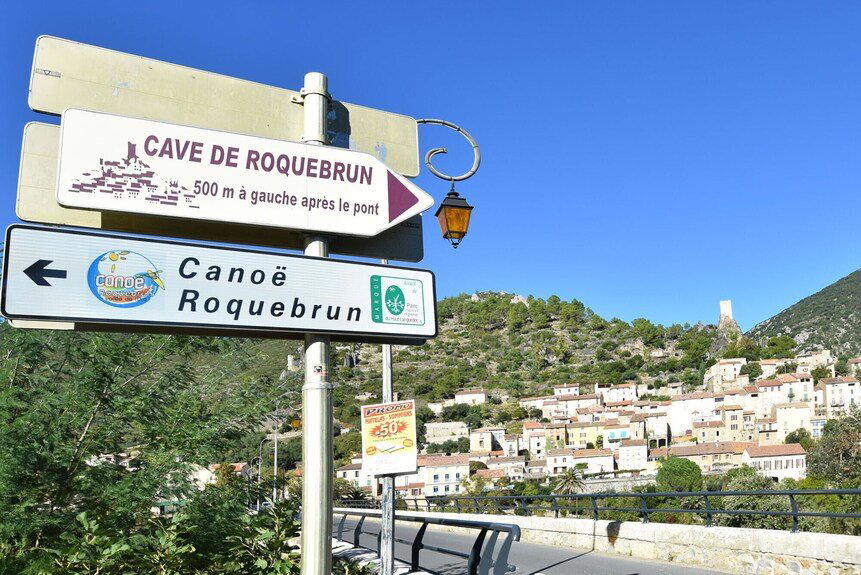
Villemagne-l'Argentière sits in the Orb valley, roughly midway between Béziers and the Espinouse highlands, its stone streets and Romanesque abbey church forming the kind of built environment that hasn't changed materially in centuries. Arriving at the Auberge de l'Abbaye means pulling up to a square framed by that abbey, where the building itself carries the physical memory of the village's monastic past. The setting places an implicit demand on any kitchen operating within it: food that reads as belonging here, sourced and cooked in a way that connects to the surrounding land rather than importing a metropolitan register wholesale.
That demand is not unusual in rural Languedoc. The region's food identity has long been rooted in what the terrain produces directly: lamb from the garrigue, wild herbs picked from limestone hillsides, fish from the étangs near the coast, and the braised, slow-cooked preparations that make use of tougher cuts and root vegetables. The Michelin Plate the kitchen earned in 2025 doesn't signal creative rupture; it signals that the cooking meets a threshold of competence and consistency within its chosen register, which here is Traditional Cuisine at a €€ price point. That positioning puts it in a different conversation from, say, Mirazur in Menton or Alléno Paris au Pavillon Ledoyen in Paris, where creative ambition and four-figure bills define the experience. The Auberge operates closer to the register of Auberge du Vieux Puits in Fontjoncouse or Bras in Laguiole in terms of geographic rootedness, though at a considerably more modest price.
What the Ingredient Logic Looks Like in This Part of Occitanie
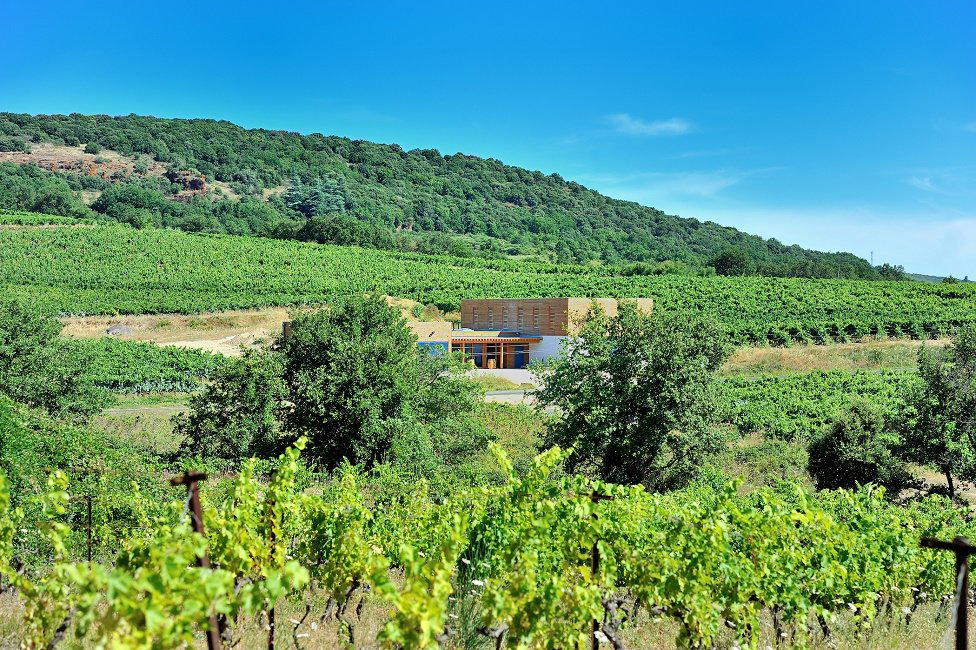
Traditional Cuisine, as Michelin defines it, is a category that rewards kitchens working with regional supply chains rather than against them. In the Hérault, that means proximity to both Mediterranean produce corridors and the inland hill-farming country of the Espinouse and the Caroux. Villages in this zone have historically drawn on lamb and pork from small farms in the highlands, seasonal vegetables from market gardens in the valley floors, and wild herbs, thyme, rosemary, savory, that grow on the dry limestone causse immediately above the valley.
The Orb valley also sits within reasonable reach of the Languedoc coast, which means fish and shellfish from the Gulf of Lion can appear on menus without travelling implausibly long distances. That coastal-inland duality is characteristic of Occitanie cooking more broadly, and it gives kitchens in villages like Villemagne-l'Argentière a wider larder than their remoteness might suggest. Restaurants working this supply geography well tend to build menus around what is available week by week rather than locked seasonal templates, which is part of what makes Traditional Cuisine in rural France genuinely different from the same label applied in a city.
For context on how other kitchens in France's more remote or rural settings handle the same challenge, Flocons de Sel in Megève and Troisgros - Le Bois sans Feuilles in Ouches both demonstrate what sustained commitment to local supply can produce at the starred level. The Auberge de l'Abbaye operates in a less refined price tier, but the underlying logic of sourcing from what surrounds you is the same.
The Atmosphere and Who This Place Is For
The physical environment shapes the experience considerably. Dining next to a Romanesque abbey in a village of a few hundred inhabitants is not the same as dining in a converted farmhouse on the edge of a market town. The square in front of the Auberge is quiet in a way that most French restaurant settings are not: no traffic noise, no pedestrian crowd, the stone absorbing rather than amplifying sound. Lunch here in summer, when the light comes down hard on pale limestone and the abbey's shadow crosses the square in the afternoon, is a particular kind of Languedoc experience that the food should be read in relation to.
That consistency matters when you're planning a trip specifically around a meal: Auberge Grand'Maison in Mûr-de-Bretagne and Au Crocodile in Strasbourg demonstrate what sustained quality looks like at the Michelin-recognised level in similarly rooted French settings. The Auberge de l'Abbaye operates at a less formal register, but the review signal suggests the kitchen holds its standard reliably.
Families with children are a natural fit here. The traditional register, the outdoor setting, the relaxed pace of a village square, and the €€ price point all work in favour of a meal that doesn't require strict adult formality.
Planning Your Visit
Villemagne-l'Argentière is most accessible by car. The village lies in the Hérault interior, and public transport connections are limited; driving from Béziers takes under an hour, and from Montpellier roughly ninety minutes, depending on the route through the valley. The surrounding area has enough to occupy a full day: the Orb river, the Espinouse plateau, and the medieval towns of Saint-Pons-de-Thomières and Lamalou-les-Bains are all within range. For those planning an overnight stay, our full Villemagne-l'Argentière hotels guide covers the local accommodation options. The village and its surrounding area are also covered in our full Villemagne-l'Argentière restaurants guide, bars guide, wineries guide, and experiences guide.
The €€ price point makes the Auberge de l'Abbaye one of the more accessible Michelin Plate addresses in the Languedoc. Booking ahead is advisable, particularly in summer and during the shoulder season when the village receives more visitors.
Frequently asked questions
Is Auberge de l'Abbaye child-friendly?
The village setting and traditional cuisine format at this Michelin Plate-recognised address suit families who eat together rather than separately. Villemagne-l'Argentière itself is a quiet, walkable medieval village, so the pace before and after a meal works well for children. Confirm specific arrangements directly when booking, as hours and menu flexibility are not published online.
What should I expect atmosphere-wise at Auberge de l'Abbaye?
The restaurant sits at 4 Place de l'Abbaye, directly beside the Romanesque abbey that defines the village's silhouette. The surroundings are stone, quiet, and medieval in scale, a village of a few hundred inhabitants in the Hérault interior. This is not an urban bistro with background noise; the atmosphere is shaped by the architecture and the absence of crowds, which suits the Michelin Plate-level, regionally grounded cooking.
Has Auberge de l'Abbaye won any awards?
Auberge de l'Abbaye has received recognition including: Michelin Plate (2025).
What do regulars order at Auberge de l'Abbaye?
The kitchen is classified under Traditional Cuisine by Michelin, the category that rewards kitchens drawing from close regional supply chains in Occitanie. In this part of Hérault, that typically means lamb from the Espinouse highlands, river and coastal fish, and produce from the Orb valley corridor. Specific current dishes are not published, so the most reliable approach is to ask the kitchen what is driving the menu on your visit date.
At-a-Glance Comparison
Comparable venues nearby, for context on price, style, and recognition.
| Venue | Cuisine | Price | Awards | Notes |
|---|---|---|---|---|
| Auberge de l'AbbayeThis venue (the venue you are viewing) | French Regional Bistro | $50–100 | Michelin Plate | Not listed |
| L'Art de Vivre | Modern French Mediterranean Fine Dining | $100–150 | Michelin Plate | Route de Narbonne-Plage |
| Sépia | Modern French Seafood | $30–50 | Michelin Plate | Valras-Plage |
| Le Théophile - Château d’Orfeuillette | Modern French Gastronomic | Not listed | Michelin Plate | Albaret-Sainte-Marie |
| L'Intangible | Modern French Gastronomic | $50–100 | Michelin Plate | Lempaut |
| La Table Saint-Crescent | Modern French Fine Dining | $100–150 | We're Smart World 2 Radishes | Rond-point de la Liberté |
Recognition history
Dated appearances from independent guides and award organizations, with the underlying list record or original source where available.
Michelin Plate
Michelin
Full recognition history (2 entries)
Michelin Plate
Michelin
Continue exploring
More in Villemagne-l'Argentière
Restaurants in Villemagne-l'Argentière
All restaurants in Villemagne-l'Argentière →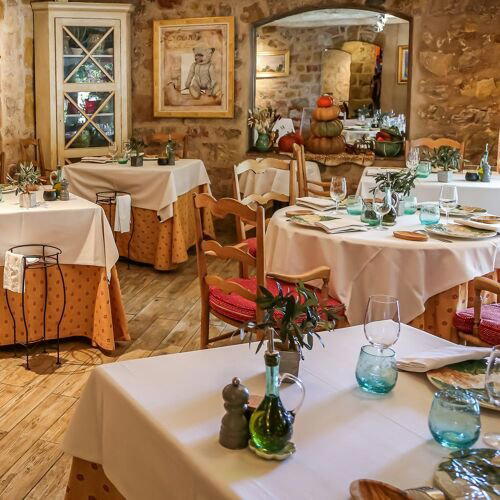
Details
- Rustic
- Cozy
- Elegant
- Romantic
- Intimate
- Historic
- Date Night
- Special Occasion
- Family
- Historic Building
- Terrace
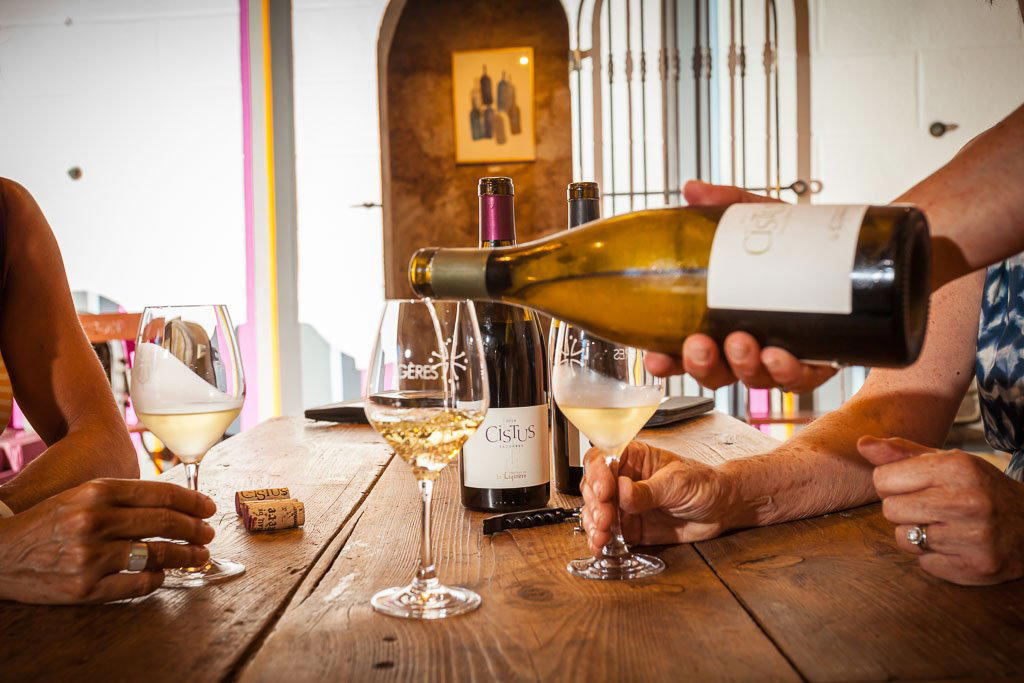
- Extensive Wine List
- Local Sourcing
- A La Carte
- Vegetarian Friendly
Current opening hours
- Monday
- Closed
- Tuesday
- 12:15–1:30 PM
- Wednesday
- Closed
- Thursday
- 12:15–1:30 PM, 7:30–9 PM
- Friday
- 12:15–1:30 PM, 7:30–9 PM
- Saturday
- 7:30–9 PM
- Sunday
- 12:15–1:30 PM
Hours can change for holidays and private events. Hours as of .
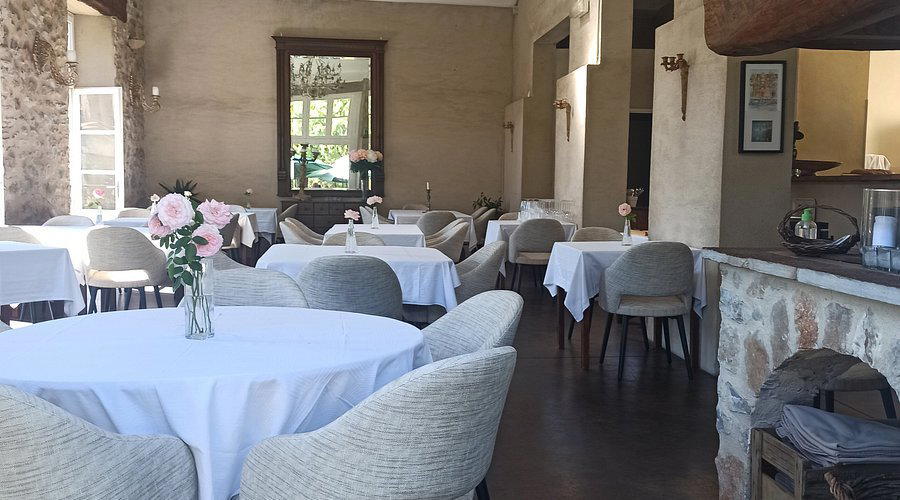
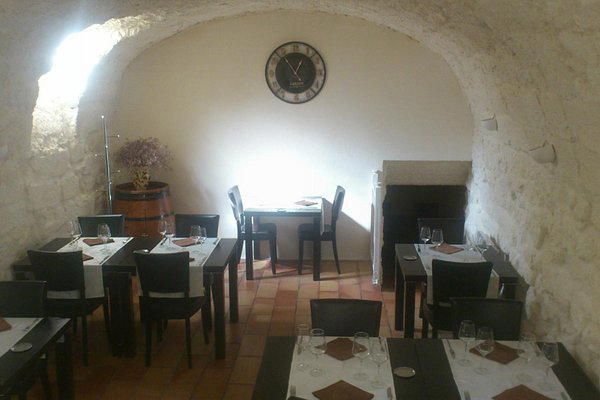
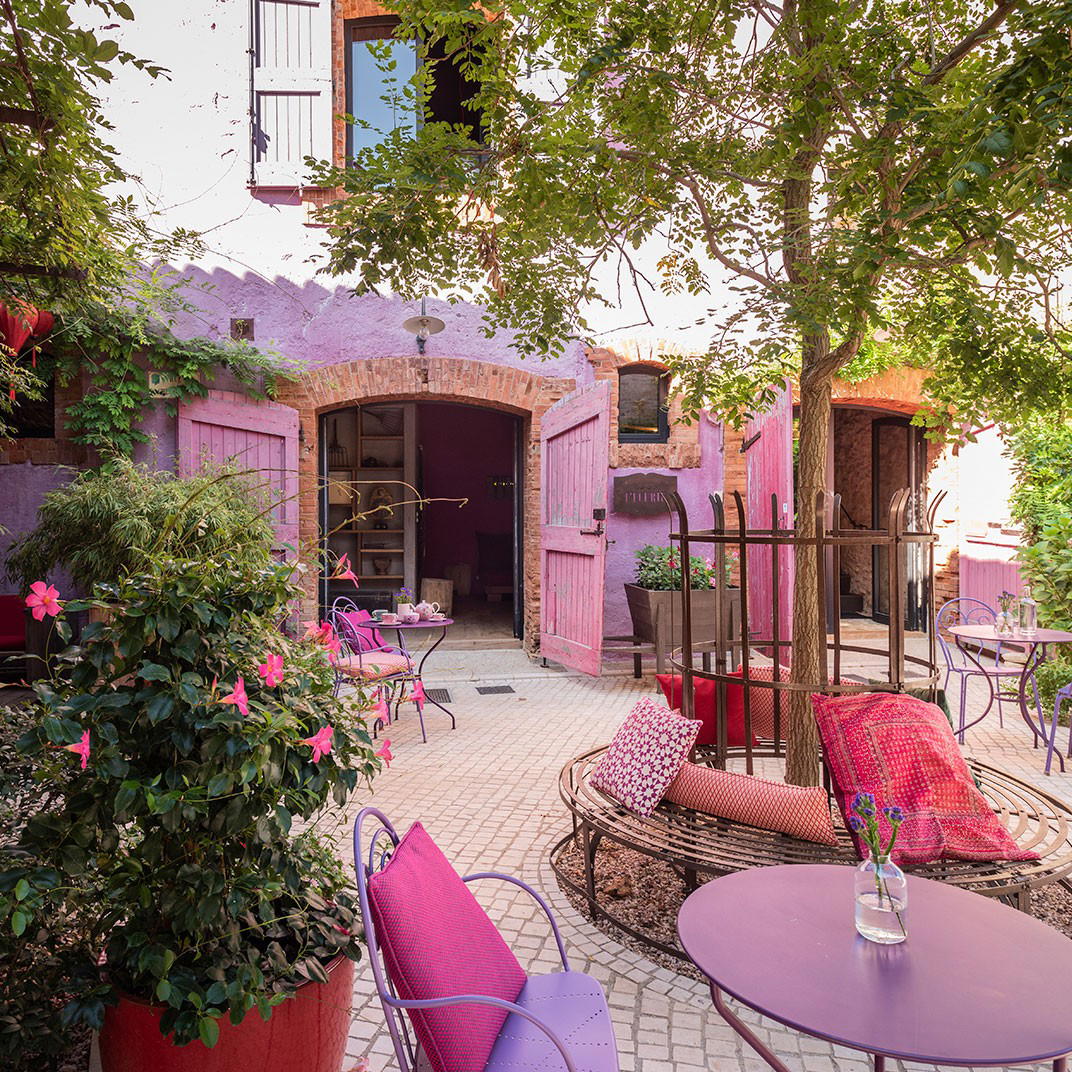
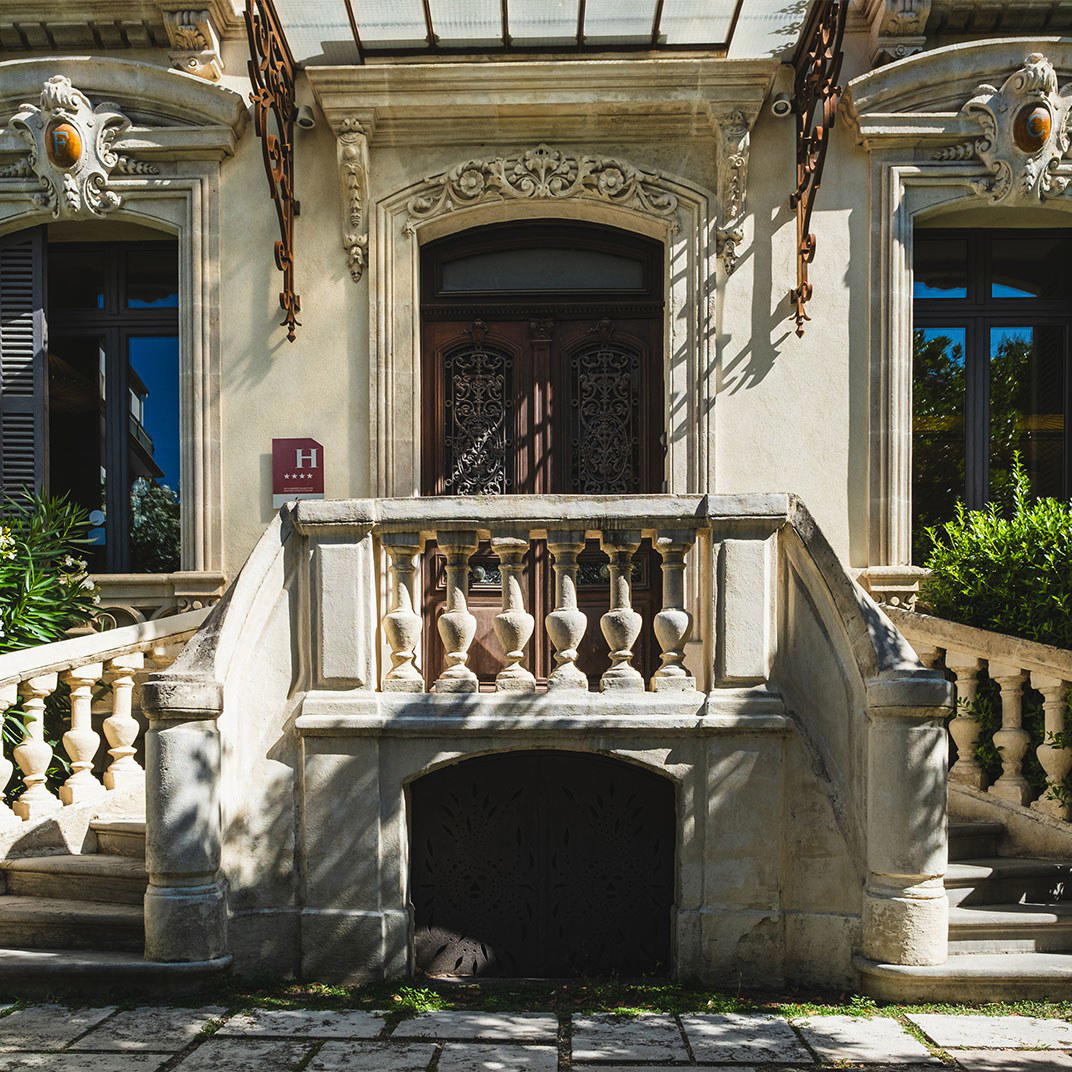
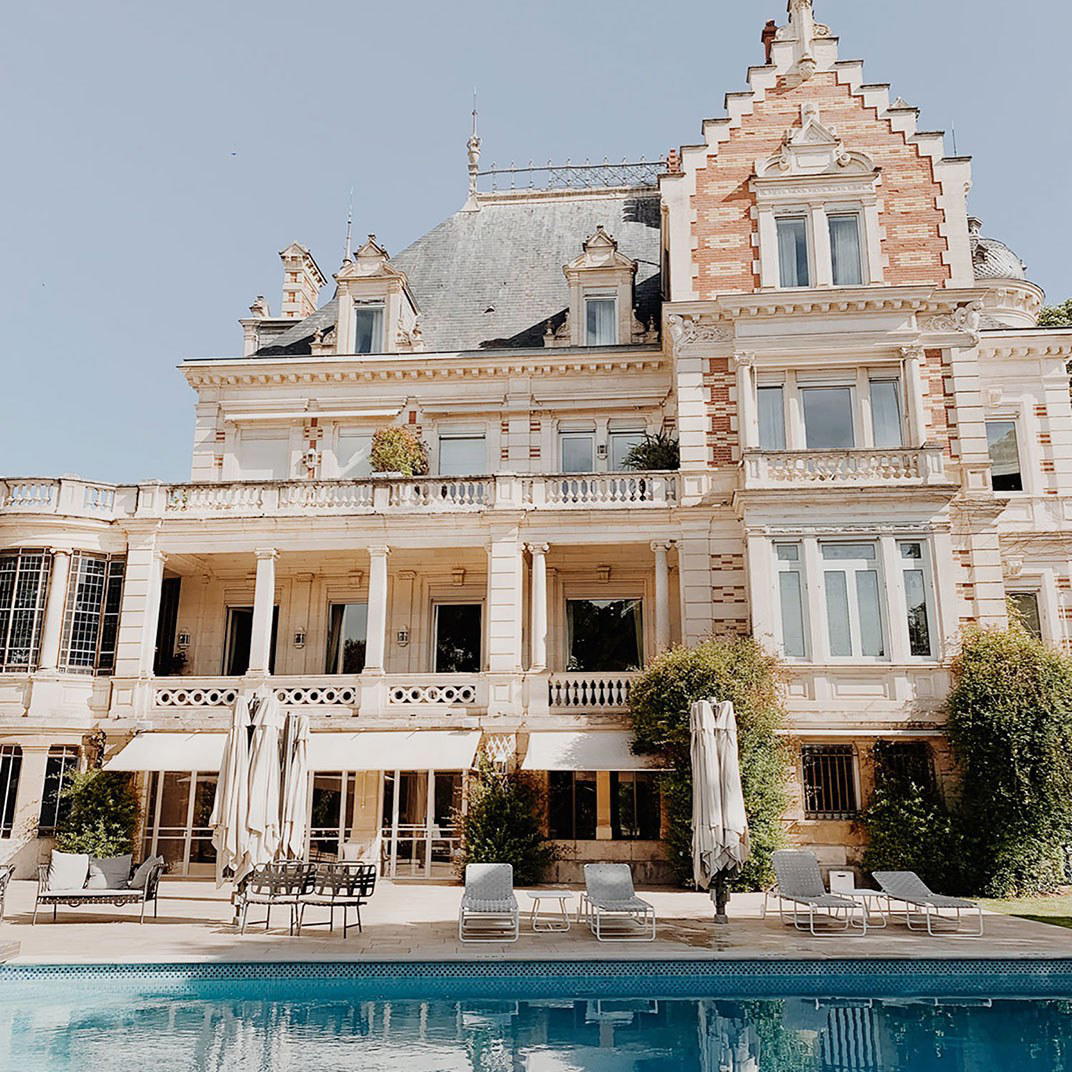
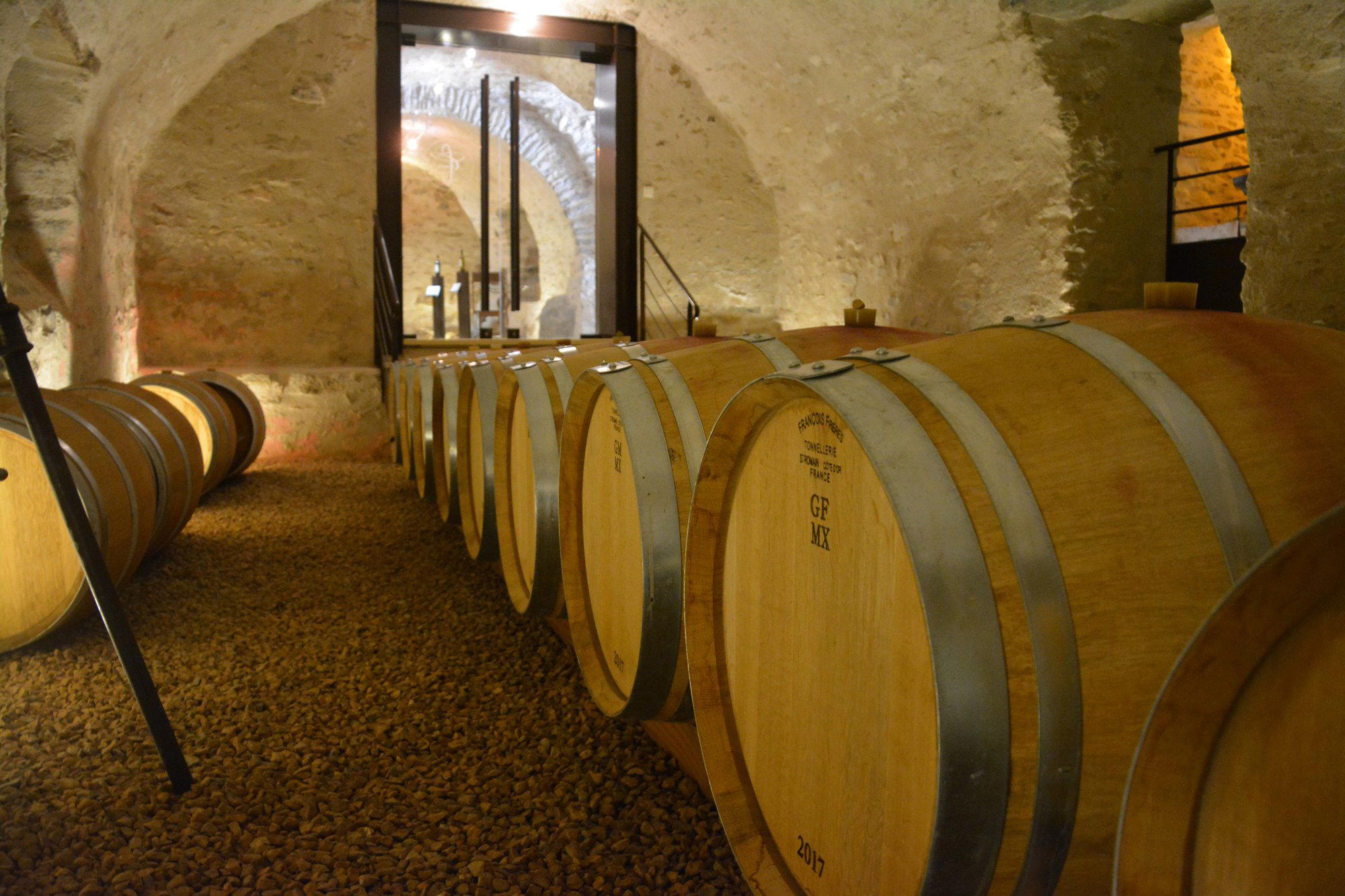
Stone vaulted rooms with monastic atmosphere, somewhat dimly lit, and a shaded terrace in absolute calm.