

Star Wine List · White Guide Sweden Restaurants - Fine Level
Our verdict
On the top floor of a Norrmalm address, Spesso serves modern Italian cooking shaped by seasonality and a genuine commitment to vegetables. The menu moves through the year with the kind of discipline more common in Nordic kitchens than Italian ones, and the refined position gives the dining room an unhurried remove from the street below. A well-considered option for Italian cooking in a city better known for New Nordic ambition.

Pearl is the En Primeur Club membership app — saves, bookings, and concierge access live there. Same editors, same standards.
- Address
- Malmskillnadsgatan 38B, 111 57 Stockholm, Sweden
- Phone
- +46 8 480 043 98
- Hours
- Mon–Thu 11:30 AM–12 AMFri 11:30 AM–1 AMSat 3 PM–1 AMSun Closed
- Website
- spesso.se
- Directions
- Get directions
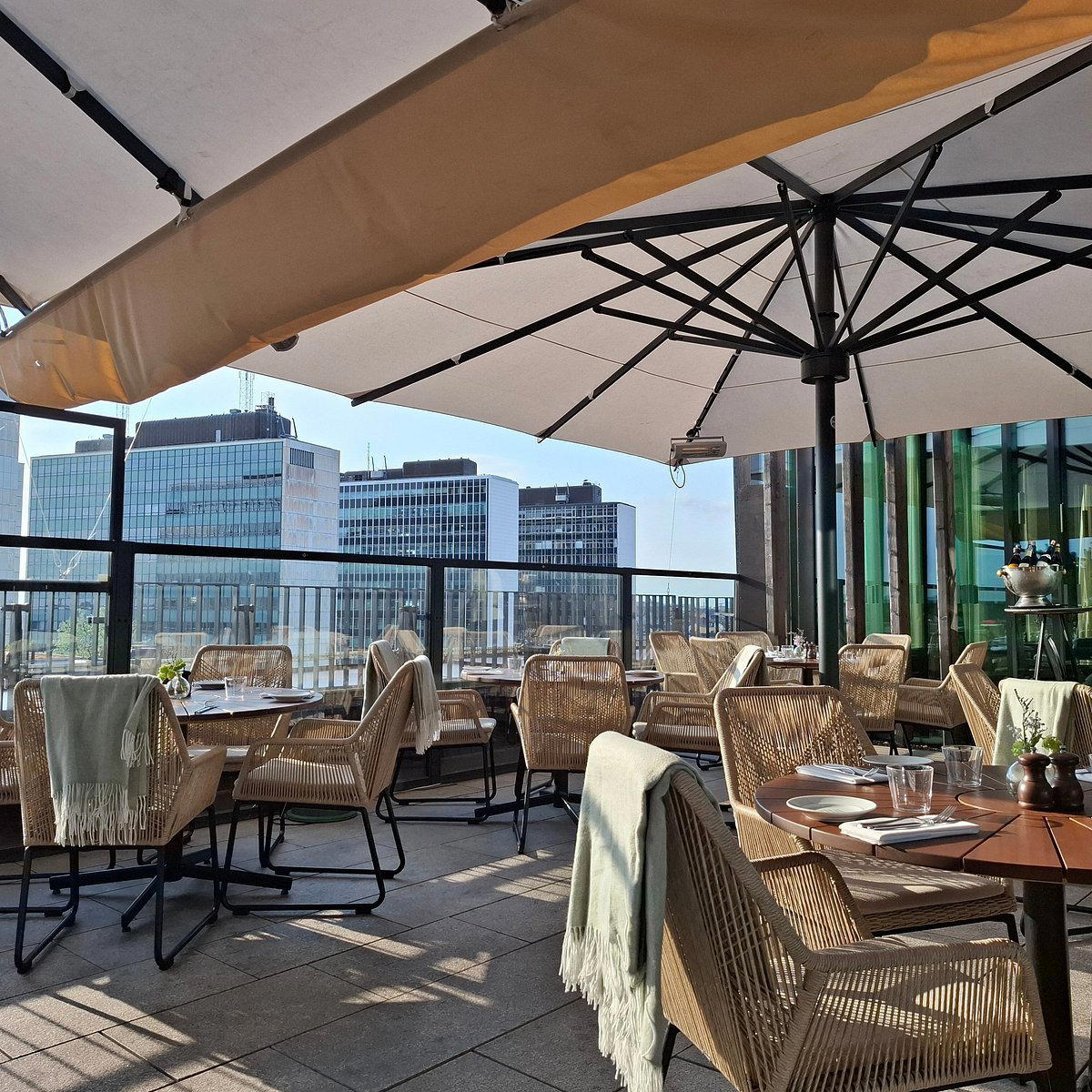
Above the Street, Inside the Season
Stockholm's dining culture has long rewarded restraint — in technique, in sourcing, in the number of ideas on a plate. That discipline, so native to the New Nordic tradition at places like Adam / Albin and AIRA, has gradually seeped into the city's Italian kitchens, where seasonal awareness and vegetable-forward thinking are no longer anomalies. Spesso, on the leading floor of Malmskillnadsgatan 38B in Norrmalm, sits inside that cross-pollination. The elevation is literal as much as conceptual: the dining room sits above the noise of the street, giving meals here a quality of remove that encourages the kind of slow, sequential attention a seasonal Italian menu asks for.
Approaching the building, you're already operating slightly outside the city's main dining corridors. Norrmalm is a working part of central Stockholm rather than a destination neighbourhood, which means Spesso draws guests with some intention rather than foot traffic. That self-selection tends to produce a calmer room — people who have arrived to eat, not to see and be seen.
How the Meal Moves
Modern Italian cooking at this register tends to progress through a recognisable structure: something raw or lightly dressed to open, a pasta or grain course to anchor the middle, then a protein or slower-cooked element, and something dairy or fruit-forward at the close. What distinguishes the better practitioners is how much each transition feels earned rather than administrative. At Spesso, the kitchen's stated emphasis on seasonality and vegetables means the early courses carry more weight than they might in a more protein-driven Italian format. A meal here is not built toward a single centerpiece; it distributes attention across the arc.
That vegetable-forward approach is worth pausing on, because it reflects a broader shift in how serious Italian restaurants are positioning themselves in Northern European cities. The old model, pasta heavy, butter-rich, finished with a grand secondo, has given way in many kitchens to menus where greens, legumes, and roots carry genuine structural load. This matters for how you approach the meal: ordering light at the start and expecting the kitchen to do its real work in the middle sections tends to reward the most.
The playful register noted in assessments of Spesso's cooking signals a kitchen that doesn't treat its seasonal framework as an exercise in austerity. Italian cuisine's comedic generosity, the pleasure of a well-made thing shared without ceremony, sits alongside the disciplined sourcing. The two aren't in tension here; they're the point.
Stockholm's Italian Tier
Stockholm has a cluttered mid-market Italian scene, but the tier that takes seasonal produce and multi-course progression seriously is smaller. The city's critical attention tends to pool around its Nordic and modern European addresses: Frantzén, Operakällaren, and Aloë occupy different corners of that map. Italian cooking with genuine seasonal ambition occupies a niche that doesn't compete directly with those rooms; it serves a different impulse, the desire for recognisable form (pasta, olive oil, cured things) executed with the same sourcing rigour you'd expect from the city's Nordic kitchens.
Internationally, the comparison points are Italian restaurants that have absorbed local produce culture without losing their culinary identity. Le Bernardin in New York City offers a useful contrast: a kitchen so committed to one product category (seafood) that its menu structure is almost entirely determined by what arrives fresh. Spesso's vegetable emphasis suggests a similar kind of category commitment, applied to the plant side of the Italian pantry. The approach is less dramatic than protein-led tasting menus but often more coherent in its seasonal logic.
The Top-Floor Consideration
Dining on an upper floor changes the rhythm of a meal in ways that are easy to underestimate. Arrival requires a bit more commitment, you don't drift in from a pavement table. The separation from the street also affects pace: there's no ambient city noise to fill gaps in conversation, no parade of pedestrians to distract. Meals in refined rooms tend to run longer and more attentively, which suits a kitchen working through a seasonal Italian progression. If you're after a quick plate of pasta before a theatre curtain, this is probably not the configuration for you. If you want the meal to be the evening, the format fits.
Stockholm's wider dining geography rewards planning. For those extending a trip beyond the capital, the Swedish south and west coasts carry serious restaurant ambition: Vollmers in Malmö, Signum in Mölnlycke, and VYN in Simrishamn are all worth building itineraries around. Further into the countryside, ÄNG in Tvååker, Knystaforsen in Rydöbruk, and PM & Vänner in Växjö extend the picture of what Swedish regional cooking has become. EP Club's full Stockholm restaurants guide maps the city's dining tiers in detail. Practical notes on where to stay and drink are covered in the Stockholm hotels guide, the bars guide, and the experiences guide. For those interested in Swedish wine culture, the wineries guide covers that corner of the scene. Emeril's in New Orleans offers an interesting transatlantic comparison for Italian-influenced seasonal cooking in a city not primarily defined by Italian cuisine, a situation Stockholm shares.
Planning Your Visit
Spesso is at Malmskillnadsgatan 38B, 111 57 Stockholm. Norrmalm is well served by public transit, and the address sits within walking distance of the central T-Centralen station. Given the kitchen's seasonal focus, the menu changes with the year, which means a visit in late autumn will look meaningfully different from one in early summer. Spring and early summer, when Scandinavian produce markets shift from root-heavy to green and floral, tend to produce the most dynamic Italian-Scandinavian crossover menus in Stockholm's seasonal kitchens. That timing consideration applies here. Specific hours, pricing, and booking methods are best confirmed directly with the restaurant before arrival.
Frequently asked questions
What should I eat at Spesso?
The kitchen's declared priorities, seasonal produce, vegetables given structural importance, playful execution within a modern Italian frame, point toward ordering across the full progression rather than cherry-picking individual courses. In a menu built around greens and the seasons, the mid-course section (pasta, grain, or vegetable-led plates) tends to carry the most of the kitchen's argument. Resist the instinct to anchor everything around a protein main; the more interesting work often happens earlier in the sequence. Stockholm's broader Italian tier is small enough that a kitchen making this kind of commitment to plant-forward cooking occupies a specific position, and the meal rewards approaching it on its own terms rather than as a conventional Italian restaurant order.
Do I need a reservation for Spesso?
Stockholm's serious restaurant tier fills reliably, particularly at smaller, destination-style addresses. Spesso's top-floor position and seasonal-menu format place it in the category of rooms where advance booking is the practical approach rather than the exception. Stockholm dining has tightened considerably since the city's international profile rose, partly on the back of its Nordic fine-dining reputation at addresses like Frantzén and Aloë. That demand extends to the broader tier of considered, non-Nordic restaurants that serve a similar guest profile. Booking ahead, especially for weekend evenings or peak summer weeks when the city's tourist volume is highest, reduces the risk of the room being at capacity. Confirm booking method and availability directly with the venue.
Comparable Spots
Comparable venues nearby, for context on price, style, and recognition.
| Venue | Cuisine | Price | Awards | Notes |
|---|---|---|---|---|
| SpessoThis venue — the venue you are viewing | Modern Northern Italian | Not listed | Star Wine List · White Guide Sweden Restaurants - Fine Level | Not listed |
| L'Avventura | Classic Italian in Historic Cinema | $50–100 | Star Wine List · White Guide Sweden Restaurants - Fine Level | Vasastan |
| Magari | Authentic Neapolitan Pizza | $20–30 | Not listed | Vasastaden |
| Macelleria | Traditional Italian Trattoria with Sardinian Influences | $50–100 | Not listed | Vasastaden |
| Ponti | Italian-Californian Fusion | $30–50 | Star Wine List | Södermalm |
| Capannone | Elegant Modern Italian | $100–150 | Falstaff Wine Bar - Listed | Östermalm |
Recognition history
Dated appearances from independent guides and award organizations, with the underlying list record or original source where available.
Star Wine List
Star Wine List
White Guide Sweden Restaurants - Fine Level
White Guide
Continue exploring
More in Stockholm
Restaurants in Stockholm
Browse all →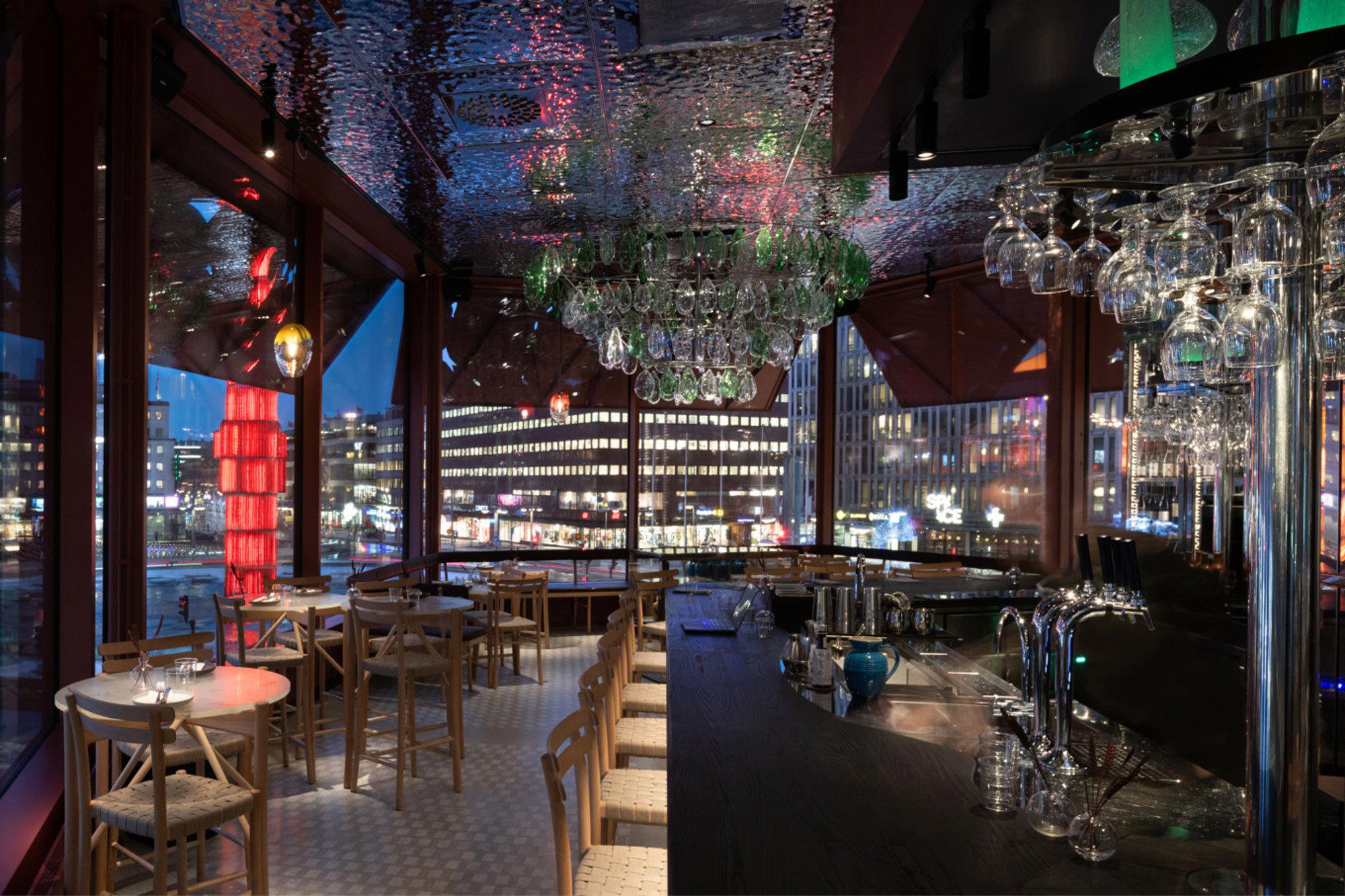
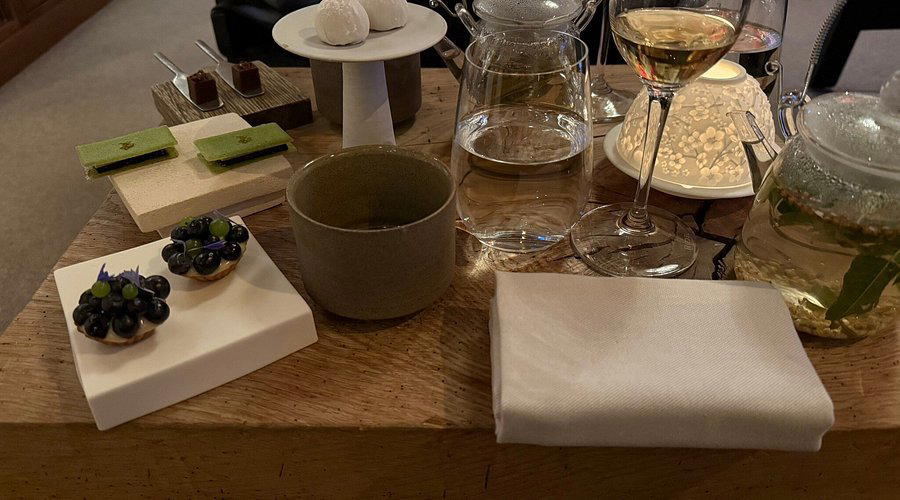
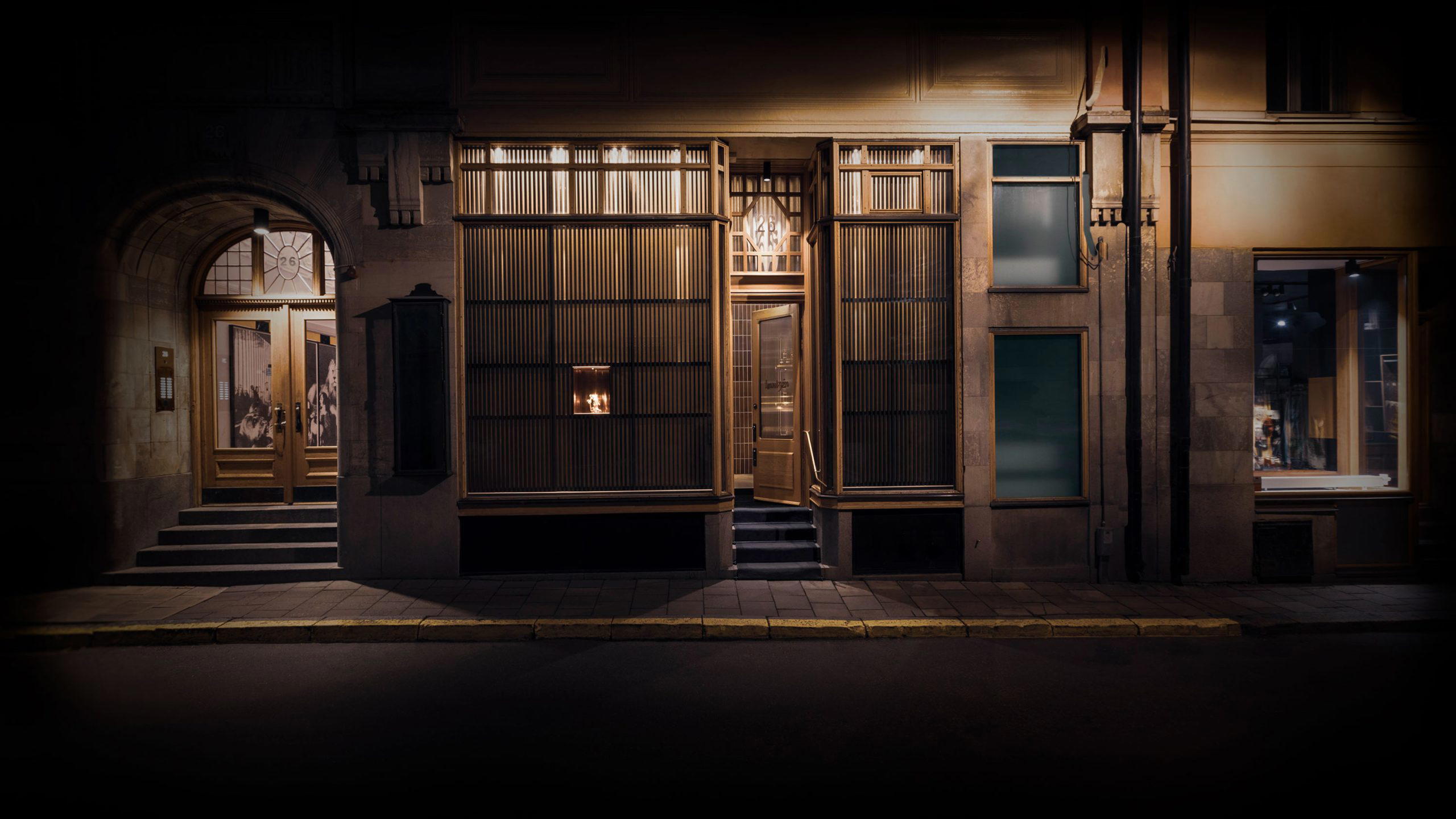
Bars in Stockholm
Browse all →
Details
- Modern
- Elegant
- Sophisticated
- Trendy
- Date Night
- Special Occasion
- Rooftop
- Panoramic View
- Craft Cocktails
- Skyline
- A La Carte
- Vegan Options
Current opening hours
- Monday
- 11:30 AM–12 AM
- Tuesday
- 11:30 AM–12 AM
- Wednesday
- 11:30 AM–12 AM
- Thursday
- 11:30 AM–12 AM
- Friday
- 11:30 AM–1 AM
- Saturday
- 3 PM–1 AM
- Sunday
- Closed
Hours can change for holidays and private events. Last verified .
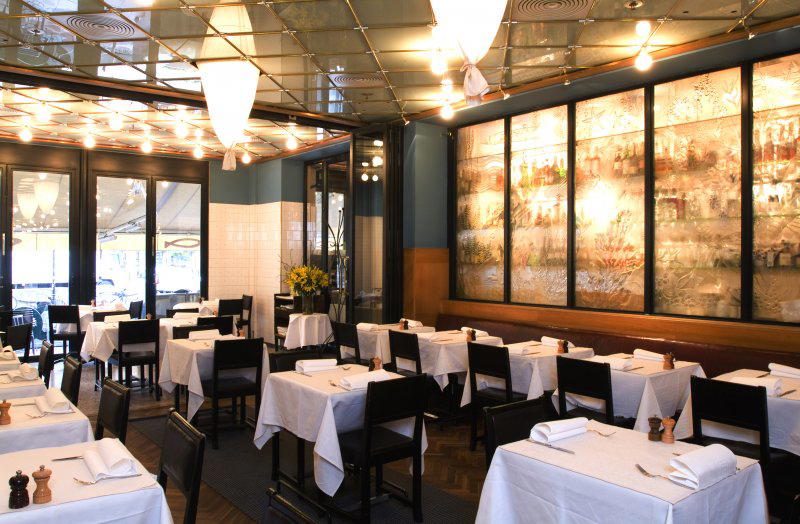
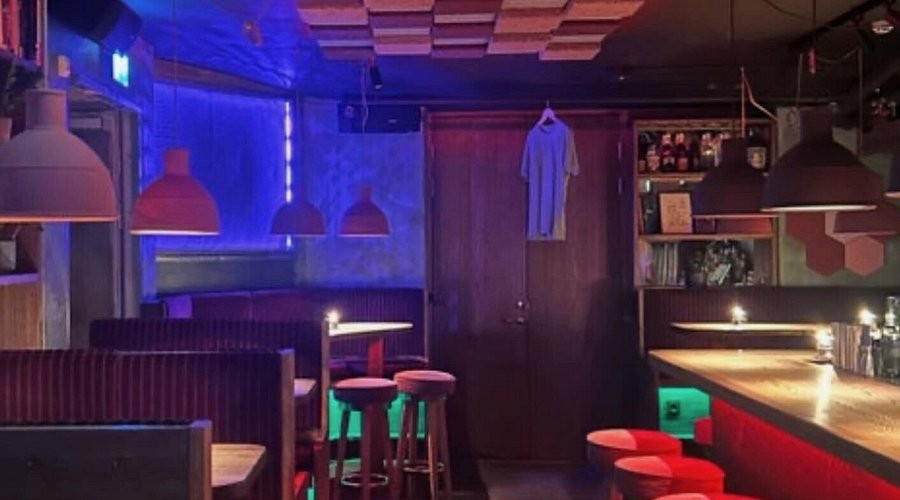
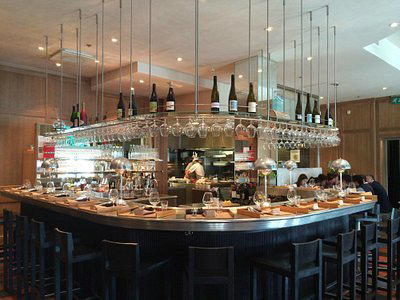
Scandinavian modern decor with sleek minimalist design, panoramic windows, and stylish lighting creating an elegant rooftop atmosphere.