Sonnet

Michelin Plate
Our verdict
A 14-course tasting menu in an eight-table dining room on Alnwick's Bondgate Without, Sonnet earns its Michelin Plate recognition through cooking that pairs classic French technique with thoughtfully preserved seasonal ingredients. Chef Gary McDermott and host Claudia run one of Northumberland's most considered small-format restaurants, where dinner closes with a take-home 'Elevenses' package for the following morning.

Pearl is the En Primeur Club membership app — saves, bookings, and concierge access live there. Same editors, same standards.
- Address
- 41 Bondgate Without, Alnwick NE66 1PR, United Kingdom
- Phone
- +44 1665 517628
- Hours
- Mon–Tue ClosedWed–Sat 12–2:30 PM, 6:30–10:30 PMSun Closed
- Website
- sonnet.restaurant
- Directions
- Get directions
- Booking
- Book on ResDiary
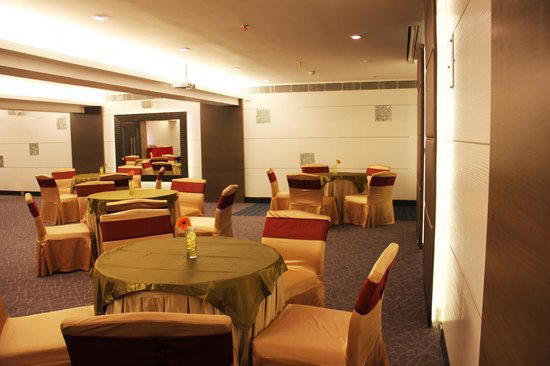
Fourteen Courses on Bondgate Without
Alnwick is not a city that announces itself through restaurant density. A market town in the Northumberland countryside, its food scene is defined less by volume than by a handful of operators who have chosen to work here deliberately — sourcing from the surrounding range of coast, moor, and farmland, and building menus that reflect where they actually are. Sonnet, at 41 Bondgate Without, sits in that context: a small-format tasting menu restaurant operating at a price point (££££) that signals serious intent, in a setting that makes no pretence of metropolitan scale.
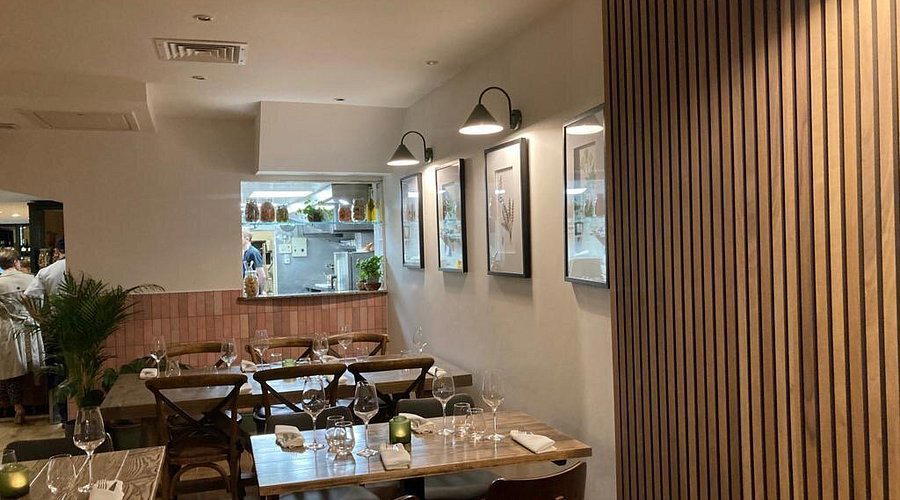
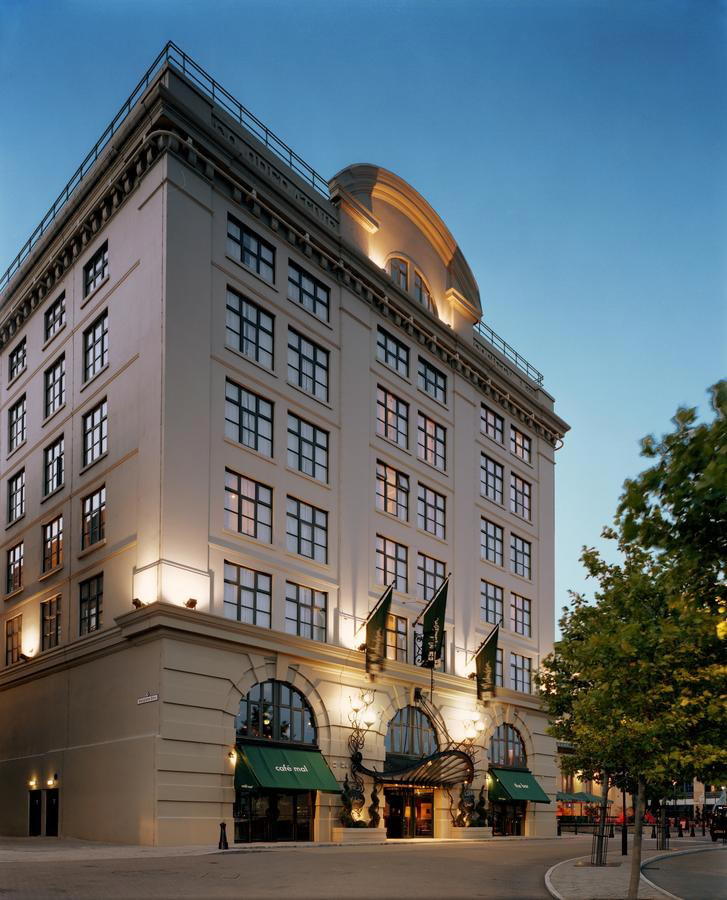
Arriving on Bondgate Without, the street that runs just outside the medieval town walls, the surroundings are quietly architectural rather than dramatic. The restaurant holds eight tables — a number that shapes everything about the experience. At that capacity, the kitchen is cooking for a room it can actually see, and the service operates at a pace that a larger dining room cannot sustain.
The Structure of the Menu and What It Signals
The format is a 14-course tasting menu, and the choice of fourteen is not incidental. The restaurant takes its name from the 14-line poetic form, and the menu is conceived as a structural parallel: a fixed sequence with its own internal logic. This kind of thematic framing is more common in Scandinavian fine dining, Frantzén in Stockholm and its Dubai offshoot FZN by Björn Frantzén both operate within carefully authored narrative structures, but it remains relatively rare in the UK's northern independent scene, where the tendency is toward more informal tasting formats.
Chef Gary McDermott's cooking anchors that 14-course structure in classic French technique, then moves through preserved and fermented elements in a way that speaks directly to the provenance questions any serious kitchen in this region has to answer. Northumberland's growing season is short and its winters are hard; preservation is not a stylistic affectation here but a practical response to geography. The well-balanced use of those preserved elements, noted in the Michelin recognition the restaurant has held in both 2024 and 2025, suggests a kitchen that understands when fermentation and curing add flavour complexity rather than simply signalling effort.
Sourcing in a Region Built for It
The editorial angle that matters most at Sonnet is ingredient provenance, because Northumberland provides a genuinely strong argument for local sourcing. The coastline between Alnwick and Seahouses produces crab, lobster, and exceptional North Sea fish. The inland farms supply lamb that grazes on moorland pasture. The Cheviot Hills create conditions for game that few English counties can match. A kitchen operating at this price tier, in this location, that was not drawing on those materials would be making a deliberate choice to ignore its most powerful asset.
The cooking at Sonnet engages with that resource. Dishes arriving with stories attached, as the Michelin citation notes, implies a sourcing narrative that the kitchen considers worth narrating: producer relationships, seasonal decisions, the reasoning behind a particular preserved element appearing at a particular point in the sequence. This is the grammar of sourcing-led modern cuisine, practiced most visibly at places like L'Enclume in Cartmel and Moor Hall in Aughton, where the kitchen's relationship with specific growers and suppliers has become a defining part of the restaurant's identity. Sonnet operates at smaller scale and in a less scrutinised location, but the structural logic is the same.
For comparison, country house restaurants operating at the ££££ tier elsewhere in the UK, Gidleigh Park in Chagford, Le Manoir aux Quat' Saisons in Great Milton, often rely on estate kitchen gardens as their sourcing narrative. Sonnet's version of that story is more outward-facing: a region rather than a walled garden, a coastline and upland rather than a manicured plot. That is a different kind of sourcing identity, and arguably a more honest one for the northeast of England.
The Closing Gesture
Dinner at Sonnet ends with 'Elevenses', a package to take home for the following morning. This detail matters more than it might first appear. In a market where small tasting-menu restaurants compete partly on the distinctiveness of their guest experience, the take-home element extends the meal's presence beyond the dining room itself. It is also a practical expression of the kitchen's relationship with preserved and prepared foods: the skills that go into the fourteen courses extend into something you carry with you. Among the comparisons worth drawing, The Fat Duck in Bray has long used post-dinner elements to close the experiential loop; Sonnet's version is less theatrical but no less considered.
Michelin Plate recognition, held across consecutive years, positions Sonnet inside the tier of restaurants that Michelin considers worth visiting for cooking quality, without yet assigning a star. In the northeast of England, that puts it alongside a small group of independent tasting-menu operations, rather than in the same competitive frame as The Ledbury, Midsummer House in Cambridge, or Opheem in Birmingham, which operate at starred level with larger teams and greater infrastructure. The more relevant comparisons are with restaurants like hide and fox in Saltwood or Restaurant Andrew Fairlie in Auchterarder, places where a single strong creative voice operates with precision at limited covers, in a location that rewards the journey. Hand and Flowers in Marlow offers a useful contrast in format: a pub-based two-Michelin-star operation that has built a destination dining identity in a market town through a completely different structural approach.
Planning Your Visit
Sonnet is at 41 Bondgate Without, Alnwick NE66 1PR. The ££££ price point places it at the upper end of Northumberland dining, appropriate for a 14-course tasting menu format. Alnwick is accessible by train to Alnmouth station (on the East Coast Main Line), with Alnwick town a short taxi or bus journey from there. Given the eight-table capacity, advance booking is strongly advised; tables at this size of operation typically fill weeks ahead, particularly on weekends. For the wider Alnwick picture, see our full Alnwick restaurants guide, and for planning a longer stay, our Alnwick hotels guide, bars guide, wineries guide, and experiences guide cover the rest of the town's offering.
Frequently asked questions
What kind of setting is Sonnet?
What do people recommend at Sonnet?
Is Sonnet suitable for children?
In Context: Similar Options
| Venue | Cuisine | Awards |
|---|---|---|
| SonnetThis venue — the venue you are viewing | Modern French Fine Dining | Michelin Plate |
| The Ledbury | Modern European, Modern Cuisine | Michelin 3 Star |
| Sketch, The Lecture Room and Library | Modern French | Michelin 3 Star |
| CORE by Clare Smyth | Modern British | Michelin 3 Star |
| Restaurant Gordon Ramsay | Contemporary European, French | Michelin 3 Star |
| Dinner by Heston Blumenthal | Modern British, Traditional British | Michelin 2 Star |
Recognition history
Dated appearances from independent guides and award organizations, with the underlying list record or original source where available.
Michelin Plate
Michelin
Full recognition history (3 entries)
Michelin Plate
Michelin
Michelin Plate
Michelin
Details
- Cozy
- Elegant
- Intimate
- Sophisticated
- Date Night
- Special Occasion
- Open Kitchen
- Extensive Wine List
- Local Sourcing
- Tasting Menu
Current opening hours
- Monday
- Closed
- Tuesday
- Closed
- Wednesday
- 12–2:30 PM, 6:30–10:30 PM
- Thursday
- 12–2:30 PM, 6:30–10:30 PM
- Friday
- 12–2:30 PM, 6:30–10:30 PM
- Saturday
- 12–2:30 PM, 6:30–10:30 PM
- Sunday
- Closed
Hours can change for holidays and private events. Last verified .
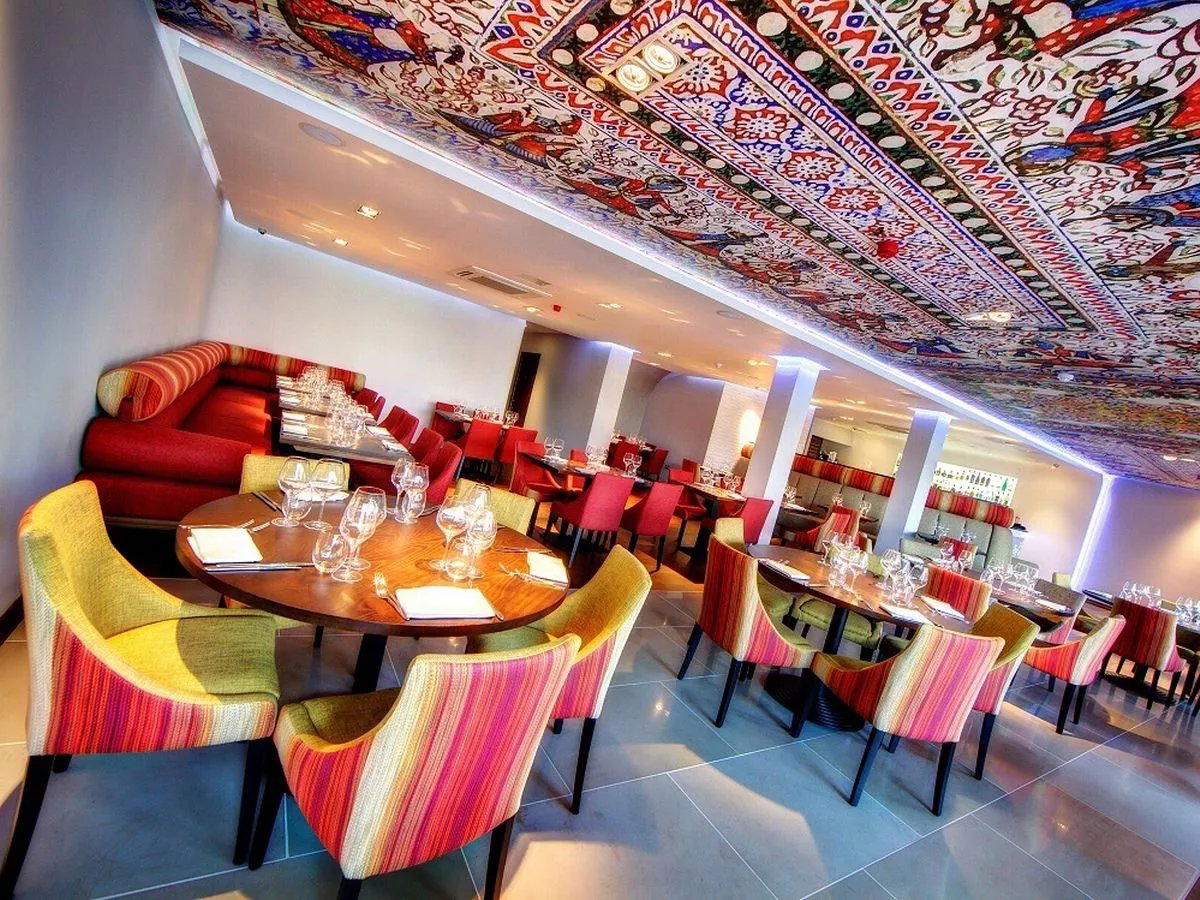
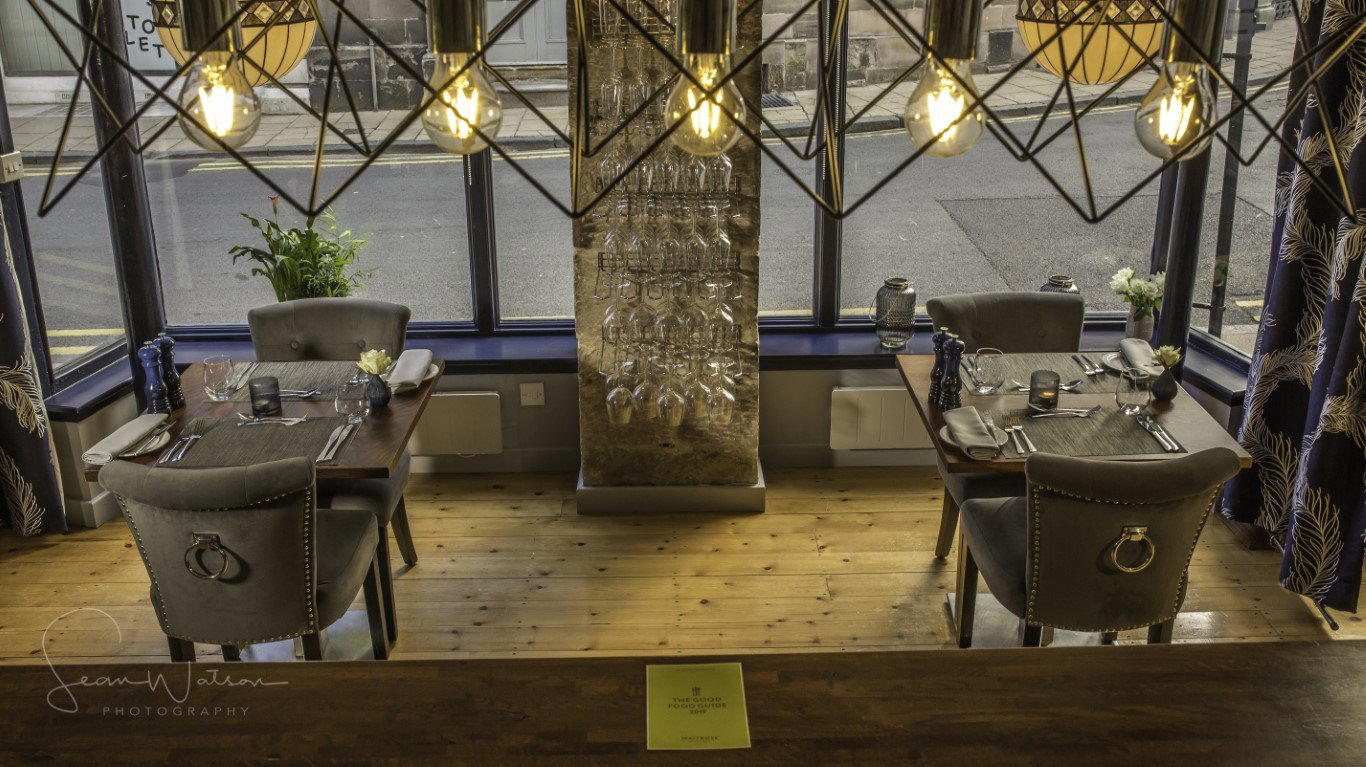
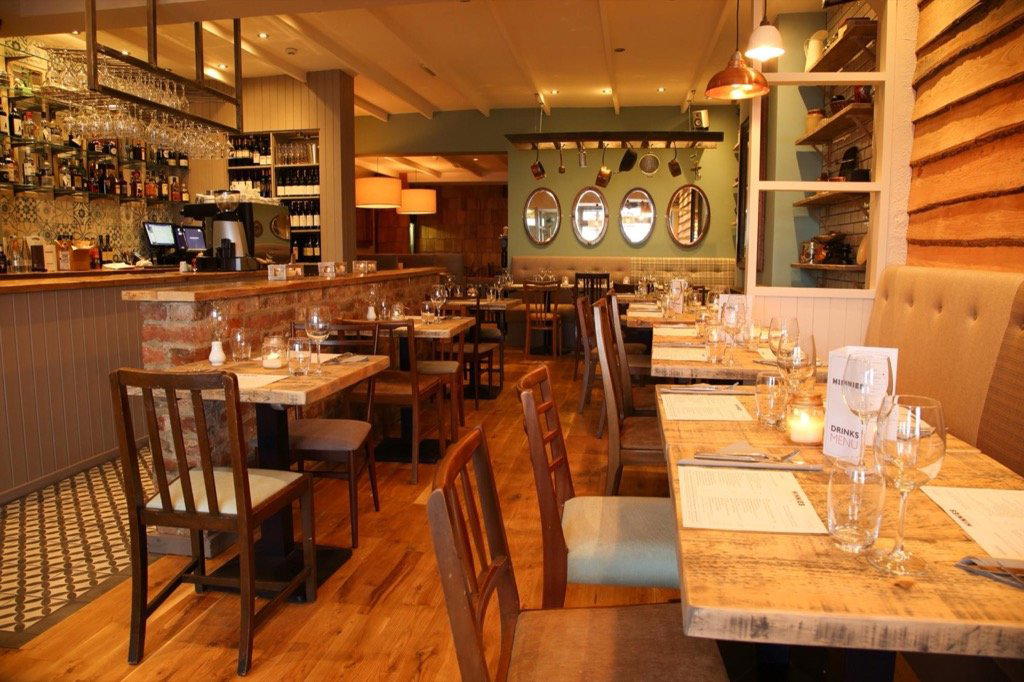
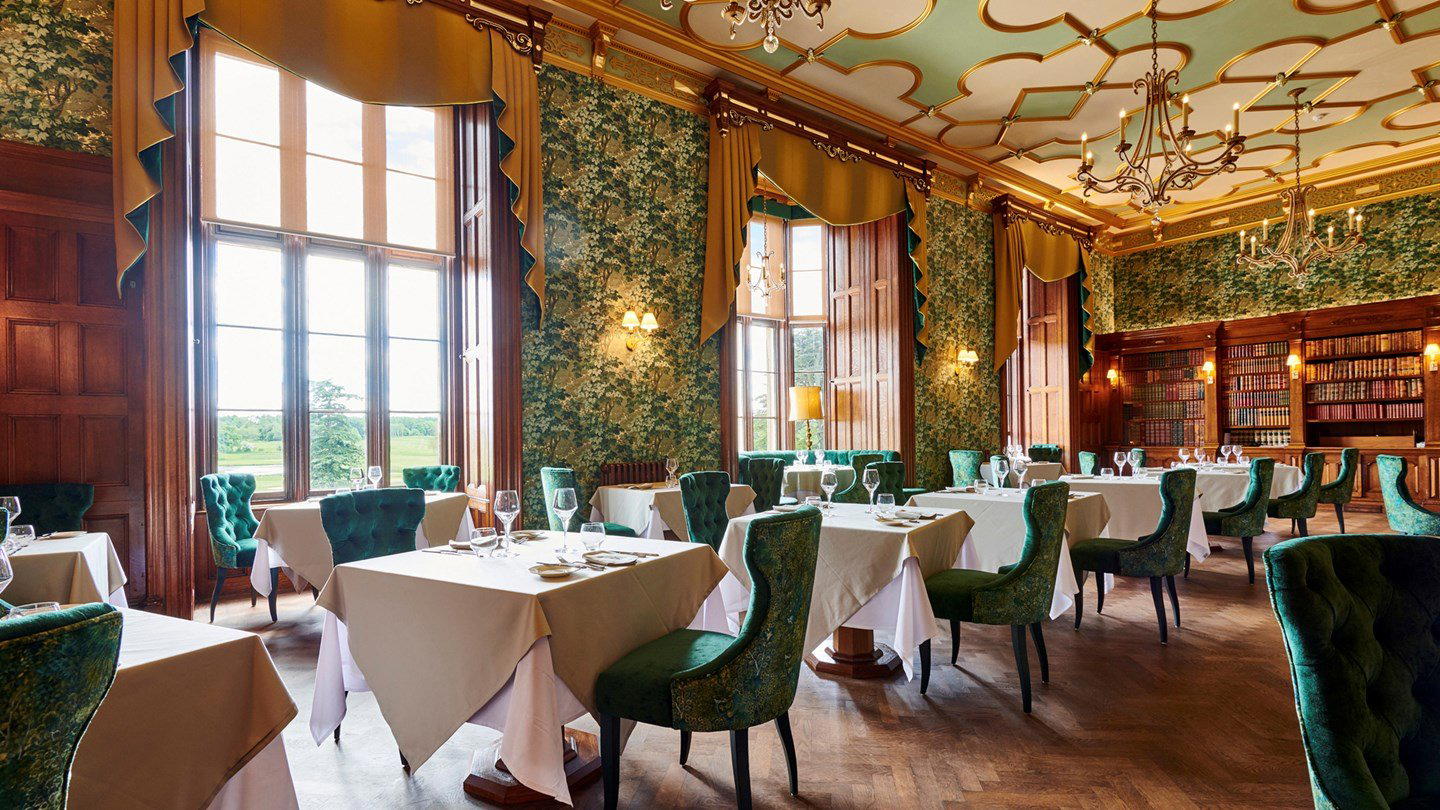
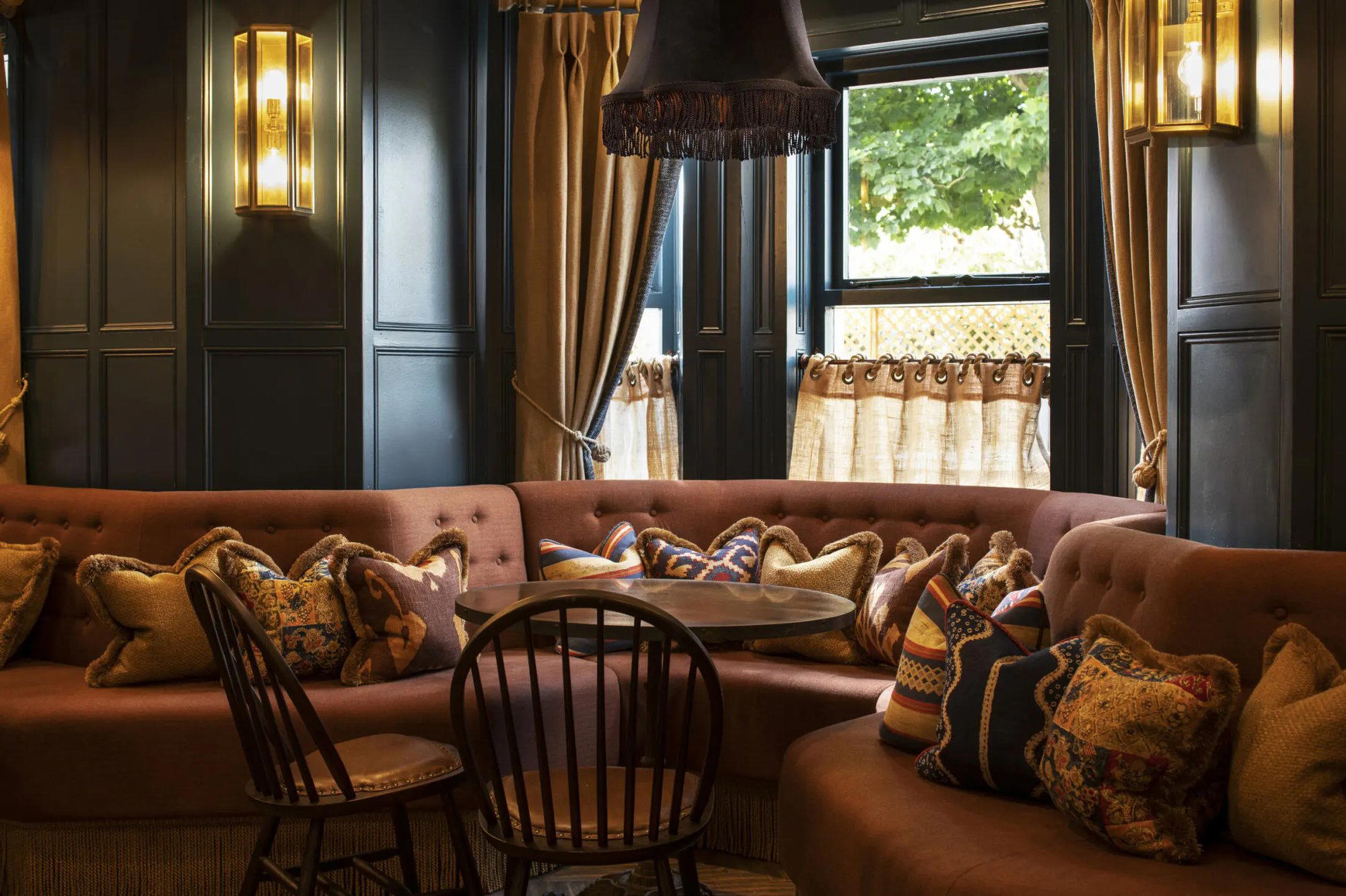
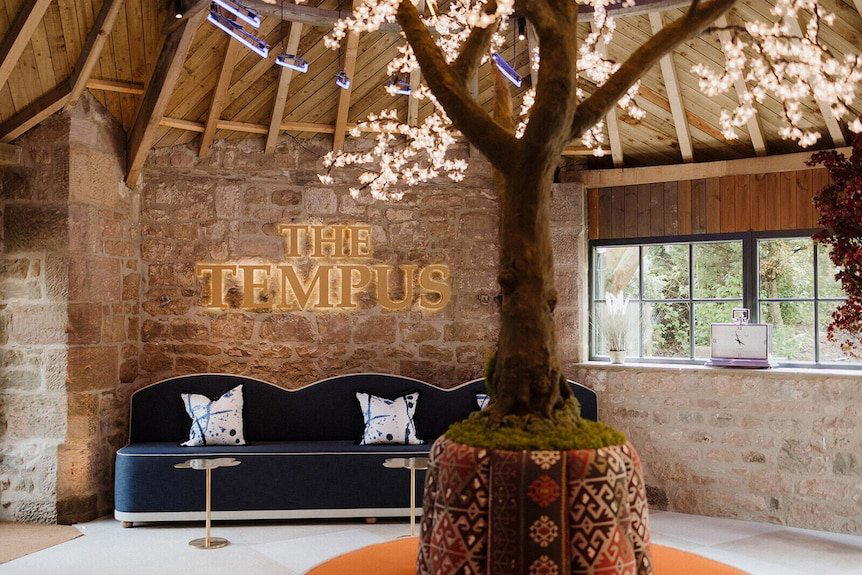
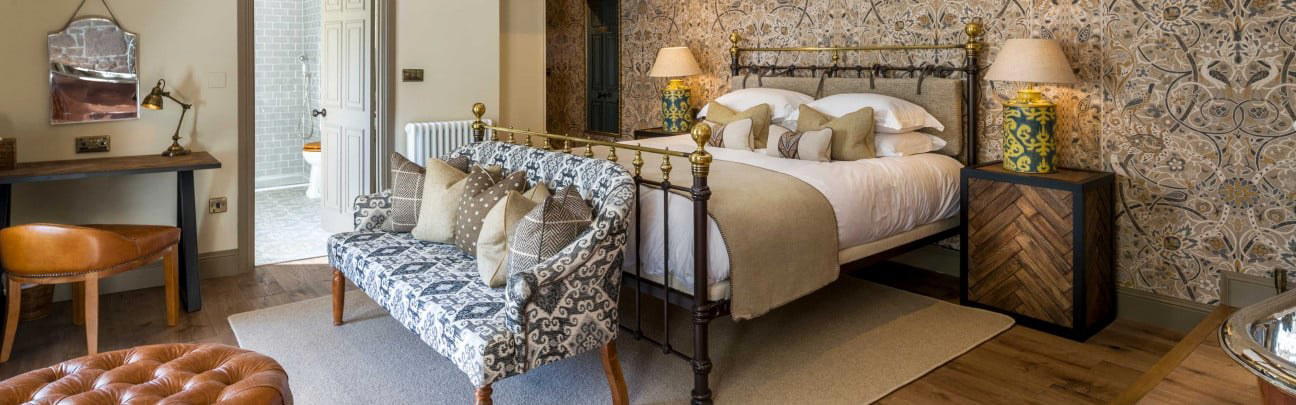
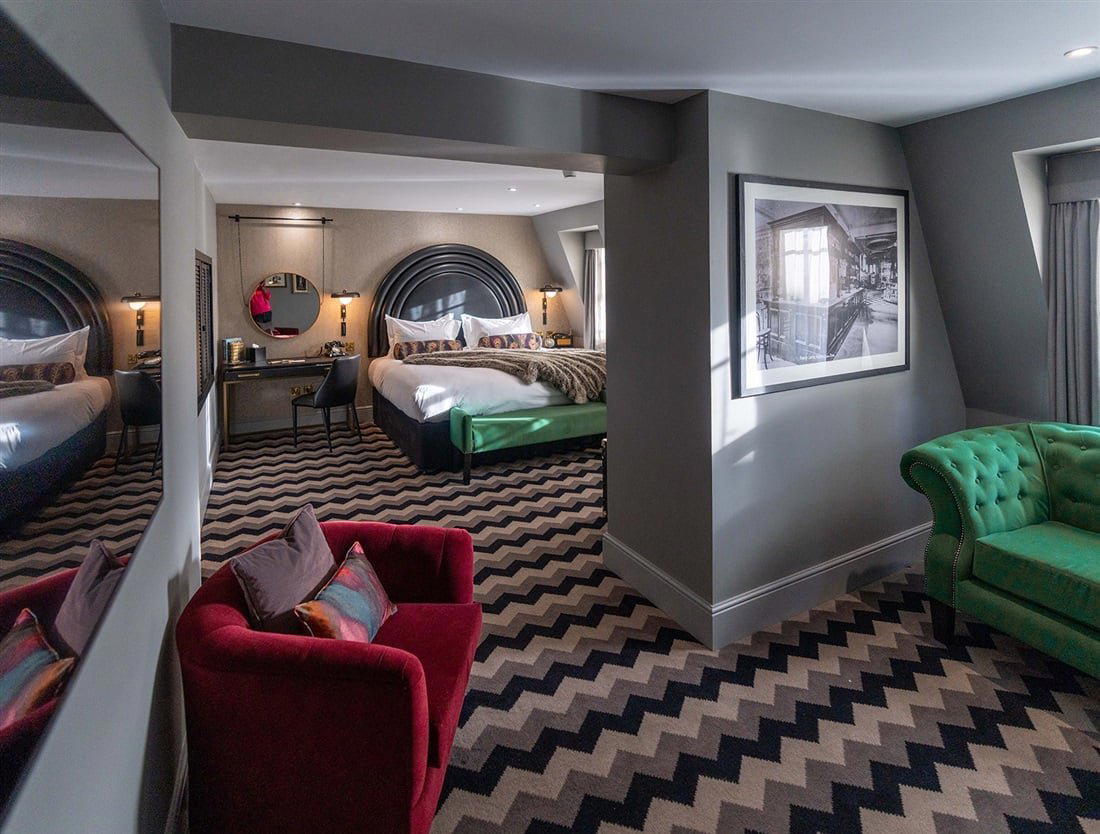
Cozy and elegantly decorated with subtle lighting, dark walls, lively artwork, and Shakespearean nods, creating an inviting, intimate, and relaxed atmosphere.