Sol-Mar Restaurant
Our verdict
Sol-Mar Restaurant on Ferry Street sits at the heart of Newark's Ironbound district, where Portuguese and Spanish cooking has defined the neighbourhood's culinary identity for decades. The address places it within one of the most concentrated Iberian dining corridors on the East Coast, a strip where the sourcing traditions of the Azores and the Iberian Peninsula still shape how kitchens operate day to day.

Pearl is the En Primeur Club membership app — saves, bookings, and concierge access live there. Same editors, same standards.
- Address
- 267 Ferry St, Newark, NJ 07105
- Phone
- (973) 344-3041
- Hours
- Mon–Sat 11:30 AM–11 PMSun 11 AM–11 PM
- Website
- solmar-restaurant.com
- Directions
- Get directions
The menu
What to order
- Polvo à Lagareiro
- Bacalhau à SolMar
- Seafood Combination
Ferry Street and the Ironbound Tradition
Newark's Ironbound neighbourhood is one of the more instructive dining corridors on the East Coast, not because of any single restaurant, but because of what the district as a whole demonstrates about immigrant food culture and ingredient fidelity. Ferry Street, where Sol-Mar Restaurant sits at number 267, functions as the spine of a Portuguese and Spanish dining community that has been commercially active since the mid-twentieth century. The street smells of charcoal and salted cod on a Friday evening. The rhythm is unhurried. Families occupy large tables. The cooking here is not aspirational in the way that Manhattan dining tends to be — it is functional in the leading sense, oriented around producing dishes that taste like the places they came from.
That geographic fidelity matters more than it might appear. In neighbourhoods like the Ironbound, kitchens have maintained direct relationships with suppliers who bring in products — dried salt cod, cured meats, specific olive oils, fresh sardines, that connect dishes back to Iberian originals rather than American approximations. Sol-Mar occupies a position within that supply ecosystem, drawing from the same Ferry Street corridor that has sustained restaurants like Campino Restaurant, Don Pepe Restaurant, and Fornos of Spain for generations.
What the Ironbound Signals About Sourcing
The broader American dining conversation around provenance and ingredient sourcing tends to concentrate on farm-to-table fine dining, places like Blue Hill at Stone Barns in Tarrytown or Single Thread Farm in Healdsburg, where sourcing is foregrounded as an explicit editorial statement. The Ironbound operates on a different logic: sourcing fidelity is not narrated, it is assumed. Bacalhau, salt cod, arrives dried and requires rehydration over days. The preparation is laborious enough that there is no incentive to substitute. Piri-piri chicken demands a specific chili profile. Caldo verde calls for Portuguese-style chouriço rather than a domestic stand-in. These are not philosophical positions; they are culinary requirements that have preserved ingredient authenticity in a neighbourhood that might otherwise have drifted toward generic comfort food.
Sol-Mar's address on Ferry Street places it squarely within that tradition. The name itself, Portuguese for sun and sea, signals an orientation toward coastal Iberian cooking, a cuisine shaped as much by the Atlantic as by the land. Coastal Portuguese kitchens have historically centred seafood in a way that differs substantially from the Spanish interior: more delicate preparations, less reliance on heavy reduction, and a preference for fish whose quality speaks without heavy seasoning. Whether Sol-Mar executes that tradition fully is a question the kitchen must answer on any given visit, but the context in which it operates is one of the most coherent Iberian dining environments outside of Lisbon or Porto.
The Ferry Street Competitive Set
Understanding Sol-Mar requires understanding the block it occupies. Ferry Street is not a street with one anchor restaurant; it is a strip with several serious contenders operating simultaneously, which means that any individual kitchen competes on cooking quality rather than novelty. Don Pepe Restaurant has been a long-standing reference point for the neighbourhood's Spanish flank. Fornos of Spain has operated for decades as another anchor. In that environment, restaurants that persist do so because regulars return, and regulars return because the cooking is consistent and the sourcing is reliable.
That competitive density also keeps price expectations grounded. The Ironbound has not experienced the kind of gentrification-driven price escalation that has affected other Newark neighbourhoods, which means the Ferry Street corridor continues to deliver Iberian cooking at price points well below what a comparable meal would cost in Manhattan, a geographic and economic anomaly that rewards the short trip across the river. For context, the ferry and tunnel connections from lower Manhattan to Newark Penn Station take under thirty minutes, and the neighbourhood's restaurant strip is walkable from the station.
Where Sol-Mar Sits in a Wider Context
Placed against the broader American restaurant spectrum, Sol-Mar occupies a different tier than the technically ambitious kitchens that draw national editorial attention. It is not competing with Le Bernardin in New York City or Atomix in New York City. That is a legitimate and valuable category. The Ironbound's longevity as a dining destination is itself a trust signal, neighbourhoods built around immigrant food culture tend to maintain quality because the customer base knows what the food should taste like and will not accept a diluted version.
Across the country, a handful of restaurants have built significant national profiles around ingredient provenance and regional cooking specificity: Smyth in Chicago, Providence in Los Angeles, and Addison in San Diego each make sourcing a central editorial point. Sol-Mar does not need to make that argument explicitly, the Ironbound's supply infrastructure makes it structurally, not rhetorically. Nearby peers like Campino Restaurant and Jack's Restaurant and Bar operate within the same logic.
For visitors already planning Newark dining around the Ironbound, Konoz Restaurant offers a point of contrast, a different culinary tradition operating within the same neighbourhood, useful for understanding how diverse the Ironbound's dining character actually is. Our full Newark restaurants guide covers the broader picture.
Planning a Visit
Sol-Mar sits at 267 Ferry Street in the Ironbound, the most direct approach being from Newark Penn Station on foot, a walk of roughly ten to fifteen minutes through a neighbourhood that is active through the dinner hour. The Ironbound operates on a dinner-forward schedule; lunch service exists on the strip, but the peak hours are evening, when the neighbourhood fills with a mix of local residents, weekend visitors from New York, and regulars who have been eating here for years.
Frequently asked questions
Is Sol-Mar Restaurant child-friendly?
Sol-Mar sits on Ferry Street in Newark's Ironbound, a neighbourhood where family dining is a long-standing part of the local culture rather than an afterthought. The surrounding corridor draws multigenerational groups regularly. For specific seating arrangements or menu accommodations for younger diners, contacting the restaurant directly at 267 Ferry St is the most reliable approach.
What kind of setting is Sol-Mar Restaurant?
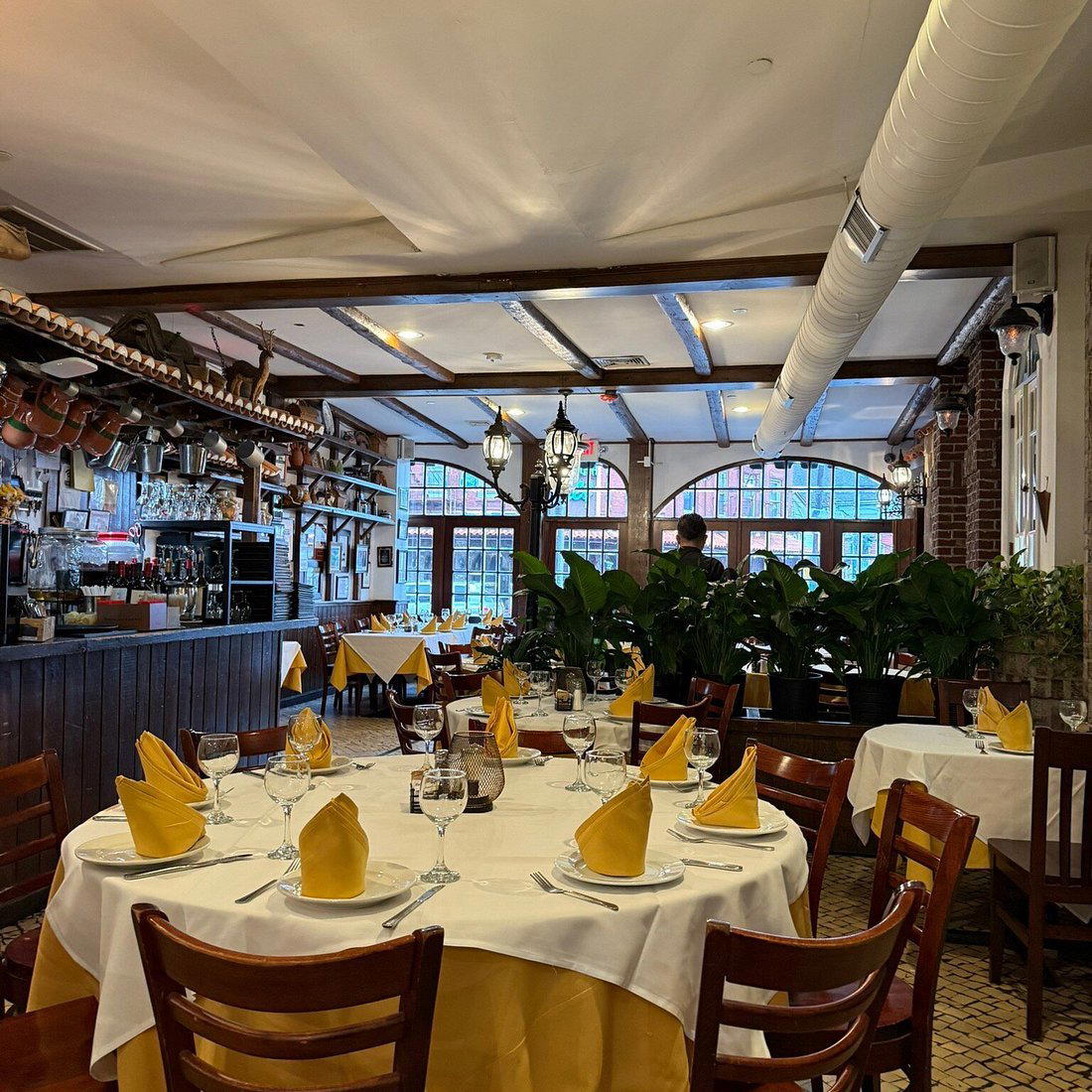
Sol-Mar occupies a spot on Ferry Street in Newark's Ironbound district, a block with several long-running restaurants that collectively give the strip a neighbourhood institution character rather than a destination-dining one. The Ironbound has historically operated as a working dining corridor with a strong Portuguese and Iberian identity, and Sol-Mar fits within that context. Expect a setting shaped by that tradition rather than by contemporary restaurant design trends.
Is Sol-Mar Restaurant a good option for a first visit to the Ironbound in Newark?
Ferry Street functions as the main artery of Newark's Ironbound, and Sol-Mar at 267 Ferry St places a first-time visitor in the middle of the corridor's most concentrated stretch of Portuguese-influenced restaurants. The Ironbound is one of the more coherent ethnic dining districts on the East Coast, which means a single visit to the block gives useful context for the neighbourhood's culinary identity. Sol-Mar's position on that strip makes it a practical entry point into what the area actually offers.
What do people recommend at Sol-Mar Restaurant?
Given its location at 267 Ferry St in the Ironbound, a corridor with deep Portuguese culinary roots, grilled fish and seafood preparations are a reasonable expectation based on the neighbourhood's broader kitchen traditions. Checking directly with the restaurant will give the most current picture of what is on offer.
What's the address for Sol-Mar Restaurant?
Sol-Mar Restaurant is located at 267 Ferry St, Newark, NJ 07105, Newark.
Side-by-Side Snapshot
Comparable venues nearby, for context on price, style, and recognition.
| Venue | Cuisine | Price | Notes |
|---|---|---|---|
| Sol-Mar RestaurantThis venue — the venue you are viewing | Authentic Portuguese Seafood | $30–50 | Not listed |
| Campino Restaurant | Traditional Portuguese | $30–50 | North Ironbound |
| Spanish Sangria | Authentic Spanish & Portuguese Seafood | $20–30 | North Ironbound |
| Don Pepe Restaurant | Classic Spanish Seafood | $50–100 | Ironbound |
| Sihana Bistro | Modern Georgian Bistro | Not listed | Downtown Newark |
| Konoz Restaurant | Puerto Rican Latin Fusion | $10–20 | Ironbound |
Continue exploring
More in Newark
Restaurants in Newark
Browse all →
Bars in Newark
Browse all →
Hotels in Newark
Browse all →





Details
- Classic
- Cozy
- Family
- Date Night
- Group Dining
- Historic Building
- Extensive Wine List
- A La Carte
- Gluten Free Options
Current opening hours
- Monday
- 11:30 AM–11 PM
- Tuesday
- 11:30 AM–11 PM
- Wednesday
- 11:30 AM–11 PM
- Thursday
- 11:30 AM–11 PM
- Friday
- 11:30 AM–11 PM
- Saturday
- 11:30 AM–11 PM
- Sunday
- 11 AM–11 PM
Hours can change for holidays and private events. Last verified .
Inviting handcrafted interior evoking Portugal's magnificent atmospheres, ideal for romantic dinners and family gatherings.