
50 Top Pizza Italia #98
Our verdict
A family-run pizza shop in Villaggio Mosè, just outside Agrigento, Sitári draws a local following with its informal atmosphere and careful approach to dough. The Sorce family covers classic, gluten-free, black rice, and Roman-style thin-crust formats, with each variant reflecting attention to flour selection and slow fermentation rather than shortcuts.

Pearl is the En Primeur Club membership app — saves, bookings, and concierge access live there. Same editors, same standards.
- Address
- Viale Leonardo Sciascia, 284, 92100 Agrigento AG, Italy
- Phone
- +39 389 660 9525
- Hours
- Mon–Wed 7:30–11:30 PMThu 7:30 PM–12 AMFri 7:30–11:30 PMSat–Sun 7:30 PM–12 AM
- Website
- sitari.it
- Directions
- Get directions
- Booking
- Book on the venue's website
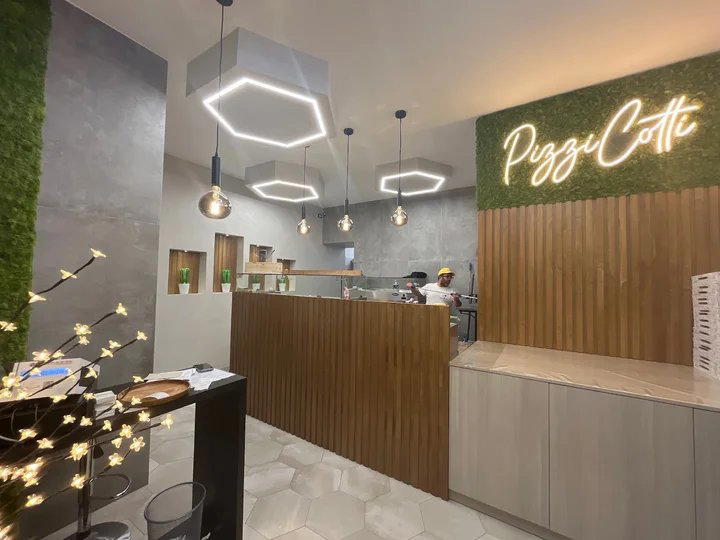
Pizza in the Agrigento Periphery: Where the Ritual Begins Outside the Walls
The road into Villaggio Mosè, the coastal district that sprawls below Agrigento's hilltop old town, does not promise much in the way of dining theatre. Strip-road businesses, roundabouts, the kind of functional urban edge common to mid-sized Sicilian towns. Sitári sits along Viale Leonardo Sciascia in this everyday setting, and that ordinariness is, in its way, the point. This is neighbourhood pizza: informal, youthful in energy, built for a local crowd that returns regularly rather than a tourist circuit that passes through once.
In southern Sicily, the pizza tradition does not carry the doctrinal weight it holds in Naples. Agrigento's pizza culture is more eclectic, drawing from Neapolitan precedent, Roman thin-crust traditions, and the practical reality that diners here want variety across flour types and dietary requirements. Sitári operates within that flexibility, running four distinct dough formats concurrently: classic, gluten-free, black rice, and a thin Roman-style base. Maintaining that range with any coherence requires discipline at every stage of preparation, and the Sorce family's stated focus on flour sourcing and slow rising reflects the kind of process-orientation that separates serious pizza operations from casual ones.
The Dough as the Discipline
In the conversation around Italian pizza quality, the technical markers tend to cluster around the same variables: the protein content and hydration capacity of the flour, the length of the cold ferment, the temperature and timing of the bake. These are not exotic concerns; they are the baseline of craft pizza anywhere in Italy. What distinguishes operators is how consistently they hold to those standards across an extended menu, particularly when accommodating alternative bases that behave differently in the oven.
Gluten-free pizza, in particular, remains one of the more technically demanding formats in a pizzeria kitchen. Rice-based and alternative-grain doughs lack the gluten network that gives conventional dough its elasticity and oven spring, which means the margin for error on fermentation timing and bake temperature is narrower. A shop that treats gluten-free as an afterthought typically produces a brittle, dry result. The fact that Sitári runs it alongside a black rice base suggests the kitchen is working with multiple dough disciplines simultaneously, each with its own preparation window. For diners with coeliac disease or gluten sensitivity travelling in Sicily, where restaurant accommodation of dietary restrictions varies considerably, this kind of explicit commitment at a local-level pizzeria carries practical value.
The Roman-style thin crust, meanwhile, occupies a different register from the Neapolitan model. Where Neapolitan pizza prioritises a soft, charred cornicione and a wet centre, Roman-style baking aims for a cracker-crisp base throughout. The two formats require different hydration ratios and different heat management. Running both in the same operation, even if the Roman version is simply a popular secondary offering, asks for a kitchen that can compartmentalise its processes.
Atmosphere and the Casual Dining Ritual
The dining ritual at a place like Sitári is worth taking seriously on its own terms. Italian casual dining, particularly in southern towns, operates with a social logic that differs from the transactional rhythm of tourist-facing restaurants. Tables linger. Orders are placed without urgency. The informality is not a concession to low standards but a feature of the format: the meal is part of a longer evening, not its centrepiece. For visitors accustomed to faster-paced urban dining, it is worth adjusting expectations accordingly, and arriving with the patience the setting invites.
Youthful atmosphere the Sorce family has cultivated tracks with broader shifts in how Italian casual dining presents itself outside major cities. Where older trattorie formats tend toward tradition and restraint, newer family-run operations in peripheral districts often read as more relaxed and accessible, with menus designed to bring in a broad local demographic rather than a narrow one. That accessibility, without sacrificing attention to preparation, is a reasonable model to build a neighbourhood following on.
Agrigento's dining scene covers a considerable range of registers. For those seeking more formal creative cooking in the city, Carusu (Creative) operates at the higher end of the local spectrum, while Osteria Expanificio (Sicilian) offers a more traditional Sicilian approach. Sitári occupies the casual, pizza-specific tier, which in many Italian cities represents the most frequented and most socially embedded category of restaurant. See our full Agrigento restaurants guide for the broader picture.
Planning a Visit
Sitári is located on Viale Leonardo Sciascia in Villaggio Mosè, the district south of the historic centre along the coast road. Arriving by car is direct from the SS115 corridor; the address is accessible without needing to manage the old town's restricted traffic zones. For visitors staying in Agrigento's centre, Villaggio Mosè is a short drive, and combining a pizza evening there with a daytime visit to the Valle dei Templi makes logical geographic sense given the proximity. No booking contact details are currently available through EP Club's records, so verifying current hours and reservation options directly with the venue before visiting is advisable. The informal atmosphere and casual format suggest walk-in is the standard approach, though peak weekend evenings at any popular local pizzeria in a mid-sized Italian town can mean a wait.
Agrigento and Beyond
For context on where Sitári sits within the broader Italian dining scene, the country's highest-profile restaurants operate at a very different register. Places such as Osteria Francescana in Modena, Enoteca Pinchiorri in Florence, Enrico Bartolini in Milan, Le Calandre in Rubano, Dal Pescatore in Runate, Uliassi in Senigallia, Piazza Duomo in Alba, Quattro Passi in Marina del Cantone, and Atelier Moessmer Norbert Niederkofler in Brunico define Italy's Michelin-starred tier. Internationally, Le Bernardin in New York City and Atomix in New York City represent a comparable level of formal ambition in a different geography. Sitári makes no claim to that category, nor should it. It operates in a distinct and equally valid register: local, process-attentive, and built around a format that southern Sicilians return to week after week.
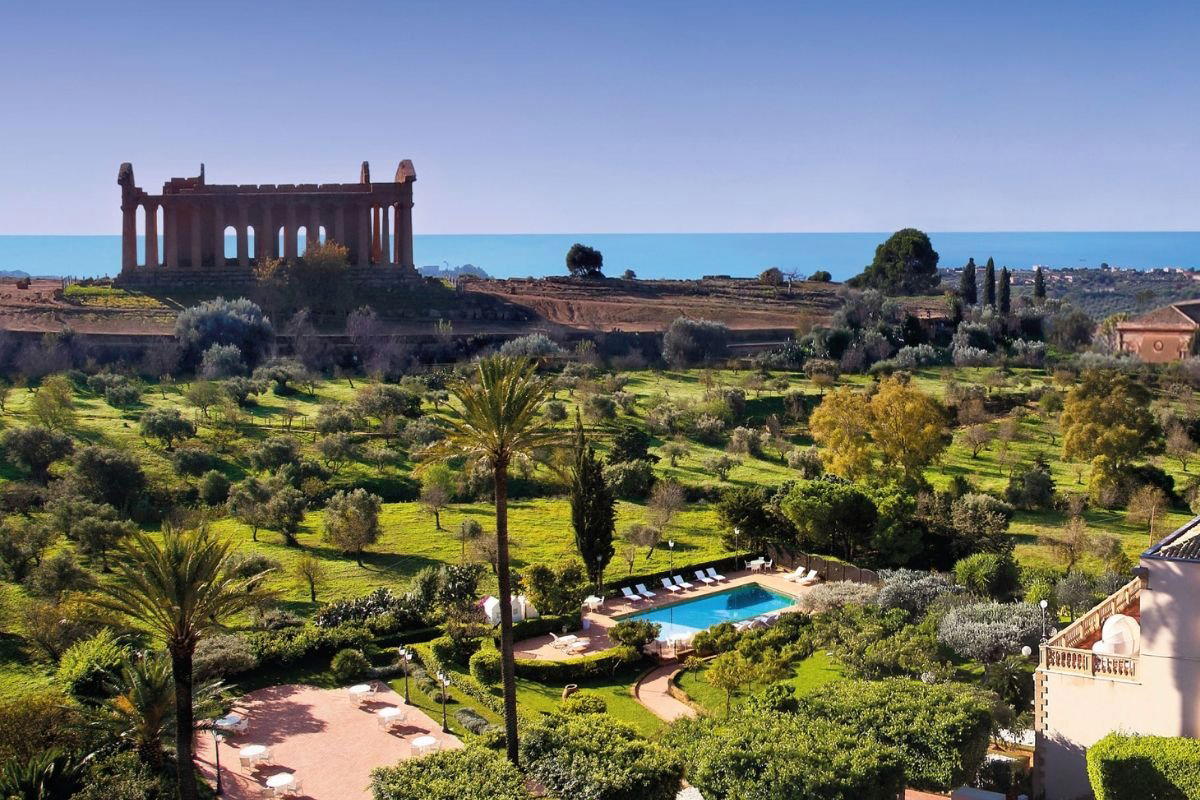
For planning a wider visit to Agrigento, EP Club's guides cover the full range of options: hotels, bars, wineries, and experiences across the province.
Frequently asked questions
What kind of recognition has Sitári received?
Sitári has received recognition including: A pizza shop run by the Sorce family, known for its informal and youthful atmosphere. They offer classic, gluten-free, black rice, and thin/crispy Roman-style pizzas, with notable attention to every stage of preparation, from flour selectio….
Where exactly is Sitári?
Sitári is located at Viale Leonardo Sciascia, 284, 92100 Agrigento AG, Italy, Agrigento.
What should I eat at Sitári?
The menu spans classic Neapolitan-style rounds, thin and crispy Roman-style pizzas, and black rice bases alongside a gluten-free option. The Sorce family's focus on flour selection, slow rising, and baking method means the dough itself is the point — whichever style you order, the foundation is the same careful process.
Should I book Sitári in advance?
For weekend evenings at a well-regarded local spot in Agrigento, arriving early in the service is the practical way to avoid a wait.
What has Sitári built its reputation on?
The Sorce family operation has earned recognition for treating pizza production as a technical discipline — flour choice, hydration, slow fermentation, and oven management receive the same attention you'd expect at a dedicated dough-focused pizzeria in Naples or Rome. In a peripheral district like Villaggio Mosè, that level of process-oriented focus sets a clear standard.
Can Sitári accommodate dietary restrictions?
Gluten-free pizza is part of the regular menu at Sitári, listed alongside the classic and Roman-style options. The black rice base offers a further alternative for those seeking variety outside conventional wheat doughs.
Cuisine Lens
| Venue | Cuisine | Price | Awards | Notes |
|---|---|---|---|---|
| SitáriThis venue — the venue you are viewing | Modern Neapolitan-Style Pizza | $20–30 | 50 Top Pizza Italia #98 | Not listed |
| Atelier Moessmer Norbert Niederkofler | Italian, Creative | Not listed | Michelin 3 Star | Not listed |
| Dal Pescatore | Italian, Italian Contemporary | Not listed | Michelin 3 Star | Not listed |
| Enoteca Pinchiorri | Contemporary Italian Fine Dining | $200–300 | 3 Michelin Stars · World's 50 Best #32 | Italian - French, Italian Contemporary |
| Enrico Bartolini | Creative | Not listed | Michelin 3 Star | Not listed |
| Osteria Francescana | Avant-Garde Italian Contemporary | $300–500 | 3 Michelin Stars · World's 50 Best #1 | Progressive Italian, Creative |
Recognition history
Dated appearances from independent guides and award organizations, with the underlying list record or original source where available.
50 Top Pizza Italia #98
50 Top Pizza
Full recognition history (2 entries)
50 Top Pizza Italy #94
50 Top Pizza
Continue exploring
More in Agrigento
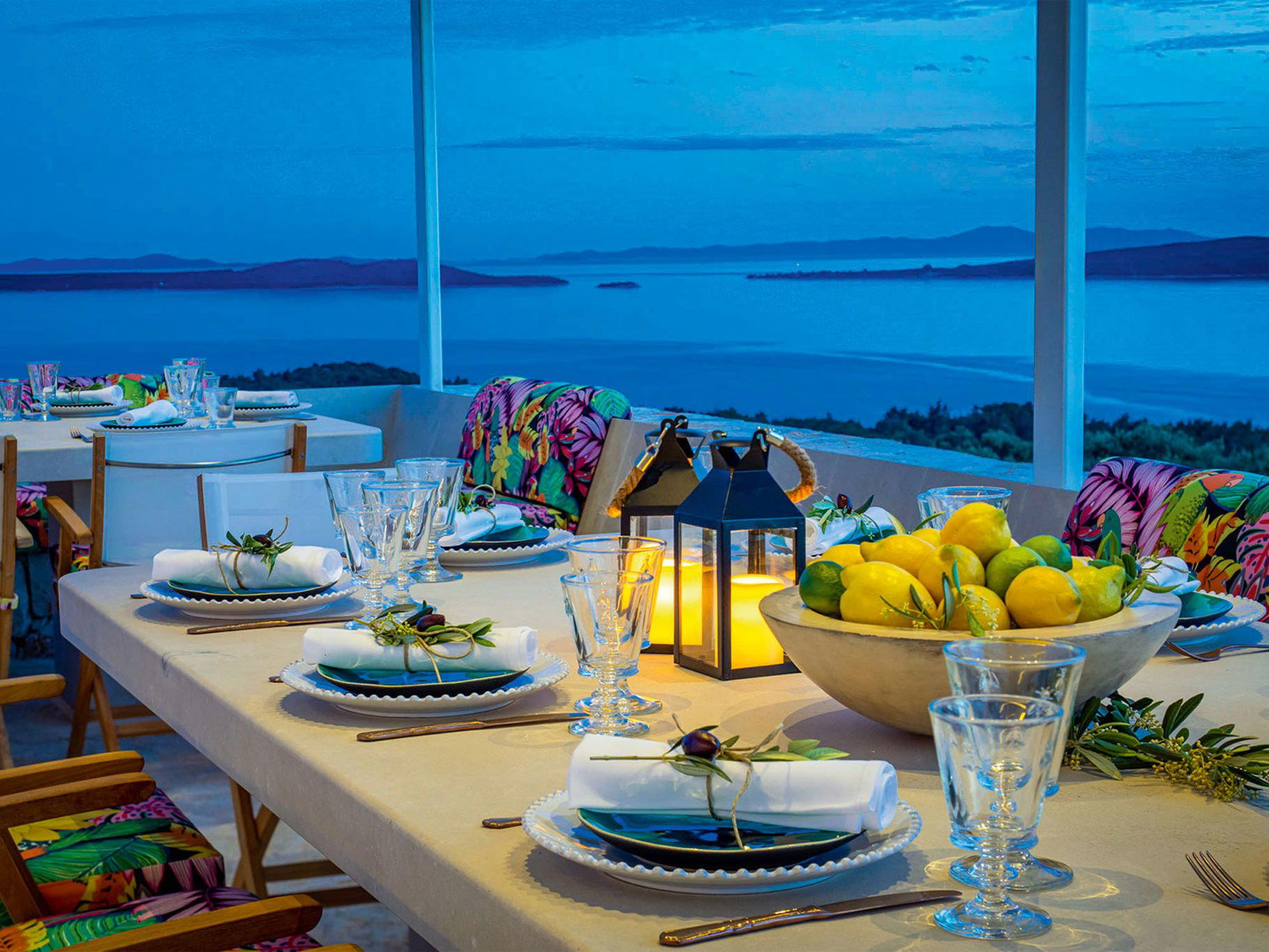
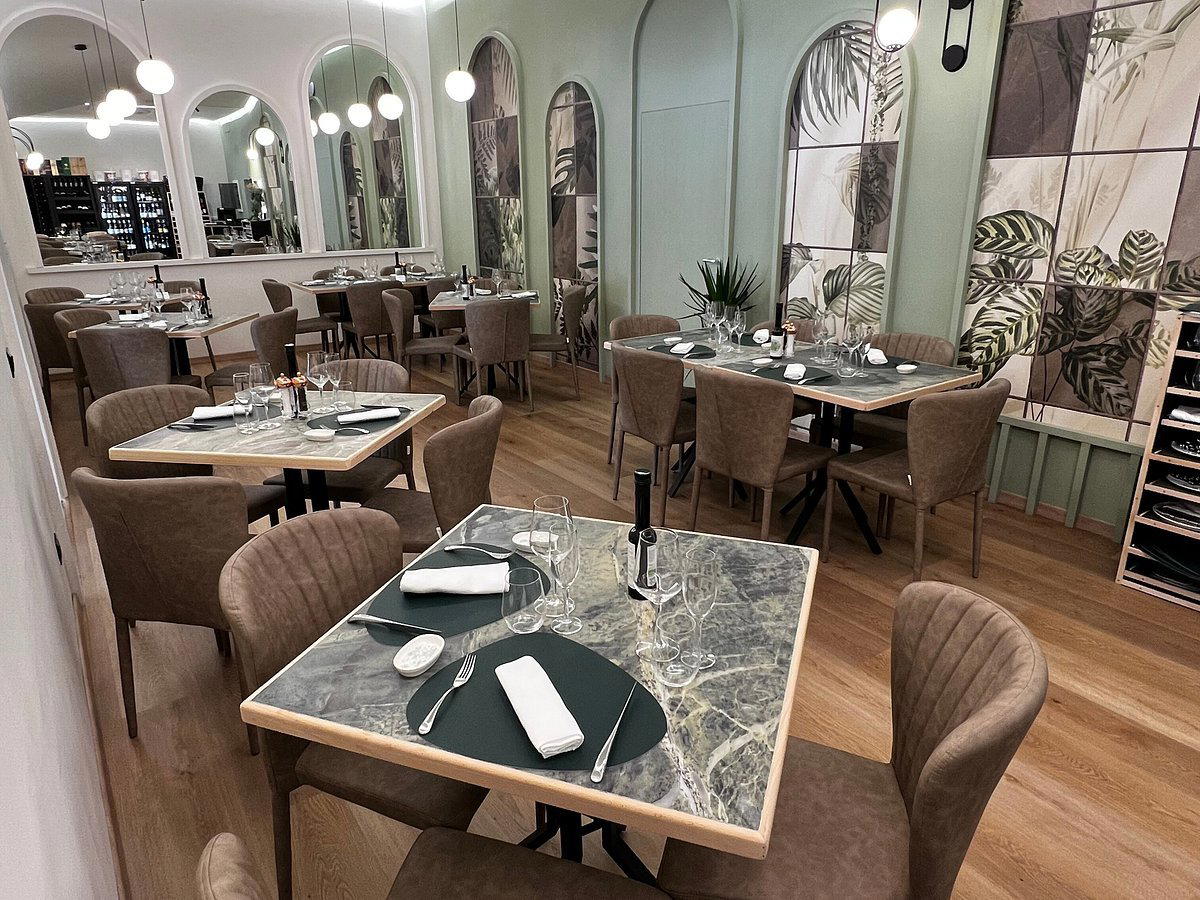
Restaurants in Agrigento
Browse all →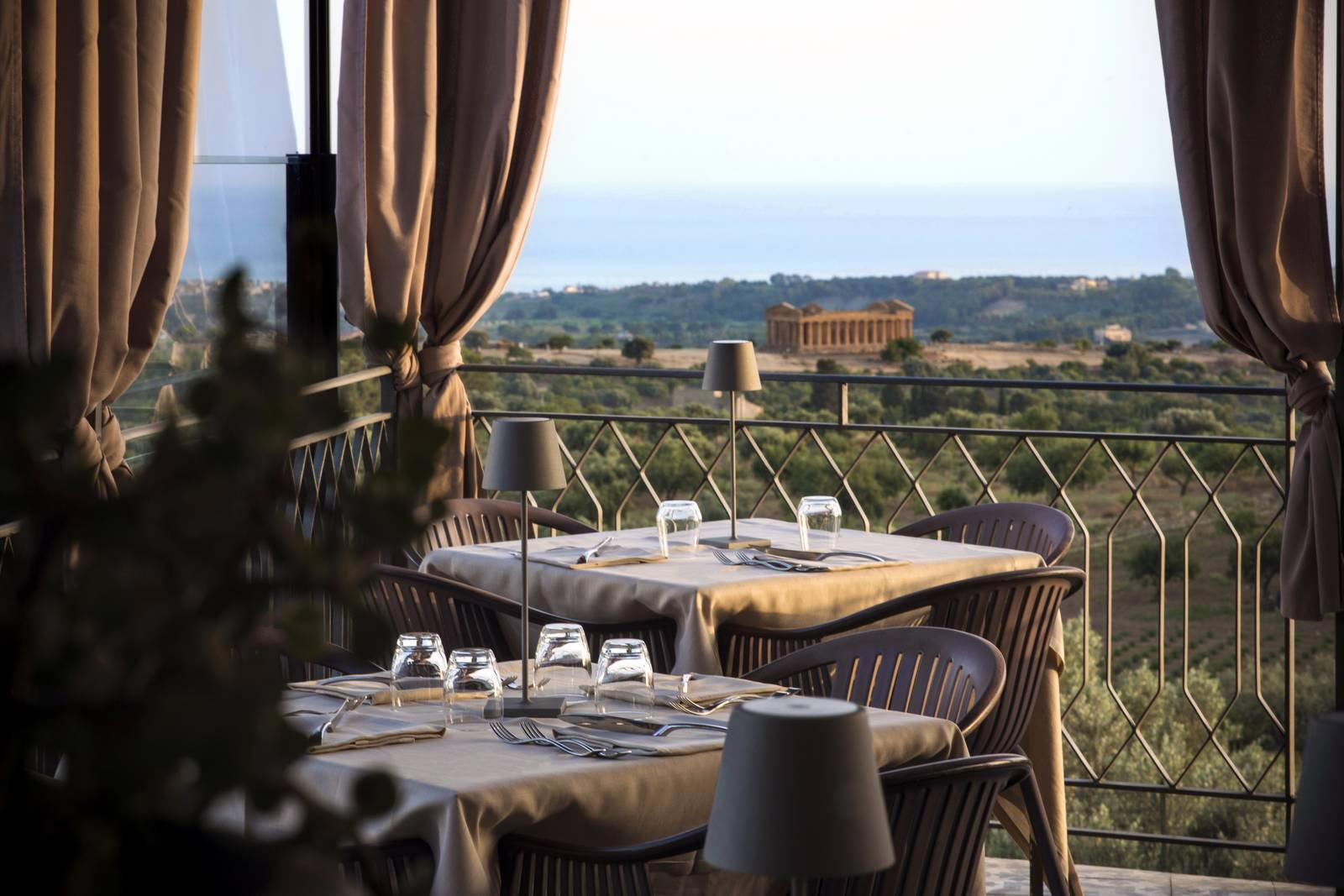
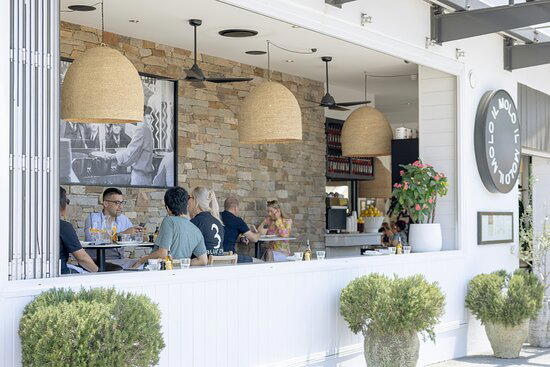
Bars in Agrigento
Browse all →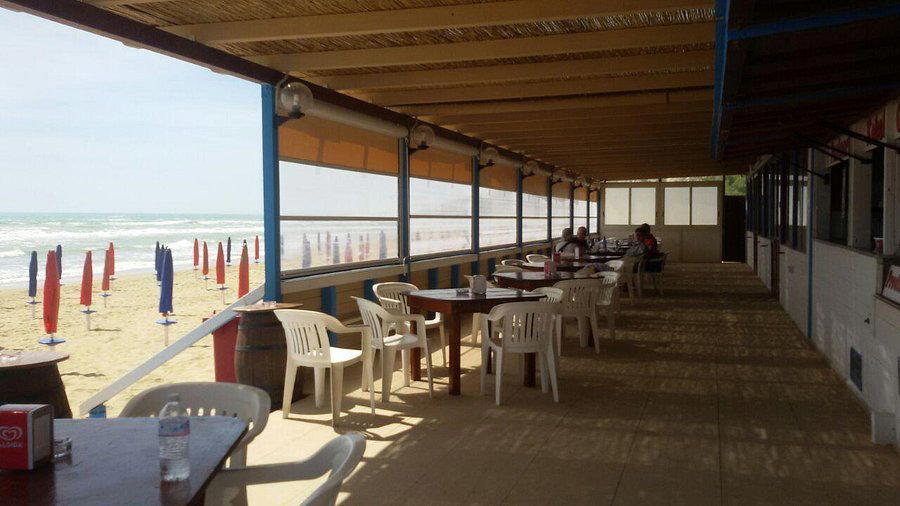
Hotels in Agrigento
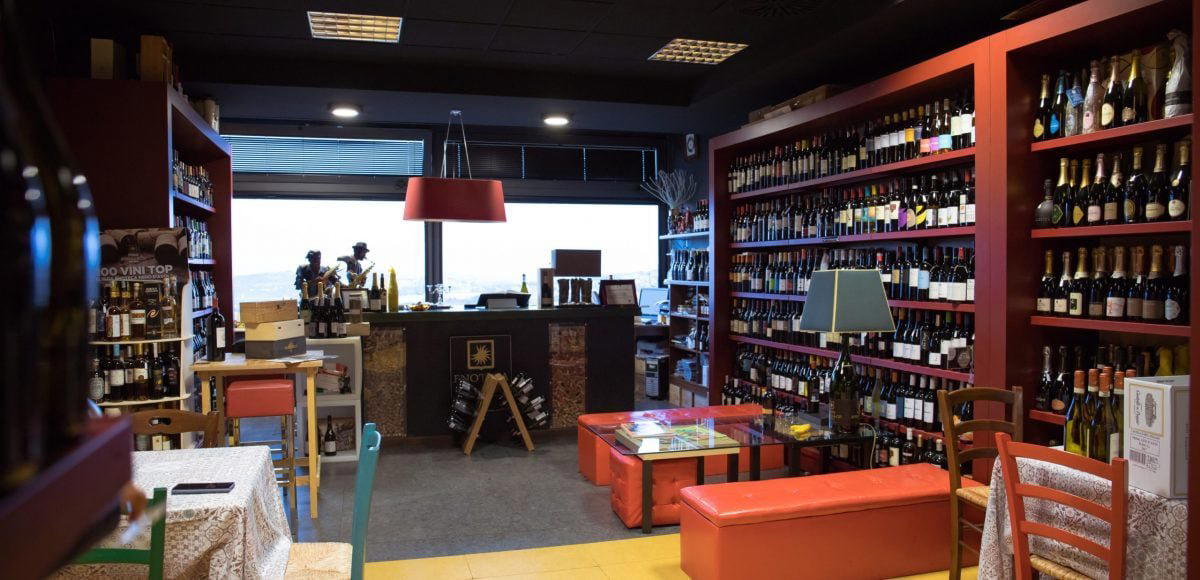
Browse all →

Details
- Lively
- Modern
- Cozy
- Family
- Group Dining
- Casual Hangout
- Open Kitchen
- Local Sourcing
- A La Carte
- Vegetarian Friendly
- Vegan Options
- Gluten Free Options
Current opening hours
- Monday
- 7:30–11:30 PM
- Tuesday
- 7:30–11:30 PM
- Wednesday
- 7:30–11:30 PM
- Thursday
- 7:30 PM–12 AM
- Friday
- 7:30–11:30 PM
- Saturday
- 7:30 PM–12 AM
- Sunday
- 7:30 PM–12 AM
Hours can change for holidays and private events. Last verified .
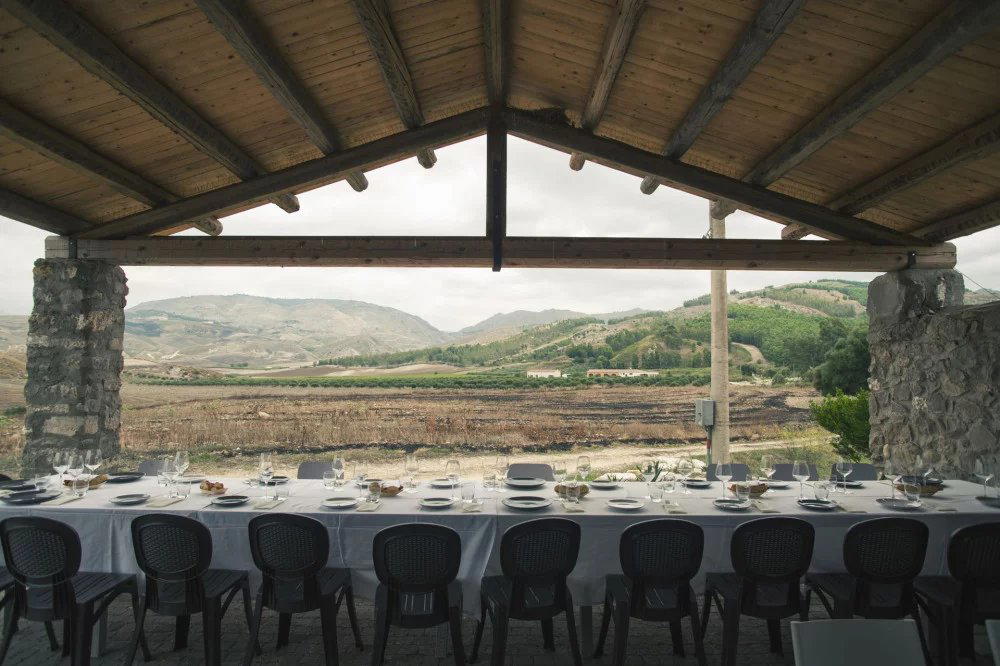
Modern, youthful space with open kitchen, veranda seating, and cheerful convivial atmosphere, though some note basic decor and traffic exposure.