Our verdict
Simply Cooking sits within Ningbo's growing tier of restaurants drawing on the city's deep Zhejiang culinary heritage. With sparse public data available, the restaurant rewards direct inquiry before visiting. It occupies a city whose seafood traditions and restrained flavor philosophy place it in one of eastern China's most distinctive regional dining cultures.

Pearl is the En Primeur Club membership app, where members save venues, book tables and use the concierge.
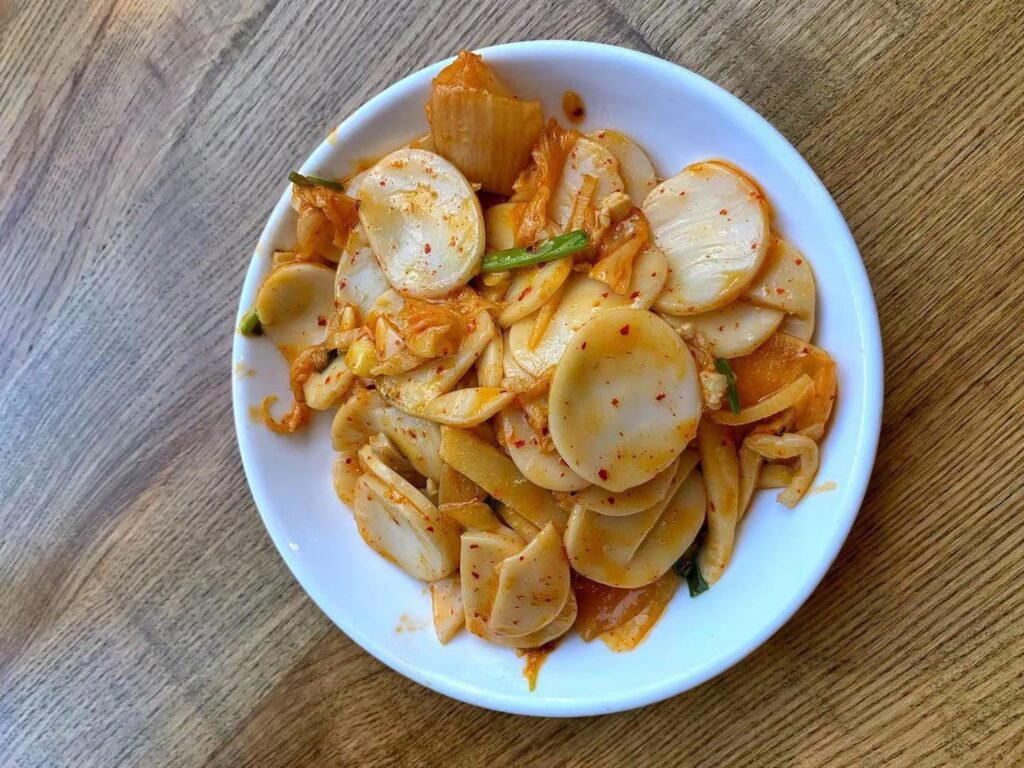
The menu
What to order
- Crispy Large Intestines
- Three Fresh Soup
- Tearful Glutinous Rice Balls
- Salt and Pepper Spare Ribs
Where Ningbo's Flavor Philosophy Takes Shape
Ningbo has never chased the culinary spotlight that follows Shanghai or Hangzhou. Its food culture operates on different terms: a coastal city with one of China's longest-established fishing economies, it built a cuisine around subtlety rather than spectacle. The Zhejiang tradition here prizes the integrity of raw ingredients over complex layering, and salt-preserved seafood, freshwater fish, and fermented preparations have defined local tables for centuries. Simply Cooking sits inside that tradition, drawing from a city whose culinary character is shaped more by tidal calendars than by trend cycles.
The name itself signals something about positioning. In a regional dining scene that can trend toward elaborate presentation and multi-course ceremony, a name emphasizing simplicity suggests a deliberate alignment with the quieter end of Ningbo's culinary register. That is the strand of Zhejiang cooking that has attracted serious attention from food scholars and regional critics alike: technique in service of flavor clarity, not technique as performance.
The Zhejiang Tradition Behind the Kitchen
To understand what a restaurant like Simply Cooking is working within, it helps to know what Ningbo cuisine actually is. Classified under the broader umbrella of Zhejiang cuisine (浙菜), one of the eight great regional traditions of Chinese cooking, Ningbo's local variant is distinguished by its reliance on the sea and its preference for gentle seasoning. The city sits at the mouth of the Yong River, where it meets Hangzhou Bay, and that geography determines what arrives at the market each morning.
Braised pork belly with preserved vegetables (梅干菜扣肉), salted yellow croaker, and snowflake tofu are among the preparations that define the local canon. These are not dishes that impress through richness or elaboration. Their authority comes from calibration: the right amount of salt, the right cooking time, the right balance between a protein and its accompaniments. Restaurants in Ningbo that execute this tradition with discipline earn a different kind of loyalty than those chasing a broader audience with hybrid menus.
For comparison within the wider Zhejiang tradition, Ru Yuan in Hangzhou operates at the formal end of the regional spectrum, demonstrating how the same culinary roots can be expressed at very different registers of polish and ceremony. Ningbo's local practitioners, by contrast, often operate with less institutional recognition but with equivalent claim to the tradition's authenticity.
Ningbo's Dining Tier and Where This Fits
The city's restaurant scene has developed a recognizable structure in recent years. At the formal end, hotel dining rooms and banquet-style venues anchor a tier aimed at corporate and celebratory occasions. Below that sits a dense middle band of regional specialists, seafood houses, and family-run operations that carry the practical weight of daily dining culture. Simply Cooking's positioning within this structure is not fully documented in public records, but its name and location in Zhejiang suggest it occupies the specialist or mid-tier segment rather than the ceremonial banquet category.
Within Ningbo specifically, restaurants like Chen House·Champion Tower, Dining Room (悦轩), HAI WEI SHI JIA RESTAURANT, MING COURT, and Ning bo meiyan represent points of comparison across different formats and registers. Each draws from the same regional ingredient base but addresses a different dining occasion and audience expectation.
Looking beyond Ningbo to understand where Chinese coastal cuisine intersects with more formal recognition, Xin Rong Ji (Xinyuan South Road) in Beijing and Xin Rong Ji in Chengdu represent what happens when the Zhejiang seafood tradition is exported into formats targeting a national fine-dining audience. The contrast with a Ningbo-based restaurant working the local market is instructive: local operations often carry more of the tradition's texture precisely because they are not translating it for an outside audience.
The Broader Chinese Fine Dining Frame
Chinese restaurant culture has shifted considerably over the past decade. The generation of destinations defined by Hong Kong Cantonese formalism, exemplified by venues like Chef Tam's Seasons in Macau and Imperial Treasure Fine Chinese Cuisine in Guangzhou, continues to set one standard. But alongside that tradition, a quieter movement has developed in second-tier cities and regional capitals, where restaurants are making cases for local cuisines on their own terms rather than through the lens of Cantonese or Sichuan dominance.
Ningbo participates in that shift. The city's cuisine has never commanded the same international recognition as its neighbors in Hangzhou or the export-ready formats of Shanghai venues like 102 House in Shanghai, but it maintains a coherent identity rooted in geography and history. Restaurants in this city that commit to that identity rather than diluting it for broader appeal represent a specific kind of editorial interest: they keep a regional tradition legible.
In eastern China's coastal dining scene, analogous regional-specialist dynamics play out in Fuzhou (Jiangnan Wok‧Rong in Fuzhou), Xiamen (Fleurs Et Festin in Xiamen), Nanjing (Dai Yuet Heen in Nanjing), and Suzhou (Dingshan·Jiangyan (Xiangcheng) in Suzhou). Each city has its own food culture operating in parallel with the major culinary poles, and restaurants that serve those local cultures honestly tend to age better than those built around borrowed aesthetics.
Planning a Visit
Simply Cooking is located in Ningbo, Zhejiang Province. As of publication, no phone number, website, or booking platform is listed in public records which means the most reliable approach is to inquire through your hotel concierge or a local contact who can confirm current hours and availability before you travel to the address. This is not unusual for independent restaurants in Chinese cities operating primarily for a local clientele, where word-of-mouth and local platform listings on apps like Dianping carry more weight than international-facing web presence.
Visitors coming to Ningbo specifically for its food culture will find the city most legible in the context of a broader Zhejiang itinerary. Hangzhou is roughly two hours away by high-speed rail, and the culinary contrast between the two cities, both working within the same regional tradition but with different emphases, rewards the comparison. For a fuller picture of where Simply Cooking sits within the city's dining options, see our full Ningbo restaurants guide.
Frequently asked questions
Where do I go for Simply Cooking?
Simply Cooking is located at 宁波, 浙江, Ningbo.
How does Simply Cooking reflect Ningbo's culinary identity compared to other Chinese coastal cities?
Ningbo cuisine sits within the broader Zhejiang school but carries a distinct coastal character shaped by East China Sea fishing traditions and a long history of fermentation and preservation techniques not prominent in, say, Shanghainese or Fujianese cooking. Unlike cities where regional cuisine has been heavily adapted for tourist or export markets, Ningbo's independent restaurants largely operate within a local-first frame. Simply Cooking, based in Ningbo's Zhejiang Province, occupies that domestic-facing segment of the city's food culture.
What should I order at Simply Cooking?
The restaurant's name and its location in Ningbo point toward the ingredient-forward cooking style that defines serious Zhejiang cuisine: seafood sourced from the East China Sea coast, preserved and fermented preparations, and dishes built around restraint rather than complexity. Asking staff for house specialities on arrival is the practical approach.
Do they take walk-ins at Simply Cooking?
No booking policy is publicly documented for Simply Cooking. Independent restaurants operating in Ningbo's mid-tier dining segment frequently accommodate walk-in guests, particularly outside weekend peak hours. No phone number or website is currently listed in public records, so arriving in person remains the most direct way to confirm availability.
What's Simply Cooking best at?
The restaurant's name signals a commitment to the disciplined, ingredient-led approach that characterises Ningbo's coastal culinary identity rather than the elaborated presentation style found in banquet or hotel dining. Ningbo cuisine at its most focused relies on the natural flavour of East China Sea seafood and locally fermented ingredients, and Simply Cooking's positioning aligns with that tradition.
Do they accommodate allergies at Simply Cooking?
No phone number or website is currently listed in public records for Simply Cooking, which makes advance allergy confirmation through standard channels difficult. Arriving early and communicating dietary requirements directly to staff is the most reliable method. Zhejiang cooking commonly uses soy-based sauces and preserved seafood, which are worth flagging for relevant allergies.
Is eating at Simply Cooking worth the cost?
No price range data is publicly available for Simply Cooking, so a precise cost-to-value comparison cannot be made here. Within Ningbo's independent restaurant segment, meals at this tier typically sit below Shanghai comparables while drawing on the same Zhejiang coastal ingredient tradition. Context from the city's dining structure suggests this category tends to offer strong value relative to hotel dining rooms targeting banquet occasions.
Price and Positioning
| Venue | Cuisine | Price | Awards | Notes |
|---|---|---|---|---|
| Simply CookingThis venue (the venue you are viewing) | Traditional Ningbo Seafood | $20–30 | Not listed | Not listed |
| 钱湖渔港 Qianhu Yugang at Park Hyatt | Modern Zhejiang Seafood | Not listed | La Liste Top Restaurants | Chinese Seafood |
| Chen House·Champion Tower | Cantonese and Jiangzhe Fine Dining | Not listed | Black Pearl 1 Diamond | Not listed |
| HAI WEI SHI JIA RESTAURANT | Traditional Ningbo Seafood | $100–150 | Black Pearl 1 Diamond | Not listed |
| MING COURT | Innovative Cantonese | $50–100 | Black Pearl 1 Diamond | Not listed |
| Ning bo meiyan | Contemporary Lakeside Chinese | Not listed | Black Pearl 1 Diamond | Not listed |
Continue exploring
More in Ningbo
Restaurants in Ningbo
All restaurants in Ningbo →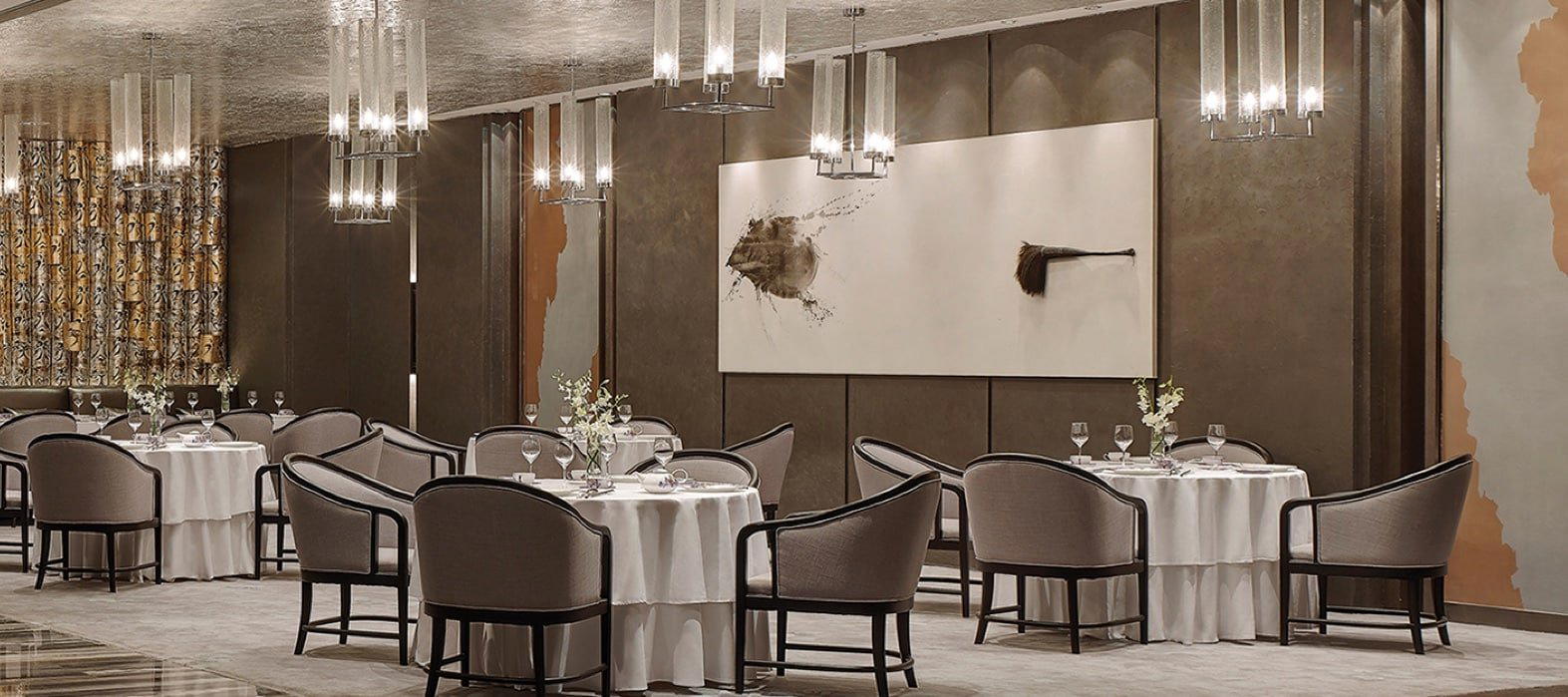
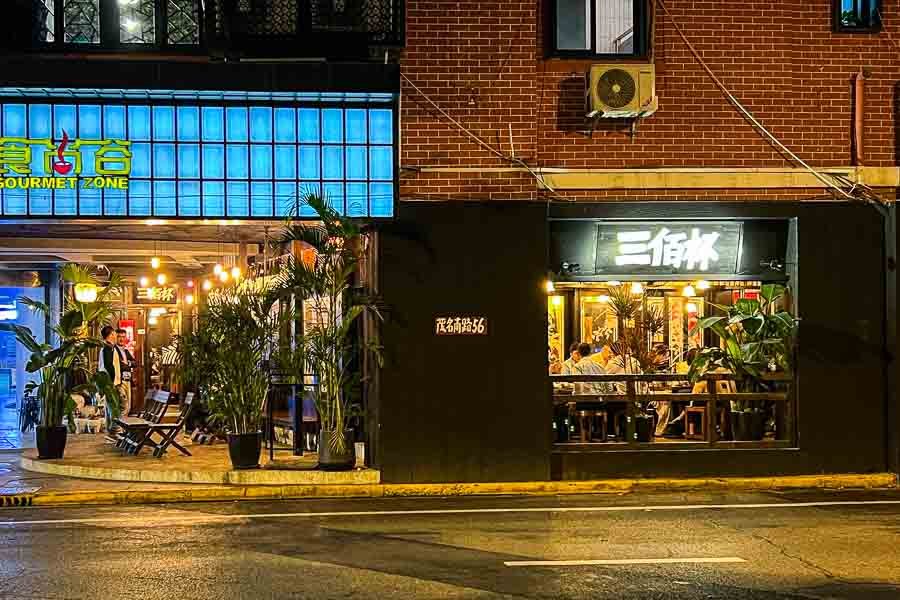

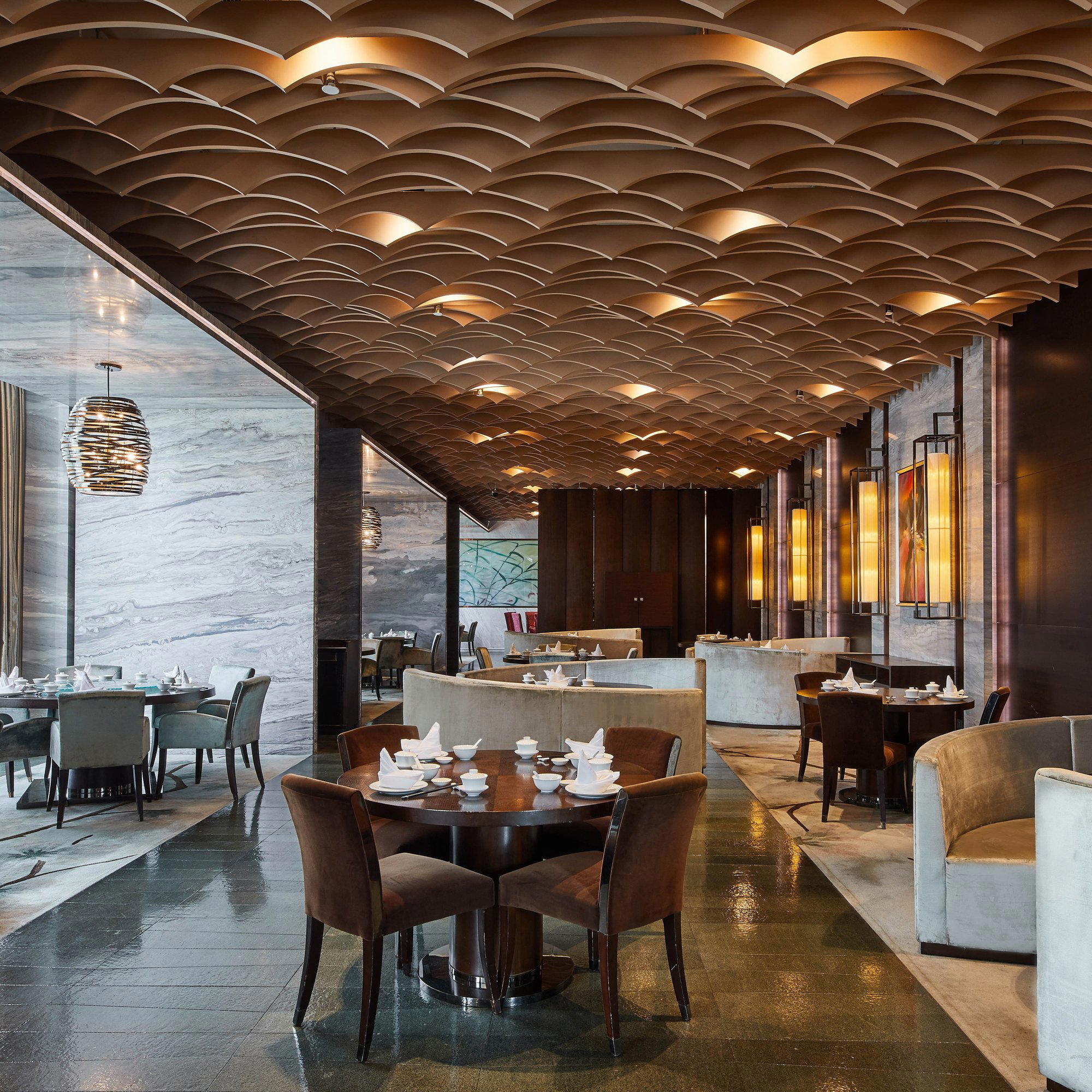
Hotels in Ningbo
All hotels in Ningbo →
Details
- Casual
- Lively
- Casual Hangout
- Group Dining
- Local Sourcing
- Sustainable Seafood
- A La Carte
- Family Style
Casual, bustling atmosphere with open seafood displays at the entrance; lively dining environment typical of local Ningbo restaurants.