Simple et Meilleur

Relais Chateaux Award
Our verdict
Simple et Meilleur occupies a quiet address on Rue Caseblanche in Les Belleville, the valley resort commune that brackets the upper Tarentaise and sits within easy reach of Val Thorens and Saint-Martin-de-Belleville. In a village where the dining offer runs from high-altitude fondue to ambitious alpine cooking, the name itself, simple and better, signals a deliberate positioning between rustic and refined. It is a useful reference point for anyone mapping the local table beyond the ski-lodge circuit.

Pearl is the En Primeur Club membership app, where members save venues, book tables and use the concierge.
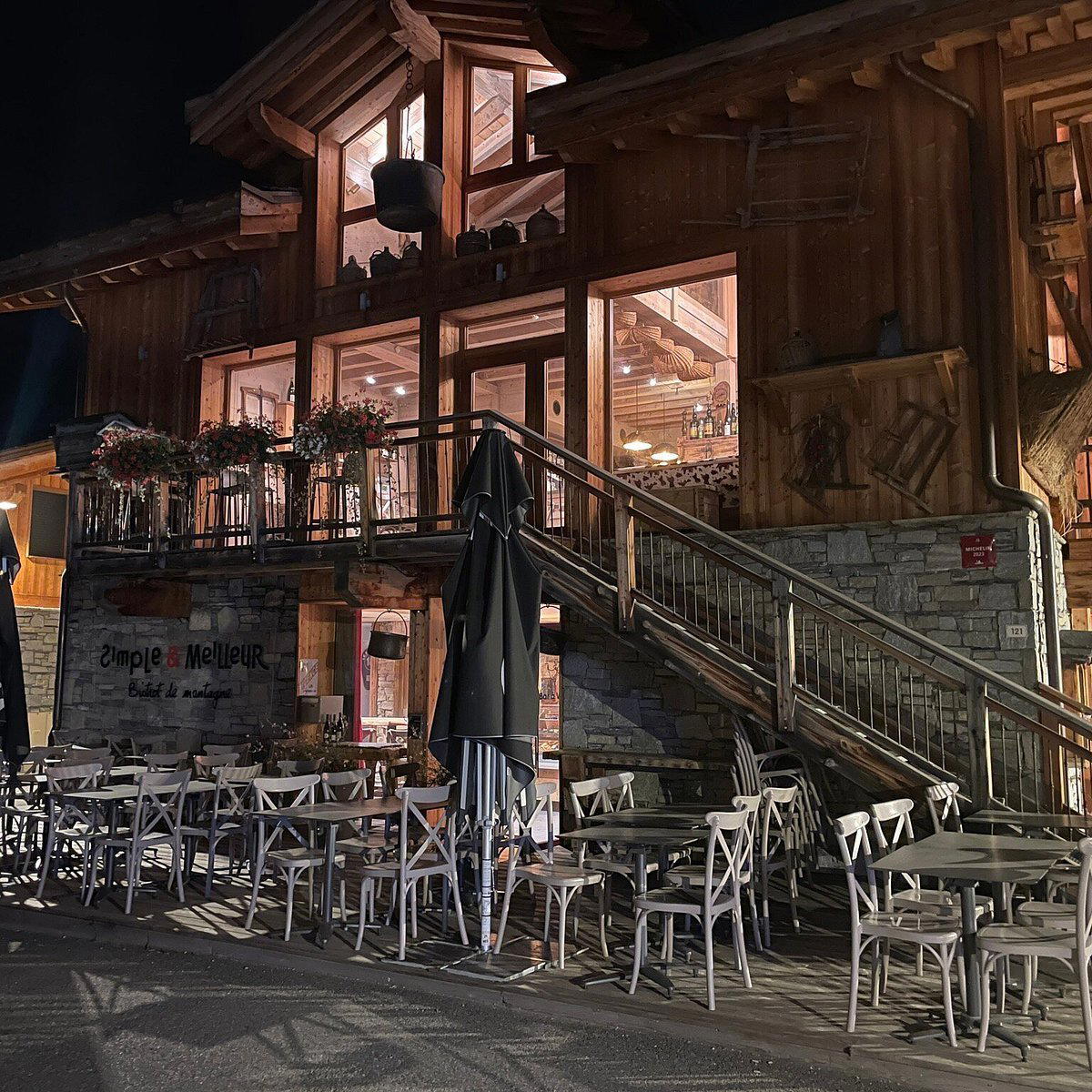
The menu
What to order
- Reblochon fondue
- Baked trout
- Frogs' legs in parsley and garlic sauce
- Snail and mushroom casserole
- Blueberry tart
Where the Tarentaise Table Sets Its Own Terms
The Belleville valley occupies an unusual position in French alpine dining. It connects three resort communities, Saint-Martin-de-Belleville, Les Menuires, and Val Thorens, across an altitude range that stretches from around 1,400 metres to nearly 1,800 metres at village level, and the dining culture reflects that compression of geography and seasonality. Winter brings a transient population of skiers with high spending power and short attention spans; summer thins the crowd to a fraction. Restaurants that survive both cycles tend to develop a clarity of purpose that purpose-built resort food rarely achieves. Simple et Meilleur, addressed at 121 Rue Caseblanche in Les Belleville, sits inside that dynamic.
The name deserves attention before anything else, because in the French alpine context it functions as a positioning statement. Simple et meilleur, simple and better, is a phrase that cuts against the tendency of resort restaurants to pursue elaboration as a proxy for quality. The better-known benchmark for that philosophy in the French Alps is Flocons de Sel in Megève, where Emmanuel Renaut built a three-Michelin-star reputation on hyper-local alpine produce rather than on imported luxury goods. Simple et Meilleur operates at a different register, but the underlying orientation, that the mountain larder, properly handled, needs no gilding, is one the two addresses share across a considerable distance of altitude and ambition.
The Village as Context
Les Belleville as a commune is easier to understand through its geography than through its administrative boundaries. The valley floor runs roughly southwest to northeast, with the D117 road threading through Saint-Martin before the terrain climbs toward Les Menuires. Rue Caseblanche places Simple et Meilleur within the older residential and commercial tissue of the settlement rather than in the more tourist-dense resort zones higher up. That distinction matters for the dining experience: restaurants anchored to the village rather than to the ski lifts tend to attract a different mix of guests, with a stronger proportion of longer-stay visitors and residents who want something reliable across multiple visits rather than a single-occasion spectacle.
For the traveller arriving from outside the valley, the practical approach is almost always via Moûtiers, the nearest rail hub, from which the D915 climbs into the Belleville massif. The drive from Moûtiers to the Les Belleville commune takes approximately 30 to 40 minutes depending on conditions and the precise destination within the valley. In winter, this road carries heavy traffic on weekend changeover days, Saturday arrivals in particular, so timing a first visit to Simple et Meilleur on a midweek evening reduces the logistical friction considerably. The surrounding dining options in the valley include Chalet de la Marine, Le Montagnard, La Fromagerie Des Belleville, and Les Explorateurs by Pashmina, which together sketch out the range of what the local table currently offers. A broader survey appears in our full Les Belleville restaurants guide.
Alpine Dining in the French Context
To understand where a restaurant like Simple et Meilleur fits, it helps to map the wider territory of serious French cooking away from Paris. The capital anchors the country's most decorated tables, Alléno Paris au Pavillon Ledoyen being among the most documented, but the provinces have long sustained their own hierarchies. The Rhône-Alpes region, which encompasses the Savoie, has historically produced a strand of cooking rooted in produce rather than technique, from Troisgros - Le Bois sans Feuilles in Ouches to the more recent generation working with mountain ingredients. Further afield, the French tradition of serious regional cooking outside metropolitan centres includes addresses such as Auberge de l'Ill in Illhaeusern, Bras in Laguiole, and Auberge du Vieux Puits in Fontjoncouse, each of which demonstrates that geographical remoteness and culinary seriousness are not in tension.
The Savoie table specifically draws on a larder that includes aged cheeses, Beaufort, Abondance, Tome des Bauges, cured meats, lake fish from Léman and Annecy, and late-season root vegetables that hold through alpine winters. When a restaurant name invokes simplicity in this context, it is usually making a claim about that larder: that the ingredients carry the argument and the kitchen's role is to avoid obscuring them. Whether Simple et Meilleur fully delivers on the premise of its name is a question that requires visiting, but the positioning itself is a coherent one within the regional tradition. Comparable ambition in the French south is visible at AM par Alexandre Mazzia in Marseille and Mirazur in Menton, though those addresses work from an entirely different climatic and cultural larder.
Internationally, the standard for what a tightly focused, ingredient-led kitchen can achieve regardless of size or remoteness has been set by counters like Le Bernardin in New York City and, in a more contemporary register, Atomix in New York City, both of which demonstrate that restraint in concept is not the same as limitation in execution. The comparison is not about scale but about the editorial choice a kitchen makes when it decides to do fewer things with more conviction. That choice is what the name Simple et Meilleur implies, and it is the frame through which the restaurant is worth considering. For other examples of that approach applied to French regional cooking, Assiette Champenoise in Reims and Au Crocodile in Strasbourg offer points of comparison in distinct terroir contexts, while Paul Bocuse - L'Auberge du Pont de Collonges in Collonges-au-Mont-d'Or remains the region's most historically documented benchmark.
Planning a Visit
Simple et Meilleur's address at 121 Rue Caseblanche anchors it to the lower valley rather than the higher resort zones, which makes it more accessible in shoulder season when the upper lifts are closed. The Belleville valley's dining season follows a compressed twin-peak pattern: peak winter runs from mid-December through late April, with a secondary summer season from late June to late August. A visit in either window works; the shoulder weeks either side of those peaks, when the valley quiets noticeably, are when local restaurants often have more flexibility for walk-ins or short-notice bookings.
Frequently asked questions
What's Simple et Meilleur's location?
Simple et Meilleur is located at 121 Rue Caseblanche, 73440 Les Belleville, France, Les Belleville.
Is Simple et Meilleur a good choice for dining outside the ski season in the French Alps?
Les Belleville's lower valley position makes Simple et Meilleur more accessible year-round than restaurants anchored to the higher resort altitudes, which often close entirely between seasons. The Tarentaise valley sees genuine summer trade from hikers and cyclists moving through the region, giving a village address like 121 Rue Caseblanche a broader operating window than most assume. Confirming seasonal hours directly with the restaurant before travelling is advisable.
What should I eat at Simple et Meilleur?
The kitchen draws from the Tarentaise valley's larder, which means Savoyard produce, local dairy, and alpine-season ingredients define the plate rather than imported luxury goods. Given the address at 121 Rue Caseblanche in the lower valley, the cooking connects more directly to working village traditions than to resort-facing menus priced for ski-week budgets. Specific current dishes are best confirmed directly with the restaurant before visiting.
How far ahead should I plan for Simple et Meilleur?
The Belleville valley operates on two distinct rhythms: the winter ski season and the quieter summer hiking window, and serious tables in the valley fill quickly during both peaks. For the restaurant at 121 Rue Caseblanche in Les Belleville, booking several weeks ahead during peak season is a reasonable baseline. Current availability and reservation channels are best checked directly with the venue.
What has Simple et Meilleur built its reputation on?
The name itself signals the philosophy: simple and better, a positioning that pushes back against the resort-circuit tendency toward over-constructed alpine dining. Sitting in Les Belleville rather than in the higher resort zones of Saint-Martin or Les Menuires, the restaurant occupies ground where cooking is measured against local expectations rather than tourist-season tolerance. That kind of village-floor accountability tends to produce more considered, less performative food.
The Quick Read
Comparable venues nearby, for context on price, style, and recognition.
| Venue | Cuisine | Price | Awards | Notes |
|---|---|---|---|---|
| Simple et MeilleurThis venue (the venue you are viewing) | Savoyard Mountain Bistro | $30–50 | Relais Chateaux Award | Not listed |
| Les Explorateurs by Pashmina | Haute Cuisine Alpine | $150–200 | 1 Michelin Star | Val Thorens, Haute Cuisine Alpine Fusion |
| Chalet de la Marine | Refined Savoyard French | Not listed | Not listed | Val Thorens, Refined Savoyard French |
| Le Montagnard | Modern Savoyard French | $30–50 | Not listed | Saint-Martin-de-Belleville, Modern Savoyard French |
| La Fromagerie Des Belleville | Savoyard Cheese Specialties | $20–30 | Not listed | Les Menuires, Savoyard Cheese Specialties |
| Le Signal 2108 | Bistronomic French with Regional Alpine Specialties | $30–50 | Not listed | Signal Mountain, Bistronomic French with Regional Specialties |
Recognition history
Dated appearances from independent guides and award organizations, with the underlying list record or original source where available.
Relais Chateaux Award
Relais Chateaux
Continue exploring
More in Les Belleville
Restaurants in Les Belleville
All restaurants in Les Belleville →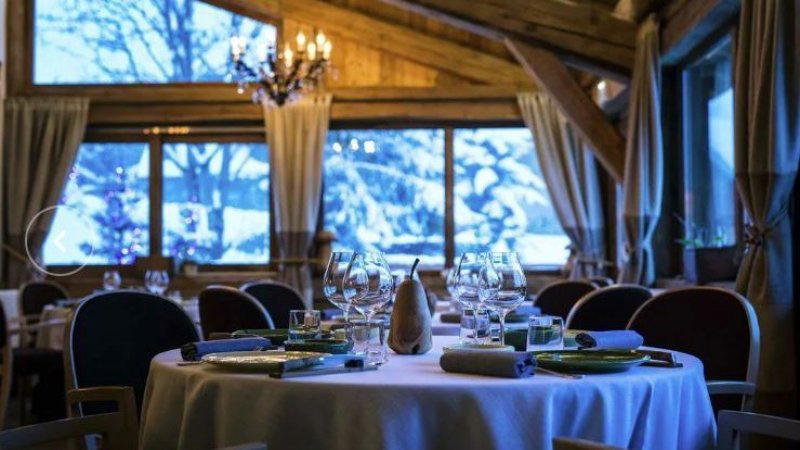
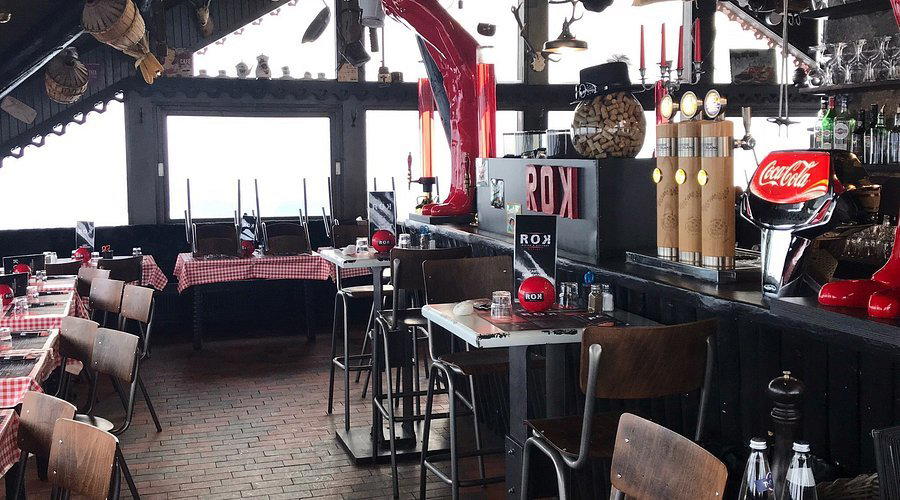
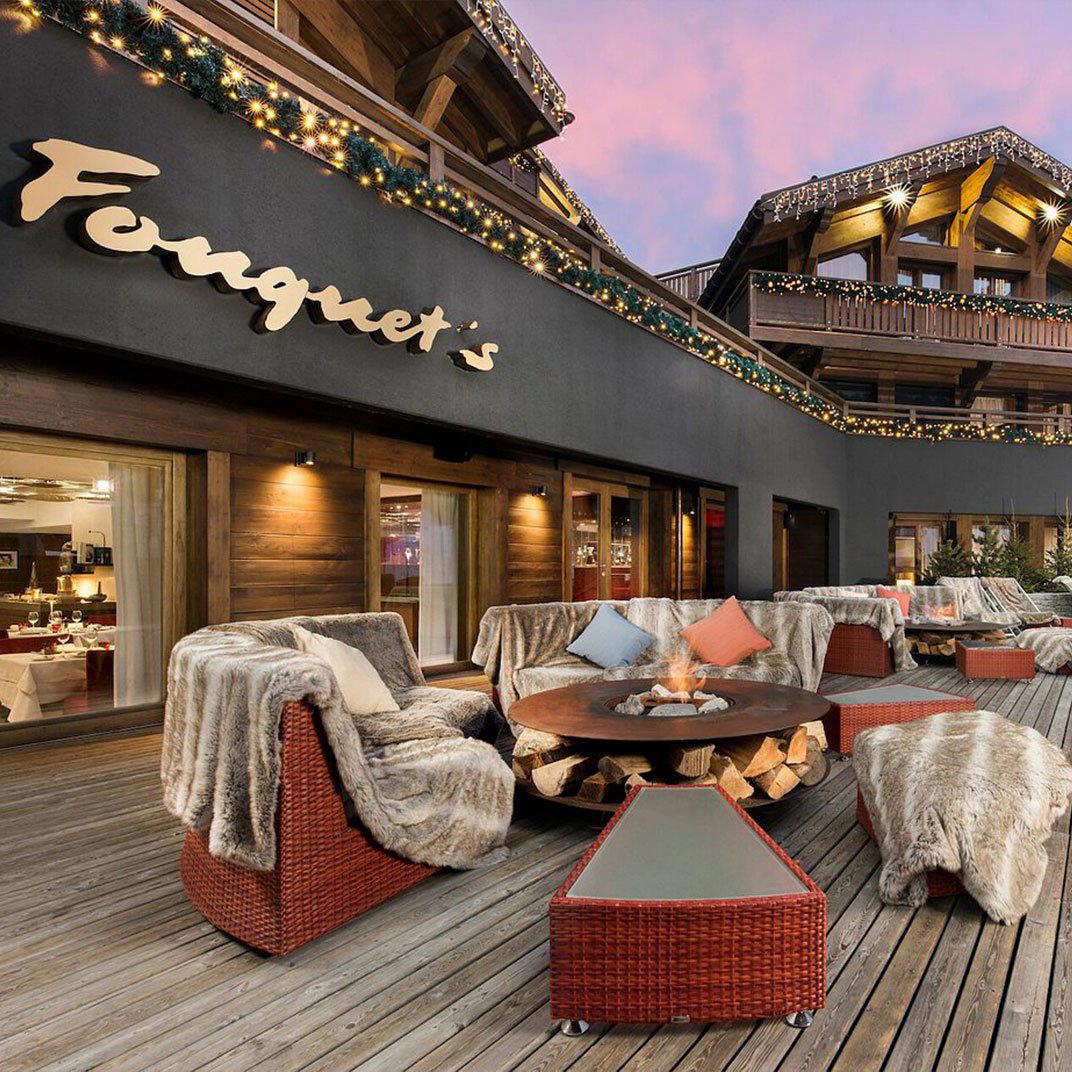
Bars in Les Belleville
Browse all →
Details
- Cozy
- Rustic
- Scenic
- Classic
- Casual Hangout
- Family
- Group Dining
- After Work
- Terrace
- Panoramic View
- Standalone
- Extensive Wine List
- Local Sourcing
- Farm To Table
- Mountain
- A La Carte
- Wine
- Vegetarian Friendly
- Allergy Accommodating
Current opening hours
- Monday
- 12–1:30 PM, 7–9:30 PM
- Tuesday
- 12–1:30 PM, 7–9:30 PM
- Wednesday
- Closed
- Thursday
- 12–1:30 PM, 7–9:30 PM
- Friday
- 12–1:30 PM, 7–9:30 PM
- Saturday
- 12–1:30 PM, 7–9:30 PM
- Sunday
- 12–1:30 PM, 7–9:30 PM
Hours can change for holidays and private events. Hours as of .
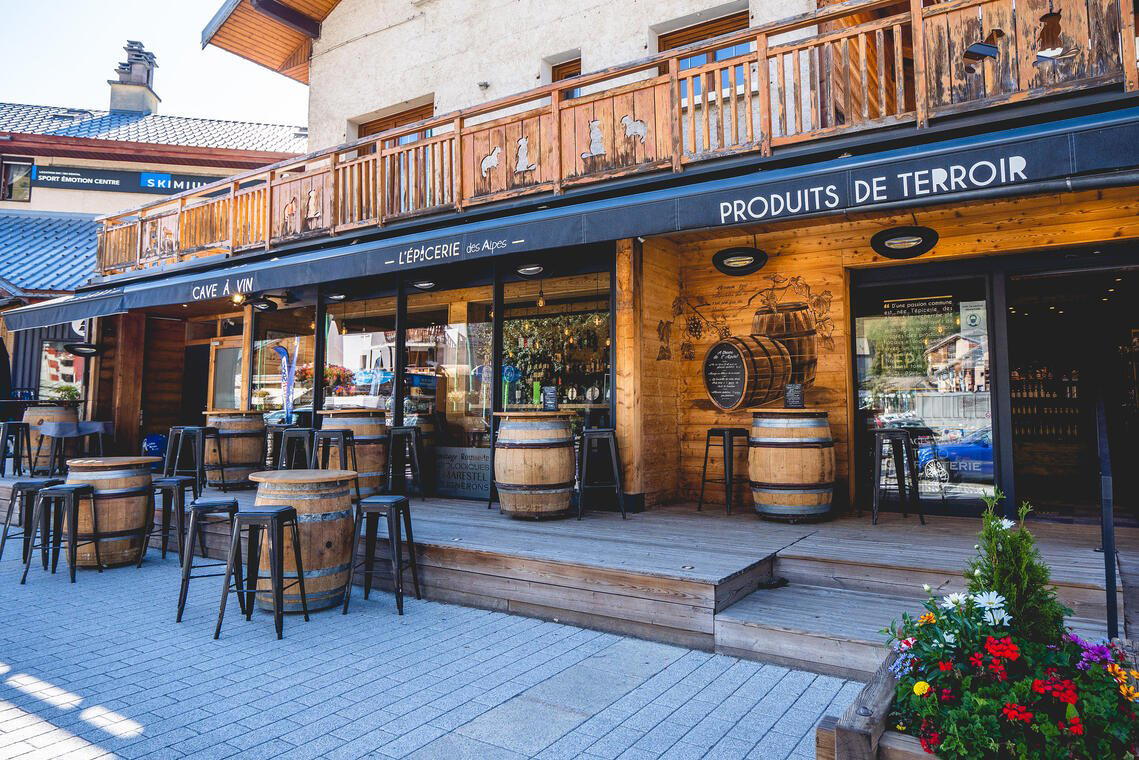
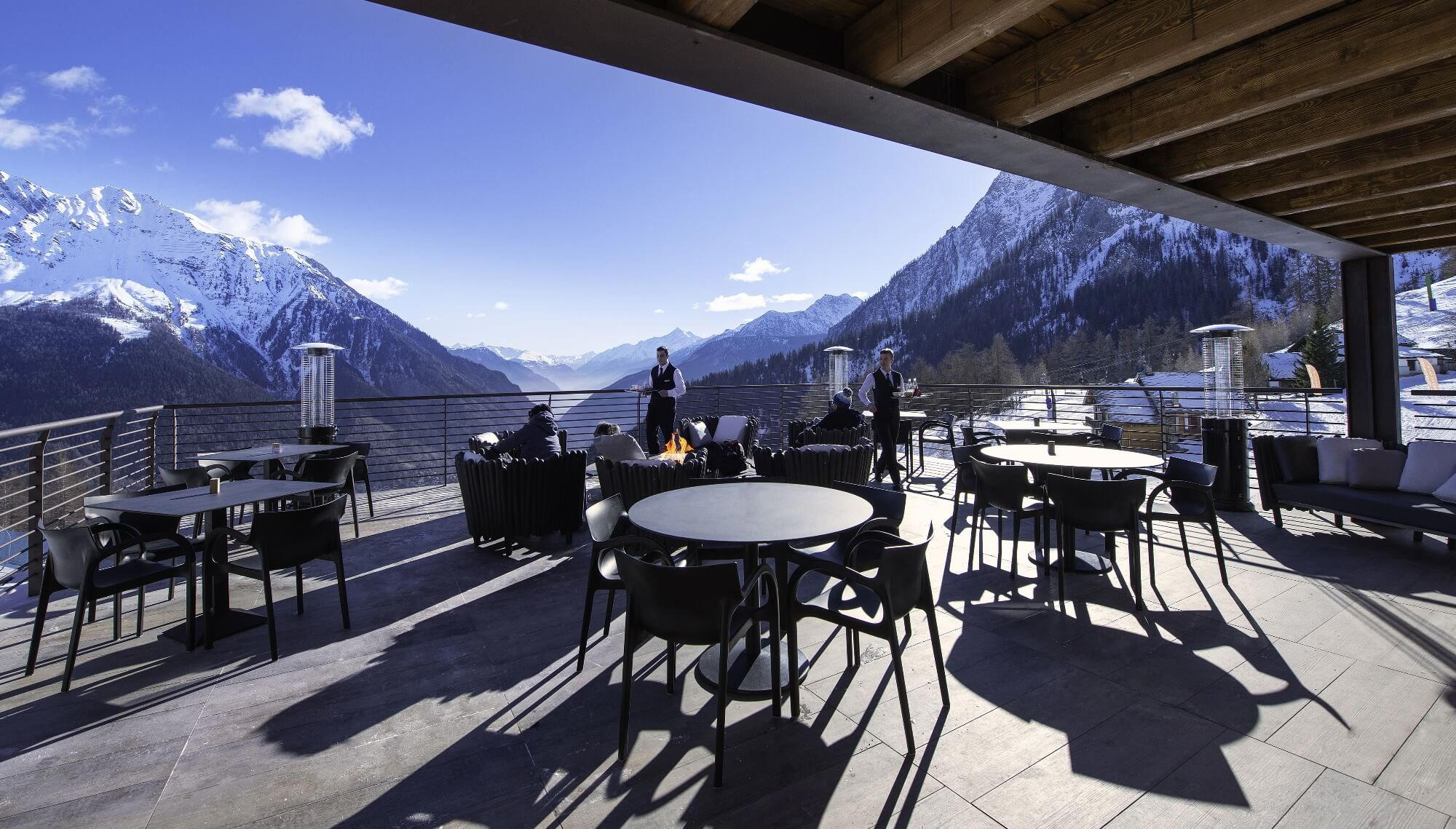
Warm and convivial chalet-style setting with light wood interiors and large bay windows opening onto mountain massifs; contemporary yet rustic atmosphere designed for post-ski or hiking comfort.