Sichuan Style
Our verdict
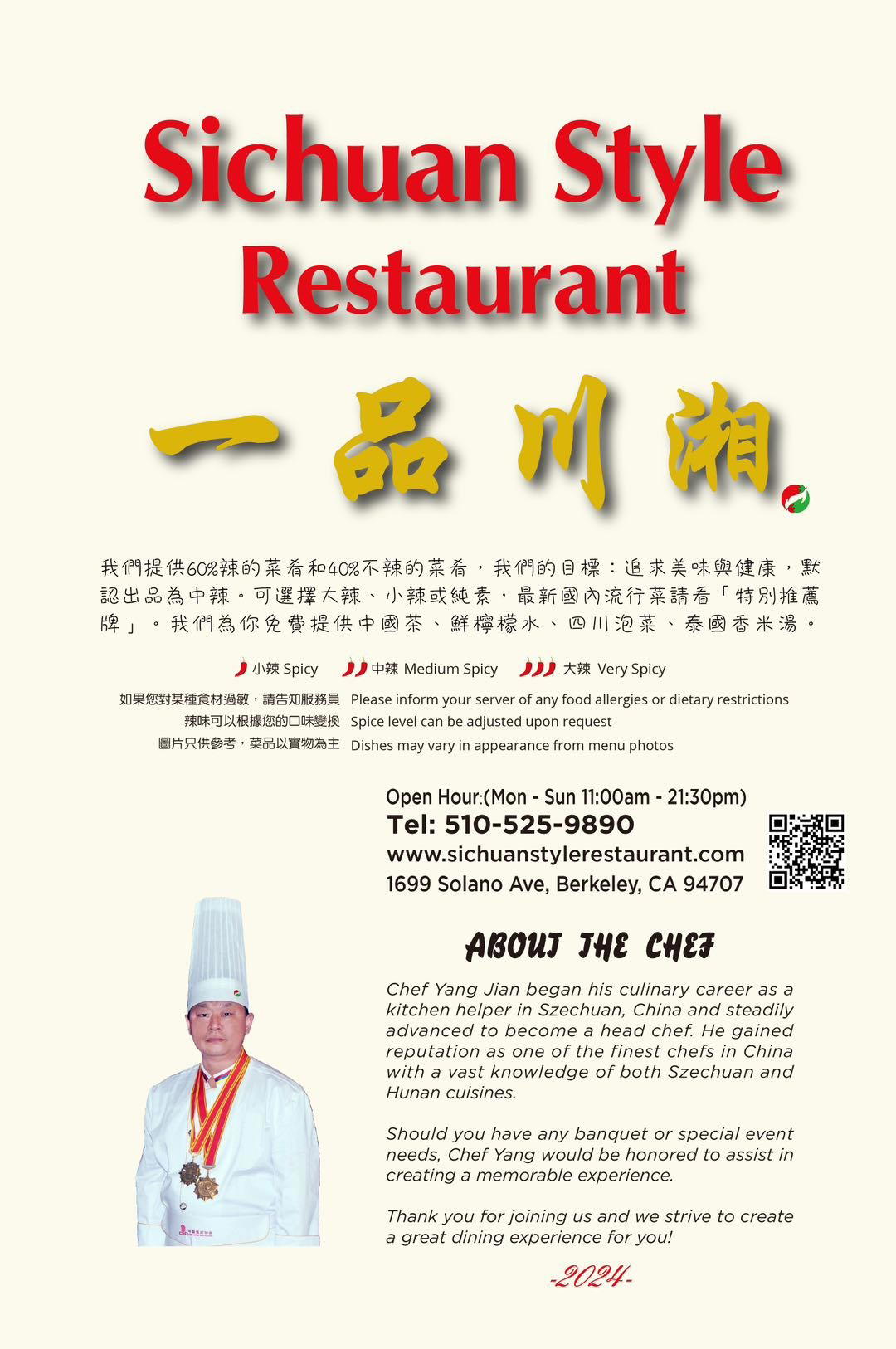
On Solano Avenue in north Berkeley, Sichuan Style occupies a stretch where the neighborhood's appetite for regional Chinese cooking runs deep. The menu draws from the ma la tradition of Sichuan province, where numbing heat from Sichuan peppercorn and dried chili define the architecture of almost every dish. It sits comfortably in Berkeley's wider ecosystem of serious, ingredient-focused neighborhood restaurants.

Pearl is the En Primeur Club membership app — saves, bookings, and concierge access live there. Same editors, same standards.
Solano Avenue and the Logic of Regional Chinese Cooking in Berkeley
Berkeley's dining culture has long rewarded specificity over breadth. The neighborhoods that ring the UC campus have historically supported restaurants that commit to a single regional tradition rather than diffusing their energy across a generalized menu. Solano Avenue, which runs along the northern edge of Berkeley into Albany, follows that pattern: it is a corridor of neighborhood restaurants where regulars return for a particular dish or preparation, not for novelty. Sichuan Style, at 1699 Solano Ave, sits within that context. The room is the kind that communicates its priorities immediately: the focus is on the food, and the food is Sichuan.
What the Menu Reveals
In Sichuan cooking, the menu is not a list so much as a map of flavor registers. Ma la — the combination of numbing Sichuan peppercorn and dried chili heat — functions as the organizing principle, but the leading Sichuan menus are structured to show range within that principle. Cold dishes, which appear at the front of any serious Sichuan menu, test a kitchen's command of texture and temperature contrast: poached proteins dressed in chili oil and sesame, cucumbers in a sharp, aromatic brine, cold noodles that carry heat without losing their character as noodles. These are not starters in the Western sense; they are the kitchen's opening argument.
The hot dishes that follow reveal how a kitchen balances the four pillars of Sichuan flavor: ma (numbing), la (spicy), xian (savory/umami), and xiang (aromatic). A menu that simply maximizes heat is not a Sichuan menu, it is a performance. The more instructive menus are those that use heat as one voice among several, allowing fermented black bean, doubanjiang, and the brightness of Shaoxing wine to register alongside the peppercorn. This is the internal logic that separates Sichuan cooking from the broader category of Chinese-American fare and places it in conversation with the regional specificity that Berkeley's dining culture, at its most focused, tends to reward.
Braised and slow-cooked preparations, red-braised pork, mapo tofu, twice-cooked pork belly, are the structural center of most Sichuan menus and the preparations by which regulars tend to judge a kitchen's depth. These are dishes with long cooking times and narrow margins for error: the doubanjiang must be cooked long enough to lose its raw edge, the peppercorn must be present without overwhelming, the braising liquid must carry enough complexity to function as a sauce. For the reader deciding whether a Sichuan restaurant is operating at the level of its tradition, these dishes are the reference point.
Berkeley's Appetite for Regional Specificity
Berkeley sits in a Bay Area dining ecosystem where regional Chinese cooking has a more established footprint than in most American cities. The East Bay has supported serious Cantonese, Shanghainese, and Sichuan kitchens for decades, partly because of the university's international community and partly because of a broader food culture that values provenance. This means that Berkeley's Sichuan restaurants are evaluated against a more knowledgeable local audience than they might face elsewhere. Regulars here are often familiar with the difference between Sichuan peppercorn sourced from Hanyuan county versus generic alternatives, and they notice when a kitchen shortcuts the doubanjiang fermentation process.
That context matters for how Sichuan Style should be understood. The restaurant is not introducing Sichuan cooking to an uninitiated audience; it is participating in a local conversation about what authentic regional Chinese cooking looks like outside of China. Berkeley's other neighborhood anchors, from the masa-focused precision at places like Cafe Bolita to the broader American comfort register of Angeline's Louisiana Kitchen, demonstrate the range of what "neighborhood restaurant with a defined point of view" looks like on this side of the bay. Sichuan Style occupies the regional Chinese node of that ecosystem.
For a broader map of where Sichuan Style sits within Berkeley's dining options, the full Berkeley restaurants guide positions it alongside venues including Ajanta, AKEMI, Agrodolce, and 900 Grayson, each operating in its own culinary register with a similar commitment to a defined tradition.
The Wider Frame: Sichuan Cooking in the American Context
Across the United States, the past decade has seen Sichuan cooking move from a niche category into one of the more analyzed regional Chinese traditions in American restaurant culture. This shift has created a bifurcation: on one side, restaurants that use Sichuan flavor markers as branding while softening the heat and numbing for a broader audience; on the other, kitchens that maintain the integrity of the tradition and accept a narrower, more loyal customer base. The latter tend to build reputations through word of mouth and repeat visits rather than through the kind of media recognition that drives single-visit tourism.
This is a different tier of ambition from the tasting-menu format that drives recognition at venues like Lazy Bear in San Francisco or the multi-course precision of Single Thread Farm in Healdsburg, and it is not in competition with the formal dining structures at The French Laundry in Napa or the modernist ambition of Alinea in Chicago. The comparison set for a Sichuan neighborhood restaurant is other Sichuan restaurants, and the relevant question is whether the kitchen is working from the tradition or gesturing at it.
Beyond the Bay Area, the American cities that have developed the deepest Sichuan restaurant cultures, Flushing in New York, the San Gabriel Valley in Los Angeles, and pockets of Chicago, offer useful reference points for understanding what regional specificity looks like at its most developed. Venues like Atomix in New York City and Providence in Los Angeles represent the fine-dining end of their respective cities' culinary ambitions; the regional Chinese restaurant sits in a different but equally serious category, where craft is measured by fidelity to technique rather than by format.
Planning a Visit
Sichuan Style is located at 1699 Solano Ave in north Berkeley, accessible by the 18 bus line along Solano Avenue and within walking distance of the Elmwood and Northbrae neighborhoods. Solano Avenue has street parking, though weekend evenings can be competitive. The restaurant format suits both solo diners ordering a focused set of two or three dishes and groups able to order across the menu's full range, which is the more instructive way to understand what a Sichuan kitchen can do. For those building a broader East Bay evening, the Solano corridor has coffee and dessert options within easy walking distance.
Frequently asked questions
What do regulars order at Sichuan Style?
Regulars at Sichuan restaurants in Berkeley's tradition tend to anchor their orders in the cold dish section and the braised preparations, mapo tofu and twice-cooked pork are the reference dishes by which most Sichuan kitchens are evaluated. At Ajanta and similar neighborhood specialists across Berkeley, the pattern holds: the dishes that require the longest preparation and the deepest technique are the ones that build a loyal following.
Should I book Sichuan Style in advance?
Neighborhood Sichuan restaurants in the Bay Area tend to operate on a walk-in or same-day basis rather than formal advance booking, though weekend dinner hours on Solano Avenue can fill quickly. If your visit is time-sensitive, arriving before peak dinner service (around 6pm on weekends) is the practical approach. Berkeley's dining scene rewards flexibility: venues across the city, from 900 Grayson to Agrodolce, operate across a range of booking models.
What's the signature at Sichuan Style?
In the Sichuan tradition, mapo tofu functions as the signature preparation by which a kitchen's command of doubanjiang and Sichuan peppercorn is most directly tested. It is not a complex dish in terms of ingredient count, but it requires precise calibration of heat, numbing, and the fermented depth of the bean paste. Kitchens working seriously from the tradition treat it as a benchmark dish rather than a supporting item.
How does Sichuan Style fit into Berkeley's regional Chinese dining scene compared to the Bay Area at large?
Berkeley's position within the broader Bay Area Chinese restaurant ecosystem is distinctive: the city supports a knowledgeable, university-adjacent audience that has driven demand for regional specificity over generalized Chinese-American fare for decades. For travelers mapping the Bay Area's regional Chinese options, Berkeley offers a different reference point from the larger concentrations in San Francisco's Richmond District or the South Bay.
Where It Fits
Comparable venues nearby, for context on price, style, and recognition.
| Venue | Cuisine | Price | Notes |
|---|---|---|---|
| Sichuan StyleThis venue — the venue you are viewing | Authentic Sichuan | $20–30 | Not listed |
| Take. Eat. Easy | Hong Kong Dim Sum & Rice Bowls | $10–20 | South Berkeley |
| Zabu Zabu | Japanese Shabu-Shabu | Not listed | Downtown Berkeley |
| Everett & Jones Barbeque | Classic Bay Area Barbecue | $20–30 | West Berkeley |
| Noodles Fresh | Regional Chinese Noodles | $10–20 | Downtown |
| Sun Hong Kong Restaurant | Cantonese Dim Sum | Not listed | Southside |
Continue exploring
More in Berkeley
Restaurants in Berkeley
All restaurants in Berkeley →
Bars in Berkeley
All bars in Berkeley →

Details
- Casual Hangout
- Group Dining
- A La Carte
Current opening hours
- Monday
- 11 AM–9:15 PM
- Tuesday
- 11 AM–9:15 PM
- Wednesday
- 11 AM–9:15 PM
- Thursday
- 11 AM–9:15 PM
- Friday
- 11 AM–9:15 PM
- Saturday
- 11 AM–9:15 PM
- Sunday
- 11 AM–9:15 PM
Hours can change for holidays and private events. Last verified .
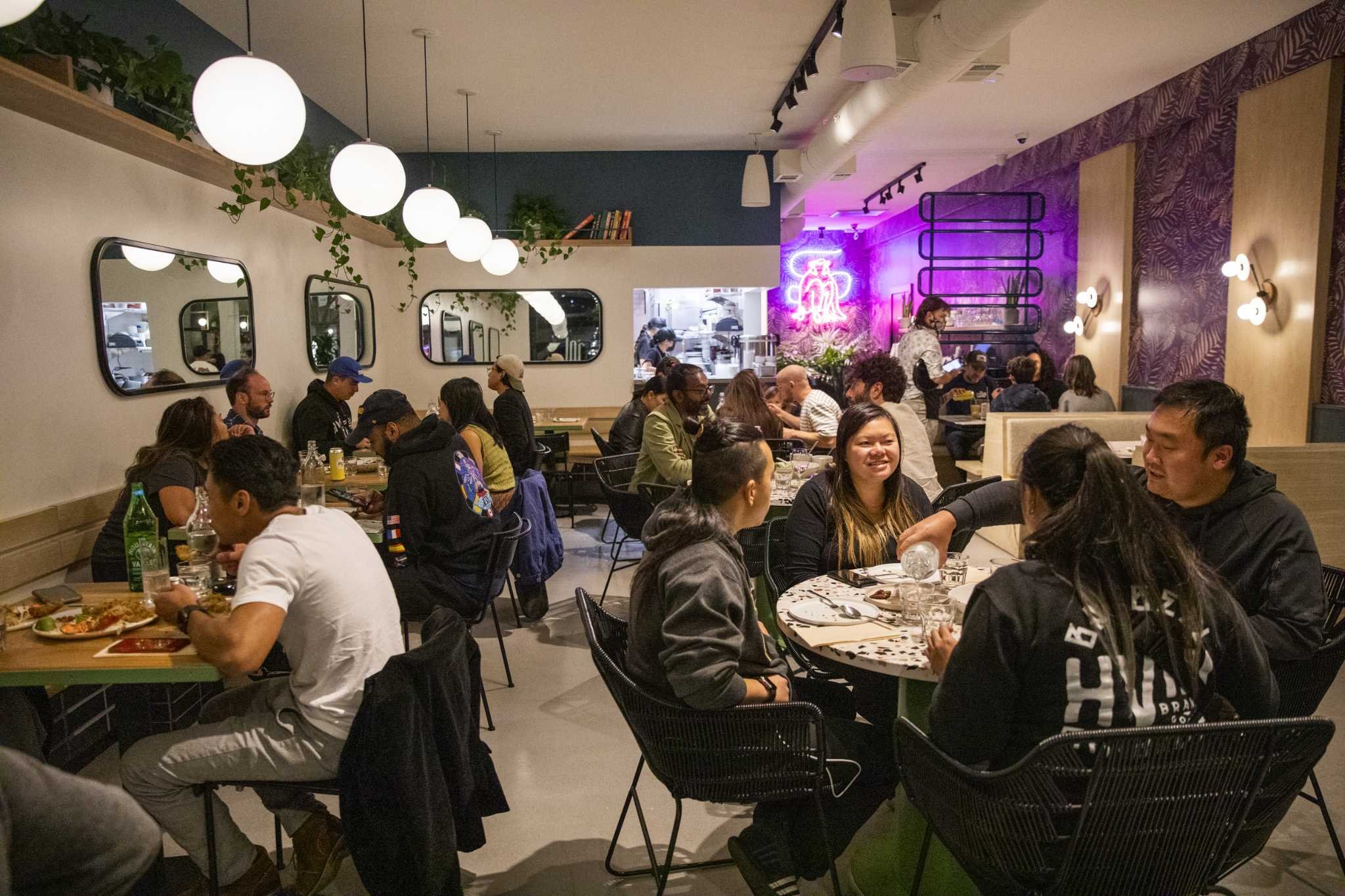
Casual and welcoming with a focus on bold, spicy flavors.