
Tabelog 100 #59
Our verdict
Teuchi Soba Katou places Akita’s handmade noodle culture in a modest, specialist register: soba and udon, a small room with counter and tatami seating, and recognition in Tabelog’s Soba EAST 100 for 2025. It suits travelers who want a regional Japanese meal built around craft rather than ceremony, with sake and shochu available alongside the noodles.

Pearl is the En Primeur Club membership app, where members save venues, book tables and use the concierge.
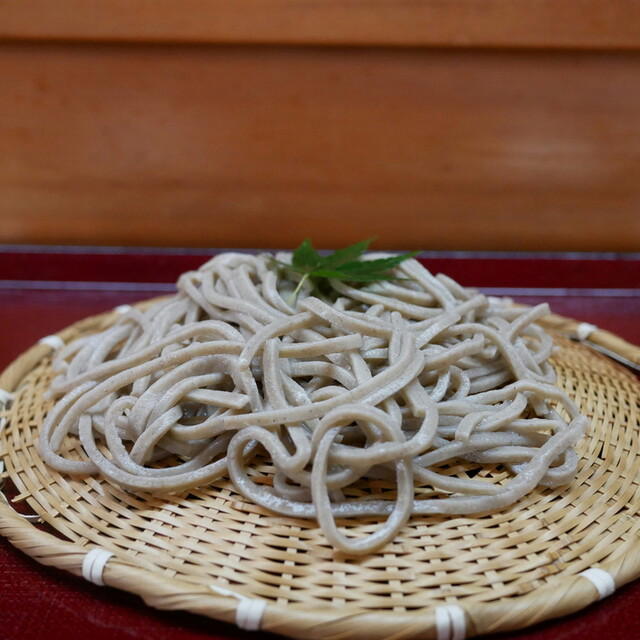
Approach in Akita and the language of the meal is domestic before it is theatrical: a modest noodle-shop setting and the quiet discipline of a place that treats soba as daily culture rather than luxury performance. In Akita, where rice, sake, mountain vegetables, and cold-weather cooking shape much of the table, buckwheat noodles offer a different kind of regional clarity. The pleasure is not excess; it is proportion, texture, and timing.
Teuchi Soba Katou belongs to the specialist end of that scene. Its categories are soba and udon, and its 2025 recognition from Tabelog Hyakumeiten places it within a wider conversation about noodle craft rather than a purely local lunch circuit. That matters because soba recognition tends to reward restraint: flour handling, broth balance, and consistency across a format that looks simple until it is not.
Akita soba culture, read through a small handmade-noodle room
Soba in Japan is often discussed through famous producing regions, but its real strength is how easily it adapts to local appetite. In snowy northern prefectures, the form has a practical intelligence: noodles that can be eaten quickly, broths that carry warmth without heaviness, and pairings that sit naturally beside nihonshu. Akita’s dining identity is often pulled toward regional comfort and sake, yet a good soba room gives the city a more stripped-back counterpoint.
The handmade designation is not decorative in this category. Teuchi points to the tactile work of noodle making, where small differences in rolling, cutting, and water absorption change the final bite. At this level, the editorial question is not whether the room feels grand. It is whether the format has enough focus to justify a detour from broader Akita dining. The answer is strongest for travelers who already understand that a soba meal can be complete without a long menu, a chef narrative, or elaborate plating.
Recognition also changes the frame. A Tabelog Hyakumeiten listing in 2025 is a useful signal because it cuts across a large field of noodle specialists. It does not make the meal formal, and it does not turn the shop into a tasting-menu destination. It does, however, indicate that this is not merely a convenient bowl in Akita; it sits in a more competitive soba conversation than its modest format suggests.
Where it fits beside Akita's richer dining routes
Akita rewards diners who alternate between regional comfort and narrow specialization. A richer itinerary might run through other Akita dining rooms, while local traditions pull attention toward seasonal cooking and sake. In that company, a soba specialist plays a useful role: it resets the palate and shifts the meal from richness to grain, broth, and cut.
Compared with Akita venues in different registers, including Tonkatsu Ishikawa or bar-led addresses such as Lady and BAR Le Vert, the appeal here is narrower and more functional. That is not a weakness. Japan’s noodle culture has always allowed serious craft to exist at modest prices, and soba is one of the clearest examples of how technique can be accessible without becoming casual in execution. The room’s appeal underlines that duality: practical, local, and built for concentration rather than display.
For a broader Akita day, this is the kind of stop that pairs better with cultural wandering than with a heavy multi-course dinner. Other Akita dining and drinking addresses point toward the city’s sake and local-product culture, while different restaurants sit in other dining registers altogether. The useful move is contrast: soba for precision and restraint, then richer regional cooking or drinks elsewhere.
A compact format for travelers who care about craft over ceremony
The format is modest, and the budget is part of the appeal: both lunch and dinner are listed in the JPY 1,000 - JPY 1,999 range. Those details matter because they describe the restaurant’s natural rhythm: not a destination built around lingering luxury, but a focused noodle address where the experience can turn on the cadence of bowls rather than courses.
The shop reads as a local specialist rather than a sceney opening, and that is the right register for soba. Its Tabelog score of 3.72, paired with 2025 Hyakumeiten recognition, gives travelers a grounded reason to pay attention without overstating the meal as formal fine dining. The craft is cumulative; the room does not need to announce itself loudly.
For travelers building an Akita itinerary, the sensible approach is to place Teuchi Soba Katou within a wider regional map rather than treat it as a standalone trophy. Use Our full Akita restaurants guide for dining context, then widen the trip through Our full Akita hotels guide, Our full Akita bars guide, Our full Akita wineries guide, and Our full Akita experiences guide. Readers comparing Japanese dining formats beyond Akita can also look generically to other tightly focused noodle shops, bars, counters, and casual specialists. The comparison is not about sameness; it is about how clearly defined Japanese formats travel, adapt, and hold their identity.
Frequently asked questions
Where exactly is Teuchi Soba Katou?
Akita.
What's the pricing like at Teuchi Soba Katou?
Pricing at Teuchi Soba Katou is listed as JPY 1,000 - JPY 1,999 for both lunch and dinner.
Is Teuchi Soba Katou reservation-only?
Confirm directly with the restaurant in Akita before planning around a visit.
What's Teuchi Soba Katou best at?
Its clearest calling card is soba, which is why its 2025 Tabelog Hyakumeiten recognition matters. The house is also categorized for udon, with prices in the JPY 1,000–1,999 range.
What if I have allergies at Teuchi Soba Katou?
The menu categories are soba and udon, so buckwheat and wheat are the key ingredients to check first. Call +81-18-835-8690 before ordering to discuss ingredients, especially if allergens affect your choice.
Cost and Credentials
Side-by-side context: comparable cuisine and price.
| Venue | Cuisine | Price | Awards | Notes |
|---|---|---|---|---|
| Teuchi Soba KatouThis venue (the venue you are viewing) | Japanese Soba & Udon | Not listed | Tabelog 100 #59 | Not listed |
| Eiraku Shokudo | Japanese Izakaya | $20–30 | Tabelog 100 #93 | Akita, Japanese Izakaya |
| Horumo Saru | Japanese horumon / yakiniku | Not listed | Tabelog 100 #49 | Akita, Japanese horumon / yakiniku |
| Sushi Arata | Sushi | Not listed | Tabelog 100 #50 | Akita, Sushi |
| Akita Hinaiya Oodate honten | Hinai-jidori & Akita regional Japanese | $20–30 | Tabelog 100 #70 | Odate, Hinai-jidori & Akita regional Japanese |
| Tempura Shoshin An | Tempura and Inaniwa Udon | $50–100 | Tabelog Bronze #408 | Inaniwa Town, Tempura and Inaniwa Udon |
Recognition history
Dated appearances from independent guides and award organizations, with the underlying list record or original source where available.
Tabelog 100 #59 · No. 59
Tabelog · Tabelog 100 - Soba - EAST - 2025
Continue exploring
More in Akita
Restaurants in Akita
All restaurants in Akita →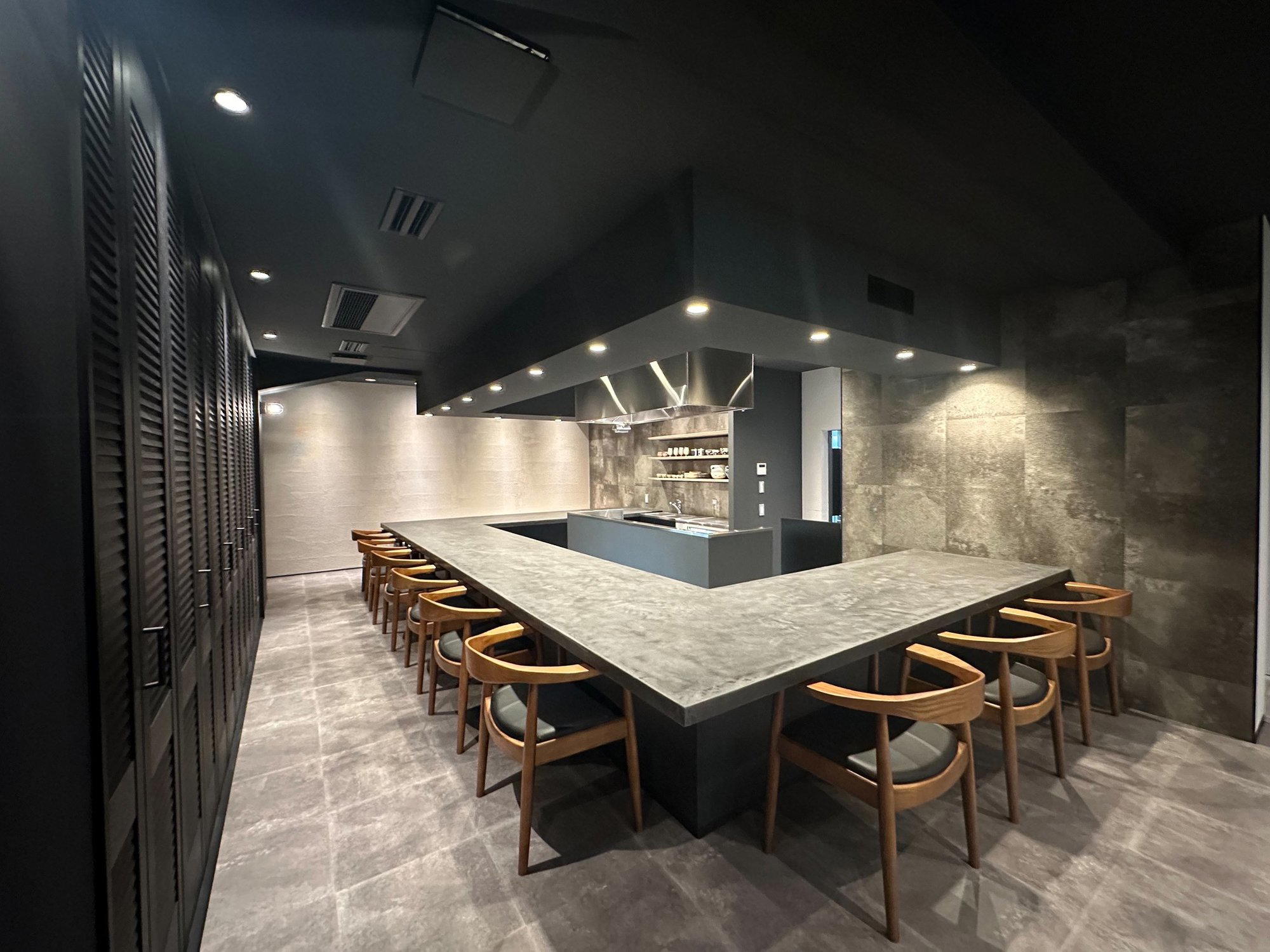
Hotels in Akita
Browse all →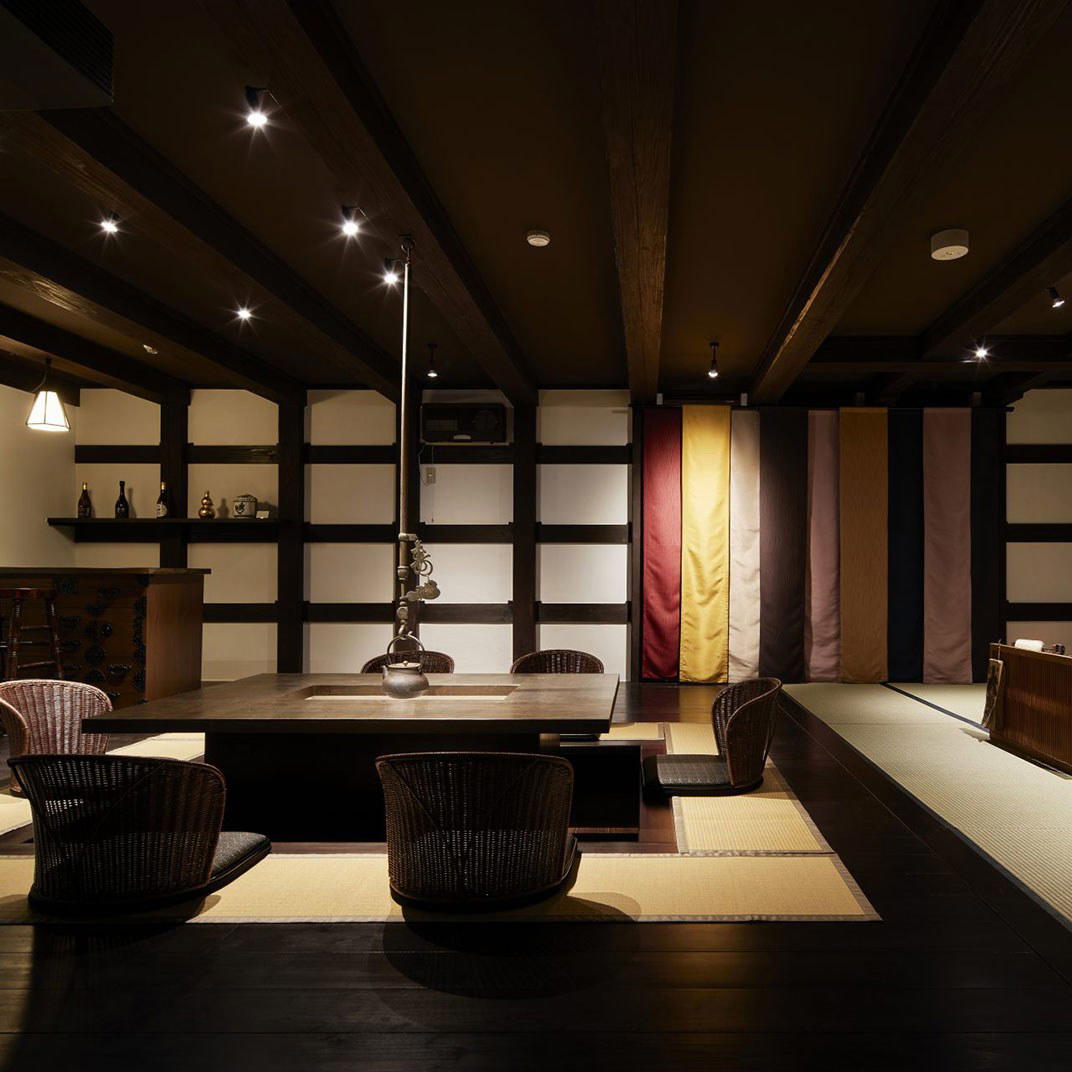
Details
- Classic
- Cozy
- Solo
- Casual Hangout
- Standalone
- Sake Program
- A La Carte
- Sake
- Shochu
A modest, house-style neighborhood noodle shop with a simple, traditional feel rather than a polished or upscale dining room.