Shrub

On the Eastgate Rows in the heart of Chester, Shrub has been making a case for plant-based cooking since 2020. The menu draws on Mediterranean structure and east Asian seasoning, served in a relaxed room of sustainable wood and rattan. Wines by the glass from £6.50 and a Sunday roast built around oyster mushroom Wellington round out a programme that takes the format seriously.
Pearl is the En Primeur Club membership app — saves, bookings, and concierge access live there. Same editors, same standards.
- Address
- 1 - 3 Eastgate St, Chester CH1 1LQ, United Kingdom
- Phone
- +44 1244 340919
- Website
- shrubchester.co.uk
- Directions
- Get directions
 Saves & bookings on Pearl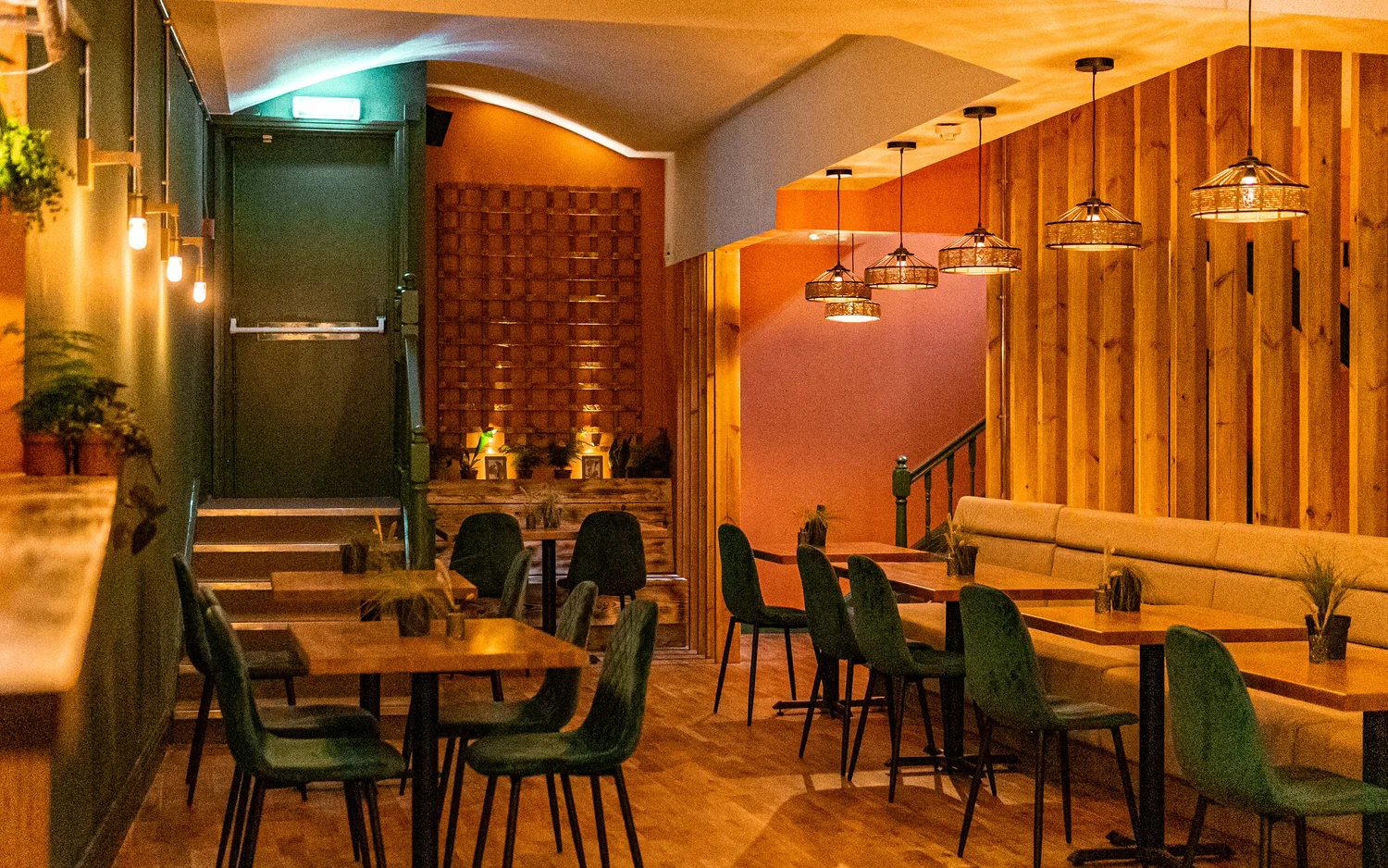
Plant-Forward Cooking on Chester's Eastgate Rows
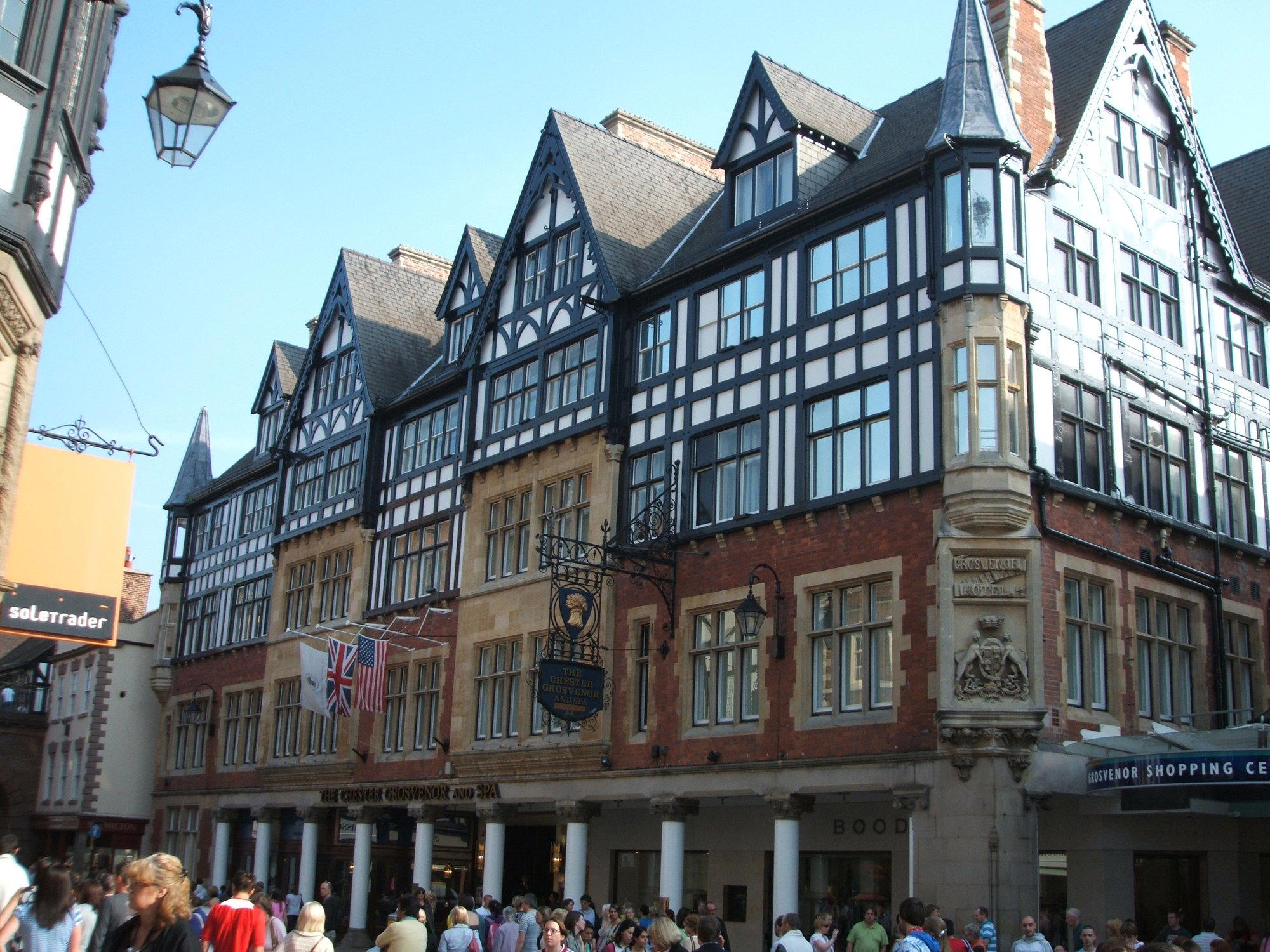
Chester's dining scene has broadened considerably in the years since independent restaurants began reclaiming the city's medieval street-level addresses. The Eastgate Rows, those covered first-floor walkways that run through the centre of the old city, have attracted a range of operators who read the room correctly: visitors looking for something that fits the architecture's character without being trapped by it. Shrub, at 1–3 Eastgate Street, occupies that position for plant-based cooking in a city where the format remains underrepresented. Opened in 2020, it sits at the more considered end of Chester's casual dining tier, alongside addresses like Covino and Sticky Walnut, though its category separates it from both.
The Room and What It Signals
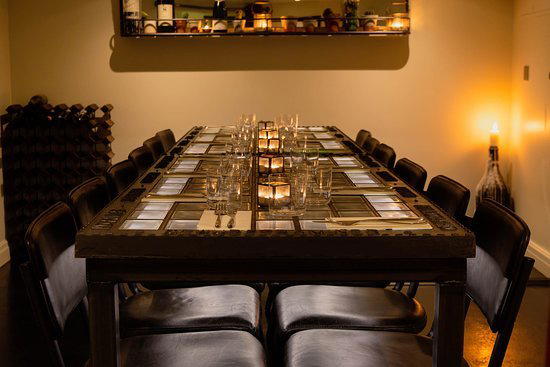
The interior communicates its position clearly before a dish arrives. Sustainable wood, rattan lampshades, and considered use of plant material — fake foliage used decoratively rather than ironically — create what reads as urban pastoral without tipping into performance. The space is expansive and relaxed, calibrated for the kind of eating where you work through a sequence of small plates rather than anchor around a single centrepiece.
Staff are knowledgeable enough to guide guests through a menu that can move quickly between traditions. This is particularly useful here, because the cooking draws on Mediterranean meze conventions, south Asian spicing, and east Asian fermentation without signposting its moves in the way that more thematic restaurants tend to do. At restaurants operating at higher price points across the UK, Moor Hall or L'Enclume, say, the tasting menu format handles this orientation work automatically. At Shrub's price point, front-of-house becomes the translator.
Where the Ingredients Do the Talking
The editorial angle that matters most at Shrub is what the menu reveals about sourcing philosophy within the plant-based tier. Across the UK, vegan restaurants have split between two broad approaches: one that substitutes aggressively (plant-based proteins engineered to approximate meat textures) and one that takes vegetables and legumes on their own terms. Shrub belongs firmly to the second group, and the menu reads as a sequence of ingredient-led decisions rather than a substitution exercise.
Courgettes cooked over coals acquire a smokiness that rewards the technique rather than disguising the ingredient. Served with spicy tomato sambal and toasted coconut, the dish borrows freely from Southeast Asian flavour frameworks without pretending to be Southeast Asian food. Artichoke hearts, framed on the menu as 'wings' in a light nod to current appetiser conventions, are dressed with Aleppo pepper and garlic mayo, a combination that treats the artichoke as a vehicle for textural contrast rather than a meat replacement. Onion bhajis served with tamarind and green chutney have appeared on the menu since the restaurant opened in 2020, a signal that some dishes earn their longevity through consistency rather than novelty cycles.
The umami register is handled through fermentation and miso rather than processed alternatives. A wine and miso dressing applied to pumpkin tortellini demonstrates the approach: the dressing delivered on depth where the pasta texture itself was less successful, suggesting a kitchen that is more confident in its flavour logic than in every technical execution. Gnocchi with sugar snaps, rocket, and sorrel pesto reads as a study in green that works through ingredient selection rather than technique showboating. Szechuan fries with spring onion and chilli make an efficient case for finding heat and complexity in side dishes rather than reserving them for headline plates.
The Sunday Roast as a Format Test
The plant-based Sunday roast has become a useful benchmark for how seriously a restaurant has thought through the format rather than simply offering it. Shrub's version centres on an oyster mushroom Wellington, accompanied by a vegan Yorkshire pudding, charred cabbage, assorted vegetables, seasonal puree, and gravy. The Wellington format is well-established enough in British cooking, at addresses from Hand and Flowers in Marlow to high-street gastropubs, that the oyster mushroom version invites direct structural comparison. The charred cabbage and seasonal accompaniments suggest a kitchen paying attention to textural variety, which is where many plant-based roasts underperform. One guest's assessment: 'You miss nothing and gain everything.'
Sunday offering positions Shrub as something other than a mid-week casual-dining proposition. It signals investment in a format that brings regulars back on a weekly rhythm, which shapes the restaurant's relationship to the city in a different way than a destination dinner would. For Chester specifically, where the visitor economy is significant and the resident dining audience smaller, this is a considered choice about who the restaurant is actually serving.
Drinks, Pricing, and Practical Planning
Drinks programme extends the no-waste sourcing logic into cocktails: fragrant preparations built on infusions that follow the same ingredient-conscious framework as the food. Wine by the glass starts at £6.50, with a list described as characterful rather than comprehensive, which aligns with the restaurant's general approach of depth over breadth. This places Shrub's drinks in a different register from the more wine-focused Covino across the city, where the glass list is the central proposition.
Shrub sits at a price point that makes it accessible without being casual in its cooking ambitions. For context within Chester's broader offer, it occupies a middle ground: more considered than a mainstream high street address but priced well below the fine-dining tier represented by Arkle. The Eastgate Street location places it within walking distance of Chester's main visitor circuit, and the format, small plates, a spread of sections to work through, means it suits groups with mixed appetite levels. The restaurant is accessible from Chester city centre on foot; the Eastgate Rows address is direct to find for anyone navigating from the city's central tourist trail.
For a fuller picture of Chester's dining options across cuisines and price points, see our full Chester restaurants guide. Those planning a longer stay will also find useful context in our Chester hotels guide, bars guide, and experiences guide.
How Shrub Chester compares with similar nearby venues.
| Venue | Cuisine | Price | Awards |
|---|---|---|---|
| Shrub | Not listed | Not listed | The Good Food Guide 2025, GFG Good, Shrub |
| Arkle | Modern Cuisine | ££££ | Not listed |
| Upstairs at the Grill | Meats and Grills | £££ | Not listed |
| Covino | Wine Bar, Mediterranean Cuisine | ££ | Not listed |
Recognition history
Dated appearances from independent guides and award organizations, with the underlying list record or original source where available.
The Good Food Guide GFG Good
The Good Food Guide
At a Glance
- Cozy
- Modern
- Trendy
- Intimate
- Date Night
- Casual Hangout
- Family
- Celebration
- Open Kitchen
- Terrace
- Craft Cocktails
- Local Sourcing
- Street Scene
Current opening hours
- Monday
- 12–10:30 PM
- Tuesday
- 12–10:30 PM
- Wednesday
- 12–10:30 PM
- Thursday
- 12–10:30 PM
- Friday
- 12–11 PM
- Saturday
- 12–11 PM
- Sunday
- 12–10 PM
Hours can change for holidays and private events. Last verified .
Expansive and relaxing room with sustainable wood, rattan lampshades, fake foliage for an urban pastoral feel, cozy and stylish atmosphere.
Know Before You Go
- Getting there
- 1 - 3 Eastgate St, Chester CH1 1LQ, United Kingdom