Arkle

Michelin Plate
Our verdict
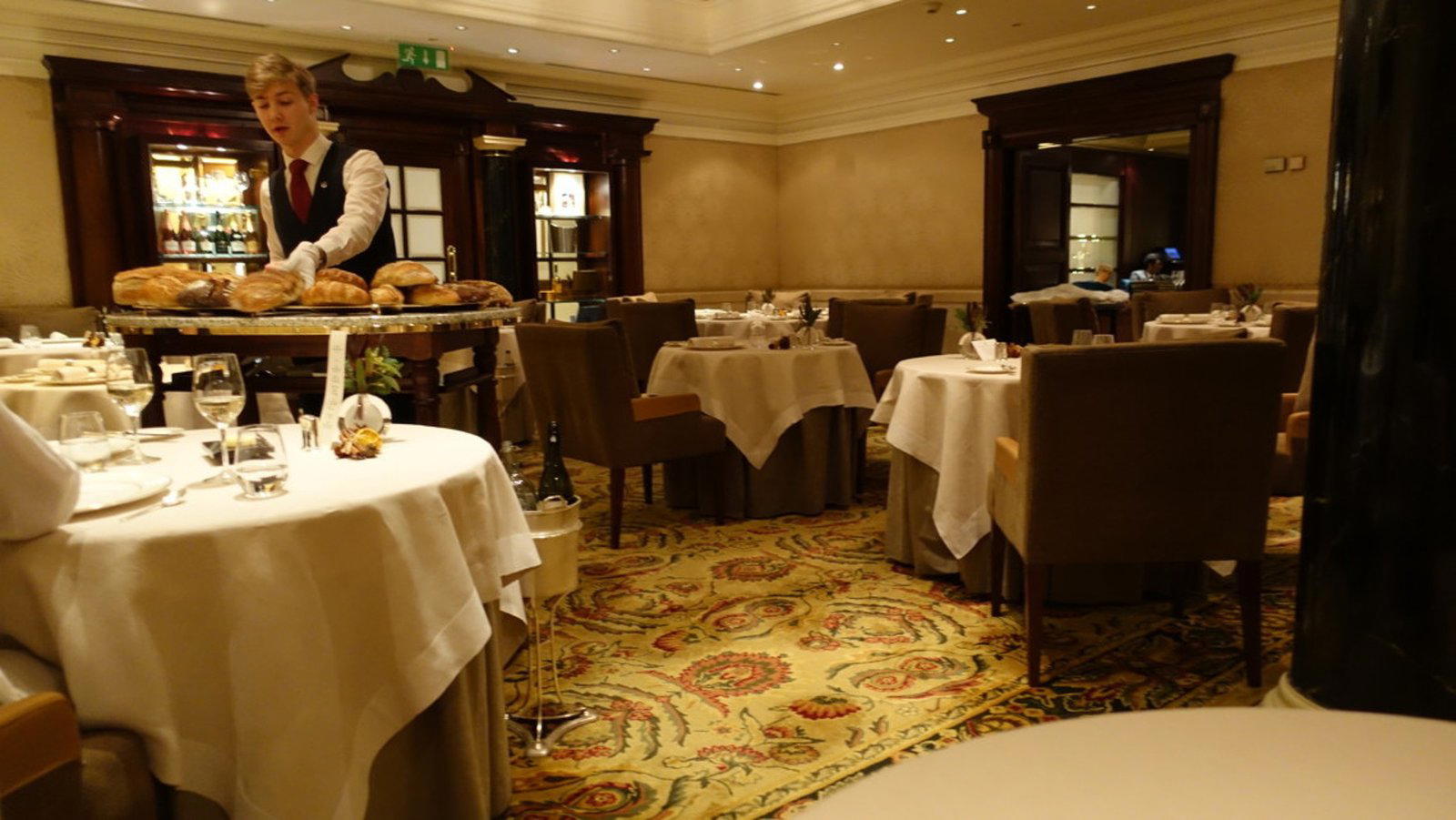
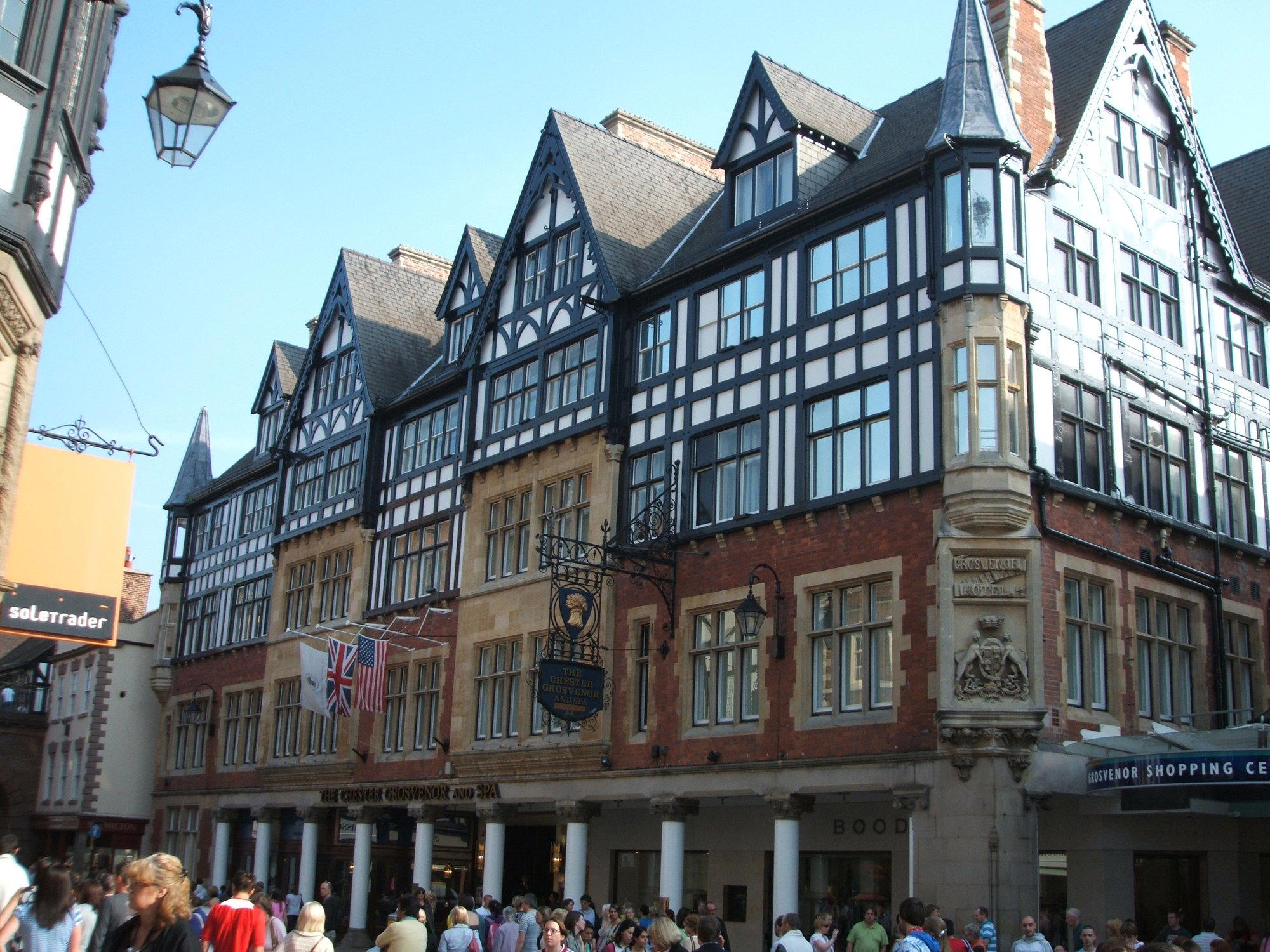
Inside The Chester Grosvenor's Grade II listed walls on Eastgate Street, Arkle brings a classically formal setting to modern British cooking with serious ingredient credentials. The menu draws on named British producers, from Isle of Wight tomatoes to Herdwick hogget, and has held Michelin Plate recognition in both 2024 and 2025. An evening here pairs naturally with drinks in the hotel's cocktail lounge.

Pearl is the En Primeur Club membership app — saves, bookings, and concierge access live there. Same editors, same standards.
- Address
- The Chester Grosvenor, 56-58 Eastgate St, Chester CH1 1LT, United Kingdom
- Phone
- +44 1244 324024
- Hours
- Mon–Wed ClosedThu–Fri 6–9 PMSat 12:30–2:30 PM, 6–9 PMSun Closed
- Website
- chestergrosvenor.com
- Directions
- Get directions
The menu
What to order
- Scottish venison with cocoa roast and black truffle
- Colchester oyster with 72-hour short rib
- Salt-baked carrots with hand-dived scallop
- Apple and caramel dessert
Where the Setting Does Some of the Work
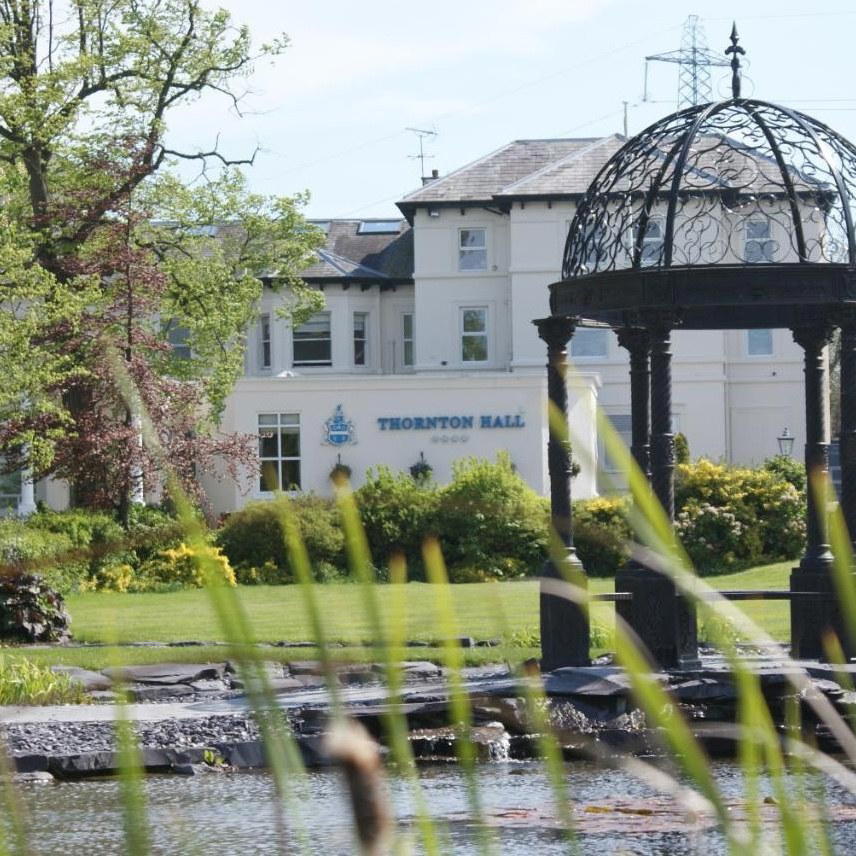
Eastgate Street sits at the commercial and ceremonial heart of Chester, its famous clock visible from most angles and its black-and-white timbered rows drawing visitors in a way few English city centres still manage. The Chester Grosvenor has occupied a prominent position here since the 19th century, and the building's Grade II listed status means the physical fabric of the hotel carries a weight that newer properties in the city cannot replicate. Arkle, the hotel's signature restaurant, inherits that atmosphere: the dining room is formal in the way that grand hotel restaurants once aspired to be, and largely still deliver when the building earns it.
The name references Arkle the racehorse, one of the most celebrated steeplechasers in British sporting history, and it sets the register clearly. This is not a casual neighbourhood space. The room communicates occasion, and the service format follows suit. For Chester's dining scene, which ranges from the relaxed Mediterranean plates at Covino to the contemporary British format at The Supper Room, Arkle occupies the formal upper tier, where the price point and environment signal a specific kind of evening rather than a spontaneous drop-in.
The Sourcing Argument at the Centre of the Menu
Modern British cooking has spent the last two decades reshaping itself around named producers and regional specificity. What was once described loosely as "seasonal" has sharpened into something more traceable: dishes anchored to specific farms, breeds, and growing regions rather than general quality claims. Arkle's menu sits within that tradition, and the produce references on it carry genuine weight.
Herdwick hogget is a useful example of how this works in practice. Herdwick is a Cumbrian hill breed, slow-growing and dependably lean, and hogget specifically refers to an animal slaughtered between one and two years old. The flavour profile is considerably more developed than lamb but without the stronger edge of mutton. Choosing it over a generic lamb specification signals a kitchen that understands breed characteristics and is willing to build a dish around them rather than around what is easiest to source. Isle of Wight tomatoes carry a similar specificity: the island's growing conditions, particularly the light levels and chalky soil, produce a flavour concentration that chefs working at this level have favoured for years.
This kind of ingredient discipline sits at the heart of how restaurants in the Michelin Plate tier differentiate themselves from the broader market. The Plate designation, which Arkle has held in both 2024 and 2025, signals that Michelin inspectors found the cooking to be of a consistent, notable standard even if it has not yet reached the starred bracket. For context, British restaurants with comparable ingredient-led approaches and hotel dining formats include Gidleigh Park in Chagford and Moor Hall in Aughton, the latter holding two stars in a similarly accommodation-anchored setting. Arkle is not priced or positioned at that level, but it draws from the same underlying philosophy: that British produce, named and selected with care, can drive a menu that reads as genuinely modern rather than heritage-nostalgic.
For a broader view of how ingredient-sourcing logic plays out across the country's most discussed kitchens, the work at CORE by Clare Smyth in London and L'Enclume in Cartmel represents the category's ceiling, where hyper-local sourcing and producer relationships become the structural logic of the entire tasting experience. Arkle does not operate at that level of conceptual intensity, but it shares the foundational orientation.
Chester's Fine Dining Position in a Regional Context
Chester sits in an interesting position within the North West's dining geography. Liverpool and Manchester anchor the region's ambitions at scale, with multiple starred and recognised restaurants operating in competitive urban environments. Chester is smaller and more historically defined, which shapes what kinds of restaurants thrive here. Formal hotel dining has historically performed well in the city precisely because the visitor demographic, a mix of heritage tourists, racecourse attendees, and business travellers, sustains appetite for occasion dining in a way that a purely local residential base might not.
Within Chester specifically, Arkle competes at the upper end of the price spectrum, denoted by the ££££ bracket, which places it above Sticky Walnut's more relaxed Modern European approach and the Mediterranean-leaning Covino. Stile Napoletano and Glenmere Mansion occupy different format registers entirely. Within this set, Arkle's Michelin recognition and hotel-dining context give it the most formal positioning in the city.
Internationally, the hotel dining model that Arkle represents finds its most ambitious expression in places like Frantzén in Stockholm or FZN by Björn Frantzén in Dubai, where the integration of hotel environment and fine dining programme reaches a different tier of ambition entirely. Hand and Flowers in Marlow offers a more useful domestic comparison: a restaurant with deep Michelin recognition that has grown in a non-metropolitan English town, proving that destination-worthy cooking does not require a major city address. Arkle's context is different in that the hotel precedes and surrounds the restaurant, but the principle of building serious food in a non-London English setting is shared.
Planning an Evening at Arkle
The restaurant sits inside The Chester Grosvenor at 56-58 Eastgate Street, which places it within easy walking distance of Chester's railway station and the main city car parks. At the ££££ price point, an evening here will represent a meaningful spend, and the format suits pre-booking rather than walk-ins. The hotel's cocktail lounge provides a natural extension to the meal, particularly for those who want to extend the occasion without changing venue. Eastgate Street itself, and the surrounding rows, are worth time before or after dinner, particularly in the longer evening light of late spring and summer. Chester's racecourse calendar, particularly the summer meetings, generates concentrated demand on specific dates, so proximity to race days should factor into booking timing.
For a fuller picture of what Chester offers across dining formats and price points, our full Chester restaurants guide maps the city's options. Those planning a longer stay can also explore our Chester hotels guide, alongside bars, wineries, and experiences in the city.
Frequently asked questions
Is Arkle child-friendly?
At the ££££ price point and within The Chester Grosvenor's formally structured dining room, Arkle is calibrated for adult occasion dining. Families with older, food-curious teenagers may find it workable, but this is not a setting designed around younger guests.
How would you describe the vibe at Arkle?
Formal and occasion-oriented. The Grade II listed Chester Grosvenor hotel sets the tone — classically appointed, unhurried, and deliberately positioned away from casual drop-in dining. The adjacent cocktail lounge offers a slightly less structured way to extend the evening without fully committing to the restaurant's pace.
What distinctions does Arkle have?
Arkle has received recognition including: A fine, Grade II building, The Chester Grosvenor hotel has stood in the heart of the city since the 19th century, and its signature restaurant – named after a famous racehorse – is decked out in the same kind of classically formal elegance ….
What should I eat at Arkle?
The menu's sourcing references are the clearest guide to where the kitchen's priorities lie. Dishes built around Herdwick hogget and Isle of Wight tomatoes signal a commitment to named British producers rather than generic seasonal framing — a reasonable proxy for where the kitchen invests most. The Michelin Plate recognition in both 2024 and 2025 suggests consistent execution across the menu rather than a single standout dish.
How It Stacks Up
| Venue | Cuisine | Price | Awards |
|---|---|---|---|
| ArkleThis venue — the venue you are viewing | Modern British Fine Dining | $150–200 | Michelin Plate |
| Covino | Modern Small Plates | Not listed | Michelin Plate · Star Wine List |
| Sticky Walnut | Modern British Bistro | $30–50 | The Good Food Guide GFG Good |
| Glenmere Mansion | American Fine | Not listed | Not listed |
| The Supper Room | British | Not listed | Not listed |
| Upstairs at the Grill | New York-Style Steakhouse | $50–100 | Michelin Plate · Star Wine List |
Recognition history
Dated appearances from independent guides and award organizations, with the underlying list record or original source where available.
Michelin Plate
Michelin
Full recognition history (3 entries)
Michelin Plate
Michelin
Michelin Plate
Michelin
Details
- Elegant
- Sophisticated
- Intimate
- Classic
- Date Night
- Special Occasion
- Celebration
- Hotel Restaurant
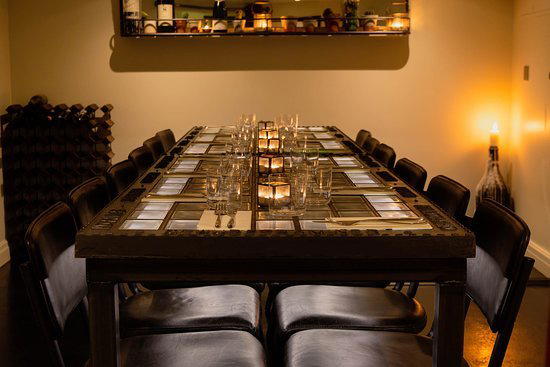
- Private Dining
- Extensive Wine List
- Sommelier Led
- Local Sourcing
- Farm To Table
- Tasting Menu
- Wine Pairings
- Curated Wine Flight
- Allergy Accommodating
- Vegetarian Friendly
Current opening hours
- Monday
- Closed
- Tuesday
- Closed
- Wednesday
- Closed
- Thursday
- 6–9 PM
- Friday
- 6–9 PM
- Saturday
- 12:30–2:30 PM, 6–9 PM
- Sunday
- Closed
Hours can change for holidays and private events. Last verified .
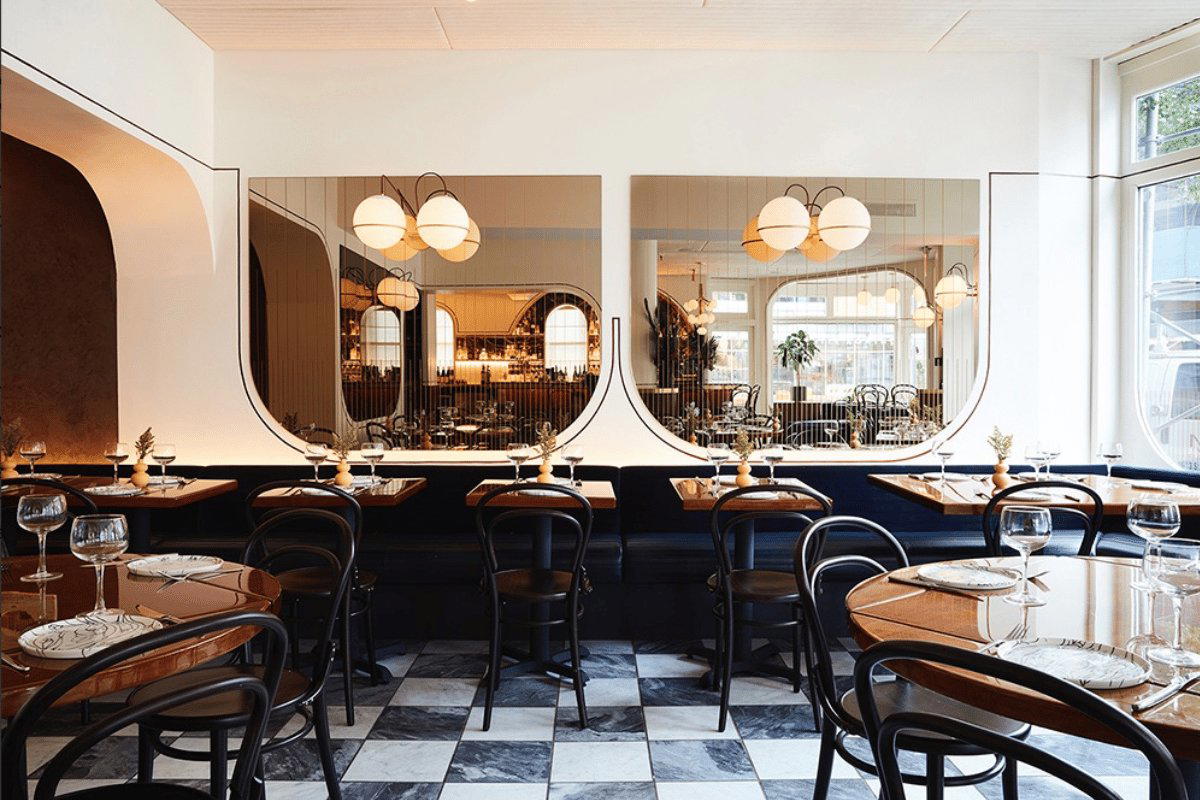
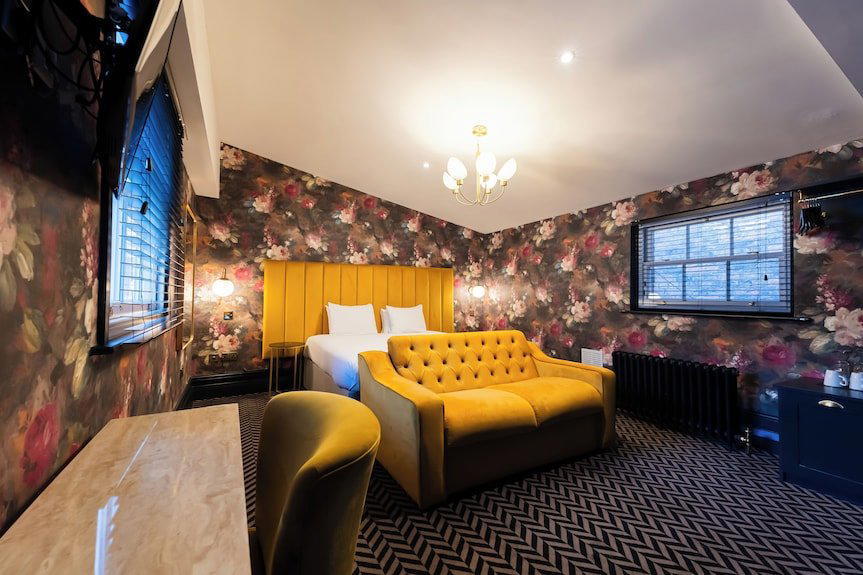
Warm, sophisticated club-like atmosphere with rich dark blues and yellows, sumptuous furnishings, striking flower displays, and elegant lighting that feels formal yet welcoming without being stuffy.