

Shang Palace has held a Michelin star at its Avenue d'Iéna address for over four decades, making it among the more established Cantonese dining rooms in Paris. Chef Samuel Lee Sum leads a kitchen that handles seafood with particular precision, cycling through steaming, sautéing, and braising techniques. The €€€€ price tier and limited weekly hours place it firmly at the senior end of Paris's Chinese restaurant spectrum.
Pearl is the En Primeur Club membership app — saves, bookings, and concierge access live there. Same editors, same standards.
- Address
- 10 Av. d'Iéna, 75116 Paris, France
- Phone
- +33 6 61 86 56 86
- Website
- shangpalaceparis.com
- Directions
- Get directions
 Saves & bookings on Pearl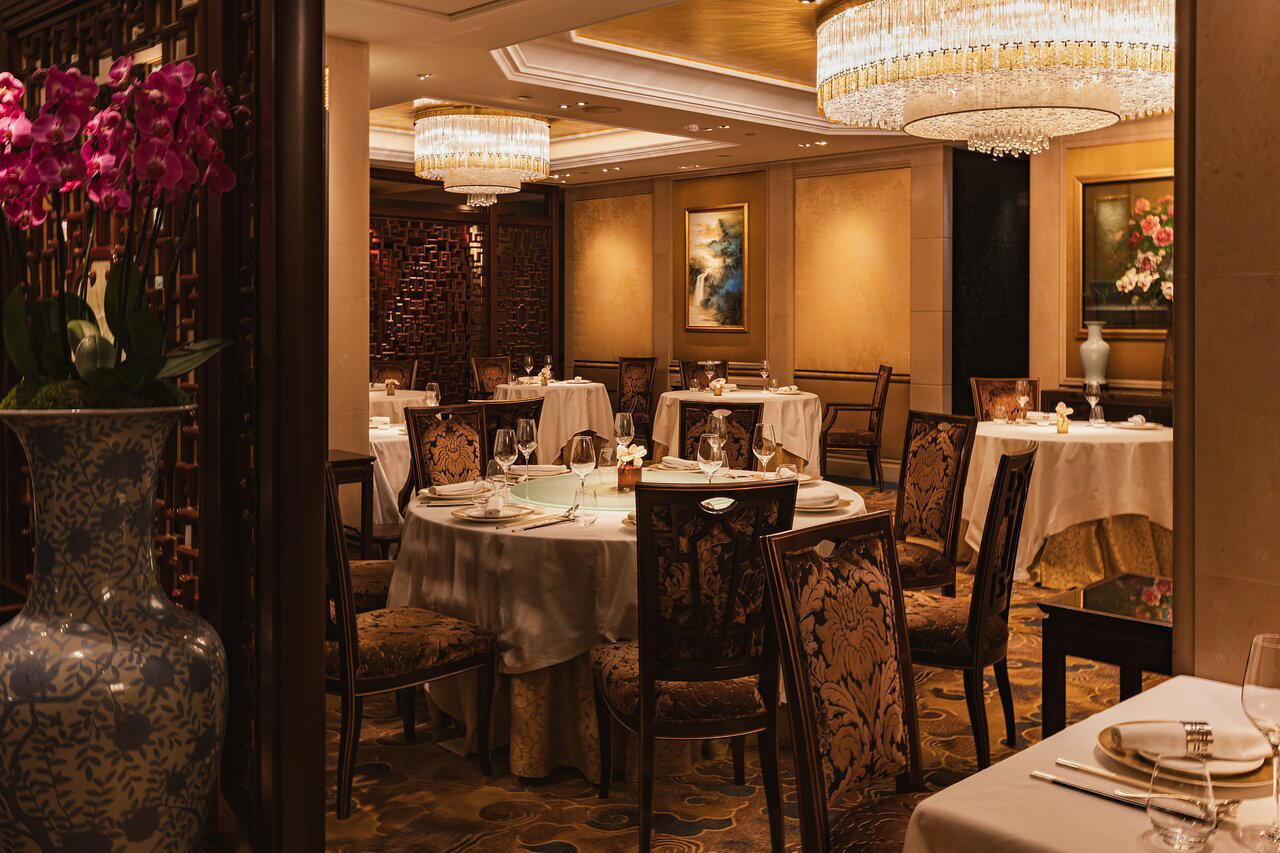
Four Decades of Cantonese Form in Paris
Paris has never been short of Chinese restaurants, but the category fractures sharply by ambition and tradition. At one end sit neighbourhood Cantonese and pan-Asian rooms that prioritise accessibility; at the other, a much smaller cohort of formal dining rooms that treat the cuisine as an expression of classical technique. Shang Palace is a one-Michelin-star Cantonese restaurant at 10 Avenue d'Iéna in the 16th arrondissement of Paris. That longevity is not incidental: in a city where French haute cuisine defines the formal dining benchmark, sustaining a Michelin-starred Chinese room for over 40 years requires consistent kitchen discipline and a dining room culture that knows what it is doing.
The Michelin Guide awarded Shang Palace one star in 2024, and the restaurant sits at the €€€€ price tier. The comparison is instructive: where those rooms work within the French classical or modern French tradition, Shang Palace holds its own formal register through Cantonese technique. The room sits within a broader tier of starred dining where ceremony, seasonal produce, and kitchen craft converge.
The Shape of a Cantonese Meal
Cantonese dining at this level follows a rhythm that differs markedly from Western tasting-menu formats. Rather than a progressive narrative of courses leading to a crescendo, a formal Cantonese meal tends to move laterally: multiple dishes arrive across an extended sitting, each complete in itself, with the table collectively assembling the meal rather than following a single sequential arc. At the restaurant, the dining room's chandeliers and Sung-style paintings underscore a formal setting for extended, ceremonial eating.
Pacing matters here more than at many Paris addresses. In classic Cantonese custom, the rhythm of a table is partly determined by the guests themselves: dishes are ordered to create balance across textures, cooking methods, and registers of flavour rather than to follow a prescribed tasting sequence. A table that orders only roasted meats or only seafood has misread the format. The kitchen at the restaurant, led by Chef Samuel Lee Sum, is structured to support that range. Seafood receives particular attention, prepared across multiple techniques within a single menu visit, so that the same ingredient category can appear steamed, sautéed, or braised without repetition.
The leopard coral grouper illustrates the approach: it can arrive steamed with ginger and scallion, or shredded with pork and mushrooms, or deboned and sautéed with dried tangerine peel and olive-pickled mustard leaves. Each preparation produces a distinct dish. The technique is Cantonese in precise sense: the ingredient's quality must be high enough to hold up under minimal intervention in the steamed version, while the sautéed preparation demands a more active kitchen hand. That same fish appearing three ways in a single menu signals a kitchen interested in demonstrating technique through variation rather than novelty through rotation.
For reference on how Cantonese kitchens of this standing approach seafood elsewhere, the contrast with The Chairman in Hong Kong and The Eight in Macau is worth considering. Both address the same culinary tradition but in markets where the competition is far denser. The restaurant operates in a context where serious Cantonese fine dining has fewer local competitors, which makes its sustained standards over four decades a more meaningful credential than it might appear at first glance.
Room, Atmosphere, and the Register of the Space
The dining room format at the restaurant is consistent with the classical Cantonese banquet-hall tradition adapted for a European formal dining context. The chandeliers and Sung-style paintings are not decorative incidentals; they place the room within a visual vocabulary that Chinese diners of a certain generation read immediately as an indicator of seriousness and social register. A formal Cantonese meal at a table of this kind carries implicit protocols: tea service, the order in which dishes are passed, the expectation that the table shares rather than plates individually.
For diners accustomed to French tasting menus or à la carte formats at addresses like Arpège or Alléno Paris au Pavillon Ledoyen, the shift in dining grammar at the restaurant is real and worth acknowledging. The service style is built around a shared-table model, and readers who arrive expecting a solo tasting progression will find the format asks something different of them. This is not a flaw; it is the format. Embracing the lateral, communal structure of the meal is how the restaurant is meant to be experienced.
Paris in a Broader French Fine Dining Context
France's Michelin-starred landscape extends well beyond Paris. Rooms like Mirazur in Menton, Flocons de Sel in Megève, Troisgros in Ouches, Paul Bocuse outside Lyon, Bras in Laguiole, and Auberge de l'Ill in Illhaeusern define a specifically French culinary tradition across regions. Within Paris itself, the density of starred French rooms is such that non-French cuisines holding Michelin recognition occupy a distinct and smaller category. The restaurant is one of the few Chinese rooms in Paris to have entered and remained in that category across multiple decades.
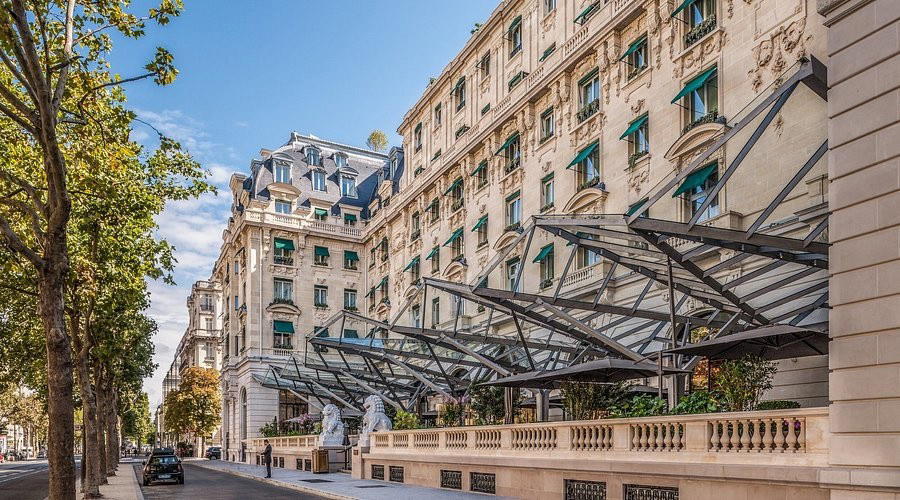
The 16th arrondissement address is relevant. Avenue d'Iéna sits in the heart of one of Paris's most formal residential and hotel districts, near the Trocadéro and surrounded by embassies and grand hotels. The neighbourhood sets a tone that the restaurant matches. This is not a destination for casual drop-ins; the address, the price tier, and the format all point toward deliberate visits planned in advance.
Know Before You Go
| Detail | Information |
|---|---|
| Address | 10 Av. At the €€€€ tier in Paris, advance booking is advisable for all services, particularly for larger tables where the shared Cantonese format makes group dining logistically easier. For further planning across the city, see our full Paris restaurants guide, our Paris hotels guide, our Paris bars guide, our Paris wineries guide, and our Paris experiences guide. |
Price and Recognition
Comparable venues nearby, for context on price, style, and recognition.
| Venue | Cuisine | Price | Awards | Notes |
|---|---|---|---|---|
| Shang PalaceThis venue — the venue you are viewing | Chinese, Cantonese | $$$$ | Michelin 1 Star | Not listed |
| Sola | Not listed | $$$$ | Michelin 1 Star | Île de la Cité, Modern French-Japanese Fusion |
| Contraste | Not listed | $$$$ | Michelin 1 Star | Faubourg Saint-Honoré, Modern French Fine Dining |
| Sushi Shunei | Montmartre, Modern Japanese Omakase | $$$$ | Michelin 1 Star | Not listed |
| Lasserre | French | $$$$ | Michelin 1 Star | Not listed |
| Maison Avoise | Not listed | $$$$ | Michelin 1 Star | Issy-les-Moulineaux, Modern French Fine Dining |
Recognition history
Dated appearances from independent guides and award organizations, with the underlying list record or original source where available.
Opinionated About Dining Top Restaurants in Asia Recommended
Opinionated About Dining
Michelin Plate
Michelin
Michelin 1 Star
Michelin
Continue exploring
More in Paris
Restaurants in Paris
Browse all →
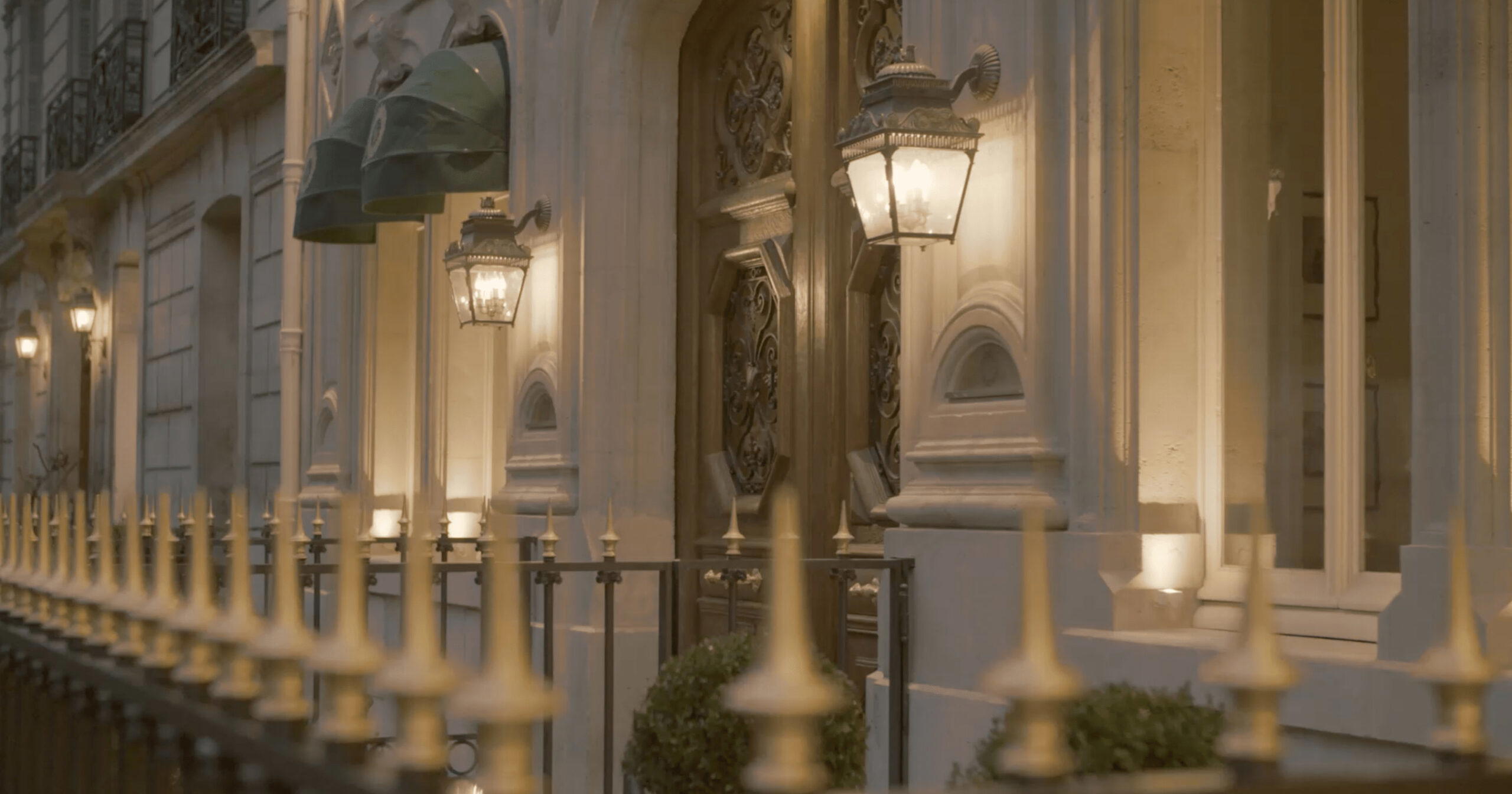

Bars in Paris
Browse all →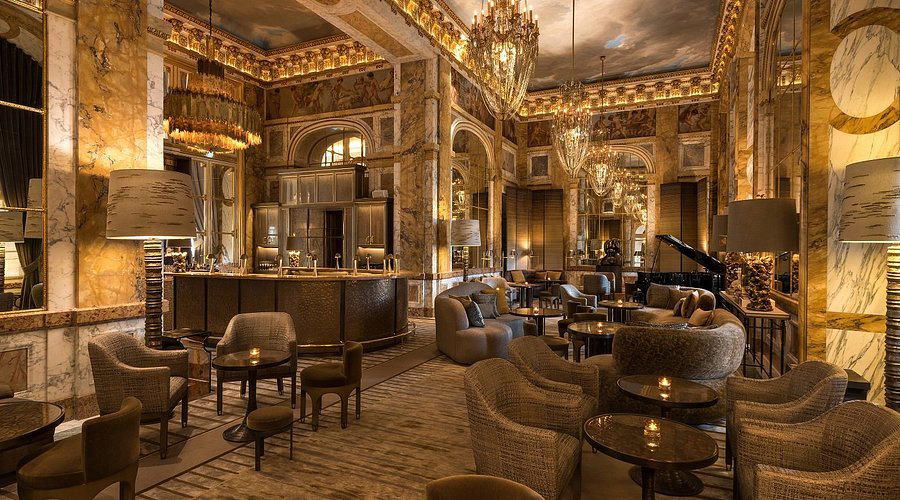
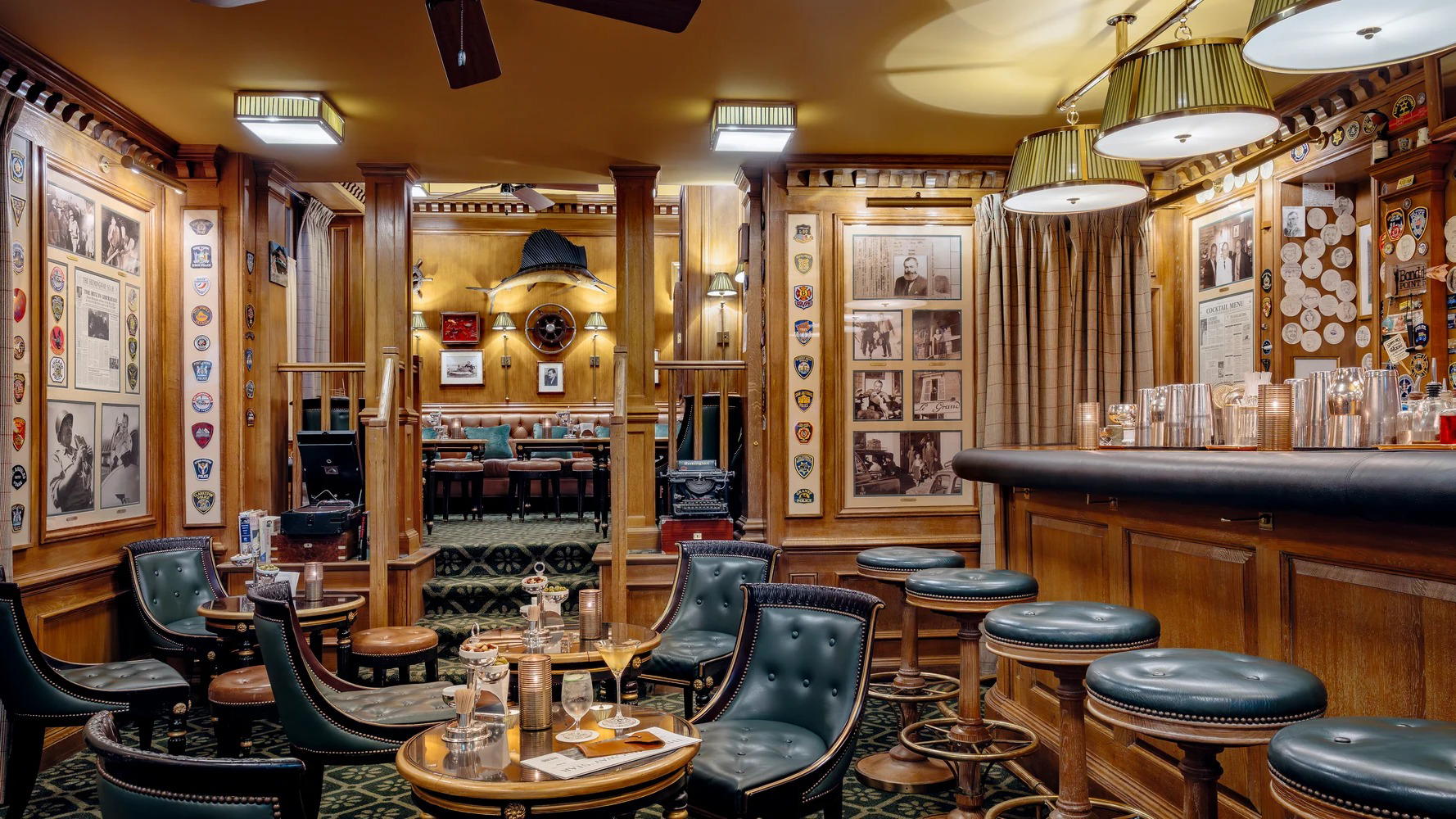
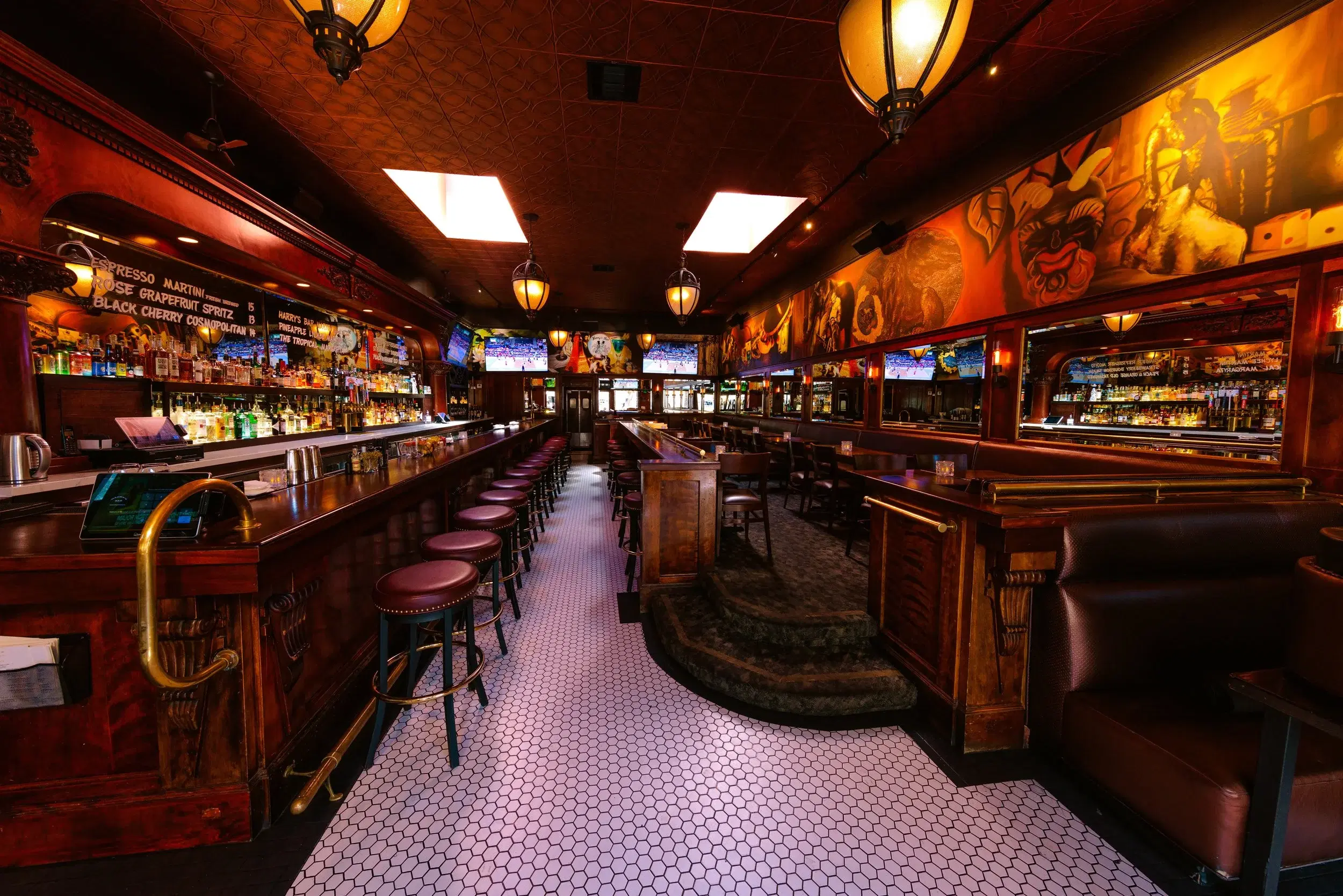
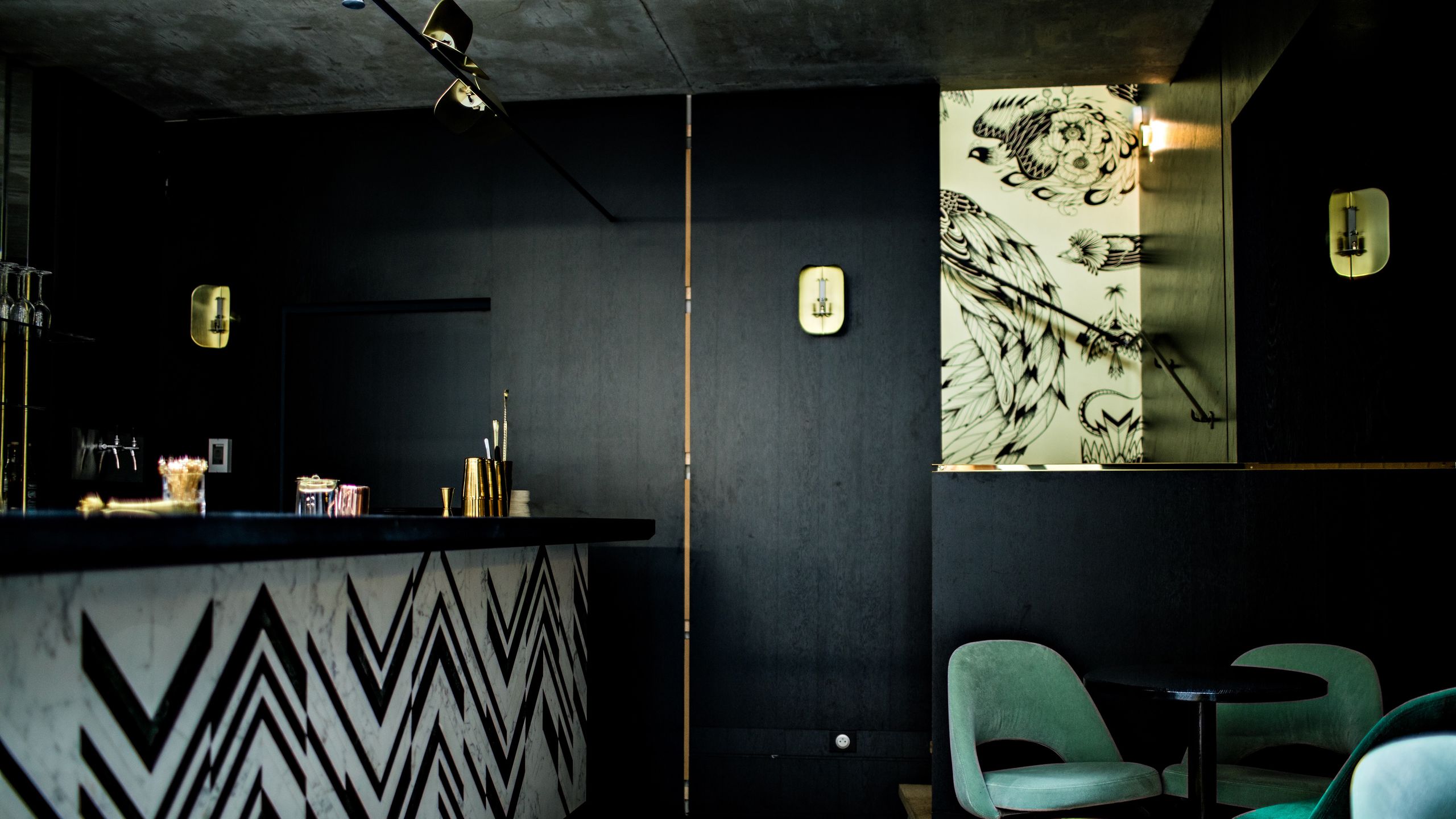
Hotels in Paris
Browse all →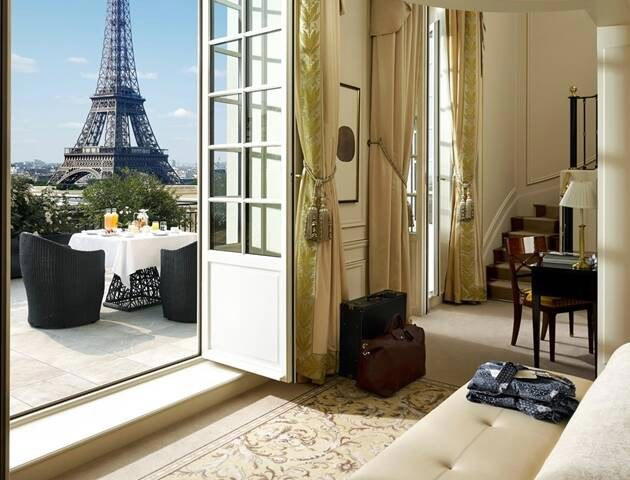
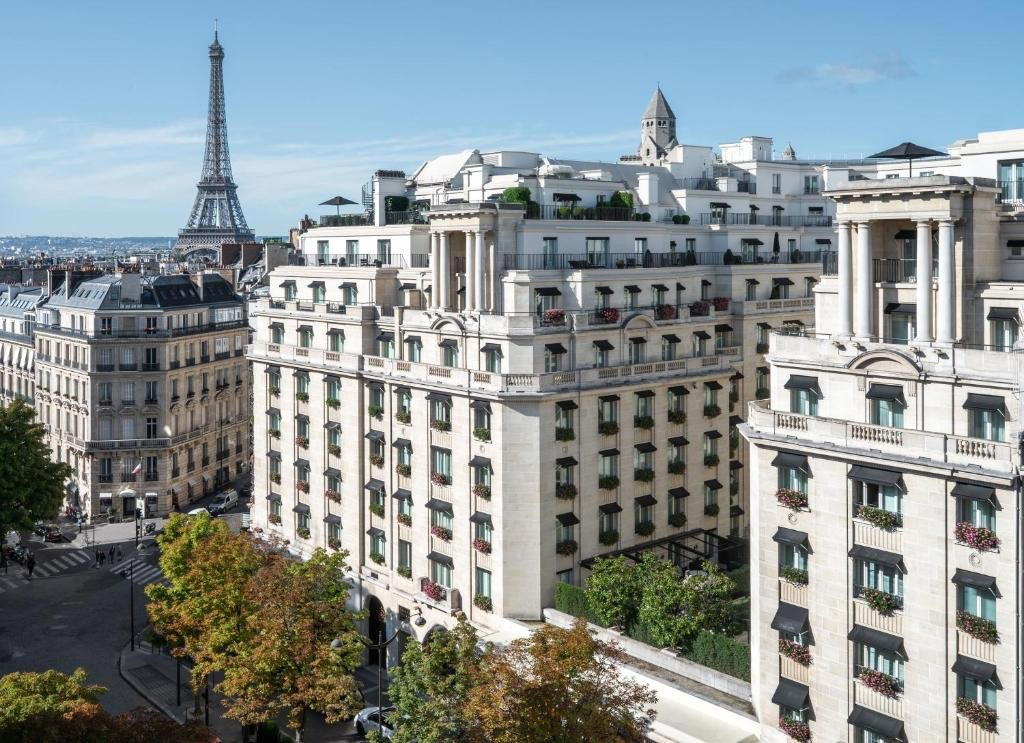
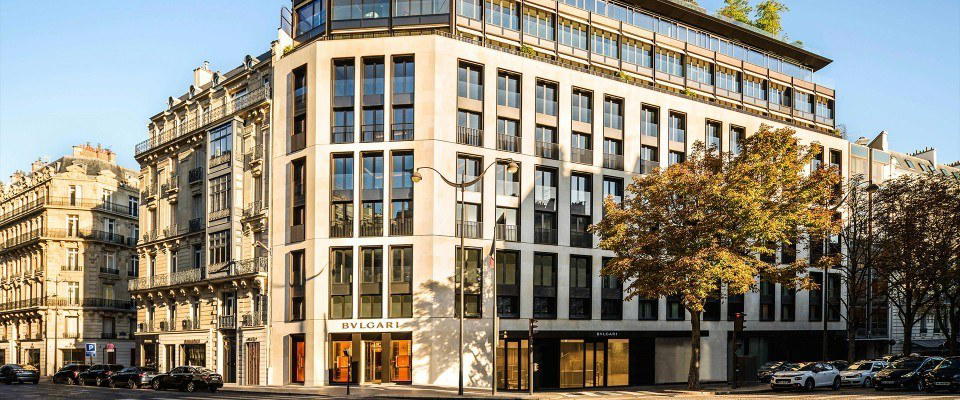
At a Glance
- Elegant
- Sophisticated
- Ornate
- Business Dinner
- Special Occasion
- Celebration
- Hotel Restaurant
- Private Dining
- Extensive Wine List
Current opening hours
- Monday
- 12–2 PM, 6:30–10 PM
- Tuesday
- Closed
- Wednesday
- Closed
- Thursday
- 12–2 PM, 6:30–10 PM
- Friday
- 12–2 PM, 6:30–10 PM
- Saturday
- 12–2 PM, 6:30–10 PM
- Sunday
- 12–2 PM, 6:30–10 PM
Hours can change for holidays and private events. Last verified .
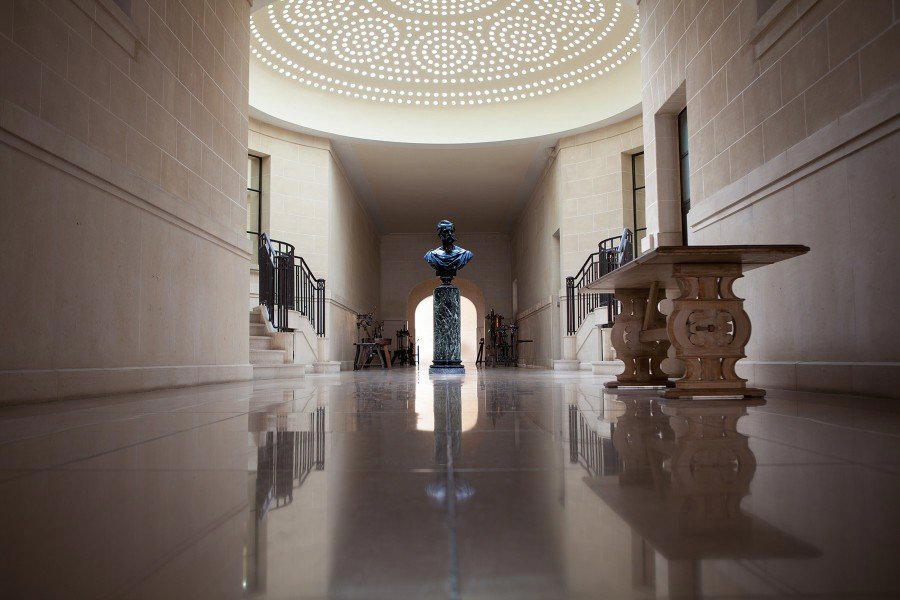
Elegant and typically Asian setting with refined, ornate decor, beautiful lighting, and a relaxing, sophisticated atmosphere.