Our verdict
Selva occupies a quiet address on Rue du Sommerard in the 5th arrondissement, where the Left Bank's academic density gives way to a more considered dining scene. The wine program anchors the experience, placing Selva alongside a small cohort of Paris restaurants where cellar curation drives the editorial conversation as much as the kitchen does. Reservations are advised well in advance.

Pearl is the En Primeur Club membership app — saves, bookings, and concierge access live there. Same editors, same standards.
The menu
What to order
- Churrasco Nikkei
- Hot Stone Beef
- Ceviche
- Pulpo
The Fifth and Its Quiet Ambitions
Paris's 5th arrondissement has never competed with the 8th on spectacle. The neighbourhood around Rue du Sommerard — a short street threading between the Musée de Cluny and the Boulevard Saint-Germain corridor — belongs to a different register: bookshops, stone facades, and a dining culture that tends to reward patience over profile. It is precisely this context that makes Selva, at number 22, worth reading carefully. In a city where the premium dining conversation is dominated by addresses like Alléno Paris au Pavillon Ledoyen and Arpège, Selva operates at a remove from that circuit, which is precisely the point.
The broader Left Bank restaurant scene has historically supported a tier of addresses that punch above their postcode visibility. Restaurants here tend to earn their standing through consistency and curation rather than through the kind of institutional backing that supports a Le Cinq or the critical machinery surrounding a Kei. That dynamic places additional weight on what a restaurant chooses to do well, and at Selva, the wine program has emerged as the defining element of that calculation.
Wine as Editorial Argument
In the current Paris dining scene, the wine list has become a separating variable. A decade ago, the expectation at any serious French table was a cellar of reasonable depth weighted toward Bordeaux and Burgundy grands crus, priced to reflect their prestige. That model still governs at addresses like L'Ambroisie on the Place des Vosges, where the cellar functions as a statement of classical authority. What has shifted, particularly in the 5th and 6th, is the emergence of wine programs built around a different kind of argument: curation over accumulation, producer relationships over prestige labels, and a willingness to position natural and low-intervention wines alongside more conventional selections without making that positioning a manifesto.
Selva sits in this newer current. The wine list is the lens through which the restaurant positions itself in the competitive set, not against the palatial cellars of Le Cinq or the decades-deep Burgundy holdings you find at the most established Parisian maisons, but rather within a smaller, more selective cohort of addresses where the sommelier's point of view is legible in every section of the list. This is a distinct competitive register, and it is worth understanding before booking.
For context, the approach at Selva echoes what has become a recognisable pattern across France's more considered regional tables. At Flocons de Sel in Megève or Mirazur in Menton, wine curation has become inseparable from the overall editorial identity of the restaurant, the list is not an afterthought but an active argument about what belongs on the table. The same logic applies at Selva, scaled to the particular character of the 5th arrondissement.
The Kitchen in Context
France's dining traditions have always produced a tension between the classicist position, the kind of unwavering technical orthodoxy you find at Paul Bocuse's Auberge du Pont de Collonges or Auberge de l'Ill, and the more restless, product-driven ethos that has defined much of French cuisine since the 1970s. Selva's kitchen operates closer to the latter tradition: ingredient-driven, relatively unburdened by ceremony, and oriented toward what the market produces rather than what a fixed menu requires.
This is not unusual among the restaurants that have opened in the Left Bank over the past decade. What distinguishes Selva within that cohort is the degree to which the kitchen and the wine program operate as a single conversation rather than two separate departments. The food exists, in part, to give the wine somewhere to go, and that reversal of the usual hierarchy is what makes Selva interesting to readers who track the way French dining has evolved beyond its own orthodoxies. Addresses like Bras in Laguiole and Troisgros in Ouches represent the most sustained articulations of that kitchen-as-creative-argument model; Selva is working within a related tradition at a different scale and register.
Among international comparisons, the kitchen-wine symbiosis at Selva also recalls what Atomix in New York has achieved in pairing the beverage program as an equal creative partner to the tasting menu, or the focused product discipline that defines Le Bernardin's approach to ingredient hierarchy. In the French provincial frame, Auberge du Vieux Puits in Fontjoncouse and AM par Alexandre Mazzia in Marseille each demonstrate how a strong point of view in both kitchen and cellar creates a more durable restaurant identity than either element achieves alone.
Placing Selva in the Paris Competitive Set
| Venue | Arrondissement | Price Tier | Wine Program Character |
|---|---|---|---|
| Selva | 5th | Not confirmed | Curation-led, sommelier point of view |
| L'Ambroisie | 4th | €€€€ | Classical depth, Bordeaux and Burgundy focus |
| Kei | 1st | €€€€ | French-Japanese integration, conventional cellar |
| Le Cinq | 8th | €€€€ | Hotel-backed cellar, palatial depth |
| Alléno Paris | 8th | €€€€ | Prestige-label, sauce-extraction pairing |
For readers building a Paris itinerary across multiple dining registers, our full Paris restaurants guide maps the city's current tier structure in more detail. Selva occupies a specific niche within that structure: smaller in footprint and quieter in institutional profile than the 8th arrondissement majors, but no less deliberate in its ambitions. The Champagne region's most considered dining address, Assiette Champenoise in Reims, or Alsace's Au Crocodile in Strasbourg, offer useful reference points for how a strong regional wine identity can anchor a restaurant's overall position, a logic that applies equally in the 5th.
Planning Your Visit
Selva is located at 22 Rue du Sommerard, 75005 Paris. The address sits within easy walking distance of the Maubert-Mutualité and Cluny-La Sorbonne metro stations. Given the absence of confirmed booking data, contacting the restaurant directly or checking current reservation availability through third-party platforms is the most reliable approach. Walk-in availability at addresses of this character in Paris is typically limited, particularly on Thursday through Saturday evenings; arriving early or targeting a Tuesday or Wednesday sitting generally improves the odds if advance booking proves difficult.
Frequently asked questions
What's the must-try dish at Selva?
Do they take walk-ins at Selva?
What's the defining dish or idea at Selva?
Is Selva good for vegetarians?
Is a meal at Selva worth the investment?
How does Selva's wine program compare to other Left Bank restaurants in Paris?
Price Lens
Comparable venues nearby, for context on price, style, and recognition.
| Venue | Cuisine | Price | Notes |
|---|---|---|---|
| SelvaThis venue — the venue you are viewing | Peruvian Nikkei Fusion | $30–50 | Not listed |
| TI AMO - CHÂTELET-LES-HALLES | Authentic Italian Pizzeria | $30–50 | Châtelet-les-Halles, Authentic Italian Pizzeria |
| Café Cassette | Cozy French Brasserie & Bistro | Not listed | 6e arrondissement, Cozy French Brasserie & Bistro |
| Le Boui-Boui | Traditional French Aveyronnaise Bistro | $20–30 | Montorgueil, Traditional French Aveyronnaise Bistro |
| Chez Mademoiselle | Traditional French Bistro | $20–30 | Saint-Gervais, Traditional French Bistro |
| Le 404 | Authentic Moroccan | $30–50 | Marais, Authentic Moroccan |
Continue exploring
More in Paris
Restaurants in Paris
All restaurants in Paris →
Bars in Paris
All bars in Paris →
Details
- Trendy
- Lively
- Modern
- Date Night
- Group Dining
- Special Occasion
- Open Kitchen
- Craft Cocktails
- Small Plates
- Family Style
- Cocktail Bar
- Vegetarian Friendly
Current opening hours
- Monday
- Closed
- Tuesday
- 7–11 PM
- Wednesday
- 12–2 PM, 7–11 PM
- Thursday
- 12–2 PM, 7–11 PM
- Friday
- 12–2 PM, 7–11:30 PM
- Saturday
- 12–2:30 PM, 7–11:30 PM
- Sunday
- Closed
Hours can change for holidays and private events. Last verified .
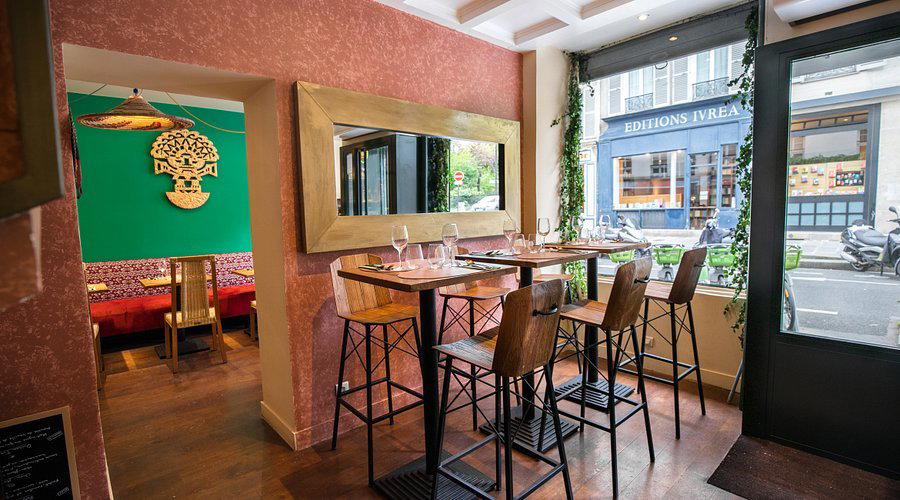
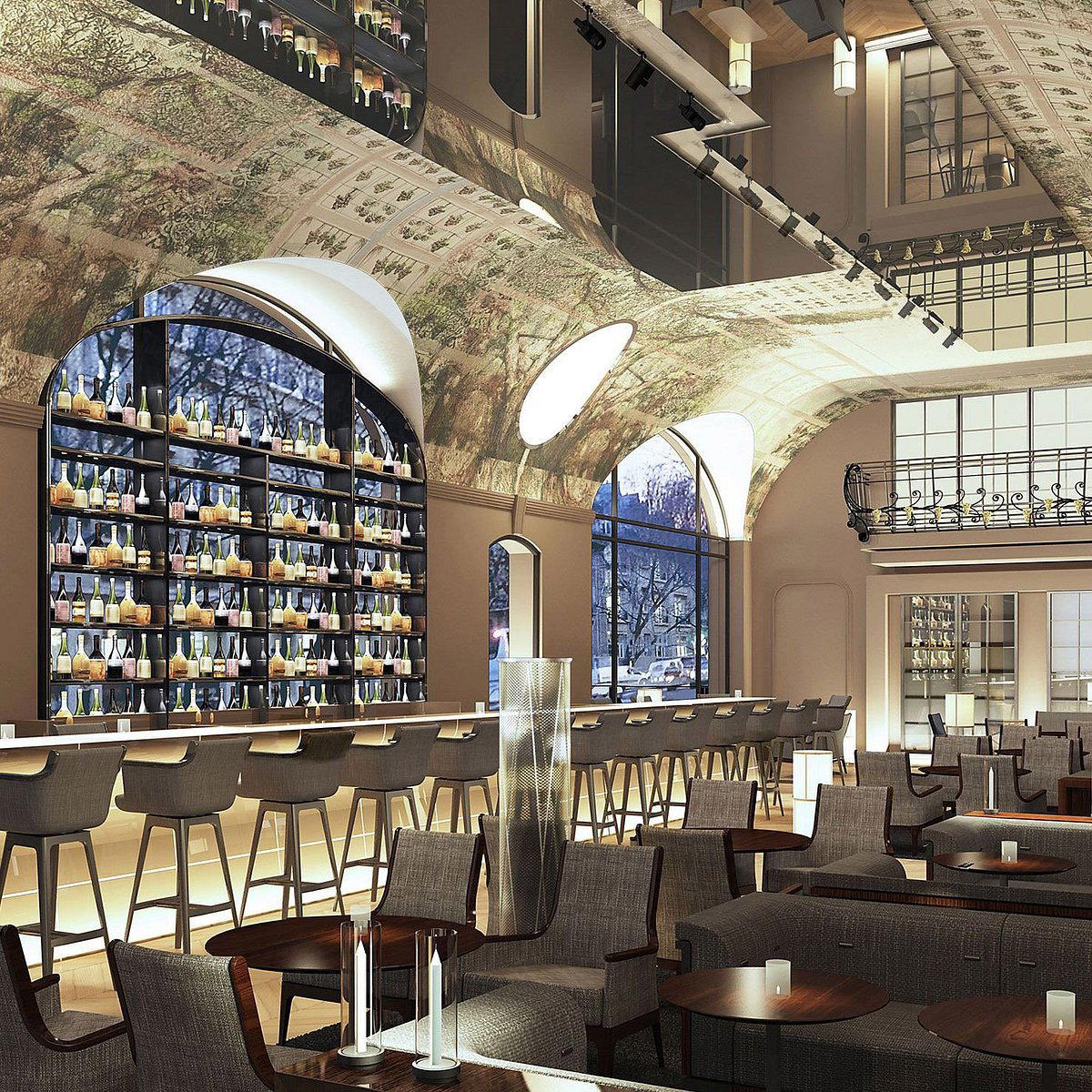
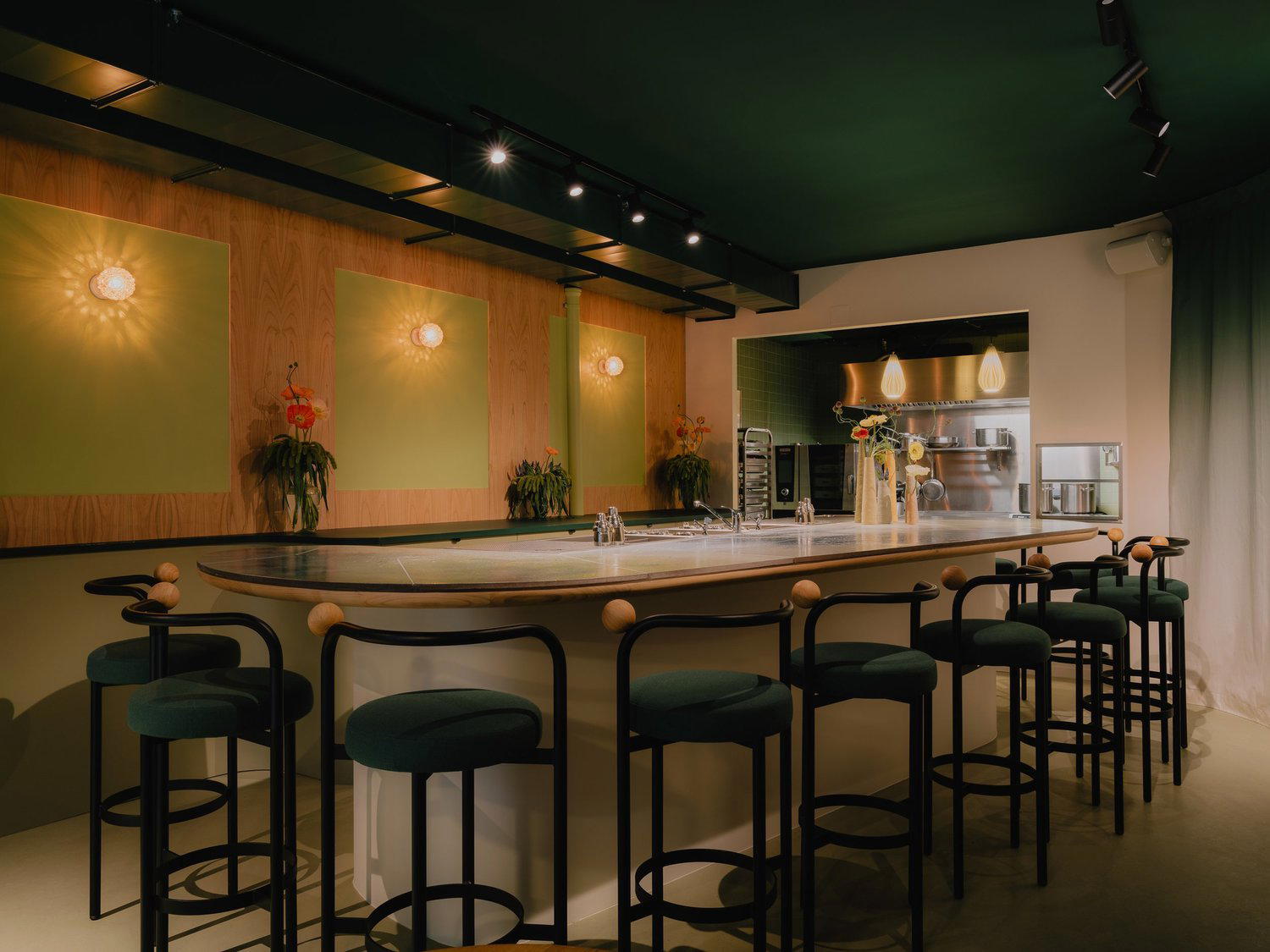
Lively jungle-inspired decor with green plants, lively atmosphere, and open kitchen energy.