Seline




1 Michelin Star · James Beard Award Best Chef: California · LA Times 101 Best Restaurants #13
Our verdict
Seline brings a tasting menu format rooted in California seasonality and surrealist technique to Santa Monica's Main Street dining strip. Chef Dave Beran's kitchen deploys flash-frozen preparations and braised slow-cooked dishes within a cohesive progression that balances creative provocation with genuine comfort. A 2025 Michelin Plate recognition places it in the city's fine dining conversation at the top price tier.

Pearl is the En Primeur Club membership app — saves, bookings, and concierge access live there. Same editors, same standards.
The menu
What to order
- Caviar & coffee
- Maitake
- Celery root & dry-aged beef
Where Santa Monica's Tasting Menu Scene Lands in 2025
Los Angeles has spent the better part of a decade fragmenting its fine dining identity. The city that once defaulted to expense-account steakhouses and celebrity-chef hotel dining rooms now sustains a genuinely plural upper tier: New Taiwanese counter service at Kali, produce-driven Californian at Citrin, and at the more experimental end, a cluster of tasting-menu rooms where the format is as much part of the proposition as the food itself. Seline, which opened at 3110 Main Street in Santa Monica's mixed-retail Ste 132 footprint, sits in that experimental cluster. Its 2025 Michelin Plate recognition confirms it has earned a seat in the city's fine dining conversation, even if the full-star tier remains a different competitive bracket occupied by Vespertine and Hayato on the east side of the city.
The address matters as much as the accolade. Santa Monica's Main Street corridor has historically been a neighbourhood dining strip rather than a destination dining corridor. Seline's presence there signals a slow shift: tasting-menu formats no longer require the density of downtown or the cachet of Beverly Hills to build a credible audience. For readers already tracking the city's dining geography, compare this to the way Ardor positioned itself inside a hotel footprint on the Westside, or how Bar Etoile drew fine-dining attention to a neighbourhood context that wouldn't have sustained it a few years earlier.
The Sensory Logic of the Menu
California's tasting-menu format has always had a tension at its core. The state's produce abundance invites restraint — let the ingredient speak — but the same coastal culture that celebrated Alice Waters also produced the theatrics of Alinea in Chicago's modernist influence on American dining and the elaborately constructed progression of The French Laundry in Napa. Seline doesn't resolve that tension so much as hold both poles simultaneously. The menu operates under what the kitchen describes as surrealism, a word that, in tasting-menu contexts, can mean anything from dry-ice smoke to genuinely disorienting flavor combinations. Here, the signal dishes suggest a more considered version: flash-frozen passion fruit brings an abrupt textural shift that reframes acidity as sensation rather than flavor note, while braised short rib arrives as something closer to comfort than provocation, grounding a progression that might otherwise float entirely into abstraction.
That oscillation between the cerebral and the nostalgic is a specific editorial position. It places Seline closer in spirit to Lazy Bear in San Francisco, where technique serves an emotional register rather than demonstrating itself, than to the pure-technique formalism of some peers. The menu reads as a progression with deliberate pacing, where the sensory experience is built through contrast: temperature differentials, shifts between delicate and dense textures, moments of flavor recognition that arrive unexpectedly after a stretch of invention.
For context on how Californian cuisine deploys these tools elsewhere along the coast, both Heritage in Long Beach and Lilo in Carlsbad work similar seasonal frameworks, though neither pursues the surrealist register that distinguishes Seline's stated approach. Further up the fine-dining register nationally, Le Bernardin in New York City and Emeril's in New Orleans represent the older model of tasting-menu authority built on institutional longevity, a different kind of trust signal than the sharper, more contingent recognition Seline has earned through the Michelin Plate.
Chef Dave Beran and the Chicago-to-California Arc
Chef Dave Beran carries a specific lineage into the Seline kitchen. His prior work in Chicago's fine dining scene, including his tenure at the leading level of American tasting-menu culture, places his training in a recognizable tradition. What that background contributes to a Santa Monica room is a structural discipline with menus: the progression at Seline has the architecture of someone trained in multi-act dinner formats, where the opening and closing of a meal carry as much weight as any individual dish. That structural thinking is visible in the surrealism-to-comfort oscillation noted above. It is also part of why the Michelin Plate, rather than being a consolation marker, reads here as an early-trajectory signal for a room that opened into one of the more competitive fine-dining environments in the country.
Among Los Angeles's $$$$ tier, Seline competes for reservation priority against formats that have been longer established: Camphor's French-Asian cross-reference downtown, Gwen's meat-led New American program, and the Californian-driven rooms that have built multi-year recognition.
Planning a Visit
Seline operates at the $$$$ price tier, which in Los Angeles's tasting-menu context typically means a per-person spend before beverage pairing that places it in the same bracket as Camphor, Hayato, and Vespertine. The Santa Monica address at 3110 Main Street, Suite 132, sits within a mixed-use retail development, not a standalone dining room, which affects the arrival experience. The suite-format address suggests a more pared-back physical context than the purpose-built dining rooms that define some LA fine dining peers. For visitors using the Santa Monica or West LA hotel base, the location is walkable from the main hotel corridor; for readers consulting our full Los Angeles hotels guide, the Westside positioning makes Seline a logical pairing with a Santa Monica or Venice stay rather than a downtown or Hollywood base.
Tasting-menu rooms at this tier in Los Angeles typically require advance booking of two to four weeks minimum, with peak weekend slots running longer. Booking earlier rather than later is the practical position.
Nearby dining options on the Main Street corridor include Great White, which operates at a different price tier and format but serves as a useful reference point for the neighbourhood's general dining character. For a complete picture of the city's dining, drinking, and hospitality options, see our full Los Angeles restaurants guide, our full Los Angeles bars guide, our full Los Angeles wineries guide, and our full Los Angeles experiences guide. The Single Thread Farm in Healdsburg offers a useful point of comparison for readers considering where a seasonality-forward California tasting menu can reach at its most elaborated.
Frequently asked questions
at Seline?
Seline operates a tasting menu format, meaning individual dish selection is not part of the standard experience. The menu progresses as a set sequence. Based on available information, the kitchen's signal preparations include flash-frozen passion fruit, a technique-forward course that demonstrates the surrealist register the menu pursues, and a braised short rib that anchors the progression in recognizable comfort. Both dishes reflect Chef Dave Beran's approach of pairing inventive technique with flavors that carry genuine emotional weight. The Michelin Plate recognition for 2025 affirms the kitchen's consistency across the full progression rather than any single course.
City Peers
| Venue | Cuisine | Price | Awards | Notes |
|---|---|---|---|---|
| SelineThis venue (the venue you are viewing) | Modern Fine Dining | $200–300 | 1 Michelin Star · James Beard Award Best Chef: California | Not listed |
| Kato | Modern Taiwanese Fine Dining | $300–500 | 2 Michelin Stars · World's 50 Best #49 | New Taiwanese, Asian |
| Hayato | Traditional Japanese Kaiseki | $300–500 | 2 Michelin Stars · La Liste Top Restaurants | Japanese |
| Vespertine | Avant-Garde Tasting Menu | $200–300 | 2 Michelin Stars · La Liste Top Restaurants | Progressive, Contemporary |
| Camphor | Modern French with Southeast Asian influences | $150–200 | Michelin Plate · World Best Burgers World's 101 Best Burgers #15 | French-Asian, French |
| Gwen | Contemporary American Steakhouse | $50–100 | Michelin Plate · Wine Spectator Best of Award of Excellence | New American, Steakhouse |
Recognition history
Dated appearances from independent guides and award organizations, with the underlying list record or original source where available.
Michelin 1 Star
Michelin
James Beard Award Best Chef: California
James Beard Award
Opinionated About Dining Top Restaurants in North America Recommended
Opinionated About Dining
LA Times 101 Best Restaurants #13
LA Times
Full recognition history (6 entries)
James Beard Award Nominee
James Beard Award
Michelin Plate
Michelin
Continue exploring
More in Los Angeles
Restaurants in Los Angeles
All restaurants in Los Angeles →
Bars in Los Angeles
All bars in Los Angeles →
Hotels in Los Angeles
All hotels in Los Angeles →
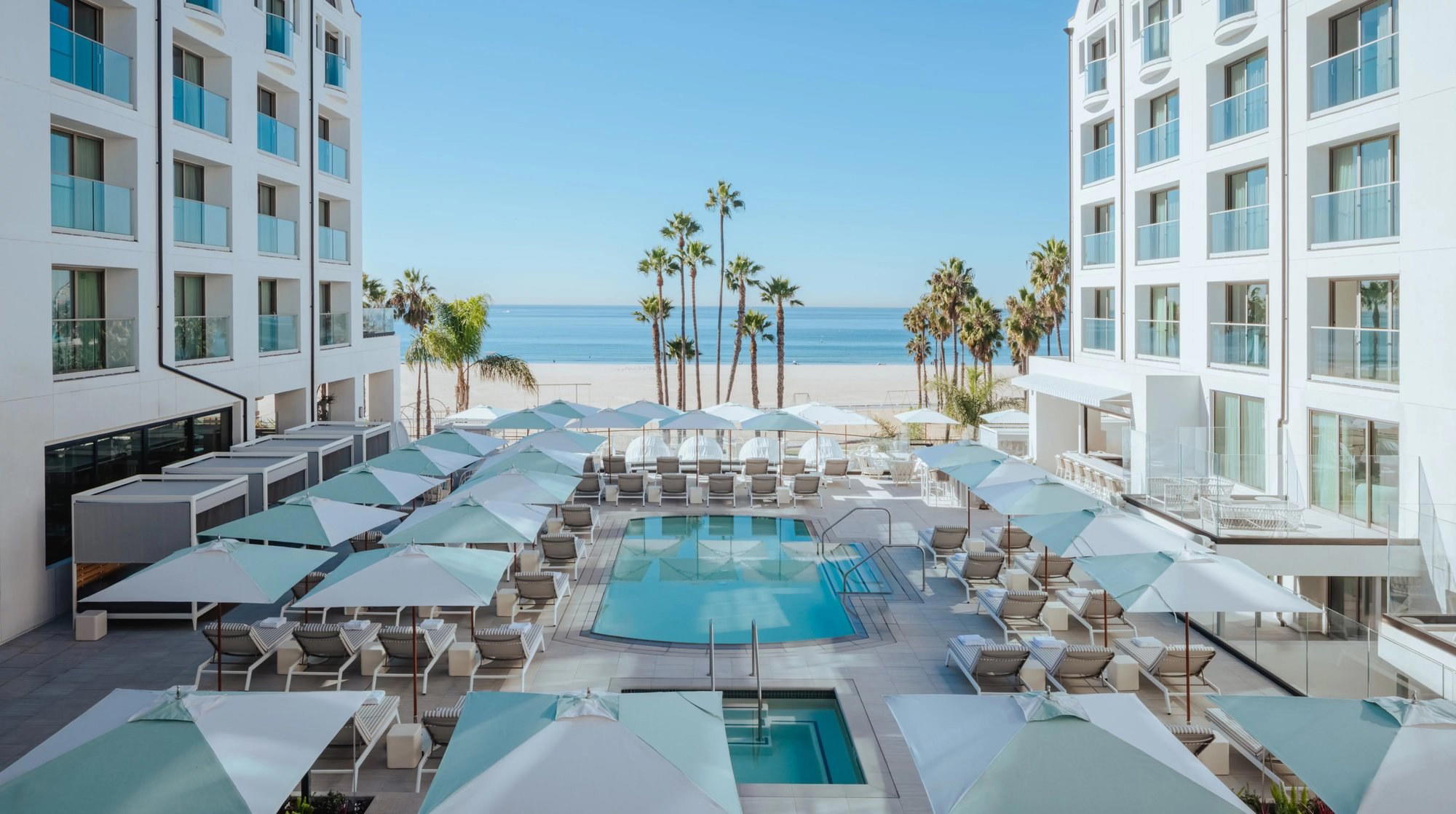
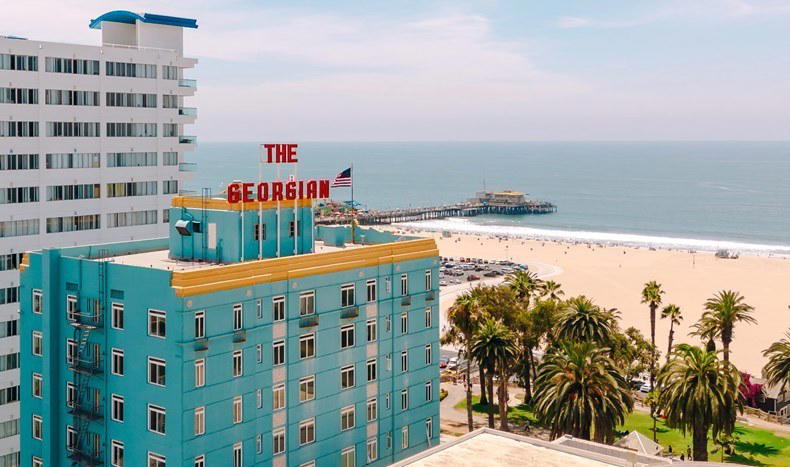
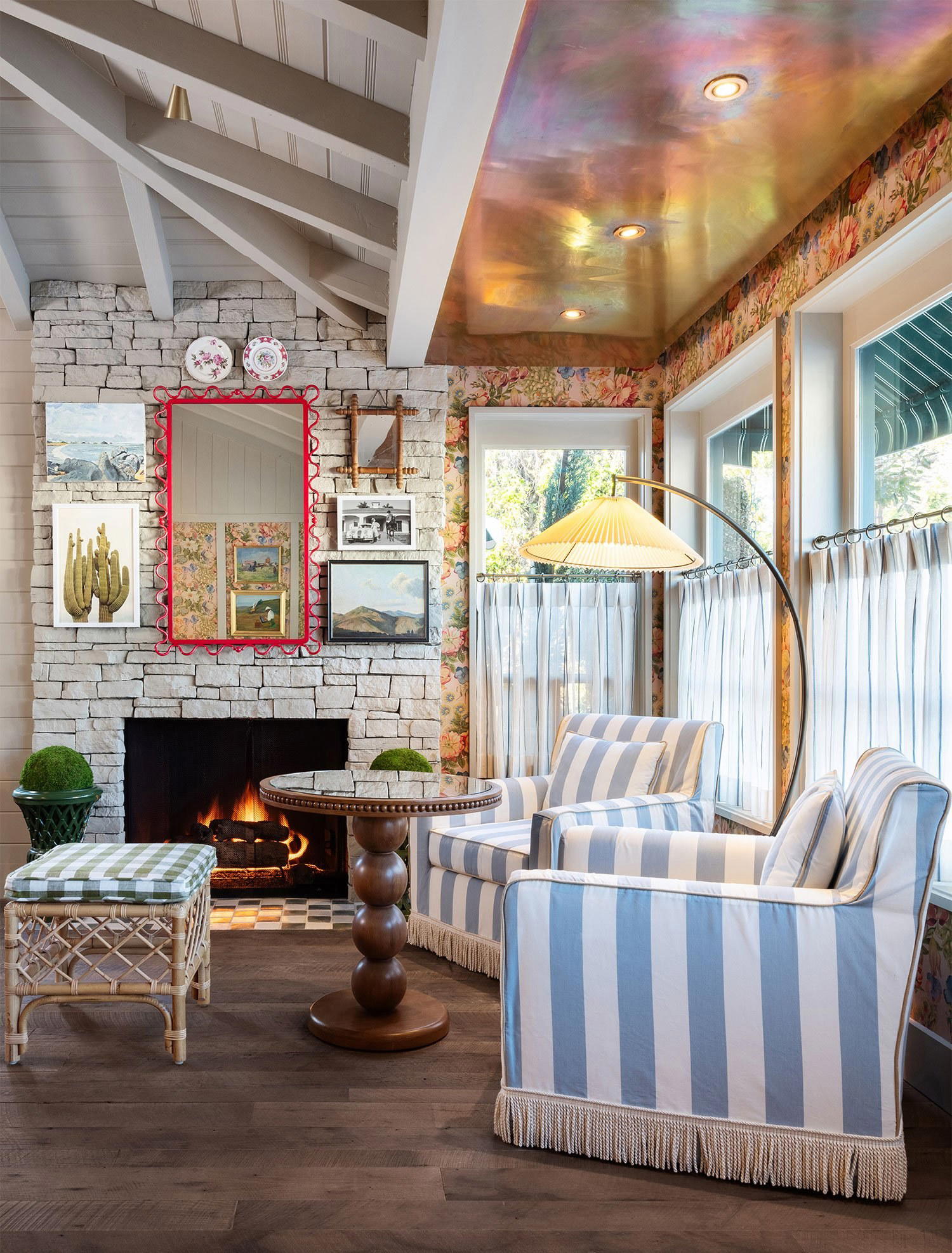
Wineries in Los Angeles
All wineries in Los Angeles →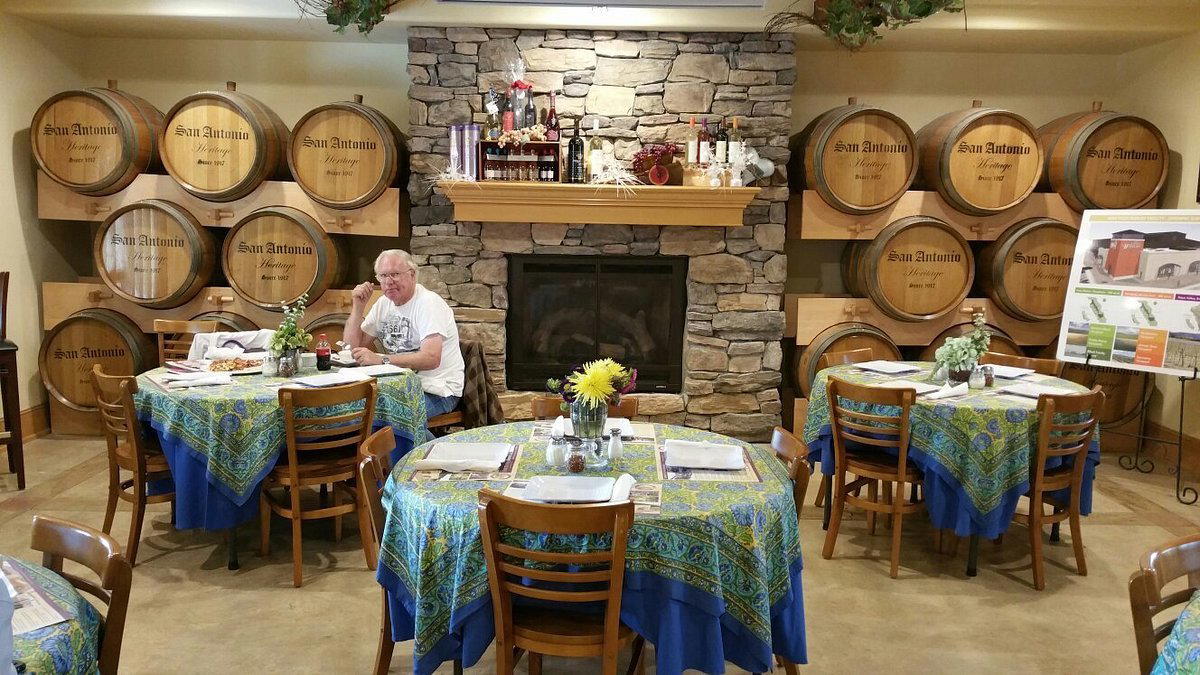
Seline
The wine
- Wine program
- Deep wine list
- Extensive wine list
- Sommelier-led
Details
- Elegant
- Modern
- Sophisticated
- Intimate
- Date Night
- Special Occasion
- Open Kitchen
- Extensive Wine List
- Sommelier Led
- Tasting Menu
- Allergy Accommodating
Current opening hours
- Monday
- Closed
- Tuesday
- 6–9 PM
- Wednesday
- 6–9 PM
- Thursday
- 6–10 PM
- Friday
- 5:30–10 PM
- Saturday
- 5:30–10 PM
- Sunday
- Closed
Hours can change for holidays and private events. Last verified .
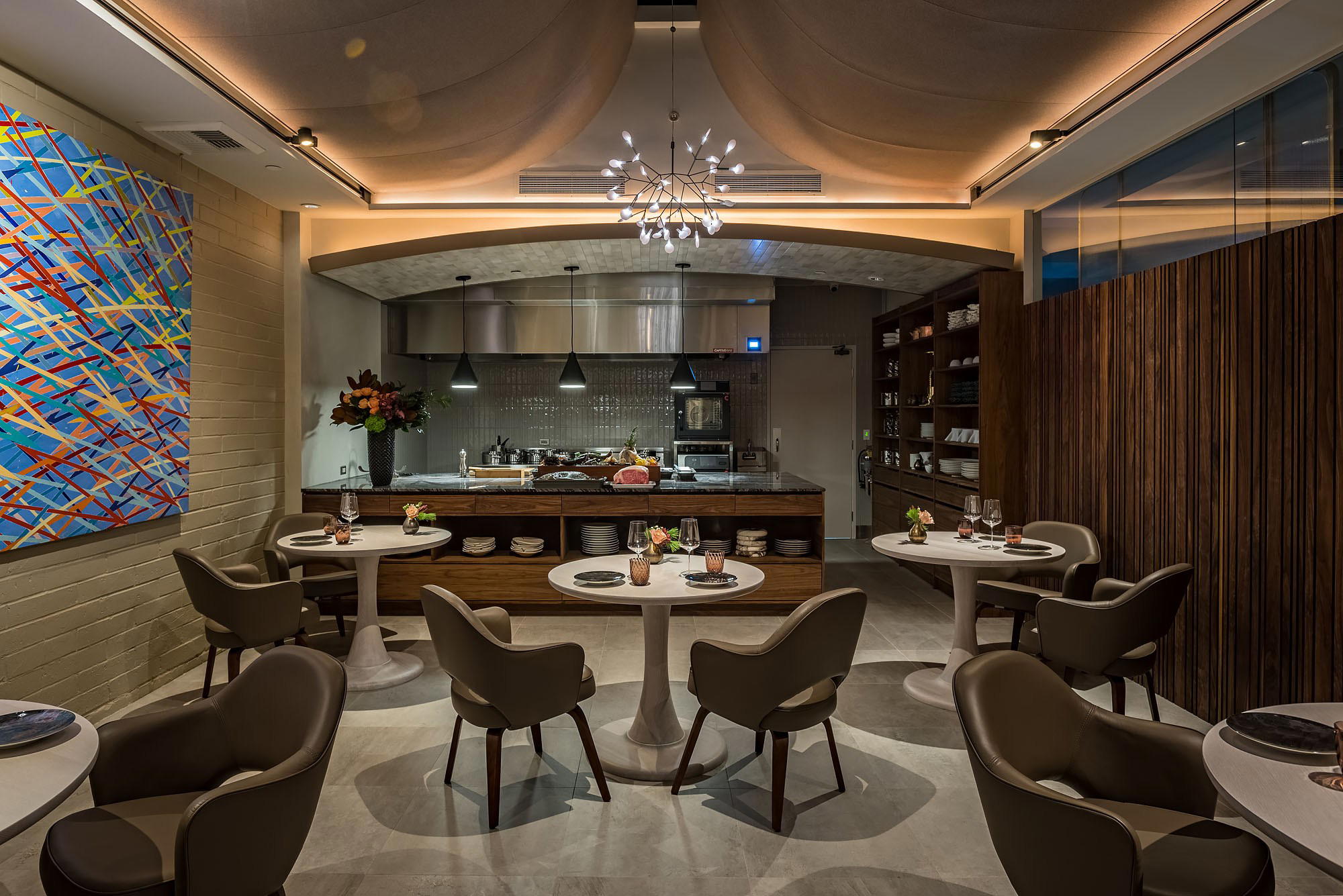
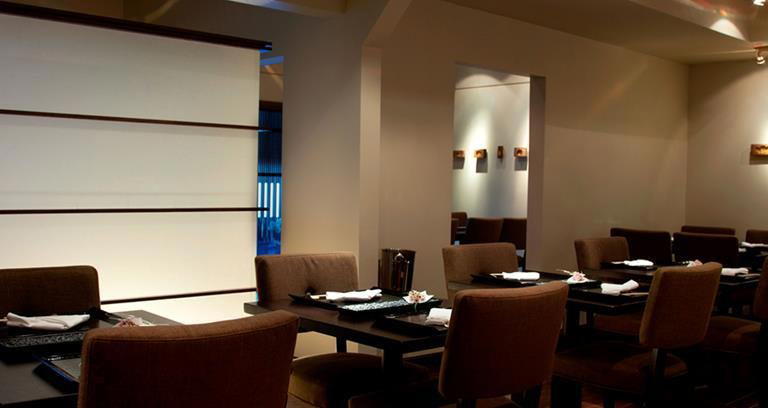
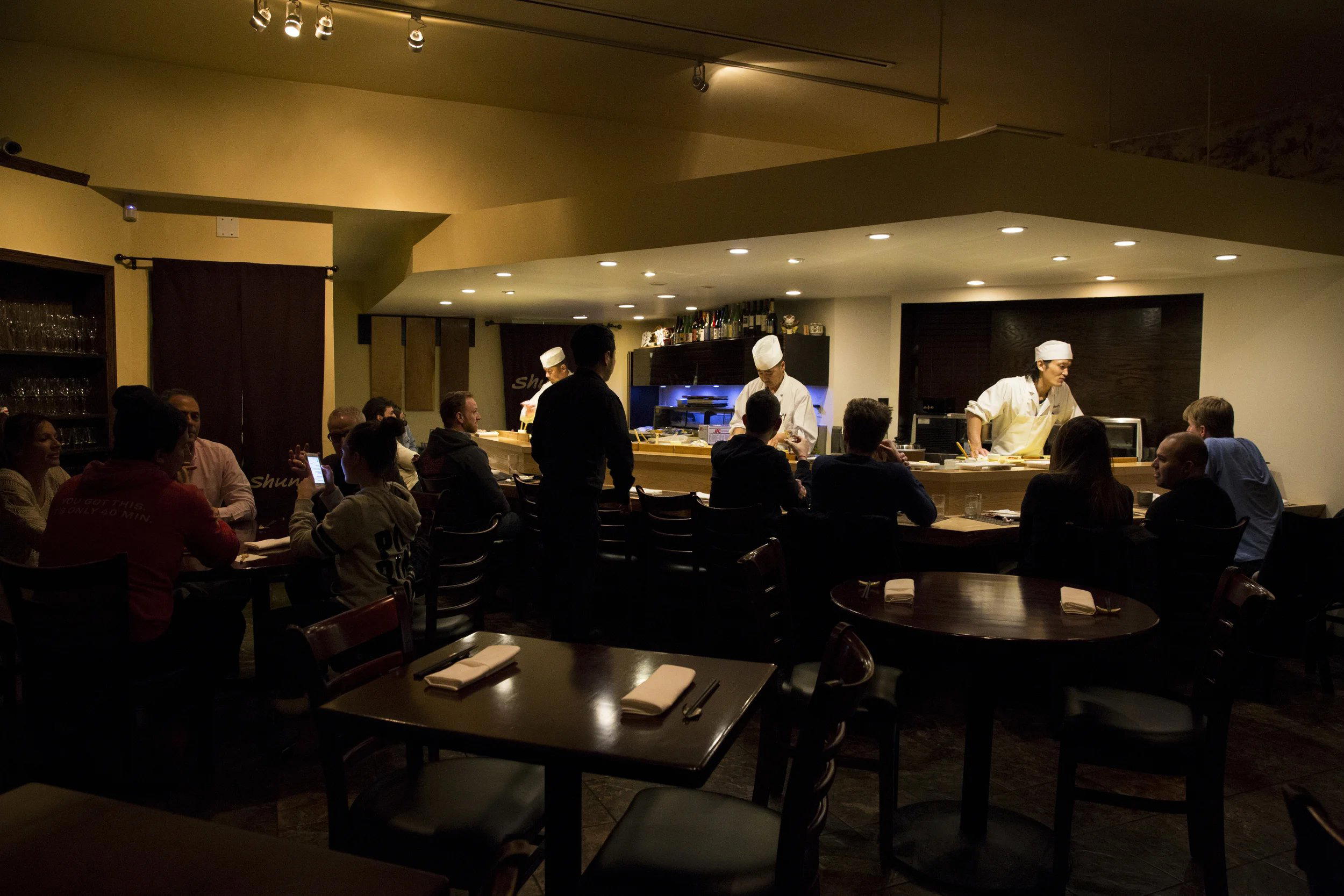
Elegant space with soft lighting, open kitchen, moody dim atmosphere like a modern art gallery, navy banquettes, walnut tables, and dramatic artwork.