Rebbau Ciprian

Falstaff Winery - Listed
Rebbau Ciprian is a tiny family-run wine project in Zizers, Graubünden, shaped by Pinot Noir, Chardonnay, slate soils and cool Alpine nights. The appeal is not a polished cellar-door production but a tightly scaled Swiss vineyard identity: old vines, limited annual output and Schweizerische Weinzeitung scores that give the bottles serious collector context.

Pearl is the En Primeur Club membership app — saves, bookings, and concierge access live there. Same editors, same standards.
- Address
- Zizers, canton of Grisons, Schweiz
- Directions
- Get directions

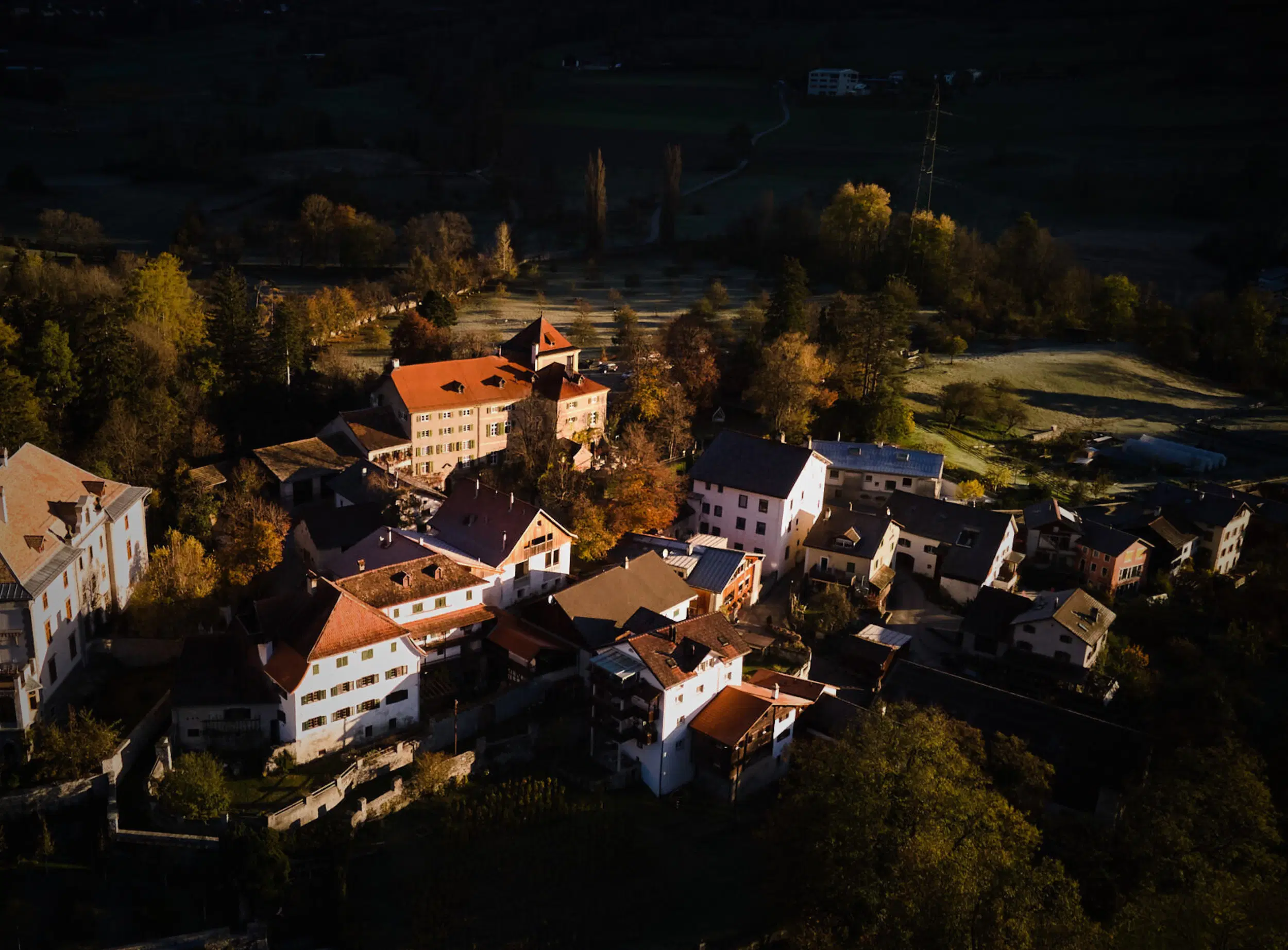
Approaching wine in Zizers means thinking less about grand estates and more about slope, stone and weather. Rebbau Ciprian is best presented as a small, family-run Graubünden vineyard with a quiet, traditional and vineyard-centric atmosphere rather than a touristic showpiece. Its identity centers on finesse-driven Pinot Noir shaped by barren slate soils and cool night temperatures. That makes the address feel more closely connected to vineyard conditions than to spectacle: the interest is in how a modest site, a cool setting and a restrained style can define the experience before any wider hospitality expectations enter the picture.
Slate, cool nights and the Graubünden case for Pinot Noir
Rebbau Ciprian belongs to a small-scale Graubünden vineyard context where Pinot Noir is the defining focus. The key details are spare but useful: barren slate soils, cool night temperatures and a focus on finesse rather than weight. That combination frames the estate as a quiet Zizers producer whose appeal is tied to place, restraint and the local vineyard setting. The language matters because it keeps the emphasis on structure, delicacy and site expression rather than on volume or grandeur.
The grounded picture is narrower and more honest: Rebbau Ciprian is a small family-run vineyard in Zizers, with Pinot Noir as the defining point of interest and a rustic, classic atmosphere rather than a broad hospitality proposition. The barren slate soils and cool nights are not decorative details; they are the available clues for understanding why finesse is the central word here. Read this as a producer whose personality is best approached through the vineyard itself, not through a long list of external features.
For planning, treat Rebbau Ciprian as a wine-focused Zizers address where the setting and vineyard identity matter more than amenities. Other dining and drinking options in Zizers can be considered separately, but Rebbau Ciprian’s profile is specifically about a small Graubünden vineyard and its Pinot Noir focus. It is therefore most useful for visitors who are already interested in the local wine landscape and who appreciate a quieter, more restrained sense of place.
A narrow vineyard identity, not a broad hospitality show
The strongest way to describe Rebbau Ciprian is through its vineyard character. It is small, family-run and rooted in a quiet Zizers setting, with a traditional and rustic feel. That description is modest, but it is also the clearest one: this is not a venue that needs to be inflated into something it is not. Its appeal rests in the directness of a small producer connected to its site.
That restraint is part of how the estate should be read. Rather than presenting Rebbau Ciprian as a large destination built around visitor programming, the safer and more accurate framing is vineyard-first: a Graubünden producer associated with Pinot Noir, slate soils, cool nights and finesse. Expectations should follow that narrow profile. The narrower frame is not a weakness; it helps clarify why the vineyard is relevant. It asks the reader to pay attention to the essentials already on the table: grape, soil, temperature, scale and atmosphere.
For readers mapping Zizers through wine rather than dining, Rebbau Ciprian can be understood as a local vineyard reference point. Other Zizers venues may help with a wider itinerary, but the story here remains focused on Rebbau Ciprian itself. The value of including it is not that it broadens the category into restaurants, bars or polished visitor infrastructure, but that it keeps the wine map anchored in a small Graubünden vineyard with a particular Pinot Noir identity.
How to read the bottle before the visit
The useful way to approach Rebbau Ciprian is as a study in small-scale vineyard character. The estate is described as small and family-run, with a quiet, classic and rustic atmosphere. Its most specific wine identity is finesse-driven Pinot Noir influenced by barren slate soils and cool night temperatures. Before visiting, that is the most reliable interpretive framework: expect the bottle to be discussed through restraint and place rather than through heaviness or showy abundance.
The setting is quiet, traditional and vineyard-centric, so expectations should follow the wine rather than amenities. The right comparison is not with high-throughput cellar doors but with small growers whose appeal rests on place and a clear stylistic focus. In Zizers, Rebbau Ciprian is best understood through that grounded lens. It belongs in an itinerary when the goal is to understand a local vineyard identity in detail, especially one where Pinot Noir, slate and cool nights provide the essential vocabulary.
Recognition history
Dated appearances from independent guides and award organizations, with the underlying list record or original source where available.
Falstaff Winery - Listed
Falstaff
Continue exploring
More in Zizers
Wineries in Zizers
Browse all →Bars in Zizers
Browse all →
Restaurants in Zizers
Browse all →
Details
- Quiet
- Classic
- Rustic
- Intimate
- Dry Farmed
- Mountain
- Vineyard
- Pinot Noir
- Chardonnay
- Still Red
- Still White
Small, family-run Graubünden vineyard focused on finesse-driven Pinot Noir, shaped by barren slate soils and cool night temperatures; atmosphere is quiet, traditional and vineyard-centric rather than touristic.