Google: 4.8 · 104 reviews

SchwarzGold earned its first Michelin star in 2025, placing it at the forefront of Dortmund's emerging fine dining scene. Chef Sebastian Junge works within a regional cuisine framework at Emscherallee 11, drawing on the culinary traditions of the Ruhr and broader German larder. With a Google rating of 4.8 from 75 reviews, the restaurant occupies the upper price tier alongside Dortmund's small cluster of destination restaurants.
 Discover on Pearl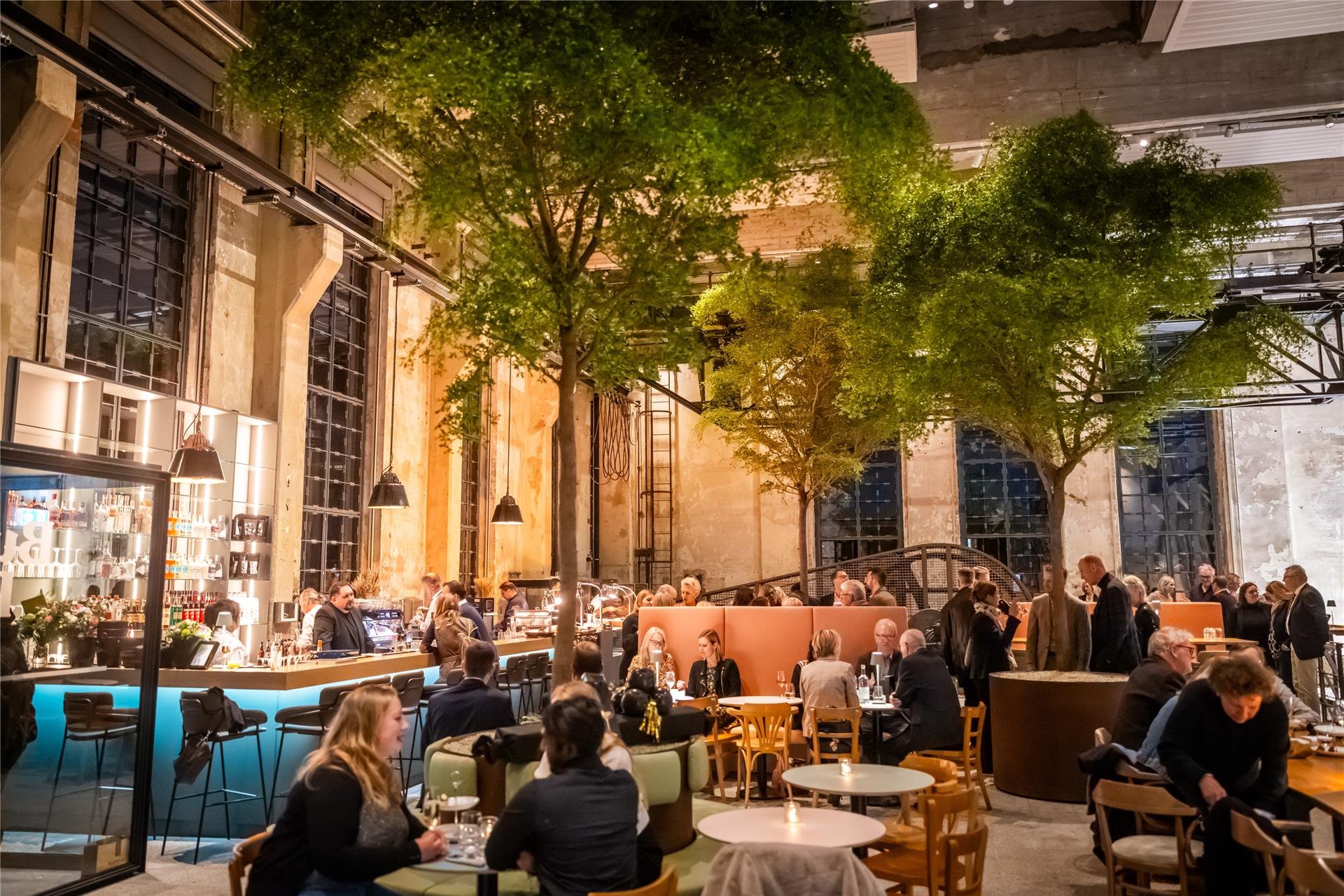
A New Star in the Ruhr
Dortmund is not the city most food writers reach for when mapping Germany's fine dining geography. That's been the point, and it's been the problem. The Ruhr Valley's industrial identity has long overshadowed what has quietly developed at its edges: a small, serious cluster of restaurants working at price points and ambition levels that would register clearly in Munich or Hamburg. SchwarzGold, at Emscherallee 11 in the Huckarde district, arrived in that context and in 2025 became the clearest evidence yet that Dortmund has earned a place in the conversation. A first Michelin star awarded that year, following a Michelin Plate recognition in 2024, marks the kind of upward trajectory that the guide typically reserves for rooms it has watched carefully.
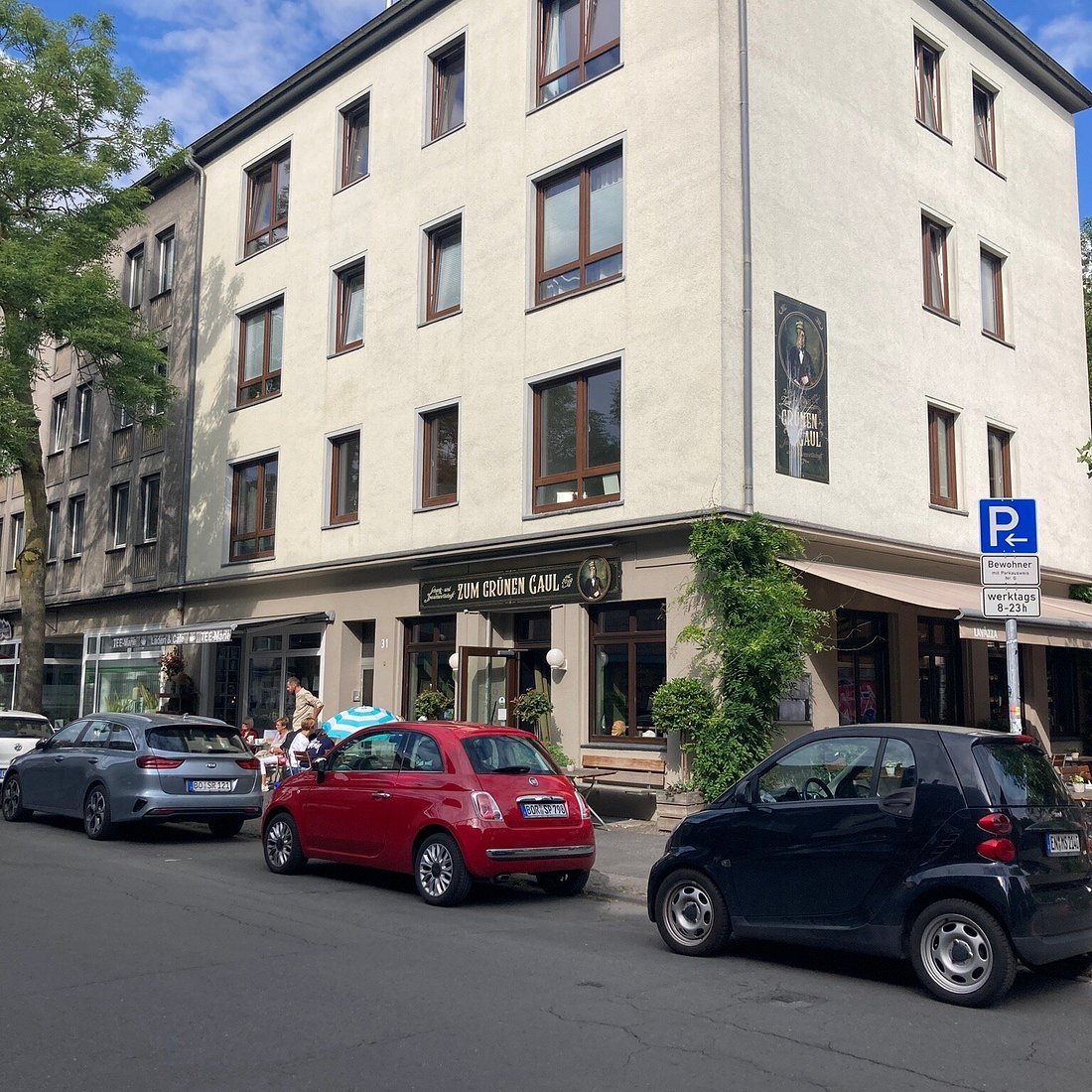
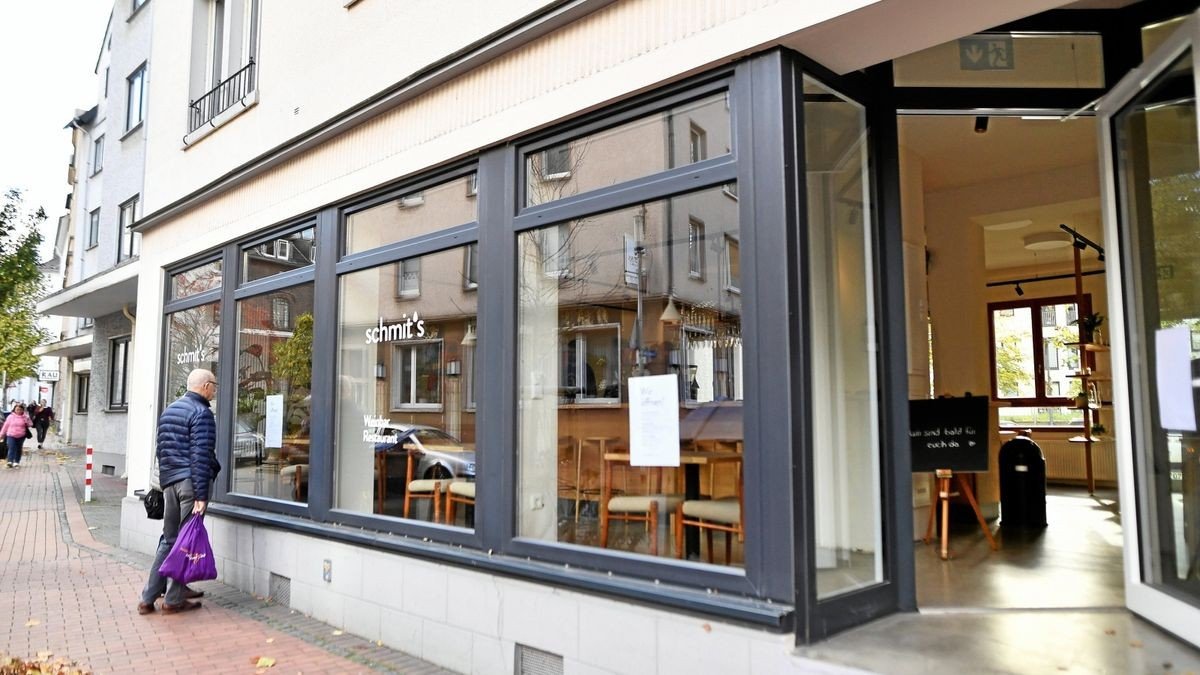
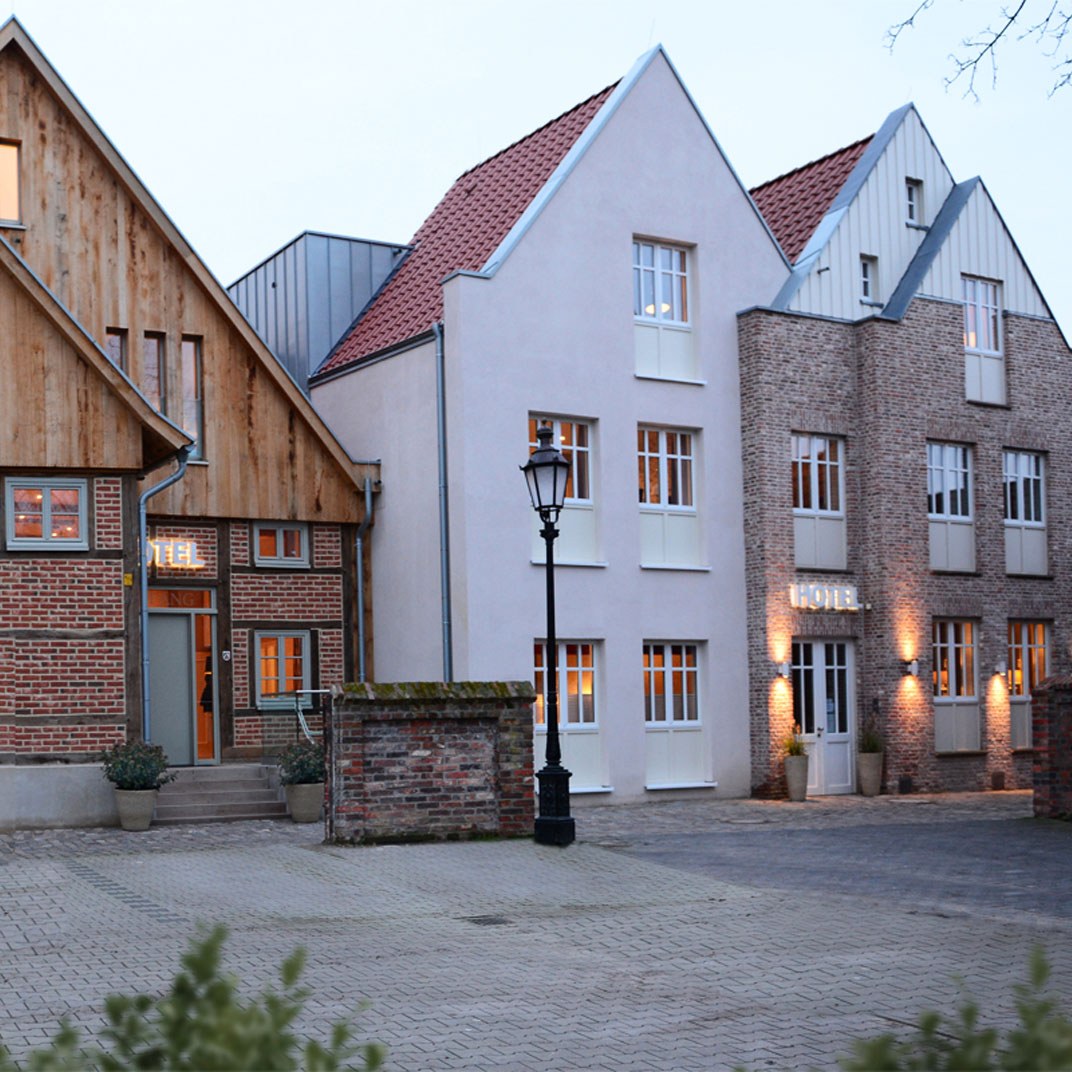
The address itself signals something about the restaurant's positioning. Huckarde sits northwest of the city centre, away from the more obvious dining corridors. In German fine dining, that kind of geographic remove from a city's commercial heart often corresponds with a deliberate identity: the restaurant is the destination, not a stop in a wider evening circuit. The approach to Emscherallee 11 frames what follows inside.
Regional Cuisine as a Serious Category
Germany's culinary identity has spent decades negotiating a tension between French-influenced classical technique and the honest weight of its own regional larder. The postwar decades leaned heavily toward the former; the Michelin-starred rooms of the 1980s and 1990s read, in many cases, like outposts of a Franco-German hybrid tradition. That balance has shifted. Across the country, a generation of chefs has found that the most compelling argument for serious cooking is not importing a framework but working within one that already exists on the plate, in the market, and in the memory of the region.
Regional cuisine as a Michelin-recognised category is not a consolation prize for restaurants that haven't reached classical French fluency. At restaurants like Fahr in Künten-Sulz and Gannerhof in Innervillgraten, the regional designation signals a disciplined commitment to place that demands as much rigour as any tasting menu modelled on French structure. SchwarzGold operates within that same understanding. Chef Sebastian Junge's cooking draws on the ingredients and culinary memory of the Ruhr and the wider North Rhine-Westphalian tradition, a region whose food culture is more layered than its industrial reputation suggests: river fish, game from nearby forests, root vegetables shaped by the area's agricultural history, and a brewing culture that has long influenced the table.
The Ruhr's food identity is not one that has historically demanded documentation. That's precisely why working within it at a starred level carries weight. It requires constructing a vocabulary from materials that haven't been curated for international consumption, and SchwarzGold's recognition suggests that vocabulary is both coherent and compelling.
Where SchwarzGold Sits in Dortmund's Fine Dining Tier
Dortmund's upper dining tier is small enough that each room occupies a distinct position. The Stage and Wibbelings Hof both work in modern cuisine at €€€€ and €€€ respectively. La Cuisine Mario Kalweit holds the classical French position at €€€. VIDA sits in the creative tier at €€€. 60 Seconds To Napoli represents the more accessible end of the city's better restaurants. SchwarzGold prices at €€€€, placing it alongside The Stage at the leading of that range, but distinguished by its regional culinary framework rather than a modernist or internationally inflected menu.
That positioning matters for how the restaurant should be read. At €€€€ in a mid-sized German city, a restaurant is making a specific argument: that the cooking, the room, and the experience justify a price point associated with destination dining in larger markets. The 2025 Michelin star provides external validation for that argument, but it was the 4.8 Google rating across 75 reviews, accumulated before the star arrived, that indicated a room already performing consistently at the level the guide subsequently confirmed.
For context on what a first German Michelin star represents in peer terms: Germany's starred landscape includes rooms like JAN in Munich, Vendôme in Bergisch Gladbach, Aqua in Wolfsburg, and Schwarzwaldstube in Baiersbronn, each operating in distinct culinary registers. SchwarzGold's trajectory from Plate to Star in a single guide cycle, in a city not previously known for Michelin-level cooking, places it in the cohort of restaurants that have expanded the guide's geographic reach within Germany, much as ES:SENZ in Grassau and CODA Dessert Dining in Berlin have done in their respective contexts.
The Cultural Weight of Ruhr Cuisine
Understanding what SchwarzGold is doing requires some understanding of what the Ruhr Valley is as a food culture. The region's culinary identity developed alongside its industrial one: hearty, practical cooking shaped by the demands of physical labour and the multicultural workforce that the mines and steelworks drew from across Europe and beyond. Polish, Turkish, Italian, and Greek communities all left marks on the region's eating habits, layering over an older Westphalian tradition of cured meats, rye bread, and freshwater fish.
That layered history is not a simple asset to cook from. It requires decisions about what to foreground, what to translate into a fine dining register, and what to leave alone. Regional cuisine at a starred level is, in part, an exercise in editorial judgement: which ingredients and traditions carry enough cultural specificity to justify the attention, and how should classical technique engage with them without erasing what made them significant in the first place. The restaurants that handle this well produce cooking that reads as located. The ones that don't produce regional pastiche dressed in fine dining clothing.
SchwarzGold's Michelin recognition suggests it is in the former category. The guide does not award stars to restaurants for good intentions; it awards them for execution that meets a defined technical and experiential threshold, consistently, across multiple visits.
Planning a Visit
SchwarzGold sits at Emscherallee 11, 44369 Dortmund, in the Huckarde district. At €€€€ pricing with a fresh Michelin star, demand is likely to run ahead of availability in the near term; the period immediately following a star award typically compresses booking windows significantly, and first-time visitors to a newly starred room are leading served by planning well in advance. Current hours and booking methods are not published through the EP Club database, so checking directly via search for the most current availability is the appropriate approach.
For visitors structuring a broader Dortmund visit around the meal, EP Club's full Dortmund restaurants guide maps the city's dining options across price tiers and cuisines. The Dortmund hotels guide covers accommodation, while the bars guide, wineries guide, and experiences guide cover the full range of what the city offers beyond the table.
What It’s Closest To
A fast peer set for context, pulled from similar venues in our database.
| Venue | Cuisine | Awards | Notes |
|---|---|---|---|
| SchwarzGold | Regional Cuisine | Michelin 1 Star | This venue |
| The Stage | Modern Cuisine | Michelin 1 Star | Modern Cuisine, €€€€ |
| La Cuisine Mario Kalweit | Classic French | Classic French, €€€ | |
| VIDA | Creative | Creative, €€€ | |
| 60 Seconds To Napoli | |||
| Wibbelings Hof | Modern Cuisine | Modern Cuisine, €€€ |
At a Glance
- Elegant
- Sophisticated
- Industrial
- Modern
- Special Occasion
- Date Night
- Business Dinner
- Historic Building
- Open Kitchen
- Craft Cocktails
- Local Sourcing
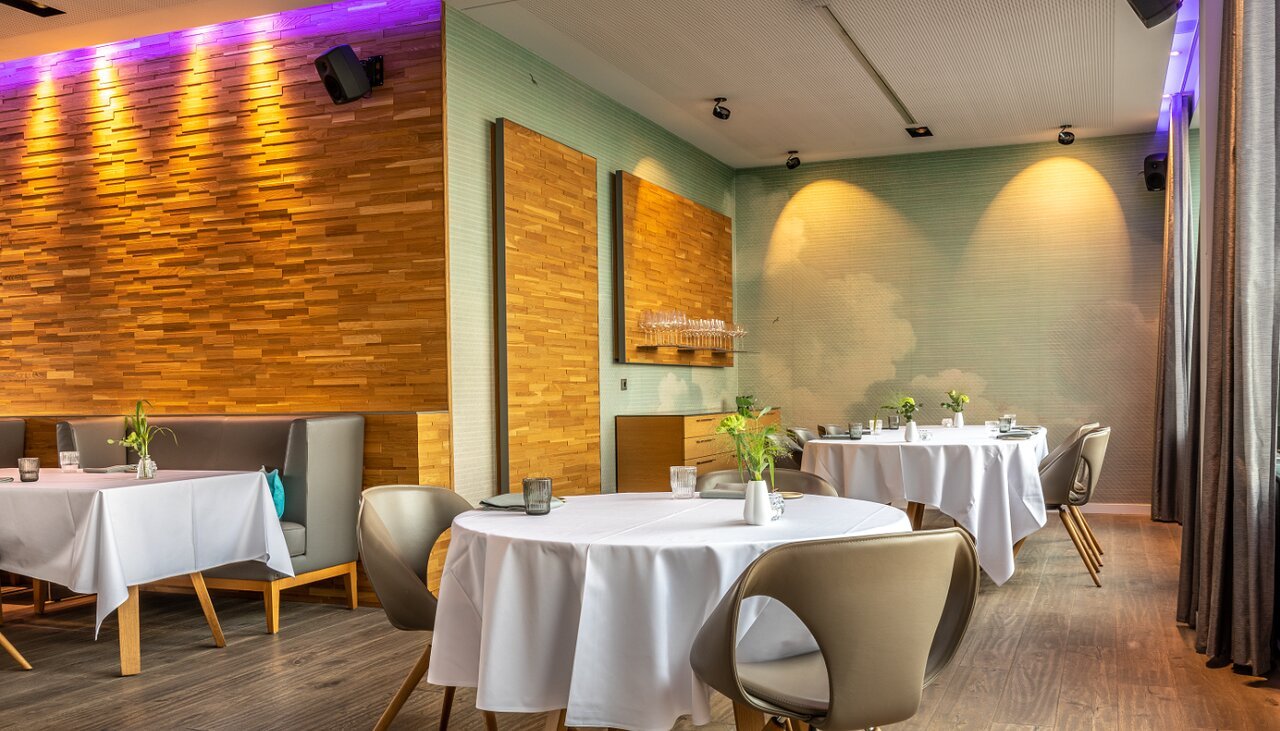
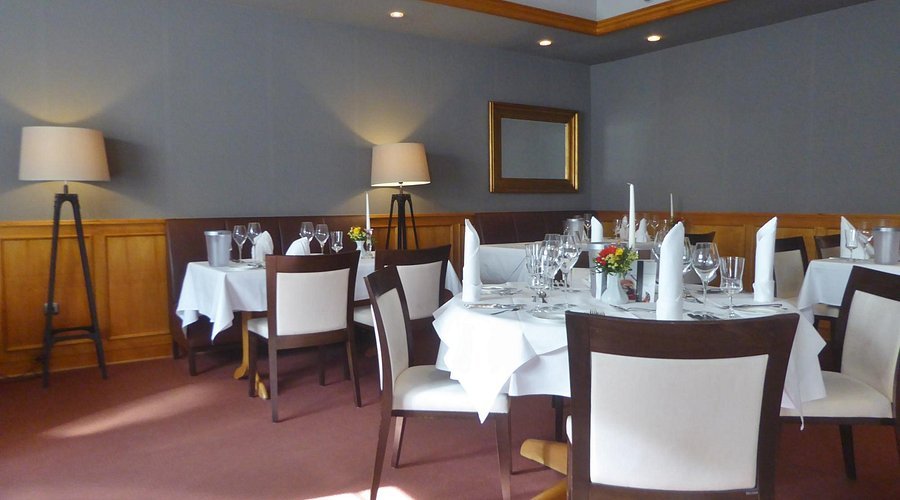
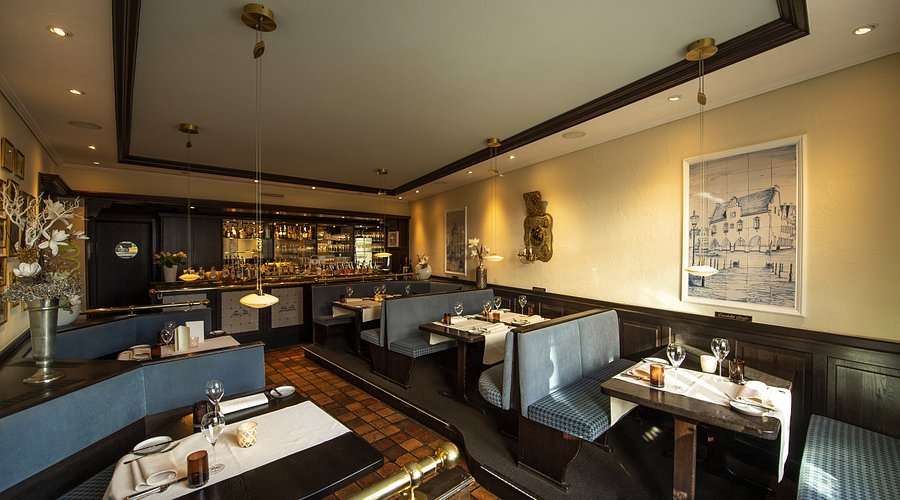
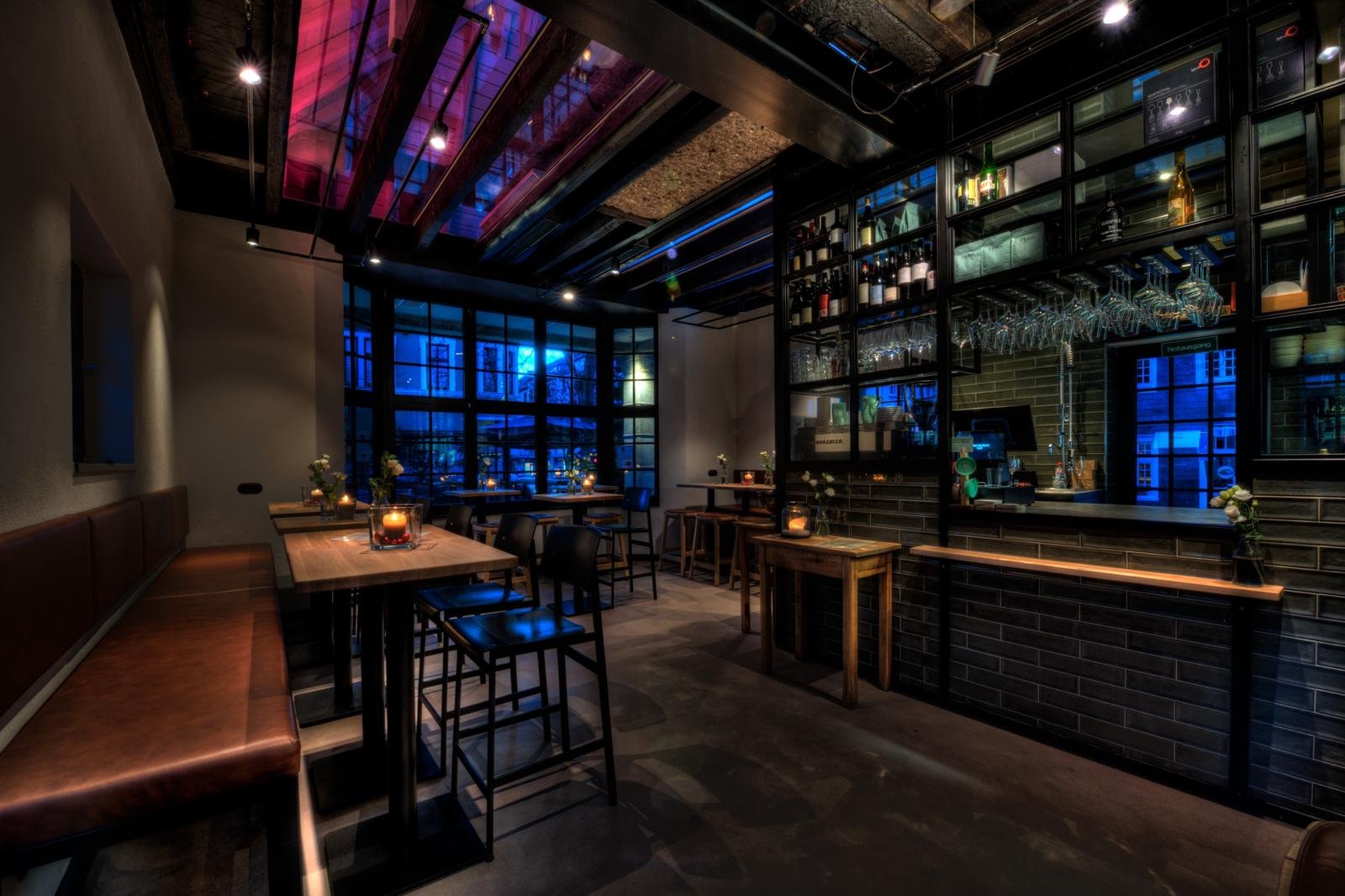
Elegant black and gold decor in the basement of an old gas storage, with sophisticated industrial atmosphere and open kitchen view from the bar gallery.