Savorez
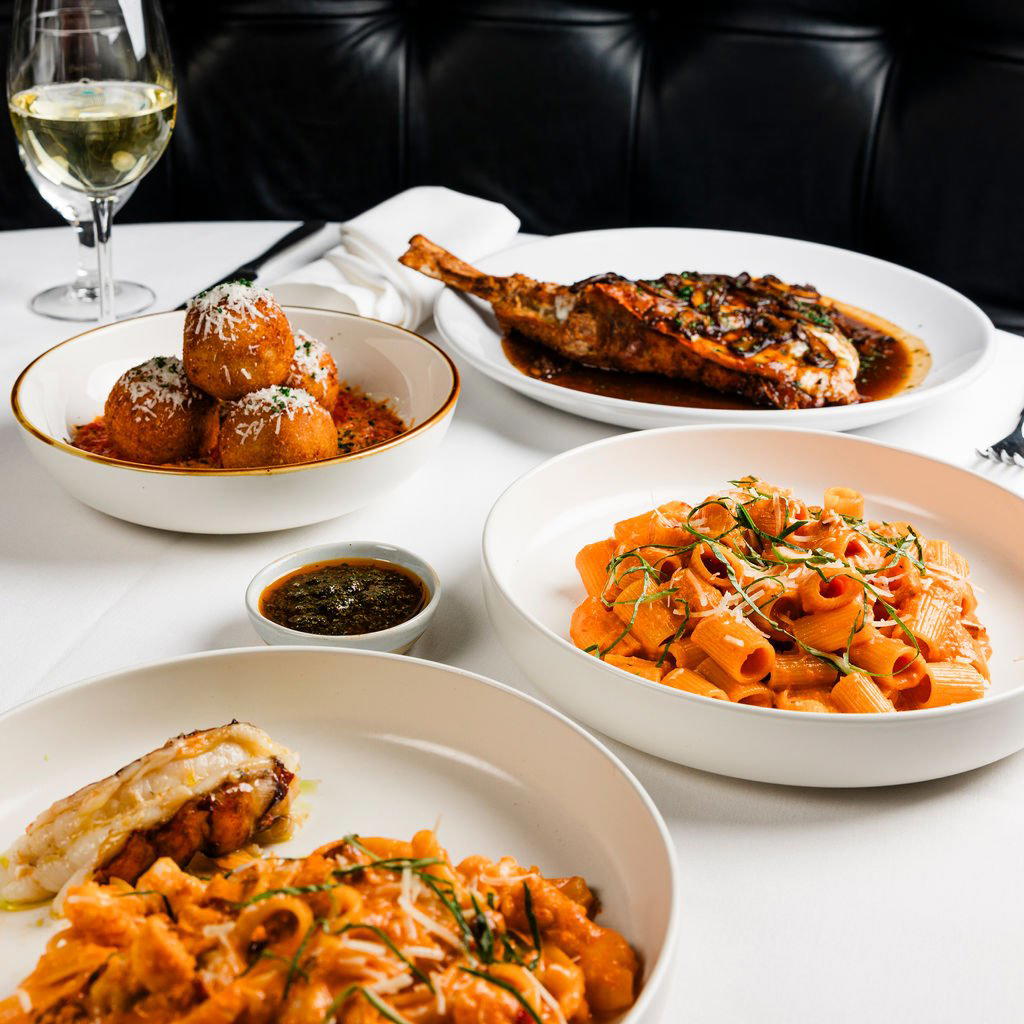
Savorez occupies a street-level address on Chestnut Street in downtown Wilmington, NC, positioning itself within a dining corridor that has quietly grown more competitive over the past decade. The restaurant draws a local following that returns with regularity, placing it among the downtown spots worth planning around when visiting the Cape Fear coast.
Pearl is the En Primeur Club membership app — saves, bookings, and concierge access live there. Same editors, same standards.
- Address
- 402 Chestnut St #4026, Wilmington, NC 28401
- Phone
- +19108338894
- Website
- savorez.com
- Directions
- Get directions
 Saves & bookings on Pearl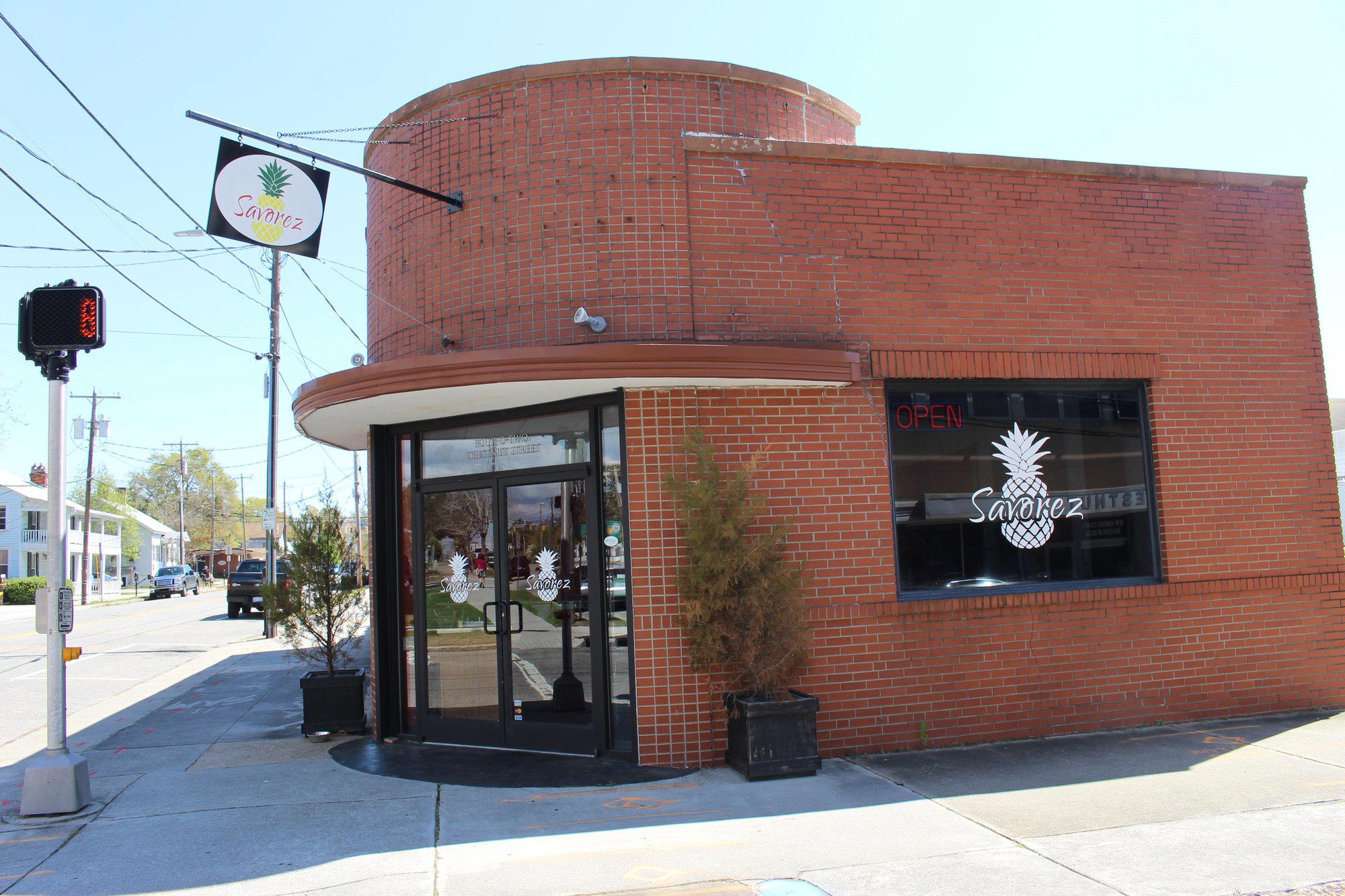
Chestnut Street and the Shape of Downtown Wilmington Dining
Downtown Wilmington has been consolidating its dining identity around a stretch of blocks where historic storefronts now house kitchens with genuine ambition. The pattern is familiar in mid-sized coastal cities along the Southeast: a walkable grid, an arts-adjacent crowd, and a handful of restaurants that anchor the neighbourhood's culinary credibility without the overhead of a major metro. Savorez, at 402 Chestnut Street, sits inside that pattern. The address places it within easy reach of the Cape Fear riverfront and the city's arts district, a location that brings in both visiting guests and a repeat local clientele who treat the room as a fixture rather than a destination event.
That distinction matters. Restaurants that survive and earn regulars in smaller coastal markets do so differently than destination flagships like The French Laundry in Napa or Alinea in Chicago. They earn loyalty through consistency and familiarity, not spectacle. For visitors, that regularity is actually useful information: a restaurant with a committed local following tends to hold its standards more reliably than one living off out-of-town traffic alone.
Reading the Room: Atmosphere and Approach
The sensory character of a downtown Wilmington restaurant on Chestnut Street is shaped as much by the building stock as by anything the operator puts inside it. This part of the city is defined by nineteenth-century commercial architecture, with the kind of proportions that create naturally intimate dining rooms: moderate ceiling heights, street-facing windows that bring in afternoon light and evening street activity, and facades that signal neighborhood permanence rather than pop-up transience. Approaching from the street, the experience belongs to a category of American downtown dining that has become its own genre, distinct from the white-tablecloth formality of hotel restaurants and the studied minimalism of chef-driven tasting rooms.
For context on what that genre can produce at its ceiling, consider the farm-driven focus of Blue Hill at Stone Barns in Tarrytown or the produce-first ethos running through properties like Single Thread Farm in Healdsburg. Those are outlier expressions of a broader American dining philosophy that places sourcing and seasonal rhythm at the center of the experience. Wilmington's dining scene, with its access to Atlantic seafood and North Carolina agricultural products, gives restaurants in this market a natural foundation for that approach, even when the format is considerably more casual.
Wilmington's Competitive Table
Savorez operates in a downtown corridor that includes several restaurants with their own distinct positioning. Bardea Food & Drink holds down the Italian end of the market, with a menu built around pasta and the kind of wine program that attracts a younger professional crowd. Bardea Steak operates as a separate, more formal expression of the same ownership group. Brent's Bistro pulls from the French bistro tradition, and Little Dipper Fondue occupies an even more niche, experience-forward format. Further along the downtown dining spectrum, manna has built a reputation for sourcing discipline that puts it at the more ambitious end of the local scene.
Within this set, each restaurant earns its place through a distinct editorial identity. The Wilmington market is small enough that overlap is costly, and the restaurants that hold their ground tend to be those with a clear sense of what they are. That clarity of identity is what allows a city of this scale to support a range of formats without the whole system collapsing toward a lowest-common-denominator middle.
The Coastal Southeast Dining Context
Wilmington sits in a dining region that gets less critical attention than Charleston or New Orleans, but shares some of their structural advantages: a port-city tradition, proximity to serious agricultural production, and a population that has been eating well for long enough to expect something more than tourist-grade cooking. The Southeast coastal corridor has produced a generation of restaurateurs shaped by that combination, and the better rooms in Wilmington reflect it.
The comparison to a city like New Orleans is instructive at the level of principle, if not scale. A restaurant like Emeril's in New Orleans operates in a market where culinary tradition and high visitor volume reinforce each other over decades. Wilmington's dining scene is building something smaller but structurally similar: a local dining culture with enough depth that visitors can eat well without defaulting to hotel restaurants or chain concepts. The restaurants that earn regular mention in that conversation are doing something right at the level of consistency, sourcing, or atmosphere, even when they lack the awards infrastructure of a Le Bernardin in New York City or an Atomix in New York City.
That framing applies to Savorez. Its position in the market is defined less by formal recognition and more by the kind of repeat-visit loyalty that keeps a downtown restaurant solvent through shoulder seasons and across years. On the North Carolina coast, that is a credible signal in its own right.
Planning Your Visit
Savorez is located at 402 Chestnut Street in downtown Wilmington, NC 28401, within walking distance of the riverfront and the historic district. The downtown core is compact enough that it pairs naturally with pre- or post-dinner movement through the adjacent blocks. For visitors staying near the waterfront or in the arts district, the address is accessible without a car. As with most restaurants in this tier and market, arriving with a reservation or calling ahead during peak coastal season (late spring through early fall, when the Cape Fear coast draws significant visitor traffic) is the prudent approach. The summer months in particular compress dining demand across the downtown corridor, and rooms that might have walk-in availability in January operate at capacity from June through August.
Addison in San Diego, Providence in Los Angeles, and The Inn at Little Washington for those whose itineraries reach further north or west.
Comparable Options
Comparable venues nearby, for context on price, style, and recognition.
| Venue | Cuisine | Price | Notes |
|---|---|---|---|
| SavorezThis venue — the venue you are viewing | Latin Fusion with Southern Influences | $$ | Not listed |
| The Cardinal Restaurant | Contemporary American Seafood | $$ | Masonboro |
| South Front Tavern | Regional American Gastropub | $$ | South Front District |
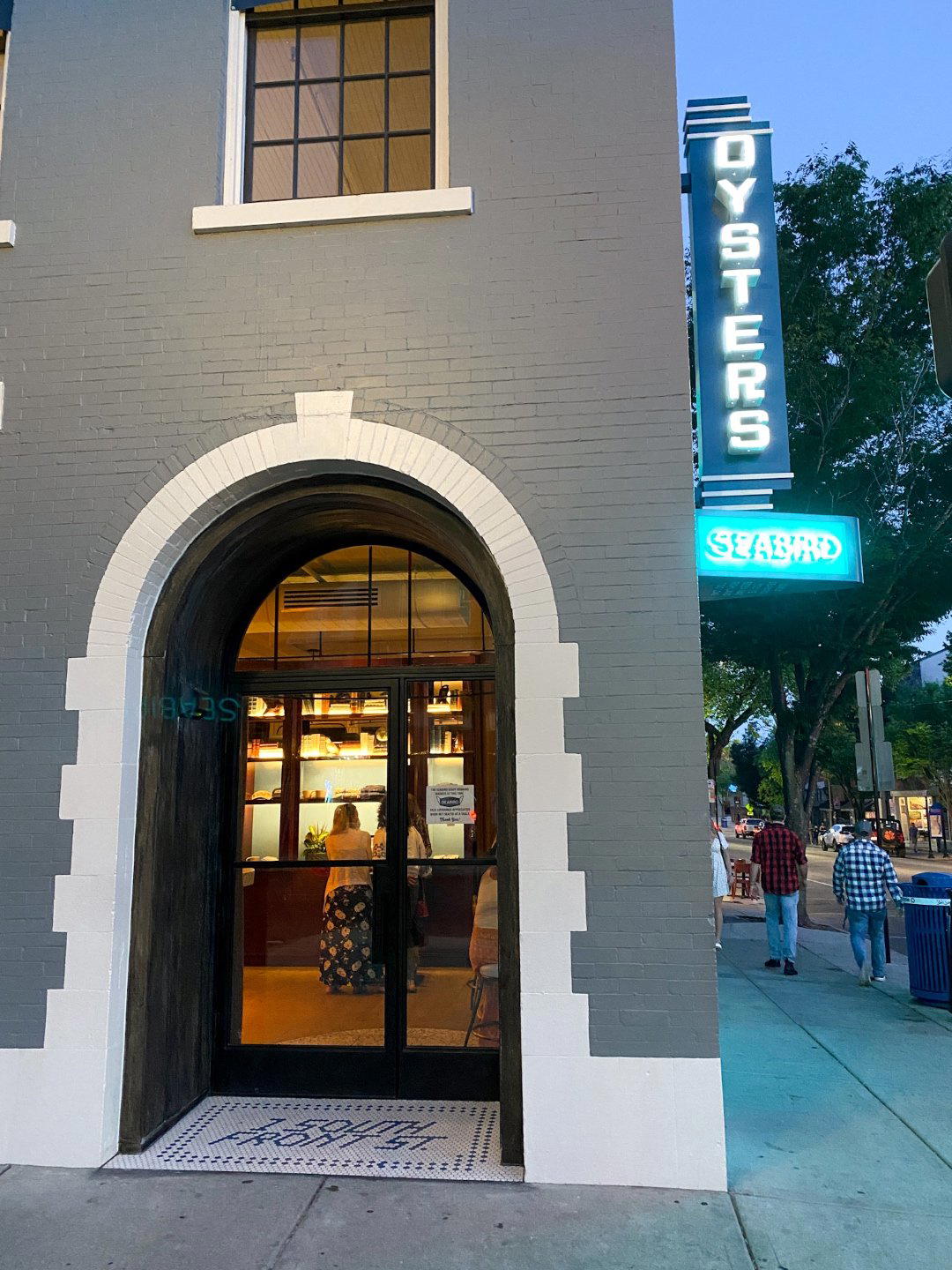
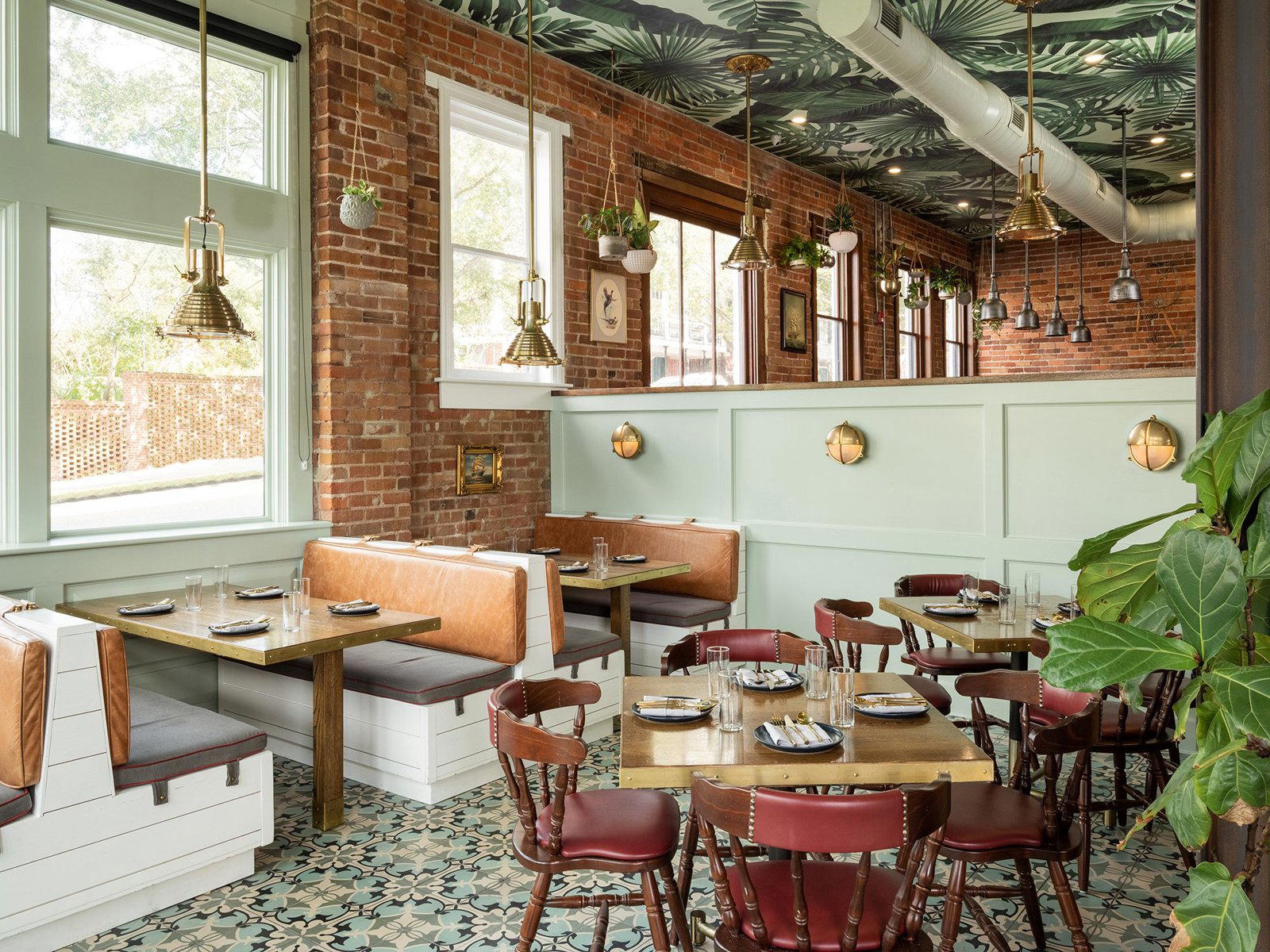
| Seabird | Seasonal North Carolina Seafood | $$$ | downtown |
| The Brewer's Kettle | American Gastropub | $$ | midtown |
| Sugo Italian Steakhouse | Italian Steakhouse | $$$$ | Riverfront |
Continue exploring
More in Wilmington
Restaurants in Wilmington
Browse all →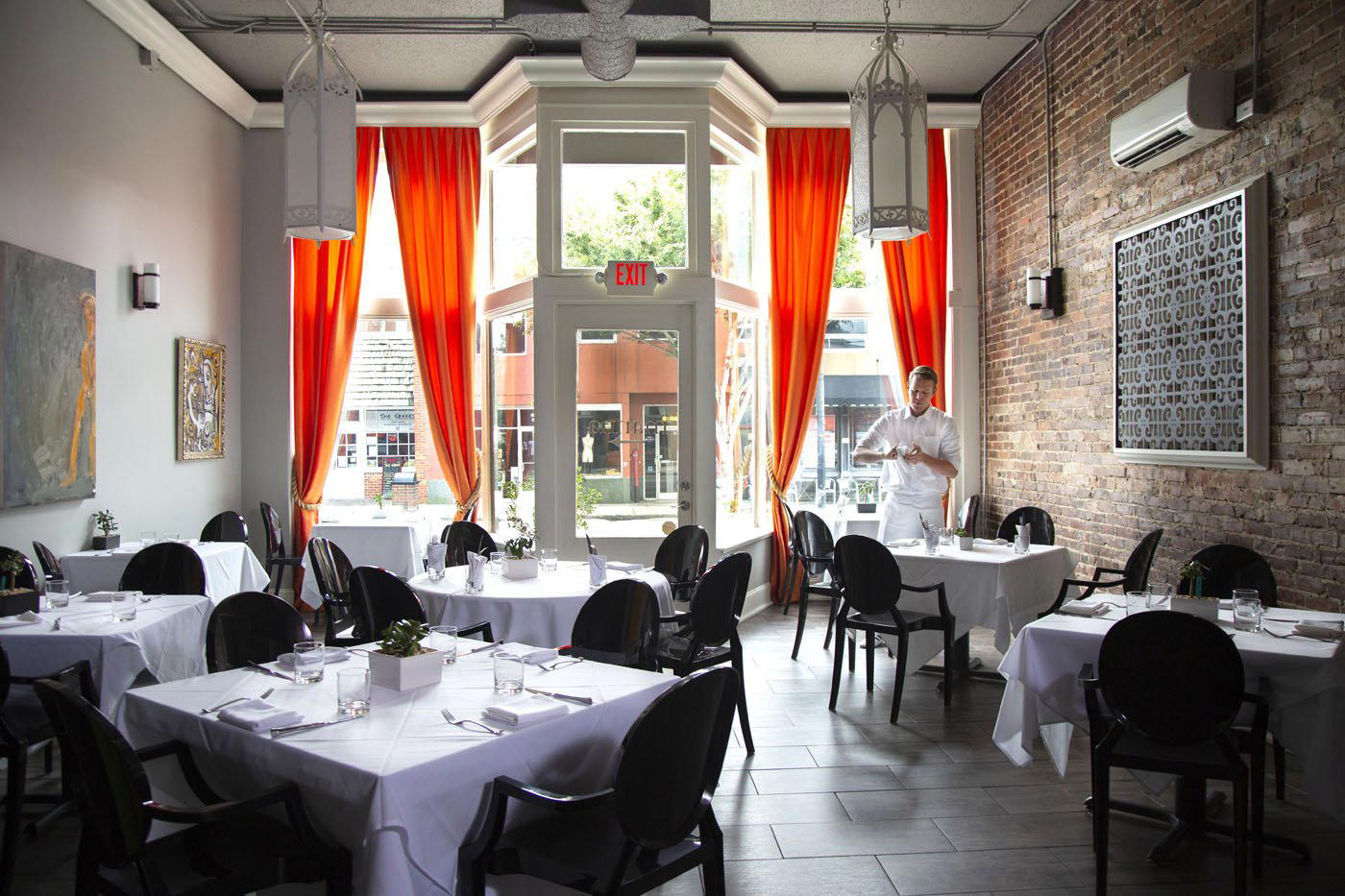

Bars in Wilmington
Browse all →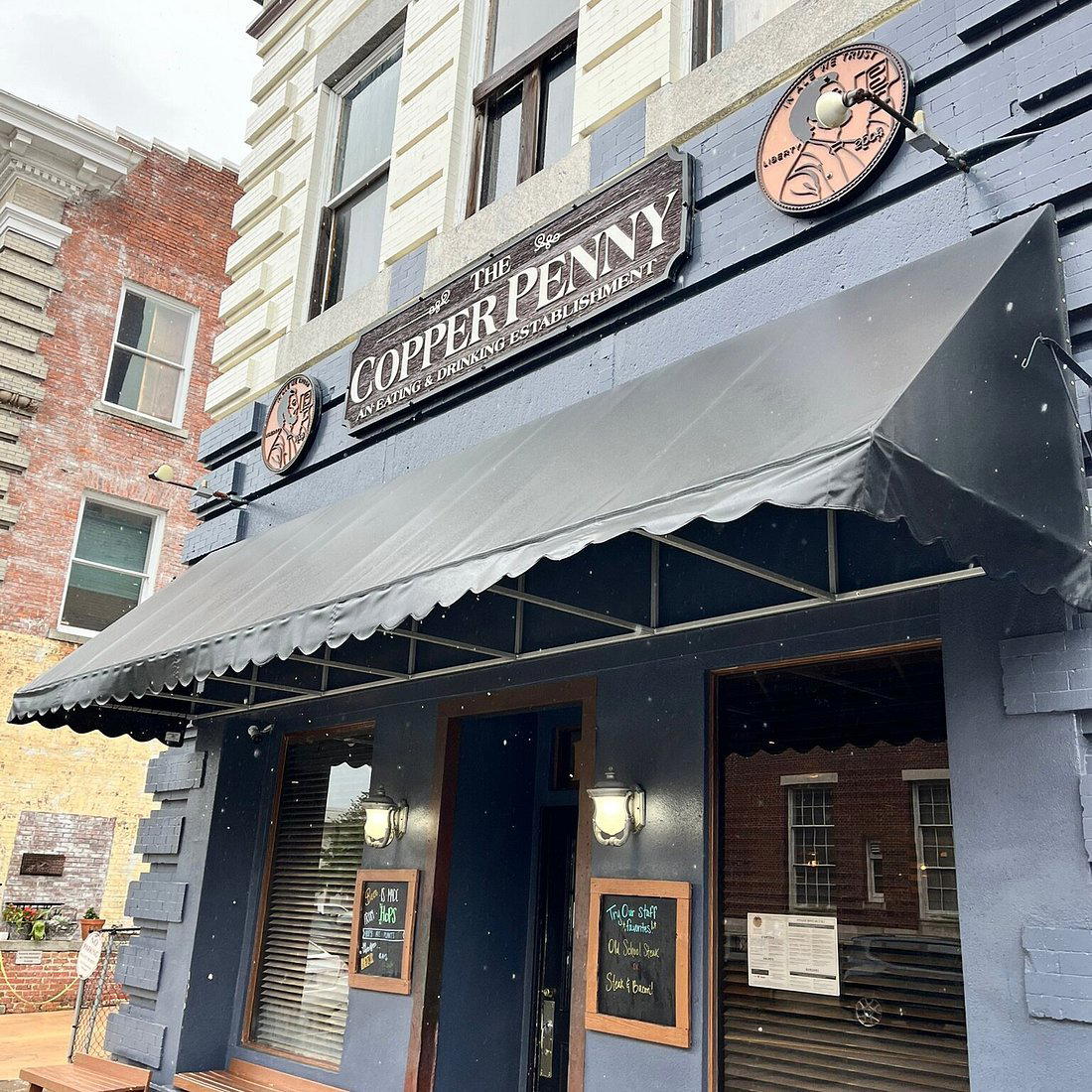
Hotels in Wilmington
Browse all →
At a Glance
- Cozy
- Trendy
- Lively
- Date Night
- Brunch
- Casual Hangout
- Open Kitchen
- Craft Cocktails
- Local Sourcing
Current opening hours
- Monday
- 11:30 AM–10 PM
- Tuesday
- 11:30 AM–10 PM
- Wednesday
- 11:30 AM–10 PM
- Thursday
- 11:30 AM–10 PM
- Friday
- 11:30 AM–10 PM
- Saturday
- 12–10 PM
- Sunday
- 10 AM–2 PM
Hours can change for holidays and private events. Last verified .
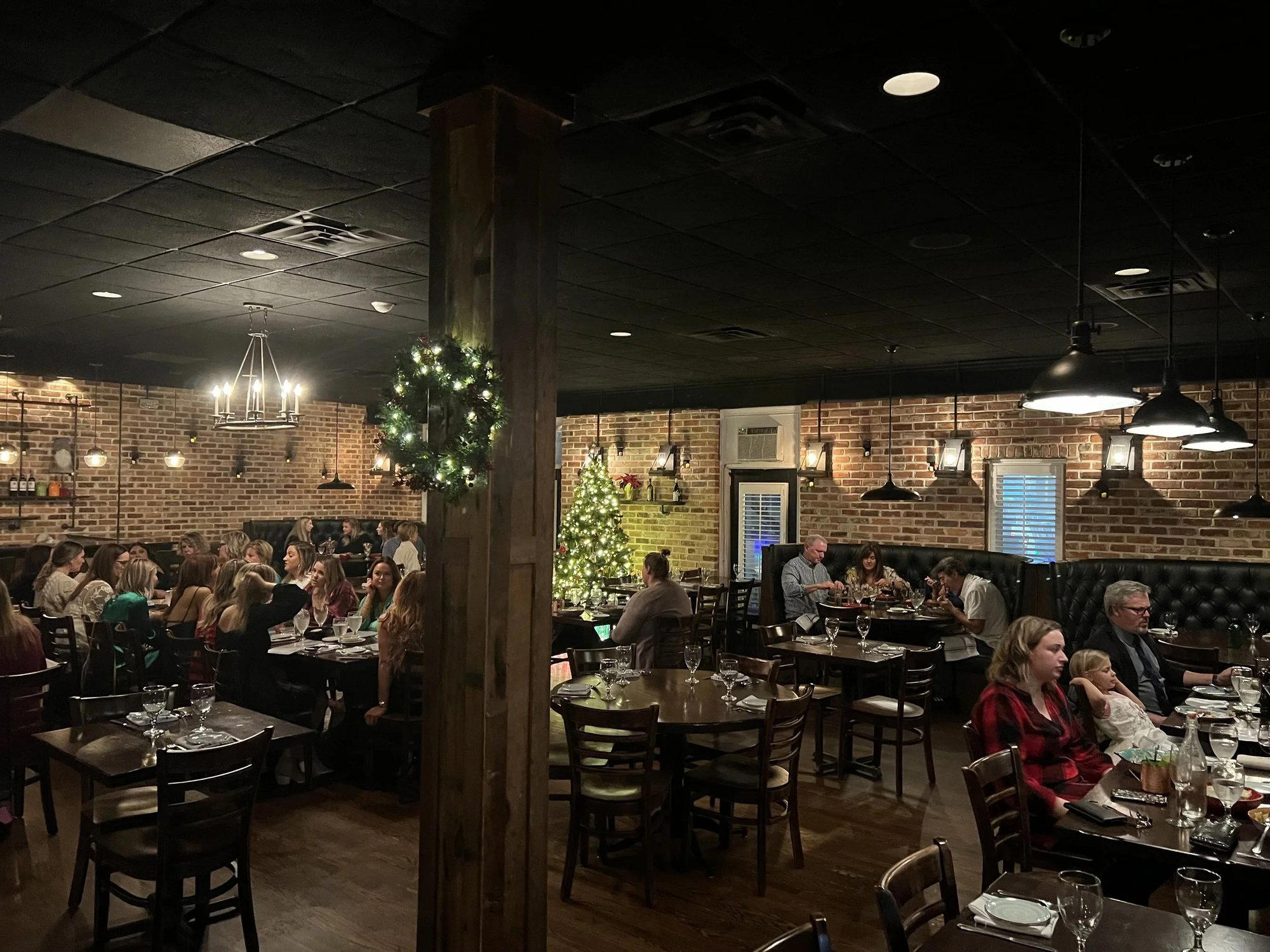
Warm and welcoming atmosphere in a modest brick building booming with bold flavors and festive flair.