Tarantelli's
Tarantelli's occupies a corner of downtown Wilmington's historic district at 102 S 2nd St, where Italian-American dining traditions meet a river city that has quietly developed one of the Southeast's more interesting independent restaurant scenes. The address places it within walking distance of the Cape Fear riverfront, making it a natural anchor for an evening that moves between dinner and the surrounding blocks.

Pearl is the En Primeur Club membership app — saves, bookings, and concierge access live there. Same editors, same standards.
- Address
- 102 S 2nd St, Wilmington, NC 28401
- Phone
- (910) 763-3806
- Hours
- Mon ClosedTue–Sat 5–10 PMSun 5–9 PM
- Website
- tarantellis.com
- Directions
- Get directions
- Booking
- Book on OpenTable
Where Downtown Wilmington Sets the Table
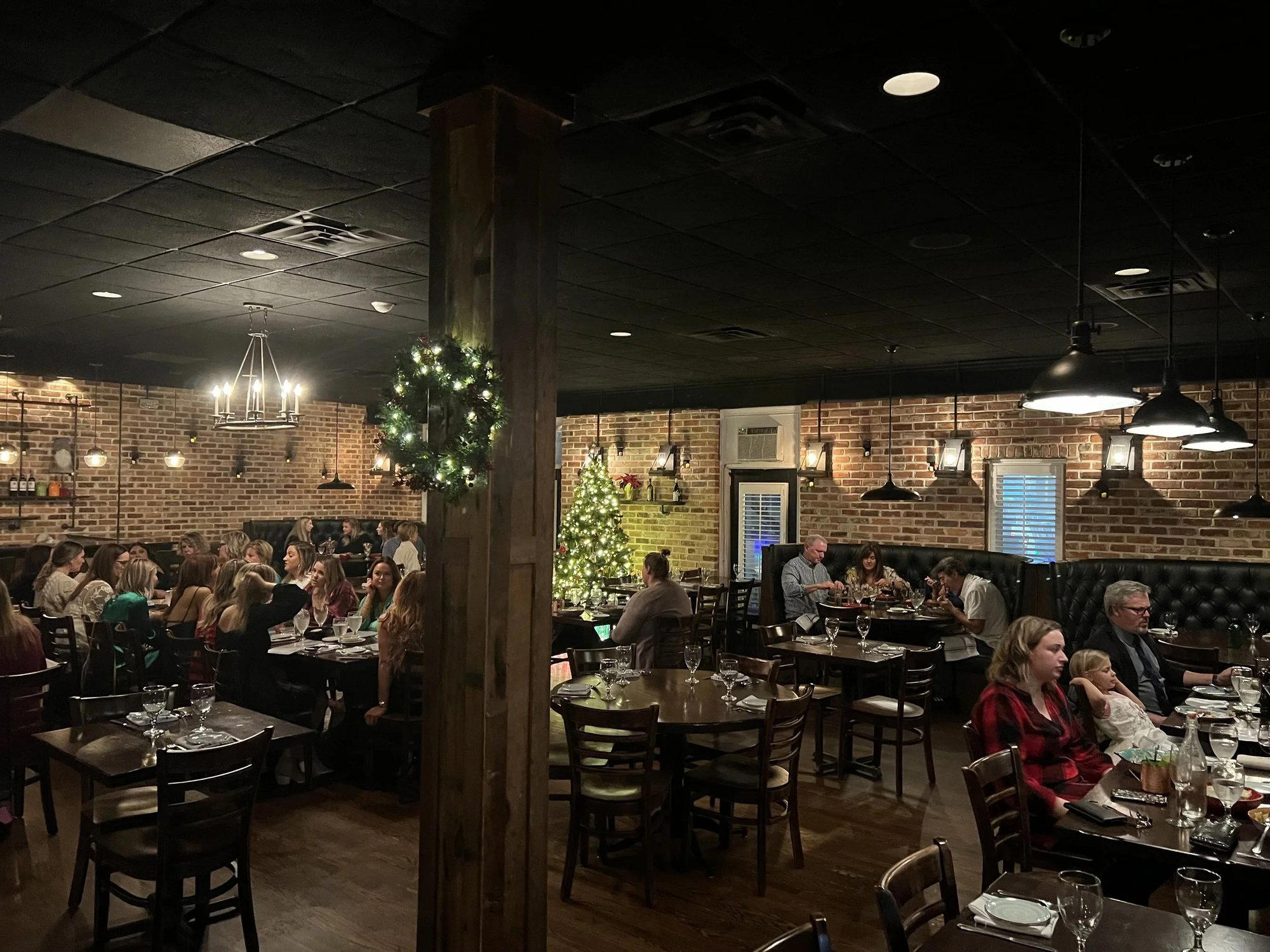
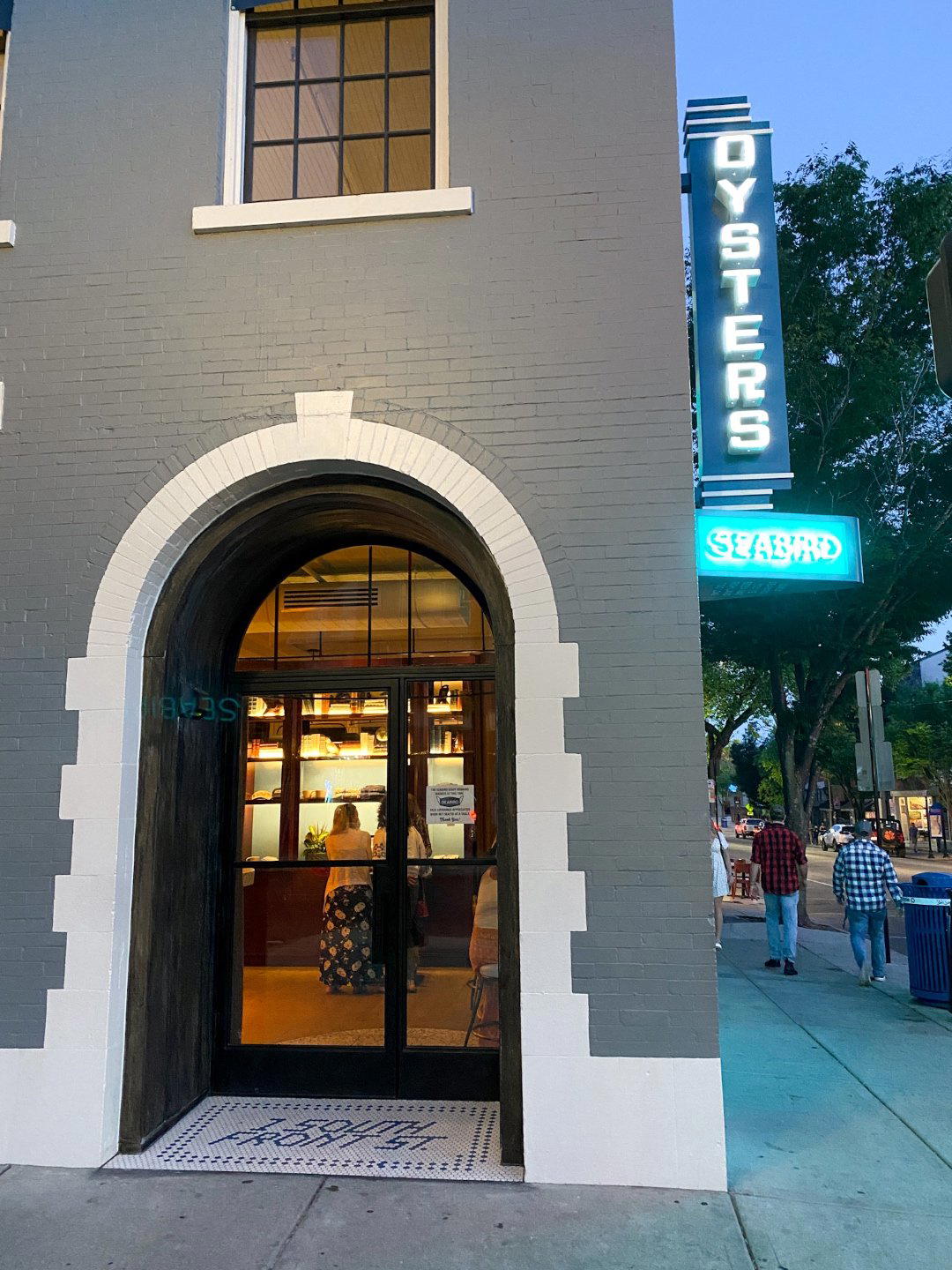
The blocks around South 2nd Street in Wilmington, North Carolina carry the particular weight of a port city's history: wide sidewalks, low-slung brick facades, and the faint salt air that drifts inland from the Cape Fear River a few streets west. Italian-American restaurants have long anchored this kind of American downtown, and Tarantelli's at 102 S 2nd St sits within that tradition, occupying a building whose neighborhood context does as much atmospheric work as any interior design choice. Approaching from the riverfront, you pass the kind of blocks where independent dining rooms have quietly replaced older retail, and the address signals a kitchen that takes its place in that continuum seriously.
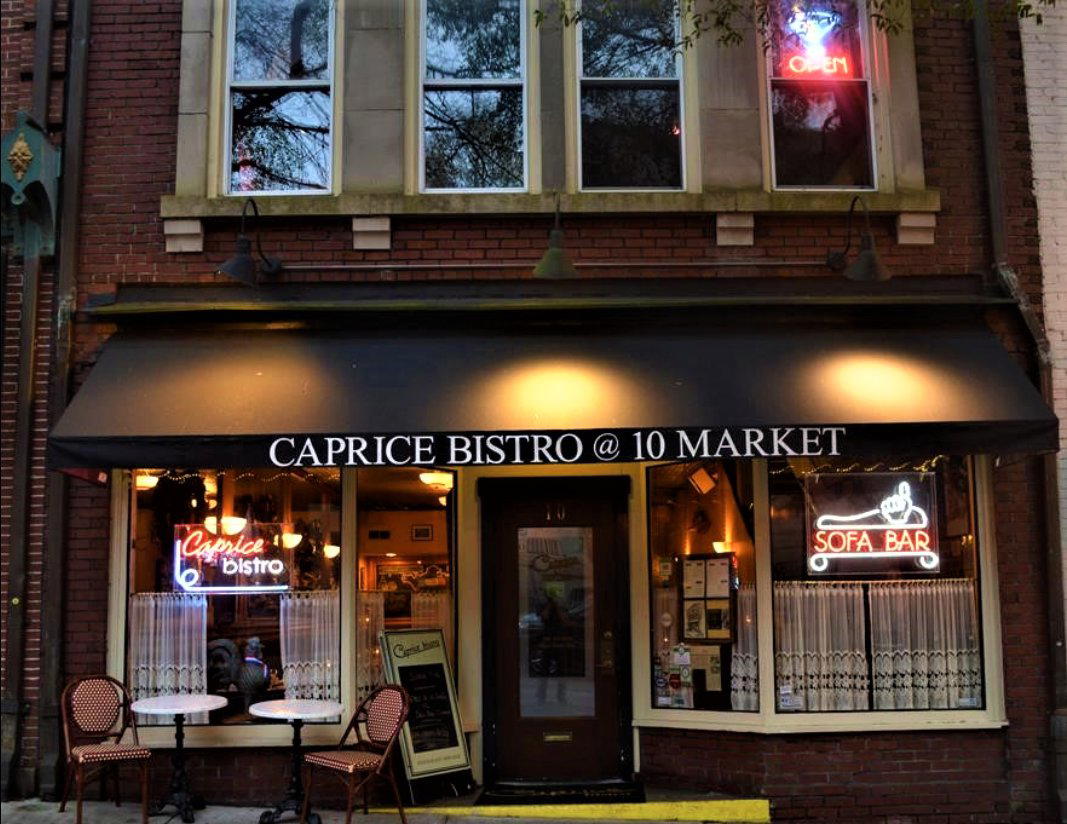
Downtown Wilmington's dining scene has matured considerably over the past decade. The city's independent restaurant corridor now runs a register from casual coastal seafood to French bistro formats, represented by neighbors like Caprice bistro and seafood-focused rooms like Catch. Tarantelli's operates within that competitive set, drawing on Italian-American culinary vocabulary at a moment when that tradition is being reconsidered by serious kitchens across the country, moving away from red-sauce shorthand toward the regional specificity and ingredient discipline that define the better contemporary expressions of the form.
The Sensory Register of the Room
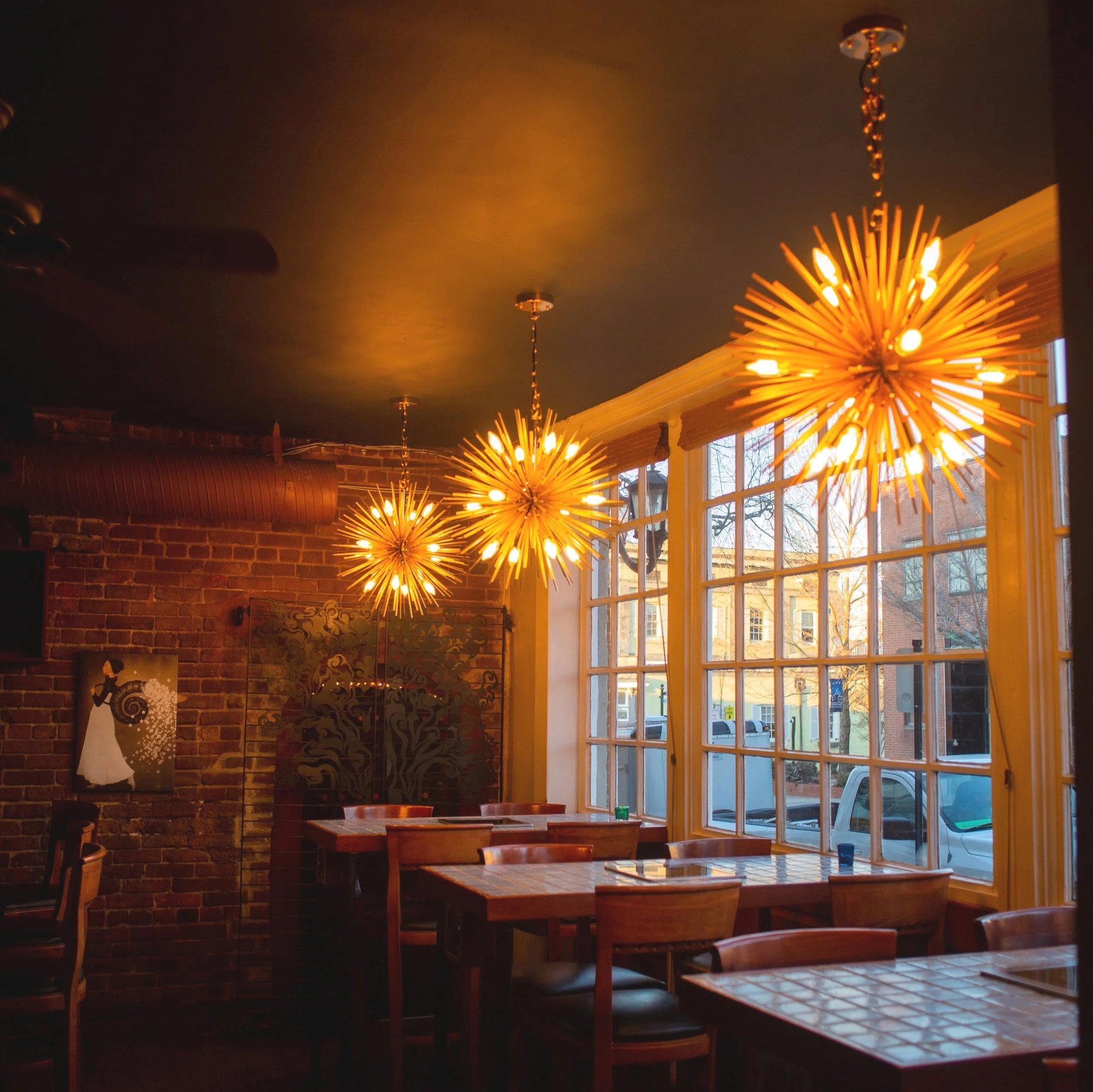
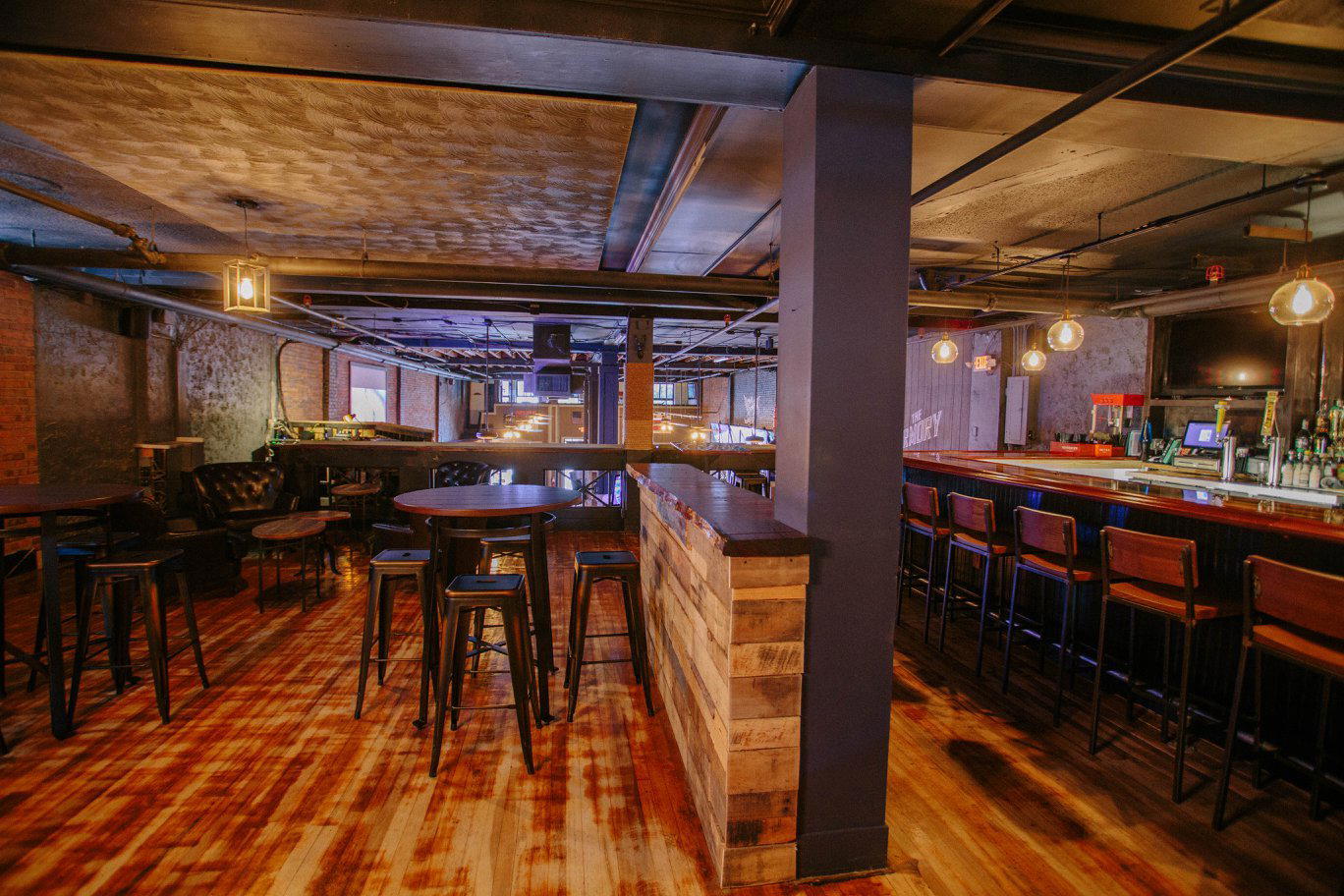
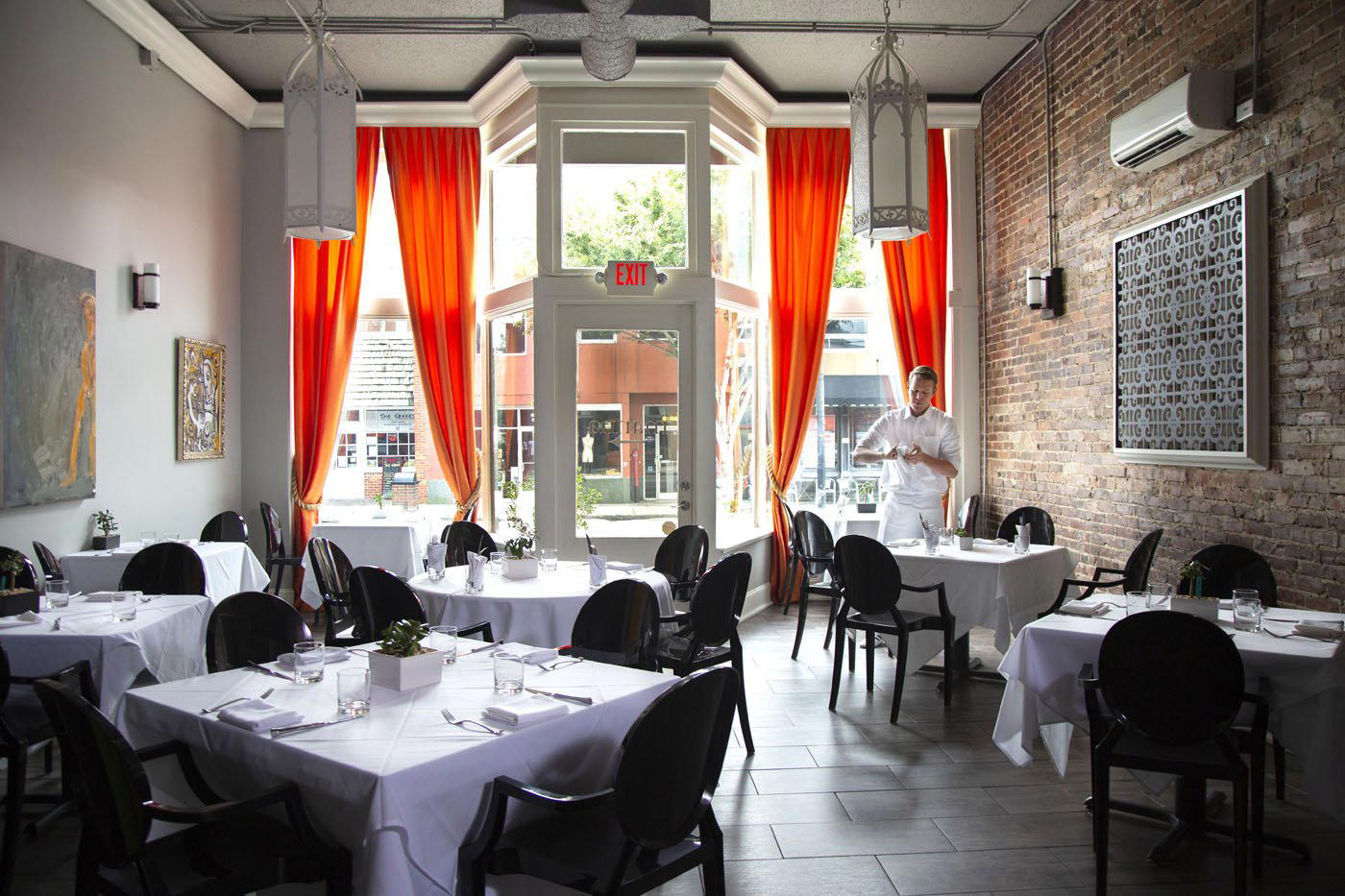
Italian-American dining rooms in historic American downtowns tend to communicate through a consistent set of sensory cues: the low warmth of incandescent light against brick or plaster, the sound of a room at a certain occupancy where conversation fills the middle frequencies without overwhelming a table's own exchange, and the aromatic current that moves between kitchen and dining room, carrying garlic, olive oil, and reduced wine in proportions that signal whether a kitchen is working with care or coasting on category familiarity. At its most disciplined, this format produces an atmosphere that is genuinely relaxing without being inert, a difficult register to hold.
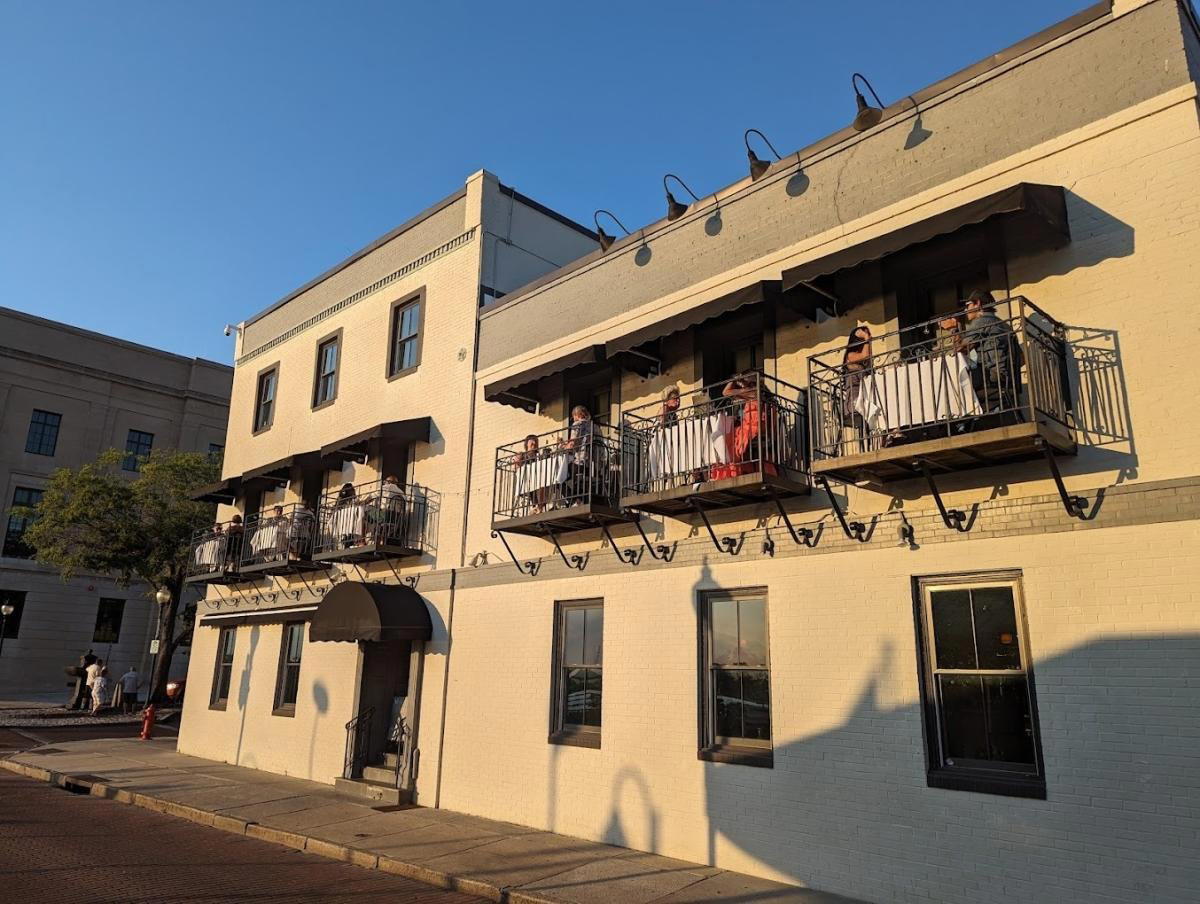
The address in Wilmington's historic district suggests a building with age and material texture. Port cities in the American South preserved their 19th-century commercial stock in ways that newer Sun Belt cities did not, and the architectural bones of South 2nd Street provide a physical framework that newer construction cannot replicate. Whether a dining room uses that context or ignores it reveals something about how seriously a kitchen considers the full experience it is producing, not just the plate.
Italian-American Tradition in a Coastal Southern Context
The Italian-American restaurant has one of the longer continuous histories of any immigrant cuisine format in the United States, and it has also absorbed the most distortion over that span, stretched by chain restaurant economics until the category became almost meaningless as a quality signal. The recovery of that signal has happened unevenly, city by city, through individual kitchens that returned to regional Italian source material, seasonal produce discipline, and the kind of pasta-making that cannot be replicated at volume. Wilmington, as a mid-sized coastal city with a growing independent dining culture, is exactly the market where that recovery tends to happen quietly, without the fanfare that accompanies similar moves in larger food cities.
Coastal North Carolina brings its own ingredient logic to an Italian-American kitchen: shellfish from nearby estuaries, a growing regional produce network, and a drinking culture that has expanded significantly with the rise of local craft spirits. End of Days Distillery and the broader downtown bar corridor mean that a dinner on South 2nd Street can anchor a longer evening with genuine options for what comes before and after the meal itself.
How Tarantelli's Fits the Evening Architecture
Wilmington's downtown dining blocks function leading when understood as a sequence rather than a destination. The compact geography between the riverfront and the historic district means that a pre-dinner drink, the meal itself, and whatever follows can all happen within a short walk. For visitors, this compression is one of the city's more appealing structural qualities. Benny's Big Time Pizzeria and the other independent operators in the corridor reinforce the sense that this is a neighborhood that has developed genuine dining density rather than a single anchor surrounded by filler.
The Italian-American format suits this kind of evening architecture. It is a cuisine that paces well, where the progression from antipasto through pasta and secondi can stretch or compress depending on the table's rhythm, and where wine by the carafe or glass supports multiple stages without requiring a committed cellar order. For a city like Wilmington, where the dining culture skews toward locals rather than destination visitors, that flexibility matters. The room fills with people who return rather than people who are checking a list.
Practical logistics for a visit are simple: the address at 102 S 2nd St is accessible by foot from most of the downtown hotel options and from the riverfront parking areas. For a broader map of what the city offers, our full Wilmington restaurants guide covers the independent dining scene with the neighborhood-level detail that makes planning a multi-stop evening direct.
Placing Tarantelli's in a Wider Context
For travelers who calibrate their dining choices by reference to what serious cocktail and food programs look like in comparable cities, the independent dining tier in American coastal cities increasingly resembles what you find at technically serious bars like Bar Leather Apron in Honolulu or ingredient-focused rooms like Jewel of the South in New Orleans: a commitment to specificity over spectacle, and a preference for doing fewer things at a higher standard. That ethos has reached mid-sized American cities, and Wilmington's better independent operators, Tarantelli's among them, are working within it.
The comparison set extends further if you track where serious bar and kitchen culture has taken root in cities without the promotional infrastructure of New York or Chicago. Julep in Houston, Kumiko in Chicago, Superbueno in New York City, ABV in San Francisco, and The Parlour in Frankfurt on the Main each represent a version of this: operators who have decided that doing something specific and doing it well is a more durable position than trying to be all things. Wilmington is a smaller stage, but the logic applies at any scale.
Same-City Peers
| Venue | Price |
|---|---|
| Tarantelli'sThis venue — the venue you are viewing | $30–50 |
| Caprice bistro | $30–50 |
| Floriana Wilmington | $50–100 |
| Hieronymus Seafood Restaurant & Oyster Bar | $20–30 |
| Ghost Walk of Old Wilmington | $10–20 |
Continue exploring
More in Wilmington
Bars in Wilmington
Browse all →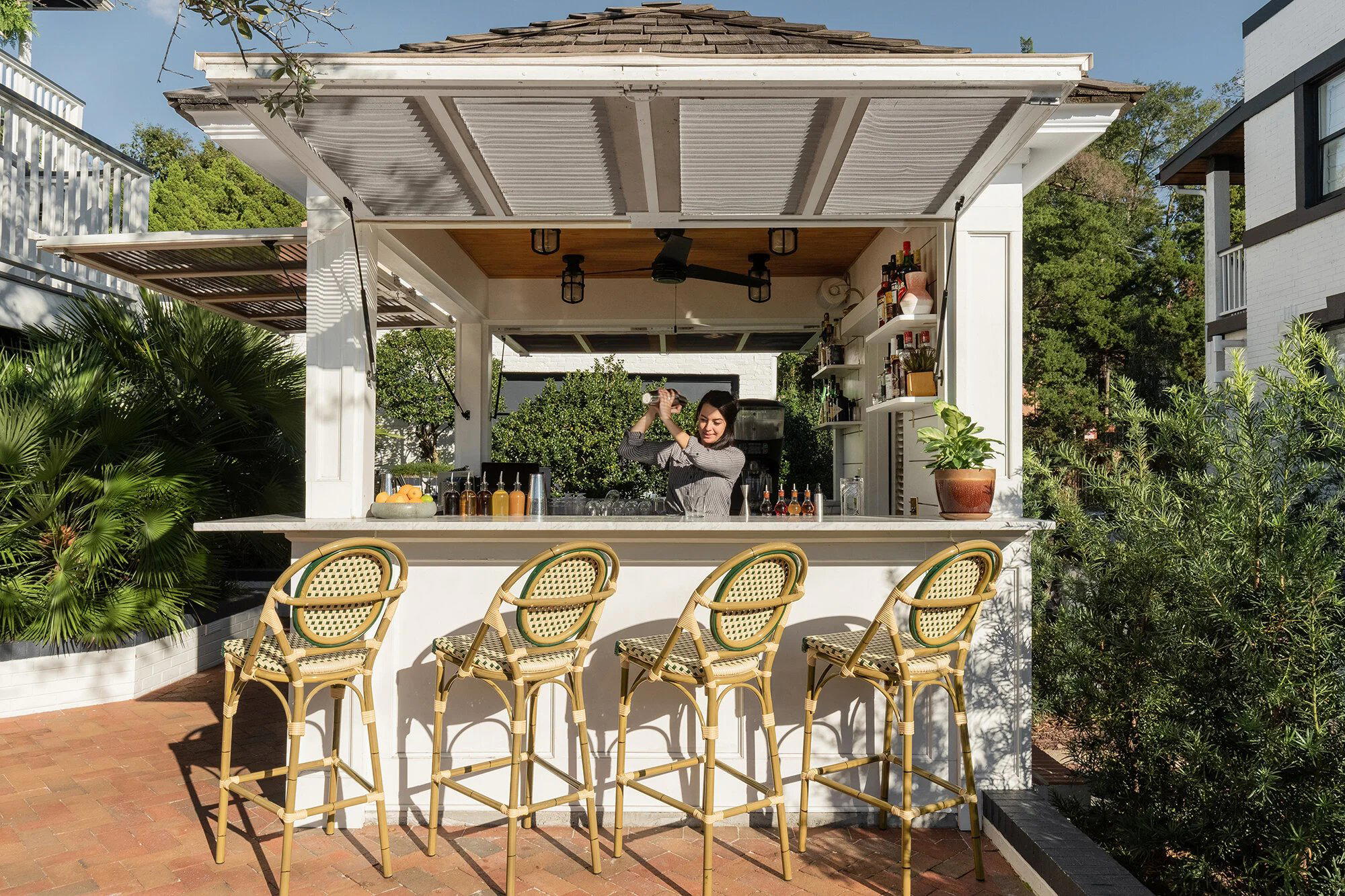
Restaurants in Wilmington
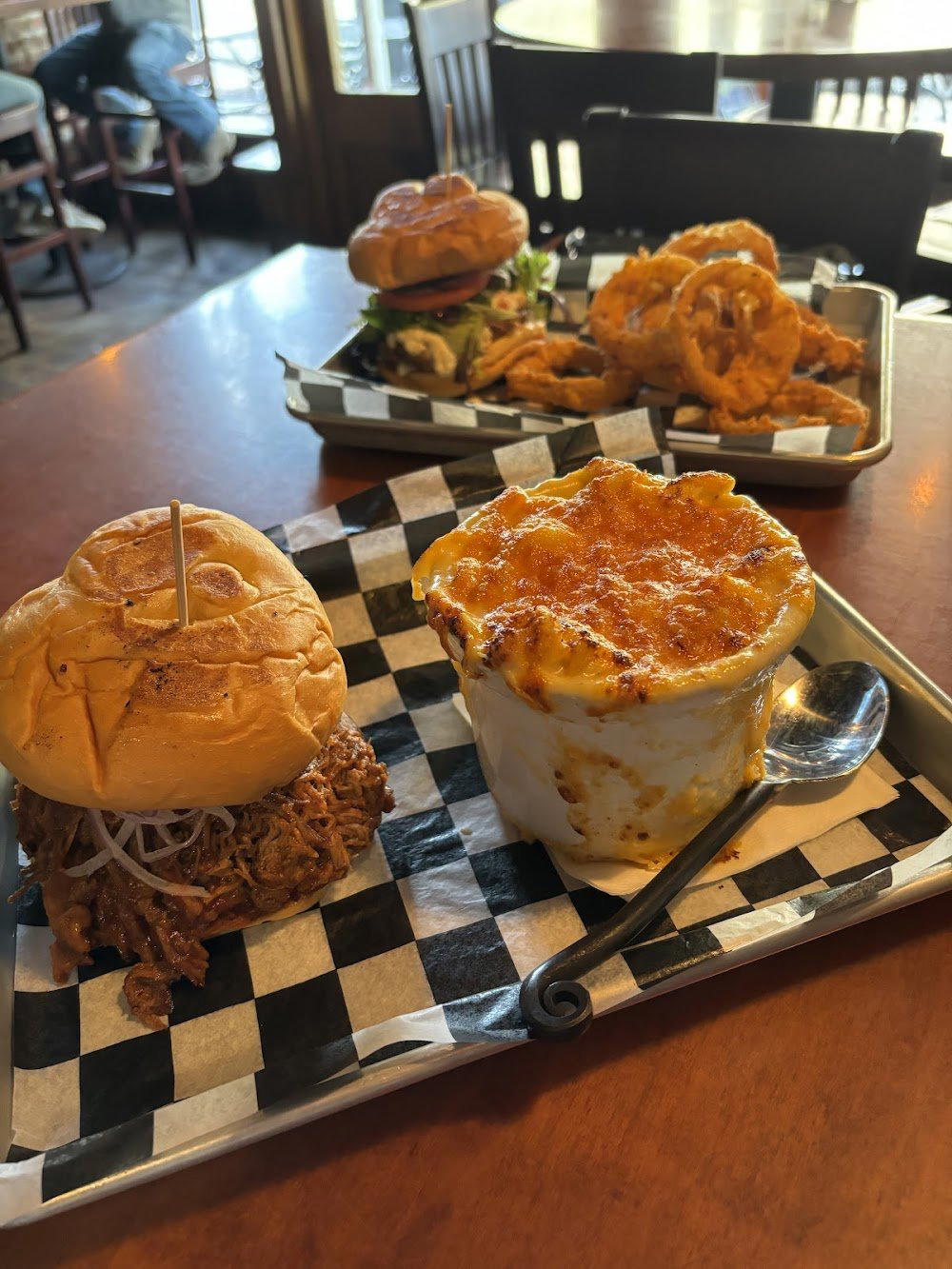
Browse all →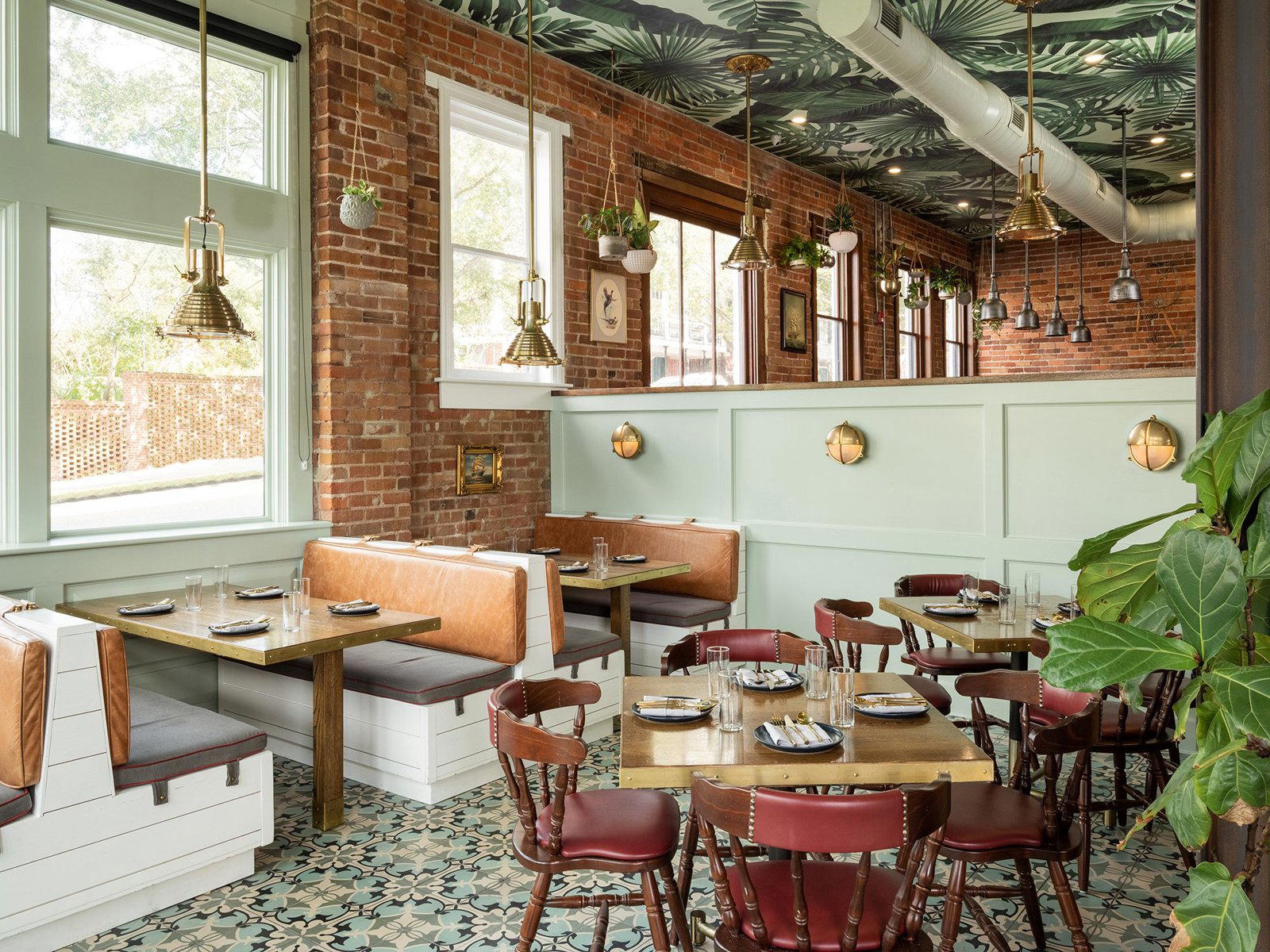
Tarantelli's
The wine
- Wine program
- Curated wine list
- Classic cocktails
Signature drinks: mojitos, martinis, Italian mules.
Details
- Cozy
- Romantic
- Lively
- Date Night
- Special Occasion
- Live Music
- Lounge Seating
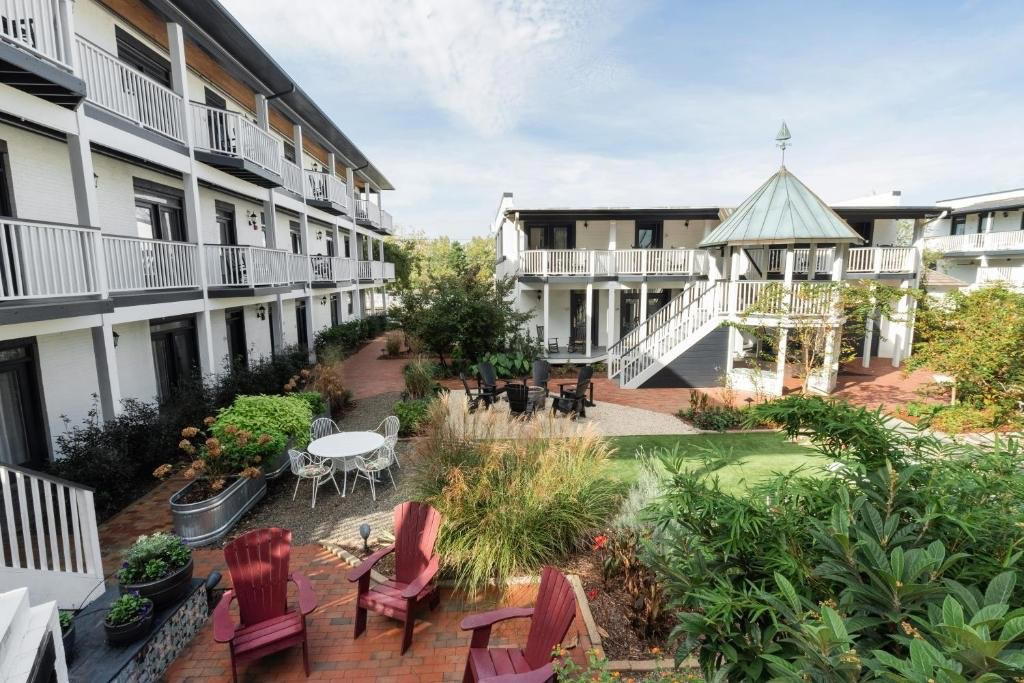
- Outdoor Terrace
- Classic Cocktails
Current opening hours
- Monday
- Closed
- Tuesday
- 5–10 PM
- Wednesday
- 5–10 PM
- Thursday
- 5–10 PM
- Friday
- 5–10 PM
- Saturday
- 5–10 PM
- Sunday
- 5–9 PM
Hours can change for holidays and private events. Last verified .
Cozy atmosphere with moderate noise, nightly live music, and warm family hospitality.