Ghost Walk of Old Wilmington
Ghost Walk of Old Wilmington operates in the niche where American history and after-dark storytelling converge. Departing from 8 Market Street in Wilmington's oldest commercial district, the tour format places guests inside the city's documented past rather than above it. For visitors building an evening around the Lower Cape Fear's colonial-era blocks, it anchors a useful itinerary point between dinner and a late drink.

Pearl is the En Primeur Club membership app — saves, bookings, and concierge access live there. Same editors, same standards.
- Address
- 8 Market St Suite B, Wilmington, NC 28401, USA
- Phone
- (910) 794-1866
- Hours
- Mon–Sat 10 AM–10 PMSun Open 24 hours
- Website
- hauntedwilmington.com
- Directions
- Get directions
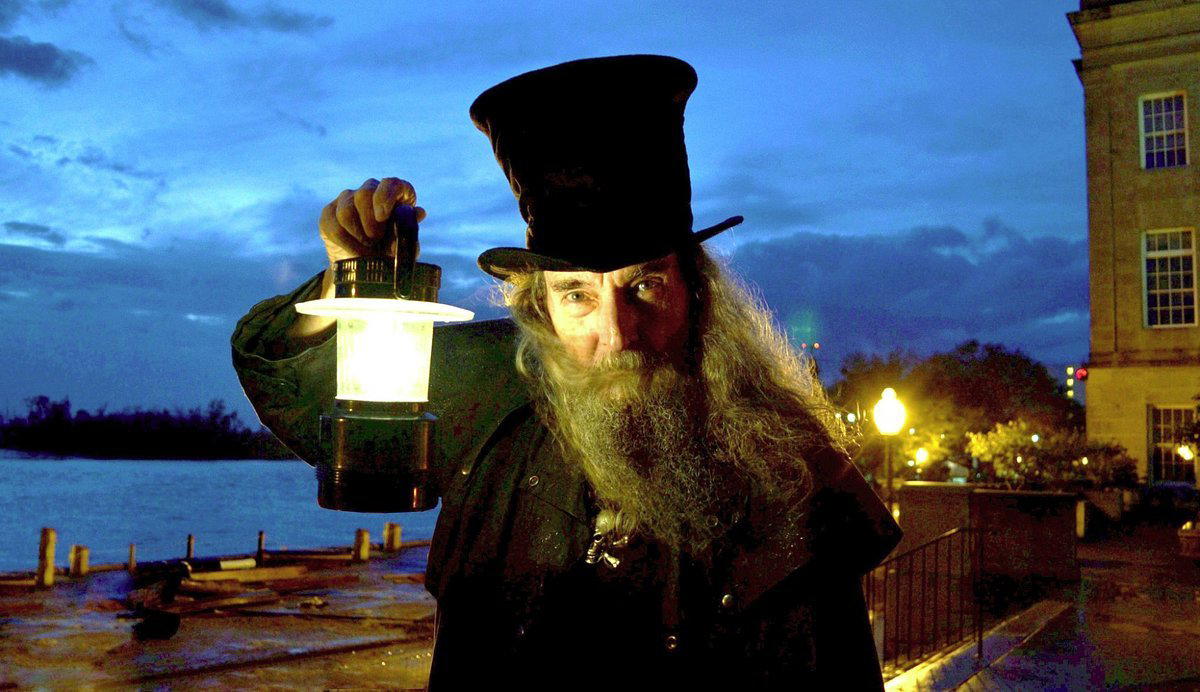
After Dark in One of the South's Oldest Port Cities
Wilmington's downtown grid was plotted in 1734, and the blocks running between the Cape Fear River and the historic Market Street corridor have accumulated enough documented incident, political upheaval, and outright tragedy to sustain an entire genre of nighttime programming. Ghost tours in American cities broadly fall into two categories: the high-volume trolley-and-microphone format aimed at families, and the low-capacity walking format where the guide's knowledge of primary sources does most of the work. Ghost Walk of Old Wilmington operates in that second tier, departing from 8 Market Street, Suite B, in the middle of a block that has housed commercial activity since the colonial period.
The walking format matters here in a way it might not in a younger city. Wilmington's streets are narrow, the architecture dates in layers from the eighteenth century forward, and the physical proximity to the buildings being discussed changes what the storytelling can do. A trolley keeps you at a remove; a walking tour places you at street level, looking at the same facades that have stood through the Antebellum period, the Civil War occupation, and the 1898 coup — one of the few successful coups in American municipal history, an event that still shapes how the city understands its own past. That historical density is the underlying asset the format is drawing on.
The Walking Tour Format Across American Cities
Walking ghost tours have become a durable format in American heritage cities — New Orleans, Savannah, Charleston, and Wilmington each sustain multiple operators, because the format costs little to produce and scales well with seasonal tourism. The better operators distinguish themselves through sourcing: local archives, named historical figures with documented records, and a willingness to engage with history that is uncomfortable rather than merely spooky. The weaker ones recycle the same handful of Victorian-era ghost archetypes regardless of local specificity.
Wilmington has enough documented history to support the former approach. The city served as one of the Confederacy's last open ports, was the site of a massacre and political overthrow in 1898 that went largely unacknowledged in national historiography for decades, and has a built environment that survived the twentieth century with more of its antebellum fabric intact than most comparable Southern cities. A tour operating out of the Market Street corridor has access to buildings and street corners with verifiable records attached to them, which is the raw material that separates a historically grounded walking tour from ambient ghost-story performance.
Where Ghost Walk Fits in a Wilmington Evening
The geography of downtown Wilmington is compact enough that an evening can be structured around the historic district without much transit time between stops. The riverfront and the older commercial blocks along Market Street are walkable from one another, and the density of the dining and bar scene means that a ghost tour can anchor the middle of an evening without requiring a vehicle.
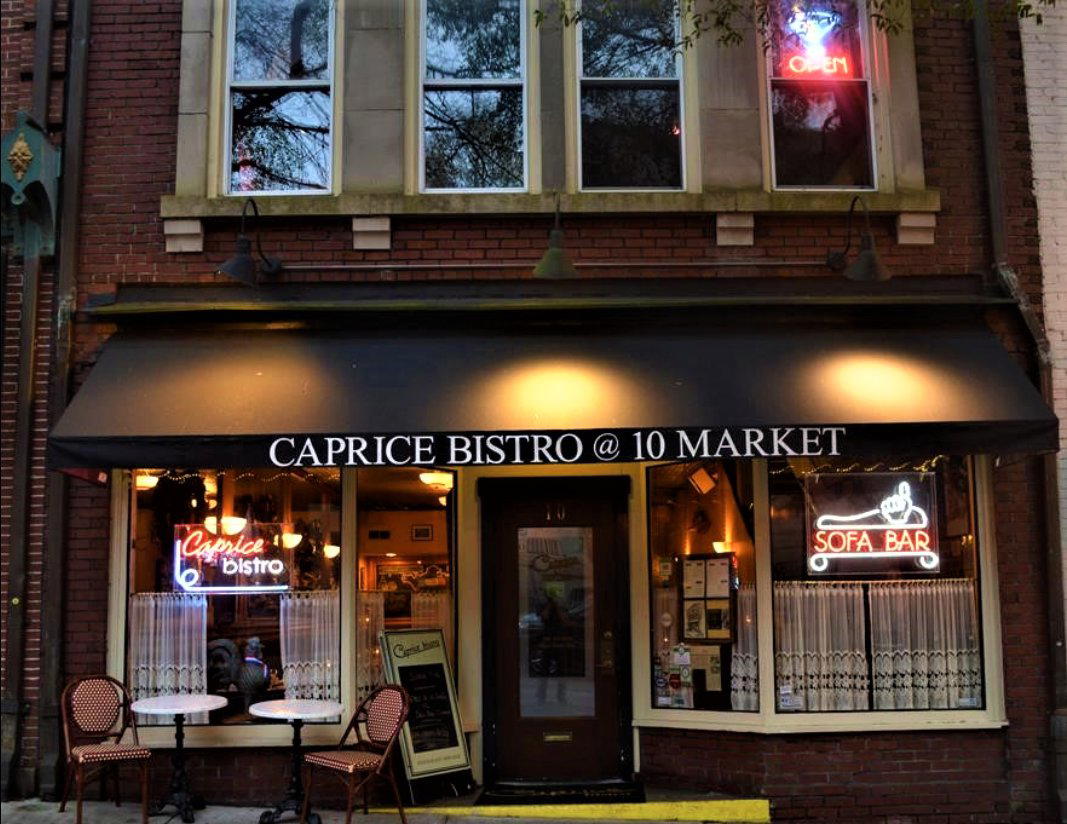
For dinner before a tour, the downtown options span a reasonable range. Catch and Caprice bistro both operate near the historic core and can frame the earlier part of an evening before a walking tour departure. For those who want to extend the night after, Benny's Big Time Pizzeria and End of Days Distillery sit within the same walkable zone and provide an endpoint that doesn't require planning around a kitchen close. End of Days in particular, a distillery with a tasting room, suits the mood of a night that has already been spent in Wilmington's older layers.
Ghost Tour Craft: What Separates One Operator from Another
In cities with multiple competing ghost tour operators, the differentiating factor is rarely theatrical production value. The guides who build a following tend to be the ones who treat the material as a form of public history rather than entertainment alone. That means knowing which stories are documented in municipal records or newspaper archives versus which ones entered oral tradition at an unclear point, and being able to tell the difference out loud. It also means knowing when to let the built environment do the work, when to stop talking and let the building at your back carry the weight of a story.
Bar Leather Apron in Honolulu, Jewel of the South in New Orleans, and Kumiko in Chicago each earn their reputations through the depth of what the person in front of you actually knows, the sourcing decisions, the historical references, the ability to place what you're drinking inside a larger tradition. A ghost tour guide operating in a historically dense American port city is doing something structurally similar: deploying specific, sourced knowledge to make a place legible to someone encountering it for the first time.
The same principle applies at Julep in Houston, Superbueno in New York City, ABV in San Francisco, and The Parlour in Frankfurt on the Main, programs where the hospitality is inseparable from the practitioner's relationship to their own material. Ghost Walk of Old Wilmington, at its finest, rewards a guide who knows the city well and shares that knowledge plainly.
Planning Your Visit
The tour departs from 8 Market Street, Suite B, in the center of Wilmington's historic commercial district, accessible on foot from most downtown hotels and riverfront accommodations. Booking ahead during the October shoulder around Halloween is advisable. Dress for the weather and the pavement, the format is ambulatory, and Wilmington's historic blocks are brick-paved in sections.
A Lean Comparison
| Venue | Price |
|---|---|
| Ghost Walk of Old WilmingtonThis venue — the venue you are viewing | $10–20 |
| Caprice bistro | $30–50 |
| Floriana Wilmington | $50–100 |
| Hieronymus Seafood Restaurant & Oyster Bar | $20–30 |
| End of Days Distillery | $20–30 |
Continue exploring
More in Wilmington
Bars in Wilmington
Browse all →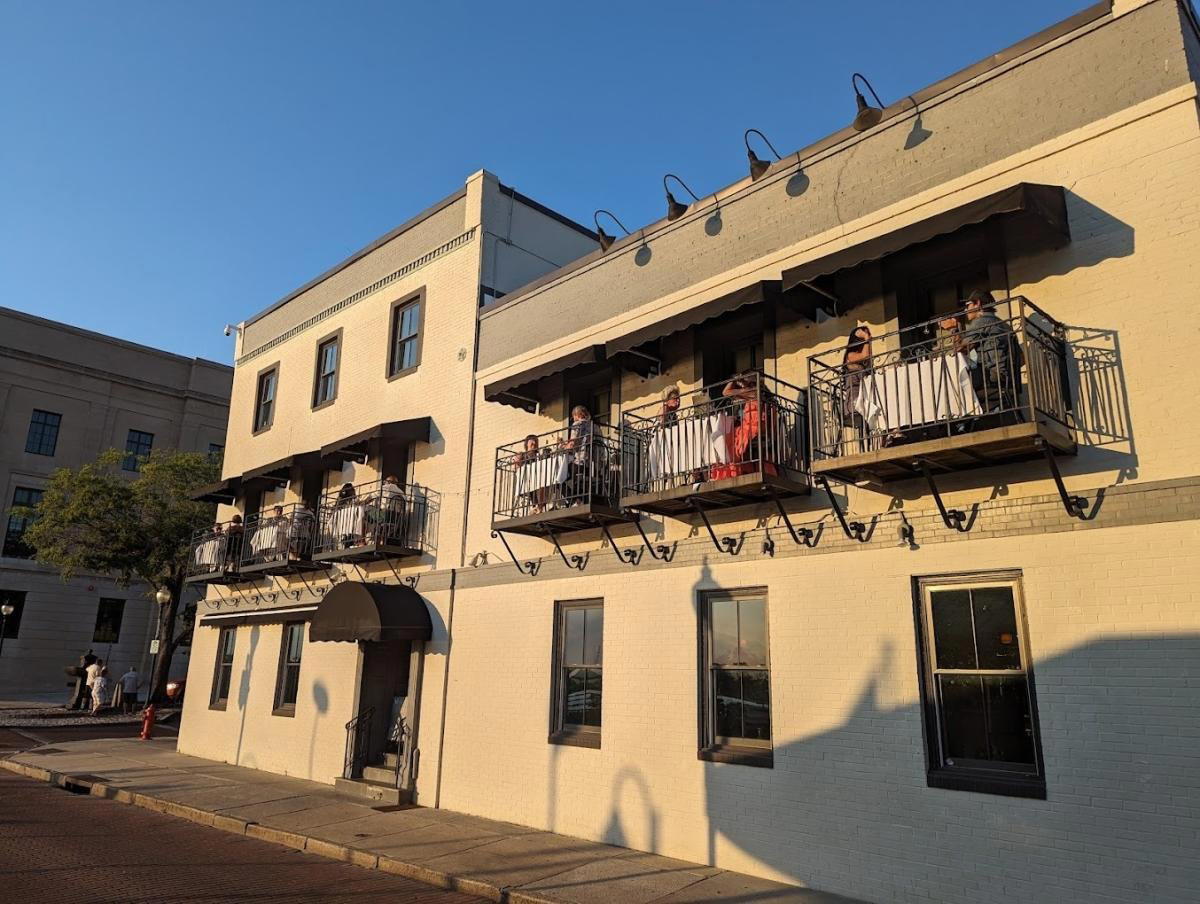
Restaurants in Wilmington
Browse all →


Details
- Whimsical
- Casual Hangout
- Historic Building
- Standing Room
- Street Scene
Current opening hours
- Monday
- 10 AM–10 PM
- Tuesday
- 10 AM–10 PM
- Wednesday
- 10 AM–10 PM
- Thursday
- 10 AM–10 PM
- Friday
- 10 AM–10 PM
- Saturday
- 10 AM–10 PM
- Sunday
- Open 24 hours
Hours can change for holidays and private events. Last verified .
Spooky and theatrical atmosphere during evening walks through shadowed historic streets and burial grounds.