Sato Omakase

Sato Omakase on Post Street brings a Michelin Plate-recognised sushi counter to the Japantown-adjacent stretch of San Francisco, sitting within a competitive tier of serious omakase rooms operating at the city's top price bracket. Two consecutive Michelin Plate awards signal consistent technical execution. At four-dollar-sign pricing, it competes directly with the handful of omakase counters that define the city's Japanese dining scene.
Pearl is the En Primeur Club membership app — saves, bookings, and concierge access live there. Same editors, same standards.
- Address
- 1122 Post St, San Francisco, CA 94109
- Phone
- (415) 851-8830
- Website
- satoomakase.com
- Directions
- Get directions
 Saves & bookings on Pearl
The Counter Format in Context
San Francisco's omakase market has consolidated around a smaller, more expensive set of counters than existed a decade ago. Where the city once supported a wider spread of Japanese dining across price bands, the top tier now clusters at the $$$$ bracket, with Michelin recognition functioning as the primary sorting mechanism. Akikos, Wako, and Ken occupy different rungs of that hierarchy, each with distinct formats and price positioning. Sato Omakase, carrying Michelin Plate awards in 2024 and 2025, sits within that upper bracket, competing on quality signals rather than volume.
The Post Street address places the restaurant in the corridor between Japantown and the lower Nob Hill residential blocks, a stretch that sees fewer destination-dining tourists than SoMa or the Financial District but attracts a local dining audience that tends to be more format-literate. An omakase counter here reads differently than the same format on a high-visibility downtown block: the surroundings reinforce the idea that you are here for the meal, not for the scene surrounding it.
Why the Lunch Sitting Deserves More Attention
In Tokyo's most structured omakase rooms, lunch and dinner are frequently priced differently, with lunch offering the same sequence at a lower cover. San Francisco's leading counters have been slower to adopt that model, but where lunch sittings exist, they represent the more considered booking for a specific type of diner. The midday format removes the ambient pressure of an evening reservation: there is no question of what comes before or after, no coordination with cocktail bars or late-night plans. The meal fills the window it occupies.
For omakase specifically, afternoon light has a practical dimension. Fish temperature, rice temperature, and the timing of courses all interact with ambient conditions in the room. A lunch service that runs from midday into the early afternoon gives a counter the chance to control those variables before dinner service adds time pressure. The experience is less likely to be compressed between other obligations, and the post-meal window for reflection, walking, or continuing to explore the neighbourhood is considerably more open.
Comparable international counters, including Harutaka in Tokyo and Sushi Shikon in Hong Kong, demonstrate that the lunch-first approach is well-established in East Asian sushi culture. San Francisco's counter scene is slowly aligning with that logic.
Positioning Against the City's Wider Fine-Dining Tier
The $$$$ bracket in San Francisco covers a range of formats that compete for the same planning budget even when the cuisine differs substantially. Lazy Bear in the Mission operates a progressive American tasting format at the same price point, as do Benu, Atelier Crenn, Quince, and Saison. Against those multi-course tasting-menu rooms, an omakase counter offers a structurally different experience: a single chef working a shorter counter with more direct interaction per guest, no front-of-house intermediary between kitchen and table, and a cuisine tradition with its own internal logic around product sourcing, rice preparation, and sequencing.
That structural difference matters when the question is not which restaurant is worth attending, but which format fits a specific trip. Guests already planning to experience San Francisco's broader tasting-menu circuit through rooms like Friends Only or the established progressive American format at Lazy Bear will find that adding an omakase counter creates variety within a premium dining itinerary rather than repetition. The same logic applies when comparing regionally: The French Laundry in Napa, Single Thread in Healdsburg, and Providence in Los Angeles all occupy the same upper-tier price band on the West Coast, but the omakase counter is a distinct format within it.
The Michelin Plate designation itself is worth reading carefully. It signals consistent cooking that Michelin inspectors consider worthy of recognition without ascending to the star tier. In a city where Le Bernardin in New York and Alinea in Chicago hold higher Michelin rankings, and where Emeril's in New Orleans operates in a different critical frame entirely, the Plate is a positioning signal: this kitchen is operating at a level that warrants tracking, priced accordingly.
The Omakase Format at This Price Point
Across the city's $$$$ Japanese counter category, the omakase format typically means a fixed sequence of nigiri and small courses determined by the kitchen, with limited or no substitution. The chef reads the room and adjusts pacing and portion, but the diner's role is to receive rather than direct. This is a fundamentally different dining posture than a la carte ordering or even most tasting menus, where a guest can typically flag preferences across a range of categories. At this price tier, that reduced optionality is a feature, not a constraint: the assumption is that the kitchen's judgment is worth following.
In the omakase category, where total guest capacity per service is inherently limited by the counter format, review volumes will always be lower than at larger-format restaurants. An 87-review base at 4.5 represents a denser concentration of positive responses per guest served than the same rating at a 100-seat restaurant would.
Planning Your Visit
Sato Omakase is located at 1122 Post Street in San Francisco's 94109 zip code, in the stretch between Japantown and lower Nob Hill. The area is accessible from multiple transit routes and sits within walking distance of the Japantown block cluster, which provides useful context before or after a meal.
- SATO Monaka with toro, Hokkaido uni and oscietra caviar
- Sakura dai suimono
- Kombu-aged hirame nigiri
- Kinmedai with uni and asparagus cream
- Zuke akami, chu-toro and toro sequence
- Miso panna cotta
Price and Recognition
Comparable venues nearby, for context on price, style, and recognition.
| Venue | Cuisine | Price | Awards | Notes |
|---|---|---|---|---|
| Sato OmakaseThis venue — the venue you are viewing | Nob Hill, Omakase | $$$$ | Michelin Plate | Not listed |
| Noodle in a Haystack | Not listed | $$$$ | Michelin Plate | Inner Richmond, Modern Japanese Ramen Tasting Menu |
| Hed 11 | Pacific Heights, Modern Thai Fine Dining | $$$$ | Michelin Plate | Not listed |
| Fù Huì Huá | Not listed | $$$$ | Not listed | Mission, Shanghai Chinese with Japanese Influences Omakase |
| Pabu Izakaya | Not listed | $$$ | Not listed | Financial District/South Beach, Modern Japanese Izakaya |
| Kusakabe | Chinatown, Kyoto-Style Japanese Omakase | $$$$ | Michelin Plate | Not listed |
Recognition history
Dated appearances from independent guides and award organizations, with the underlying list record or original source where available.
Michelin Plate
Michelin · 2026 Michelin Plate
Michelin Plate
Michelin
Michelin Plate
Michelin
Continue exploring
More in San Francisco
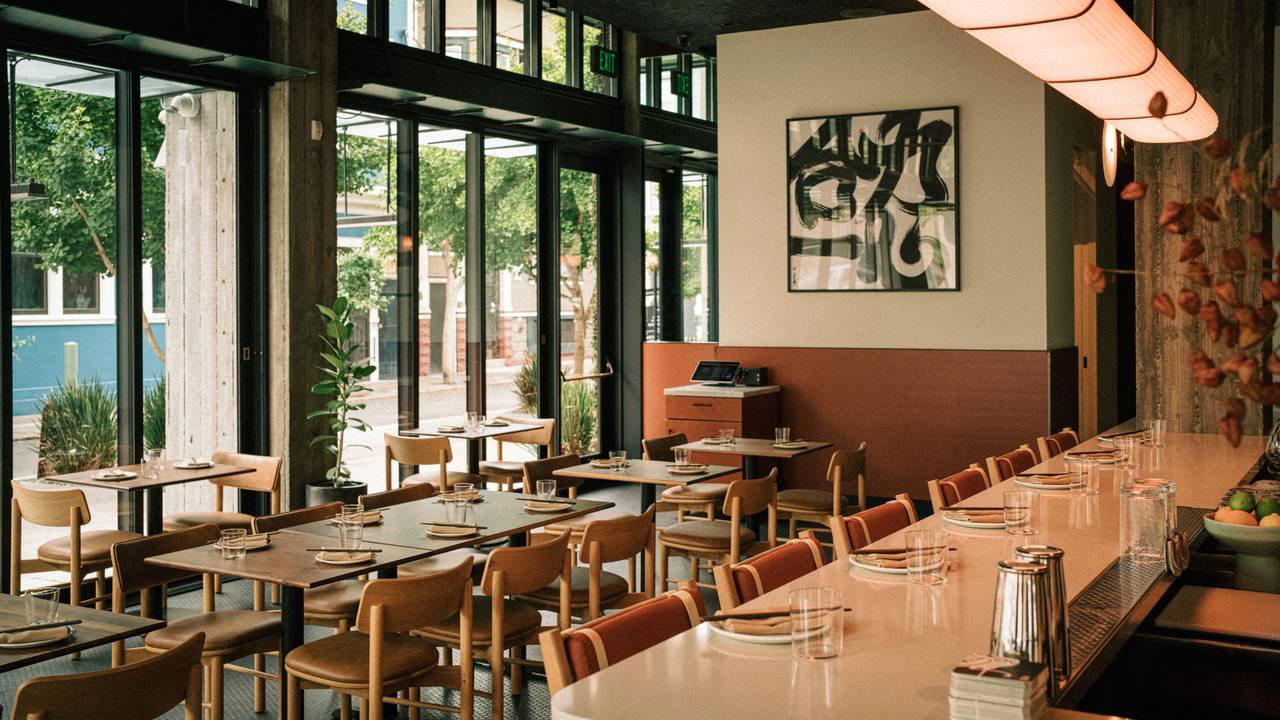
Restaurants in San Francisco
Browse all →
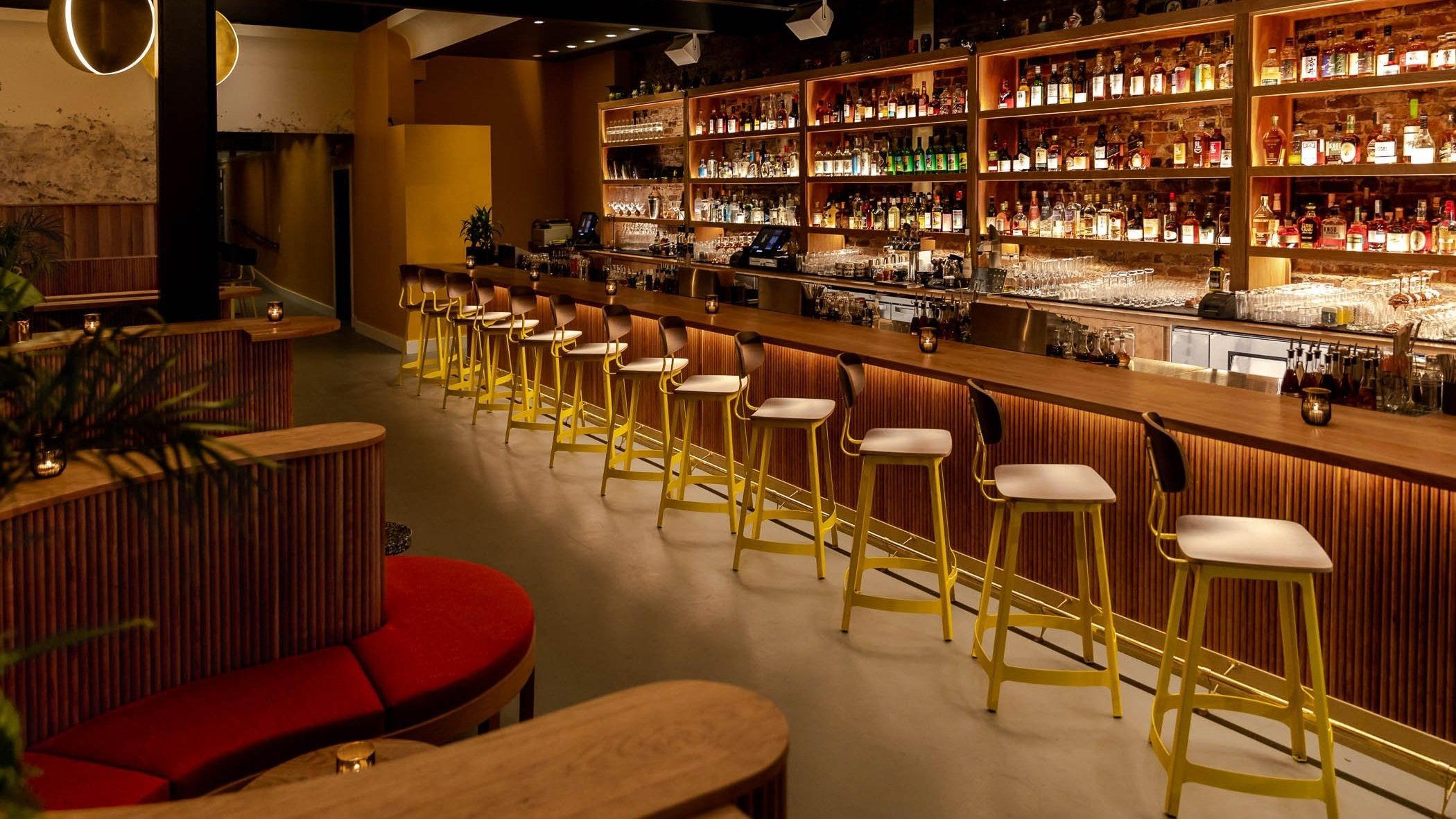
Bars in San Francisco
Browse all →
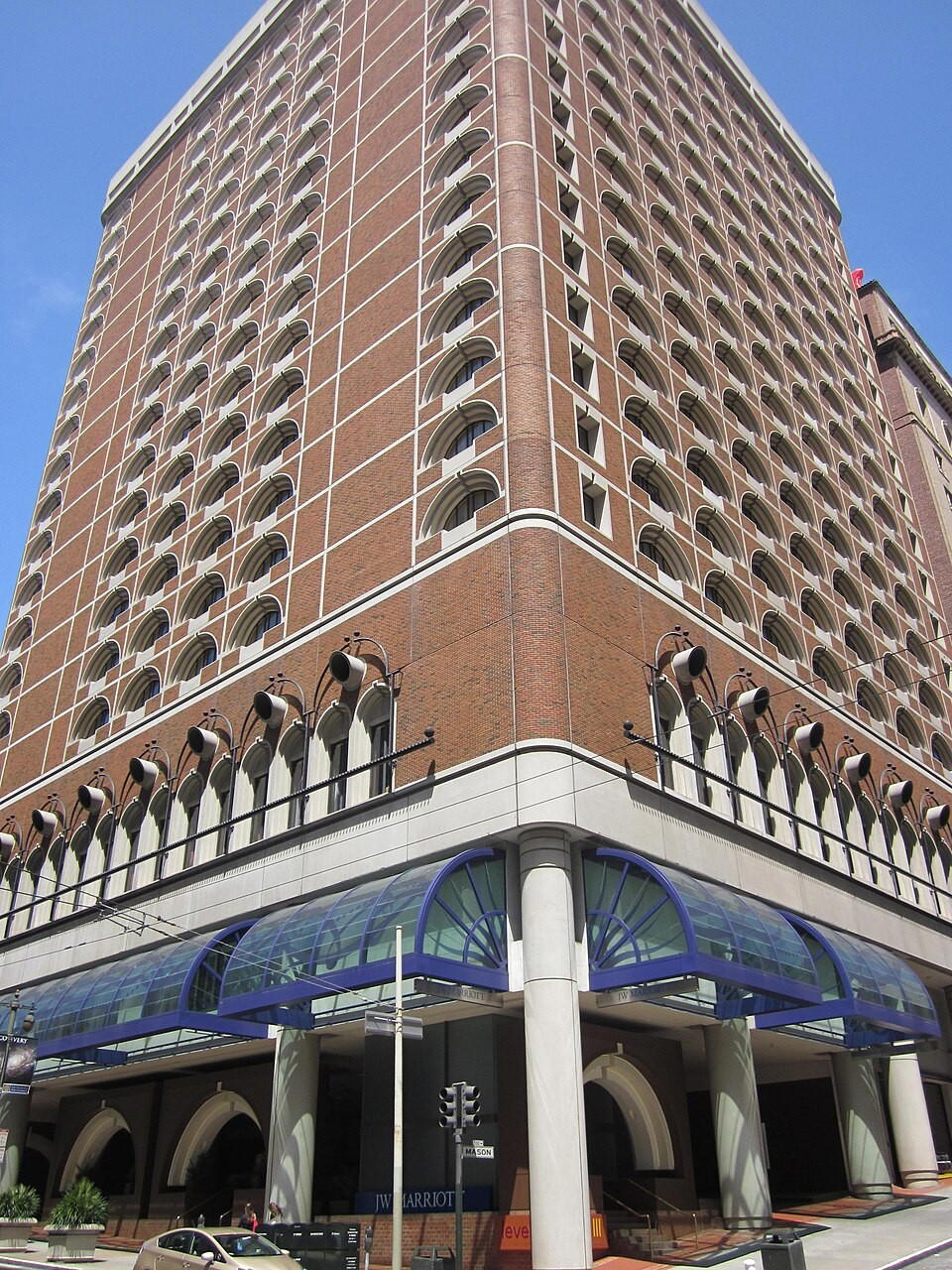
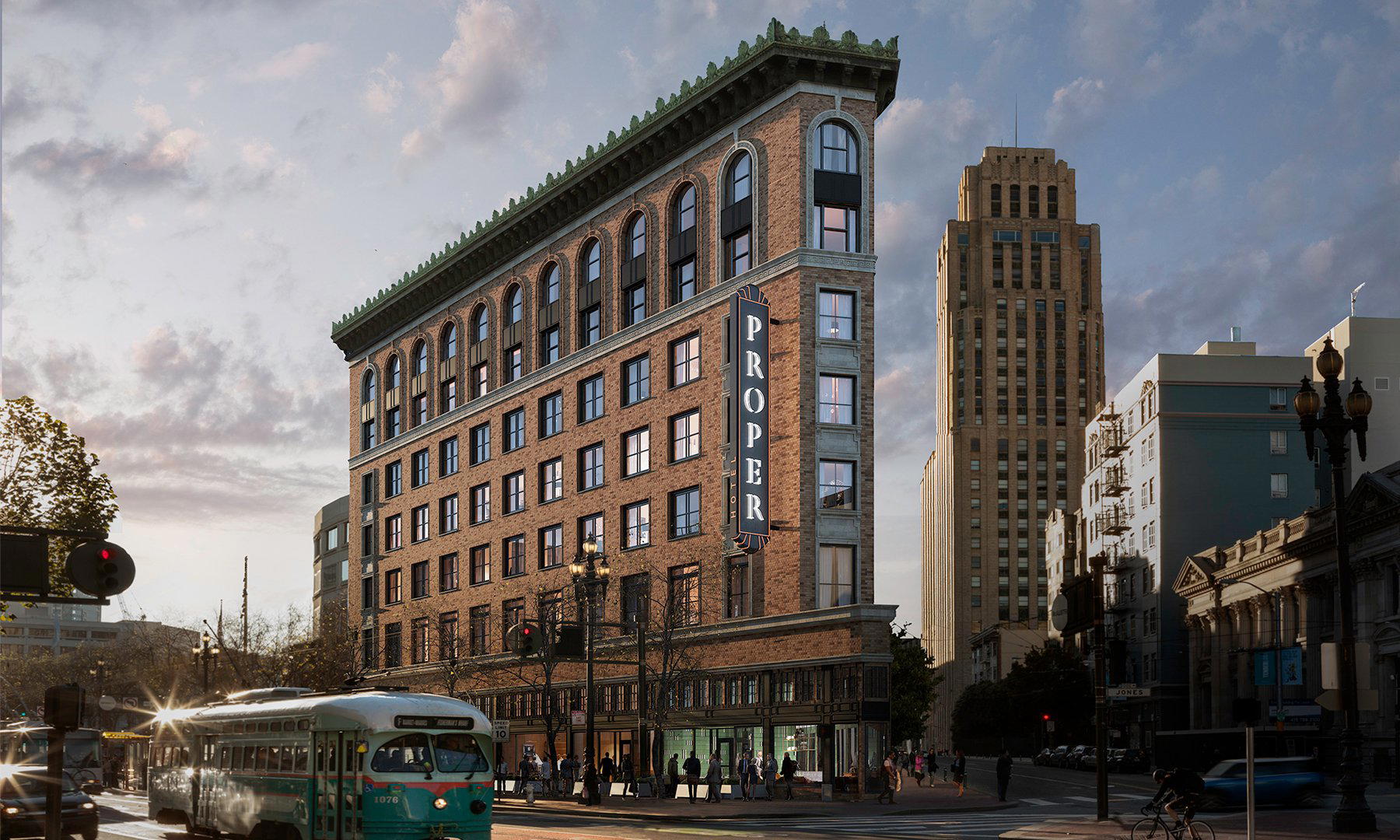
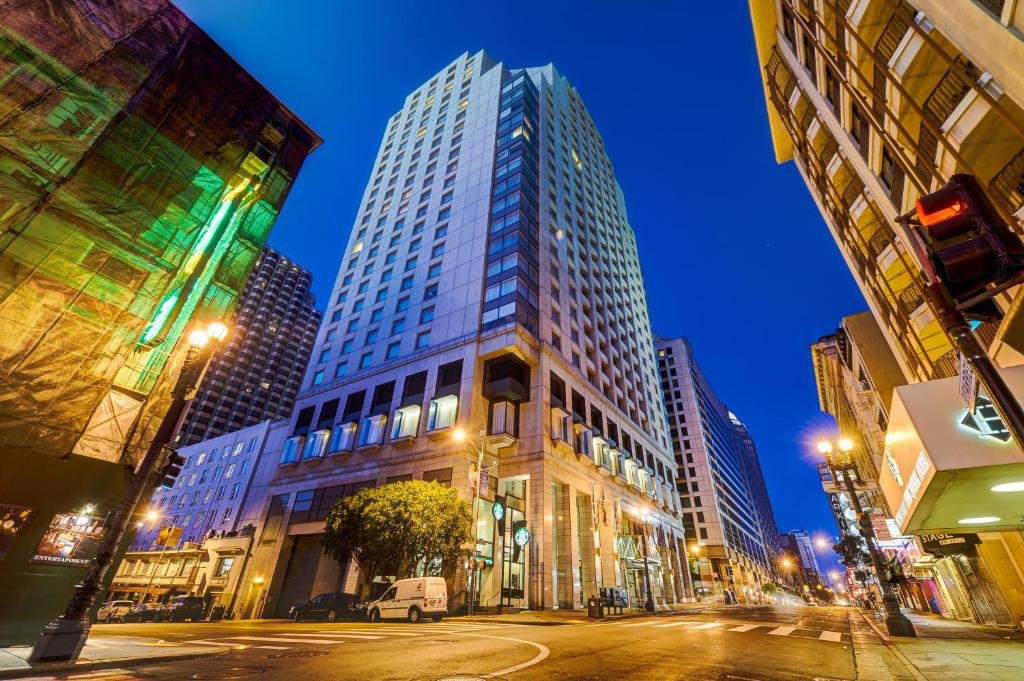
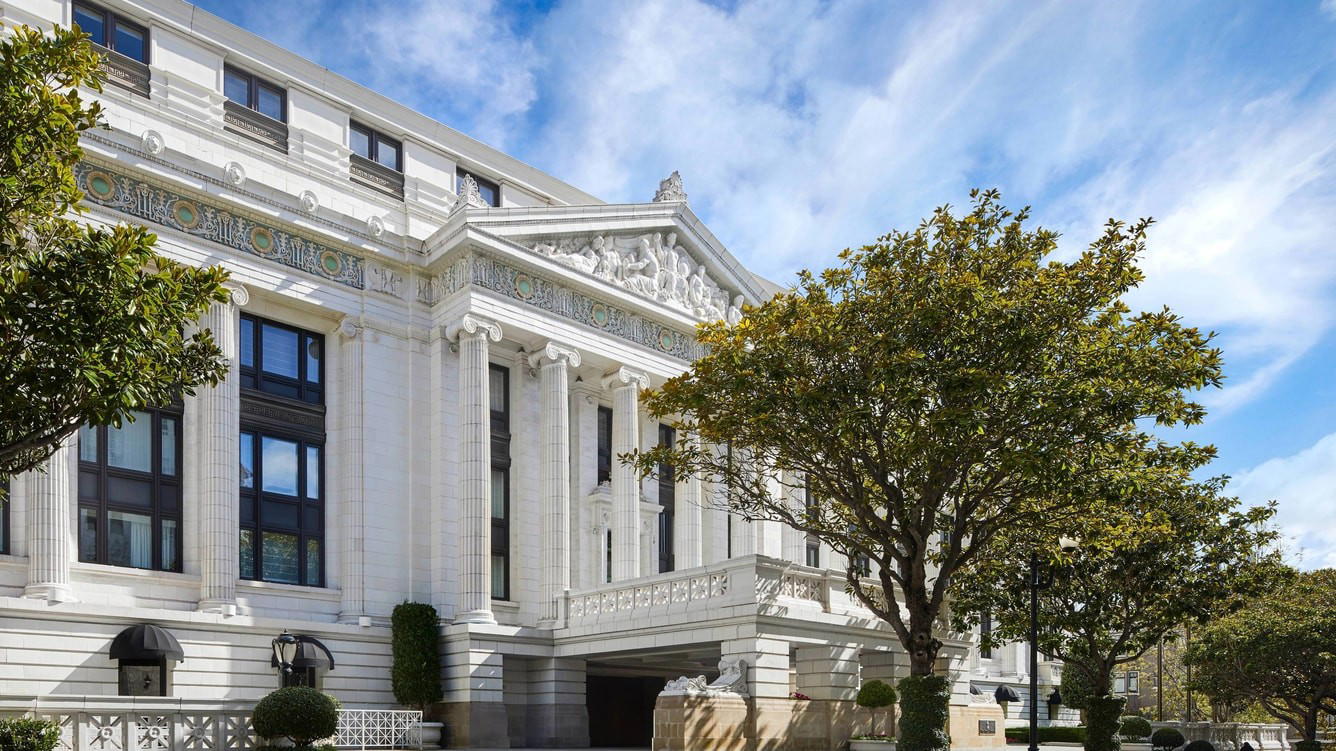
Hotels in San Francisco
Browse all →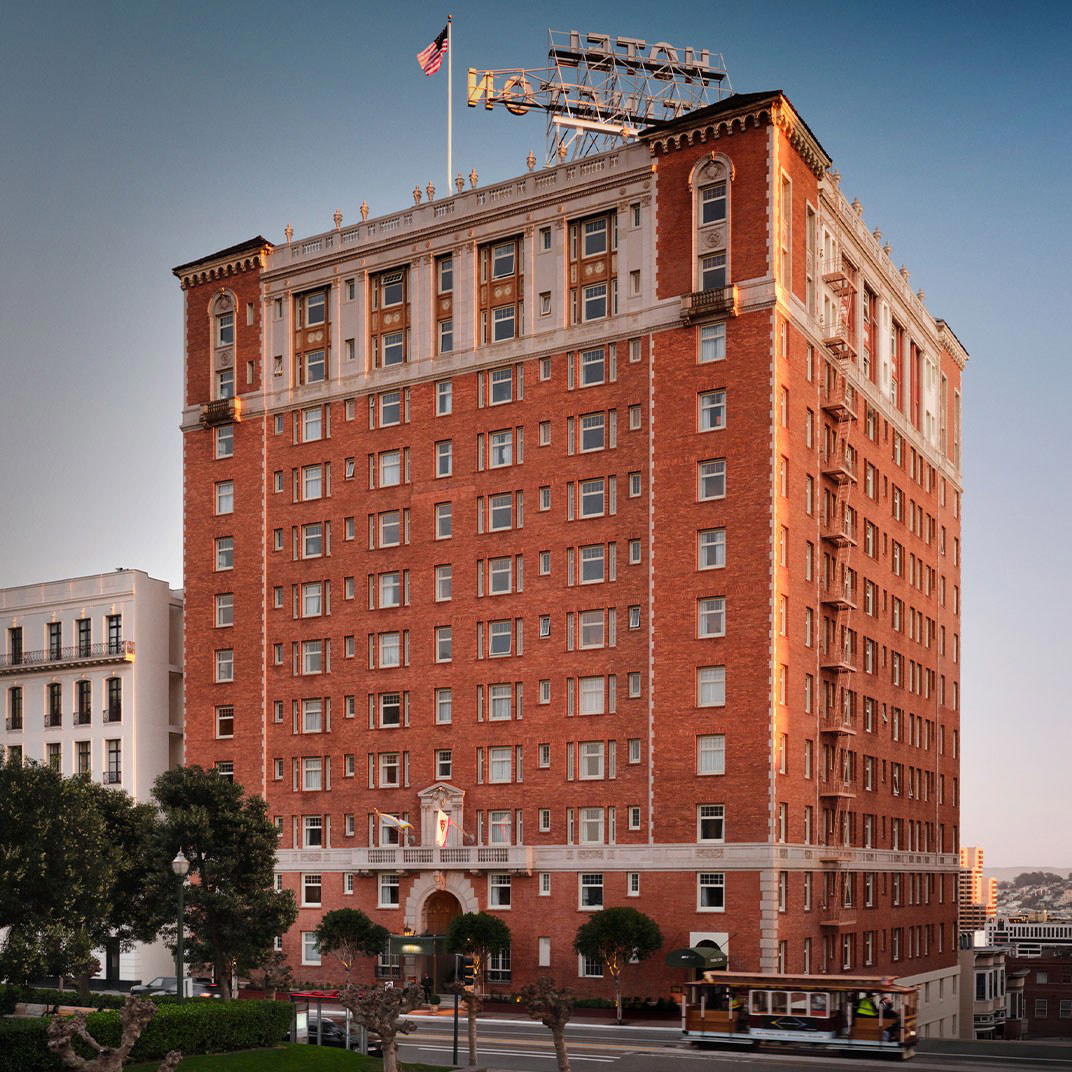
At a Glance
- Intimate
- Quiet
- Elegant
- Sophisticated
- Special Occasion
- Date Night
- Celebration
- Business Dinner
- Chefs Counter
- Open Kitchen
- Standalone
- Sake Program
- Sustainable Seafood
Current opening hours
- Monday
- Closed
- Tuesday
- 5–11 PM
- Wednesday
- 5–11 PM
- Thursday
- 5–11 PM
- Friday
- 5–11 PM
- Saturday
- 5–11 PM
- Sunday
- 5–11 PM
Hours can change for holidays and private events. Last verified .
Tranquil and intimate, centered on a quiet omakase sushi bar with a refined, restrained atmosphere.