Sassicia
Our verdict
Sassicia sits in Castagneto Carducci, a Tuscan hill town whose dining identity is inseparable from Bolgheri wine country, olive groves, and the coast below. With few public format details attached to the restaurant, the useful read is contextual: come expecting a table shaped by local sourcing, not a destination built around spectacle or chef mythology.

Pearl is the En Primeur Club membership app, where members save venues, book tables and use the concierge.
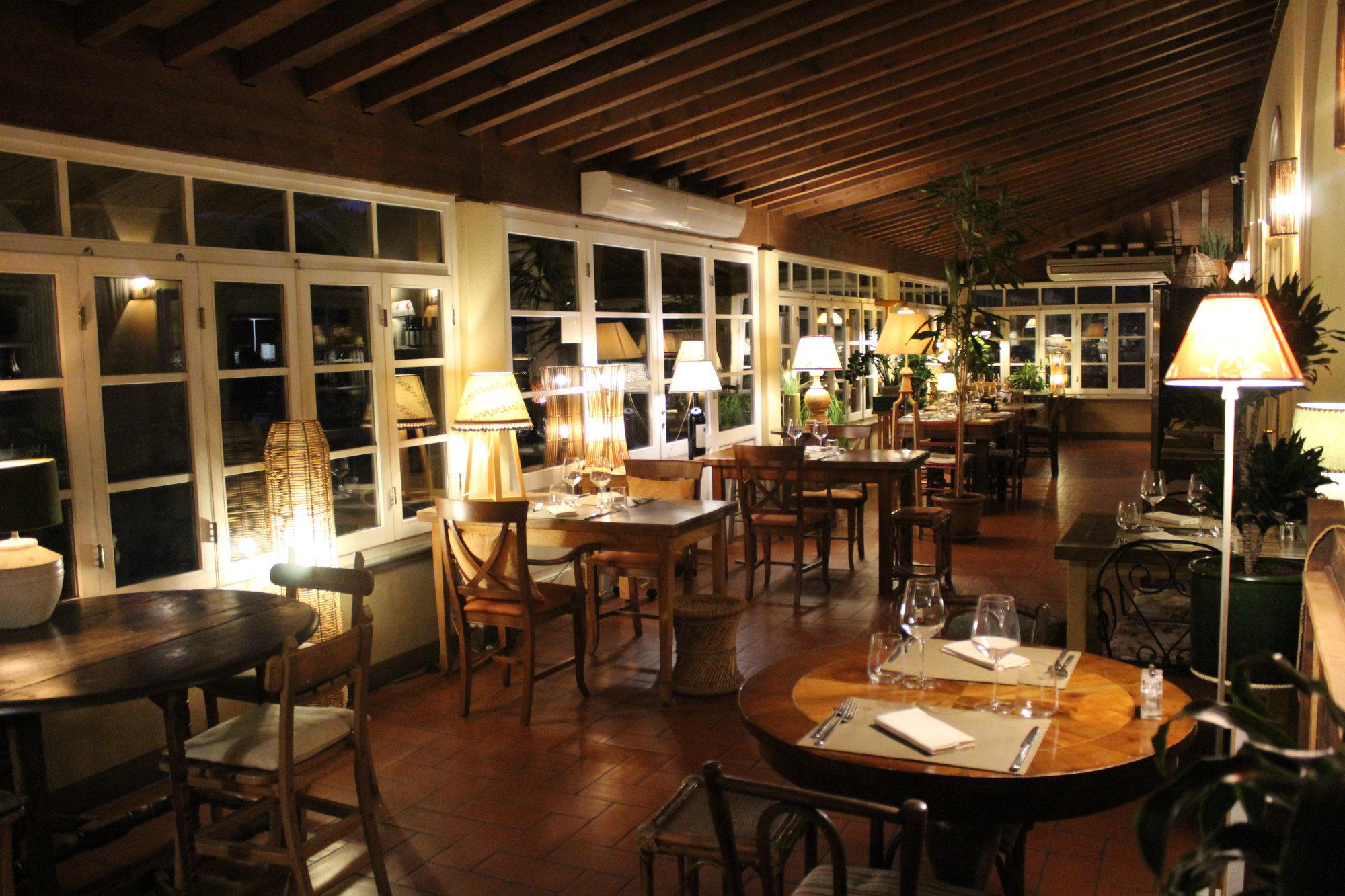
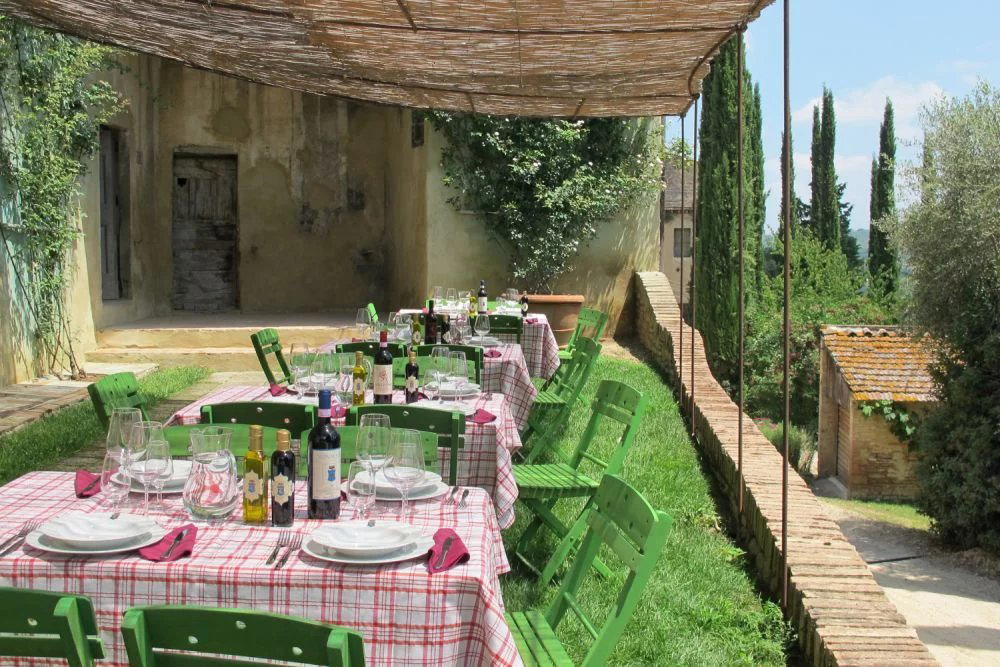
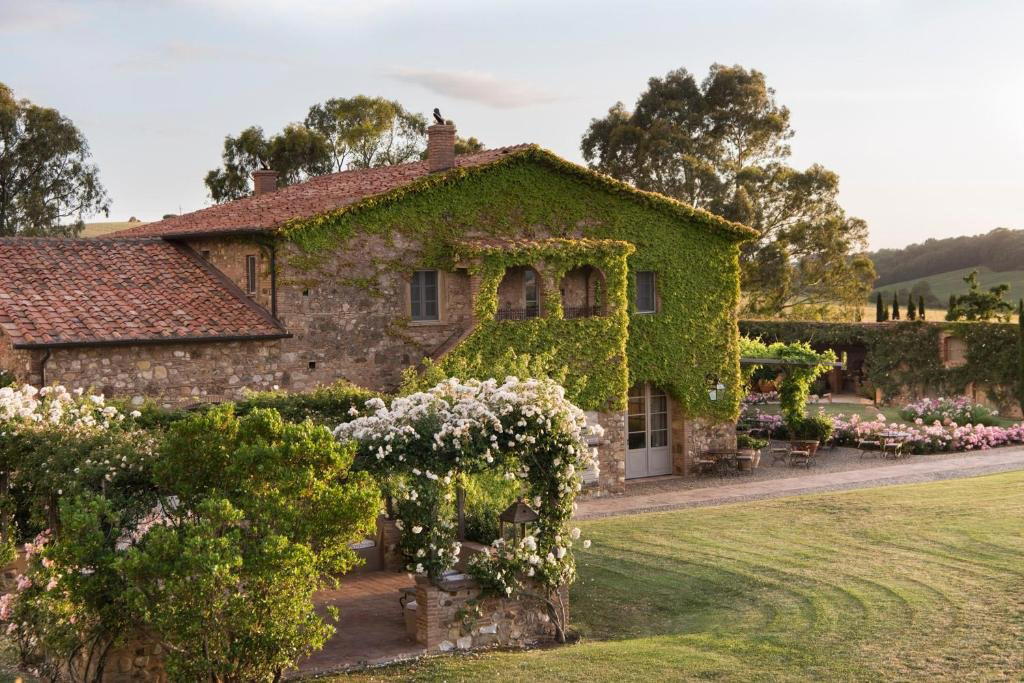
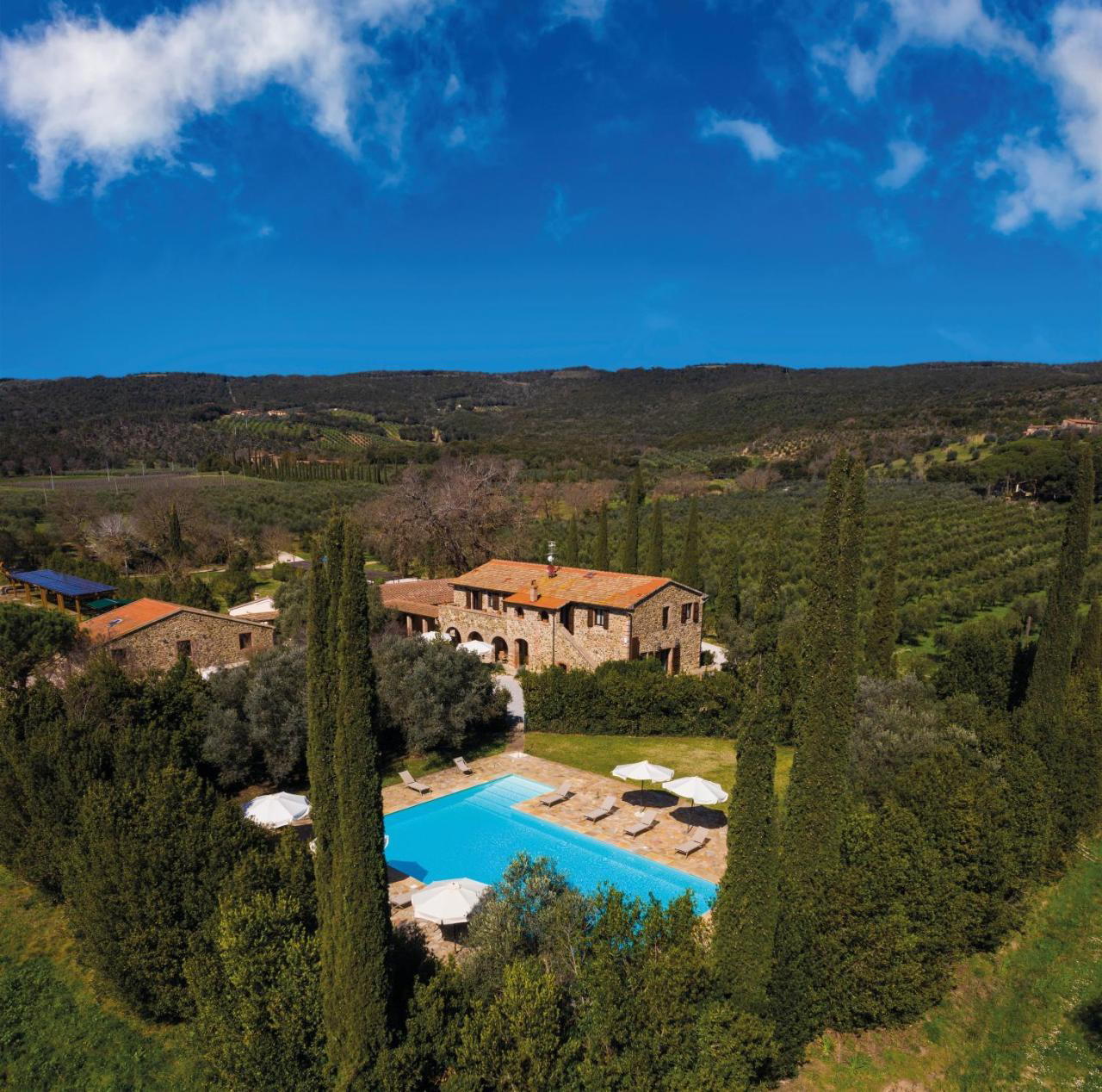
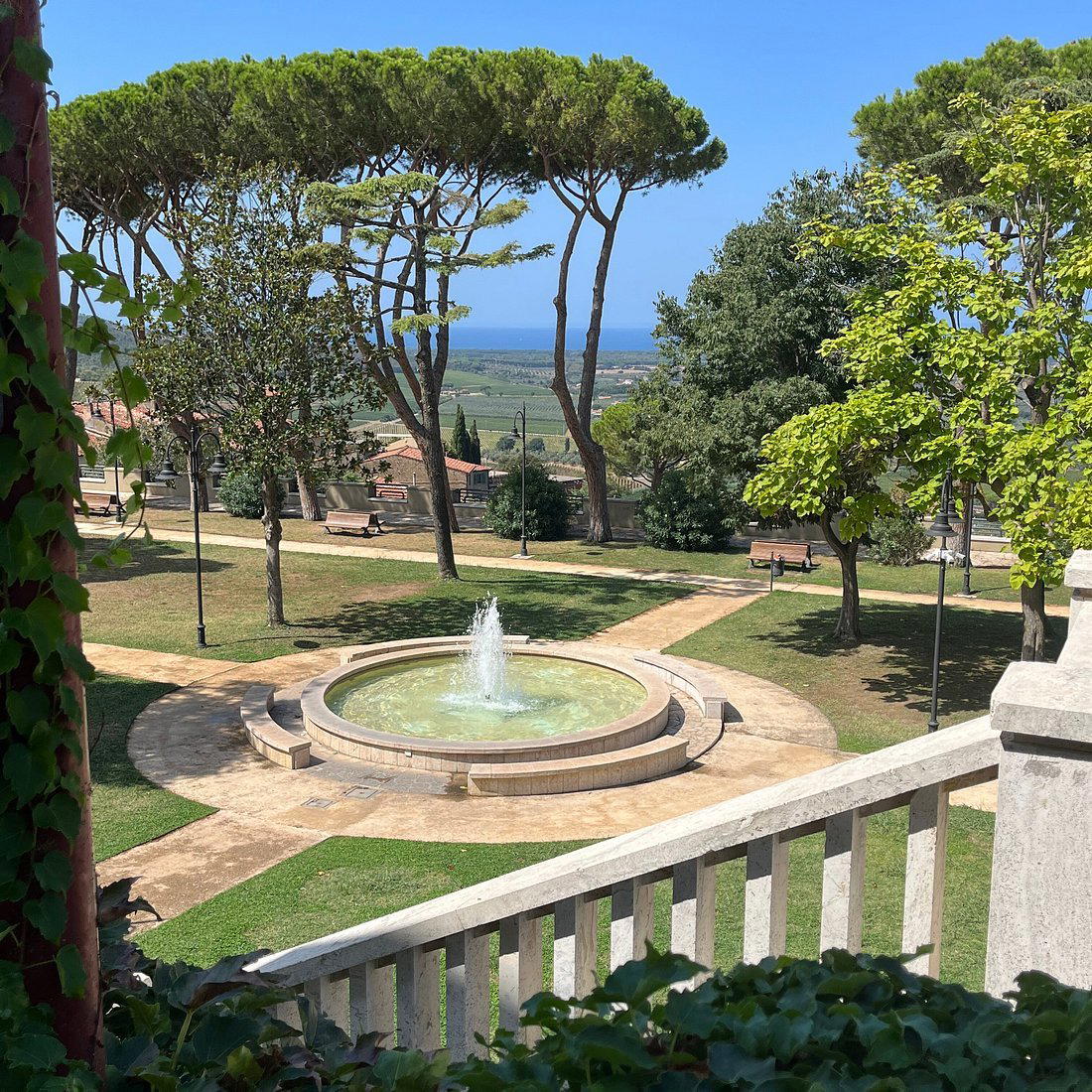
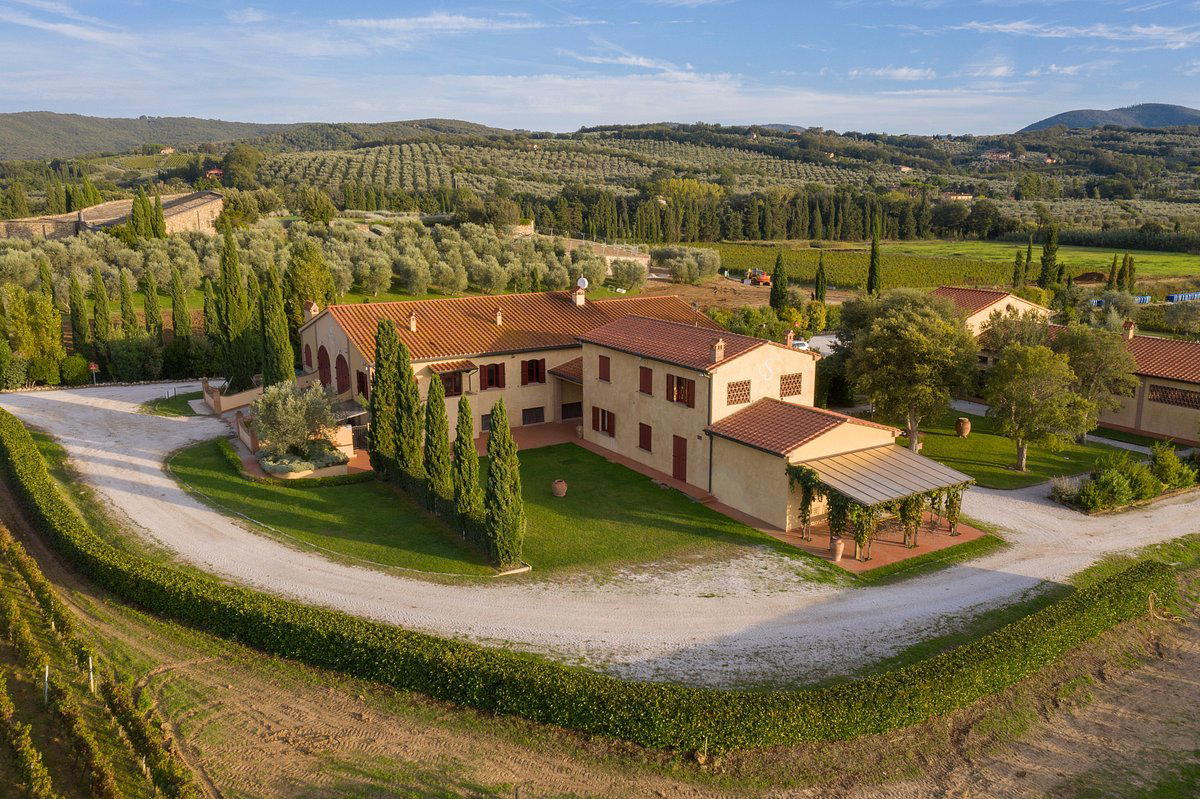
Approaching Castagneto Carducci, the first cue is agricultural rather than urban: cypress roads, vineyard parcels, olive trees, and the pull of the Tuscan coast beyond the hill town. That setting matters for Sassicia because restaurants here are often judged less by theatrical technique than by how convincingly they translate their surroundings into a meal. In this part of Tuscany, sourcing is not a decorative claim. It is the grammar of the table: oil, bread, vegetables, local produce, seasonal cooking, and wine lists shaped by the area rather than by global fashion.
Castagneto Carducci dining is built around proximity, not performance
The local restaurant scene sits between several strong identities. Inland, the cooking often follows Tuscan habits of restraint: grilled dishes, legumes, soups, bitter greens, and olive oil used as structure rather than garnish. Toward the coast, seafood can become a more frequent signal, especially in restaurants that draw from the Tuscan shore. Sassicia belongs to this geography before it belongs to any broader restaurant category. With no specific award trail or chef-led narrative provided, the more useful way to read the address is through place: a Castagneto Carducci table should make sense against vineyards, farm roads, and the rhythm of a town that fills differently in summer than it does in winter.
That context also explains why comparisons in the area split quickly. Osteria Magona and Osteria del Tasso point toward one side of the local wine-country conversation, while La Perla del Mare sits closer to the coastal register. Enoteca Tognoni and Osteria Enoteca San Guido show another local pattern: restaurants and wine addresses often overlap because local bottles carry serious weight in the dining decision. Sassicia is better assessed against that regional mix than against city restaurants elsewhere in Italy, where tasting-menu architecture and reservation status often dominate the conversation.
The ingredient question is the real test
In Castagneto Carducci, ingredient sourcing is not a luxury signal; it is the baseline expectation. A restaurant that works here has to respect the area’s agricultural density. The town sits in a part of Tuscany where wine, extra-virgin olive oil, vegetables, seasonal produce, and coastal ingredients can all sit within plausible reach, and a kitchen’s credibility comes from editing those materials rather than overworking them. Sassicia’s appeal, therefore, should be measured by coherence: whether the cooking feels rooted in Castagneto Carducci, whether the wine choices speak to the surrounding Tuscan coast, and whether the menu avoids the generic Italian comfort zone that could exist anywhere.
This is also where Castagneto Carducci differs from Italy’s larger dining cities. Metropolitan restaurants often sit inside a denser conversation about format, design, and chef identity. In smaller Tuscan towns, the measure is narrower and more demanding: the food has to justify why it is here. That is the right lens for Sassicia: not as an abstract destination, but as a Castagneto Carducci stop whose value depends on how well it reflects its surroundings.
How to place it within a Castagneto trip
Sassicia makes the most sense as part of a wine-country itinerary rather than as a standalone trophy booking. Castagneto Carducci rewards slower planning: lunch or dinner in the city, time around the local wine landscape, and a route that leaves space for wineries, enoteche, and the coast. For a wider local map, use Our full Castagneto Carducci restaurants guide, then build outward with Our full Castagneto Carducci wineries guide, Our full Castagneto Carducci hotels guide, Our full Castagneto Carducci bars guide, and Our full Castagneto Carducci experiences guide.
For readers cross-checking Italian dining styles beyond Tuscany, the contrast is useful without turning Sassicia into a city-style comparison. Some Italian dining rooms speak to regional tradition, others to street-level craft, contemporary casual formats, coastal cooking, countryside hospitality, or sharply defined single-concept meals. Sassicia’s frame is different: Tuscan locality, wine-country pacing, and the ingredient logic of Castagneto Carducci. Read it through those pressures first, then decide where it fits among the other dining rooms, wine addresses, and coastal stops that shape a Castagneto Carducci trip.
Frequently asked questions
Would Sassicia be comfortable with kids?
Sassicia is in Castagneto Carducci, Italy, so it fits the sort of meal that can work for families who are comfortable with a quieter dining room. Those details are not published. Check the venue's official channels for the latest details.
How would you describe the vibe at Sassicia?
The tone suggested by Sassicia in Castagneto Carducci is more local and place-driven than showy. That suits a Tuscan setting where the room matters less than the rhythm of the meal and the surrounding town.
Is Sassicia reservation-only?
Those details are not published. In a town like Castagneto Carducci, it makes sense to treat the meal as something to plan in advance rather than leave to chance. Check the venue's official channels for the latest details.
What's the standout thing about Sassicia?
Its main draw is the setting: Sassicia is in Castagneto Carducci, Italy. That location gives it more context than theatrics, which is often the more useful signal for readers planning a serious stop.
Can Sassicia adjust for dietary needs?
There is no dietary policy listed for Sassicia, so any adjustment would need to be confirmed directly. As a restaurant in Castagneto Carducci, it is worth flagging requirements early and keeping the request specific.
At-a-Glance Comparison
Comparable venues by cuisine and price in the same metro.
| Venue | Cuisine | Price | Awards | Notes |
|---|---|---|---|---|
| SassiciaThis venue (the venue you are viewing) | Seasonal Tuscan fine dining with Bolgheri wines | Not listed | Not listed | Not listed |
| Meo Modo | Modern Tuscan Fine Dining | $100–150 | Not listed | Chiusdino |
| Fonterutoli | Traditional Tuscan Osteria | $30–50 | Not listed | Fonterutoli |
| Osteria del Vicario | Modern Tuscan Plant-Based | Not listed | We're Smart World 4 Radishes | Certaldo Alto |
| Osteria Belle Donne | Traditional Tuscan Osteria | $30–50 | Not listed | Santo Spirito |
| Dal Moro's Fresh Pasta To Go | Fresh Pasta To Go | $10–20 | Not listed | Castello |
Continue exploring
More in Castagneto Carducci
Restaurants in Castagneto Carducci
All restaurants in Castagneto Carducci →
Bars in Castagneto Carducci
Browse all →
Hotels in Castagneto Carducci
All hotels in Castagneto Carducci →
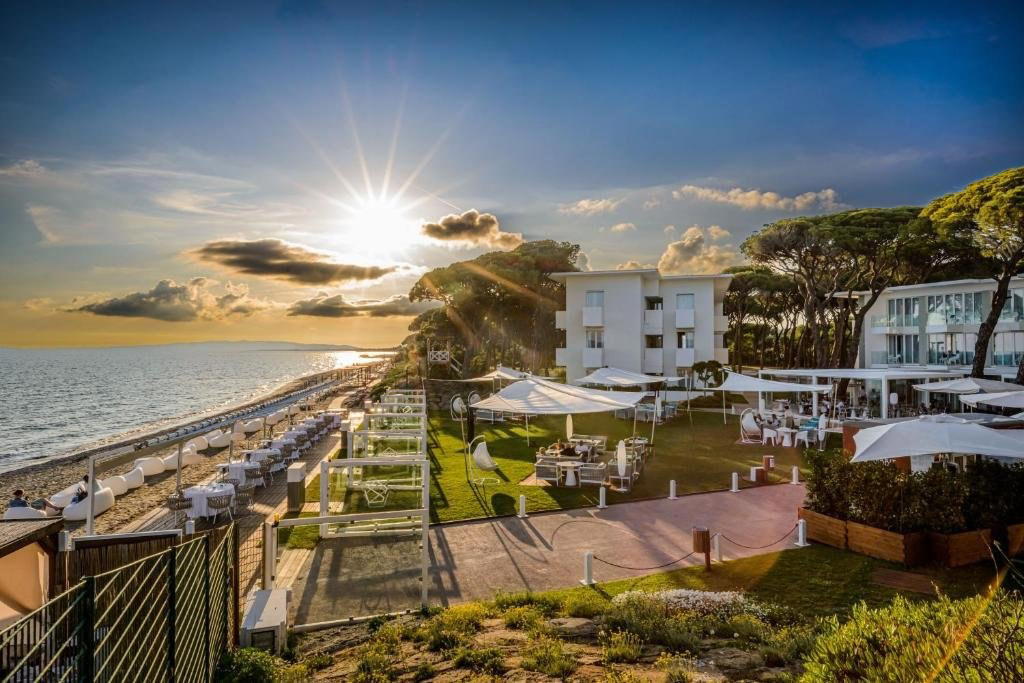
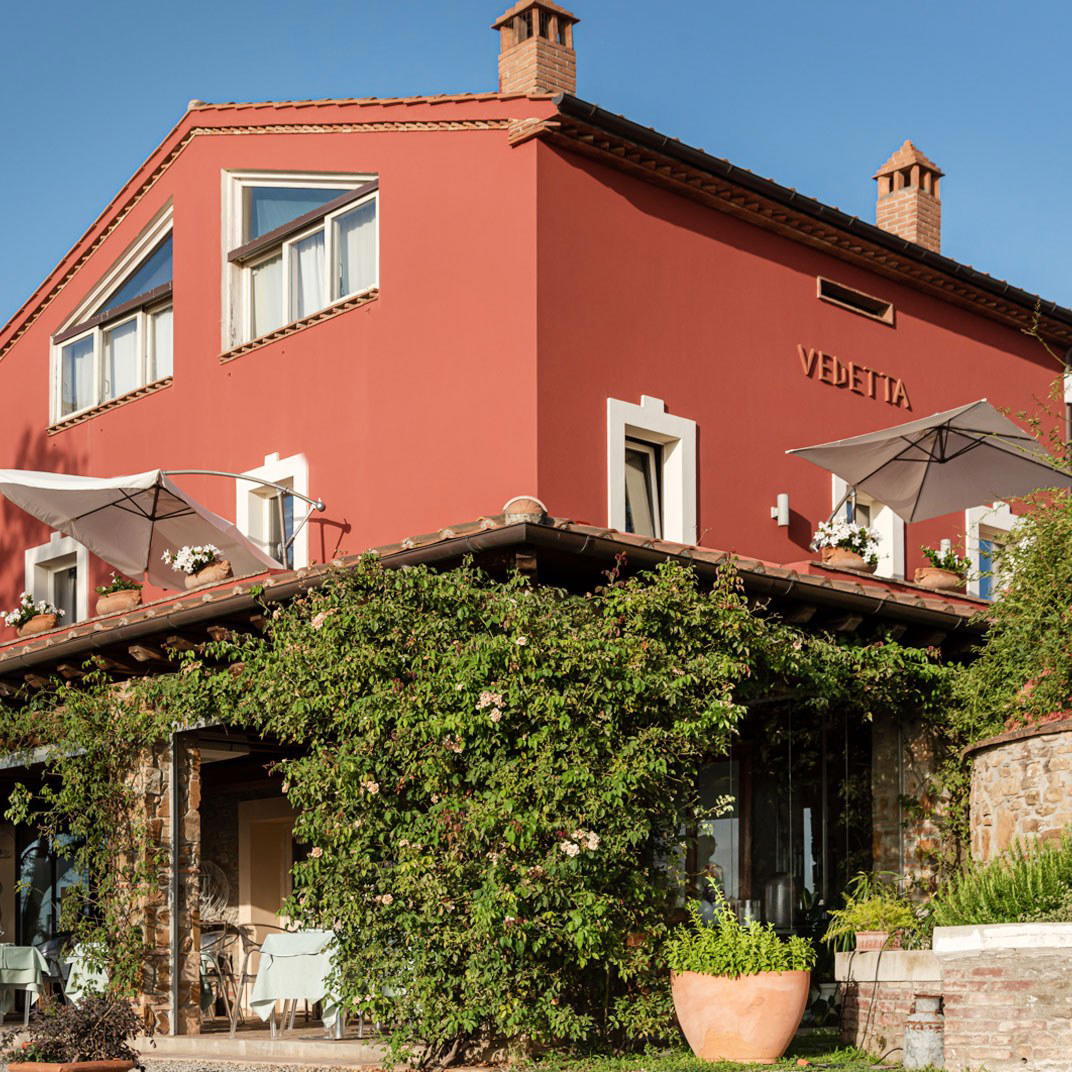
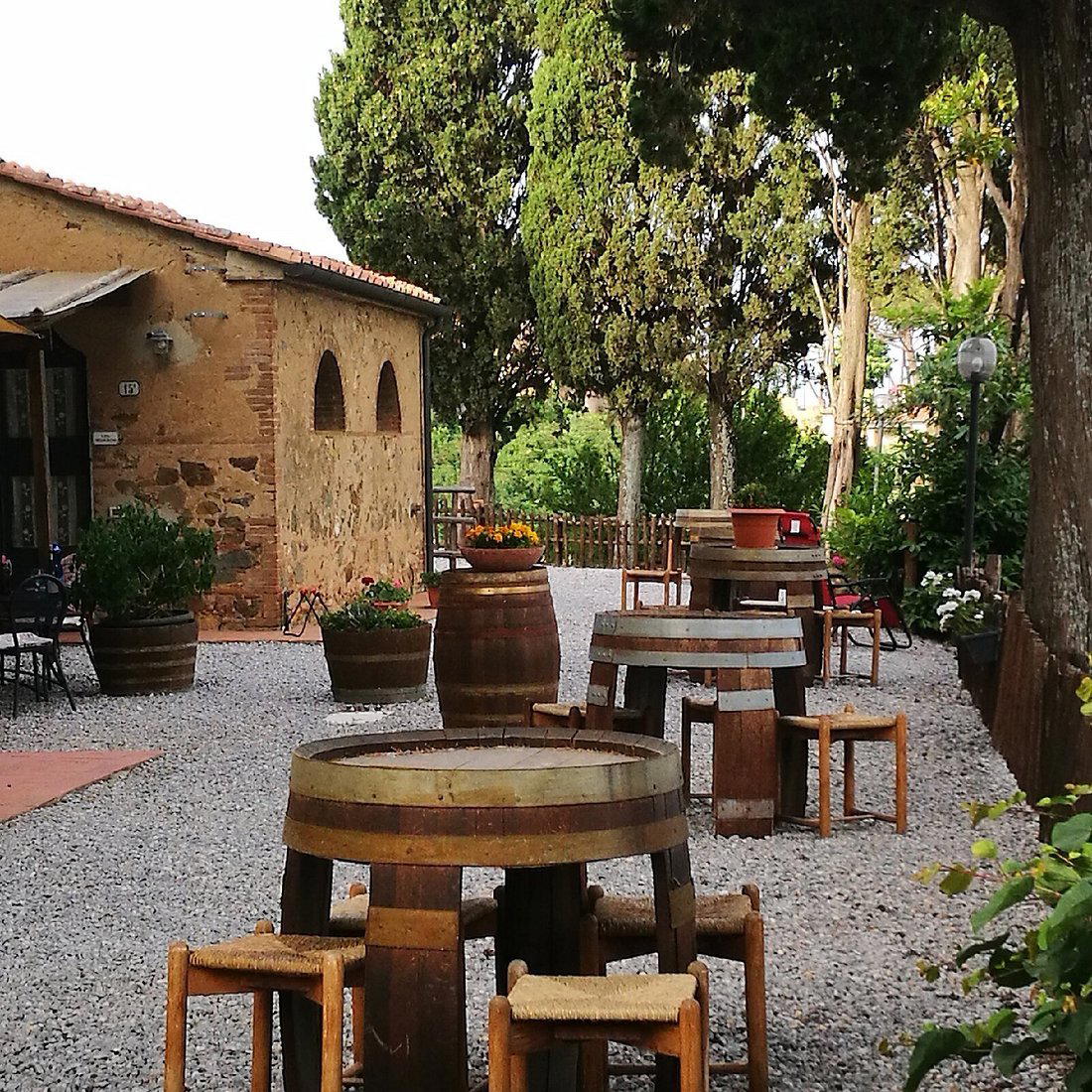
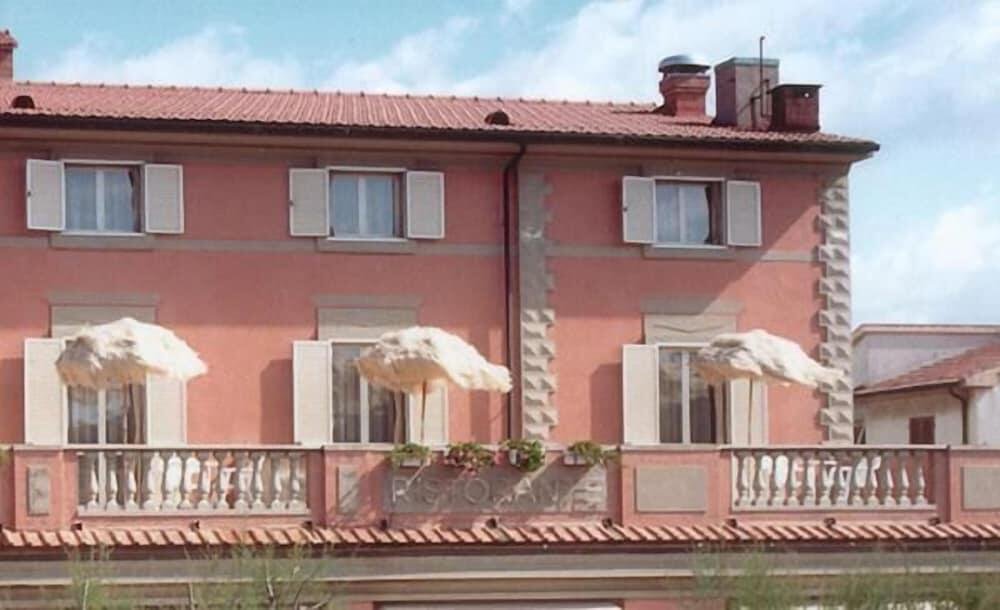
Sassicia
The wine
- Wine program
- Deep wine list
- Extensive wine list
Details
- Elegant
- Rustic
- Romantic
- Cozy
- Date Night
- Special Occasion
- Group Dining
- Business Dinner
- Wine Cellar
- Standalone
- Extensive Wine List
- Local Sourcing
- Tasting Menu
- A La Carte
- Wine
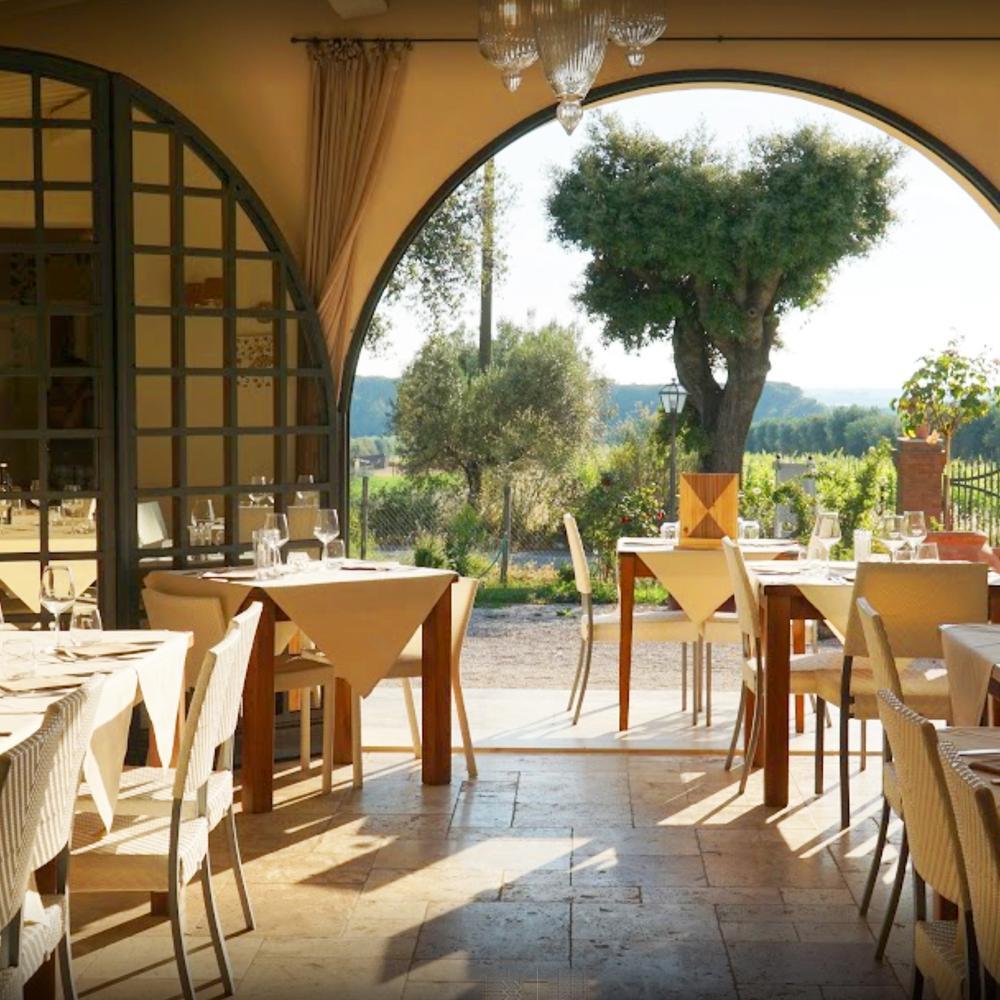
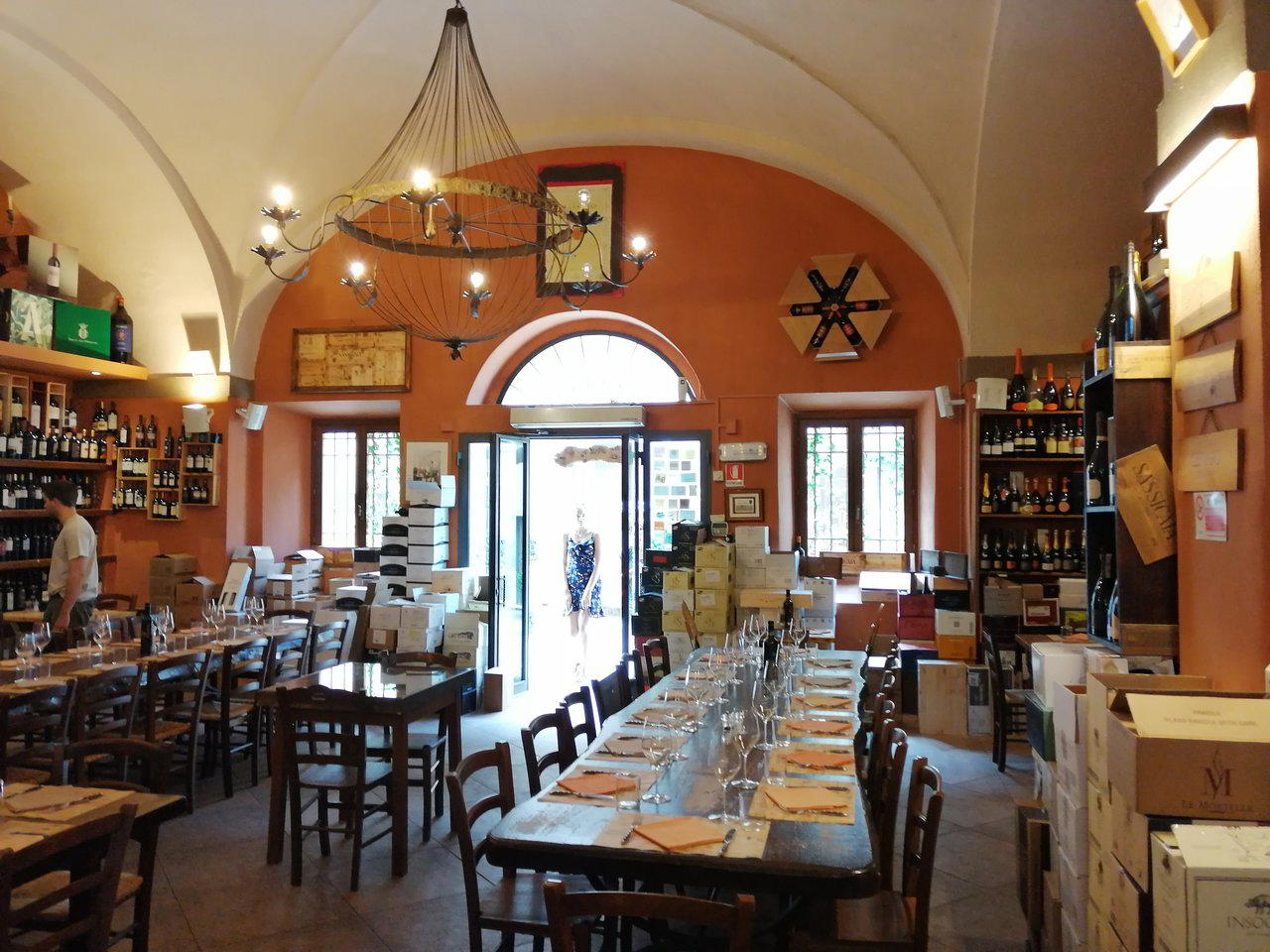
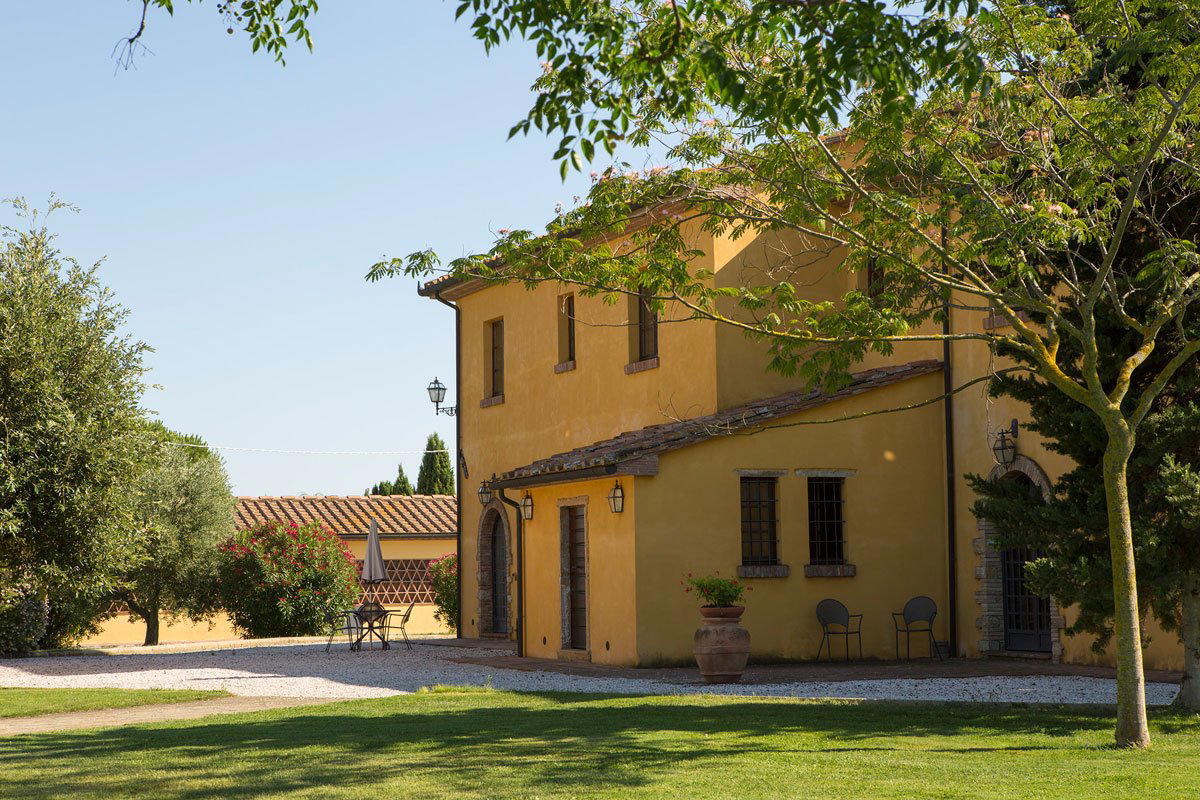
Reviews describe an elegant yet warm Tuscan setting with rustic touches, white tablecloths and an intimate, refined atmosphere suited to relaxed, wine-focused meals.