Sansei Seafood Restaurant & Sushi Bar
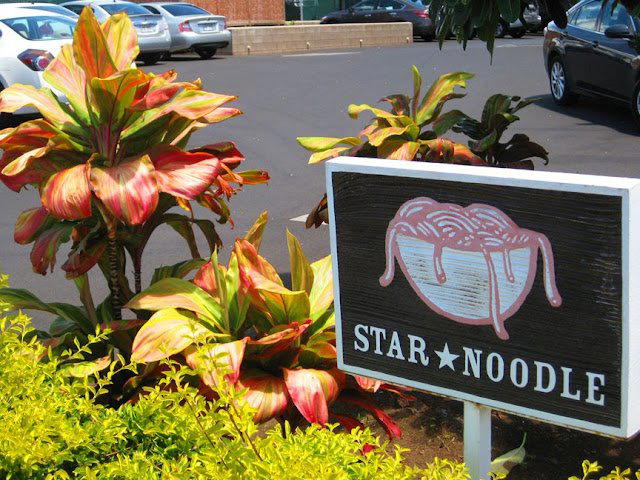
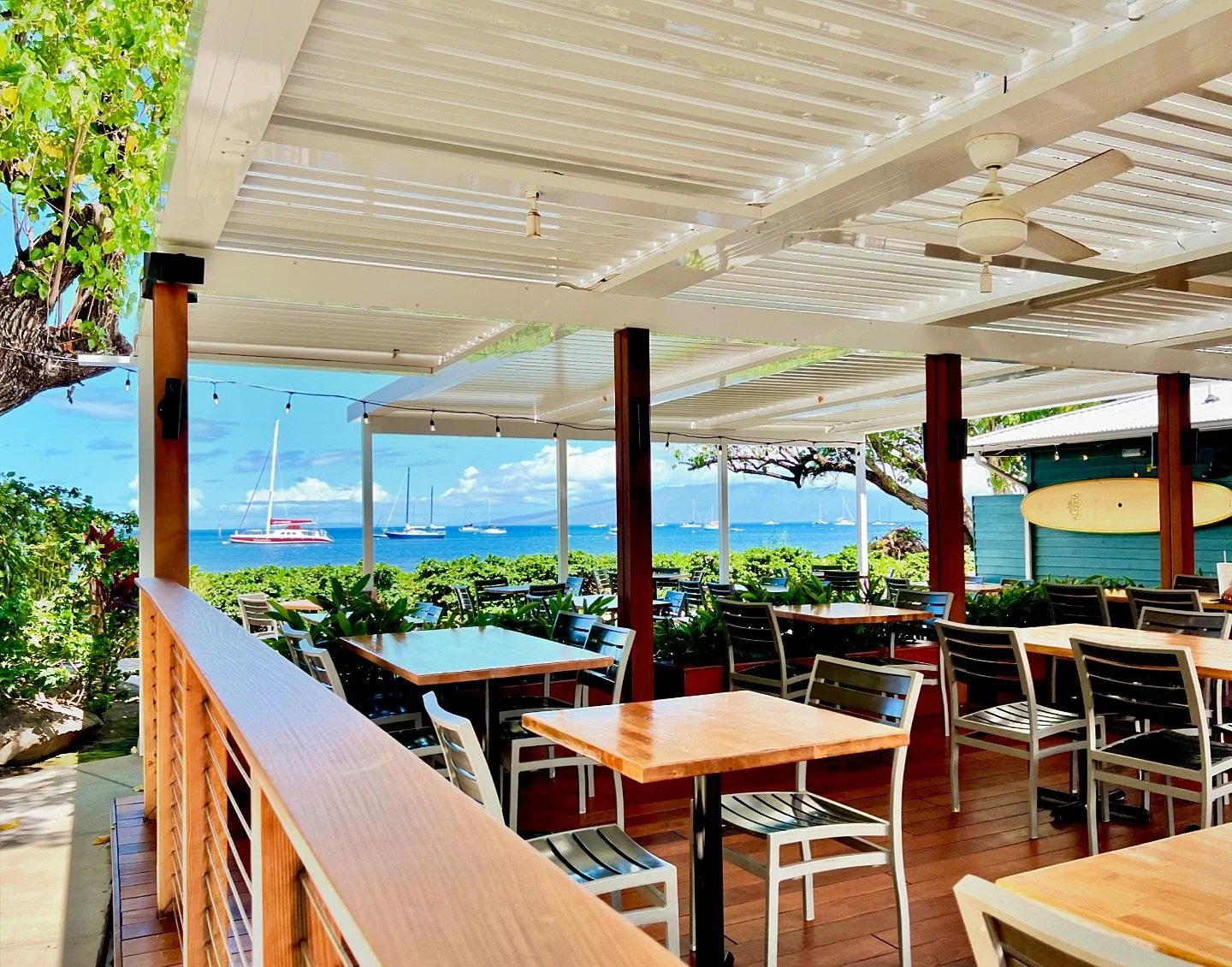
Sansei Seafood Restaurant & Sushi Bar in Kapalua sits at the intersection of Pacific seafood tradition and Hawaii's ingredient-driven cooking culture. Set on Maui's northwest coast, where the proximity to local fishing grounds shapes what lands on the menu, Sansei draws a loyal crowd ranging from resort guests to island regulars seeking Japanese-inflected seafood in a setting that favors the casual over the ceremonial.
Pearl is the En Primeur Club membership app — saves, bookings, and concierge access live there. Same editors, same standards.
- Address
- 600 Office Rd, Lahaina, HI 96761
- Phone
- +1 808 669 6286
- Website
- sanseihawaii.com
 Saves & bookings on Pearl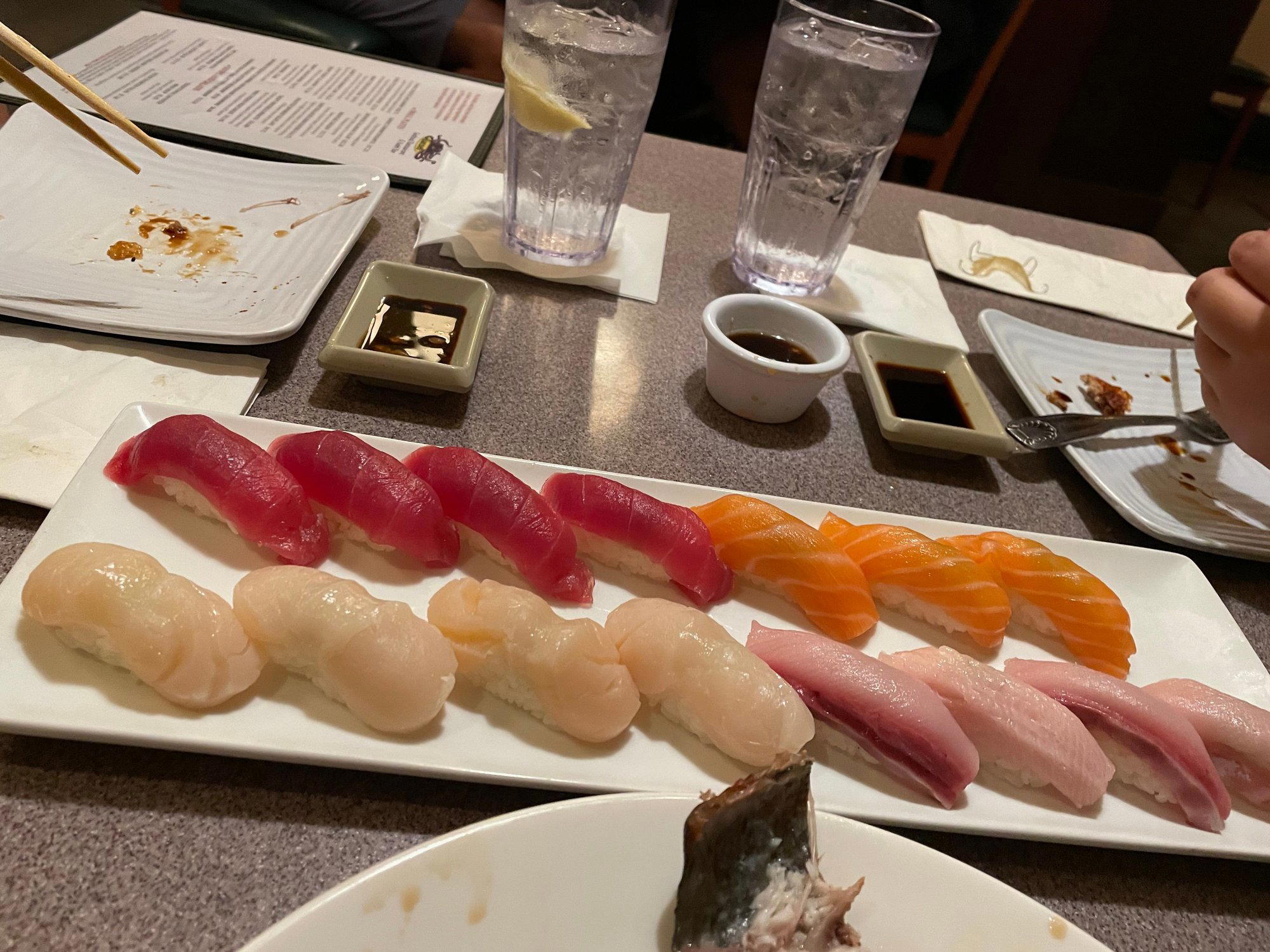
Where the Pacific Arrives on the Plate
The northwest coast of Maui has a particular relationship with its ocean. Kapalua is a resort area on Maui's northwest coast, and Sansei Seafood Restaurant & Sushi Bar at 600 Office Rd serves Contemporary Japanese Sushi & Seafood in a casual setting. At Sansei Seafood Restaurant & Sushi Bar on Office Road, that proximity is the operative fact: the menu reflects what the Pacific yields, filtered through a Japanese-influenced framework that has become one of the more durable culinary formats in the Hawaiian islands.
Here, the supply chain is geographic necessity as much as philosophy: island kitchens have limited import options for perishable seafood, and the freshest product often comes from boats rather than distributors. That structural reality tends to keep quality high and menus honest about what is actually in season.
The Format and the Setting
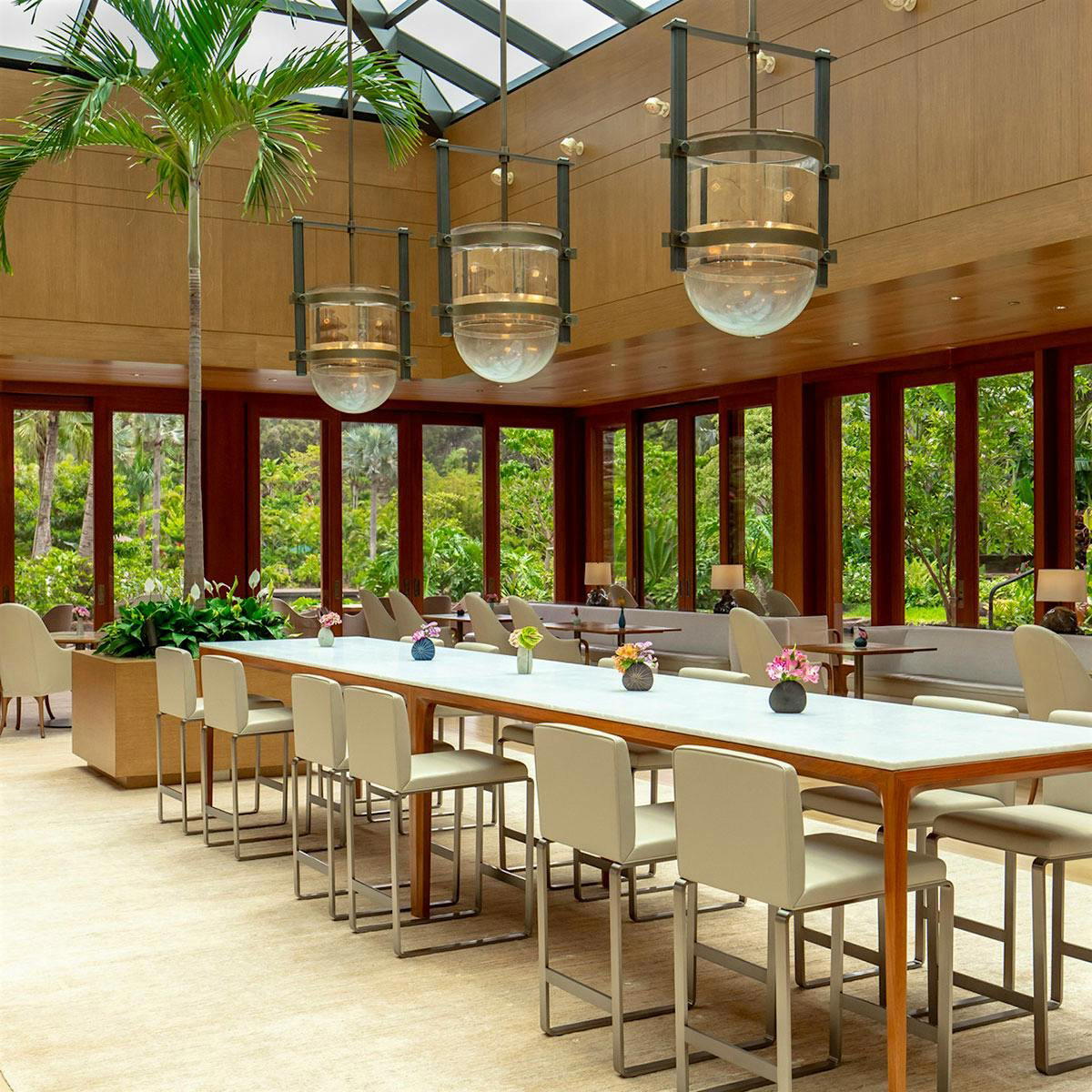
Sansei runs as a full-service seafood restaurant with a sushi bar component, a format that has historically performed well in Hawaii because it bridges the preferences of visitors who want Japanese-style raw preparations and those who want cooked, composed plates. The approach is less formal than the omakase-only counters that now define the upper tier of Japanese dining in Honolulu, and considerably less austere than the tasting-menu format favored at mainland destinations like The French Laundry in Napa or Smyth in Chicago. The Kapalua location places it within reach of the resort corridor, which means the dining room absorbs a mix of hotel guests and islanders, a more democratic cross-section than the exclusively destination-driven crowds that fill prix-fixe rooms.
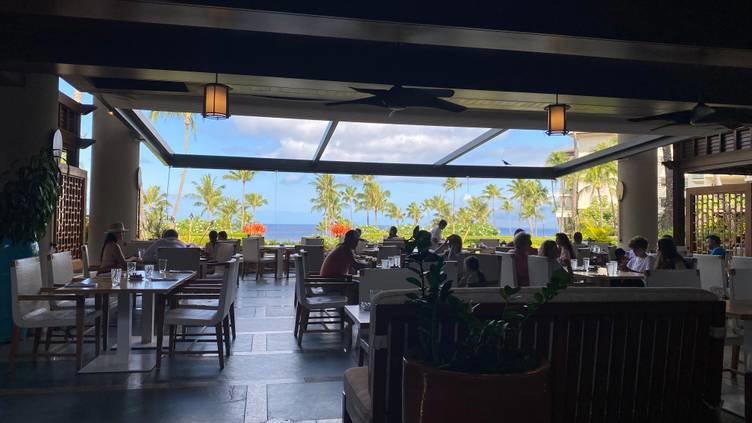
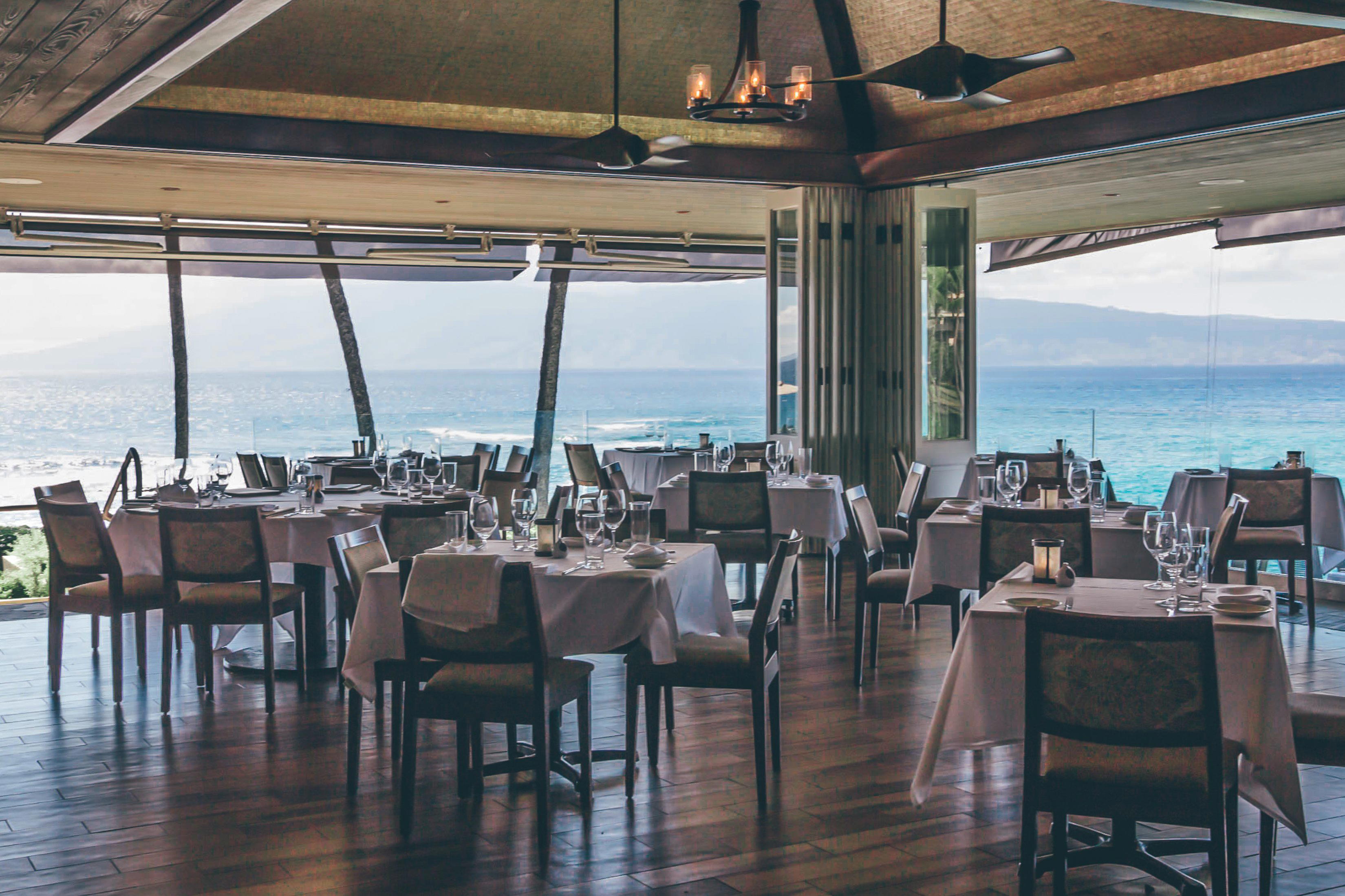
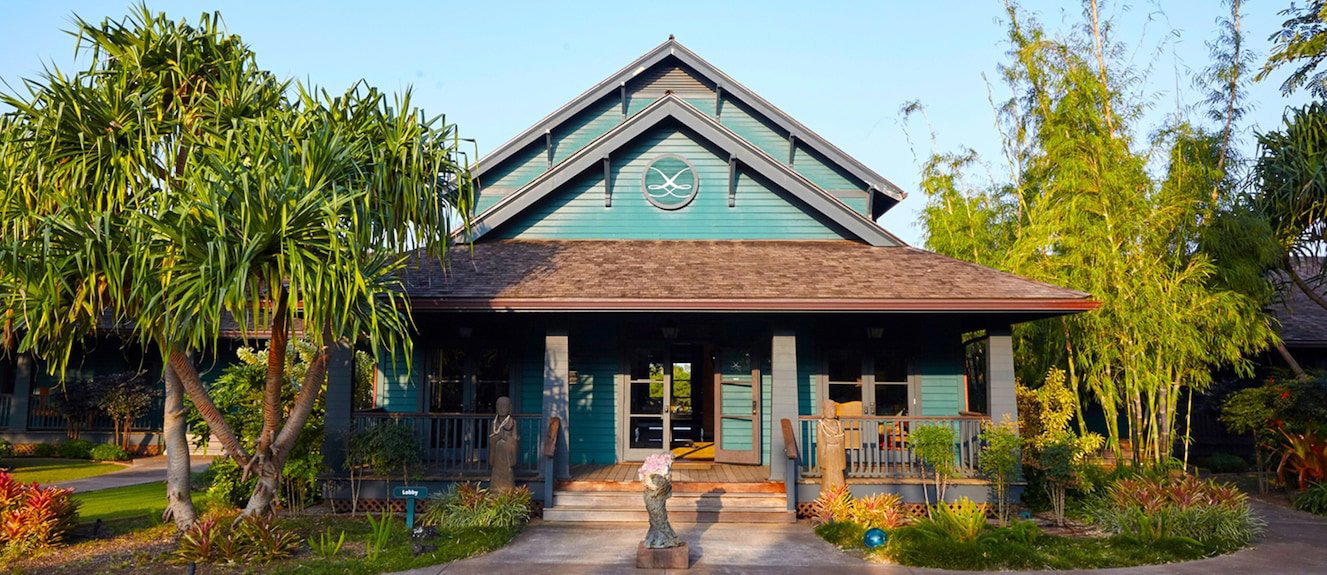
The physical approach along Office Road frames the experience before you enter: Kapalua's resort infrastructure gives way to a quieter stretch where the restaurant sits with minimal fanfare. Inside, the sushi bar functions as the operational anchor, and the kitchen behind it handles the cooked-seafood side of the menu. This dual structure reflects how Pacific-rim dining evolved in Hawaii across the 1990s and 2000s, when Japanese technique began integrating with local ingredient culture to produce something neither purely Japanese nor traditionally Hawaiian.
Pacific Seafood in Context
Understanding where Sansei sits requires understanding the broader arc of seafood-focused dining in the United States. At the formal end, places like Le Bernardin in New York City and Providence in Los Angeles have defined what rigorous, technique-heavy seafood cooking looks like at the four-star tier. At the sustainability end, Oyster Oyster in Washington, D.C. frames its sourcing choices as an explicit ecological argument. Sansei occupies a different register: accessible, ingredient-responsive, and grounded in the particular logic of island supply chains rather than in either Michelin-courting refinement or activist sourcing frameworks.
That positioning has proved resilient. Hawaii's restaurant scene has absorbed waves of mainland influence, from the farm-to-table movement to the ramen boom to the current moment of Korean-inflected tasting menus represented on the mainland by venues like Atomix in New York City. The Japanese-Hawaiian fusion format that Sansei represents predates most of those waves and has outlasted several of them. Its durability reflects something about how Hawaii actually eats: with less concern for category purity than for freshness and execution.
For context on where Hawaii-specific ingredient sourcing stands against broader American traditions, it helps to look at how chefs across the country have approached local procurement. Merriman's, Sansei's neighbor in the Kapalua restaurant corridor, has built its identity explicitly around Hawaiian-grown ingredients and documented sourcing relationships. Sansei's orientation is toward the water.
Seafood, Technique, and the Hawaiian Kitchen
Japanese culinary technique took root in Hawaii earlier and more deeply than almost anywhere else in the continental United States, a consequence of the islands' demographic history and the fishing cultures that sustained it. The result is that sushi and sashimi preparation in Hawaii exists within a different cultural context than it does in, say, the omakase rooms of Manhattan or the precision-driven kaiseki formats at places like ITAMAE in Miami. Hawaii's Japanese-influenced seafood kitchens developed as community cooking, not as fine-dining import, and that origin still shapes how restaurants like Sansei are received by locals.
The sushi bar format remains the clearest expression of that tradition. Raw fish preparation depends on supply-chain integrity more than almost any other cooking discipline, and in Kapalua, the supply chain is short. Ahi, mahi-mahi, and onaga, the red snapper prized in Hawaiian waters, move from boat to kitchen within timeframes that most mainland seafood restaurants cannot replicate. That logistical advantage is the underlying argument for the format in this location.
Planning a Visit
Sansei sits at 600 Office Road in Lahaina, within the Kapalua resort area on Maui's northwest coast. The restaurant draws from the resort hotels nearby as well as from the broader West Maui dining circuit, so weekends and high travel season (December through April, and again in summer) tend to fill quickly.
For travelers calibrating Sansei against other American seafood destinations, the frame of reference matters. This is not the territory of Addison in San Diego or The Inn at Little Washington. It operates in a register that values accessibility and Pacific ingredient freshness over formal progression. That distinction is not a limitation; it is the point. Visitors who arrive expecting the tasting-menu gravity of Lazy Bear in San Francisco or Emeril's in New Orleans will have calibrated incorrectly. Those who arrive wanting fresh Pacific seafood in a relaxed Maui setting, prepared through a Japanese-influenced lens, will find the format does what it promises.
Comparable sourcing-focused restaurants elsewhere in the American West build their identities around a specific regional agricultural identity. Sansei's identity is built around an oceanic one. The Pacific is the larder, and Kapalua is close enough to its edge that the connection remains tangible. For restaurants of this type, that proximity is both the credential and the editorial argument. Geography as larder is a globally recognized framework, it simply looks different when the geography is a Pacific island rather than a mountain range.
Comparable Spots, Quickly
Comparable venues nearby, for context on price, style, and recognition.
| Venue | Cuisine | Price | Awards | Notes |
|---|---|---|---|---|
| Sansei Seafood Restaurant & Sushi BarThis venue — the venue you are viewing | Contemporary Japanese Sushi & Seafood | $$$ | , | |
| Merriman’s | Farm-to-Table Hawaiian Seafood | $$$$ | Kapalua | |
| Merriman's Kapalua | lounge | $$$$ | , | Kapalua |
| Oao | Traditional Japanese Omakase | $$$ | , | Kihei |
| Ki Club | Japanese Fusion | $$$ | , | Ala Moana |
| Takumi | Artisan Japanese Sushi and Omakase | $$$$ | , | Ka'anapali |
Continue exploring
More in Kapalua
Restaurants in Kapalua
Browse all →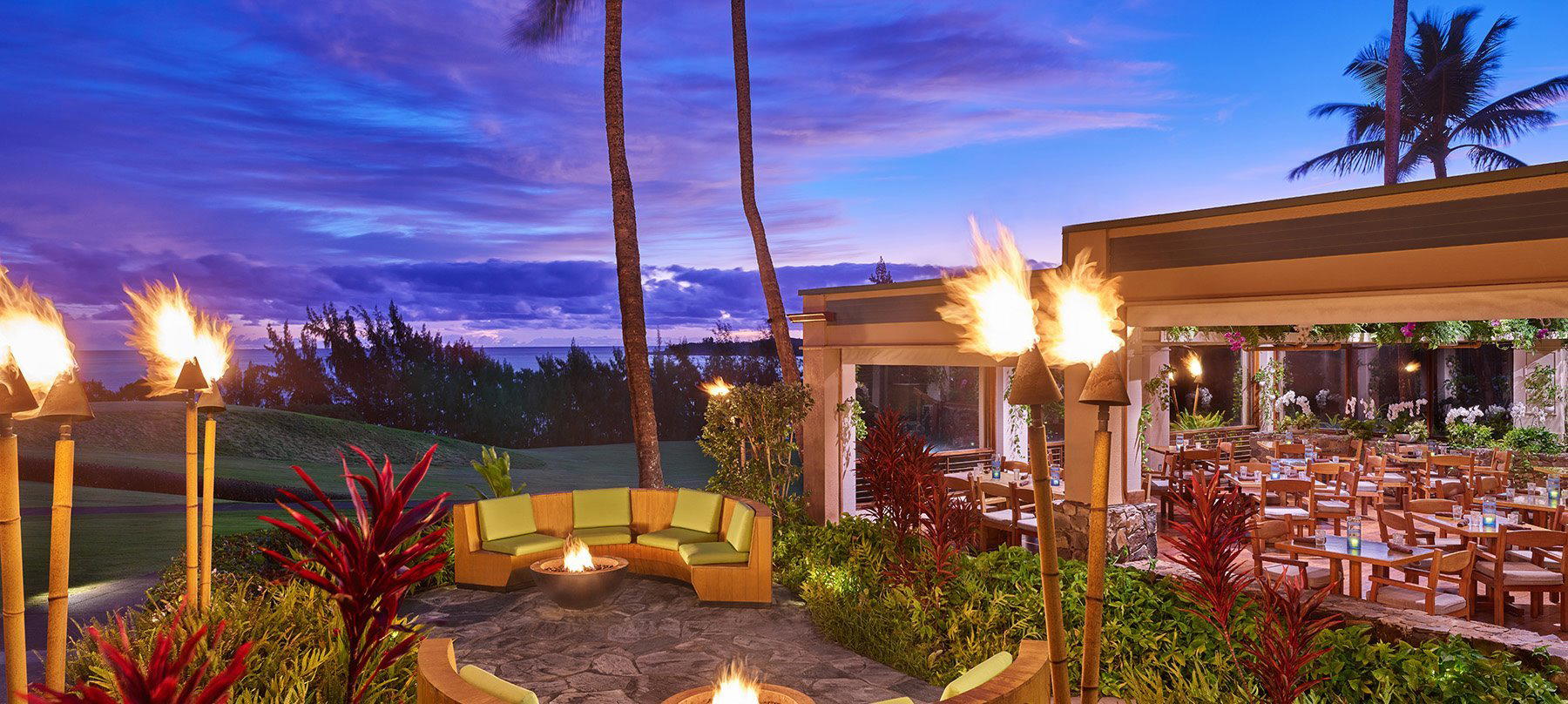
At a Glance
- Lively
- Energetic
- Date Night
- Celebration
- Late Night
- Open Kitchen
- Sake Program
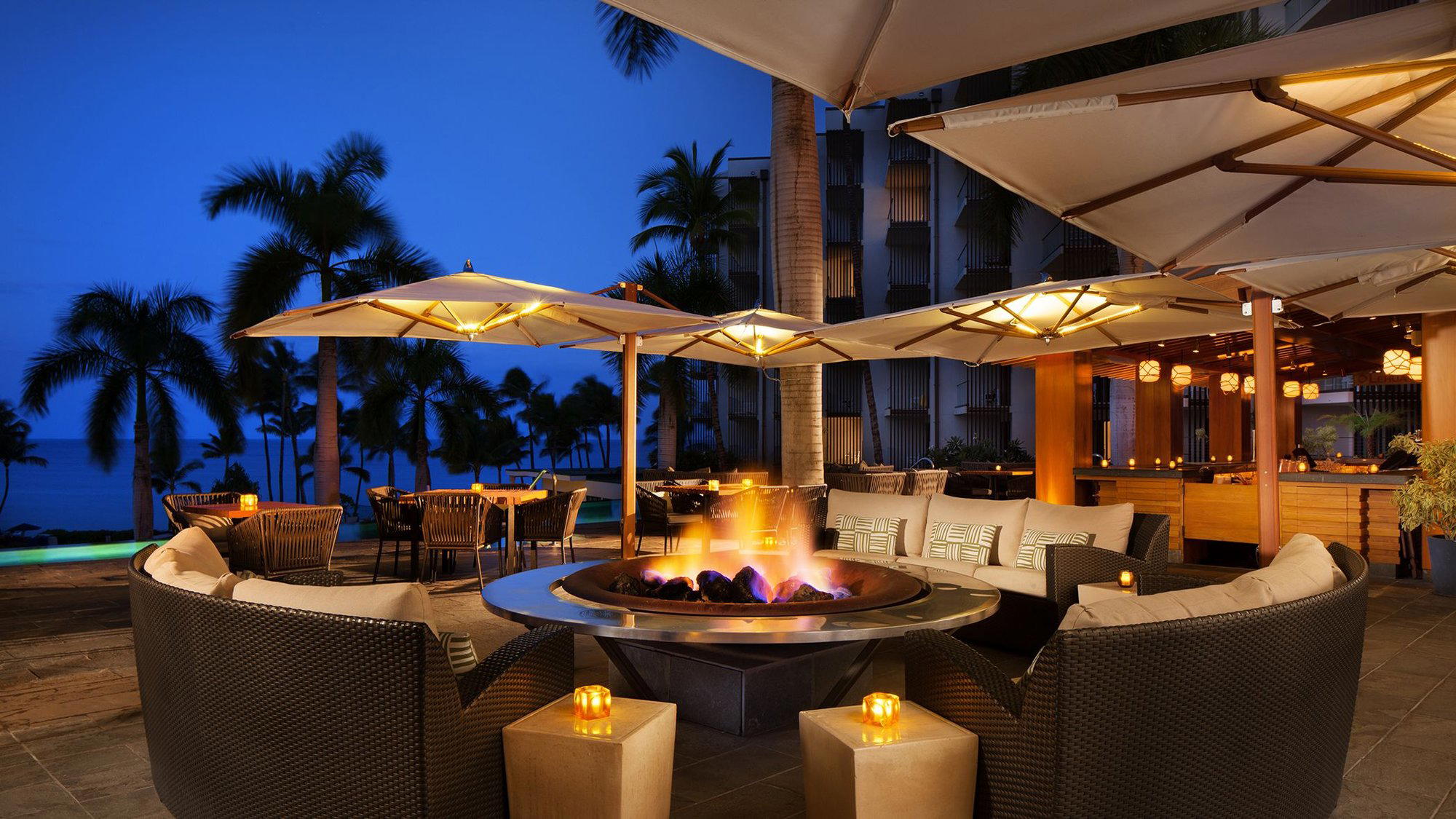
Lively and upbeat atmosphere with energetic dining vibe.