Sensei Lanai, A Four Seasons Resort



Sensei Lanai, A Four Seasons Resort sits on one of Hawaii's most secluded islands, combining Japanese-influenced wellness architecture with a Nobu-led dining concept and goal-oriented programming across 96 rooms and suites. Round-trip air from Honolulu on Lanai Air is included in the room rate, making arrival as considered as the stay itself. La Liste ranked the resort 90 points in its 2026 Top Hotels list, placing it firmly in the upper tier of American wellness destinations.
Pearl is the En Primeur Club membership app — saves, bookings, and concierge access live there. Same editors, same standards.
- Address
- 1 Keomoku Highway, Lanai City, HI 96763
- Phone
- +1 808-565-4500
- Website
- fourseasons.com
- Directions
- Get directions
 Saves & bookings on Pearl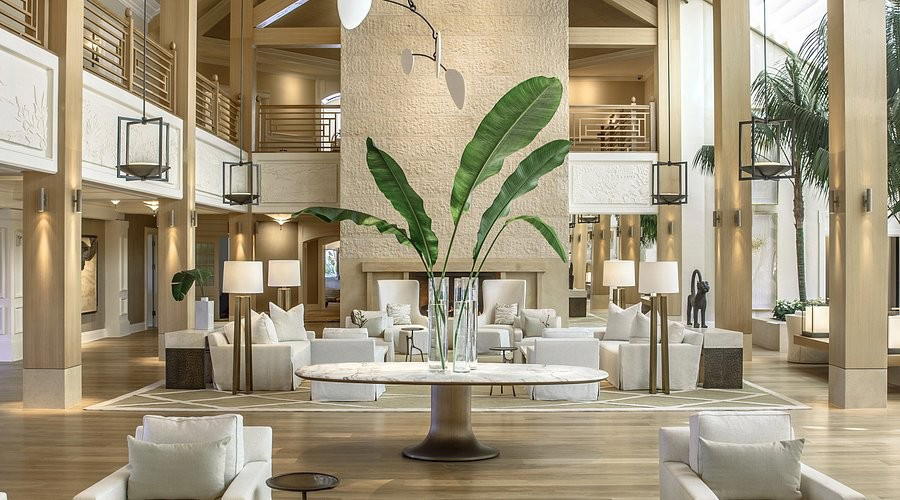
An Island Designed for Stillness
Lanai has always operated at a remove from the rest of Hawaii. With no traffic lights, no chain stores, and a population measured in the low thousands, the island's pace is structural rather than aspirational. That context matters when assessing Sensei Lanai, A Four Seasons Resort, because the surrounding quiet is not incidental to the offering. It is the foundation of it. Pine-covered ridgelines and open sky replace the visual noise that most luxury retreats must work against; here the environment does a significant portion of the therapeutic work before a guest has booked a single treatment.
The resort sits at 1 Keomoku Highway, Lanai City, at elevation, which gives it a cooler, more contemplative register than the beach properties that define most people's idea of Hawaiian luxury. The nearby Four Seasons Resort Lanai covers the coastal side of the island's premium offer, with guests at Sensei Lanai granted access to that sister property's beach. The two properties serve distinct purposes within the same ownership structure, and understanding that split is essential for anyone choosing between them.
The Nobu Concept at the Centre of It All
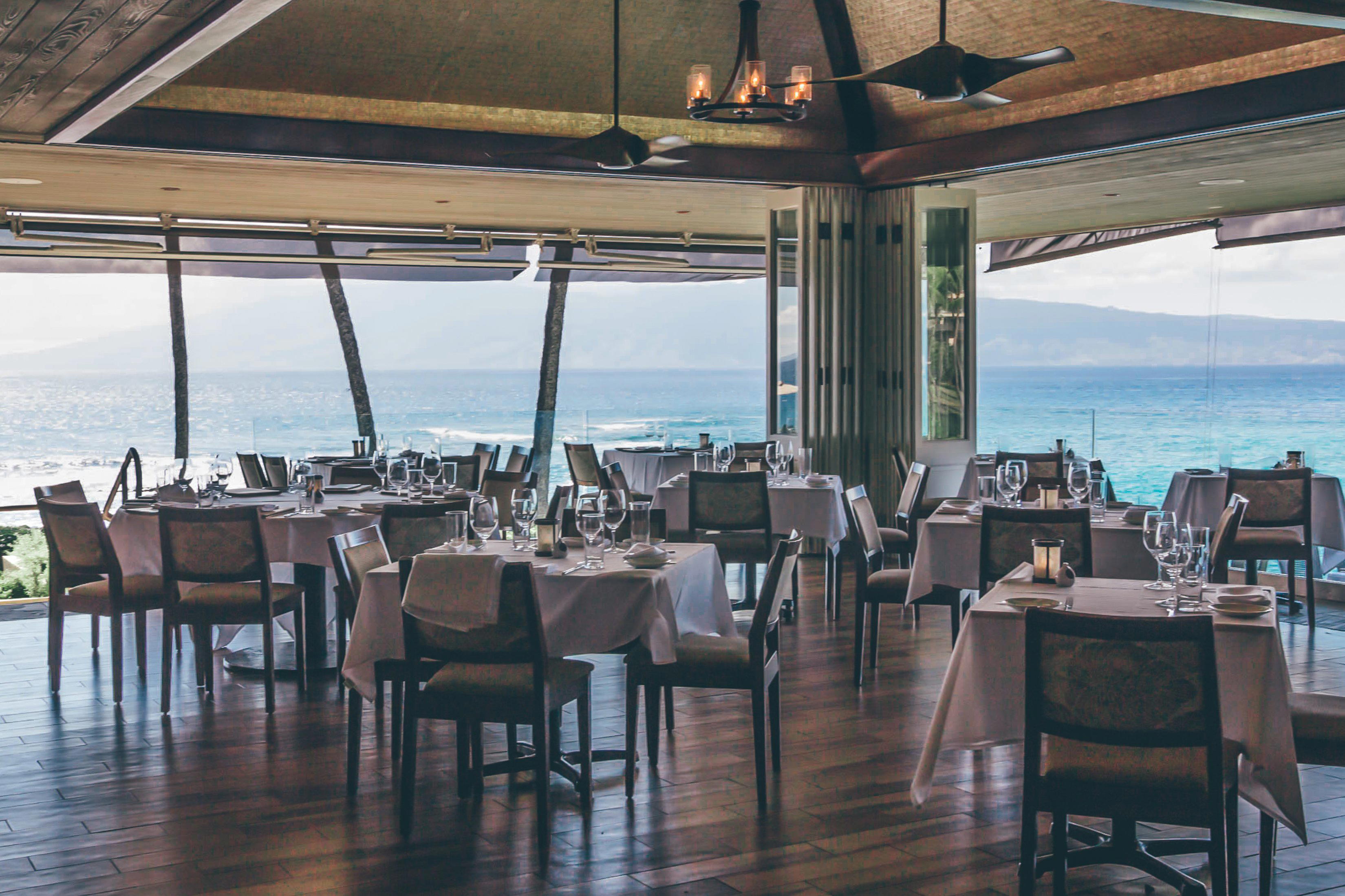
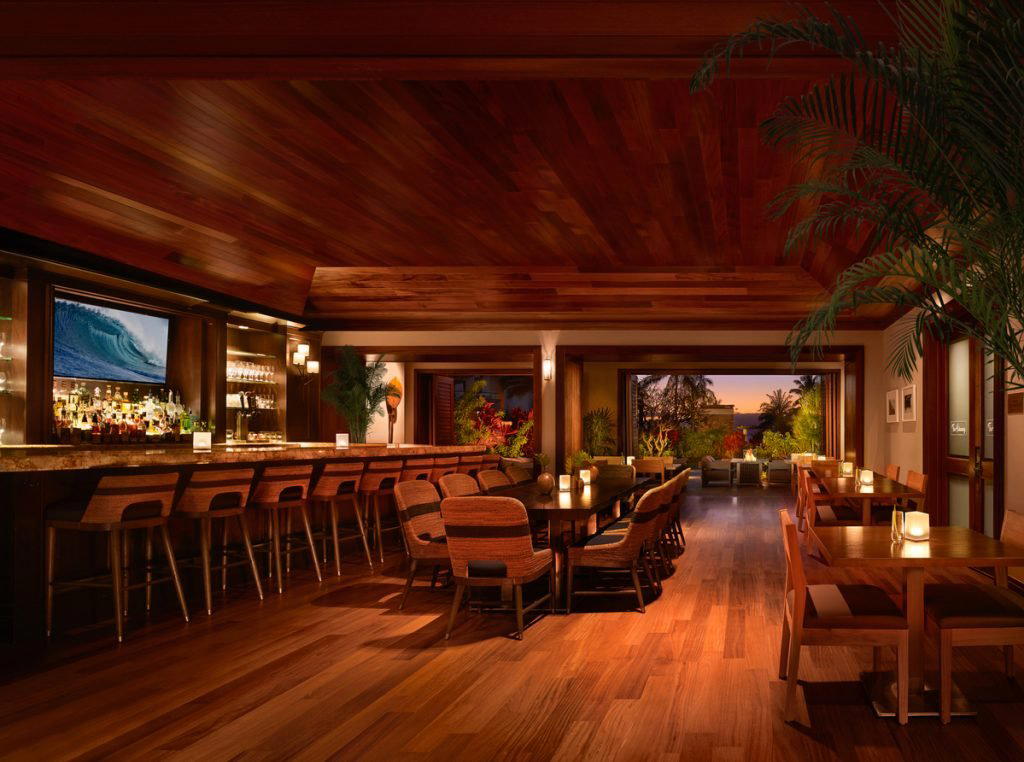
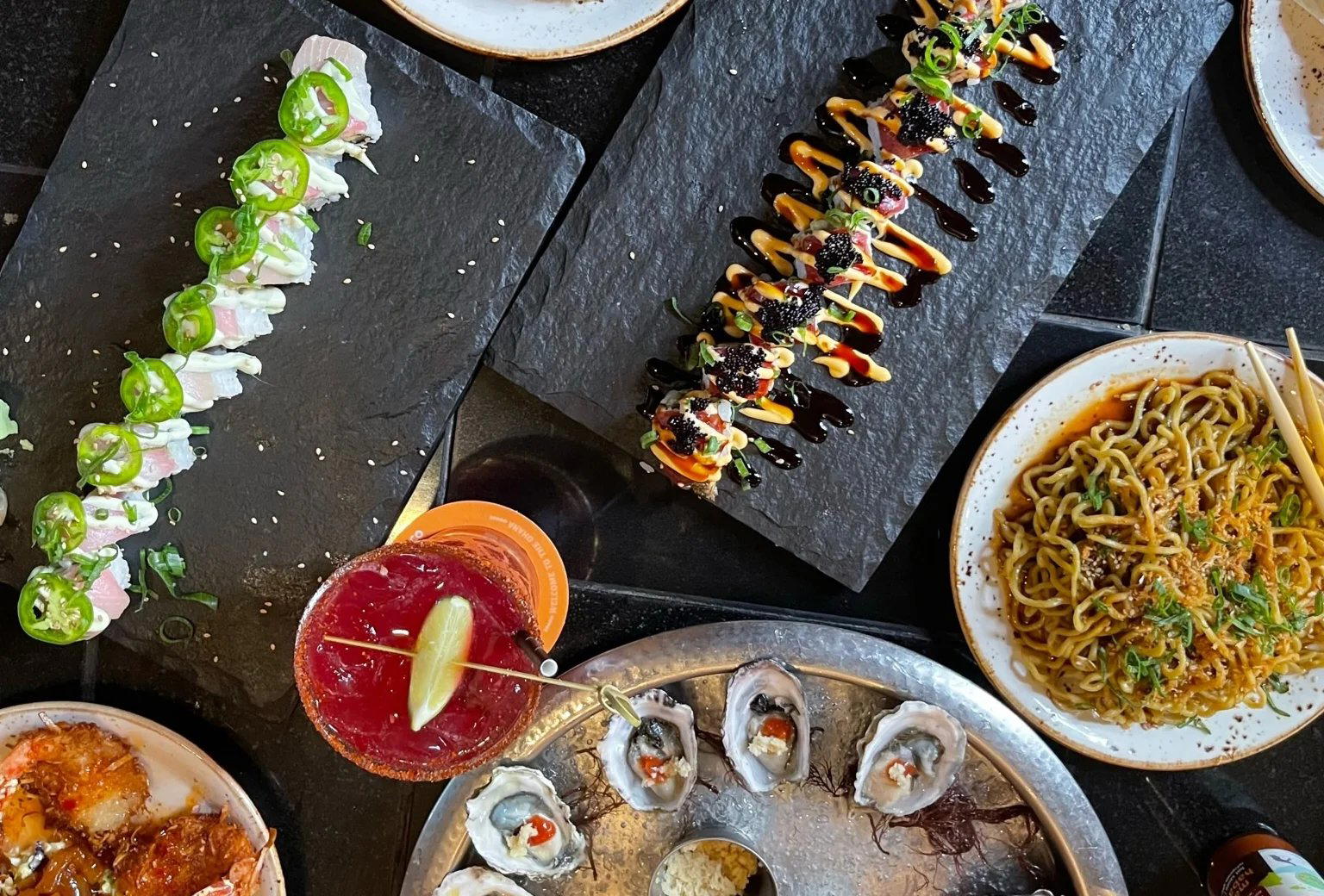
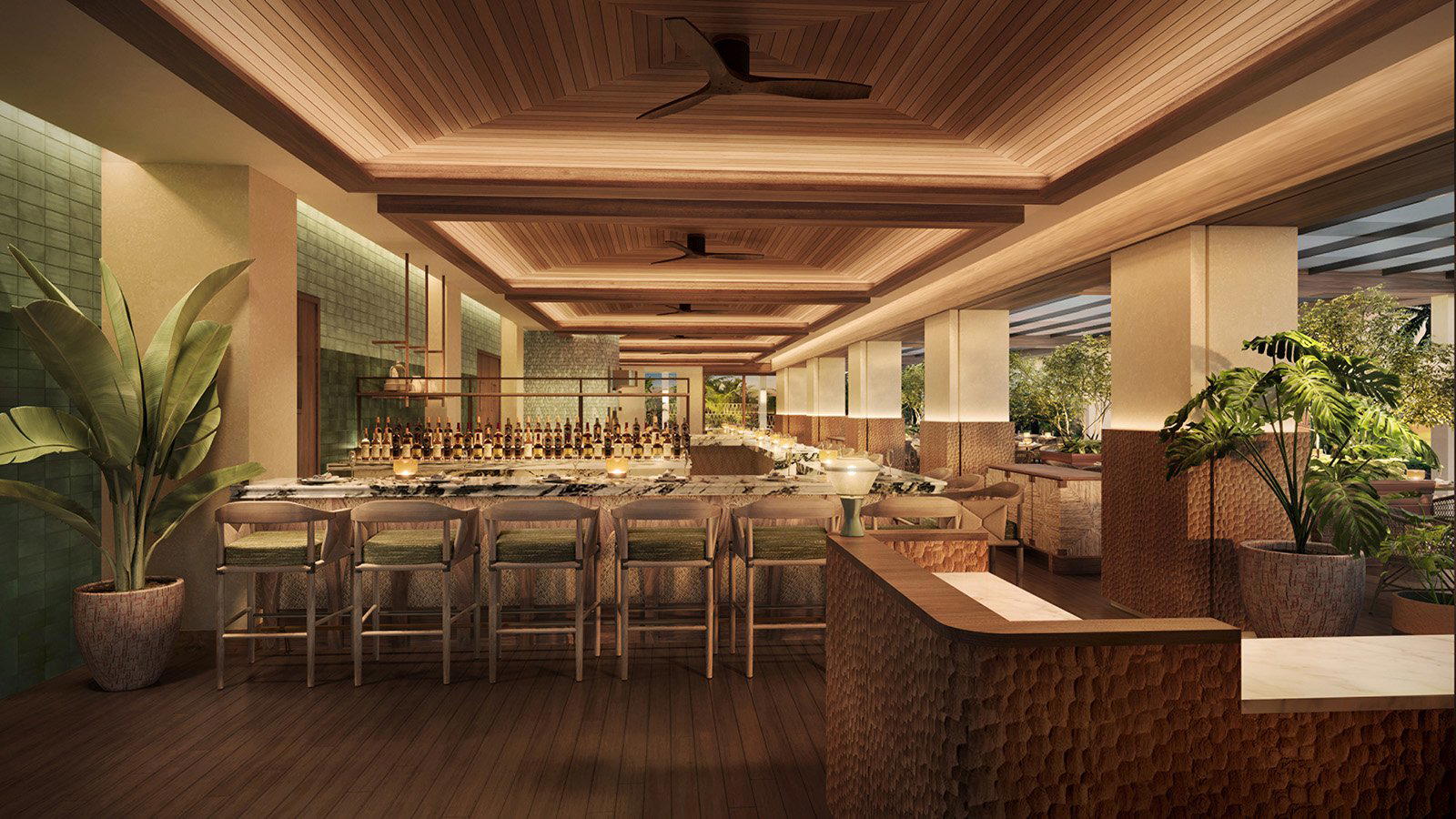
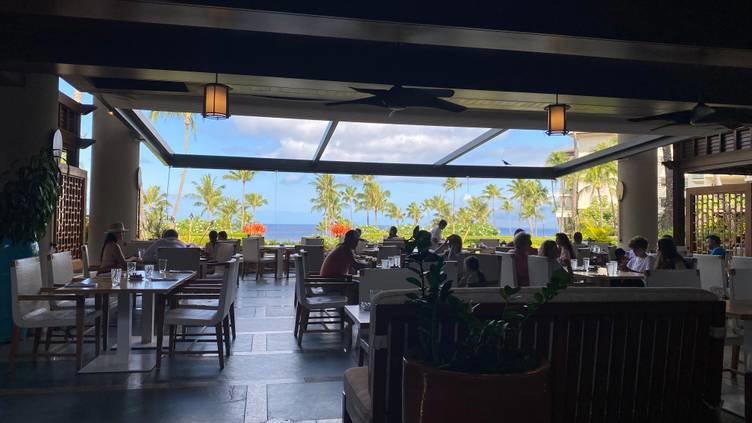
The wellness-resort dining category often defaults to spa cuisine in the pejorative sense: clean, bland, and transactional. Sensei Lanai takes a different position by anchoring its food programme to a Nobu concept, housed in a conservatory-style space that overlooks the resort's water features. The format is a healthy interpretation of the Nobu kitchen rather than its full theatrical range, but the association matters in establishing that nourishment here is treated as a serious discipline rather than an afterthought to the spa schedule.
Nobu Matsuhisa's global reputation rests on a particular synthesis of Japanese technique and South American ingredient logic, developed through time in Peru before becoming a defining influence on how fine Japanese food is received in Western luxury markets. That lineage, applied to a wellness context on a remote Hawaiian island, represents a genuine editorial position in the resort's culinary programme. The conservatory setting reinforces the connection between the dining experience and the garden environment immediately outside, something that destination wellness properties like Canyon Ranch Tucson and Amangiri in Canyon Point have pursued through different culinary approaches. The question Sensei Lanai answers differently is whether a named chef identity can coexist with therapeutic intent without one undermining the other.
Wellness Architecture and the Programme Structure
The resort's approach to wellness is goal-oriented in a specific, pre-arrival sense. Guests undertake a phone interview before their stay, which feeds into a personalised itinerary developed with a sensei guide on the ground. That guide adapts the programme daily rather than delivering a fixed schedule, which places the format closer to high-end personal coaching than to the week-long retreat model common in the category. The recommended minimum stay is five nights for optimum results, and the resort has an age minimum of 16 years.
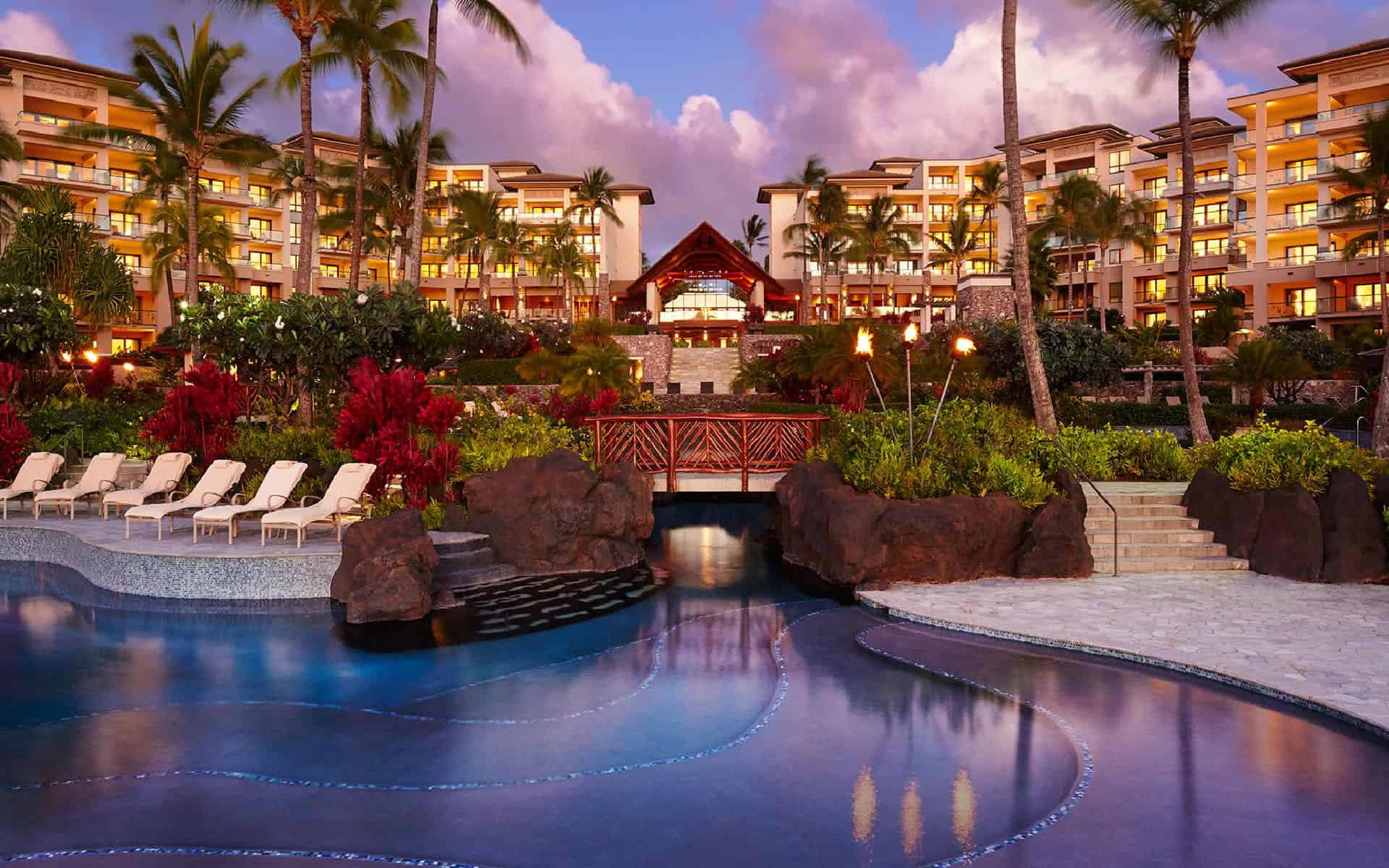
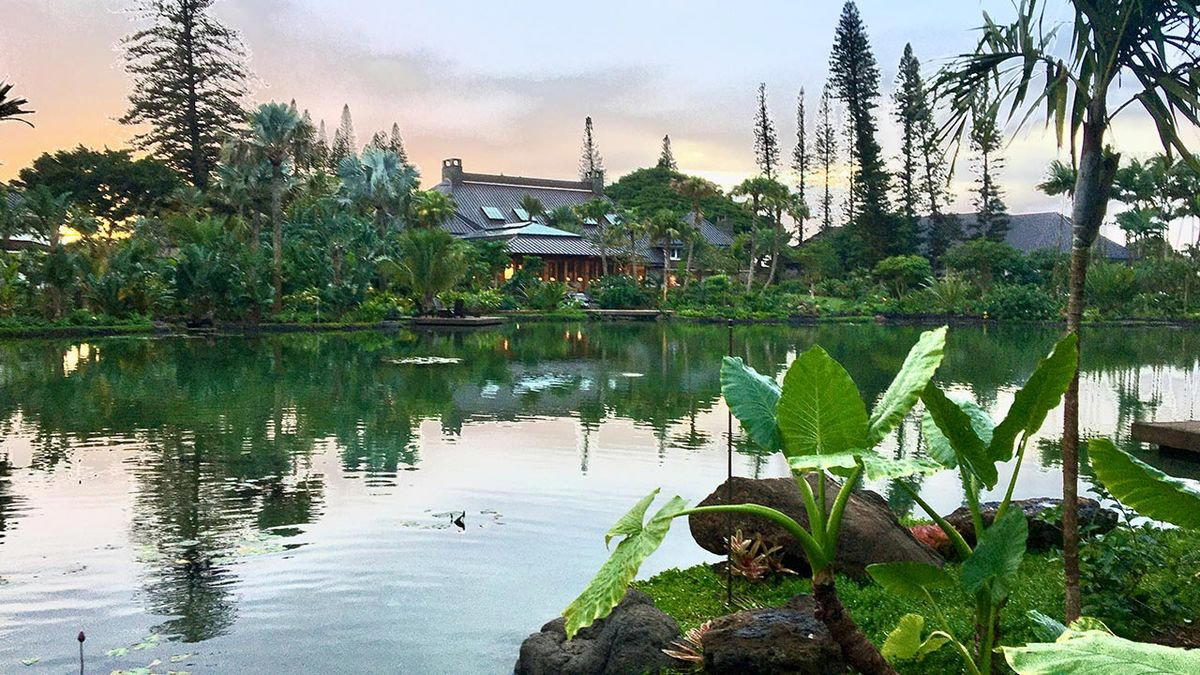
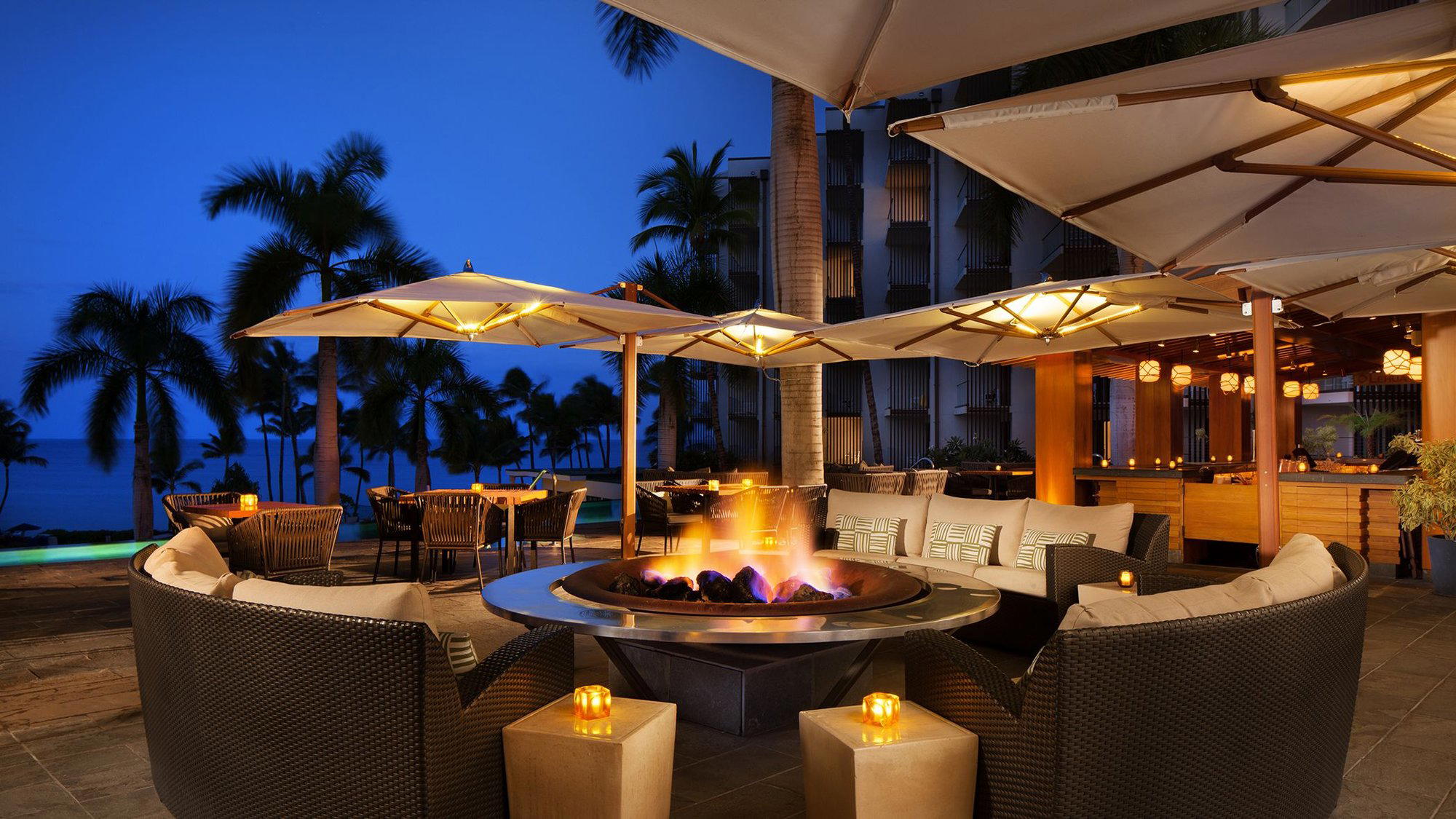
Ten Japanese-inspired spa hales form the treatment infrastructure. Each functions as a self-contained private unit with indoor and outdoor plunge pools, ofuro soaking tubs, onsen pools, infrared sauna, and oversized treatment beds. Walking paths connect these structures through gardens that contain museum-quality sculpture, tropical ferns, onsen soaking pools, and a shimmering lake with alcoves designed for extended stillness.
Daily programming runs to between ten and sixteen options, spanning guided meditation, advanced vinyasa yoga, sunrise hikes, fascia classes, and formats led by visiting wellness practitioners. Fitness classes and yoga are included in the room rate; private wellness consultations, spa treatments, and dining carry additional costs. The base rate also covers round-trip airfare from Honolulu on Lanai Air, a 35-minute flight, plus all airport transfers. That inclusion reduces the logistical friction of reaching one of Hawaii's least-accessed islands and should be factored into any comparison of the rate against mainland wellness properties.
Rooms That Recede Into the Environment
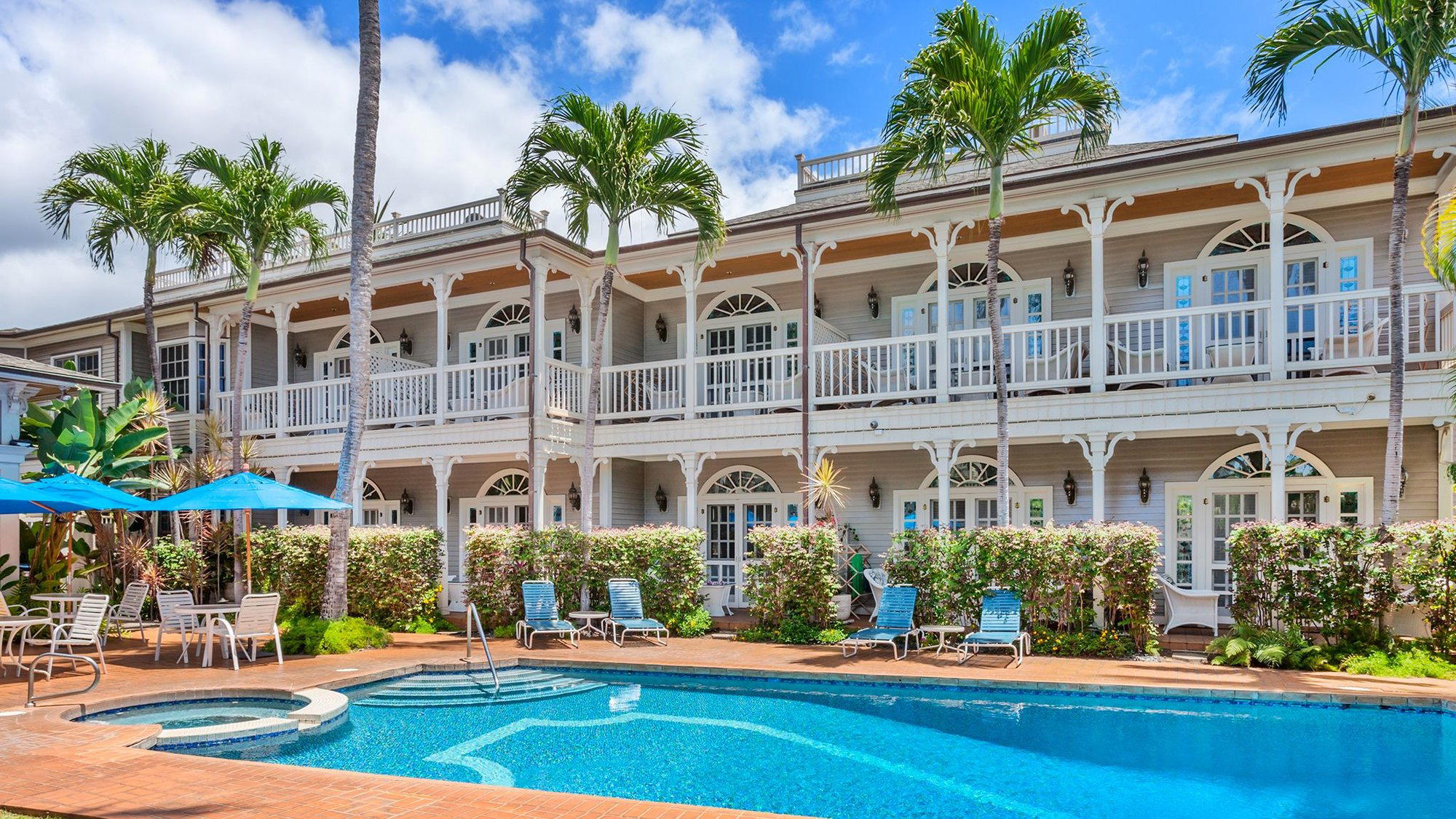
The 92 rooms and four suites take a deliberately understated position, finished in neutral cream, tan, and white tones that function as visual negative space after the garden and spa programme. Many face the gardens directly. The accommodation emphasises showers over in-room bathtubs, a considered decision given the number of soaking options across the spa garden, including ten heated onsen tubs in the outdoor garden complex.
The leading room category, the 1,200-square-foot Kaiholena suite, includes an 85-inch television, a spa-configured bathroom, and a fireplace, the last of which is less theatrical than practical during Lanai's cooler winter evenings at elevation. The design language throughout references the island's plantation history through bleached koa wood and locally sourced art and furnishings, an approach that carries more local specificity than the generic Pacific aesthetic applied to many Hawaiian resort interiors. Technology is present without being foregrounded: intuitive lighting systems, in-room iPads, and 70-inch flat-screen televisions are standard across the guestroom tier.
Activity Range Beyond the Spa
Activity programme extends well beyond the spa schedule, which is significant for guests booking as couples or for those who want to mix wellness with outdoor engagement. The Lanai Adventure Center, operated in partnership with Synergo, provides zip lines, electric bike rentals, and ropes courses. The nearby Stables at Koele offer carriage rides and horseback riding along the ridgelines surrounding the ranch, including interaction with miniature ponies and goats. Sunset cruises, snorkelling, and gallery visits in Lanai City are available through the sensei guide. Access to the Four Seasons Resort Lanai's beach facilities extends the coastal options without requiring a separate booking. For further context on what Lanai offers as a destination, our full Lanai restaurants guide covers the island's dining and hospitality scope more broadly.
Within the American destination wellness market, the closest structural comparisons are properties that combine programme depth with remote positioning and a strong culinary identity: Amangani in Jackson Hole for the elevation-and-stillness model, Sage Lodge in Pray for the activity-integrated outdoor retreat, and Bernardus Lodge and Spa in Carmel Valley for the food-as-programme approach.
La Liste included Sensei Lanai in its 2026 Leading Hotels ranking at 90 points, a credential that places it within a recognised international tier of hospitality rather than resting on resort-category metrics alone. The Four Seasons operating framework adds service consistency to what is, in conception, an unusually specific product: a tech-inflected, Japanese-influenced, goal-oriented wellness retreat on a privately owned Hawaiian island that most visitors to the state will never reach. That specificity is the argument for booking it over alternatives; the question is whether your wellness goals match what the programme is actually built to deliver.
Planning Your Stay
Sensei Lanai is open exclusively to guests aged 16 and older. Round-trip Lanai Air flights from Honolulu and all airport transfers are included in the room rate, which meaningfully simplifies travel logistics. Stays of five nights or more are recommended for guests pursuing structured wellness outcomes; shorter visits are possible on a room-rate-only, à la carte basis. Packages include either a Guided Sensei Experience for one or for two, each incorporating a daily wellness credit. Spa treatments, private consultations, dining at the Nobu concept, and island activities are priced additionally. The resort accommodates guest objectives across a wide range, from sleep improvement and detox programmes to skill acquisition and relaxation, and the sensei guide system is designed to recalibrate the itinerary as those objectives evolve during the stay.
Recognition history
Dated appearances from independent guides and award organizations, with the underlying list record or original source where available.
Forbes 4-Star
Forbes
La Liste Top Hotels
La Liste
Virtuoso Luxury Hotel Partner
Virtuoso
Forbes 4-Star
Forbes
At a Glance
- Quiet
- Elegant
- Sophisticated
- Scenic
- Intimate
- Ornate
- Wellness Retreat
- Romantic Getaway
- Honeymoon
- Anniversary
- Infinity Pool
- Private Villa
- Destination Spa
- Golf Course
- Panoramic View
- Pool
- Spa
- Fitness Center
- Room Service
- Concierge
- Valet Parking
- Wi Fi
- Golf Course
- Beach Access
- Mountain
- Garden
- Pool
- Spa
- Fitness Center
- Room Service
- Concierge
- Valet Parking
- Wi Fi
- Golf Course
- Beach Access
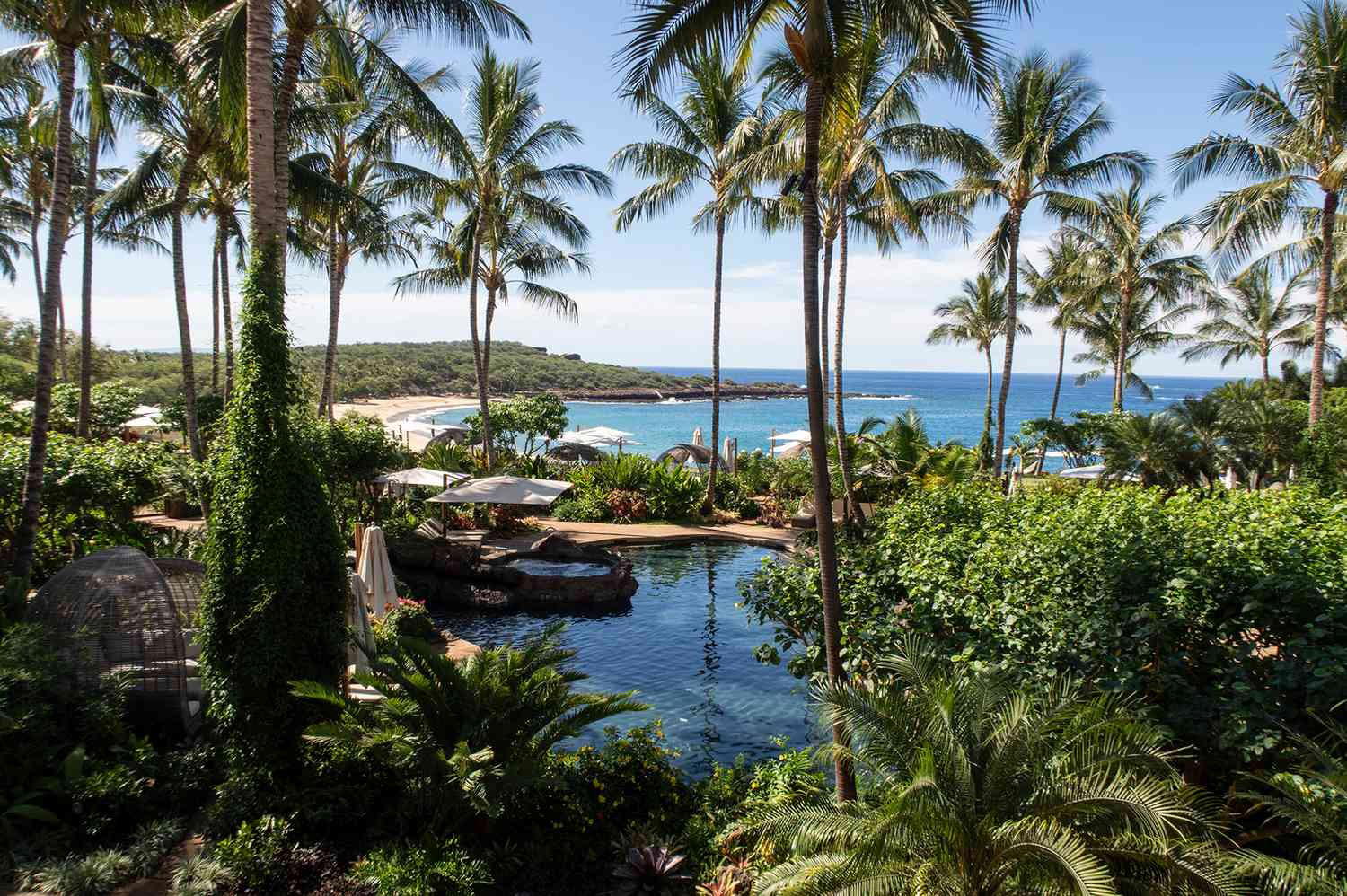
Serene and tranquil with softly lit garden paths, lush tropical greenery, natural light-filled spaces, and calming natural elements like waterfalls and onsen baths.
Know Before You Go
- Getting there
- 1 Keomoku Highway, Lanai City, HI 96763