Takumi
Takumi sits within Lahaina's evolving dining scene, where Japanese-inflected cooking meets the ethical sourcing pressures that define serious restaurants in Hawaii today. Located at 2580 Kekaa Dr in the Kaanapali corridor, it occupies a quieter tier than the resort-facing crowd-pleasers along Front Street, drawing a more deliberate diner who arrives with intent rather than impulse.
Pearl is the En Primeur Club membership app — saves, bookings, and concierge access live there. Same editors, same standards.
- Address
- 2580 Kekaa Dr J2, Lahaina, HI 96761
- Phone
- +18082145780
- Website
- takumimaui.com
 Saves & bookings on Pearl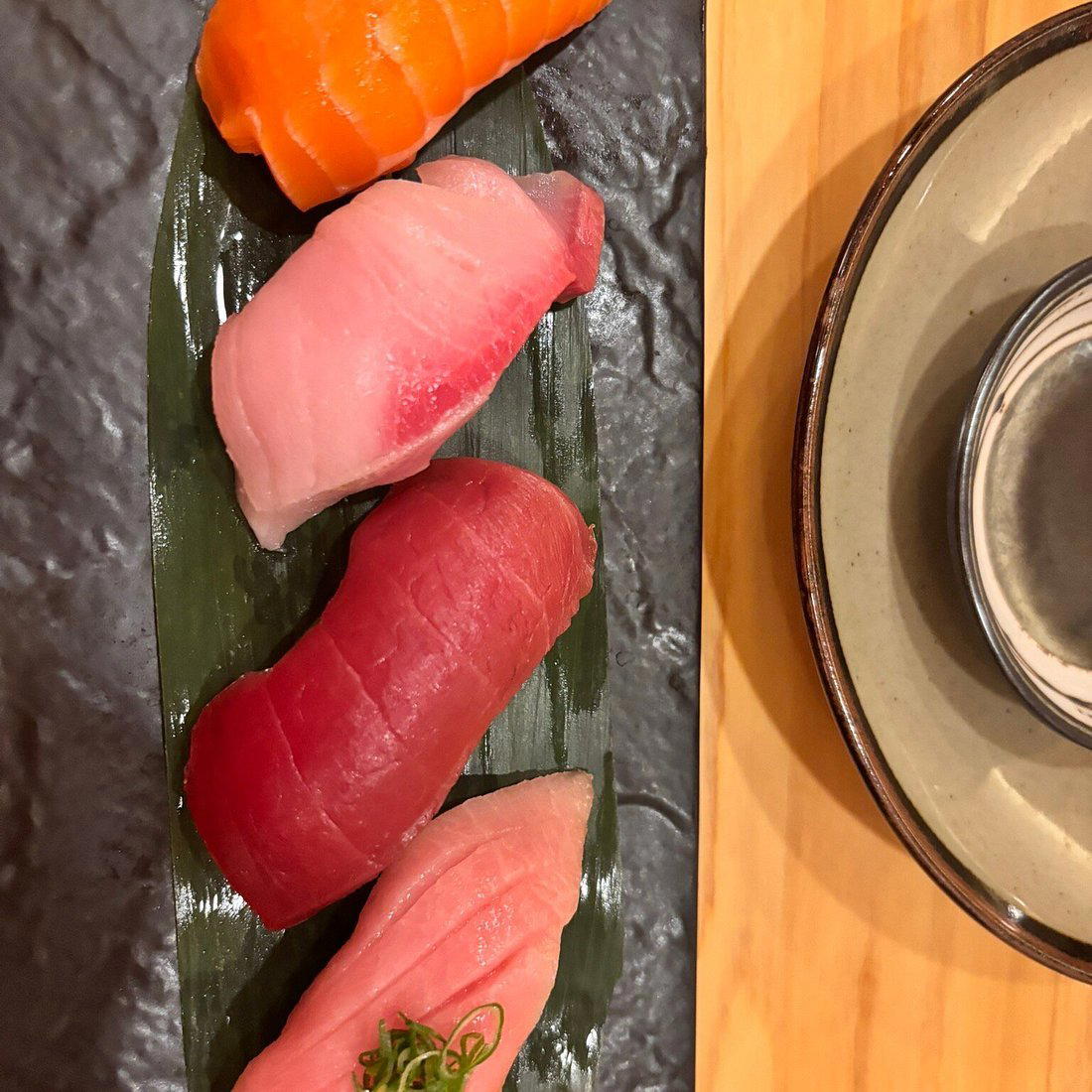
Where Lahaina's Dining Scene Gets Quieter and More Considered
West Maui's restaurant options split cleanly along a familiar fault line: the waterfront-facing venues built for volume and visibility, and a smaller cohort operating in the background of resort corridors, serving food that rewards attention rather than spectacle. Takumi, a Japanese sushi and omakase restaurant in Lahaina, is a smart-casual, reservation-recommended venue at 2580 Kekaa Dr J2. Its position in the J2 unit of a low-key commercial strip is not incidental, it reflects a deliberate distance from the tourist-facing theatre of Aloha Mixed Plate or the beach-bar energy of Castaway Cafe. In Lahaina, where fire recovery and rebuilding have intensified conversations about what kind of dining culture the community wants to sustain, a quieter, more locally focused room carries its own editorial weight.
The physical approach matters here. You arrive not through a valet line or past a maître d' at a podium draped in orchids, but through a modest exterior that asks nothing of you before you've eaten. That restraint sets the register for what follows, a kitchen that, in the tradition of Japanese-influenced cooking in Hawaii, operates on precision and product rather than ceremony and noise. The name itself, Takumi, translates loosely as artisan or craftsman in Japanese, which is not an accident in a place where the idea of craft in dining means sourcing from the islands rather than importing convenience.
Ethical Sourcing and the Hawaiian Context
Hawaii sits in an unusual position for any serious restaurant: it is both one of the most biodiverse food environments in the Pacific and one of the most import-dependent food economies in the United States. Over 85 percent of Hawaii's food arrives by ship or plane, which means the gap between what the islands can produce and what their restaurants actually serve is often wide. Restaurants that close that gap, working with local fishermen, sourcing from upcountry Maui farms, or building menus around what is seasonal and available rather than what is expected, operate against structural friction, not with it.
The broader movement toward traceable, island-sourced ingredients has found stronger institutional expression at places like Cane & Canoe at Montage Kapalua Bay, where Polynesian fusion framing gives room for local ingredient storytelling, and at the farm-to-table tradition that Banyan Tree has long occupied at the luxury end of the Kaanapali strip. In that context, the quieter operators in the mid-tier carry a different but equally relevant version of the same conversation: what does responsible cooking look like when you are not working with a resort's purchasing power?
Across the mainland, the ethical sourcing model has found some of its clearest expressions at farms-as-restaurants: Blue Hill at Stone Barns in Tarrytown and Single Thread Farm in Healdsburg both treat ingredient provenance as the primary editorial statement of the menu. In Hawaii, the analog is less about attached farmland and more about relationships with specific fishermen, ranchers on the slopes of Haleakala, and small-scale growers in Kula who supply restaurants willing to commit to their harvest cycles rather than demand year-round consistency.
Where Takumi Sits in the West Maui Dining Conversation
West Maui's dining scene in 2024 and into 2025 is operating in partial reconstruction, literally and figuratively. The 2023 Lahaina fire eliminated a significant number of Front Street institutions, and the rebuilding process has created both grief and, for some operators, an opening to define what comes next. The restaurants that survived or have since opened carry an implicit question: what is the town's dining culture trying to become?
Against that backdrop, a Japanese-inflected operator in a quieter Kaanapali address occupies interesting territory. Japanese culinary discipline, its emphasis on technique over embellishment, on respecting the ingredient's natural state, aligns naturally with the sustainability argument. The connection between craft cooking and low-waste kitchens is not rhetorical: when your sourcing is expensive and logistically complicated (as it always is in Hawaii), you waste less, use whole animals and fish, and build menus around what you have rather than what you wish you had. The leading Japanese cooking traditions in the United States have operated this way for decades, from the austere counter format seen in Michelin-starred omakase rooms in New York and Los Angeles to the more casual izakaya style that has shaped how American diners think about shared small plates.
For regional comparison, the farm-and-sea sourcing ethics that define serious cooking on Maui find their sharpest national counterparts at Providence in Los Angeles, where sustainable seafood sourcing is a documented program, or at Addison in San Diego, where California's coastal supply chain shapes a tasting menu with Michelin recognition. In the Hawaii context, without the same infrastructure of agricultural suppliers, the ethical sourcing challenge is harder and the choices more visible on the plate.
Other notable restaurants in the Lahaina-Kaanapali corridor approach the local sourcing question from different directions. Betty's Beach Cafe leans toward casual accessibility; Monkeypod Kitchen, further south in Kihei, has made the local farm and fishing relationship a centerpiece of its public identity. For a fuller map of where Takumi sits within the broader West Maui offer, our full Lahaina restaurants guide provides that context in detail.
Planning Your Visit
Takumi is located at 2580 Kekaa Dr, unit J2, Lahaina, within the Kaanapali commercial zone, accessible from the main resort corridor without requiring a Front Street parking ordeal. Reservations are recommended. If you are cross-referencing with larger platforms like Alinea-tier operations such as Alinea in Chicago or Lazy Bear in San Francisco for format context, note that the booking protocols at this scale in Hawaii are considerably less formal. Allergy or dietary inquiries should be addressed directly with the restaurant ahead of arrival.
Compact Comparison
Comparable venues nearby, for context on price, style, and recognition.
| Venue | Cuisine | Price | Notes |
|---|---|---|---|
| TakumiThis venue — the venue you are viewing | $$$$ | ||
| Pacific'O | $$$ | Lahaina, Pacific Rim Beachfront Farm-to-Table | |
| Banyan Tree | Kapalua, Fusion Seafood Fine Dining | $$$$ | |
| Castaway Cafe | Lahaina, Hawaiian Casual Cafe | $$ | |
| Betty's Beach Cafe | Lahaina, Beachfront American Seafood | $$ | |
| Swan Court | Kaʻanapali, American Breakfast Buffet | $$$ |
Continue exploring
More in Lahaina
Restaurants in Lahaina
Browse all →
At a Glance
- Intimate
- Elegant
- Sophisticated
- Date Night
- Special Occasion
- Chefs Counter
- Sake Program
- Local Sourcing
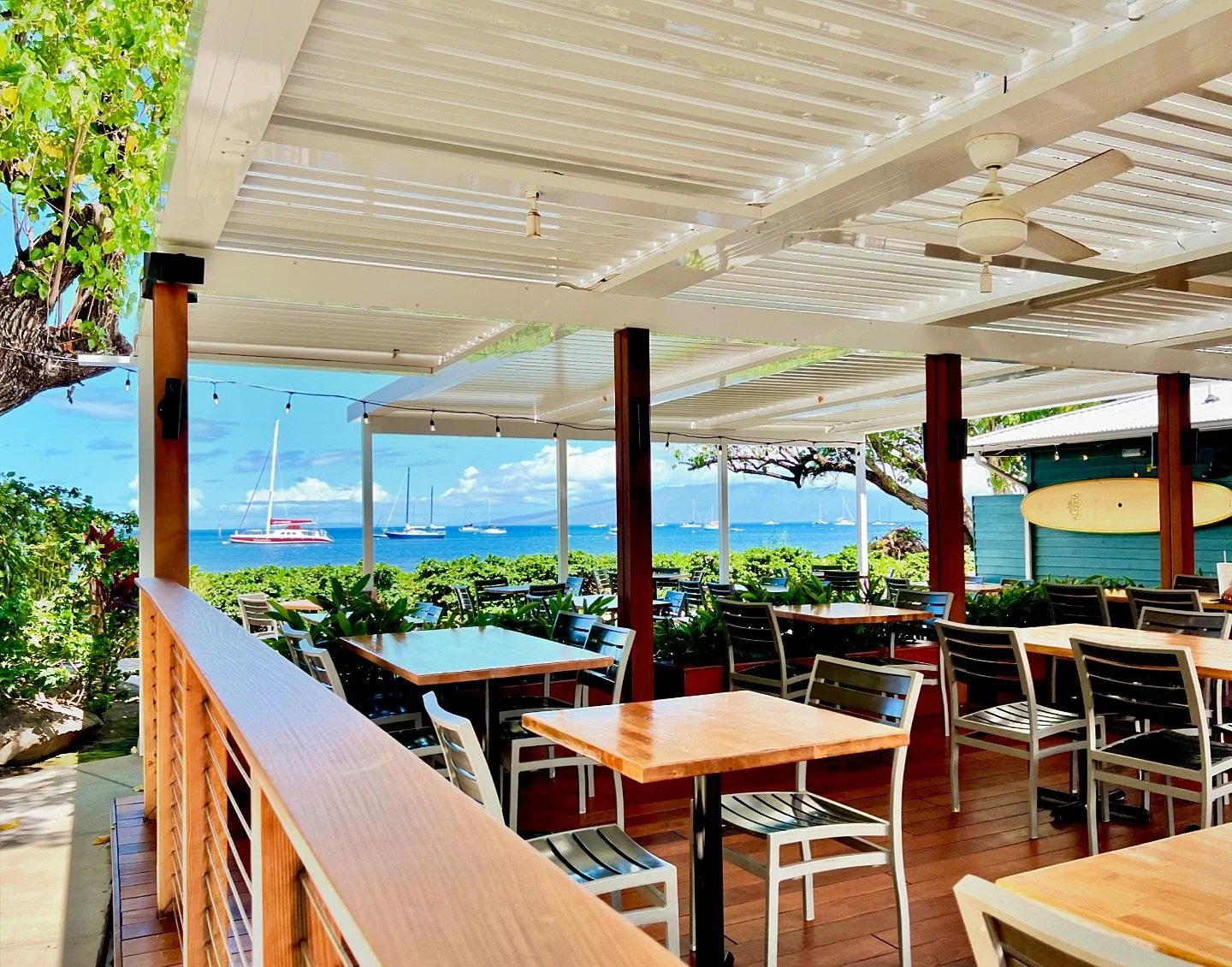
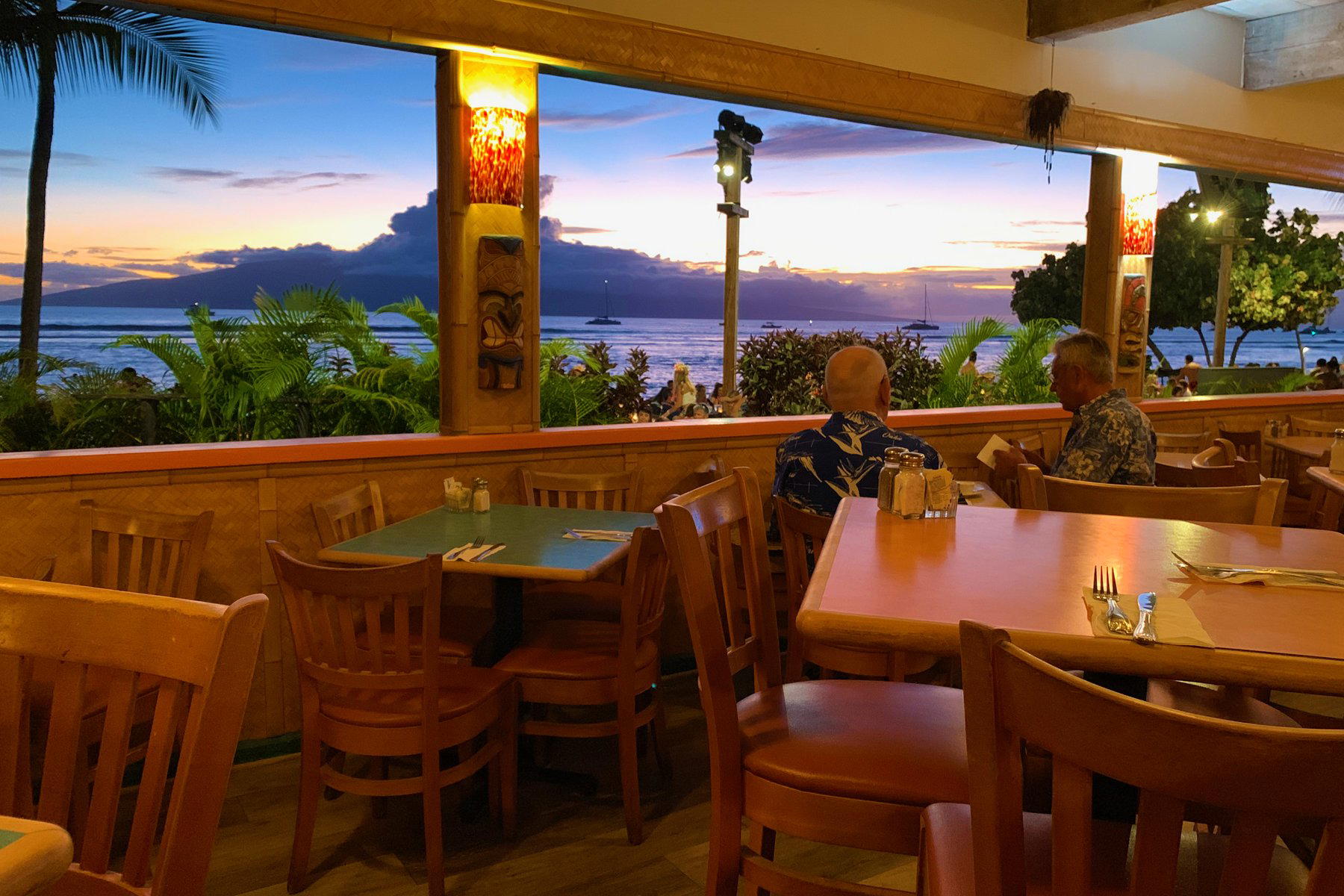
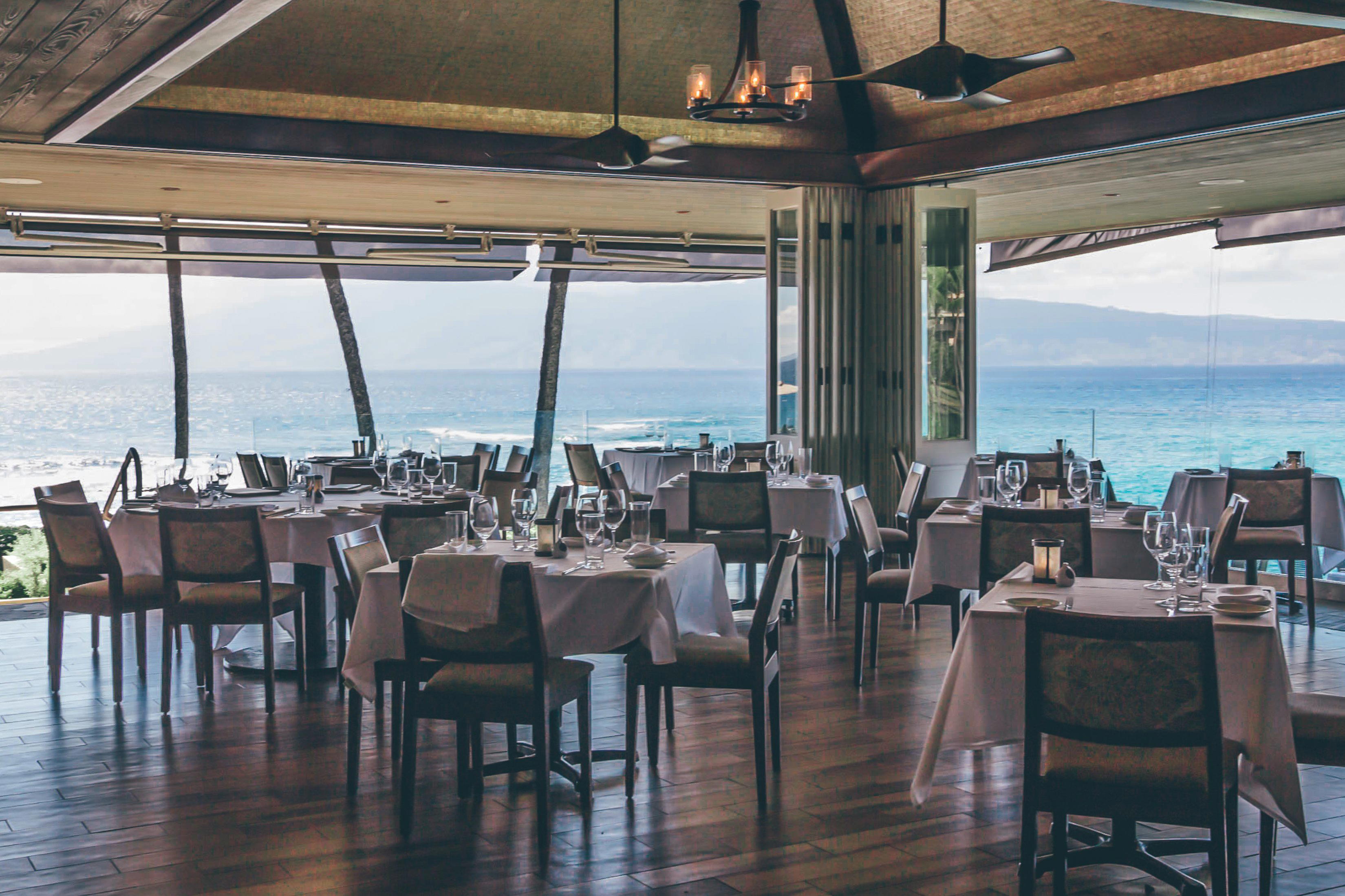
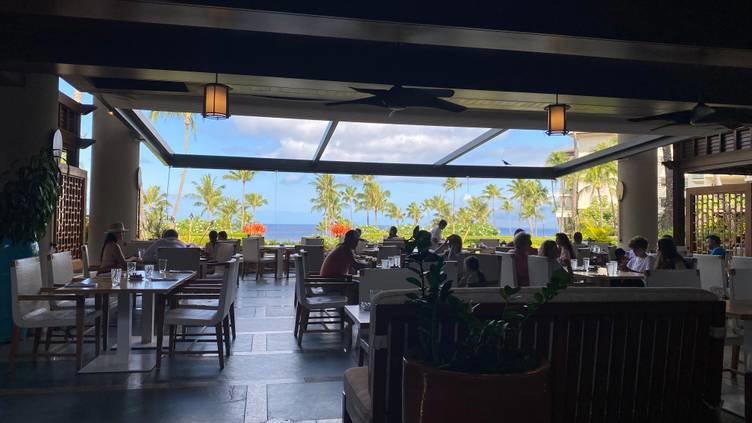
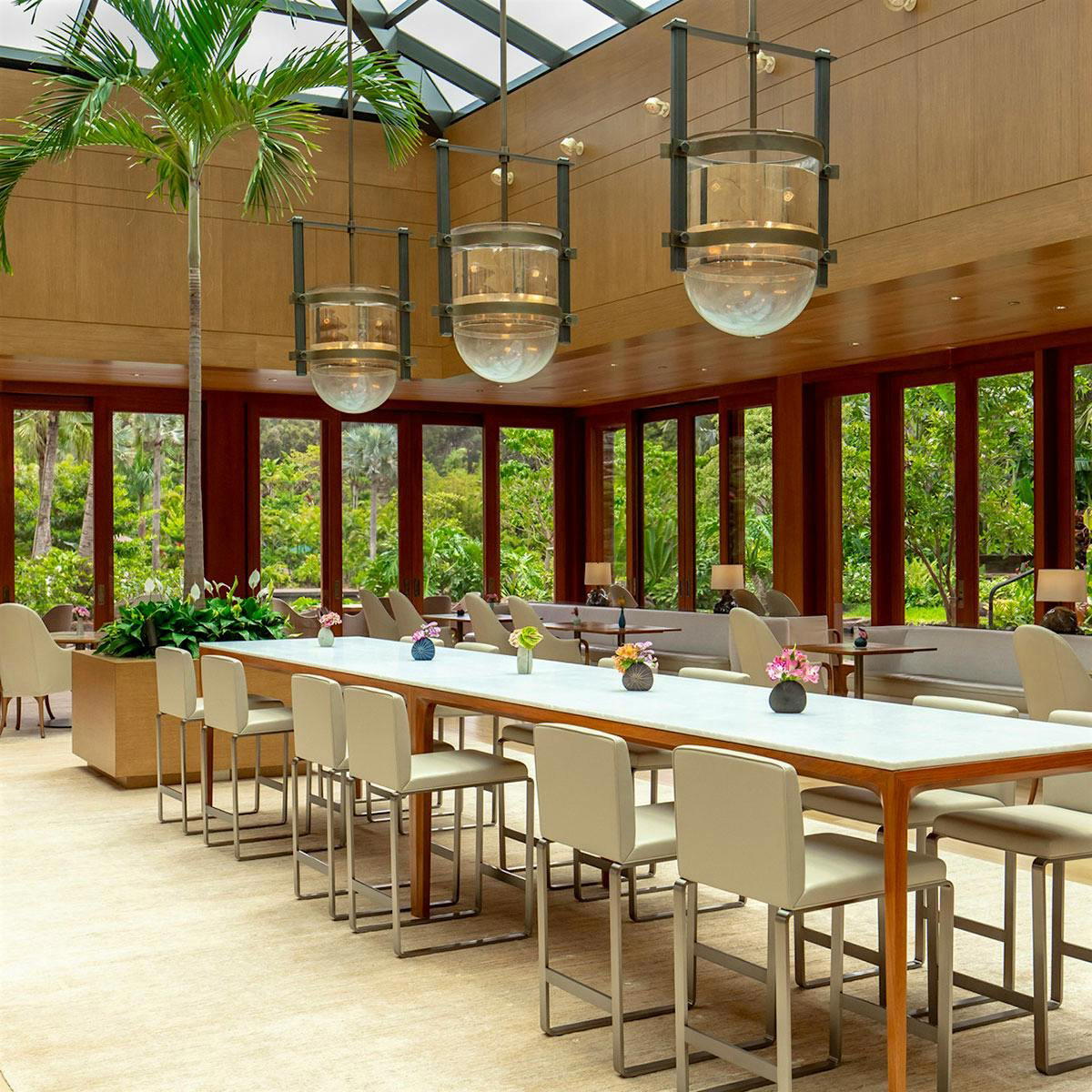
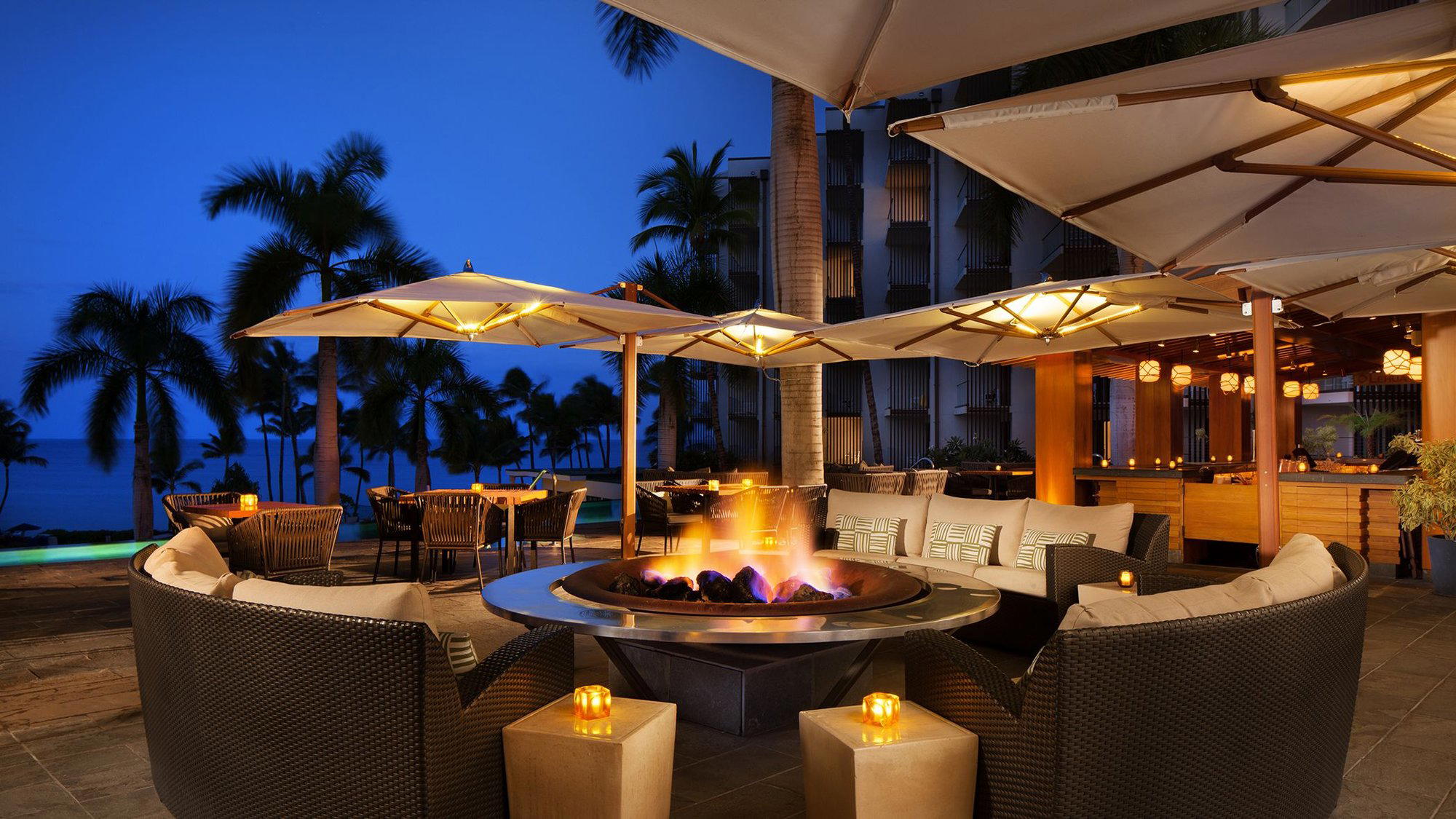
Intimate sushi counter with moderate noise, providing a premium and authentic Japanese atmosphere.