Sands of Kahana
Our verdict
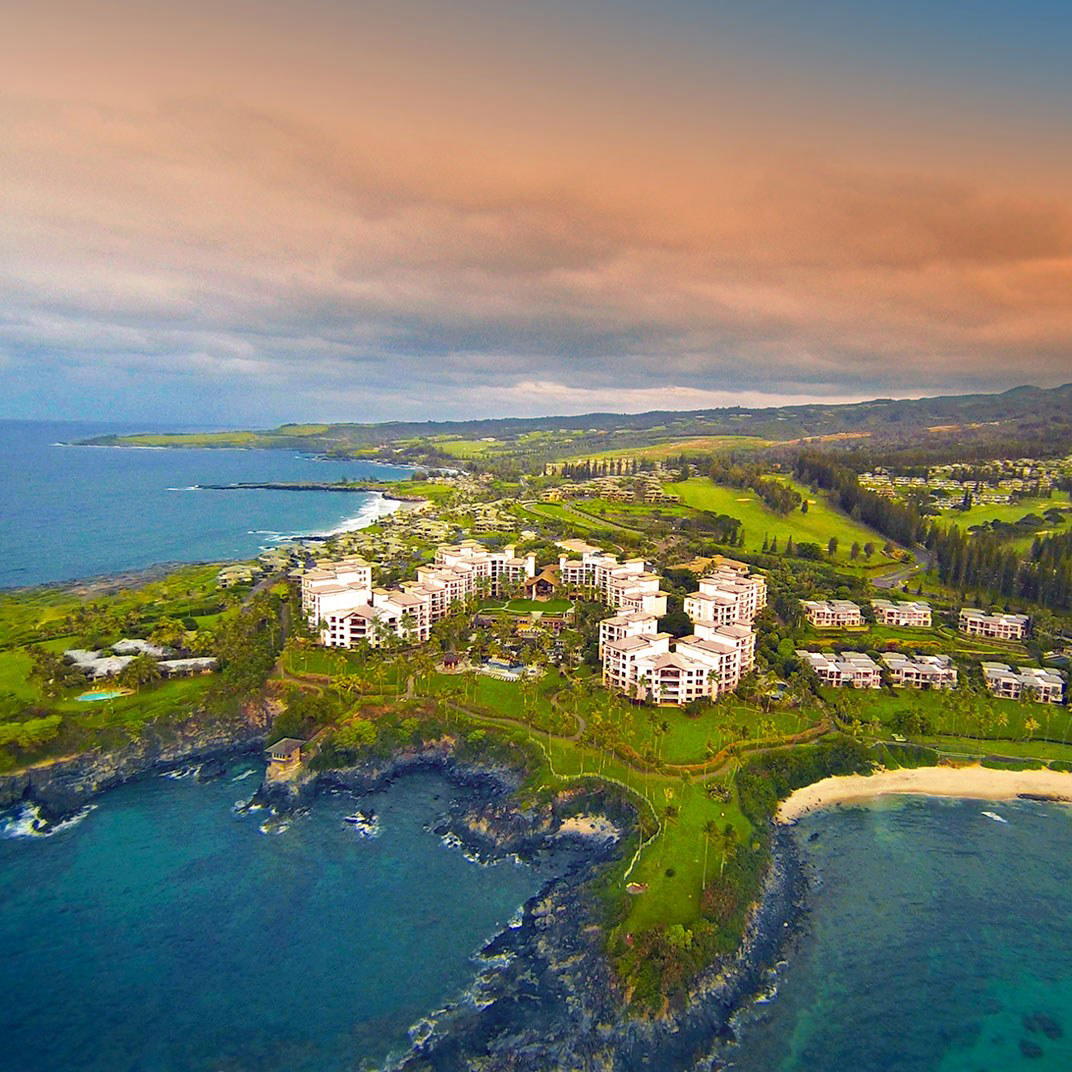
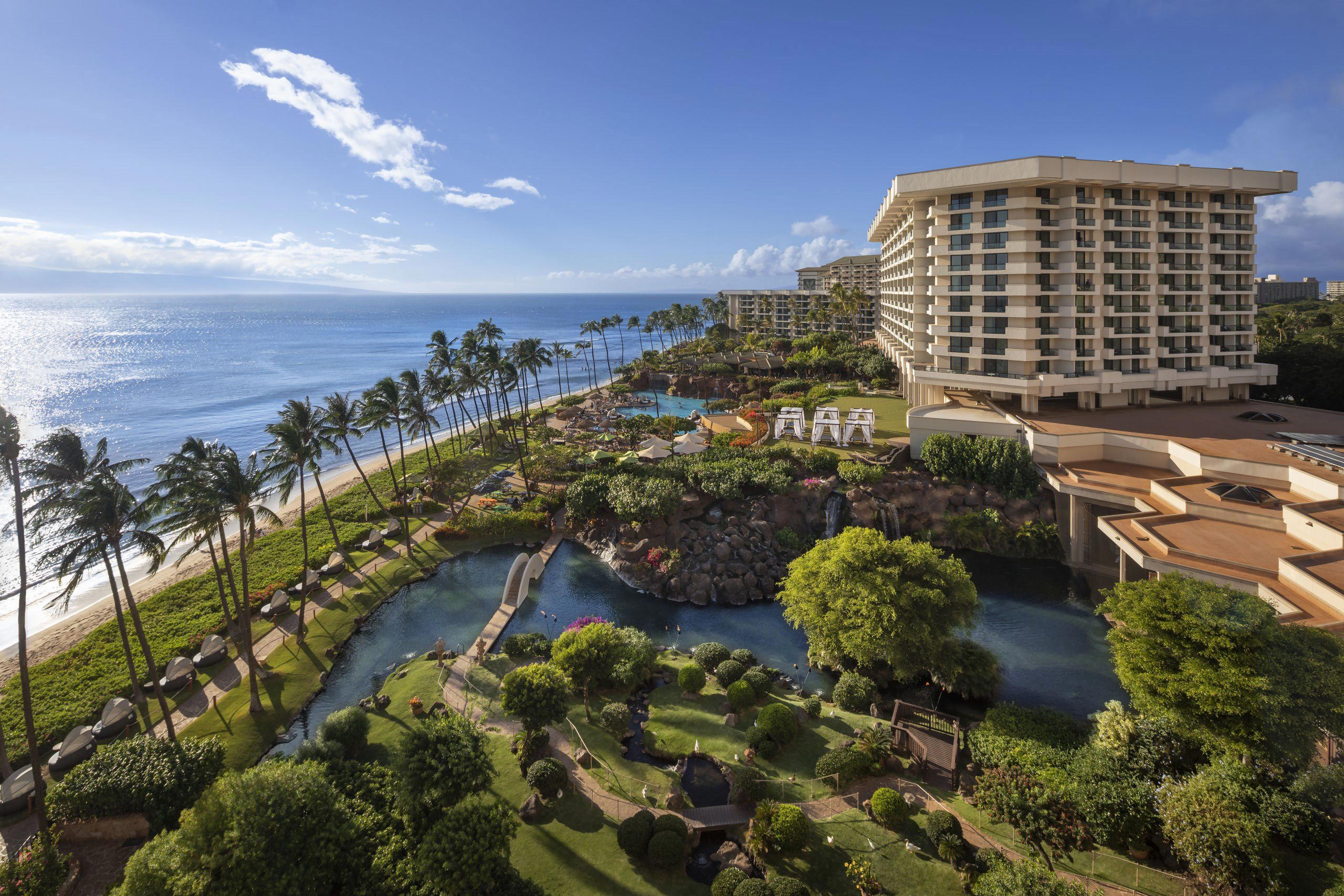
Sands of Kahana sits along Maui's northwest shore at 4299 Lower Honoapiilani Road, occupying a stretch of coastline where the West Maui Mountains frame the horizon and the Pacific sets the pace. The address places it within the broader Lahaina dining corridor, a stretch increasingly defined by the tension between Hawaiian agricultural abundance and continental cooking ambition. Visitors looking for context on what the area offers should start with our full Lahaina restaurants guide.

Pearl is the En Primeur Club membership app — saves, bookings, and concierge access live there. Same editors, same standards.
- Address
- 4299 Lower Honoapiilani Rd, Lahaina, HI 96761
- Phone
- (808) 669-0400
- Website
- sandsofkahanaresort.com
- Directions
- Get directions
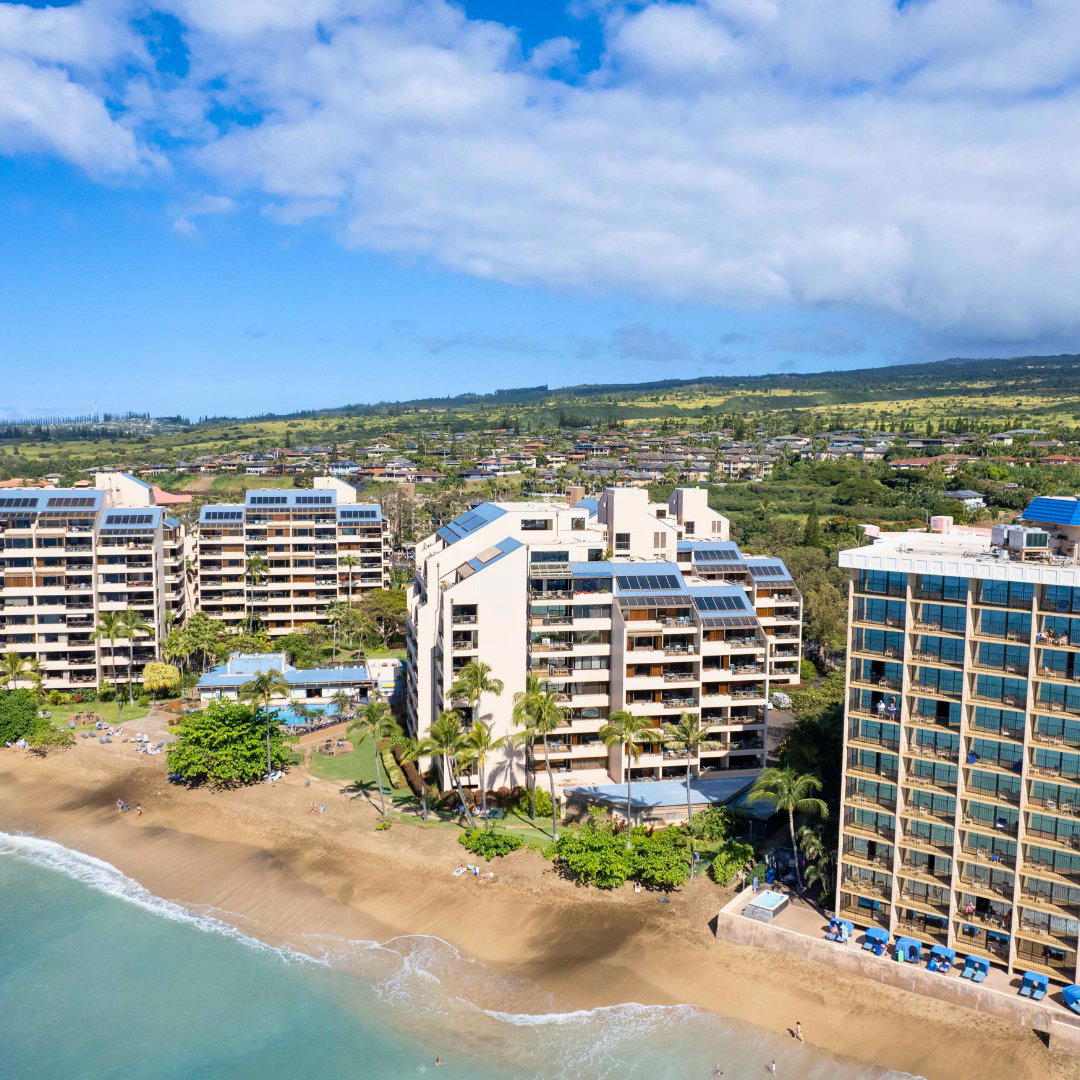
Where the Pacific Dictates the Pace
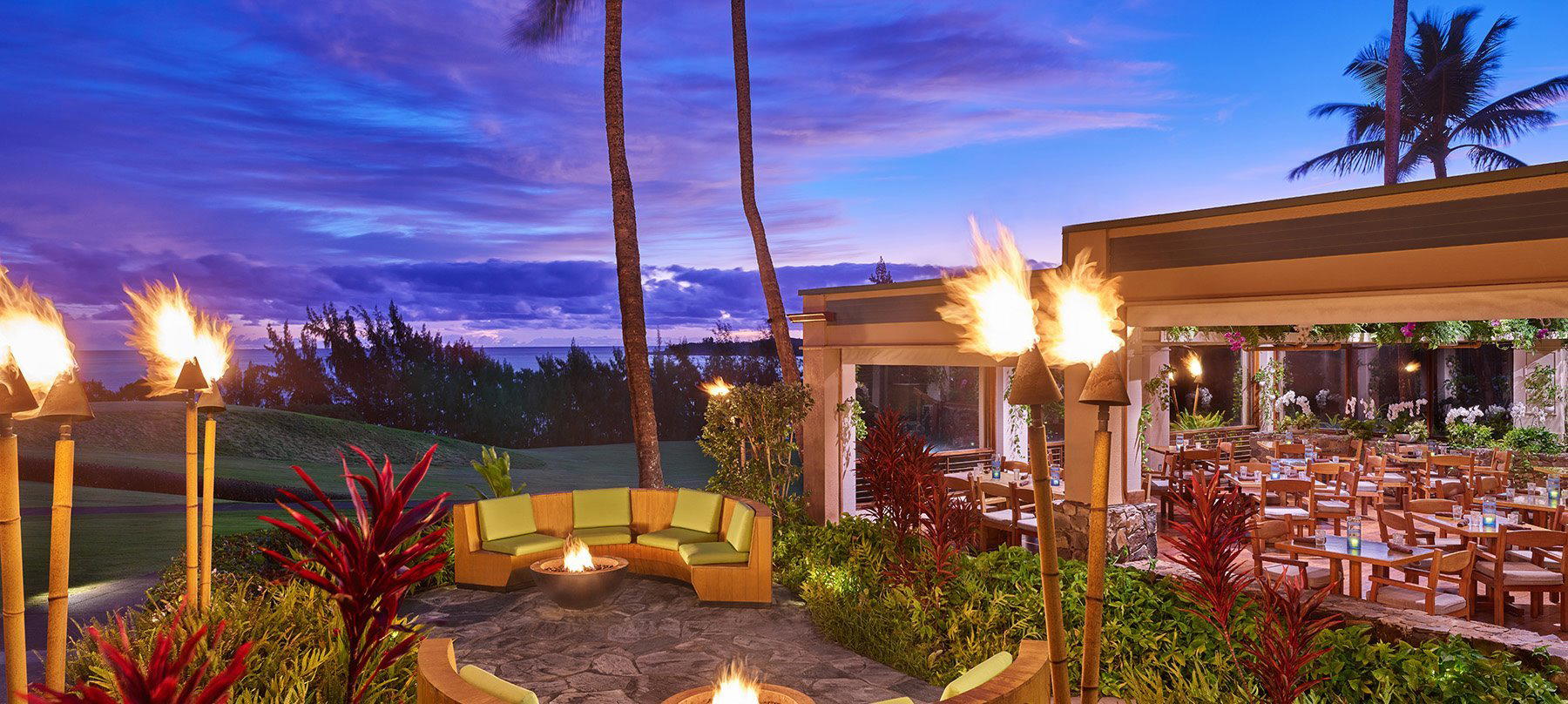
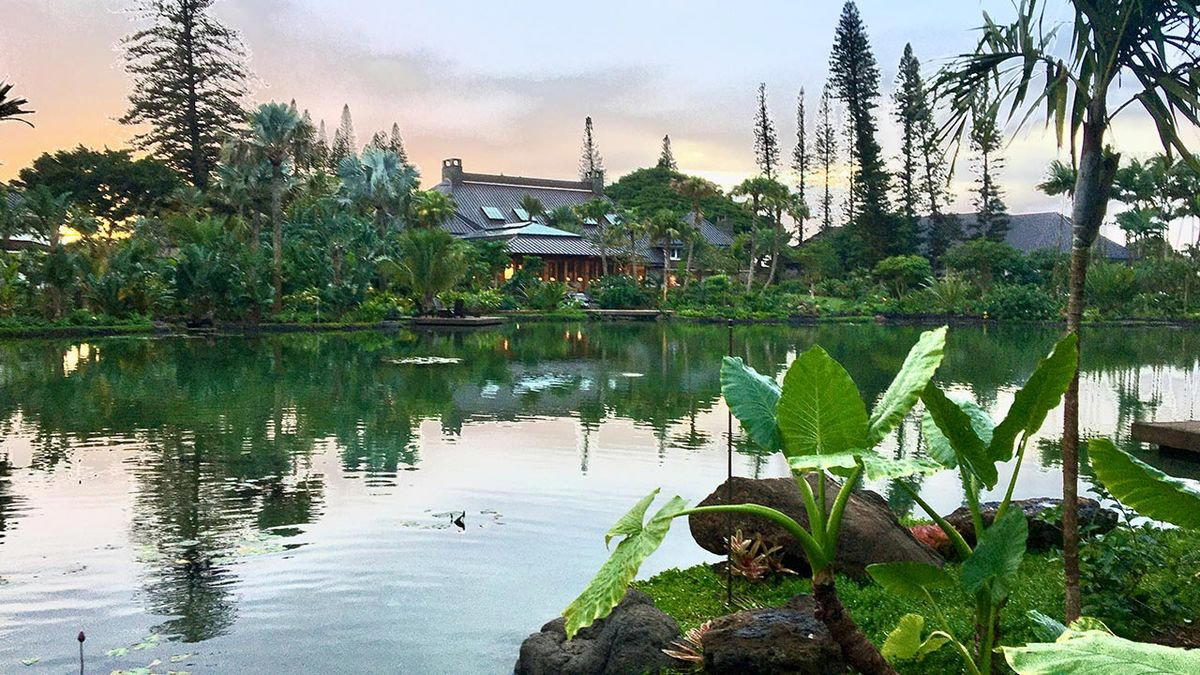
The northwest coast of Maui operates on a different register from the resort corridors further south. Along Lower Honoapiilani Road, the water is close and the volcanic ridgeline of the West Maui Mountains pushes in from behind, compressing the space between mountain agriculture and reef-fed ocean into a narrow, particular strip of coastline. Sands of Kahana sits at 4299 Lower Honoapiilani Road, in a part of Lahaina's extended reach where the density of Kaanapali gives way to something quieter and more residential in character. The physical setting does work that no interior design can fully replicate: the horizon is unobstructed, the light changes fast in the late afternoon, and the proximity to the water is an immediate editorial statement about what the kitchen should be doing.
That geographical logic, local ingredients shaped by specific terrain and ocean systems intersecting with applied technique from outside the islands, defines the more serious end of Maui's dining conversation. It is the same tension that animates venues like Cane & Canoe (Polynesian Fusion) further along the coast, where Polynesian reference points are filtered through a contemporary culinary framework. Sands of Kahana belongs to a similar geography, one where proximity to the source, whether that means wahi pana fishing grounds, upcountry farms above Kula, or the aquaculture systems off the Maui coast, is the starting condition rather than a marketing afterthought.
Hawaii's Ingredient Infrastructure and What It Demands of Kitchens
Understanding what any Maui kitchen is working with requires some grounding in what the island actually produces. The upcountry plateau above Kula sits at elevations between roughly 2,000 and 4,000 feet, where temperature variation allows for produce that would be impossible at sea level: strawberries, protea, sweet onions with a reputation that extends to the mainland, and a growing range of specialty vegetables that have attracted serious chef attention over the past two decades. Below, the coastal waters yield ahi, mahi-mahi, ono, and opakapaka, along with invasive species like roi and ta'ape that responsible kitchens have increasingly incorporated into menus as a conservation measure.
The culinary tradition that attempts to bring these systems together under a coherent cooking philosophy has a name, Hawaii Regional Cuisine, and it has institutional roots going back to 1991, when a group of twelve chefs, including Peter Merriman of what is now the broader Lahaina dining community, formalized a commitment to local sourcing that predated the mainland farm-to-table movement by several years. That founding impulse, using classical or contemporary technique as a vehicle for ingredients that could not be found anywhere else, remains the productive tension at the center of ambitious Hawaiian cooking. It is the same tension that drives kitchens at the precision end of the American spectrum, from Single Thread Farm in Healdsburg, where the farm-to-table relationship is near-total, to Blue Hill at Stone Barns in Tarrytown, where the agricultural calendar governs the menu rather than the other way around.
On Maui, that discipline is complicated by the island's isolation. Imported technique, whether French classical training, Japanese knife work, or the fermentation frameworks increasingly visible in American tasting menus, must travel further to reach the islands. The kitchens that absorb those methods most effectively tend to produce cooking that feels genuinely localized rather than imported wholesale. Venues like Aloha Mixed Plate and Betty's Beach Cafe anchor the more casual, plate-lunch end of this tradition, while the upper tier is contested by restaurants with more formal culinary frameworks. The American coastal comparison set, Le Bernardin in New York City for seafood discipline, Providence in Los Angeles for Pacific-facing ingredient focus, provides one axis of reference, though the Hawaiian context is distinct enough that direct comparisons flatten more than they illuminate.
The Kahana Stretch: Context and Competitive Position
The section of Lower Honoapiilani Road running through Kahana occupies a middle position in West Maui's hospitality geography. It is neither the concentrated resort infrastructure of Kaanapali to the south nor the quieter agricultural edges further north toward Kapalua. The dining options along this corridor tend to serve a mix of long-stay visitors in condo-style accommodation and local residents who treat the area as their own rather than as a tourist destination. That dual audience creates a particular pressure on kitchens: they need to hold the attention of visitors with reference points from mainland or international dining scenes while remaining legible to locals who measure cooking against a different set of standards.
Restaurants that navigate this well on Maui, like Banyan Tree and Monkeypod Kitchen, tend to have strong local sourcing programs and menu formats that allow for both casual and more deliberate dining. The technical ambition visible at venues like Alinea in Chicago or Atomix in New York City represents one extreme of what imported technique can look like; the Kahana corridor sits at a more accessible register, though the ingredient quality available in the islands means the ceiling for serious cooking is genuinely high.
Planning a Visit
Visitors to the Kahana section of Lahaina's extended coastline should account for the fact that this stretch is most accessible by car, with Lower Honoapiilani Road connecting it to both Kaanapali to the south and Kapalua to the north. The surrounding area draws a mix of accommodation types that skew toward longer stays, which means demand for dinner seatings can be more consistent across the week than in more transient resort corridors. The optimal window for West Maui dining in general runs from late spring through early fall, when the northwest swell is minimal and outdoor settings along this coastline are at their most usable. Those considering multiple venues across the Lahaina corridor should consult our full Lahaina restaurants guide for a mapped view of the options, from the local plate-lunch tradition through the upper tier of Hawaii Regional Cuisine. For reference points on what technique-driven cooking looks like at the top of the American spectrum, the work being done at The French Laundry in Napa, Addison in San Diego, and The Inn at Little Washington sets a useful baseline for what the imported-technique side of the Hawaii equation is drawing from.
Frequently asked questions
Where is Sands of Kahana in Lahaina?
Sands of Kahana is located at 4299 Lower Honoapiilani Rd, Lahaina, HI 96761, Lahaina.
Where exactly is Sands of Kahana located, and what makes the Kahana coastal position distinct from other parts of West Maui?
Sands of Kahana is located at 4299 Lower Honoapiilani Road, Lahaina, Hawaii 96761 — on the northwest coast of Maui in the Kahana stretch, which sits between the concentrated resort development to the south and the quieter northern reaches of the coastline. This position gives it direct Pacific frontage with a different character from the high-density corridors around Kaanapali, running closer to the water along a road that defines the pace of the area. For visitors arriving by car, Lower Honoapiilani Road is the primary access route through this section of West Maui.
What's the best thing to order at Sands of Kahana?
What the Kahana stretch of Lahaina does offer is proximity to West Maui's broader ingredient network, including the upcountry Kula plateau's produce and locally sourced Pacific seafood — context worth keeping in mind when assessing any kitchen operating at 4299 Lower Honoapiilani Rd. Check directly with the property for current food and beverage offerings.
Is Sands of Kahana reservation-only?
The Kahana section of the northwest Maui coast draws consistent visitor traffic, particularly given its position between the more developed resort corridors, so confirming availability in advance is advisable. check the venue's official channels for current policy.
Nearby-ish Comparables
Comparable venues nearby, for context on price, style, and recognition.
| Venue | Cuisine | Price | Notes |
|---|---|---|---|
| Sands of KahanaThis venue — the venue you are viewing | Island Seafood Grill | Not listed | Not listed |
| Cool Cat Cafe - Maui | Classic American Diner Burgers | Not listed | Lahaina |
| Hawaiian Village Coffee | Hawaiian Coffee House | $10–20 | Lahaina |
| Swan Court | American Breakfast Buffet | $30–50 | Kaʻanapali |
| Monkeypod Kitchen | Hawaii Regional Cuisine | $50–100 | Whalers Village |
| Lahaina Fish Co | Hawaiian Seafood | $30–50 | Lahaina |
Details
- Lively
- Casual
- Family
- Casual Hangout
- Waterfront
- Craft Cocktails
- Local Sourcing
- Waterfront
- A La Carte
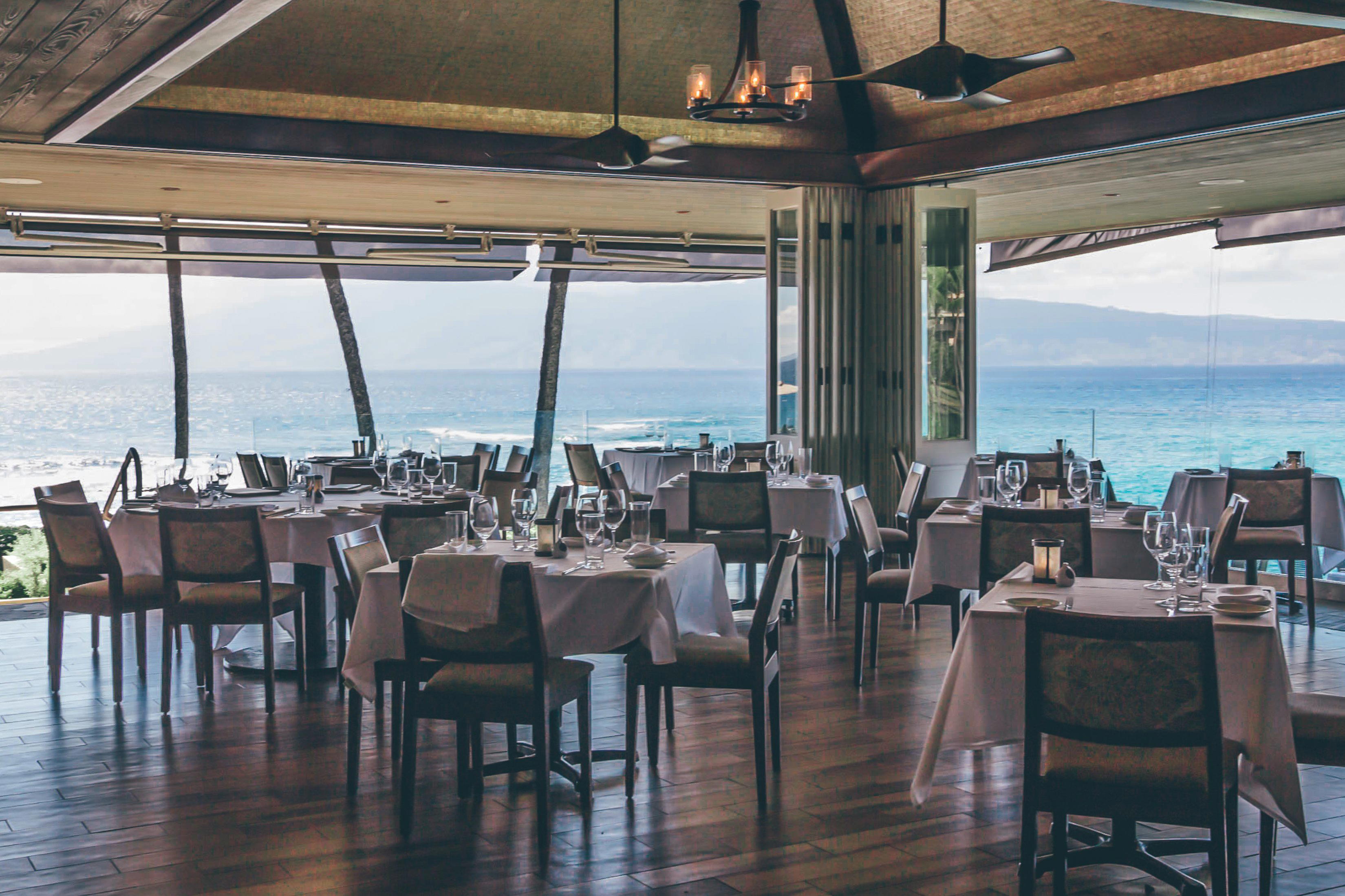
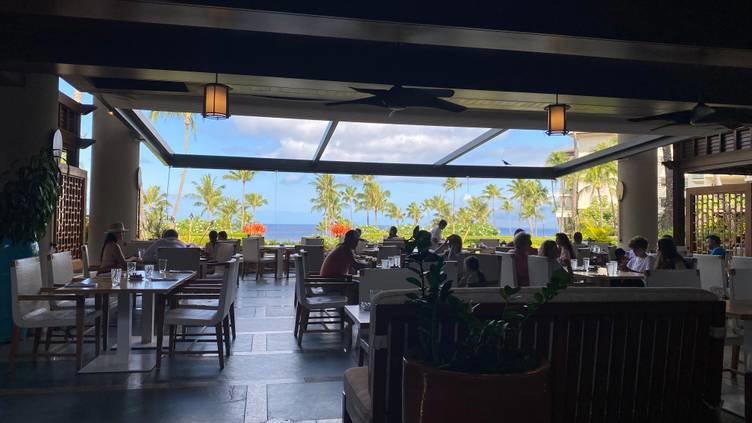
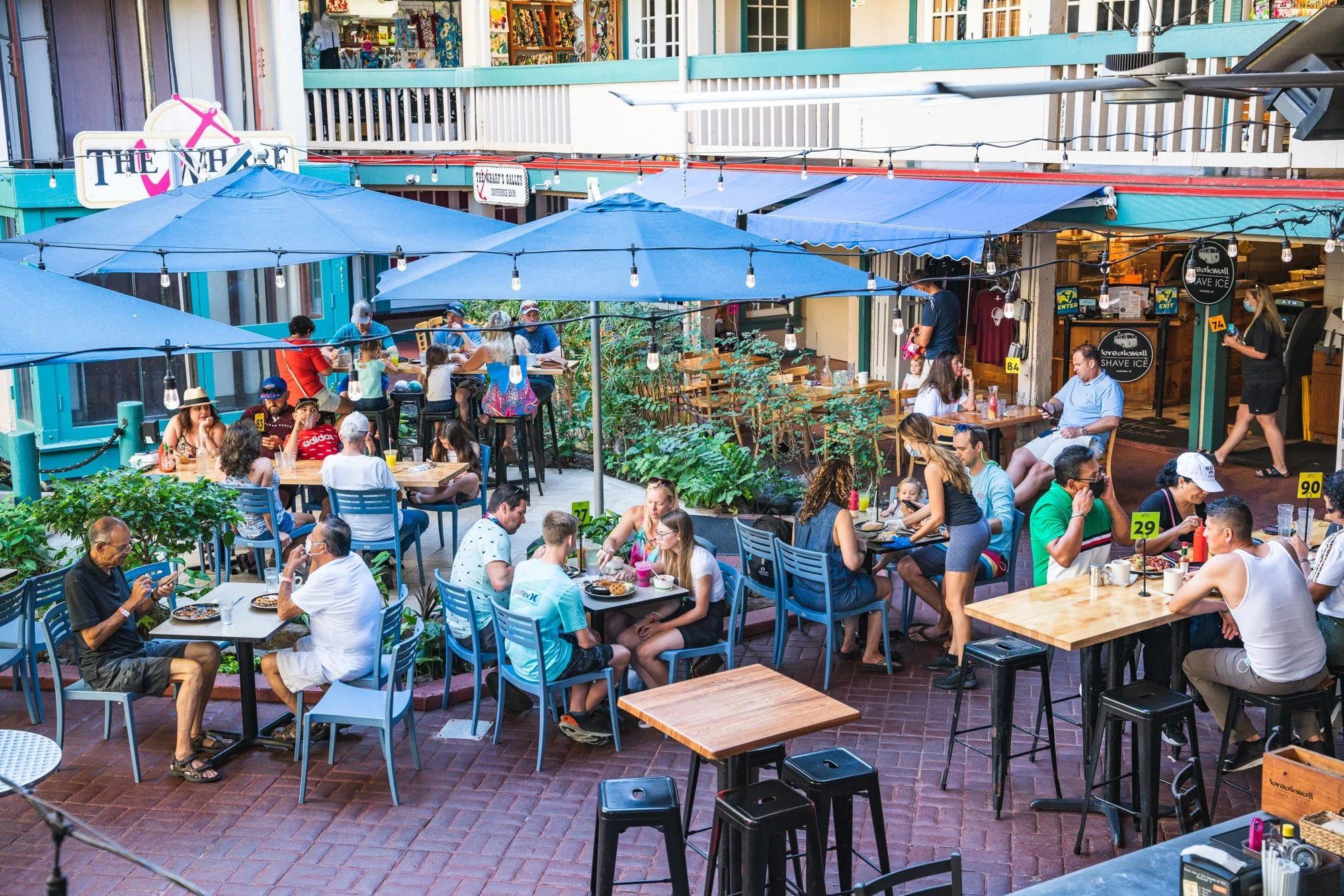
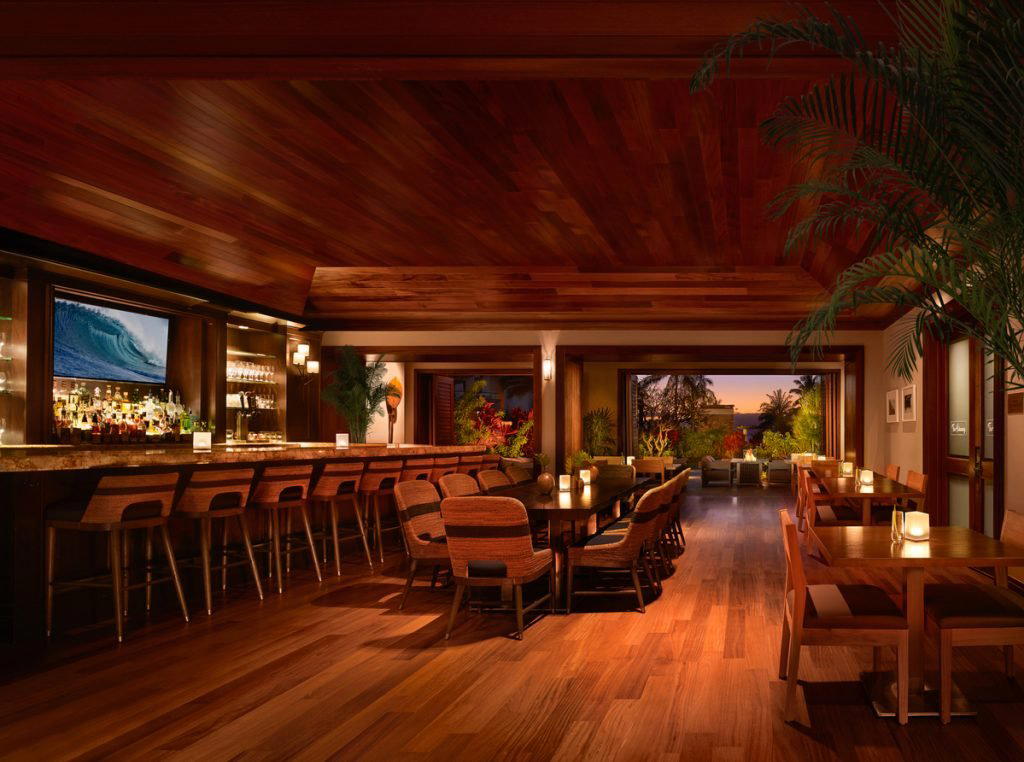
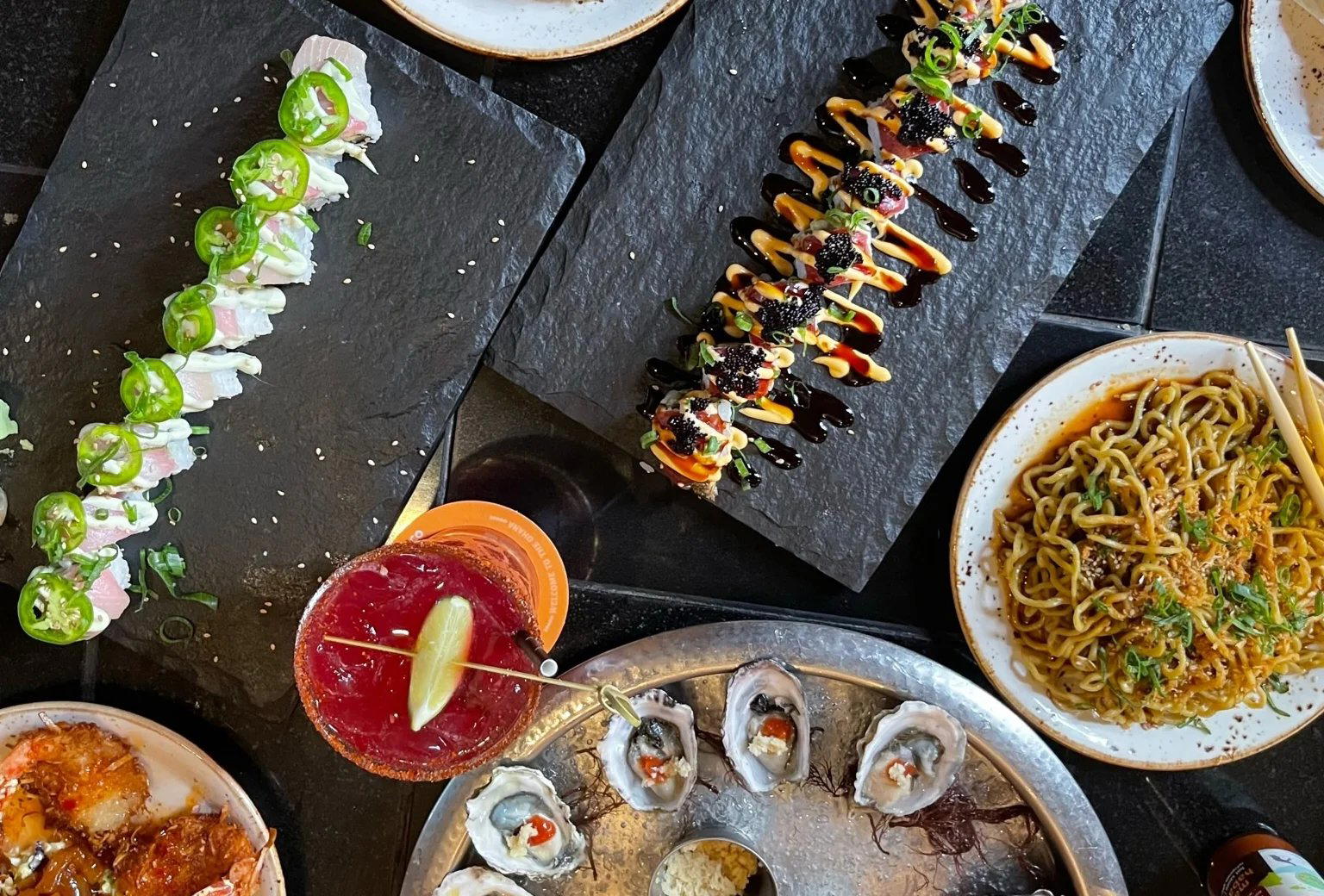
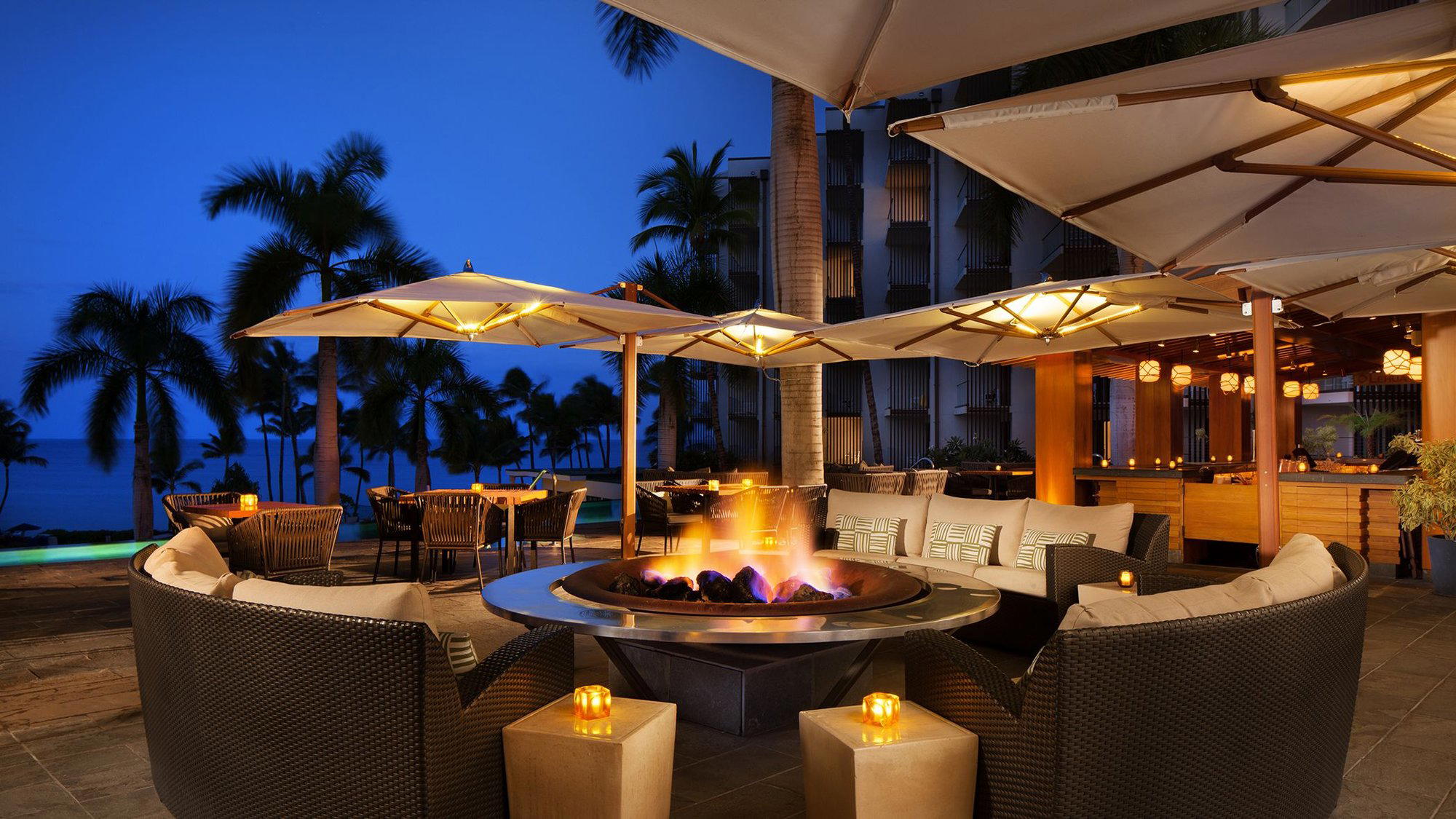
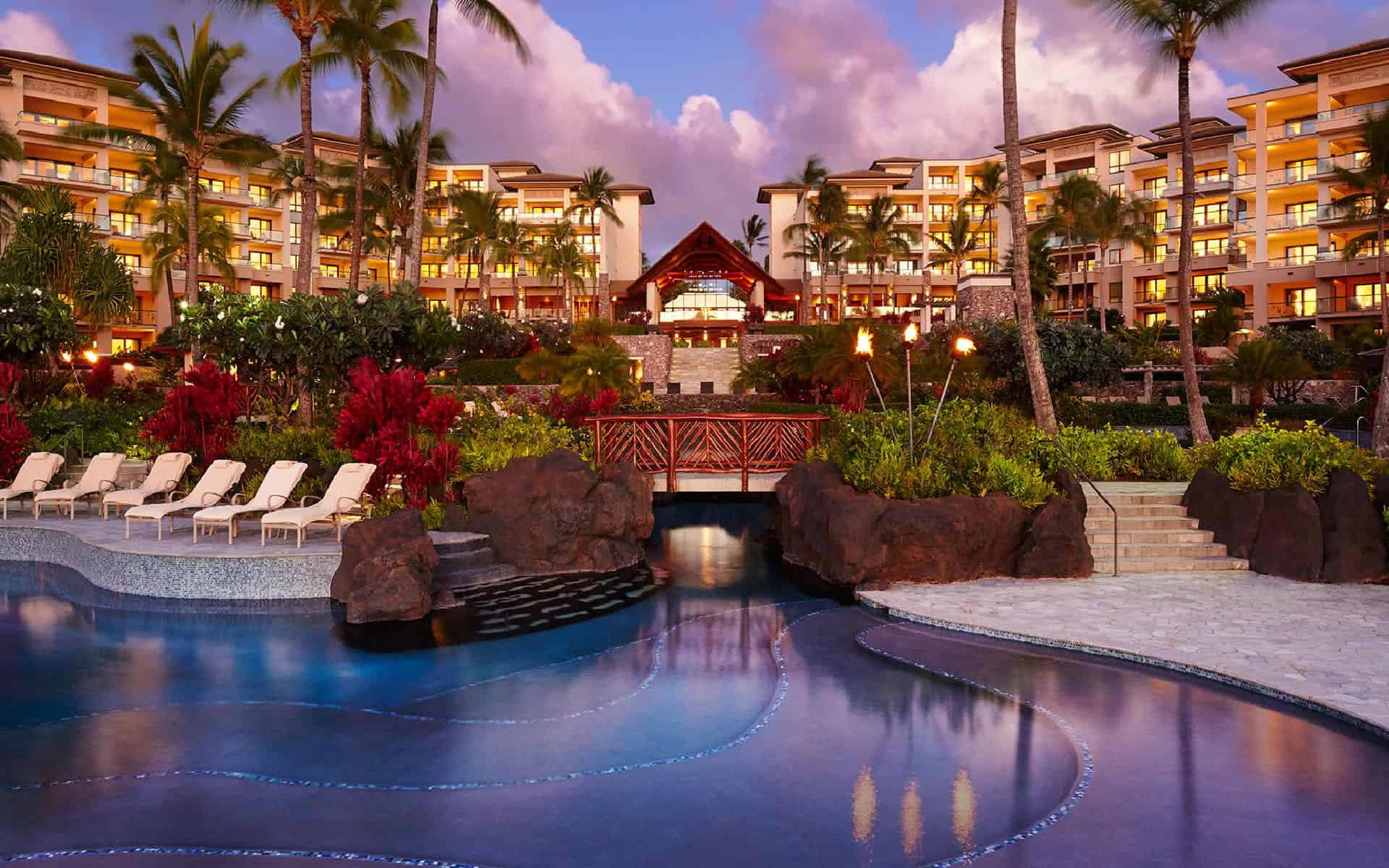
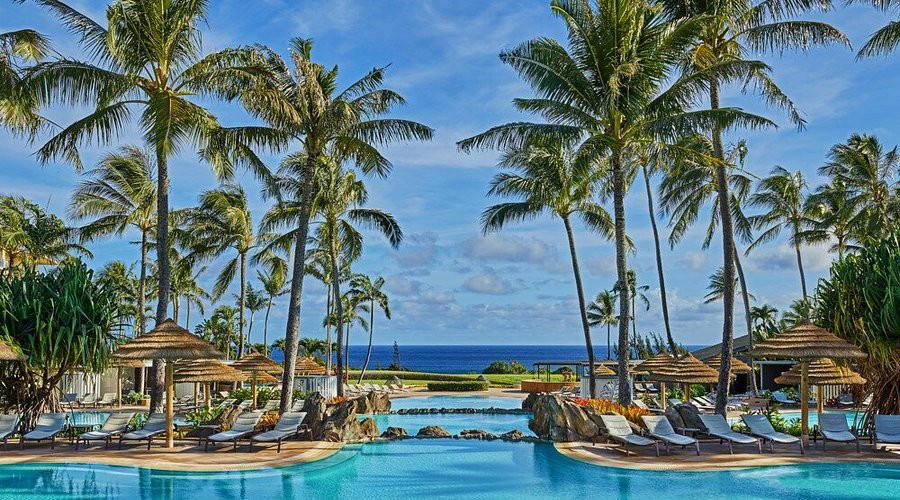
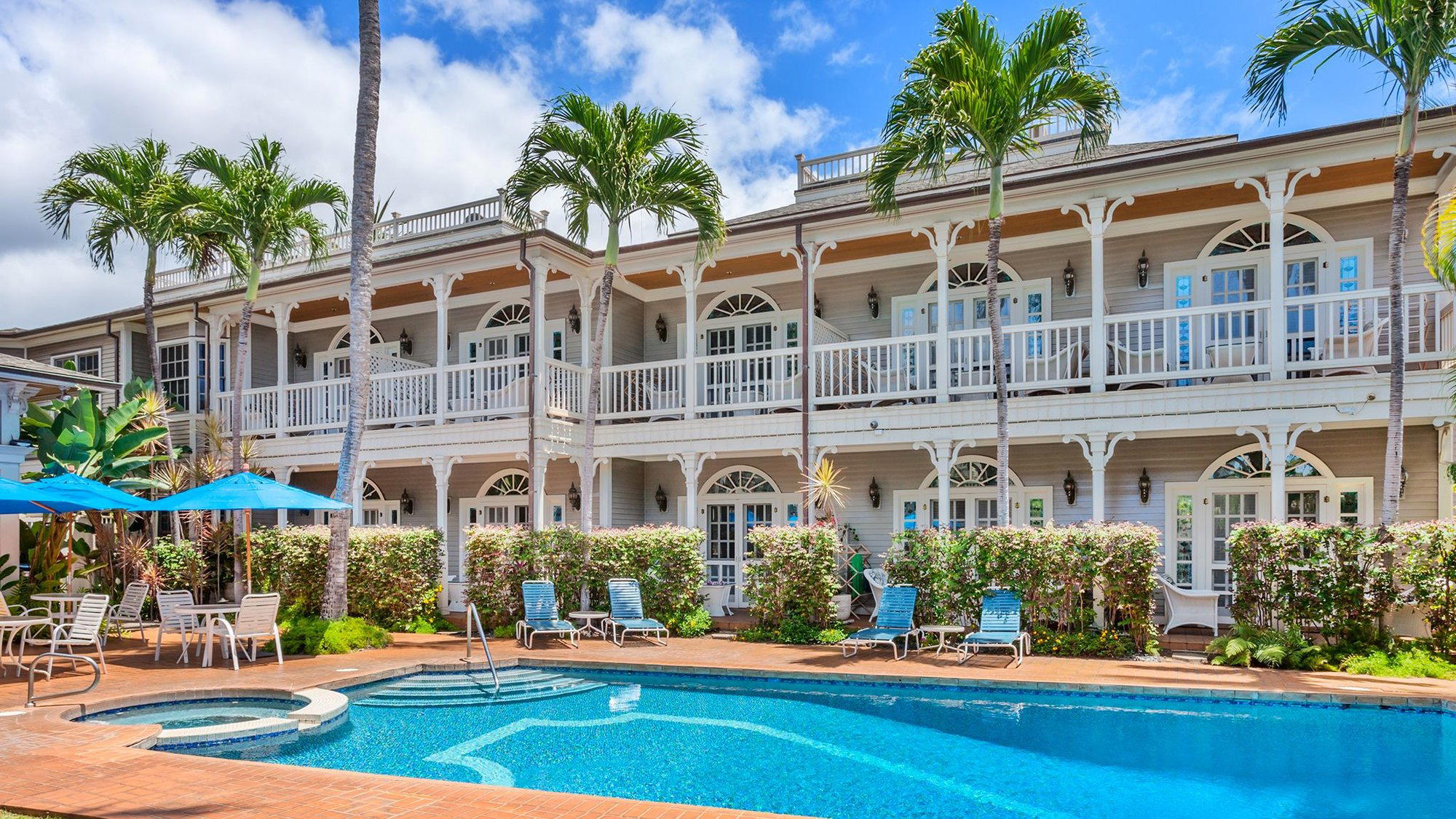
Laid-back island vibes with dramatic ocean views in a beachfront resort setting.