"Sancocho y Leña Steak and Grill Weston
Our verdict
Sancocho y Leña Steak and Grill sits on SW 208th Lane in Southwest Ranches, Florida, where the name alone signals a dual identity: the slow-cooked communal stew that anchors Latin American household cooking, and the wood-fire grill tradition that defines the region's carnivore culture. The combination places this spot at the intersection of two deeply rooted culinary traditions within one of Miami-Dade's most low-density, residential corridors.

Pearl is the En Primeur Club membership app, where members save venues, book tables and use the concierge.
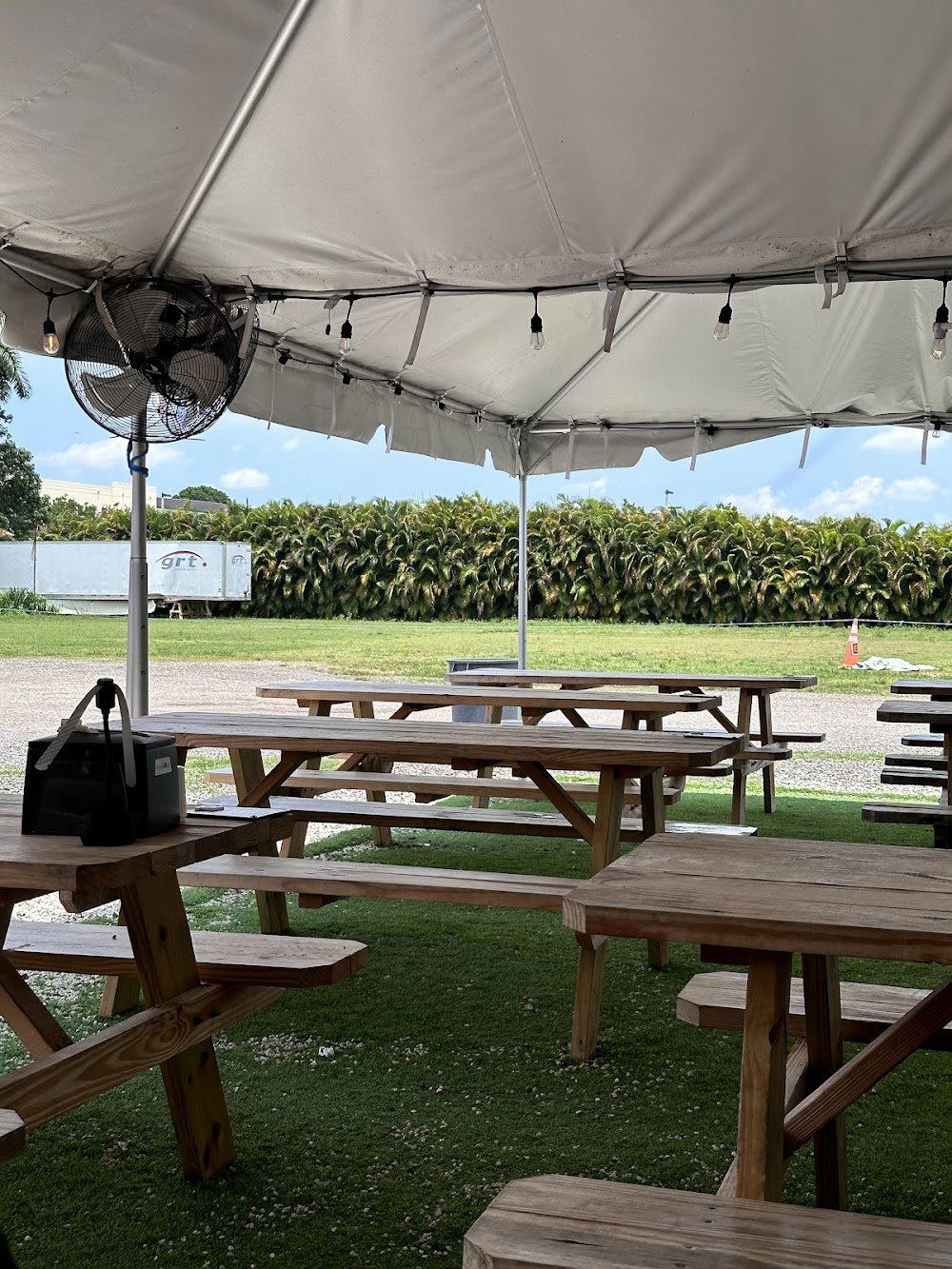
Where Wood Fire Meets the Latin American Stew Tradition
Southwest Ranches sits at the western edge of Broward County, a largely residential municipality where large lots replace the dense commercial strips of nearby Weston and Miramar. Dining options here are sparse by design, which means the few restaurants operating in the area tend to draw from a wide catchment, pulling diners from Pembroke Pines, Davie, and the western reaches of Fort Lauderdale. Against that backdrop, a restaurant naming itself after sancocho, the slow-cooked broth-and-protein stew that functions as a cultural anchor across Colombia, Venezuela, the Dominican Republic, Cuba, and Panama, is making a specific statement about its identity and its audience.
The pairing of sancocho with leña, the Spanish word for firewood, frames the menu's two organizing principles before a guest sits down. Sancocho is Sunday food, communal and time-intensive, a dish that signals family rather than transaction. Leña cooking, whether applied to whole cuts over wood coals or to slower preparations over embers, brings char, smoke, and the kind of depth that only open fire produces. That combination places the restaurant in a culinary tradition that runs through the Colombian asado, the Venezuelan parrilla, and the broader South American open-fire culture that has been making its presence felt in South Florida dining over the past decade.
The Cultural Weight of Sancocho
To understand why the name carries significance, it helps to understand what sancocho represents across Latin American cultures. In Colombia, where the dish has arguably its most codified regional variations, sancocho de gallina, made with hen, plantain, yuca, and corn, is a weekend ritual rather than a weekday shortcut. In Venezuela, a similar preparation called hervido occupies the same cultural space. Across the Caribbean coast and through Central America, versions of the dish appear under different names but with the same social function: it is the dish that signals abundance, hospitality, and collective eating.
South Florida's Latin American population, which skews heavily Colombian, Venezuelan, and Cuban in the Broward and Miami-Dade counties, represents one of the largest concentrations of that culinary tradition outside of South America itself. A restaurant in Southwest Ranches that anchors its identity to sancocho is reading its demographic accurately and positioning itself within a tradition that its likely guests carry as cultural memory rather than as novelty. That is a different positioning from a restaurant that presents Latin American cooking as exotic or exploratory, and it matters for understanding how the kitchen likely orients its sourcing and technique priorities.
For context on how other American restaurants handle the intersection of cultural heritage and fine-dining ambition, it is worth looking at what venues like Causa in Washington, D.C. have done with Peruvian culinary roots, or how Atomix in New York City has systematized Korean culinary tradition into a tasting format recognized at the highest levels. Southwest Ranches is operating at a very different scale and register, but the underlying editorial question, how does a kitchen balance cultural authenticity against the practical demands of a restaurant operation, applies at every level of the market.
Wood-Fire Grilling in the South Florida Context
The leña component of the concept connects to a broader shift in how Miami-area restaurants have approached meat cookery over the past several years. Wood-fire and live-fire grilling has moved from a niche technique associated with Argentine steakhouses to a format that now appears across price tiers and cuisine categories throughout South Florida. The appeal is partly flavour, since wood smoke contributes complexity that gas grilling cannot replicate, and partly theatre, since an open hearth visible to the dining room communicates craft in ways that a closed kitchen does not.
In a residential corridor like Southwest Ranches, a wood-fire grill operation also signals a level of physical commitment to the format: the infrastructure, ventilation, and fuel sourcing required for a leña kitchen are not trivial, and restaurants that maintain them tend to treat the cooking method as central rather than decorative.
For comparison, the way wood-fire technique has been integrated into fine-dining contexts at venues like Blue Hill at Stone Barns in Tarrytown or applied with precision at Single Thread Farm in Healdsburg illustrates how the technique scales with ambition. Sancocho y Leña is operating in a neighborhood casual register rather than those fine-dining tiers, but the cultural and technical foundations of the approach are shared.
Placing the Restaurant in Its Southwest Ranches Context
Southwest Ranches is not a restaurant destination in any conventional sense. The municipality has fewer commercial zones than any comparable-size community in Broward County, and the dining options that exist here serve a local residential population rather than visitors or destination diners. That context shapes what a restaurant here can and should reasonably be: it is neighborhood infrastructure, feeding families and regulars rather than competing with the dining rooms along Las Olas Boulevard or in Brickell.
Within that frame, a concept built around sancocho and wood-fire grilling has clear local relevance. The area's residential population includes a significant proportion of Latin American households for whom both elements of the concept carry genuine cultural resonance. The address on SW 208th Lane places the restaurant within the southwest corner of the municipality, accessible from the surrounding suburban grid but not on a major commercial thoroughfare.
Diners looking for reference points elsewhere in the American dining scene, whether for context on what ambitious regional cooking looks like at the upper end, can consult EP Club's coverage of Bacchanalia in Atlanta, Frasca Food & Wine in Boulder, Addison in San Diego, or The French Laundry in Napa. Those venues operate in a different tier and format entirely, but the broader range of how American restaurants handle regional identity and culinary heritage is relevant context for any kitchen trying to do the same at neighborhood scale.
Planning Your Visit
Sancocho y Leña Steak and Grill is located at 5140 SW 208th Lane, Southwest Ranches, FL 33332. No awards, ratings, or price data are confirmed at this time.
Frequently asked questions
Where do I go for "Sancocho y Leña Steak and Grill Weston?
"Sancocho y Leña Steak and Grill Weston is located at î5140 SW 208th Ln, Southwest Ranches, FL 33332, Southwest Ranches.
What's the must-try dish at Sancocho y Leña Steak and Grill Weston?
The name itself signals where to start: sancocho, the slow-cooked Latin American stew, and wood-fired grilled meat are the two pillars of the menu at this Southwest Ranches spot. The leña (firewood) cooking method is the kitchen's defining technique, so any cut prepared over the open flame is the logical first order. Specific current menu items are best confirmed directly with the restaurant before your visit.
Do they take walk-ins at "Sancocho y Leña Steak and Grill Weston?
Reservations are recommended for "Sancocho y Leña Steak and Grill Weston in Southwest Ranches. Confirm current policy via the venue's official channels.
What's the signature at "Sancocho y Leña Steak and Grill Weston?
"Sancocho y Leña Steak and Grill Weston is best approached by focusing on the core concept and signature offerings.
Is "Sancocho y Leña Steak and Grill Weston allergy-friendly?
Dietary accommodations can vary. Flag restrictions in advance via the venue's official channels.
Cost Snapshot
Comparable venues nearby, for context on price, style, and recognition.
| Venue | Cuisine | Price | Notes |
|---|---|---|---|
| "Sancocho y Leña Steak and Grill WestonThis venue (the venue you are viewing) | Venezuelan Grilled Meats & BBQ | $20–30 | Not listed |
| Prosecco22 Ristorante Italiano | Authentic Italian Trattoria | $50–100 | Southwest Ranches, Authentic Italian Trattoria |
| Myung Ga Tofu & BBQ | Korean Tofu & BBQ | $20–30 | Weston, Korean Tofu & BBQ |
| Nacionsushi I Miami | Asian Fusion Sushi | $20–30 | Doral, Asian Fusion Sushi |
| Gaby by Call Me Gaby | Authentic Italian Trattoria | $30–50 | Aventura, Authentic Italian Trattoria |
| GOLDEN CHARIOT INDIAN RESTAURANT | Indian Curry House | $20–30 | Aventura, Indian Curry House |
Continue exploring
More in Southwest Ranches
Restaurants in Southwest Ranches
All restaurants in Southwest Ranches →
Bars in Southwest Ranches
Browse all →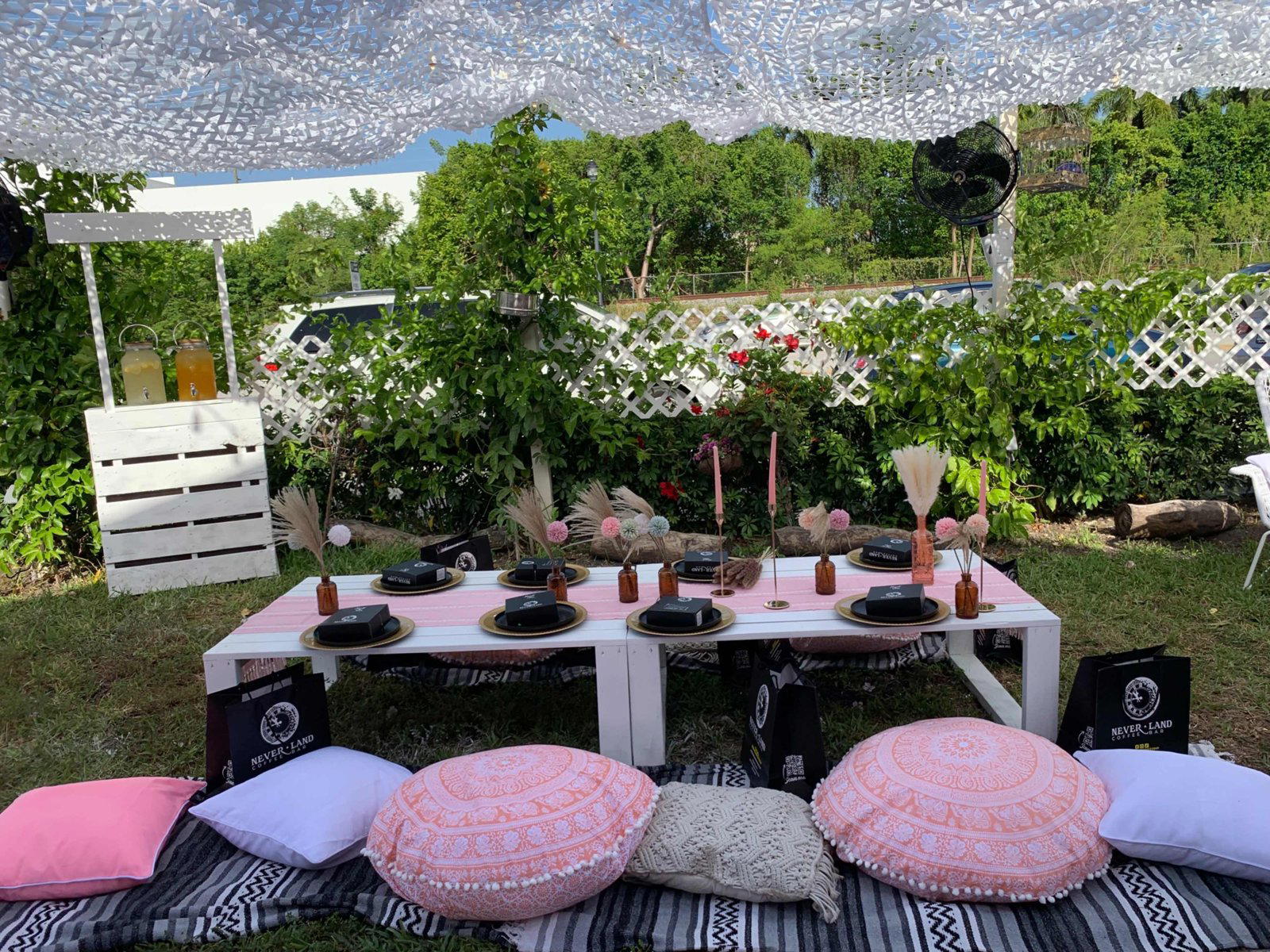

Details
- Rustic
- Lively
- Casual
- Casual Hangout
- Group Dining
- Family
- Standalone
- A La Carte
- Family Style
Current opening hours
- Monday
- Closed
- Tuesday
- 5–10 PM
- Wednesday
- 5–10 PM
- Thursday
- 12–10 PM
- Friday
- 12–10 PM
- Saturday
- 12–9 PM
- Sunday
- 12–9 PM
Hours can change for holidays and private events. Hours as of .
Casual, lively outdoor setting with warm inviting atmosphere; rustic picnic-style seating under awnings with a lively, energetic vibe centered around grilled meats.