

Macarfi 7.6 Food Rating · Guía Repsol 1 Sol
Our verdict
Samsha belongs to València’s contemporary dining tier, where market produce, rice-country discipline, and Mediterranean sourcing matter more than theatrical luxury. Its 2026 Guía Repsol 1 Sol places it in a serious national conversation, while the Pla del Real setting keeps it slightly apart from the old-town dining circuit.

Pearl is the En Primeur Club membership app, where members save venues, book tables and use the concierge.
The menu
What to order
- Octopus with salmorejo sauces and vegetables
- Meagre (corvina) with seaweed and seaweed foam
- Guinea fowl with pineapple and hops ‘mock jus’
- Yoghurt ice cream in raspberry wrap with kataifi and lychee soup
- Chocolate dessert with hazelnut gianduja and chocolate ‘rocks’
Approaching Samsha through València, the useful frame is the city rather than a postcard idea of Spain. The restaurant should not be asked to stand for every local tradition, nor to perform a simplified visitor version of the destination. The better question is what a contemporary València restaurant can do when it treats the city’s dining culture as a starting point, not as decoration.
València has a broader restaurant identity than many visitors first assume. It is not only one emblematic dish or one familiar style of dining; it is a city with established traditions, modern rooms, and a growing audience for restaurants that work with a more composed language. In that context, Samsha belongs to the city’s current restaurant conversation rather than the purely traditional one. Its 1 Sol in the Guía Repsol Soles 2026 is a useful signal: this is not simply casual neighbourhood cooking, but nor does it need international excess to make its case.
Contemporary València dining, read through sourcing rather than spectacle
The stronger modern restaurants in València tend to split into two broad moods. One protects recognizable local forms and familiar dining habits. The other stretches the city’s restaurant vocabulary into a more composed contemporary language, often using technique, pacing, and presentation to make the experience feel more deliberate. Samsha sits closer to the second camp, but its position makes sense only against the first. The local frame is the point; technique is the argument built on top.
That wider dining scene is useful context. Other València dining rooms speak to seasonal restraint, while more traditional places keep one foot in the city’s older bar-and-pantry identity. Some occupy another serious modern register, and polished dining rooms across the city differ in mood as much as cooking style. Samsha’s relevance is not that it rejects tradition; it shows how a València restaurant can move in a contemporary direction without losing the city as its frame.
Sourcing matters in València because broad regional labels can become vague when detached from place. Here, the question is less about claiming a fixed category and more about whether the restaurant feels connected to the city around it. Restaurants in this category succeed when the meal feels edited rather than merely displayed. That editing separates a serious modern València table from a generic contemporary one.
A Repsol signal in a city with several competing definitions of seriousness
The 1 Sol distinction from Guía Repsol in 2026 gives Samsha a national trust signal without flattening it into Spain’s destination tasting-room category. Repsol has particular weight in Spain because it often captures restaurants with a strong regional conversation, not only those shaped for international tasting-menu tourism. For València, that matters. The city’s dining identity is no longer confined to the most familiar visitor circuits; it now includes a technically ambitious middle tier where local context and format discipline carry the meal.
Comparison inside València clarifies the choice. Gran Azul represents a more traditional marker, Kaido Sushi Bar points toward a different high-spend lane, and Askua sits in another classic restaurant category. These are different reader decisions, not minor variations on the same night out. Samsha is for the diner who wants València interpreted through contemporary technique rather than protected only in familiar form or displaced into another culinary language.
That also avoids a common city mistake: treating every serious meal as if it must compete with one inherited template. València’s established dining identity is real, but its restaurant culture has grown beyond a single model. A modern room in València can be as representative of current València as a more traditional table, because the shared foundation is place; the difference is what the kitchen does with it.
How to place Samsha within a wider València itinerary
For a food-led stay, Samsha works as a contemporary anchor rather than a survey course. It should sit alongside more traditional meals and time spent understanding the city if the aim is to read València rather than collect reservations. Its València setting gives the evening a deliberate rhythm within the wider trip.
EP Club’s broader València coverage helps with that planning. The full València restaurants guide maps the city’s dining range, while the València hotels guide helps separate different styles of stay. Drinking and cellar context can be added through the València bars guide and València wineries guide, with the València experiences guide structuring the hours outside restaurants.
Nationally, Samsha belongs to a wider Spanish pattern: regional restaurants using a more current vocabulary without severing place. That appears differently across the country, where serious rooms use format, sourcing, and cultural fluency to decide whether a restaurant feels rooted or merely styled. The same editorial point applies beyond Spain as well: format matters, but place and product decide whether the experience has depth.
The case for Samsha is strongest for diners who understand that València is not a single-template city. The restaurant belongs to the city’s contemporary dining conversation, supported by a 2026 Repsol Sol and by its position within València’s broader restaurant culture. Its appeal is not breadth for its own sake; it is how a modern restaurant language can sharpen the sense of place València already has.
Frequently asked questions
What are the operating hours at Samsha?
Check directly with Samsha for current opening hours before planning a visit.
Where do I go for Samsha?
València.
What has Samsha built its reputation on?
Samsha’s clearest credential is its 1 Sol in the Guía Repsol Soles 2026, a national Spanish recognition that places it in serious company in València.
Can Samsha accommodate dietary restrictions?
That depends on the restriction and the service day. For guests with dietary needs, contacting Samsha in advance is the safest approach.
Fast Comparison
Nearby venues at a similar price tier for orientation.
| Venue | Cuisine | Price | Awards | Notes |
|---|---|---|---|---|
| SamshaThis venue (the venue you are viewing) | Avant‑garde Mediterranean & Fusion tasting menu | $50–100 | Macarfi 7.6 Food Rating · Guía Repsol 1 Sol | Not listed |
| Mala Hierba | Modern Spanish Mediterranean | $30–50 | Michelin Plate · Macarfi 7.1 Food Rating | Not listed |
| Gran Azul | Modern Spanish Seafood & Paella | $50–100 | Michelin Plate · Macarfi 7.9 Food Rating | Traditional Cuisine |
| Kaido Sushi Bar | Michelin-Starred Edomae Sushi with Mediterranean Fusion | Not listed | 1 Michelin Star · Macarfi 8.6 Food Rating | Japanese |
| Askua | Spanish Grill Specializing in Galician Beef | Not listed | Star Wine List · Guía Repsol 1 Sol | Asador - Steak |
Recognition history
Dated appearances from independent guides and award organizations, with the underlying list record or original source where available.
Guía Repsol 1 Sol
Guía Repsol
Macarfi 7.6 Food Rating
Macarfi
Continue exploring
More in València
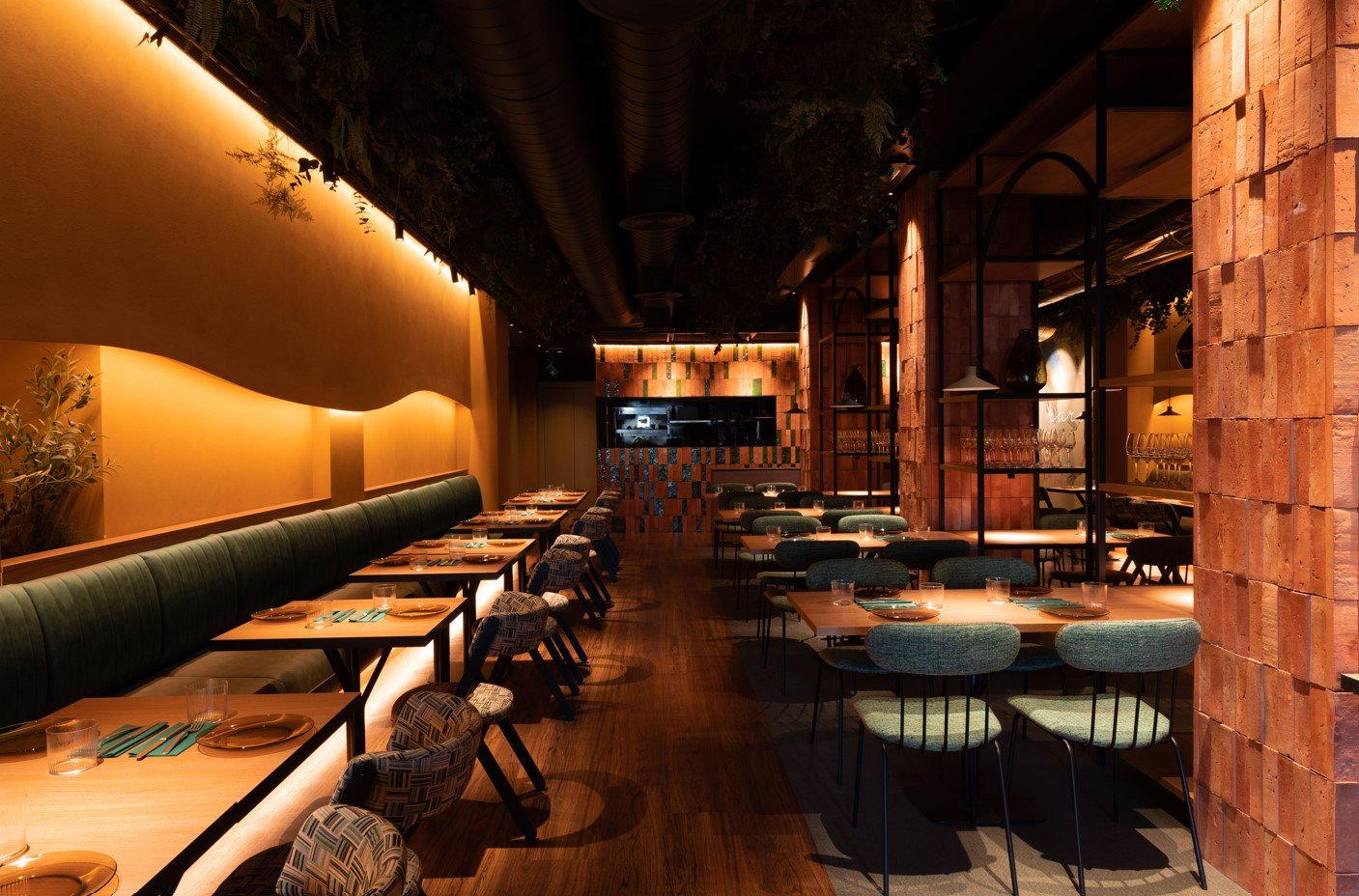
Restaurants in València
All restaurants in València →
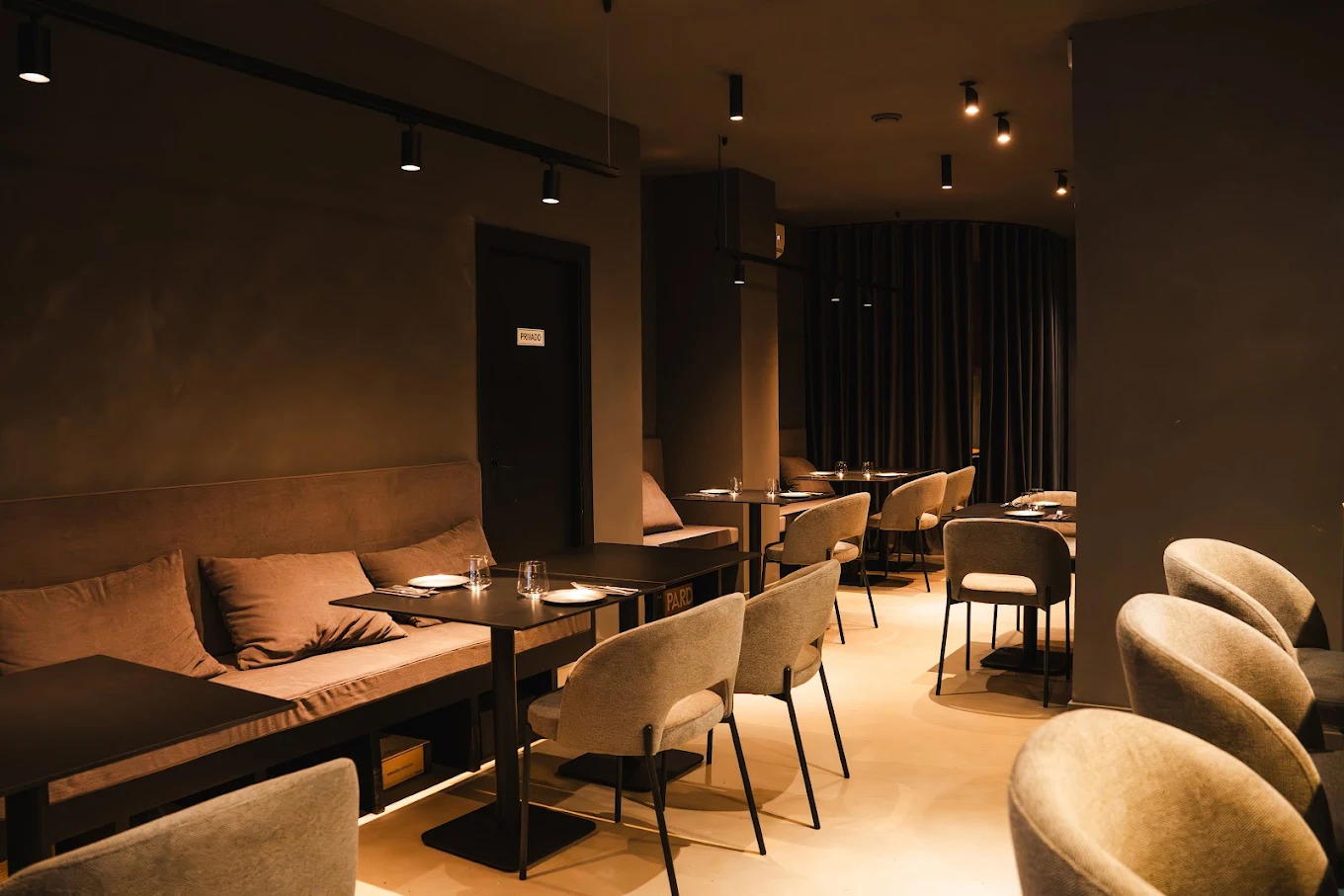
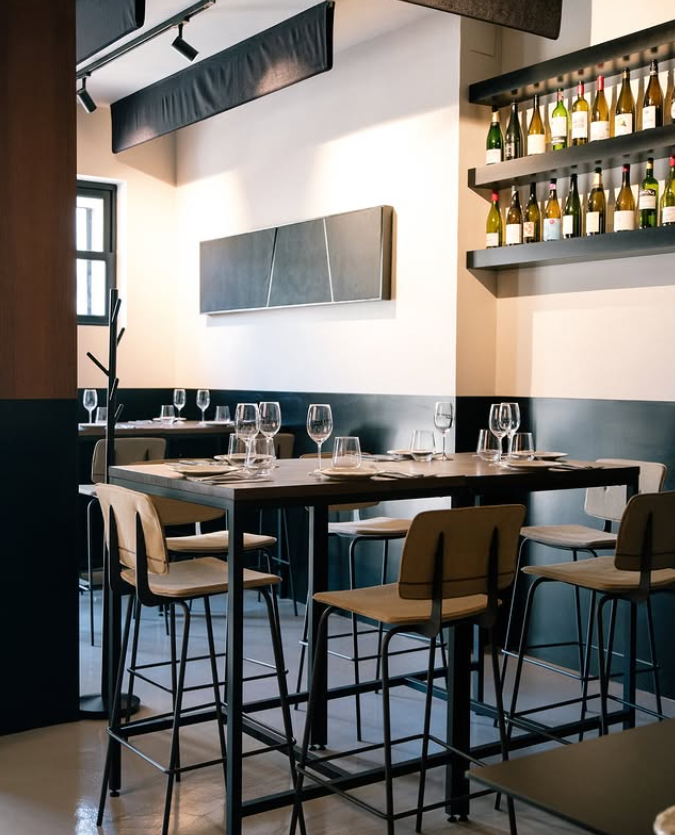
Bars in València
All bars in València →
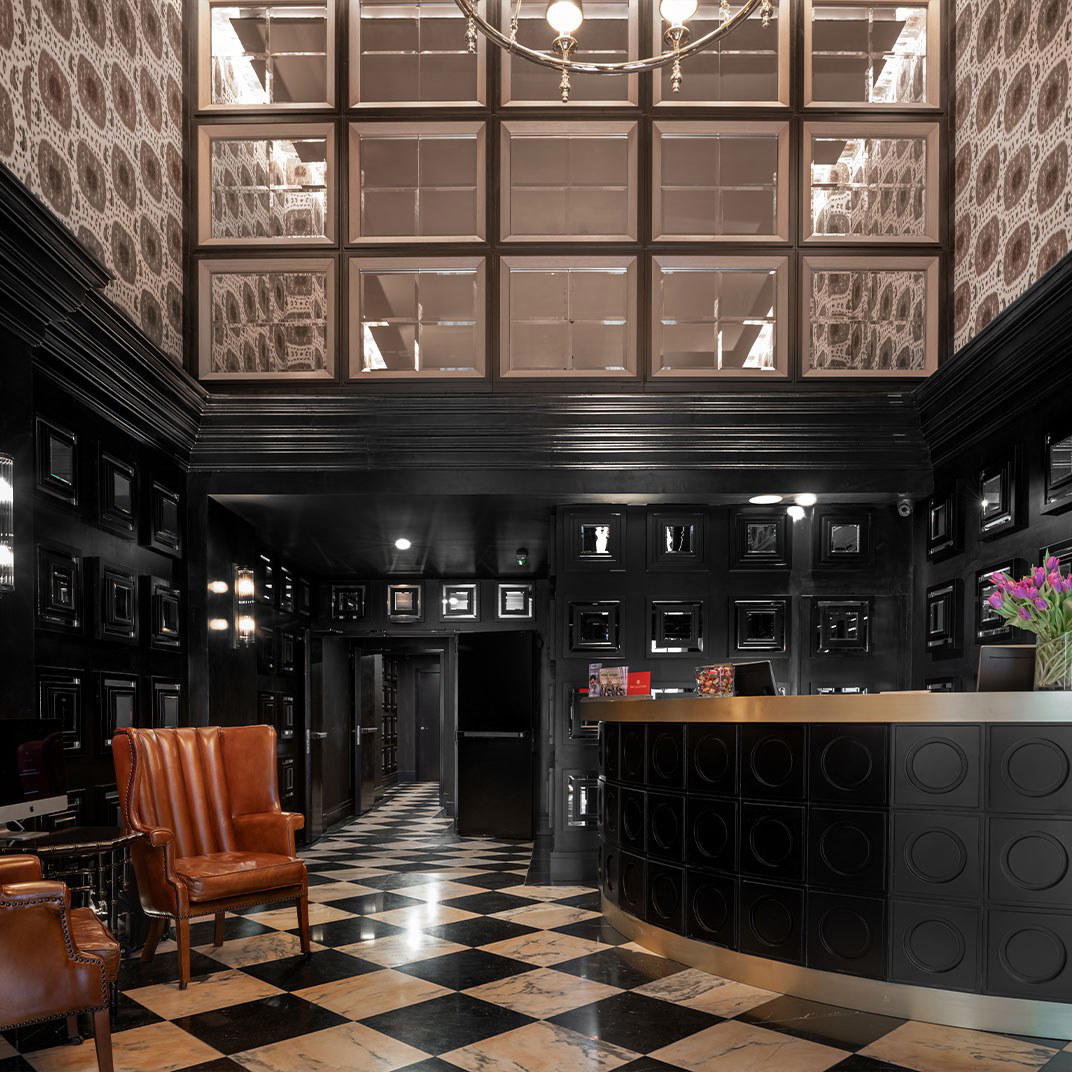
Hotels in València
All hotels in València →
Wineries in València
All wineries in València →
Details
- Modern
- Trendy
- Whimsical
- Lively
- Date Night
- Celebration
- Special Occasion
- Group Dining
- Late Night
- Design Destination
- Standalone
- Tasting Menu
- Set Menu
- Gluten Free Options
Current opening hours
- Monday
- Closed
- Tuesday
- Closed
- Wednesday
- Closed
- Thursday
- 8:30 PM–12 AM
- Friday
- 8:30 PM–12 AM
- Saturday
- 2–6 PM, 8:30 PM–12 AM
- Sunday
- Closed
Hours can change for holidays and private events. Hours as of .
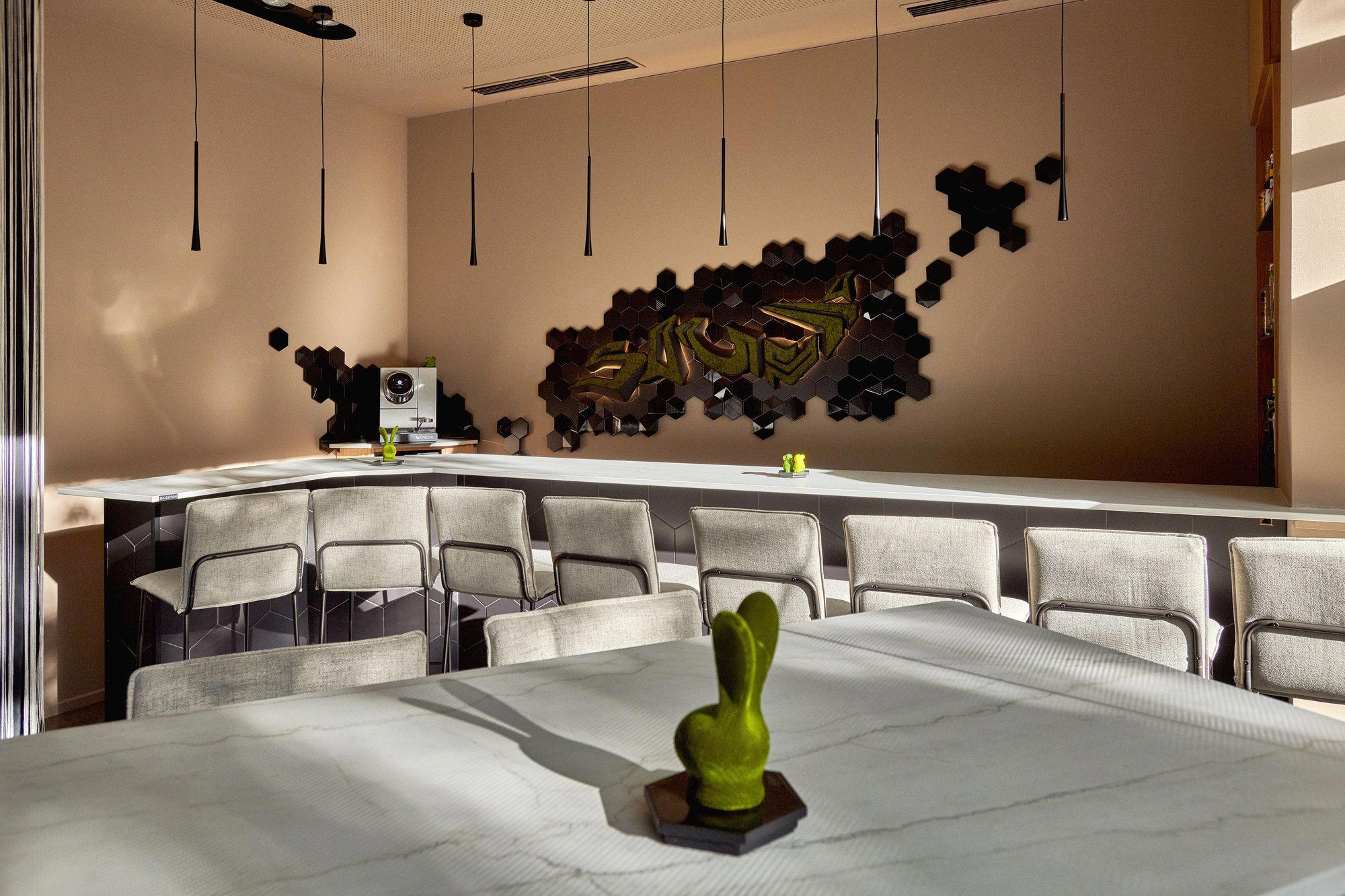
A modern, slightly futuristic room with bold design surfaces, theatrical plating and lighting that creates an energetic, buzzy atmosphere when full, but can feel more intimate and quiet when less crowded.