
Michelin Bib Gourmand
Our verdict
Arrocería Maribel sits beside a canal in El Palmar, at the heart of Valencia's rice-growing country, and has held the Michelin Bib Gourmand in both 2024 and 2025. The menu runs a traditional section alongside more contemporary rice preparations, with two set menus anchored to local produce. For a serious arrocería in the Albufera wetlands, it is among the most consistently recognised addresses in the village.

Pearl is the En Primeur Club membership app, where members save venues, book tables and use the concierge.
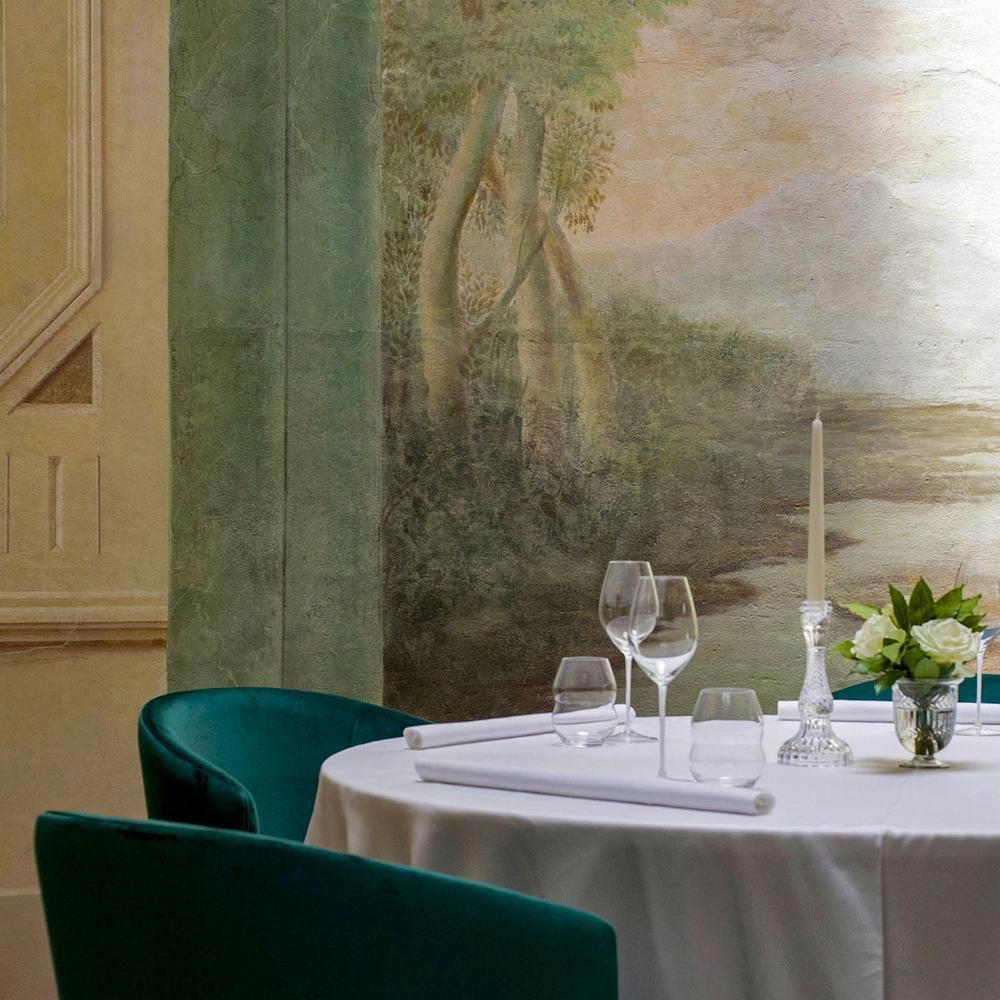
The menu
What to order
- Paella Valenciana
- Paella de mariscos
- Arroz a banda
Canal-side rice in the Albufera wetlands
The approach to El Palmar sets expectations clearly. The road narrows as it crosses the Albufera lagoon, the flatlands open out into paddy fields, and the village itself arrives as a single street of arrocerías, each one positioned as close to the canal as its plot allows. At Arrocería Maribel, on Carrer de Francisco Monleón, the terrace reaches almost to the water's edge. In a village where every address serves rice and every terrace faces the same reed-fringed canal, proximity to the source is taken seriously, and the cooking reflects that logic.
What it means to hold a Bib Gourmand here
The Michelin Bib Gourmand recognises restaurants that offer food of good quality at a price that represents genuine value. Maribel has held the award in both 2024 and 2025, which places it in consistent Michelin recognition across consecutive guides. In a village saturated with rice specialists, the Parque Natural de la Albufera draws arrocerías the way the Médoc draws châteaux, retaining that recognition two years running signals that the kitchen is not coasting on location or local loyalty. The Bib Gourmand is a more useful indicator here than a star count: it confirms the food merits the detour without implying a tasting-menu price bracket that the village format does not require.
For context on where this sits in Spanish fine dining more broadly, the upper tier of the country's scene, Arzak in San Sebastián, Azurmendi in Larrabetzu, DiverXO in Madrid, El Celler de Can Roca in Girona, operates at a different price point and format entirely. Among other rice specialists in the Valencia region, see also Arrocería Pinedo Beach in Pinedo for comparison.
The menu: tradition alongside a more contemporary section
The à la carte at Maribel divides into two sections: one traditional, one more creative and contemporary. This split is a considered structural choice, not a hedge. The traditional section anchors the menu in the dishes that define the region, the rice preparations that gave El Palmar its reputation, built on the short-grain varieties grown in the paddies that border the village. The contemporary section allows the kitchen to work beyond those inherited forms without abandoning them.
Two set menus run alongside the à la carte. Both are framed around local dishes and the produce of the Valencia region, which suggests they are organised as an introduction to the kitchen's range rather than a condensed version of a tasting progression. For a first visit, the set menu format gives a clearer read of where the kitchen places its confidence. The à la carte allows more targeted ordering once you have a sense of the kitchen's strengths.
Eneko Atxa is listed as chef, a name associated primarily with Azurmendi in the Basque Country, which holds three Michelin stars and represents one of Spain's most technically demanding kitchens. Any Basque Country influence brought to bear on a Valencian rice house makes for an interesting tension: the Basque culinary tradition runs towards precision product sourcing, technique-led preparation, and restrained elaboration. Applied to a canal-side arrocería in the Albufera, those instincts would read in the contemporary section of the menu rather than the traditional one. The updated interior Michelin references aligns with that positioning: a kitchen that has thought about where it sits relative to its neighbours, rather than simply inheriting the room.
Where El Palmar rice culture comes from
The Albufera Natural Park is one of the most significant wetland ecosystems on the Iberian Peninsula, and rice has been cultivated in its paddies since the Moorish period. El Palmar emerged as the primary fishing and farming settlement within the park, and its arrocerías represent a direct local-to-table chain that most rice-serving restaurants elsewhere can only approximate. The paella Valencia that much of the world considers a generic Spanish dish has a specific geographic and agricultural origin here: the Denominació d'Origen Arròs de València covers the short-grain varieties grown in these paddies, and the traditional preparation protocols, wood-fire, wide pan, socarrat, are argued over seriously in the village.
That density of specialist competition is the key piece of context for understanding any single arrocería in El Palmar. The Michelin guide specifically notes that Maribel stands out despite, or because of, operating in an environment teeming with competitors all working the same ingredient. Holding the Bib Gourmand in that context is a more rigorous credential than it would be in a city where the competition is diffuse.
For a different creative register in the village, Cabaña Buenavista works in a more overtly contemporary mode. For the wider Valencia region's approach to creative cooking, Ricard Camarena in València represents the city-based direction the local produce tradition can take. Spain's southern rice and seafood axis extends to Aponiente in El Puerto de Santa María, where the focus shifts to marine ingredients in a three-star format. At the opposite end of Spain's rice geography, Antoni Rubies in Artesa de Lleida applies a Catalan-inland perspective to the same grain.
The lake trip, and how to plan the visit
Michelin's own entry for Maribel flags a boat trip on the Albufera as a recommendation, which is a practical note worth taking seriously. The lake trips that depart from El Palmar are short, typically under an hour, and the late-afternoon light across the water, reflecting against the rice paddies, is the kind of thing that makes the meal that follows feel properly placed rather than incidentally located. Booking a boat before or after lunch rather than treating it as a separate day trip is the more efficient approach.
The price range sits at the €€ bracket, consistent with the Bib Gourmand positioning and appropriate for the format. Reservations are advisable, particularly at weekends when El Palmar draws visitors from Valencia city, roughly 10 kilometres north on the CV-500. El Palmar is not practical on foot from Valencia; a car or taxi is the standard approach. The village has no meaningful hotel offer of its own, so most visitors base themselves in Valencia and travel down for lunch, which remains the dominant meal format in Spanish rice culture.
For anyone building a wider itinerary, see our full El Palmar restaurants guide, our El Palmar hotels guide, our El Palmar bars guide, our El Palmar wineries guide, and our El Palmar experiences guide.
What people recommend at Arrocería Maribel
Maribel draws its strongest recommendations for the rice preparations at the core of the menu, particularly the traditional section where the kitchen works with locally grown short-grain varieties and the inherited techniques of the Albufera village. The contemporary section is noted for introducing more creative elaboration without departing from local produce. The Michelin Bib Gourmand, retained in both 2024 and 2025 under the kitchen's The terrace beside the canal is the preferred seating, and the set menus are a reliable way to cover the kitchen's range in a single sitting. The combination of the meal and the Albufera boat trip is the most frequently cited pairing for visitors making the trip from Valencia.
For Spain's broader creative fine dining context referenced in this article, see also Martin Berasategui in Lasarte-Oria, Mugaritz in Errenteria, and Cocina Hermanos Torres in Barcelona, and Quique Dacosta in Dénia, whose Valencian roots make it a particularly relevant reference for anyone exploring the region's cooking at a higher price tier.
Side-by-Side Snapshot
| Venue | Cuisine | Price | Awards | Notes |
|---|---|---|---|---|
| Arrocería MaribelThis venue (the venue you are viewing) | Authentic Valencian Arrocería | $20–30 | Michelin Bib Gourmand | Not listed |
| Aponiente | Avant-Garde Marine Seafood | $200–300 | 3 Michelin Stars · World's 50 Best #84 | Progressive - Seafood, Creative |
| Arzak | Contemporary Basque Fine Dining | $300–500 | 3 Michelin Stars · World's 50 Best #31 | Modern Basque, Creative |
| DiverXO | Avant-Garde Spanish Tasting Menu | $300–500 | 3 Michelin Stars · World's 50 Best #4 | Progressive - Asian, Creative |
| El Celler de Can Roca | Creative Catalan Fine Dining | $300–500 | 3 Michelin Stars · World's 50 Best #2 | Progressive Spanish, Creative |
| Quique Dacosta | Avant-Garde Spanish Fine Dining | $300–500 | 3 Michelin Stars · World's 50 Best #65 | Creative |
Recognition history
Dated appearances from independent guides and award organizations, with the underlying list record or original source where available.
Michelin Bib Gourmand
Michelin
Full recognition history (3 entries)
Michelin Bib Gourmand
Michelin
Michelin Bib Gourmand
Michelin
Continue exploring
More in El Palmar
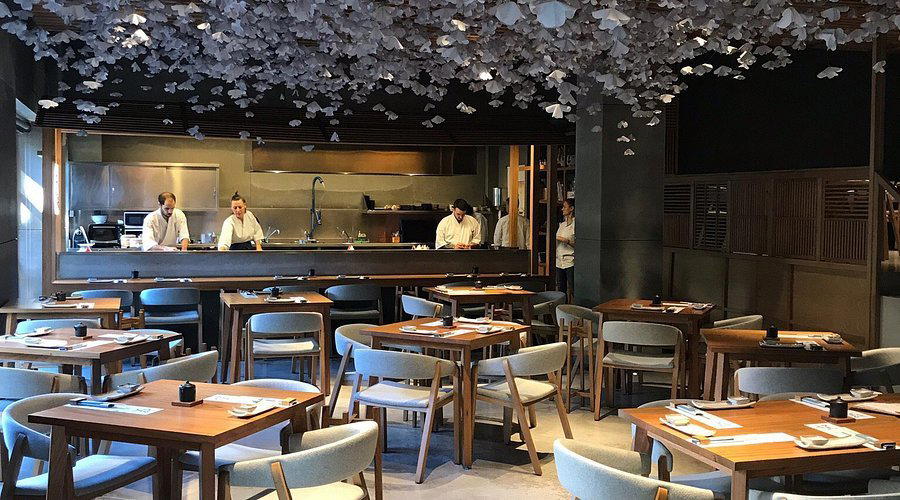
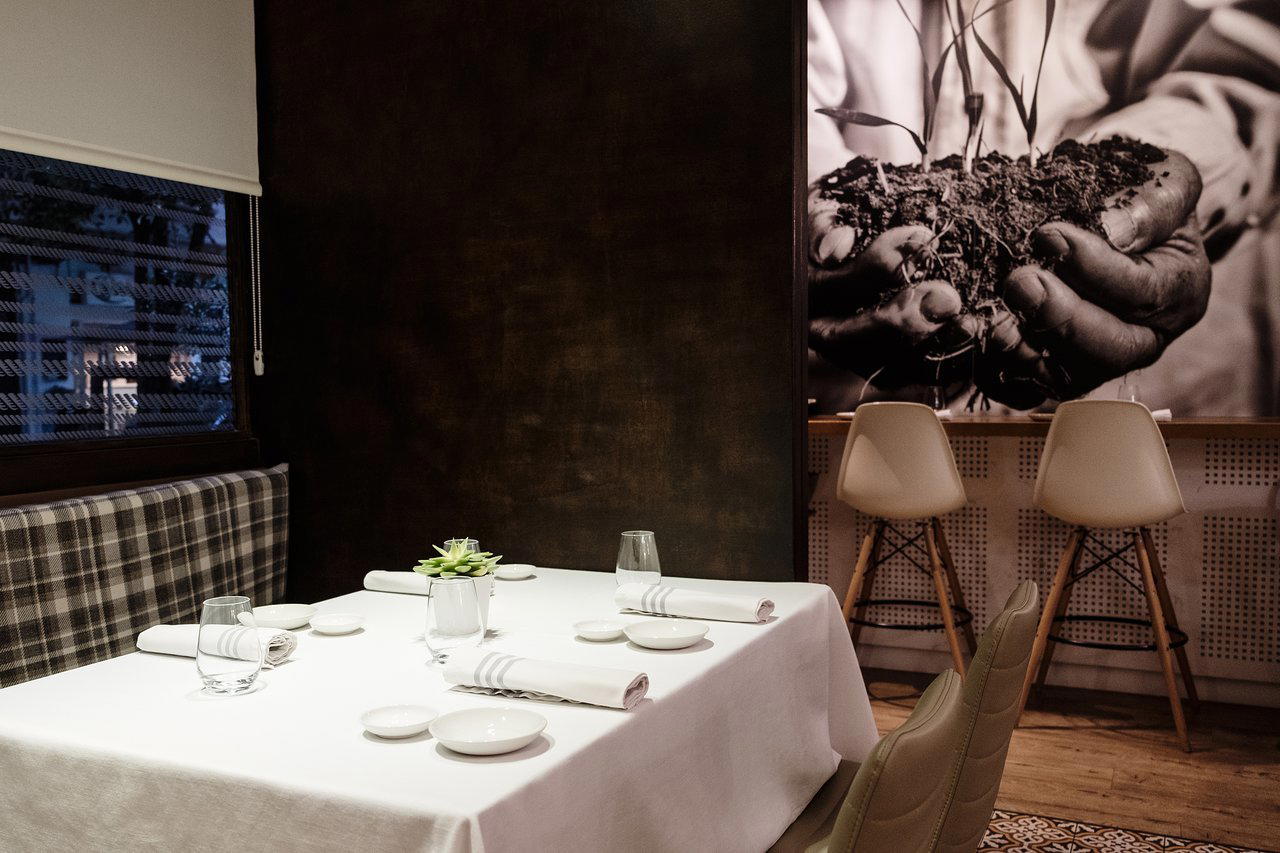
Restaurants in El Palmar
All restaurants in El Palmar →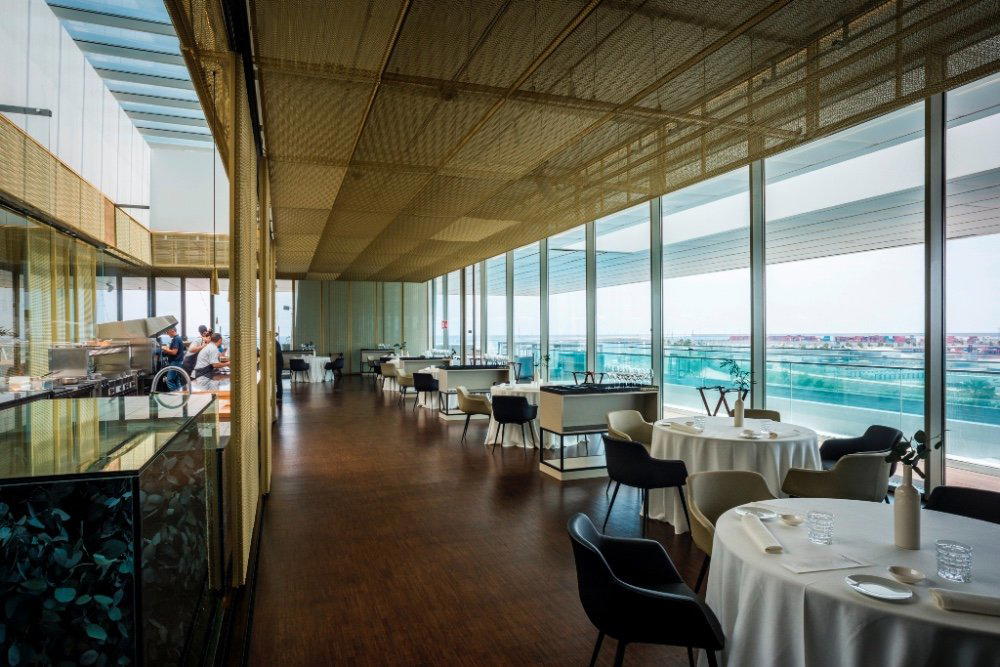
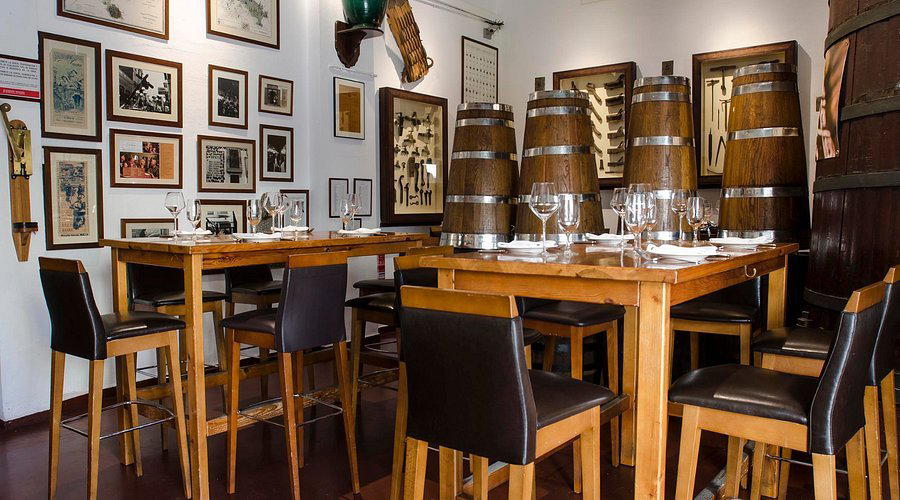
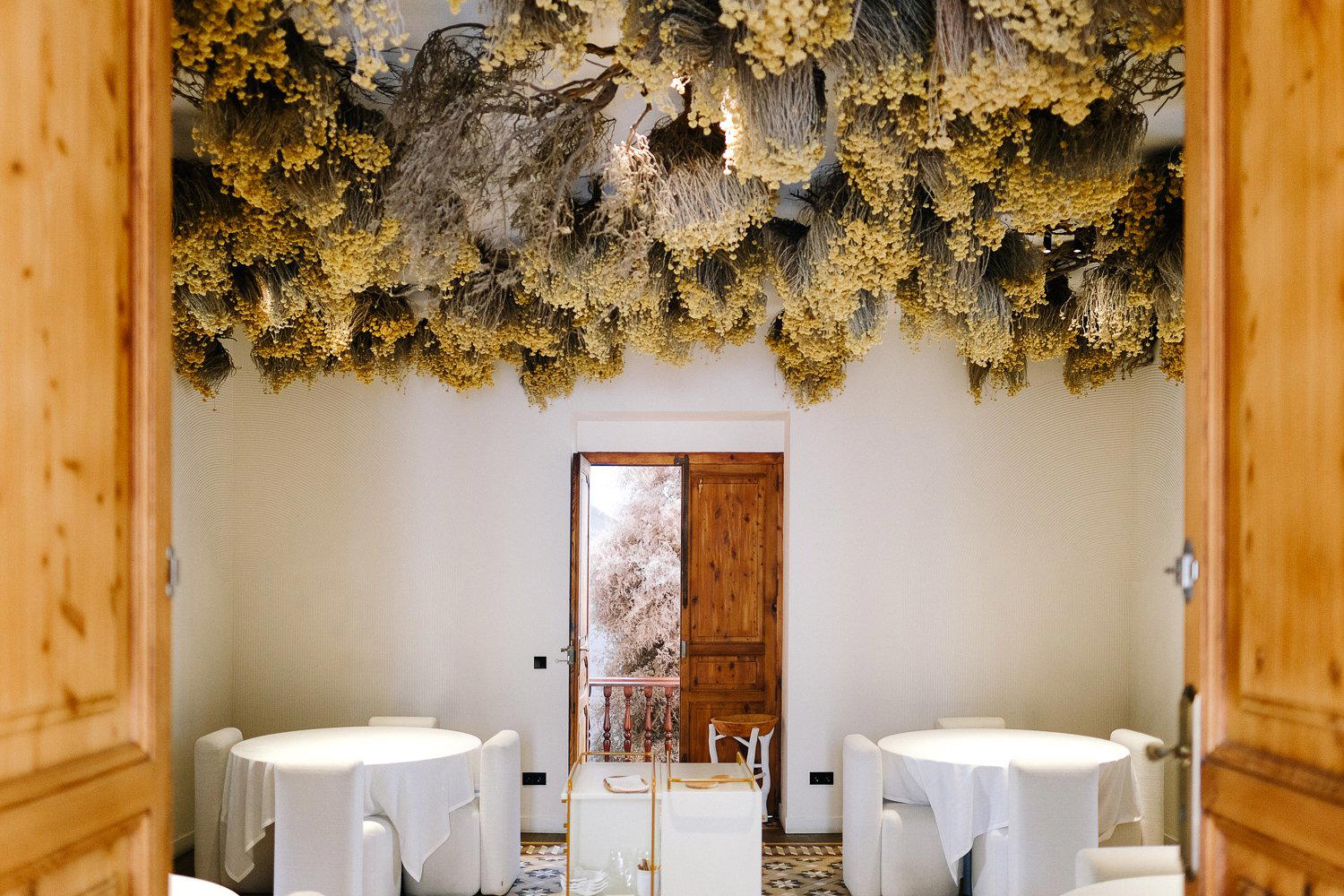
Bars in El Palmar
Browse all →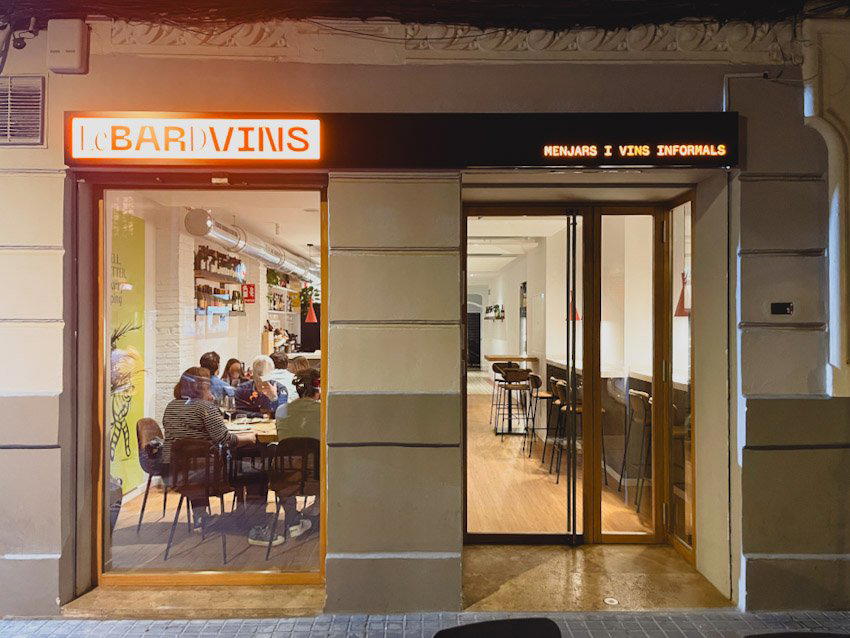
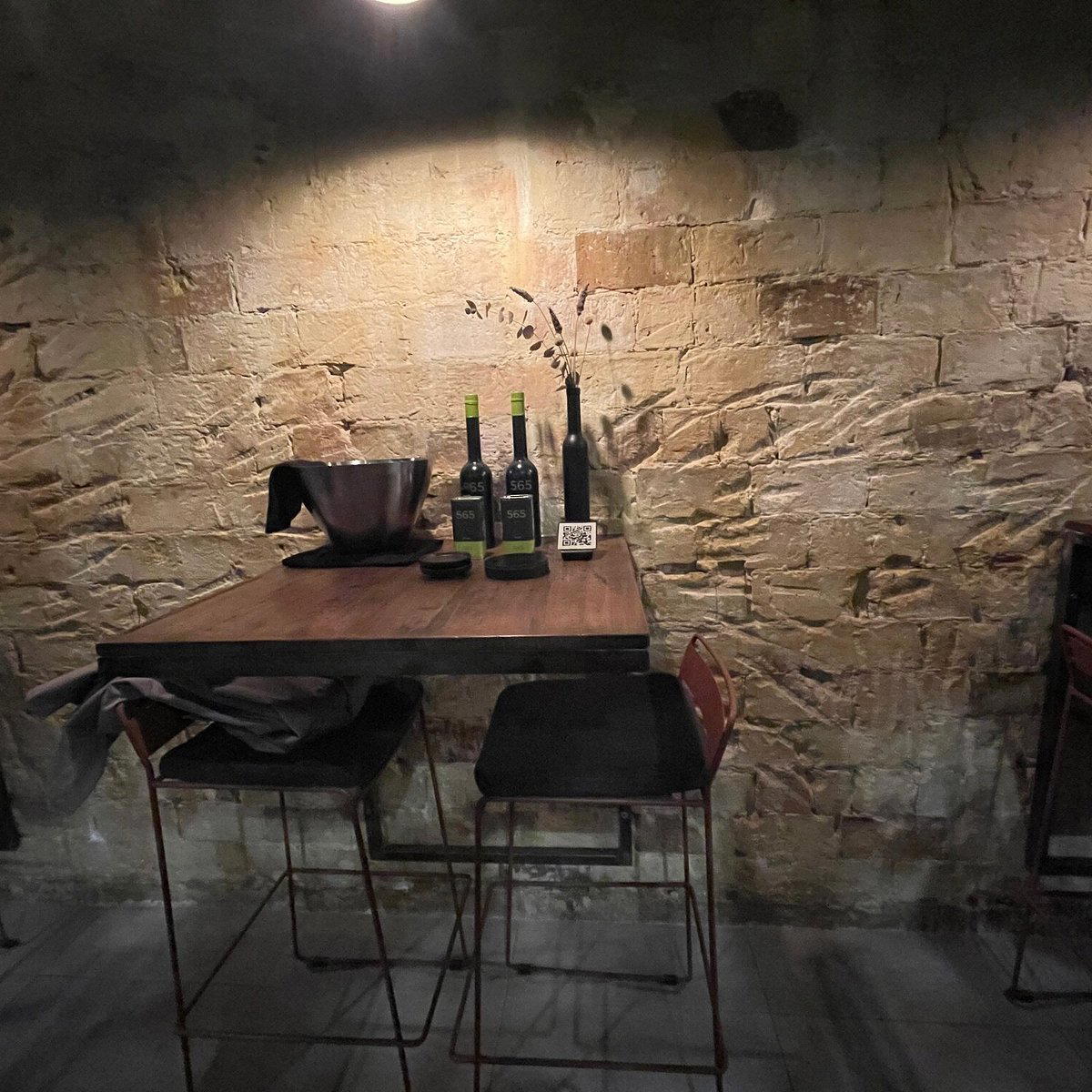
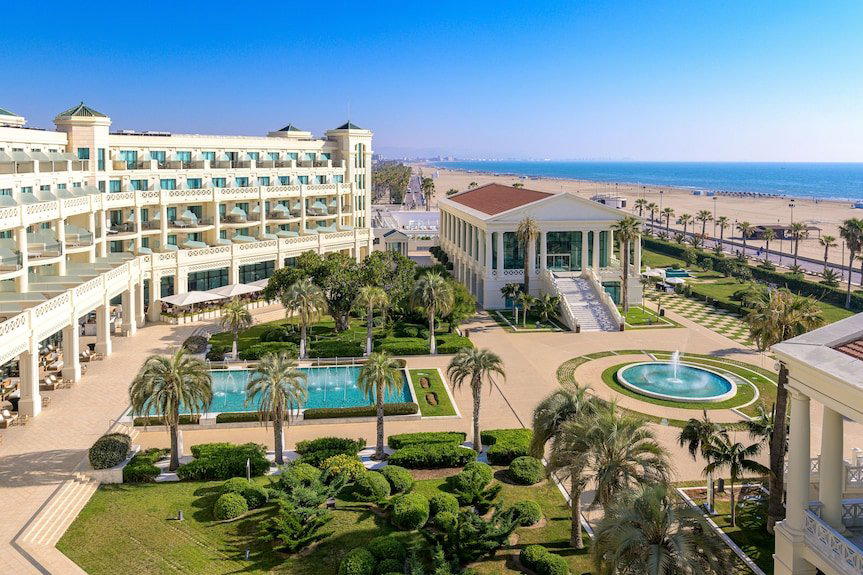
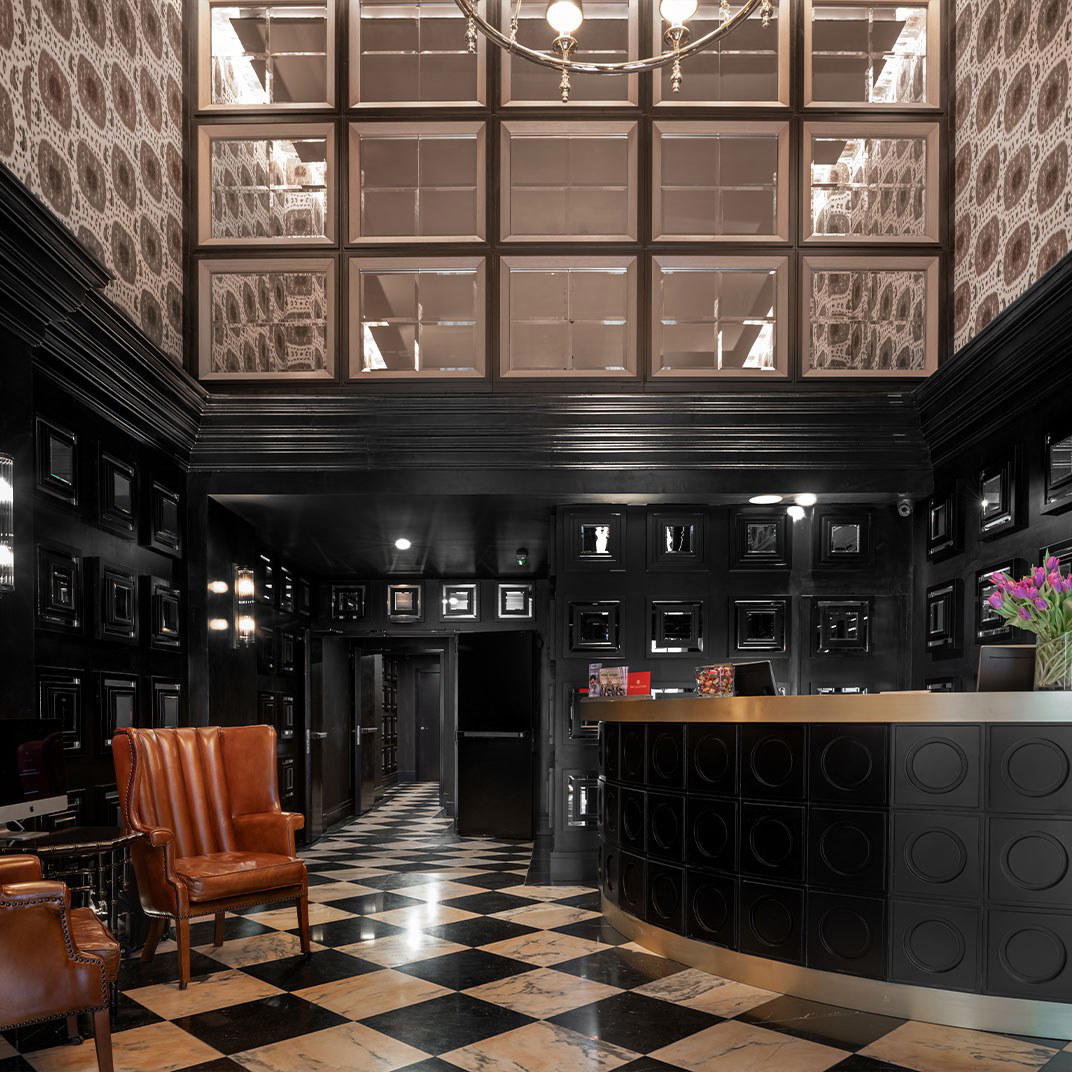
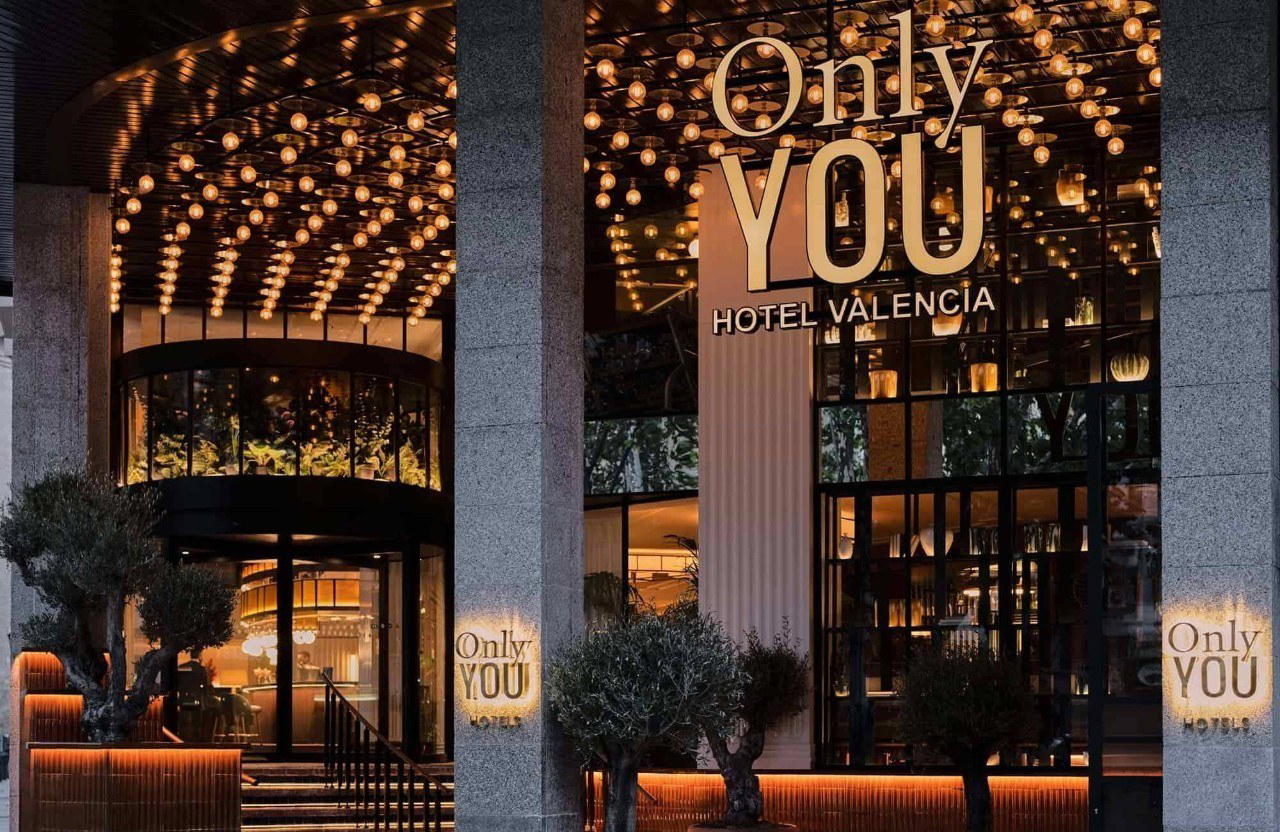
Hotels in El Palmar
Browse all →

Wineries in El Palmar
Browse all →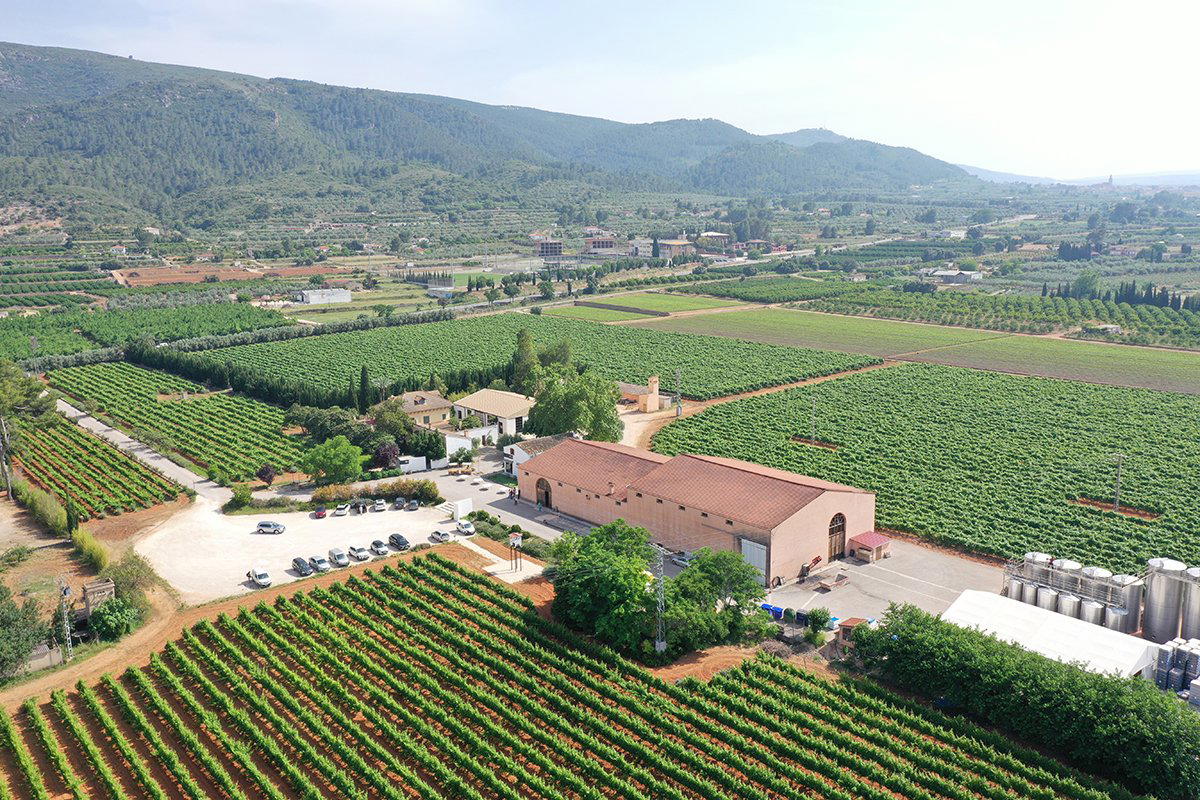
Details
- Rustic
- Cozy
- Scenic
- Classic
- Family
- Group Dining
- Special Occasion
- Terrace
- Open Kitchen
- Extensive Wine List
- Local Sourcing
- Waterfront
- Street Scene
- A La Carte
- Small Plates
- Wine
- Vegetarian Friendly
- Vegan Options
- Gluten Free Options
Current opening hours
- Monday
- 11:30 AM–5:30 PM
- Tuesday
- 11:30 AM–5:30 PM
- Wednesday
- Closed
- Thursday
- 11:30 AM–5:30 PM
- Friday
- 11:30 AM–5:30 PM
- Saturday
- 11:30 AM–5:30 PM
- Sunday
- 11:30 AM–5:30 PM
Hours can change for holidays and private events. Hours as of .
Charming maritime light with natural textures, unhurried pace, and canal-side terrace offering serene views.