Sakoon
Our verdict
Sakoon occupies a distinctive position on Castro Street, Mountain View's main dining corridor, bringing Indian cuisine into a dining room that reads more upscale-casual than the South Bay's typical subcontinental offering. The menu's architecture, organized around regional Indian cooking traditions rather than a generic curry-house format, signals an operation with a clear editorial point of view and a clientele that knows the difference.

Pearl is the En Primeur Club membership app, where members save venues, book tables and use the concierge.
The menu
What to order
- Chicken Tikka Masala
- Goan Shrimp Curry
- Butter Chicken
- Sham Savera Kofta
Castro Street and the Indian Dining Question
Mountain View's Castro Street corridor functions as a compressed version of Bay Area dining culture: fast-casual counters alongside date-night destinations, with a handful of spots that punch above their suburban zip code. Indian cuisine sits at a particular crossroads in this market. The South Bay has deep roots in subcontinental cooking, driven by the region's large South Asian tech workforce, yet the gap between basic curry houses and genuinely considered Indian restaurants remains wider here than it does in, say, the Fremont or Sunnyvale corridors. Sakoon, at 357 Castro Street, occupies territory closer to the considered end of that spectrum. For diners used to benchmarking against whatever's closest, that positioning matters.
The broader Bay Area dining scene offers useful reference points. Operations like Lazy Bear in San Francisco demonstrate that the region supports restaurants willing to frame cuisine through a structural lens rather than a purely comfort-driven one. Sakoon isn't operating at that level of formal ambition, but the underlying instinct, that menu architecture can carry editorial weight, translates across price tiers. The question worth asking of any Indian restaurant in this market is whether the menu reveals something about the cuisine's regional complexity or simply delivers a familiar shorthand. At Sakoon, the answer leans toward the former.
How the Menu Reads
The editorial angle worth following at Sakoon is not any single dish but the way the menu is organised. Indian cooking spans an enormous geographic and technical range, from the wheat-and-dairy-heavy north to the coconut-and-tamarind traditions of the south, from tandoor-centred Punjabi cooking to the spice-forward Chettinad traditions of Tamil Nadu. Most restaurants in the mid-market tier flatten this into a single undifferentiated menu. A menu that acknowledges regional provenance, by contrast, signals a kitchen that has made deliberate choices about what to include and why.
That architectural decision has a downstream effect on how a meal unfolds. When dishes are organised by tradition rather than by protein or heat level, the diner is implicitly invited to build a more coherent plate, a northern bread alongside a northern preparation, a southern rice dish alongside its appropriate accompaniment. It's a small structural choice with meaningful consequences for how the food tastes in combination, and it's the kind of choice that separates restaurants with a genuine culinary perspective from those running on autopilot.
For diners familiar with high-structure tasting formats at venues like Alinea in Chicago or Atomix in New York City, Sakoon's approach is more casual, this is à la carte dining in a relaxed room, not a sequenced experience. But the underlying logic of intentional menu design connects these registers. The expectation that a menu should teach the diner something is not exclusive to Michelin-starred formats.
The Room and What It Signals
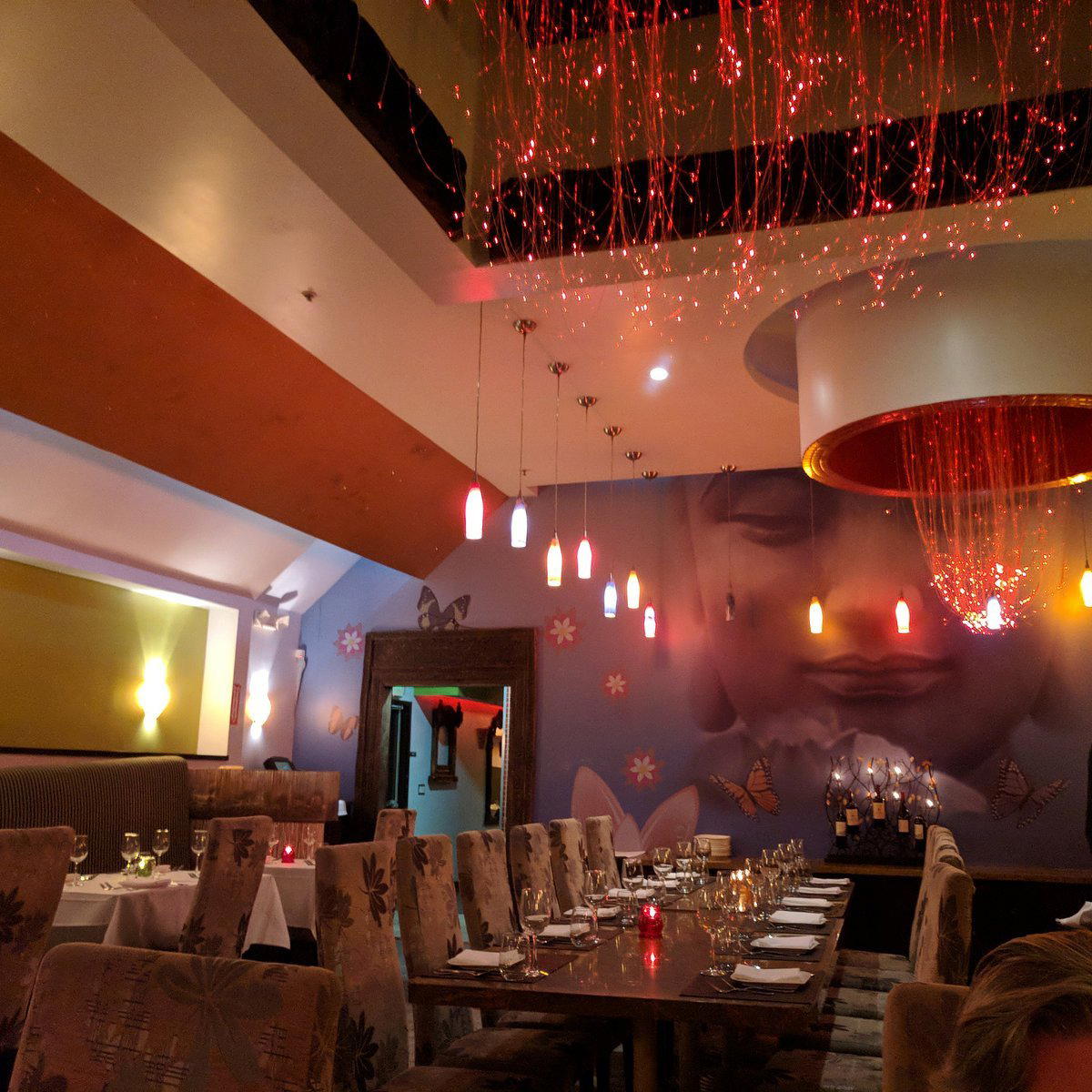
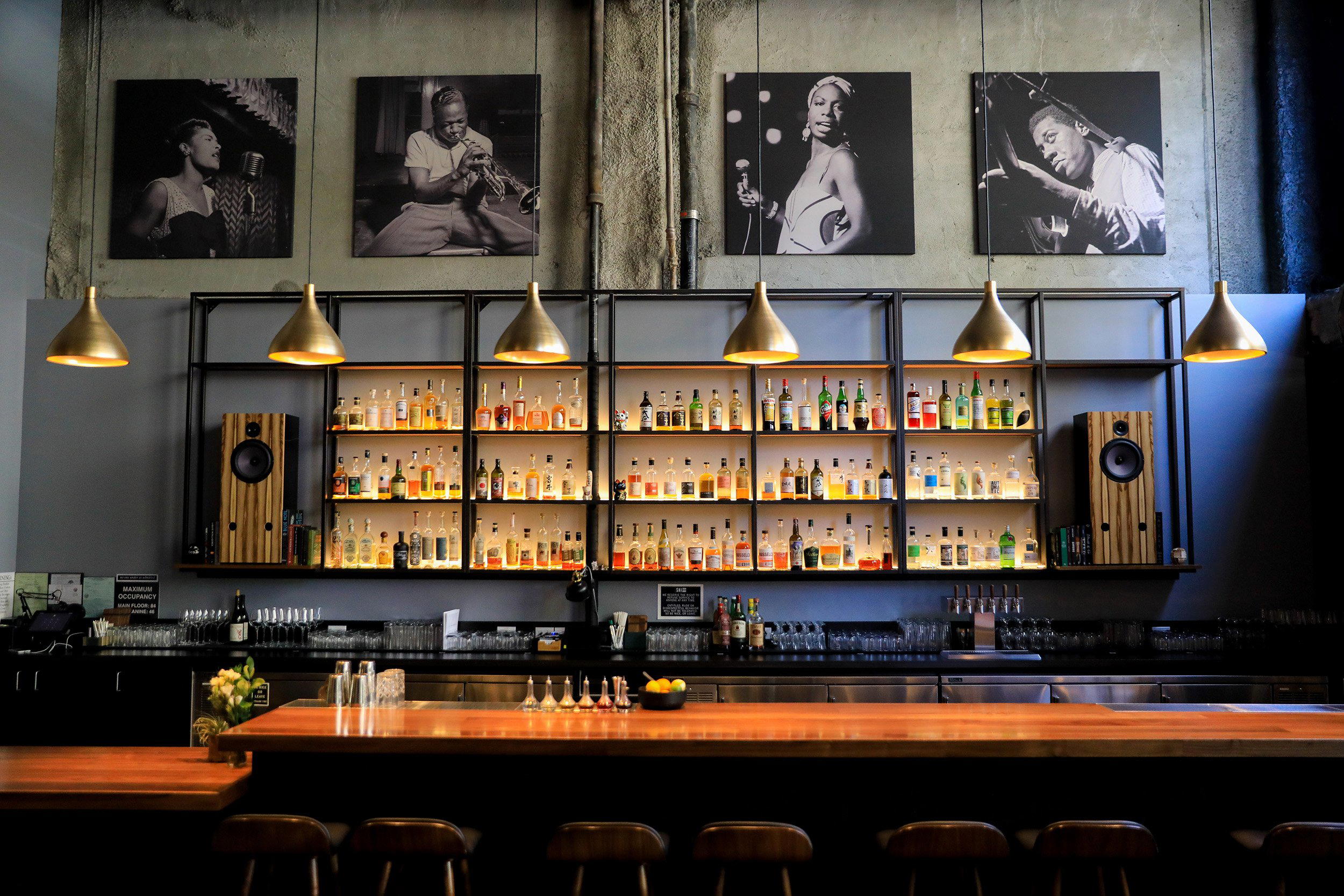
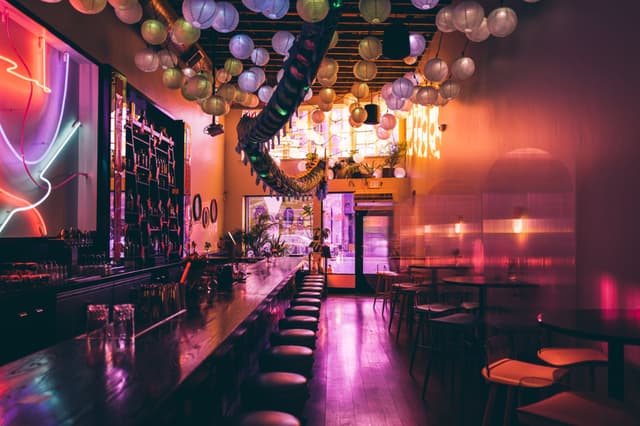
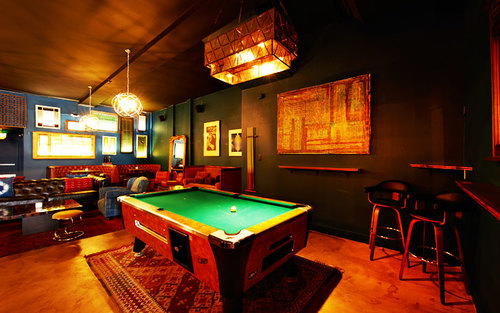
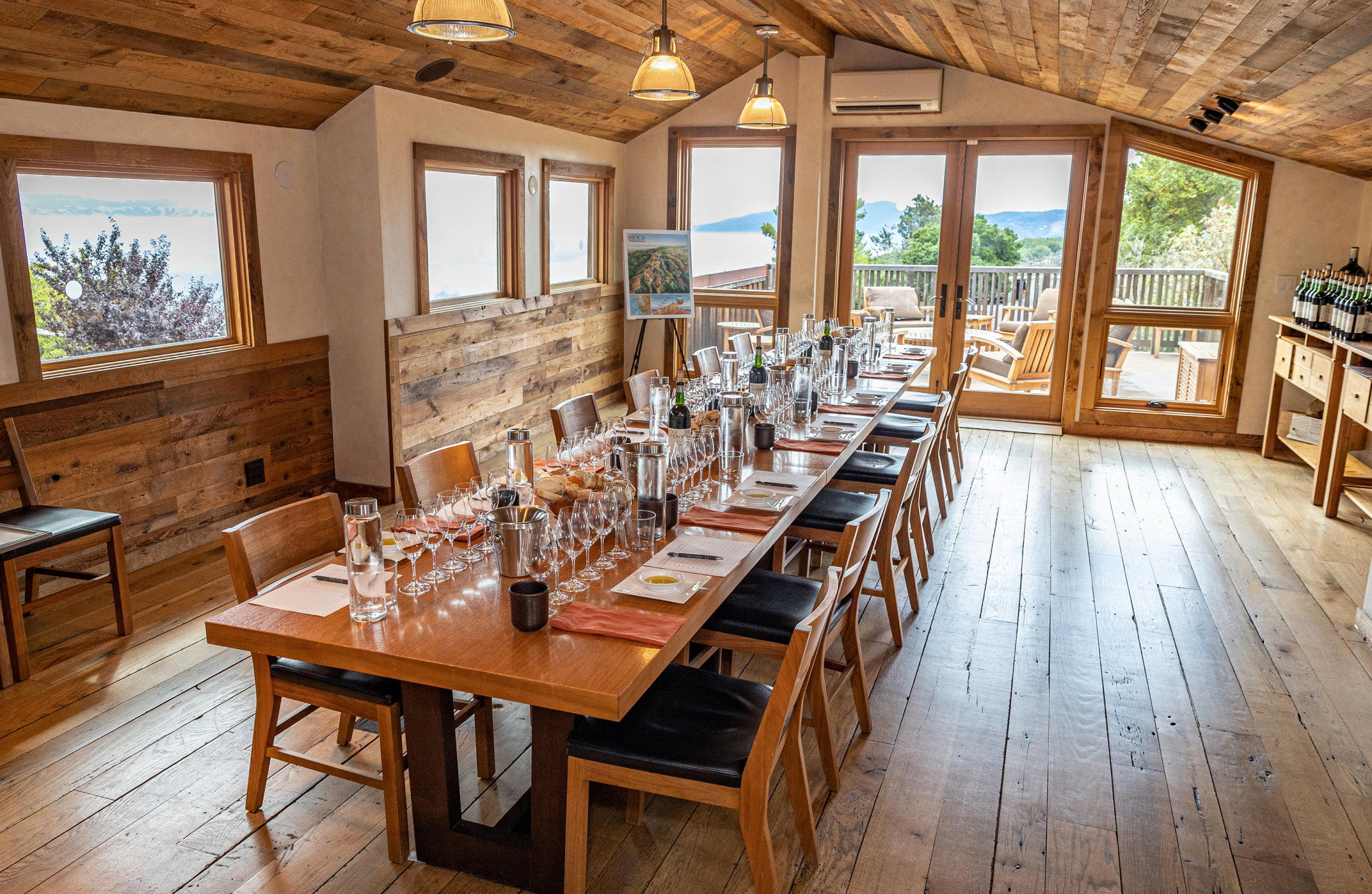
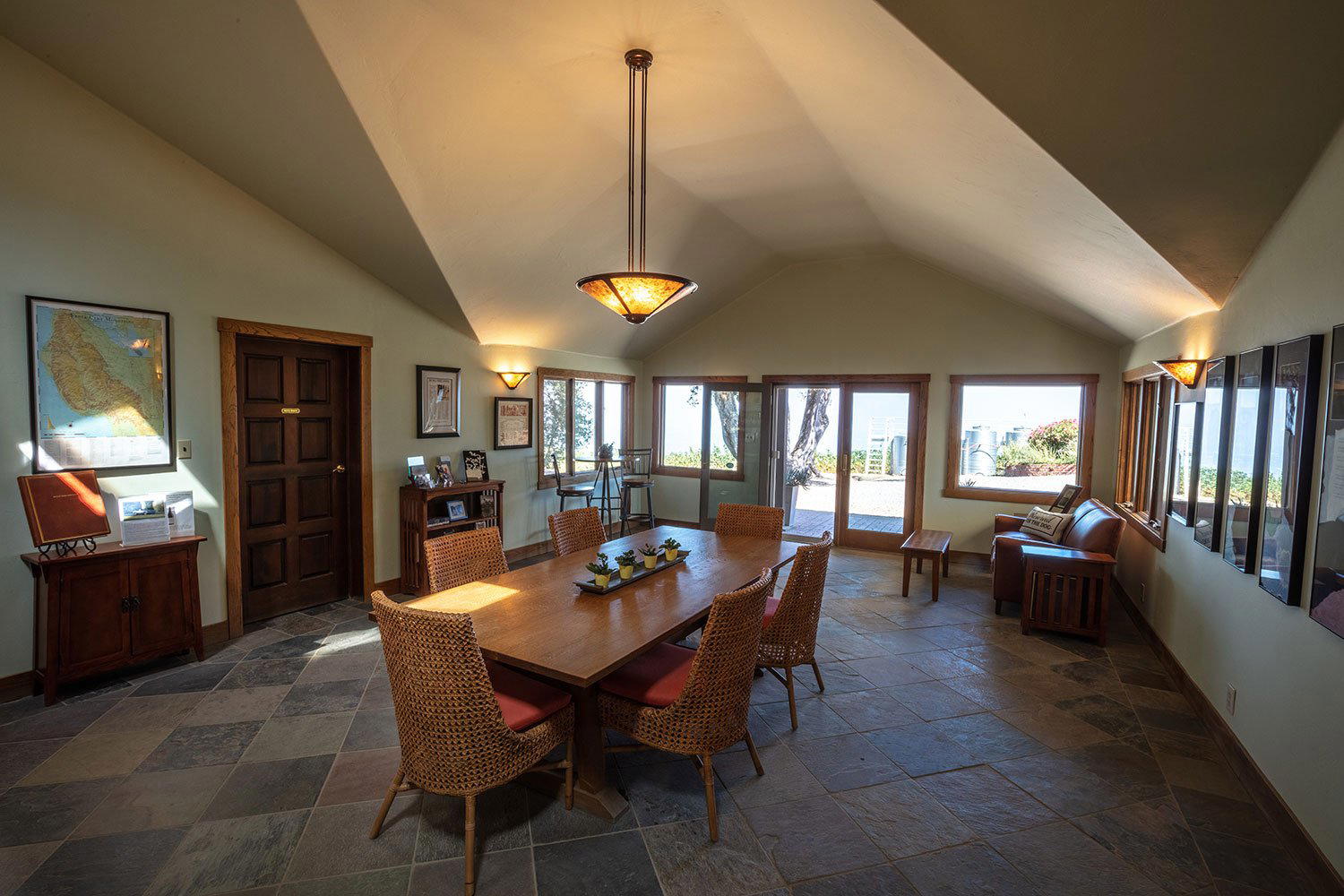
The dining room on Castro Street reads as deliberately upscale-casual: warmer and more finished than the strip's standard casual-dining aesthetic, without the formal distance that can make Indian fine dining feel slightly performative. This is a meaningful positioning call. Indian restaurants that pitch for fine-dining status in the American market often overcompensate with décor that leans heavily on Mughal visual references, ornate brass, jewel-toned textiles, arched lattice screens. That aesthetic can feel like costume rather than context. A room that is simply well-designed and comfortable, without ethnic signalling overdone, places more weight on the food to carry the cultural argument. That is generally the right trade-off.
The Castro Street location gives Sakoon natural walk-in traffic from the downtown Mountain View crowd, which includes both tech-industry professionals accustomed to well-funded dining and families for whom this is a neighbourhood regular. Managing that breadth of expectation, from the diner who wants something recognisably comforting to the one who wants to be challenged, is where menu architecture does its most useful work. A clearly organised menu allows both diners to find what they're looking for without the kitchen having to compromise on either end.
Mountain View's dining scene more broadly benefits from comparison. Chez TJ operates at the formal end of the local market with a European tasting-menu format. Cascal and Agave Mexican Bistro anchor a more casual, Latin-inflected part of the spectrum. Cloud Bistro occupies the contemporary Asian middle ground. Sakoon sits in a tier that is neither purely casual nor formally ambitious, a tier that, done well, is often the most practically useful for a city like Mountain View, where weeknight dining and weekend dinners need to serve different purposes from the same address. For a fuller picture of where Sakoon sits relative to the rest of the city, see our full Mountain View restaurants guide.
Diners comparing subcontinental options at the casual-but-considered level might also look at Chaat Bhavan Mountain View for a different approach, street-food focused, deliberately unpretentious, with a menu that makes its regional argument through snacking formats rather than sit-down courses. The two restaurants are not in direct competition, but together they illustrate how a single cuisine can generate genuinely different dining experiences within a few blocks.
Planning a Visit
Sakoon operates from its Castro Street address in central Mountain View, walkable from the Mountain View Caltrain station. The Castro Street corridor is dense enough on weekend evenings that advance booking is advisable, particularly if you're arriving as a group of four or more. Weeknight availability tends to be more forgiving.
For diners building a longer Bay Area restaurant itinerary, Sakoon works as a local anchor before or after engagements in San Francisco, where the dining density is higher but the per-meal cost and commitment are also greater. Properties like Single Thread Farm in Healdsburg or The French Laundry in Napa represent the region's formal ceiling. Sakoon operates in a different register entirely, lower cost, lower ceremony, higher accessibility, which is exactly the register that fills most dining weeks for most diners, regardless of how high their ceiling is.
Frequently asked questions
What should I expect atmosphere-wise at Sakoon?
The dining room on Castro Street reads as deliberately upscale-casual, finishing above the strip's standard casual-dining aesthetic without tipping into formal territory. Lighting and interior detail signal a date-night or celebration register rather than a quick-service stop. It sits at 357 Castro St, walkable from the Mountain View Caltrain station, so the crowd skews toward residents and commuters with intent rather than walk-in foot traffic.
Where exactly is Sakoon?
Sakoon is located at 357 Castro St, Mountain View, CA 94041, Mountain View.
Is Sakoon a good option for vegetarian diners in Mountain View?
Indian cooking's structural reliance on vegetable-forward preparation means Sakoon's regionally organised menu is likely to carry substantive vegetarian options across multiple regional categories rather than a token substitution list. Mountain View's Castro Street dining corridor has limited competition at the upscale-casual tier for vegetarians seeking something beyond pizza or Japanese. For the current menu breakdown, contacting Sakoon directly at 357 Castro St, Mountain View remains the most accurate route.
What dish is Sakoon famous for?
Sakoon's menu is organised around regional Indian cooking rather than any single headline dish, which means the editorial interest is structural: geography and technique drive the menu architecture. Specific signatures are best confirmed directly with the restaurant at 357 Castro St, Mountain View, as the menu evolves seasonally. That regional framing, rather than a single showstopper, is what distinguishes Sakoon from the Bay Area's more generic Indian-American dining options.
Should I book Sakoon in advance?
For dinner, booking ahead is advisable. Sakoon occupies a specific upscale-casual niche on Castro Street that Mountain View's dining corridor does not otherwise cover, which concentrates demand on weekend evenings and Silicon Valley work-night dinners. Walk-ins may find space at the bar or off-peak, but confirming a reservation is the safer approach for groups or special occasions.
What is Sakoon known for?
Sakoon is known for bringing a regionally structured approach to Indian cooking to Mountain View's Castro Street corridor, where the category is typically represented by more generic menus. The room and price positioning target the date-night and occasion-dining segment rather than the fast-casual end of the street. Its address at 357 Castro St places it within the core of Mountain View's walkable dining zone, a block set that draws a mix of tech-sector regulars and South Bay diners.
Accolades, Compared
Comparable venues nearby, for context on price, style, and recognition.
| Venue | Cuisine | Price | Notes |
|---|---|---|---|
| SakoonThis venue (the venue you are viewing) | Modern Regional Indian | $30–50 | Not listed |
| Chaat Bhavan Mountain View | Authentic Indian Vegetarian | $10–20 | Mountain View |
| Cascal | Pan-Latin Tapas & Paella | $30–50 | Downtown Mountain View |
| Mantra India | Northern and Southern Indian | $20–30 | Downtown Mountain View |
| Cloud Bistro | American Bistro | $10–20 | Shoreline |
| Giorgio's Italian Grill and Pizzeria | Italian Grill and Pizzeria | $20–30 | Not listed |
Continue exploring
More in Mountain View
Restaurants in Mountain View
All restaurants in Mountain View →
Bars in Mountain View
Browse all →



Details
- Elegant
- Cozy
- Sophisticated
- Date Night
- Group Dining
- Family
- Casual Hangout
- Private Dining
- A La Carte
- Vegetarian Friendly
- Vegan Options
Current opening hours
- Monday
- 11:30 AM–2:30 PM, 5–10 PM
- Tuesday
- 11:30 AM–2:30 PM, 5–10 PM
- Wednesday
- 11:30 AM–2:30 PM, 5–10 PM
- Thursday
- 11:30 AM–2:30 PM, 5–10 PM
- Friday
- 11:30 AM–2:30 PM, 5–10:30 PM
- Saturday
- 12–3 PM, 5–10:30 PM
- Sunday
- 12–3 PM, 5–10 PM
Hours can change for holidays and private events. Last verified .
Warm and serene atmosphere with dazzling decor evoking vibrancy and peace.